
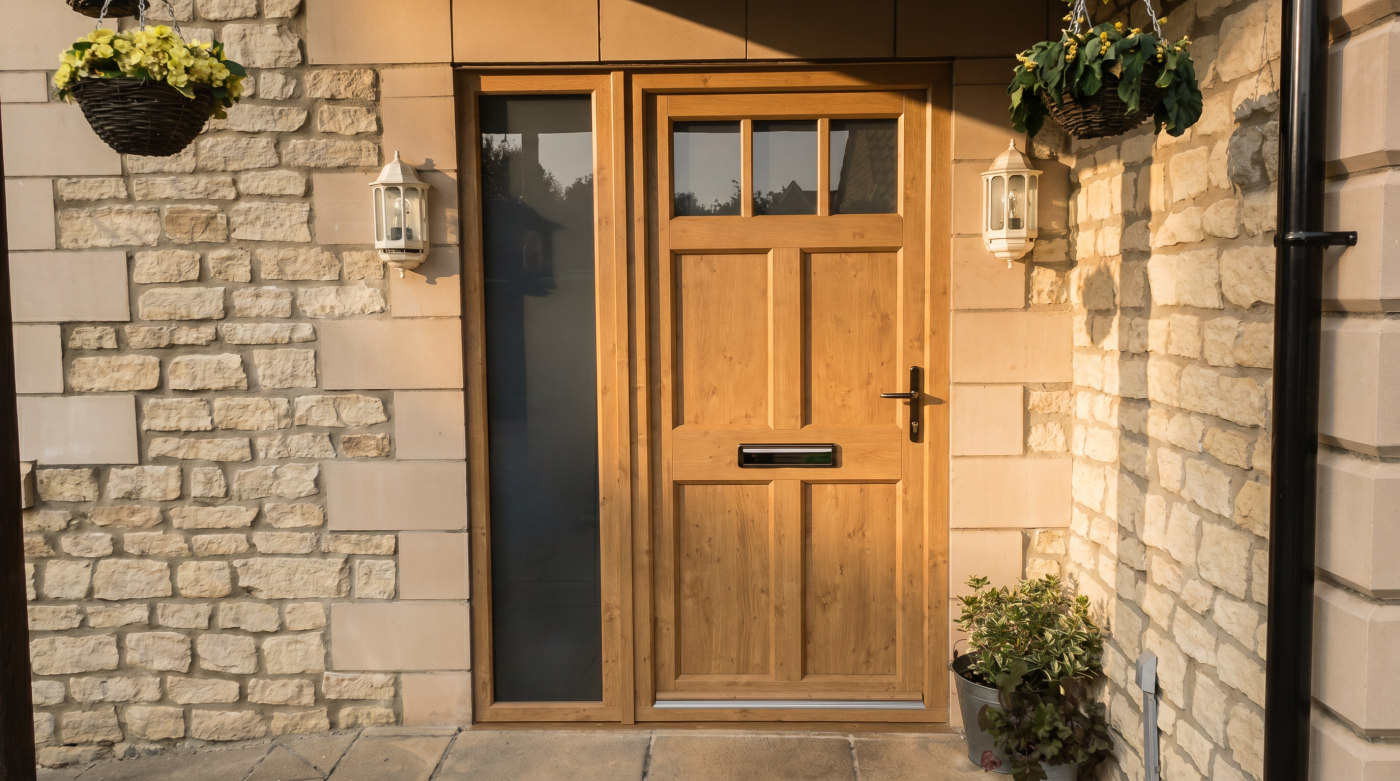
Start With the Architecture, Not the Door
One of the most common mistakes homeowners make when choosing a new entrance door is treating it as a standalone purchase. They compare colours, materials, glazing options and hardware before asking a much more important question: What does this house actually need? Architects take the opposite approach. Rather than beginning with the product, they begin with the building itself, allowing its character, proportions and materials to guide every design decision that follows.
Every home has its own architectural language. A Georgian townhouse, a Victorian renovation, a contemporary self-build and a rural barn conversion each express different ideas about proportion, symmetry and materiality. An entrance door that feels perfectly at home on one property may look entirely out of place on another, even if it is beautifully made. This is why timeless design is rarely about selecting the most expensive or fashionable door. It is about choosing one that feels as though it naturally belongs to the architecture.
The surrounding materials play an equally important role. Brick, natural stone, timber cladding, render and roofing materials all contribute to the visual identity of the home, and the entrance door should reinforce these relationships rather than compete with them. Colour, texture and detailing work together to create a composition where no single element dominates. When this balance is achieved, the entrance feels calm, cohesive and enduring.
Architects also consider the scale of the façade. The proportions of the door, the size of any glazed panels and the relationship with adjacent windows all influence how welcoming and balanced the building appears. A well-proportioned entrance quietly enhances the architecture, while one chosen in isolation can unintentionally disrupt it.
This is why the most successful entrance doors rarely announce themselves as individual design statements. Instead, they become an integral part of the building’s identity. Fifteen years later, when fashions have changed and trends have faded, they still feel entirely appropriate because they were chosen to serve the architecture—not the moment.
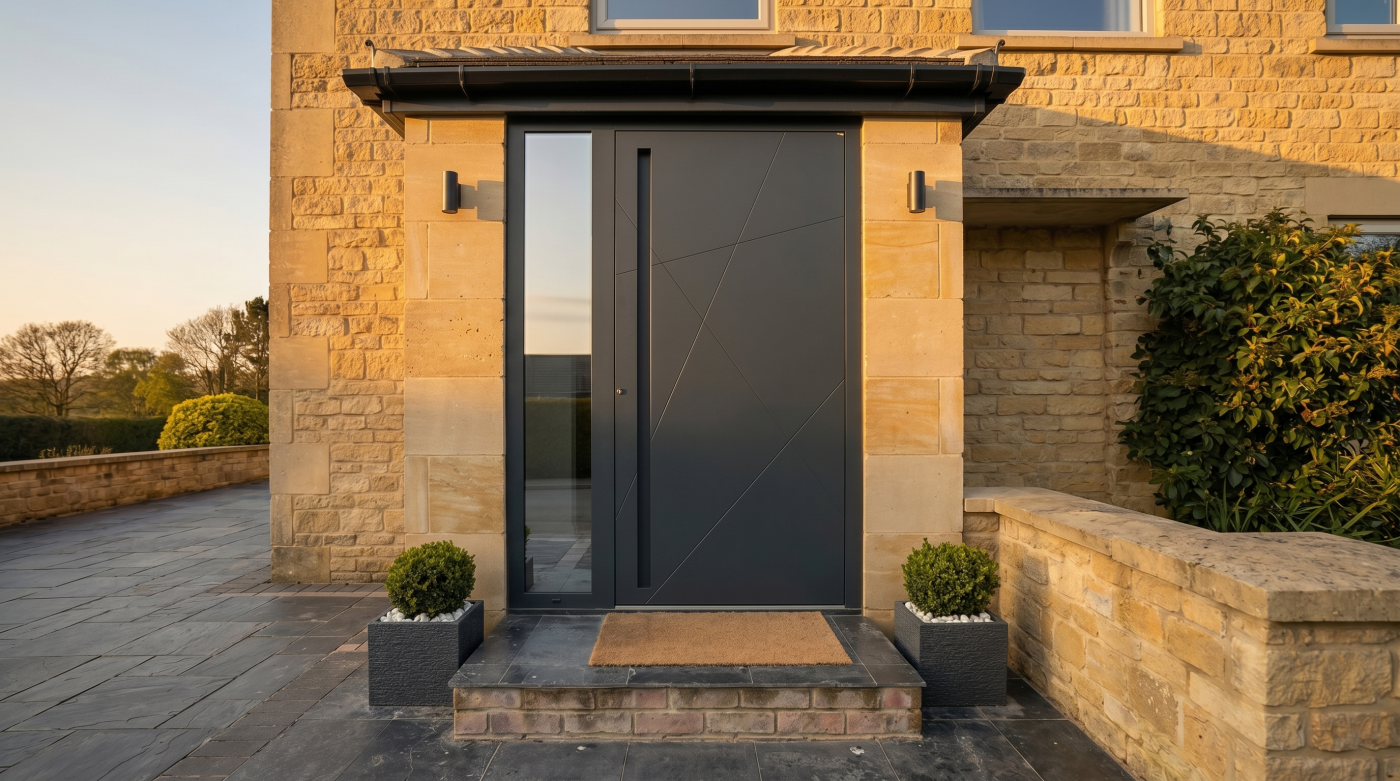
Why Proportion Matters More Than Decoration
When people describe a front door as beautiful, they often assume it is because of its colour, glazing pattern or decorative details. In reality, the quality they are responding to is usually something far less obvious. Well-designed entrance doors succeed because of their proportions. The relationship between height and width, the balance of solid and glazed elements, and the scale of the frame all combine to create an entrance that feels naturally comfortable to the eye. Decoration may attract attention, but proportion is what allows a design to remain timeless.
Architects understand that the human eye instinctively responds to balance. A door that is correctly proportioned in relation to the façade appears welcoming and settled, while one that is oversized, heavily ornamented or visually cluttered can feel awkward regardless of how expensive it may be. This is why many of the world’s most admired buildings rely on remarkably simple entrances. Their impact comes not from elaborate styling but from careful composition and restraint.
Glazing is a good example. Introducing glass can bring valuable natural light into an entrance hall and strengthen the relationship between inside and outside, but it should complement the overall design rather than dominate it. Slim vertical glazing panels, balanced sidelights or understated vision panels often age more gracefully than highly decorative patterns that reflect a particular design trend. The same principle applies to handles, door furniture and mouldings. Simplicity tends to remain relevant because it allows the architecture itself to become the focal point.
Scale also matters. The proportions of the entrance should relate comfortably to neighbouring windows, the roofline and the overall dimensions of the building. When these relationships are carefully considered, the front door feels as though it has always belonged there, regardless of whether the property is traditional or contemporary.
This is why architects place such importance on proportion. Decorative details may change with fashion, but balanced design rarely does. A well-proportioned entrance continues to feel elegant long after more trend-driven styles have begun to look dated, making it one of the safest investments homeowners can make when choosing a front door.
Choosing Materials That Age Beautifully
An entrance door is one of the few elements of a home that is touched, seen and used every day. Unlike paint colours or interior finishes, it is not something most homeowners expect to replace after a few years. For that reason, the materials chosen should be judged not only by how they look on installation day but by how they will perform and mature over the next fifteen years and beyond. Architects think in terms of longevity, selecting materials that continue to enhance the building rather than simply resisting the passage of time.
Aluminium has become a popular choice for contemporary homes because of its combination of strength, durability and low maintenance. Slim profiles, precise engineering and high-quality powder-coated finishes allow aluminium entrance doors to retain their appearance for many years while requiring relatively little upkeep. Rather than demanding regular treatment or repainting, they offer a consistency that suits homeowners seeking long-term performance alongside refined architectural design.
Timber offers a different kind of appeal. Its natural grain and texture bring warmth and character that many homeowners value, particularly in traditional and rural settings. Over time, timber develops a subtle patina that reflects its age and environment, rewarding those who appreciate materials that evolve naturally. However, preserving this appearance usually requires a greater commitment to maintenance, making it important to balance aesthetic preferences with practical expectations.
Other materials, including composite and steel-look systems, also have their place, provided they are selected with the architecture in mind. The key is not choosing the most fashionable material but understanding how it will complement the building and respond to years of weather, sunlight and everyday use. Durability should never come at the expense of architectural integrity, nor should appearance be separated from long-term performance.
Architects therefore ask a simple question when specifying materials: Will this look better, or at least just as appropriate, in fifteen years as it does today? Materials that answer that question confidently are rarely those chasing trends. They are the ones that age with quiet dignity, allowing the entrance to remain an enduring part of the home’s character for decades to come.
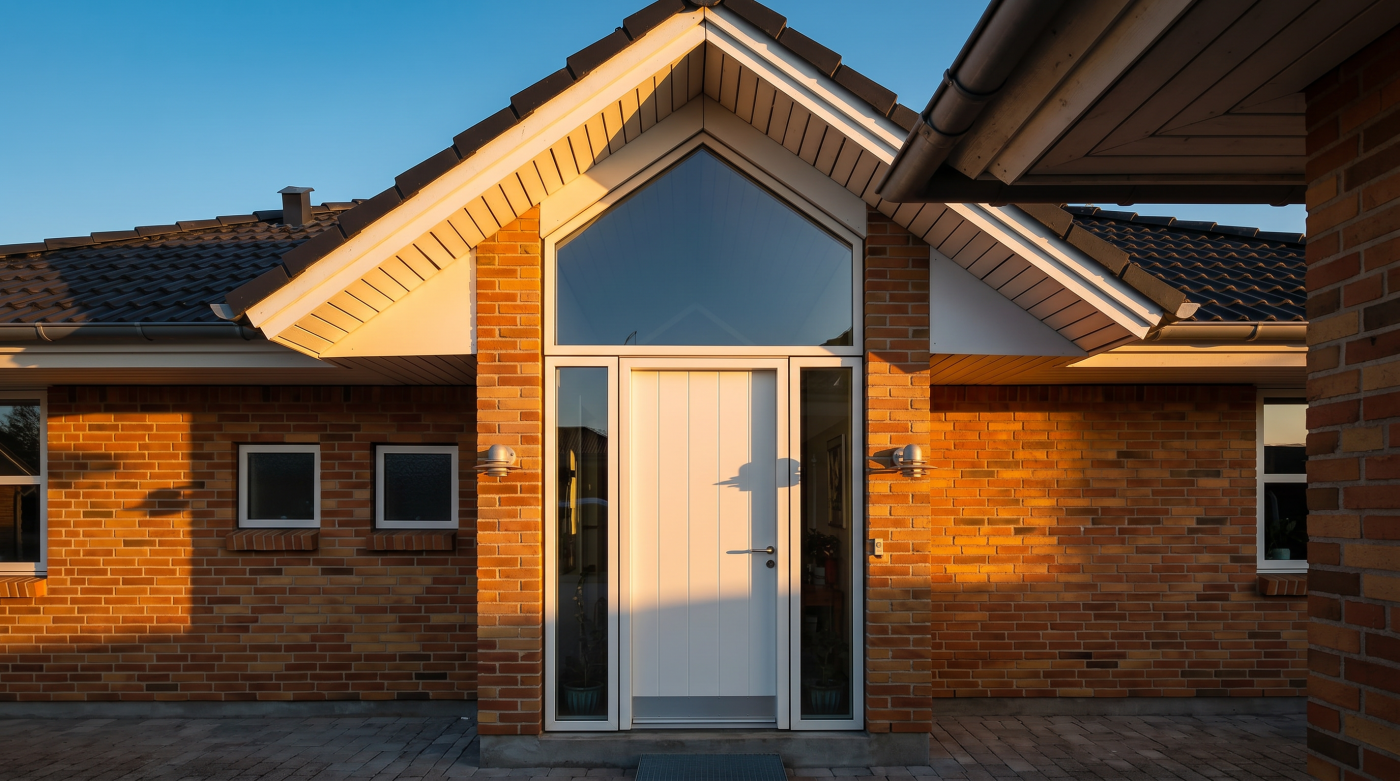
Colour Choices You’ll Still Appreciate Years From Now
Colour is often one of the most emotional decisions in any building project. It is also one of the easiest places to be influenced by current trends. A shade that dominates social media or appears on every new development may feel like the obvious choice today, but entrance doors are expected to remain in place for decades. Architects therefore approach colour with a much longer perspective, selecting finishes that support the architecture rather than reflect a particular moment in design.
Neutral tones have remained popular for precisely this reason. Deep charcoals, soft greys, muted bronzes and carefully chosen blacks continue to complement a wide variety of architectural styles without overwhelming them. These colours work because they allow other materials—brick, natural stone, timber and landscaping—to retain their visual importance. Rather than becoming the centre of attention, the entrance door forms part of a balanced composition that feels calm and enduring.
That does not mean bold colours should always be avoided. On certain period properties, heritage-inspired greens, blues or rich reds can reinforce the character of the architecture and create an entrance that feels entirely authentic. The key is ensuring the colour has a relationship with the building rather than being chosen in isolation. A carefully considered heritage colour can remain timeless because it belongs to the property’s architectural language, whereas a fashionable shade selected purely because it is popular today may feel dated surprisingly quickly.
Architects also consider how colour interacts with natural light. The same finish can appear dramatically different on a north-facing elevation than it does in strong afternoon sun, while surrounding materials subtly influence how colours are perceived throughout the day. This is why colour samples are often viewed alongside brickwork, stone or cladding before any final decision is made.
Ultimately, timeless colour choices are rarely the most attention-grabbing. They succeed because they quietly support the architecture, allowing the proportions, craftsmanship and materials of the home to remain the defining features. Fifteen years later, they continue to feel appropriate—not because they ignored trends, but because they were never dependent on them.
Think About the Whole Entrance
A front door is rarely experienced on its own. Long before someone reaches the handle, they have already formed an impression of the entrance through the pathway, landscaping, lighting and architecture surrounding it. This is why architects rarely design the door as an isolated feature. Instead, they think of the entrance as a complete composition, where every element contributes to a welcoming, balanced and lasting first impression.
The journey towards the front door is an important part of this experience. A well-designed path naturally guides visitors to the entrance, while carefully positioned planting softens the architecture and creates a sense of arrival. External lighting does more than improve visibility after dark; it highlights textures, emphasises architectural details and gives the home a welcoming presence throughout the evening. These elements work together to frame the entrance before the door itself becomes the focus.
Material relationships are equally significant. The entrance door should complement the brickwork, stone, render, timber cladding and roofing materials that define the building’s character. Door furniture, house numbers, letterboxes and external light fittings should also be considered as part of the same design language. When these details are coordinated rather than selected independently, the entrance feels calm, cohesive and intentional instead of appearing as a collection of unrelated products.
Canopies, porches and recessed entrances can further strengthen the composition by adding depth, shelter and shadow. These architectural features create a more comfortable transition between outside and inside while giving the entrance a stronger sense of permanence. Even relatively simple homes can feel considerably more refined when these supporting elements are thoughtfully designed.
This holistic approach explains why some entrances remain attractive for decades while others quickly begin to feel dated. The success of a front door is rarely determined by the door alone. It comes from the way every surrounding element supports it, creating an entrance that feels complete rather than decorative. When the architecture is considered as a whole, the door naturally becomes part of a timeless design instead of a passing trend.
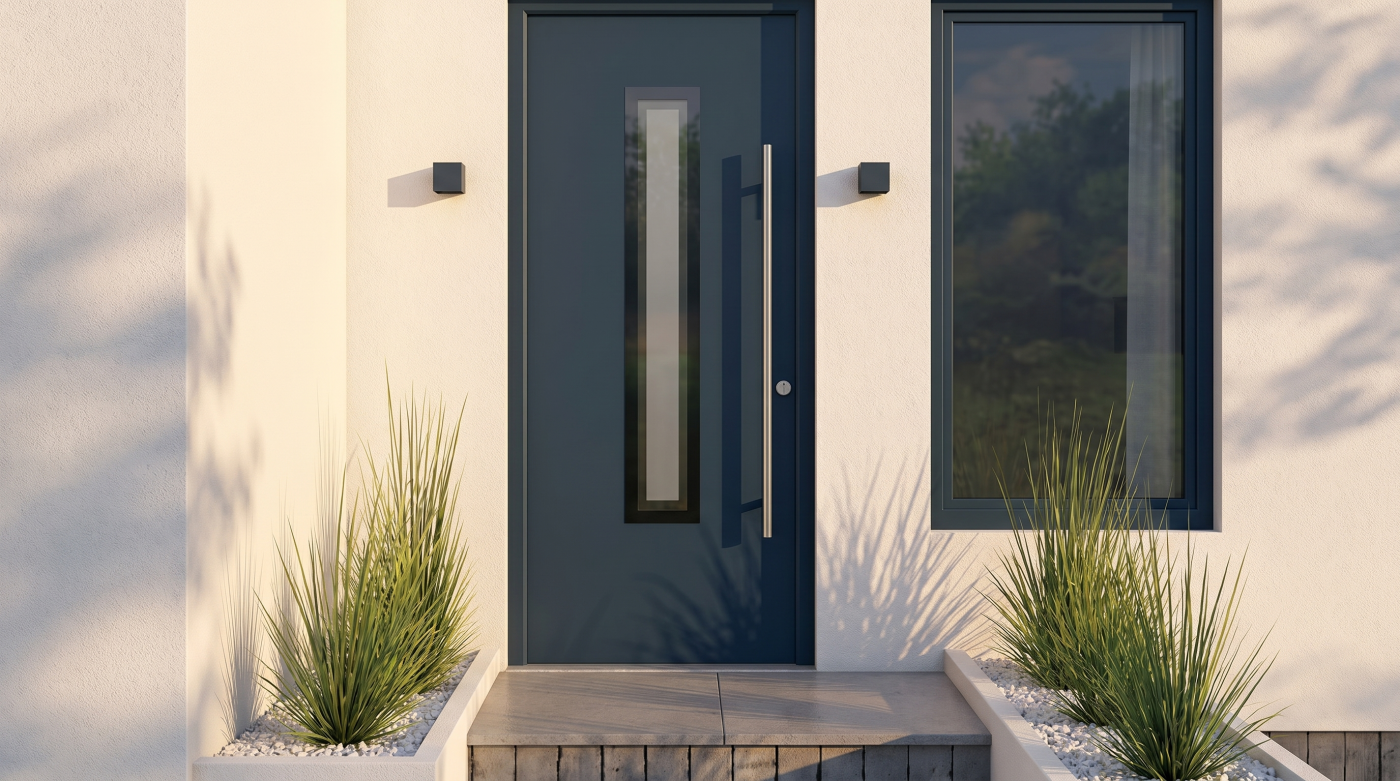
How Daily Use Shapes Long-Term Satisfaction
It is easy to choose a front door based on how it looks in a brochure or showroom. It is much harder to imagine how that same door will feel after being opened and closed thousands of times over the next fifteen years. Yet this is precisely how architects approach specification. They understand that lasting satisfaction comes not only from appearance but from the quality of everyday experience. A timeless entrance door should continue to perform with the same quiet confidence long after the excitement of installation has faded.
The first interaction is often the handle. Its weight, texture and proportions create an immediate impression before the door even begins to open. A well-designed handle feels substantial without being oversized, while smooth operation reflects the precision of the engineering behind it. These small details are repeated every single day, gradually becoming part of the routine of coming home. When they are thoughtfully designed, they reinforce the sense of quality with every use.
Comfort also plays a significant role. A premium entrance door should close securely with a reassuring solidity, seal effectively against draughts and external noise, and contribute to a stable indoor environment throughout the seasons. Good thermal performance, weather resistance and reliable security systems may not be immediately visible, but they shape the experience of living in the home every day. The best entrance doors are appreciated as much for what they prevent—cold air, unwanted noise and maintenance issues—as for how they look.
Ease of maintenance is another important consideration. Durable finishes and high-quality materials reduce the need for ongoing upkeep, allowing the entrance to retain its appearance with relatively little effort. This becomes increasingly valuable over time, particularly for homeowners planning to remain in the property for many years.
Ultimately, a front door earns its place through repeated daily interactions rather than occasional admiration. A design that continues to feel comfortable, reliable and appropriate after fifteen years is one that has achieved something far more valuable than short-term visual impact. It has become a natural and trusted part of the home itself.
Making a Decision You’ll Still Be Happy With in 15 Years
Choosing an entrance door is one of the few design decisions that will influence your home every single day for many years. Unlike paint colours, furniture or decorative finishes, it is not something that is regularly updated as tastes evolve. For this reason, the most successful choices are rarely those that make the biggest statement today. They are the ones that continue to feel appropriate long after fashions have changed, quietly supporting the architecture rather than competing with it.
Throughout this guide, one principle has remained consistent: timeless design begins with the building, not the product. Architects first consider the proportions of the home, its materials, the surrounding landscape and the way the entrance is experienced before thinking about colours, hardware or glazing details. By allowing the architecture to guide these decisions, they create entrances that feel naturally connected to the building instead of reflecting short-lived design trends.
This long-term approach also encourages homeowners to think beyond the initial purchase. The quality of the materials, the precision of the engineering and the ease of everyday use all influence how satisfied you will feel years after installation. A door that opens smoothly, performs reliably in all weather conditions and requires minimal maintenance often proves to be a better investment than one chosen primarily for its appearance. Lasting value is measured through years of ownership rather than the excitement of installation day.
Working with experienced architects, designers or specialist glazing partners can provide valuable perspective during this process. Their role is not simply to recommend products but to help ensure every aspect of the entrance supports the wider design of the home. This collaborative approach often leads to more balanced decisions that continue to feel right as the property evolves.
Ultimately, the best entrance door is not the one that attracts the most attention. It is the one that still feels completely at home fifteen years later—welcoming you back every day with the same quiet confidence, complementing the architecture as naturally as it did from the very beginning.