
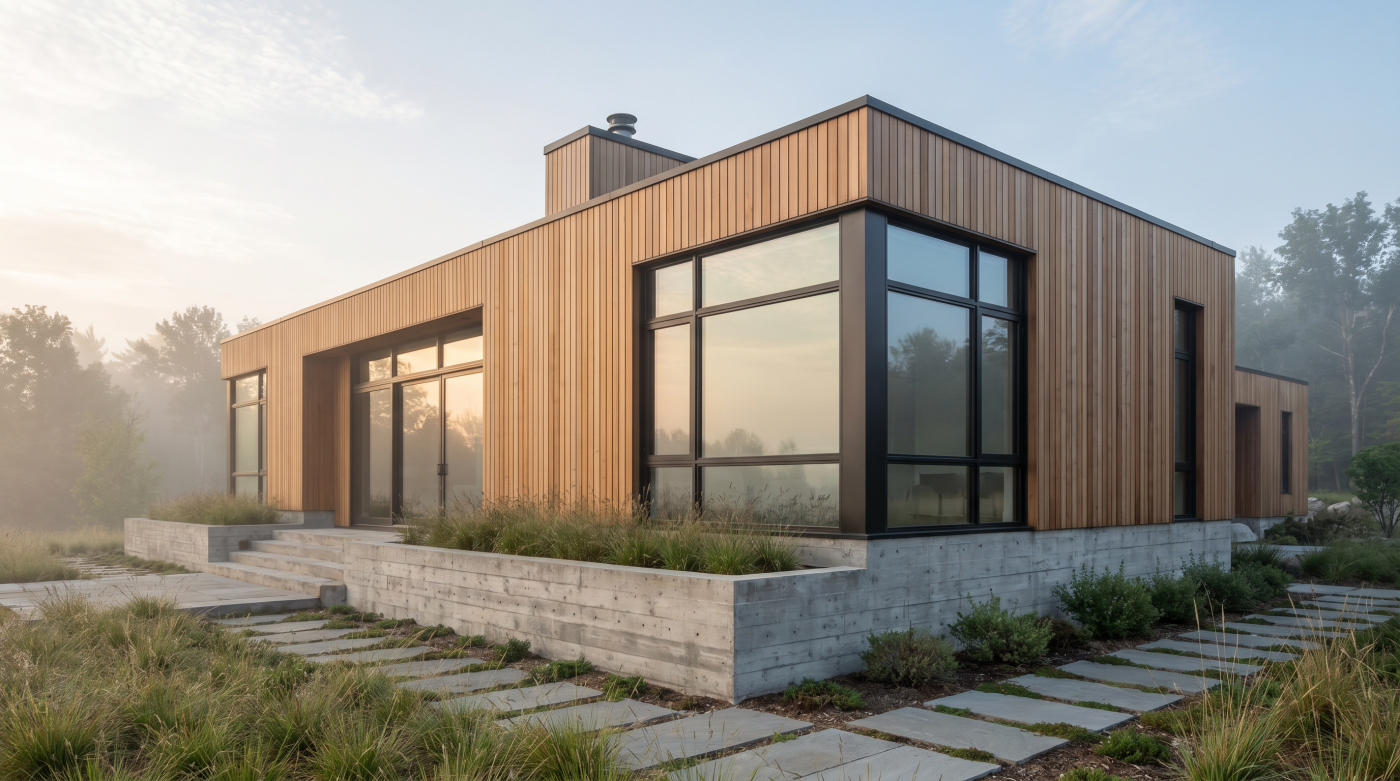
Section 1: Why Two Materials Can Be Better Than One
When homeowners first encounter alu-clad windows, they often assume they represent a compromise between timber and aluminium. The name itself can create the impression that one material has simply been added to another as a protective layer. Architects see the concept rather differently. They do not specify alu-clad systems because they cannot decide between timber and aluminium—they specify them because each material performs a completely different role within the architecture of the building.
This distinction is fundamental to understanding why alu-clad windows have become a popular choice for premium homes, contemporary self-builds and architect-designed renovations. Rather than asking one material to perform every function, alu-clad systems allow each side of the window to respond to the environment it actually faces. The interior and exterior of a home experience entirely different conditions, and architects recognise that these environments benefit from different materials.
Inside the home, the priorities are comfort, atmosphere and the quality of everyday living. Window frames become part of the interior architecture, sitting alongside timber flooring, natural stone, cabinetry and carefully chosen finishes. They influence how daylight is perceived, how materials interact and how spaces feel throughout the changing seasons. This is why engineered timber is often selected for the internal face of alu-clad windows. It introduces warmth, texture and a natural quality that many homeowners find difficult to replicate with other materials.
Outside the building, however, the priorities change completely. The external face of the window must withstand years of rainfall, changing temperatures, ultraviolet exposure and seasonal weather without compromising its appearance or performance. Here, aluminium offers clear advantages. Its strength, durability and low-maintenance finish allow it to protect the building while maintaining crisp architectural lines for decades. The external material is chosen not because it looks attractive in a showroom, but because it continues performing in demanding environmental conditions year after year.
Architects therefore view the two materials as complementary rather than competitive. Timber enriches the experience of living inside the home, while aluminium quietly protects the building from the outside world. Neither material is being asked to perform a role for which it is less suited. Instead, each contributes its own strengths exactly where they matter most.
This approach reflects a broader principle of architectural design. Good buildings rarely depend on a single material to solve every challenge. Stone, timber, steel, glass and aluminium are often combined because each possesses qualities that become valuable in different situations. Alu-clad windows follow this same philosophy. They are not trying to create a hybrid for its own sake—they are allowing two highly capable materials to work together in a way that improves the overall performance and character of the home.
The result is a window system that responds intelligently to the realities of everyday life. Homeowners experience the warmth and tactile quality of timber every time they occupy their living spaces, while the external aluminium surface provides lasting resilience with minimal maintenance. These benefits are not separate; they reinforce one another because both contribute to the long-term comfort and durability of the building.
This way of thinking also explains why architects rarely begin by comparing alu-clad windows with fully aluminium systems. The decision is not simply about choosing one material over another. It is about deciding what experience the home should provide and selecting materials that support that vision. If the architecture calls for the natural warmth of timber inside alongside the long-term resilience of aluminium outside, then using both materials becomes an entirely logical design decision.
For homeowners, this offers a valuable change in perspective. Alu-clad windows are not designed to combine two premium materials because combining materials sounds impressive. They exist because the inside and outside of a home ask different things of a window, and thoughtful architecture responds to those differences. When every material is allowed to perform the role it does best, the result is a home that feels warmer to live in, more durable to own and better prepared to stand the test of time.
Section 2: The Warmth of Timber Where You Actually Live
Although the exterior of a window often receives the greatest attention during the design process, homeowners spend remarkably little time looking at it. Day after day, people experience the internal face of their windows as they move through the home, sit beside them with a morning coffee or watch changing light fill the rooms throughout the seasons. Architects understand this simple reality, which is why the choice of interior material is often just as important as the performance of the exterior.
Engineered timber brings a distinctive quality to interior spaces that extends beyond appearance alone. Natural materials have long played an important role in residential architecture because they create environments that feel calm, welcoming and comfortable to inhabit. Timber introduces warmth through its texture, subtle grain and natural variation, allowing windows to become part of the wider material palette rather than standing apart from it. This contribution is difficult to describe purely in technical terms, yet it has a profound influence on how a home feels every day.
Unlike painted surfaces or synthetic finishes, timber possesses a natural depth and character that changes gently as daylight moves through the building. Morning sunlight, soft afternoon light and the warmer tones of evening all interact differently with the timber surface, creating interiors that feel rich without becoming visually dominant. Architects often use this quality deliberately, recognising that natural materials help establish atmosphere as much as architectural form.
The relationship between timber and other interior finishes is equally important. Flooring, cabinetry, furniture and exposed structural elements often share similar natural tones, allowing the windows to integrate seamlessly into the design of the home. Rather than appearing as separate manufactured products, timber-lined windows become part of a coherent architectural composition where every material supports the others. This consistency contributes quietly to interiors that feel balanced and carefully resolved.
Natural light enhances this effect even further. Window frames are constantly viewed against changing daylight, making the material surrounding the glass an integral part of the visual experience. Timber softens this relationship by introducing warmth around the edges of the glazing, creating comfortable transitions between interior spaces and the landscape beyond. The result is not simply attractive windows, but rooms that feel more inviting because the materials respond naturally to changing conditions throughout the day.
There is also a tactile quality that should not be overlooked. Homeowners regularly interact with their windows when opening them for ventilation, cleaning the glass or simply resting a hand on the frame while looking outside. Timber offers a reassuring sense of warmth that many people instinctively associate with quality craftsmanship. While this may seem like a small detail, it contributes to the overall experience of living within the home in ways that become increasingly appreciated over time.
Architects also recognise the connection between natural materials and wellbeing. Numerous studies have explored the positive influence that timber and other natural finishes can have on residential environments, helping create spaces that feel calmer and more comfortable to occupy. While no single material determines the atmosphere of a home, engineered timber often supports the wider architectural ambition of creating interiors that feel relaxed, balanced and closely connected to nature.
Importantly, the timber used within premium alu-clad systems is carefully engineered for stability and longevity. This is not traditional solid timber exposed directly to external weather conditions. Instead, it remains protected within the building envelope, allowing homeowners to enjoy its warmth and beauty while the external aluminium cladding shields the structure from the elements. Each material is therefore able to perform in the environment where it is most effective.
This explains why architects often begin discussions about alu-clad windows from the inside rather than the outside. After all, the people who live in the home will experience the internal face of the window every single day. Choosing engineered timber is not simply an aesthetic preference—it is a decision about creating spaces that feel warmer, more comfortable and more naturally connected to the way people actually live.
Ultimately, homeowners do not experience their windows through technical specifications or material labels. They experience them through light, touch, comfort and atmosphere. Engineered timber quietly enriches each of these qualities, making the interior of the home feel more welcoming without demanding attention for itself. It is this subtle contribution to everyday living that makes the internal timber element of alu-clad windows such an important part of their architectural appeal.
Section 3: Aluminium Where the Weather Demands It
While homeowners spend their lives experiencing the inside of a window, the exterior faces an entirely different reality. Every day it is exposed to rain, frost, strong sunlight, changing temperatures and airborne pollutants, all while continuing to protect the building and preserve its architectural appearance. Architects understand that these external conditions place demands on materials that are very different from those found inside the home. This is precisely why aluminium plays such an important role within alu-clad window systems.
Aluminium has earned its place in contemporary architecture because of its remarkable durability. Unlike materials that require regular repainting or extensive external maintenance, powder-coated aluminium is designed to withstand decades of exposure while retaining its appearance and structural integrity. For homeowners, this means less time maintaining window frames and more confidence that the exterior of the building will continue to look as intended long into the future.
Weather resistance is one of aluminium’s greatest strengths. Throughout the year, window frames experience constant cycles of expansion, contraction, moisture and ultraviolet exposure. Modern aluminium systems are engineered specifically to manage these conditions without compromising performance. The external cladding acts as a durable protective skin, shielding the underlying timber from direct exposure while maintaining the precision and appearance expected of premium architectural glazing.
Rain is perhaps the most obvious challenge, but it is far from the only one. Wind-driven moisture, prolonged periods of damp weather and changing seasonal temperatures all place considerable demands on the building envelope. Aluminium’s resistance to corrosion and environmental degradation allows it to perform consistently in these demanding conditions, helping to protect both the window itself and the surrounding structure. Architects specify the material because it continues working quietly year after year without requiring continual intervention.
Ultraviolet light presents another long-term consideration. Constant exposure to sunlight gradually affects many external building materials, influencing colour stability and surface durability over time. High-quality powder-coated aluminium finishes are specifically developed to retain their appearance despite years of UV exposure, allowing contemporary architectural colours to remain crisp and consistent across changing seasons. This longevity contributes significantly to the enduring appearance of the building.
Low maintenance is another reason architects frequently specify aluminium externally. While every external surface benefits from occasional cleaning, aluminium does not demand the routine repainting or protective treatments associated with some traditional materials. This practical advantage becomes increasingly valuable over decades of ownership, particularly on larger homes where external maintenance can be both time-consuming and costly. The material supports long-term enjoyment of the property by reducing ongoing maintenance without compromising architectural quality.
The clean architectural appearance of aluminium also complements a wide variety of design styles. Contemporary homes often benefit from its precise lines and refined detailing, while carefully selected colours allow it to integrate comfortably with brick, stone, timber cladding or rendered façades. Because the aluminium remains outside the building, it contributes to the external architectural composition while allowing the warmth of timber to define the interior experience. Each material therefore strengthens the role it performs without competing for attention.
Importantly, the external aluminium is not simply decorative. It forms part of a carefully engineered system designed to protect the underlying timber from the environmental conditions that would otherwise demand greater maintenance. This relationship between the two materials is central to the success of alu-clad windows. Aluminium does not replace timber—it enables timber to remain protected within the building where its natural qualities can be appreciated most fully.
This is why architects rarely think of aluminium purely as a material choice. Instead, they see it as part of a broader strategy for creating buildings that remain attractive, durable and easy to maintain throughout decades of ownership. The external environment asks a great deal of every window, and aluminium has proven itself exceptionally well suited to meeting those demands while preserving the architectural integrity of the home.
Ultimately, the exterior of a window has one overriding responsibility: to protect the building while requiring as little intervention as possible. Aluminium fulfils that role with quiet confidence. It withstands the weather, preserves the appearance of the home and allows the engineered timber inside to provide warmth where homeowners experience it every day. Together, these complementary roles demonstrate why alu-clad windows are not about combining materials for novelty—they are about allowing each material to perform exactly where it excels.
Section 4: Why Architects Often Specify Alu-Clad for Premium Homes
Premium homes are rarely defined by the price of their materials alone. Instead, they are distinguished by the quality of the decisions behind them. Architects understand that exceptional buildings emerge when every element has been selected for a clear purpose, with materials, proportions and detailing all working together to support the architecture. This is one of the reasons alu-clad windows are frequently specified for high-end residential projects. They are chosen not because they combine two premium materials, but because they solve multiple architectural challenges simultaneously.
Contemporary homes provide one of the clearest examples. Modern architecture often seeks to maximise natural light, frame expansive views and create strong visual connections between interior spaces and the surrounding landscape. At the same time, homeowners expect interiors that feel warm, comfortable and welcoming rather than minimalist to the point of feeling clinical. Alu-clad windows satisfy both ambitions by combining the precision and durability of aluminium externally with the natural character of engineered timber inside.
Self-build projects also benefit from this balanced approach. Because the home is being designed from the ground up, architects can consider every material as part of a single architectural vision. Orientation, glazing, structure, landscaping and interior finishes are developed together rather than as separate decisions. Alu-clad systems often become attractive within this context because they support the performance requirements of modern construction while contributing positively to the atmosphere of the completed home. They allow the external architecture to remain crisp and contemporary while creating interiors that feel naturally comfortable from the day the owners move in.
Luxury renovations present another situation where alu-clad windows frequently excel. Many homeowners wish to preserve the character and quality of an existing property while improving comfort, energy efficiency and long-term durability. Engineered timber interiors can complement original architectural features, natural flooring and traditional craftsmanship, while the aluminium exterior quietly provides the resilience expected from modern construction. Rather than forcing the building to choose between heritage character and contemporary performance, alu-clad allows both qualities to exist together.
Architectural quality is often measured by consistency rather than complexity. Premium homes rarely rely on dramatic individual features to create their impact. Instead, every detail supports the same overall design language. Window materials, internal finishes, external cladding and landscaping all contribute to a coherent architectural composition. Alu-clad windows fit naturally within this philosophy because each material reinforces the role it performs without distracting from the building as a whole.
Performance also plays an important role in premium specification. High-quality homes are expected to remain comfortable throughout the changing seasons while requiring relatively little maintenance over many decades. Architects therefore evaluate products according to how they contribute to thermal comfort, durability, ease of ownership and long-term reliability. Alu-clad systems align well with these objectives because they combine durable external protection with the warmth and stability of engineered timber where it matters most to occupants.
Long-term ownership is another consideration that influences specification. Premium residential projects are often designed with the expectation that homeowners will enjoy the property for many years rather than viewing it as a short-term investment. Architects therefore favour materials that continue rewarding their occupants through everyday use rather than relying on immediate visual impact alone. The experience of living with natural timber interiors while benefiting from low-maintenance aluminium exteriors often becomes more appreciated as time passes, reinforcing the value of the original specification.
Perhaps most importantly, architects specify alu-clad windows because they focus on outcomes rather than product categories. The goal is never simply to install timber windows or aluminium windows. The goal is to create homes that feel brighter, warmer, quieter, more durable and more enjoyable to inhabit. When a combination of materials supports those ambitions more effectively than a single material alone, the specification follows naturally.
For homeowners, this provides an important insight into the way premium architecture is created. Exceptional homes are rarely built around the idea of using the most expensive materials available. They are built around using the right materials in the right places, allowing each one to contribute its strengths where they will have the greatest long-term impact. Alu-clad windows embody this philosophy perfectly, demonstrating that thoughtful specification is ultimately about improving the experience of living in the home rather than simply selecting products from a catalogue.
Section 5: Living With Alu-Clad Windows Every Day
When choosing windows, it is easy to focus on specifications, materials and technical performance. Yet once the installation has been completed, those comparisons quickly fade into the background. Homeowners do not spend their mornings thinking about frame construction or manufacturing processes. Instead, they experience natural light entering the room, the warmth of the materials around them, the quietness of the interior and the comfort of spaces that simply feel pleasant to live in. Architects understand this, which is why they often evaluate windows according to the everyday experience they create rather than the materials from which they are made.
Comfort is one of the first qualities people notice, although it is rarely attributed to any single component of the building. Well-designed windows contribute to stable internal temperatures, minimise unwanted draughts and help create interiors that feel consistently comfortable throughout the changing seasons. Alu-clad systems support this experience through thoughtful engineering, but equally through the natural qualities of the timber surfaces homeowners encounter every day. The result is not simply efficient glazing but spaces that feel calm and welcoming.
Appearance also changes over time. The excitement of a newly completed project eventually gives way to everyday familiarity, making subtle qualities increasingly important. Engineered timber introduces warmth that continues to enrich living spaces long after the novelty of the installation has faded. Rather than becoming visually dominant, it forms part of the architectural backdrop of the home, sitting comfortably alongside flooring, cabinetry and other natural materials. This understated presence often proves more satisfying over decades than finishes chosen primarily for immediate impact.
Natural light is another aspect of daily life that homeowners come to appreciate. Every morning begins with changing daylight entering the home, and every season alters the quality of that light in different ways. Timber-lined window reveals soften the transition between glazing and interior finishes, creating spaces that feel warmer and more comfortable as daylight moves across them. Architects often consider these subtle interactions because they understand that the atmosphere of a room depends as much on materiality as it does on the amount of glass itself.
Acoustic comfort also contributes quietly to the experience of living with premium glazing. While external noise reduction depends upon the complete specification of the window system, homeowners simply notice that the home feels more peaceful. Busy roads become less intrusive, rainfall becomes more gentle and interior spaces develop a greater sense of calm. These qualities are not experienced through performance figures but through the comfort of everyday life within the building.
Maintenance is perhaps appreciated most because of what homeowners do not have to do. The external aluminium cladding continues protecting the window against changing weather conditions with relatively little routine attention, allowing owners to enjoy the appearance of the building without the regular maintenance associated with some traditional external finishes. At the same time, the internal timber remains protected within the building envelope, preserving its natural beauty where it is least exposed to environmental demands.
Over the years, this combination of low-maintenance durability and natural interior warmth often becomes one of the defining characteristics of alu-clad ownership. Homeowners continue enjoying the tactile quality of timber while benefiting from the reassurance that the exterior has been designed to withstand decades of weather exposure. Rather than requiring compromise, the two materials reinforce each other’s strengths in ways that become increasingly valuable as the building matures.
There is also an emotional dimension that should not be underestimated. People form strong connections with the homes they occupy, and the materials surrounding them contribute to those relationships. Natural timber often creates interiors that feel more welcoming, while durable external materials provide confidence that the building has been designed to endure. Together, these qualities create a sense of permanence and reassurance that extends beyond technical performance alone.
This is why architects often say that homes are experienced from the inside out. Occupants rarely think about whether their windows are manufactured from aluminium, timber or a combination of both. They simply enjoy bright rooms, comfortable temperatures, peaceful interiors and materials that feel appropriate to the way they live. Alu-clad windows quietly support all of these experiences without demanding attention for themselves.
Ultimately, living with alu-clad windows is not about appreciating two different materials—it is about appreciating the quality of life they help create. Warm interiors, durable exteriors, generous daylight, low maintenance and lasting comfort all combine to produce homes that continue feeling rewarding many years after installation. In the end, that everyday experience matters far more than the label attached to the window itself.
Section 6: Are Alu-Clad Windows Worth the Investment?
When homeowners compare window systems, cost is often one of the first considerations. Alu-clad windows typically represent a higher initial investment than many standard window options, leading to an understandable question: are they worth it? Architects rarely answer this by comparing purchase prices alone. Instead, they assess value over the entire life of the building, recognising that windows influence comfort, maintenance, architectural quality and everyday living for decades rather than just the day they are installed.
This long-term perspective changes the conversation completely. A window is not simply a product purchased today—it is a permanent part of the home that will frame views, admit daylight, provide thermal comfort and shape the character of interior spaces every single day. When viewed over twenty, thirty or even forty years of ownership, the initial purchase price becomes only one part of a much broader assessment of value.
Durability is one of the key reasons architects often specify alu-clad systems on premium residential projects. The external aluminium cladding is designed to withstand prolonged exposure to changing weather conditions with relatively little maintenance, protecting the engineered timber beneath from the environmental demands that traditionally require greater attention. This combination allows the window to retain both its appearance and performance while reducing the level of ongoing maintenance expected from the homeowner.
Maintenance itself represents a form of long-term value that is often overlooked during initial comparisons. Time spent repainting, repairing or maintaining external joinery carries both financial and practical costs over the lifetime of a building. By allowing aluminium to perform the demanding external role while timber remains protected inside, alu-clad systems help reduce many of these long-term maintenance responsibilities without sacrificing the warmth and beauty of natural materials within the home.
The quality of everyday living also contributes significantly to value. Homeowners experience their windows continuously through natural light, internal comfort, acoustic performance and the atmosphere created by the surrounding materials. These qualities are difficult to express as numbers on a quotation, yet they become part of daily life for many years. Architects therefore consider whether a particular specification will continue enhancing the experience of living in the home long after the original investment has been forgotten.
Architectural value extends beyond immediate appearance as well. Well-designed homes are admired because every element contributes to a coherent and lasting architectural vision. Alu-clad windows often support this objective by combining refined external detailing with natural internal finishes that remain relevant as design trends evolve. Rather than creating short-term visual impact, they help establish buildings that continue feeling balanced, comfortable and appropriate over decades of ownership.
Property appeal forms another part of the wider picture. While windows alone do not determine the value of a home, carefully specified glazing contributes to the overall impression of quality that buyers and visitors immediately recognise. Homes with thoughtful architectural detailing, durable materials and well-integrated glazing often create stronger first impressions because every component appears to belong naturally within the design. These qualities may not be measured directly in financial terms, but they contribute meaningfully to the long-term perception of the property.
It is also worth remembering that premium architecture rarely seeks the least expensive solution. Instead, architects focus on selecting materials that perform their intended roles exceptionally well throughout the life of the building. Alu-clad windows reflect this philosophy by allowing engineered timber to enrich the interior environment while aluminium quietly protects the exterior. The value lies not simply in using two premium materials, but in allowing each one to contribute where it is most effective.
This is why architects often encourage homeowners to think in terms of lifecycle rather than invoice. The question is not only what the windows cost today, but how they will perform, how they will feel to live with and how much enjoyment they will continue providing many years into the future. Viewed from this perspective, the investment becomes easier to understand because it reflects the quality of everyday life as much as the quality of the product itself.
Ultimately, whether alu-clad windows are worth the investment depends on the aspirations of the project. For homeowners seeking architecture that combines natural interior warmth, durable external performance and lasting quality, they often represent an exceptionally well-balanced solution. The true return on that investment is not simply measured in maintenance savings or resale value—it is measured in decades of comfortable living within a home where every material has been chosen for exactly the role it performs best.
Section 7: Which Homes Benefit Most From Alu-Clad?
Like every premium building material, alu-clad windows are not the right solution for every project. Architects rarely recommend them simply because they combine timber and aluminium. Instead, they consider whether the architecture, lifestyle and long-term aspirations of the homeowner justify the unique advantages the system provides. The most successful specifications always begin with the building itself, allowing the materials to follow naturally from the design rather than the other way around.
Contemporary homes are among the projects most commonly associated with alu-clad systems. Modern architecture often seeks expansive glazing, carefully controlled natural light and strong visual connections with the surrounding landscape. At the same time, many homeowners want interiors that feel warm and welcoming rather than overtly minimalist. Alu-clad windows support both objectives by combining refined external detailing with the natural character of timber inside, allowing contemporary architecture to remain elegant without sacrificing comfort.
Rural homes also benefit from this balanced approach. Properties surrounded by countryside often place considerable emphasis on views, daylight and a close relationship with nature. Timber interiors reinforce these qualities by introducing natural materials that complement stone, oak flooring and exposed structural elements, while the aluminium exterior quietly withstands changing weather conditions throughout the seasons. The result is architecture that feels rooted in its landscape while remaining practical for long-term ownership.
Passive and low-energy homes frequently incorporate alu-clad systems because they align with the broader philosophy of thoughtful building performance. These projects prioritise comfort, energy efficiency and carefully controlled environmental conditions without compromising architectural quality. Engineered timber contributes to the warmth and atmosphere of the interior, while aluminium provides durable external protection that supports the longevity expected from high-performance construction. The combination reflects the same holistic thinking that underpins the rest of the building.
Self-build projects often provide the greatest opportunity to realise the full potential of alu-clad windows. Because every aspect of the home is being designed from the beginning, architects can integrate glazing, structure, orientation, interior finishes and landscaping into one coordinated vision. Rather than adapting the architecture to suit standard products, the glazing becomes an integral part of the design strategy, allowing both materials to contribute naturally to the overall character of the completed home.
Luxury renovations present another strong application. Many period properties and architect-designed refurbishments seek to preserve the quality and atmosphere of the original building while introducing modern standards of comfort and durability. Alu-clad windows allow natural timber to remain part of the interior architectural language while the external aluminium delivers the resilience expected from contemporary construction. This combination often provides an elegant balance between heritage character and modern performance.
Architect-designed homes, regardless of style, frequently benefit because architects tend to think in terms of material roles rather than individual products. Instead of asking which window is fashionable, they ask how each material contributes to the experience of living within the building. If engineered timber enriches the interior while aluminium protects the exterior, specifying both materials becomes a logical architectural decision rather than a premium upgrade.
Design-led extensions can also be excellent candidates. Many contemporary extensions combine generous glazing with carefully curated interior materials to create bright, open living spaces. Alu-clad systems help reinforce this approach by allowing the interior to feel warm and tactile while maintaining crisp external detailing that complements modern architectural forms. The extension feels connected both to the original home and to the surrounding garden, creating spaces that are equally practical and inviting.
Of course, not every home requires this level of specification. Many projects are exceptionally well served by high-quality aluminium or other carefully selected glazing systems. Architects do not specify alu-clad because it is inherently superior. They specify it when its unique combination of natural interior warmth and durable external performance aligns closely with the ambitions of the project.
Ultimately, the homes that benefit most from alu-clad windows are those where the quality of everyday living matters just as much as technical performance. When architecture, materials and lifestyle are considered together from the earliest design stages, alu-clad often becomes more than a window system. It becomes part of a home that feels comfortable, enduring and thoughtfully crafted in every season for many years to come.
Section 8: Better Homes Are Built Around Better Materials—Used in the Right Place
Discussions about windows often become debates about materials. Aluminium is compared with timber, timber with composite, and alu-clad with every alternative available. While these comparisons can be useful, architects rarely begin their specification process by asking which material is objectively “best.” Instead, they ask a more meaningful question: what is the building trying to achieve, and which materials will help achieve it most effectively?
This way of thinking changes the conversation entirely. Materials are not selected because they are fashionable or because they outperform every alternative in every situation. They are selected because each possesses qualities that become valuable within a particular context. Good architecture is rarely about finding one material capable of doing everything. It is about allowing different materials to contribute where they perform best.
Alu-clad windows illustrate this philosophy particularly well. The engineered timber inside the home provides warmth, texture and a natural quality that enhances the experience of everyday living. It sits comfortably alongside other interior materials, softens the relationship between glazing and living spaces and contributes to rooms that feel calm and welcoming throughout the changing seasons. This is where homeowners experience the window every single day, making the choice of interior material especially significant.
Outside the building, the priorities are entirely different. Here, durability, weather resistance and long-term appearance become paramount. Aluminium protects the underlying structure from rain, ultraviolet exposure and changing temperatures while requiring relatively little maintenance throughout its lifespan. Rather than asking timber to perform this demanding external role, the aluminium quietly assumes responsibility for protecting the building year after year.
The success of alu-clad windows therefore lies not in combining two premium materials, but in assigning each material the role it performs most naturally. Neither timber nor aluminium is forced to compromise. Each contributes its own strengths in an environment where those strengths have the greatest architectural value. This clarity of purpose is what makes the system so appealing to architects designing homes intended to endure both aesthetically and practically.
This principle extends well beyond windows. The finest residential architecture is almost always characterised by thoughtful material selection rather than excessive material variety. Stone is used where permanence is required, glass where light and views become priorities, timber where warmth and natural character enrich the living environment, and metal where precision and durability provide long-term performance. Every material earns its place by fulfilling a specific purpose within the wider design.
For homeowners, this offers a useful framework when comparing glazing options. Rather than asking whether alu-clad is universally better than aluminium or timber alone, consider what qualities matter most to your project. Do you want interiors that feel naturally warm while keeping external maintenance to a minimum? Do you value natural materials inside but require exceptional durability outside? Does the architecture benefit from allowing different materials to perform different roles? These questions often lead to better decisions than comparing technical specifications in isolation.
It also explains why architects rarely recommend the same glazing solution for every home. A contemporary coastal property, a rural self-build, a luxury renovation and a listed building all present different architectural priorities. The best specification is always the one that responds most intelligently to those individual circumstances. Sometimes that will be fully aluminium glazing. Sometimes it will be timber. In many premium projects, alu-clad provides the ideal balance because it reflects the specific needs of both the building and the people who will live there.
Ultimately, exceptional homes are not created by choosing the most expensive materials or the latest products. They are created by understanding the role every material plays within the architecture and allowing each one to contribute where it performs best. Alu-clad windows embody this principle with remarkable clarity. Warm timber enriches the spaces people inhabit every day, while aluminium quietly protects the home from the elements outside.
In the end, the greatest strength of alu-clad windows is not that they combine two materials. It is that they respect the strengths of both. When architecture begins with purpose rather than product labels, materials stop competing with one another and start working together. The result is a home that feels warmer to live in, easier to maintain and beautifully suited to the people who will enjoy it for decades to come.