
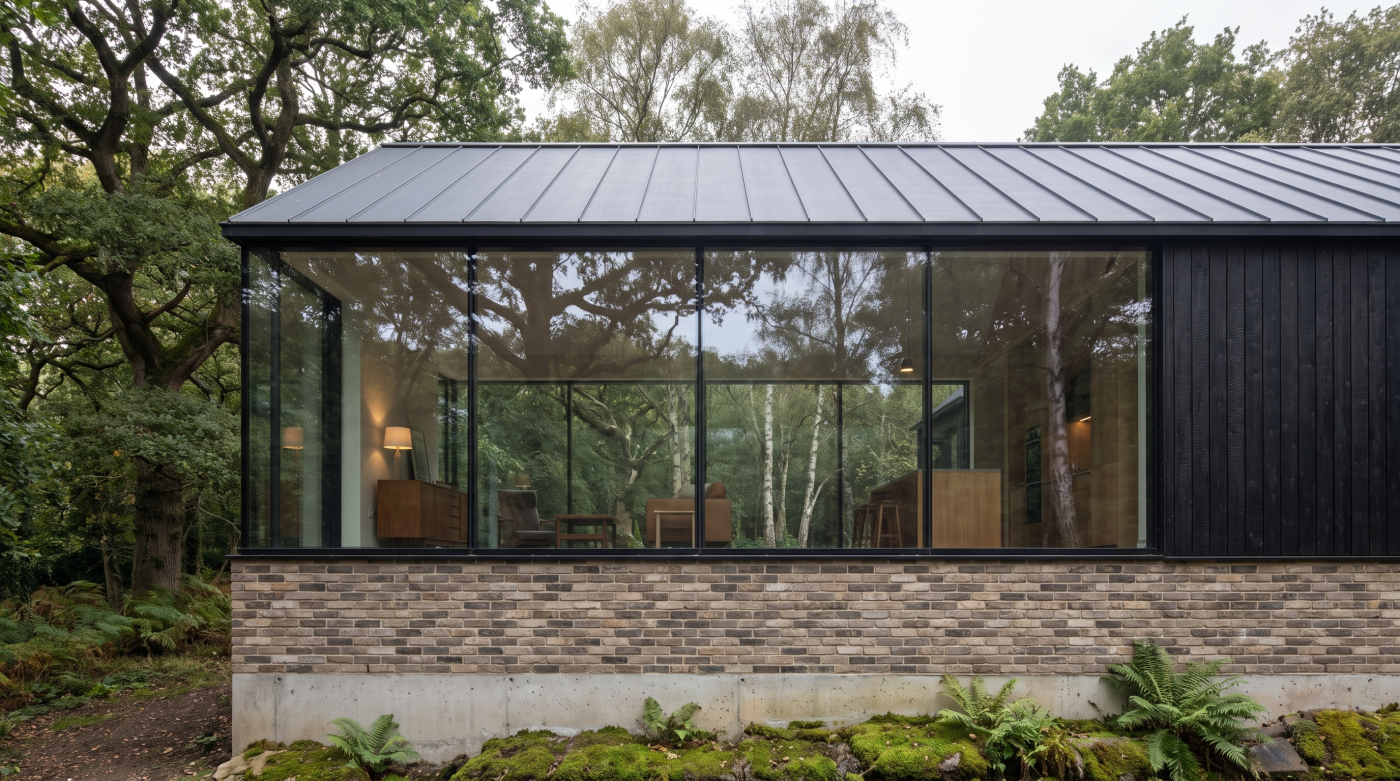
Section 1: Aluminium Doesn’t Rot, Warp or Rust Like Many People Assume
When homeowners ask how long aluminium windows last, they are often looking for a simple number. Twenty years? Thirty years? Forty years? While those figures can provide a useful indication, they do not explain why aluminium has become one of the most trusted materials for premium residential glazing. Architects approach longevity differently. Rather than asking how long a window remains in place, they ask how long it continues looking, performing and operating as intended. That story begins with the material itself.
One of aluminium’s greatest strengths is its inherent stability. Unlike some traditional building materials, aluminium does not absorb moisture from the surrounding environment. It does not swell during wet weather, shrink as it dries or gradually distort through repeated cycles of expansion caused by water absorption. This dimensional stability allows aluminium window frames to retain their precise shape over many years, helping them continue operating smoothly even after decades of seasonal weather changes.
Rot is another issue homeowners never have to associate with aluminium. Timber has many architectural qualities and remains an outstanding material in the right applications, but untreated or poorly maintained timber can deteriorate when exposed to prolonged moisture. Aluminium simply does not behave in this way. Because it is a metal rather than an organic material, it cannot decay through rot, providing a level of inherent durability that contributes significantly to its long service life.
Warping is equally uncommon. Throughout the year, every window experiences changing temperatures as the seasons shift from summer warmth to winter frost. Aluminium expands and contracts in predictable ways, allowing engineers to design systems that accommodate this natural movement while maintaining structural accuracy. As a result, premium aluminium frames retain their alignment remarkably well, helping windows continue opening, closing and sealing correctly long after installation.
Many homeowners are surprised to learn that aluminium also offers excellent corrosion resistance. There is a common misconception that all metals eventually rust, but aluminium behaves very differently from steel. When exposed to air, aluminium naturally forms a thin protective oxide layer on its surface. This invisible layer helps shield the underlying metal from further corrosion, providing natural protection even before additional surface finishes are applied. In everyday residential environments, this characteristic contributes significantly to aluminium’s durability.
Modern powder coating enhances this protection even further. Premium aluminium windows are typically finished with a highly durable powder-coated surface that provides colour, weather resistance and long-term protection against the elements. Unlike traditional liquid paints, powder coating forms a tough, uniform finish that resists fading, peeling and surface deterioration when properly manufactured and maintained. This allows aluminium windows to retain their appearance for many years while requiring relatively little ongoing attention.
These material properties explain why aluminium has become so widely used beyond residential glazing. It is found in commercial buildings, transport infrastructure, bridges and architectural projects around the world because engineers value its combination of strength, stability and resistance to environmental exposure. Architects specifying aluminium windows for homes benefit from the same inherent qualities, knowing the material has already demonstrated its durability across some of the most demanding construction environments.
Of course, the material alone does not guarantee exceptional longevity. Two aluminium windows may be made from the same base metal yet perform very differently over several decades depending on their engineering, manufacturing quality and installation. Architects recognise this distinction immediately. Aluminium provides an outstanding starting point, but the complete window system ultimately determines how successfully those material advantages are translated into long-term performance.
This is an important point because homeowners sometimes assume durability simply means surviving harsh weather. Architects define it more broadly. A durable window should continue opening smoothly, maintaining its appearance, protecting the home from the elements and supporting thermal comfort year after year. Aluminium’s natural resistance to rot, warping and corrosion creates the ideal foundation for achieving these wider goals, but it is only one part of the story.
For homeowners, the key takeaway is reassuring. Aluminium begins with characteristics that naturally support a long service life. It does not rot, it does not rust in the way many people imagine and it remains remarkably stable throughout changing weather conditions. These qualities are built into the material itself, providing the foundation upon which premium manufacturers create window systems designed to perform beautifully for decades. That is why architects often regard aluminium not simply as a modern material, but as one specifically suited to homes intended to stand the test of time.
Section 2: What Actually Determines the Lifespan of a Window?
Although aluminium provides an exceptionally durable foundation, the material itself is only one part of the equation. Two aluminium windows installed side by side can have very different lifespans despite being made from the same metal. The difference lies in the quality of the engineering, the precision of the manufacturing, the standard of the installation and the way the complete window system has been designed to perform over many decades. This is why architects rarely ask, “Is it made from aluminium?” Instead, they ask, “How well has the entire system been engineered?”
A modern window is a carefully integrated collection of components rather than a simple frame holding a piece of glass. The aluminium profiles, thermal break, glazing unit, weather seals, drainage channels, hardware and surface finish all contribute to its long-term performance. If one element fails prematurely, it can affect the reliability of the whole system, regardless of how durable the aluminium itself may be.
Engineering is one of the most important factors. Premium manufacturers spend years refining the design of their window systems so that every profile, joint and connection works together under real-world conditions. They consider wind pressure, thermal movement, repeated opening and closing, water drainage and structural loading long before the product reaches a building site. This attention to engineering allows the window to continue operating accurately throughout decades of everyday use.
Thermal break technology also plays an important role in long-term durability. Modern aluminium windows use reinforced polyamide barriers to separate the internal and external aluminium sections, improving thermal performance while maintaining structural stability. A well-designed thermal break not only reduces heat transfer but also contributes to the overall integrity of the frame by accommodating movement between different materials without compromising performance.
The quality of the glazing unit matters just as much as the frame surrounding it. Double or triple glazing is expected to remain sealed for many years, retaining its insulating gas and resisting moisture ingress between the panes. Premium glazing units are manufactured to demanding standards because their longevity directly influences the thermal performance and appearance of the complete window. Even the strongest aluminium frame cannot compensate for poorly manufactured glass.
Hardware is another component that quietly determines how long a window continues functioning properly. Hinges, locks, handles, rollers and opening mechanisms are used thousands of times during the life of the building. High-quality hardware is designed to withstand this continual operation while maintaining smooth movement and reliable security. Architects understand that long-term ownership depends as much on precision-engineered hardware as it does on the surrounding frame.
Drainage is often overlooked but is equally critical. Every external window is exposed to rain, condensation and changing weather conditions. Premium aluminium systems incorporate carefully engineered drainage pathways that allow water to leave the frame safely before it can cause problems. These hidden channels protect seals, hardware and internal components, contributing significantly to the long-term reliability of the installation. Good drainage is one of those invisible engineering details that homeowners rarely notice—until it is absent.
Manufacturing precision also influences lifespan. Aluminium profiles must be cut, joined and assembled to extremely tight tolerances so that every component fits together accurately. Small inconsistencies during production can affect weather sealing, operation and structural alignment over time. Premium manufacturers invest heavily in quality control because consistency during manufacturing translates directly into reliability throughout the life of the window.
Of course, even the finest window system depends on correct installation. Poor alignment, inadequate sealing or incorrect fixing methods can undermine years of careful engineering. Architects therefore place considerable importance on working with experienced installers who understand how premium glazing should integrate with the surrounding building structure. Longevity is created not only in the factory but also on site.
For homeowners, this changes the conversation entirely. Instead of asking, “How long does aluminium last?”, it is more useful to ask:
- How well has the window system been engineered?
- Has it been independently tested?
- What quality of hardware does it use?
- How experienced is the installer?
- How will the complete system perform over the next 30 or 40 years?
Ultimately, the lifespan of an aluminium window is determined by the quality of the complete system rather than the metal alone. Premium engineering, precise manufacturing, durable hardware, effective drainage and expert installation all work together to create windows that continue opening smoothly, maintaining their appearance and protecting the home for decades. Aluminium provides the foundation—but thoughtful design and exceptional craftsmanship are what allow that foundation to fulfil its full potential.
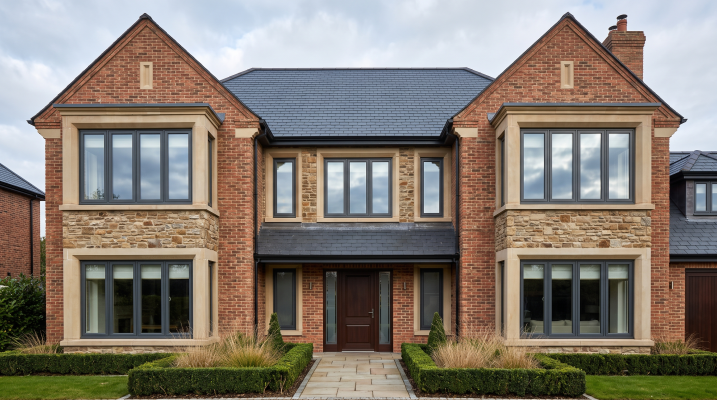
Section 3: How Long Do Premium Aluminium Windows Typically Last?
This is the question most homeowners want answered: how long do aluminium windows actually last? While it would be reassuring to offer a single figure, the honest answer is more nuanced. Premium aluminium windows are not designed with a fixed expiry date. Instead, they are engineered to provide decades of reliable performance, with their lifespan influenced by manufacturing quality, installation, maintenance and the environment in which they are used. Architects therefore think less about how long a window survives and more about how long it continues performing as intended.
For high-quality aluminium window systems installed correctly and maintained appropriately, it is entirely reasonable to expect a service life of 30 to 40 years or more, with many premium systems continuing to perform well beyond that timeframe. This is one reason aluminium has become such a popular choice for architect-designed homes, commercial buildings and public architecture where long-term durability is a fundamental design requirement rather than an optional extra.
It is important to understand what that lifespan actually means. A window reaching thirty or forty years of age should not simply remain attached to the building. It should still open and close smoothly, provide effective weather protection, retain its structural integrity and continue complementing the architecture. Longevity is measured by sustained performance rather than mere survival.
The aluminium frame itself is rarely the component that limits the lifespan of the system. As discussed earlier, aluminium does not rot, warp or suffer corrosion in the way many homeowners expect. Instead, the components most likely to require attention over time are the parts that naturally experience movement and wear, such as hinges, handles, rollers, gaskets and weather seals. These components are designed to be serviceable, allowing the overall window system to continue functioning effectively for many years.
Powder-coated finishes also contribute significantly to long-term durability. Modern architectural powder coatings are developed to withstand prolonged exposure to sunlight, rain, temperature fluctuations and general environmental conditions while maintaining colour stability and surface quality. Premium finishes are extensively tested to ensure they continue protecting the aluminium while preserving the appearance of the home throughout decades of ownership.
Glass units are another consideration. High-quality double and triple glazing is manufactured to provide many years of reliable thermal performance, but like any sealed insulating unit, it is expected to perform best when produced to demanding quality standards. Premium glazing systems are designed so that the lifespan of the glass complements the durability of the surrounding aluminium frame, ensuring the complete window continues performing as a unified system.
Regular servicing can extend this lifespan even further. Much like maintaining a high-quality front door or roof, occasional inspection of hardware, lubrication of moving parts and replacement of worn seals where necessary helps preserve the performance of the entire window. These are generally straightforward maintenance tasks rather than major repairs, but they play an important role in ensuring the system continues operating as intended over several decades.
The environment also influences longevity. Homes in exposed coastal locations, for example, experience higher levels of salt-laden air and more demanding weather conditions than properties further inland. Premium aluminium systems are well suited to these environments, particularly when appropriate finishes and maintenance routines are used, but architects always consider environmental exposure when specifying materials. A window designed for a sheltered suburban setting may require different detailing from one installed on a windswept coastline.
One of the reasons architects favour premium aluminium is that its long-term performance is predictable. Rather than deteriorating rapidly after a certain number of years, a well-engineered aluminium system tends to age gradually and gracefully. With sensible maintenance and occasional servicing of moving components, homeowners often enjoy decades of reliable operation without the need for complete replacement. This predictable longevity provides confidence when designing homes intended to endure for generations.
For homeowners, perhaps the most valuable perspective is to think beyond warranties. Product guarantees provide useful reassurance, but they are not intended to define the actual lifespan of the window. Many premium aluminium systems continue performing exceptionally well long after their formal guarantee period has ended because the engineering was designed with much longer ownership in mind.
Ultimately, asking “How long do aluminium windows last?” is only part of the story. A better question is, “How long will these windows continue looking beautiful, operating smoothly and contributing to the comfort of my home?” With premium manufacturing, expert installation and sensible maintenance, the answer is often measured not simply in decades, but in generations of everyday living. That long-term reliability is one of the reasons aluminium remains one of the most trusted materials in modern residential architecture.
Section 4: Why Installation Is Just as Important as Manufacturing
It is easy to assume that the lifespan of an aluminium window is determined entirely by the quality of the product itself. While premium engineering and manufacturing are undoubtedly essential, architects know that even the finest window can underperform if it is installed poorly. In fact, installation is one of the most significant factors influencing whether a window continues performing beautifully for thirty or forty years—or begins developing problems much sooner.
A window does not exist in isolation. It forms part of the building envelope, connecting the external environment with the interior of the home. This junction must manage structural loads, thermal movement, weather protection, drainage and airtightness simultaneously. Installing the frame accurately within the opening is therefore just as important as the engineering that created it in the first place.
The process begins long before the installation team arrives on site. Accurate surveying is fundamental. Every opening should be measured carefully, taking account of construction tolerances, structural movement and the surrounding building materials. Even small inaccuracies at this stage can create unnecessary challenges during installation, affecting alignment, weather sealing and the long-term performance of the window.
Correct positioning within the wall is equally important. Architects carefully consider how the window relates to insulation, cavity construction and external finishes because these details influence thermal performance and moisture management. Installing a premium aluminium system in the wrong position within the wall can reduce many of the benefits it was designed to provide, particularly if avoidable thermal bridges are introduced around the frame.
Alignment is another critical factor. Aluminium windows are engineered to precise tolerances, allowing hardware, seals and locking mechanisms to operate smoothly. If the frame is installed out of square or twisted during fixing, these components may experience unnecessary stress from the very first day of use. Over time, this can affect opening performance, weather resistance and the longevity of moving parts. Precision during installation protects the precision built into the product.
Weather sealing deserves particular attention. The junction between the window frame and the surrounding structure must prevent unwanted air and water ingress while accommodating the natural movement that occurs as temperatures change throughout the seasons. Modern installation methods use carefully selected sealing materials that remain flexible over time, allowing the building and window to move independently without compromising performance. This hidden detailing plays a significant role in the long-term reliability of the installation.
Drainage is another area where professional installation makes a substantial difference. Premium aluminium windows are designed with integrated drainage channels that safely direct rainwater away from vulnerable components. These systems only function correctly if the window has been installed according to the manufacturer’s guidance. Incorrect levels, blocked drainage paths or poorly detailed interfaces can prevent water from draining effectively, increasing the risk of unnecessary wear over many years.
Movement must also be considered. Buildings naturally expand, contract and settle throughout their lifetime, while aluminium responds predictably to changing temperatures. Experienced installers understand how to accommodate these movements without restricting the frame or placing excessive stress on fixings and seals. Allowing the window to perform as it was engineered to perform is one of the hallmarks of high-quality installation.
This is one reason architects place so much emphasis on working with experienced glazing specialists rather than simply purchasing premium products. A well-trained installation team understands not only how to fit the window securely but also how every surrounding detail contributes to long-term performance. Their expertise ensures the engineering developed in the factory is fully realised once the window becomes part of the building.
For homeowners, this offers an important lesson. Choosing a premium aluminium system is only half of the investment. The quality of the installation determines whether that investment delivers its full potential throughout decades of ownership. Asking about installation methods, surveying procedures, installer experience and manufacturer accreditation can be just as valuable as comparing product specifications.
Ultimately, exceptional aluminium windows achieve their reputation for longevity because excellent manufacturing is matched by equally professional installation. Precision engineering deserves precision fitting. When both work together, homeowners enjoy windows that remain weatherproof, energy efficient, easy to operate and visually refined for many decades. The product may begin its life in the factory, but its long-term success is secured on site.
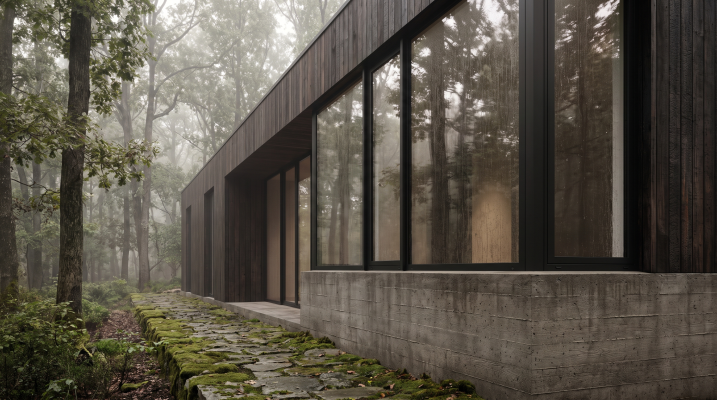
Section 5: What Maintenance Do Aluminium Windows Actually Need?
One of the reasons aluminium windows have become so popular in premium residential architecture is their reputation for being low maintenance. Homeowners often hear that aluminium requires very little attention, which naturally leads to another question: does “low maintenance” mean no maintenance at all? The honest answer is no. Like every high-quality building component, aluminium windows benefit from occasional care. The difference is that this care is generally simple, infrequent and designed to preserve decades of reliable performance rather than prevent significant deterioration.
Routine cleaning is the most important maintenance task. Dust, airborne pollutants, pollen and general environmental dirt gradually accumulate on every external surface, regardless of the material from which it is is made. Washing aluminium frames periodically with clean water and a mild, non-abrasive detergent helps preserve both their appearance and the integrity of the powder-coated finish. In most inland locations, this straightforward cleaning is all that is needed to keep the frames looking their best.
The powder-coated surface itself is exceptionally durable, but it is not indestructible. Harsh abrasive cleaners, aggressive solvents or wire brushes should never be used because they can damage the protective coating designed to resist weathering over many years. Gentle cleaning methods are usually sufficient, allowing the finish to retain its colour and appearance with remarkably little effort. Architects often specify powder-coated aluminium precisely because it combines excellent durability with straightforward long-term care.
Moving components deserve occasional attention as well. Hinges, locks, handles and opening mechanisms experience thousands of operating cycles throughout the life of the window. Periodic inspection helps ensure these components continue working smoothly, while light lubrication of appropriate moving parts—following the manufacturer’s recommendations—can reduce wear and maintain effortless operation. These simple checks often take only a few minutes but contribute significantly to the long-term reliability of the entire system.
Gaskets and weather seals should also be inspected from time to time. These flexible components help maintain weather resistance, airtightness and thermal performance by sealing the gap between the opening sash and the frame. Over many years, seals may naturally age or require adjustment, but they are generally straightforward service items rather than indications of structural problems. Replacing a worn gasket is far simpler and more economical than replacing an entire window.
Drainage channels are another hidden feature worth checking occasionally. Modern aluminium windows are engineered with carefully designed drainage pathways that allow rainwater and any incidental moisture to escape safely from the frame. Leaves, insects or accumulated debris can sometimes obstruct these channels, particularly on ground-floor windows or properties surrounded by mature trees. Keeping drainage paths clear allows the system to continue functioning exactly as the engineers intended.
Homes in coastal locations require slightly more attention because salt carried by sea air can accumulate on external surfaces. While aluminium is highly resistant to corrosion, regular washing becomes more important in these environments to remove salt deposits before they build up. This is not a complicated maintenance routine—it simply means cleaning the external frames a little more frequently than would typically be necessary for homes further inland. Architects routinely consider these environmental conditions when specifying finishes for coastal projects.
Glass should naturally be cleaned as required, but homeowners should also take the opportunity to look over the complete window during routine maintenance. Checking that handles operate smoothly, seals remain intact and drainage openings are unobstructed helps identify any minor issues before they become more significant. This preventative approach reflects the same philosophy applied to other long-lasting elements of the home, such as roofing, gutters or heating systems.
Importantly, none of these maintenance tasks are unique to aluminium. Every premium window system benefits from sensible long-term care. The difference is that aluminium’s inherent durability means homeowners spend less time dealing with repainting, structural deterioration or material degradation and more time simply enjoying the windows themselves. The maintenance focuses on preserving performance rather than repairing the material.
For homeowners, this should be reassuring. Aluminium windows do not demand intensive upkeep to achieve their long service life. A combination of routine cleaning, occasional hardware inspection and sensible preventative maintenance is generally enough to keep premium systems performing beautifully for decades. These are not burdensome responsibilities—they are small investments of time that protect a much larger investment in the home.
Ultimately, low maintenance should never be confused with neglect. The finest aluminium windows are designed to reward owners who provide simple, periodic care with many decades of dependable performance, refined appearance and effortless operation. That balance between exceptional durability and modest maintenance is one of the defining reasons architects continue specifying aluminium for homes intended to stand the test of time.
Section 6: Why Architects Specify Aluminium for Homes Designed to Last
Architects rarely think in terms of the next five years. Their decisions are guided by a much longer timeline, often considering how a building will look, perform and be experienced decades into the future. This long-term perspective explains why aluminium has become such a common specification for premium homes. It is not chosen simply because it is contemporary or because it offers slim sightlines—it is chosen because its durability aligns with architecture intended to stand the test of time.
Every building material influences the lifespan of the architecture it supports. Roof coverings, brickwork, stone, timber and glazing all contribute to how a home ages over the years. Architects therefore seek materials that retain both their structural integrity and visual quality with minimal intervention. Aluminium satisfies these objectives particularly well because its inherent stability allows it to preserve the precise detailing that defines contemporary residential design.
One of the strongest reasons architects favour aluminium is its ability to maintain slim, elegant proportions over many years. Modern homes often depend on refined window sightlines, expansive glazing and carefully framed views to create bright, open living spaces. These architectural qualities only remain successful if the window frames continue operating accurately and retaining their alignment long after installation. Aluminium’s structural rigidity helps preserve these proportions, allowing the original design intent to remain intact as the building matures.
Large glazed openings also influence material choice. Premium homes increasingly feature floor-to-ceiling windows, wide sliding doors and dramatic corner glazing that place significant structural demands on the frame. Aluminium provides the strength required to support these ambitious designs without relying on bulky profiles. More importantly, it continues doing so throughout decades of everyday use, allowing homeowners to enjoy uninterrupted views and generous daylight without compromising long-term reliability.
Colour stability is another important consideration. Architectural glazing is rarely intended to follow changing fashions. Instead, it should complement the building consistently for many years, allowing the architecture itself to remain timeless. High-quality powder-coated aluminium retains its appearance exceptionally well, resisting fading and weathering while maintaining crisp, clean lines that continue supporting the overall character of the home. This predictable ageing process is highly valued by architects designing buildings intended to remain relevant for generations rather than trends.
The relationship between architecture and maintenance is equally significant. Homes designed for long-term ownership should not require excessive upkeep simply to preserve their appearance. Aluminium’s low-maintenance qualities allow homeowners to spend more time enjoying the architecture and less time maintaining it. Routine cleaning and occasional servicing are generally sufficient to protect both the finish and the operation of the window system, reinforcing the sense that the building has been designed for enduring enjoyment rather than continual repair.
Architects also appreciate the consistency aluminium brings to complex glazing schemes. Contemporary projects often combine fixed picture windows, opening casements, large sliding doors and feature glazing within a single architectural composition. Aluminium systems allow these different elements to maintain a unified visual language, creating façades that feel calm, balanced and carefully resolved. That consistency remains valuable not only on the day the project is completed but throughout the life of the building.
Perhaps most importantly, aluminium supports the idea of specifying once rather than replacing repeatedly. Architects aim to create homes that age gracefully, where materials continue performing their intended roles without demanding premature replacement. This philosophy aligns naturally with premium aluminium glazing because the material has been proven across residential, commercial and civic architecture where long-term reliability is essential. Choosing durable materials from the outset often proves more sustainable and more satisfying than planning for future replacement cycles.
This does not mean aluminium is automatically the correct choice for every project. Architects always match materials to the ambitions of the building. A conventional replacement window project may be exceptionally well served by another carefully engineered system. However, where the goal is to create a home defined by large areas of glazing, refined architectural detailing and long-term ownership, aluminium consistently demonstrates why it has become one of the preferred materials for premium residential design.
For homeowners, this offers a valuable perspective on longevity. Aluminium is not specified simply because it lasts a long time. It is specified because it allows the architecture itself to last beautifully. Decades after construction, the windows continue framing views, admitting natural light, operating smoothly and supporting the design vision that inspired the home in the first place. That is the kind of longevity architects seek—not merely materials that endure, but buildings that continue feeling as thoughtfully designed as the day they were completed.
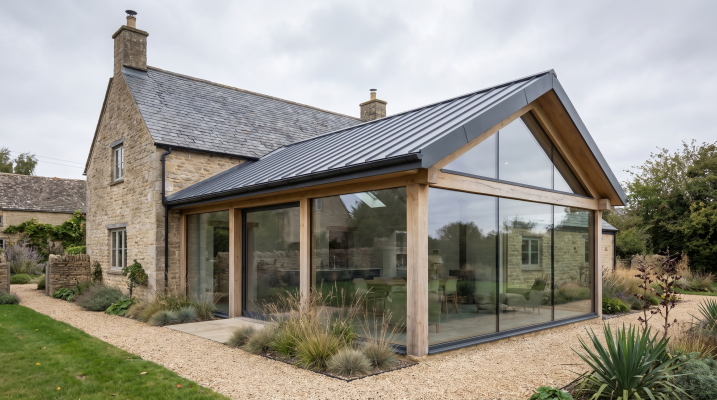
Section 7: Signs of a High-Quality Aluminium Window System
Not all aluminium windows are engineered to the same standard. While many products may appear similar in a showroom, their long-term performance can vary significantly depending on the quality of their design, manufacturing and installation. This is why architects rarely compare windows based on appearance alone. Instead, they look for evidence that the complete system has been developed to perform reliably for decades rather than simply look impressive on the day it is installed.
One of the first indicators of quality is the manufacturer behind the system. Established premium manufacturers invest heavily in engineering, testing and continual product development. Their window systems are refined over many years, incorporating improvements in structural design, thermal performance, weather resistance and long-term durability. Architects often specify these systems because they have confidence in the consistency and reliability of the engineering, not simply because of brand recognition.
Independent testing provides another valuable measure of quality. High-performance aluminium windows are routinely assessed for thermal efficiency, weather resistance, structural strength, air permeability and operational durability under recognised testing standards. These independent assessments give architects confidence that published performance figures reflect real-world conditions rather than marketing claims. For homeowners, choosing a tested system provides reassurance that the product has demonstrated its capabilities under demanding conditions.
The quality of the powder-coated finish is equally important. The coating does far more than provide colour—it protects the aluminium from weathering while contributing significantly to the long-term appearance of the home. Premium architectural powder coatings are manufactured and applied to rigorous standards, ensuring consistent coverage, excellent adhesion and long-lasting resistance to fading and environmental exposure. A beautifully engineered frame deserves an equally durable finish.
Hardware should never be overlooked. Hinges, handles, locks and sliding mechanisms are among the hardest-working components of any window system, often being used thousands of times throughout the life of the building. Premium hardware is engineered for durability, smooth operation and reliable security over many years. Architects understand that the everyday experience of using a window depends just as much on the quality of these moving components as it does on the aluminium profiles themselves.
Thermal break design is another distinguishing feature of premium systems. Modern aluminium windows rely on sophisticated thermal break technology to reduce heat transfer while maintaining structural integrity. Well-engineered systems integrate these insulating barriers seamlessly into the frame, achieving excellent thermal performance without compromising strength or aesthetics. The thermal break may be invisible once installed, but it plays a major role in the comfort and efficiency homeowners experience every day.
Attention should also be given to the complete system rather than individual features. Premium aluminium windows are designed so that the frame, glazing, seals, drainage channels, hardware and thermal break all work together as one integrated solution. Architects rarely specify individual components—they specify complete systems because long-term performance depends upon the interaction between every part of the window rather than the quality of any single element.
Professional installation is just as important as product quality. Even the most advanced aluminium system cannot deliver its full potential if it is surveyed, fitted or sealed incorrectly. Experienced installers understand how the window should integrate with the surrounding building, ensuring accurate alignment, effective weatherproofing and long-term structural stability. Choosing an installer with genuine expertise often has as much influence on the lifespan of the window as selecting the product itself.
Guarantees also deserve consideration, although they should be viewed in the right context. A comprehensive warranty reflects a manufacturer’s confidence in its products, but it should not be mistaken for the actual lifespan of the system. Premium aluminium windows are often designed to continue performing well beyond their formal guarantee period, provided they have been installed correctly and maintained appropriately. Architects therefore see guarantees as one indicator of quality rather than the sole measure of durability.
For homeowners, the most valuable buying advice is surprisingly simple: choose complete systems rather than individual products. Ask about engineering, independent testing, powder coating standards, hardware quality and installer experience. These questions reveal far more about the long-term performance of the window than comparing colours or brochure specifications alone.
Ultimately, quality is determined long before the window is fitted into the wall. Thoughtful engineering, rigorous testing, precision manufacturing and expert installation combine to create aluminium window systems capable of performing beautifully for decades. The decisions made before purchase are the ones that homeowners continue benefiting from long after the installation team has left, making quality one of the most valuable long-term investments in the entire home.
Section 8: Windows That Age Gracefully Add Value Every Day
When homeowners ask how long aluminium windows last, they are often thinking about replacement. They want reassurance that they will not need to install new windows again in ten or fifteen years. Architects think about longevity rather differently. Their goal is not simply to avoid replacement—it is to ensure the windows continue enhancing the experience of living in the home for decades. In other words, the true measure of lifespan is not survival, but continued quality.
A window that remains structurally sound but becomes difficult to operate, loses its visual appeal or no longer complements the architecture has only partially fulfilled its purpose. By contrast, a well-engineered aluminium window should continue opening smoothly, framing beautiful views, admitting generous daylight and supporting the overall design of the building many years after the project has been completed. This is what architects mean when they talk about materials ageing gracefully.
Good architecture becomes more rewarding over time. The excitement of a new extension or self-build naturally fades, but the everyday experience of living in the home remains. Morning sunlight entering the kitchen, uninterrupted views across the garden, effortless operation of large sliding doors and the quiet confidence that comes from durable, low-maintenance materials all contribute to the long-term enjoyment of the property. Aluminium windows are designed to support these experiences year after year rather than simply making a strong first impression.
This long-term perspective also changes the way value is understood. The lowest purchase price rarely represents the greatest value over several decades of ownership. Architects instead consider the complete lifecycle of the window: its durability, maintenance requirements, reliability, appearance and contribution to the architecture throughout its lifespan. A premium aluminium system that continues performing beautifully for thirty or forty years often represents a very different proposition from one evaluated solely on initial cost.
Reduced replacement is one of the practical benefits of this approach. Replacing windows is a significant undertaking involving disruption, expense and potential impact on both the interior and exterior of the home. Choosing durable, well-engineered systems from the outset helps minimise the likelihood of premature replacement, allowing homeowners to focus their attention and investment elsewhere as the years pass. Longevity therefore contributes not only to convenience but also to the overall sustainability of the building.
Architectural value also grows with time. Homes that retain their original design integrity often feel more timeless than those requiring frequent alterations or replacements. Aluminium’s structural stability, colour durability and refined proportions help preserve the architectural character established when the home was first designed. Rather than ageing visibly, the windows quietly continue supporting the same design language that made the property appealing in the first place.
This is one reason aluminium has become closely associated with premium residential architecture. It enables buildings to mature gracefully rather than simply endure. Large glazed openings remain elegant, slim sightlines continue framing the landscape and carefully detailed façades retain the clarity that defines high-quality contemporary design. Homeowners rarely think about these qualities consciously, yet they experience them every day through the continued comfort and beauty of the spaces they inhabit.
Perhaps the most important lesson is that longevity is created through a series of thoughtful decisions rather than one exceptional material. Premium engineering, independent testing, professional installation and simple ongoing maintenance all contribute to the lasting performance of the window. Aluminium provides an outstanding foundation, but it is the complete system—and the expertise behind it—that allows homeowners to enjoy decades of dependable service.
For anyone comparing glazing options, this offers a valuable way to think about investment. Rather than asking, “How long will these windows stay in the wall?”, consider asking:
- Will they still operate effortlessly in thirty years?
- Will they continue complementing the architecture?
- Will they still make the rooms feel bright, comfortable and connected to the landscape?
- Will I still be pleased I chose them?
These questions reflect the way architects evaluate quality because they focus on the experience of ownership rather than the date of eventual replacement.
Ultimately, the best aluminium windows are not simply those that survive for decades. They are the ones that continue opening smoothly, retaining their appearance, framing changing seasons and quietly supporting everyday life without demanding attention. Their greatest achievement is not that they last a long time—it is that they continue adding value every single day they remain part of the home. That is the true meaning of longevity, and it is why aluminium remains one of the most trusted materials in modern architectural glazing.