
What Is Powder Coating?
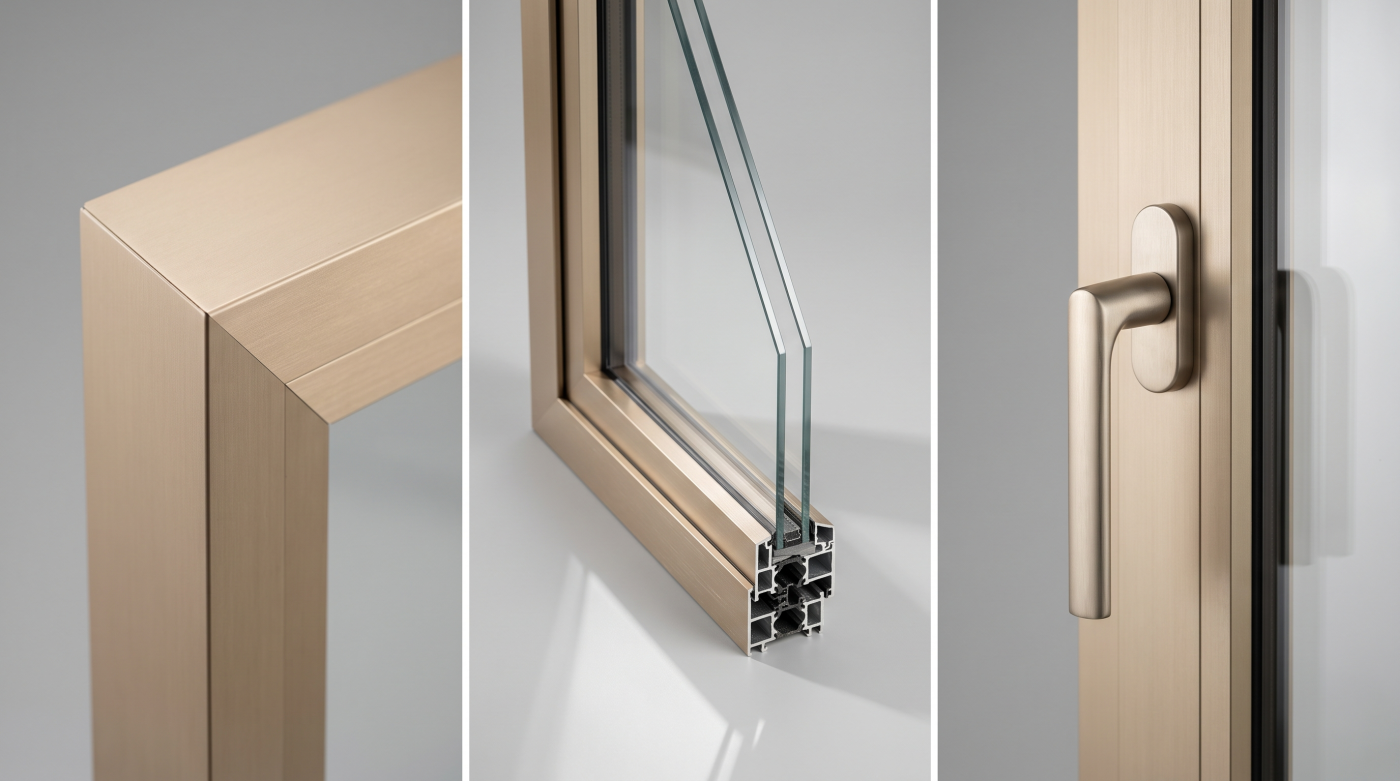
Powder coating is one of the most widely used finishes for modern aluminium windows and doors, yet it is often mistaken for little more than a durable layer of paint. In reality, it is a highly engineered finishing process designed to protect the aluminium while providing a consistent, long-lasting appearance. Its popularity in residential architecture stems from its ability to combine durability with an almost limitless range of colours and finishes, giving architects considerable freedom without compromising performance.
The process begins by preparing the aluminium surface to ensure it is clean and free from contaminants. A fine, dry powder—made from specialised resins and pigments—is then applied using an electrostatic charge, allowing it to adhere evenly to the metal. The coated components are subsequently cured in an oven, where the powder melts and chemically bonds into a tough, continuous finish. Unlike conventional liquid paint, powder coating contains no solvents and produces a uniform coating that resists peeling, cracking and blistering when correctly specified and applied.
One of powder coating’s greatest strengths is its design flexibility. Whether the objective is a subtle matt black frame, a textured bronze finish or a contemporary grey that complements natural stone and timber, architects can choose from an extensive palette of colours, gloss levels and surface textures. This versatility has made powder coating the preferred finish for many contemporary homes, where windows are expected to contribute as much to the architectural composition as they do to the building’s performance.
Modern powder coating systems are also developed to withstand years of exposure to sunlight, rain and fluctuating temperatures. When applied to recognised architectural standards and combined with appropriate maintenance, they can retain both their appearance and protective qualities for decades. Far from being a decorative afterthought, powder coating is a sophisticated finishing system that plays an important role in both the longevity and visual character of aluminium glazing.
What Is Anodising?
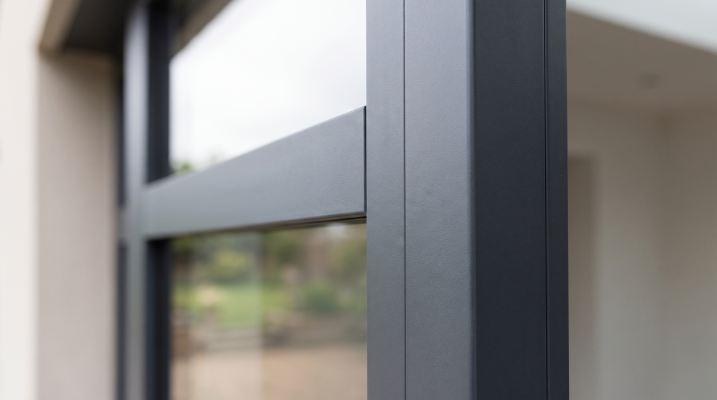
Unlike powder coating, which adds a protective layer to the surface of aluminium, anodising changes the surface of the metal itself. Rather than applying an external coating, the aluminium undergoes an electrochemical process that thickens its naturally occurring oxide layer. The result is an exceptionally durable finish that becomes an integral part of the material rather than sitting on top of it. This distinction is fundamental to understanding why anodising has long been favoured in many demanding architectural and commercial applications.
During the anodising process, aluminium components are immersed in a controlled electrolyte solution and subjected to an electrical current. This encourages the formation of a hard aluminium oxide layer that is significantly thicker and more resilient than the naturally occurring surface film. Because this protective layer grows from the aluminium itself, it cannot peel, flake or separate in the way that an applied coating potentially could. Instead, it forms a robust surface that offers excellent resistance to corrosion and wear.
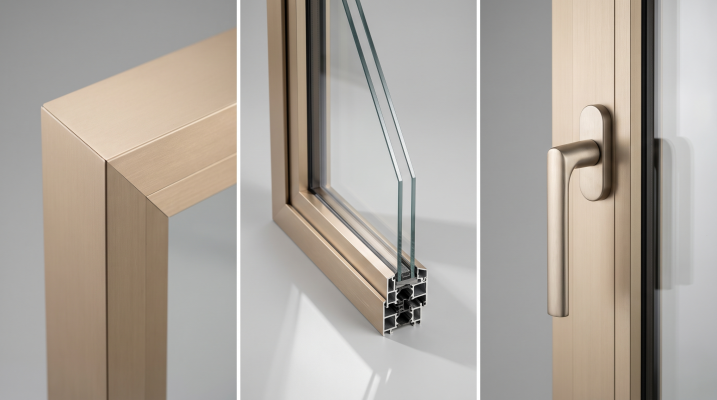
Aesthetically, anodising has a distinctive appearance that differs from painted finishes. Rather than creating an opaque coloured surface, it enhances the natural metallic character of the aluminium, producing subtle variations in tone and a refined sheen that many architects appreciate. Silver remains the most recognisable anodised finish, although bronze, black and champagne tones are also widely specified. The finish often develops a gentle patina over time, allowing the material to age with a sense of permanence rather than attempting to remain visually unchanged.
For these reasons, anodising has traditionally been associated with commercial buildings, prestige developments and contemporary architecture where longevity and material authenticity are highly valued. While it offers fewer colour options than powder coating, its understated appearance and exceptional durability continue to make it a respected choice for projects where the natural beauty of aluminium is intended to remain visible for decades.
Durability: Which Finish Lasts Longer?
When comparing powder coating and anodising, it is tempting to look for a clear winner. In reality, the answer is more nuanced. Both finishes are capable of providing decades of reliable performance when they are correctly specified, professionally applied and appropriate for the environment in which they will be used. The more useful question is not which finish lasts longer in absolute terms, but which is better suited to the specific demands of a particular project.
Anodising has earned a strong reputation for durability because its protective layer is formed from the aluminium itself. This makes it exceptionally resistant to corrosion, ultraviolet exposure and general weathering, while also ensuring the finish cannot peel or flake away. It is particularly valued in demanding environments where long-term resilience is a priority, including commercial buildings and certain coastal or high-exposure locations. Over time, anodised aluminium typically retains its integrity while developing a subtle, natural patina rather than showing obvious signs of deterioration.
Modern architectural powder coating systems have also evolved considerably. High-quality polyester powder coatings, applied to recognised industry standards, offer excellent resistance to fading, cracking and weathering. They are designed to withstand prolonged exposure to sunlight and changing weather conditions while maintaining consistent colour and surface finish for many years. In most residential applications, the difference in lifespan between a premium powder-coated finish and an anodised finish is unlikely to be the deciding factor.
Ultimately, durability depends on more than the finish alone. The quality of the aluminium system, the preparation of the surface, the application process, local environmental conditions and ongoing maintenance all influence long-term performance. Architects therefore evaluate finishes as part of a wider specification rather than relying on general assumptions. Both powder coating and anodising can provide exceptional longevity; selecting between them is usually a matter of architectural intent, environmental exposure and the expectations of the client rather than a simple measure of which one lasts the longest.
Appearance: How Each Finish Ages Over Time
A finish should not be judged solely by how it looks on the day it is installed. The true measure of architectural quality is how gracefully it ages over the years. Exposure to sunlight, rain, changing temperatures and everyday use gradually alters every external material, and architects often give as much thought to a building’s appearance in twenty years’ time as they do to its completion. This long-term perspective is one of the key differences between choosing a finish for architecture and choosing one for decoration.
Powder-coated aluminium offers exceptional design flexibility, allowing architects to specify almost any colour, texture or sheen. Modern architectural-grade powder coatings are formulated to resist fading and retain their appearance for many years, particularly when high-quality systems are used. With routine cleaning and appropriate maintenance, colours remain stable and finishes continue to complement the building long after installation. The ability to match specific architectural palettes is one of powder coating’s greatest advantages, particularly in residential projects where colour plays an important role in the overall design.
Anodised aluminium takes a different approach. Rather than concealing the metal beneath a coloured coating, it celebrates the natural character of aluminium itself. The finish has a distinctive metallic depth that subtly reflects changing light throughout the day, often giving façades a refined, understated appearance. As it ages, anodised aluminium tends to develop a gentle patina rather than showing obvious wear, a quality that many architects appreciate for buildings intended to mature gracefully over time.
Neither approach is inherently superior. Powder coating offers greater creative freedom and the ability to integrate seamlessly with a wide range of architectural styles, while anodising appeals to those who value the honesty and permanence of exposed metal. The choice ultimately depends on the visual language of the project and how the architect wants the building to look not only when it is first completed, but throughout the decades that follow.
Maintenance and Repair
When specifying aluminium windows, it is easy to focus on appearance and durability while overlooking how the finish will be maintained over the decades ahead. Yet for many homeowners, long-term ownership is defined not by how a product performs in its first few years, but by how little attention it requires over the next twenty or thirty. Powder-coated and anodised finishes are both recognised for their low maintenance, but they differ in subtle ways that are worth understanding before making a decision.
In everyday residential use, both finishes require little more than periodic cleaning with mild soap and water to remove dirt, airborne pollutants and other environmental deposits. Regular cleaning is particularly important in coastal locations or heavily polluted urban areas, where salt and contaminants can accumulate on external surfaces. Simple maintenance not only preserves the appearance of the finish but also helps maximise its long-term performance.
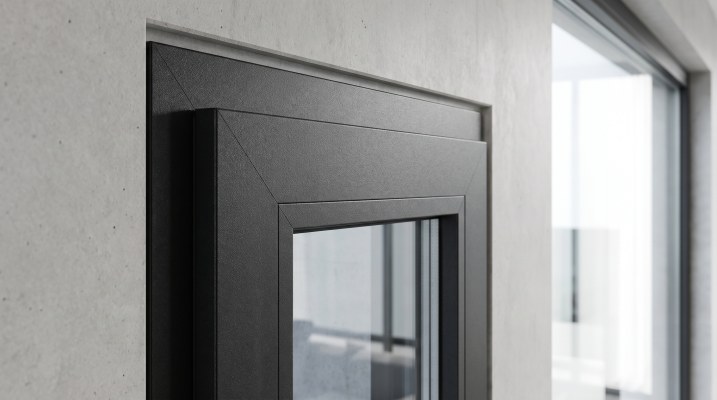
The greatest difference becomes apparent if the surface is damaged. Powder-coated finishes can sometimes sustain scratches or chips that expose the aluminium beneath. While minor marks may be touched up, achieving a completely invisible repair can be challenging, particularly on textured or specialist colours. In contrast, anodised finishes do not chip in the same way because the protective layer is integral to the aluminium itself. However, if significant damage does occur, localised repairs are generally more difficult, and replacing the affected component may be the most practical solution.
For this reason, architects often consider maintenance alongside the expected use of the building. A busy commercial entrance, for example, may have different priorities from a private family home where the risk of physical damage is relatively low. Rather than asking which finish is easier to maintain, the more helpful question is which finish best suits the building’s environment, the owner’s expectations and the way the property will be used over many years. Good specification is about reducing future compromises, not simply selecting the most durable finish on paper.
Which Finish Is Right for Different Projects?
The decision between powder coating and anodising is rarely made by comparing technical specifications alone. Architects begin by considering the character of the project, the environment in which the building sits and the expectations of the people who will use it. A finish that is perfectly suited to a contemporary family home may not be the ideal choice for a commercial building or a property exposed to particularly demanding weather conditions. Context is always the starting point.
For most residential projects, powder coating is the more common specification. Its extensive range of colours, textures and gloss levels allows it to integrate effortlessly with a wide variety of architectural styles, from minimalist new-build homes to carefully designed extensions and high-quality renovations. The ability to coordinate window frames with roofing materials, cladding, doors and external detailing gives architects significant creative flexibility while maintaining excellent long-term durability.
Anodising is often selected where the natural appearance of aluminium is considered part of the architectural expression. Its refined metallic finish complements contemporary commercial buildings, prestige developments and certain modern homes where material authenticity is central to the design. It is also valued in environments where long-term colour stability and resistance to weathering are particularly important, making it a respected choice for projects with demanding exposure conditions.
Coastal locations deserve special consideration regardless of the finish selected. Salt-laden air creates a more aggressive environment, meaning the suitability of either finish depends on factors such as the distance from the shoreline, the manufacturer’s recommended specification and ongoing maintenance. In these situations, careful consultation with the system supplier and adherence to recognised specification standards are often more important than choosing one finish over the other.
Ultimately, the best finish is the one that supports the architecture, performs reliably in its environment and aligns with the client’s long-term expectations. Rather than searching for a universally superior option, architects focus on selecting the finish that feels most appropriate for the building as a whole—a decision that continues to reward both visually and practically for many years after completion.
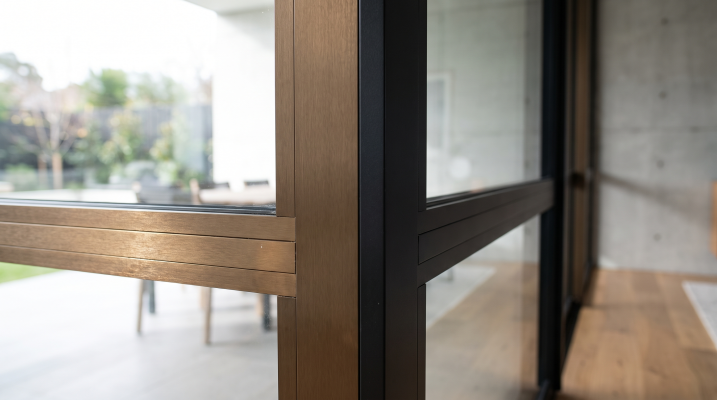
How Architects Decide Between Powder Coating and Anodising
Although discussions about powder coating and anodising often focus on technical performance, architects rarely begin with the finish itself. Instead, they start by understanding the building, the client’s aspirations and the conditions the completed project will face over many years. The finish is simply one element of a much broader specification process, chosen because it supports the architecture rather than because it performs best in isolation.
One of the first considerations is the overall design language of the project. A contemporary home with crisp detailing and a carefully curated material palette may benefit from the broad colour choice and refined textures offered by powder coating, allowing the window frames to integrate seamlessly with other external elements. Conversely, a building that celebrates the natural qualities of metal may be better suited to the understated character of anodised aluminium, where the finish becomes part of the architectural expression rather than a coloured surface applied to it.
Practical considerations follow closely behind aesthetics. Exposure to the elements, proximity to the coast, expected maintenance, longevity and the client’s attitude towards ageing all influence the decision. Architects also consider the recommendations of window system manufacturers, recognising that certain finishes may be better suited to particular products or environmental conditions. Rather than relying on assumptions, they seek solutions that have been tested and proven for the intended application.
Budget inevitably forms part of the conversation, but it is rarely viewed in isolation. A finish that costs slightly more may offer advantages in appearance, maintenance or long-term suitability that justify the additional investment within the wider context of the project. Equally, a less complex specification may be entirely appropriate where it aligns with the building’s objectives.
Ultimately, architects do not ask, “Which finish is best?” They ask, “Which finish is best for this building?” That shift in perspective is what leads to successful specifications. By considering architecture, environment, longevity and client expectations together, they select finishes that continue to perform—and look appropriate—for decades after the project is complete.