
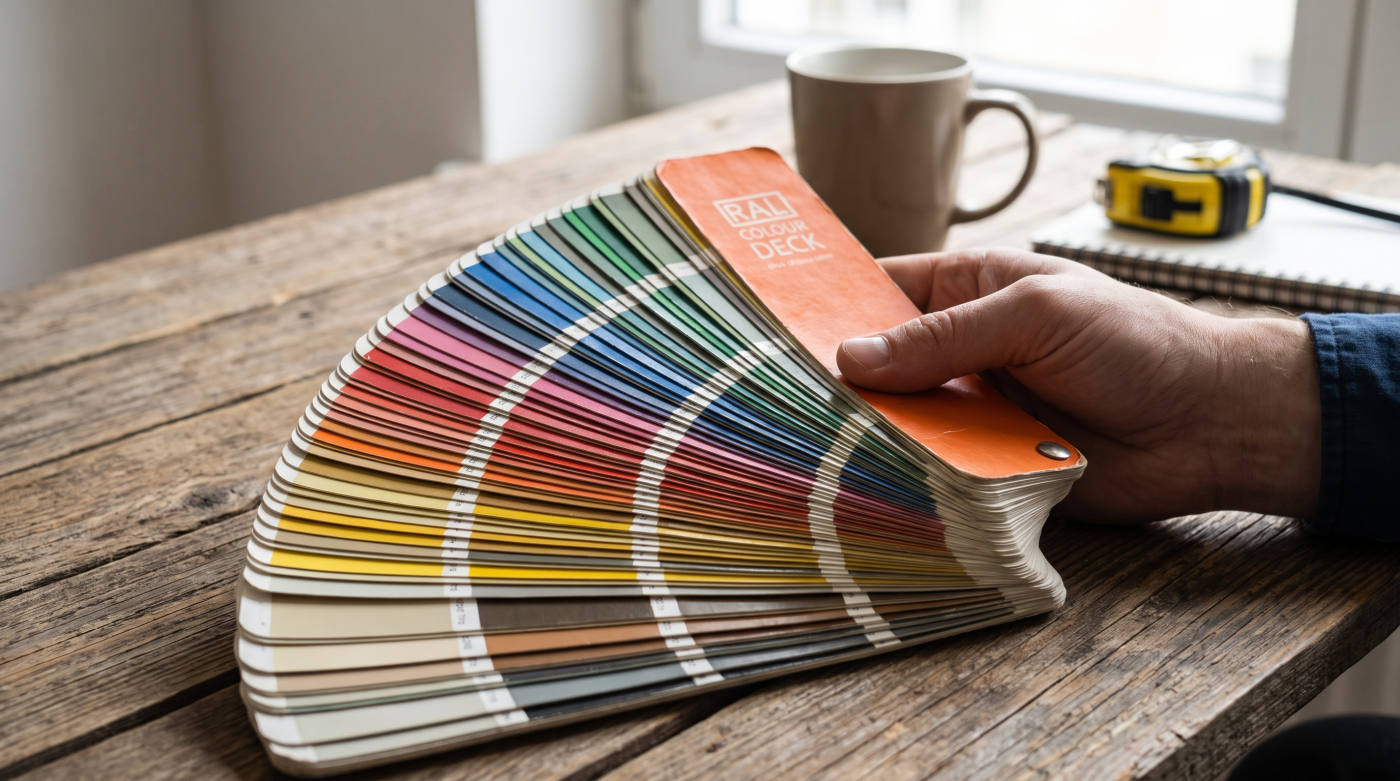
What Are RAL Colours?
If you have ever explored aluminium windows, you have almost certainly come across references to colours such as RAL 7016 or RAL 9005. To someone unfamiliar with the system, these numbers can seem confusing or overly technical. In reality, they are simply part of a standardised colour system that allows architects, manufacturers and installers to communicate with precision. Rather than relying on subjective descriptions such as “dark grey” or “charcoal black”, every RAL number refers to a specific, universally recognised colour.
The RAL colour system originated in Germany during the 1920s as a way of standardising colours across manufacturing and industry. Today, it is used throughout Europe and much of the world across architecture, construction and product design. When an architect specifies RAL 7016 Anthracite Grey, for example, they are identifying an exact colour that can be reproduced consistently by manufacturers, helping ensure that windows, doors and other architectural elements match the intended design.
For aluminium windows, RAL colours are most commonly applied through the powder coating process, where the chosen finish is bonded to the aluminium to create a durable and consistent surface. Because the colours are standardised, homeowners can be confident that the finish specified during the design stage is the same finish delivered and installed on site. This level of consistency is particularly valuable on larger projects where multiple products must work together to create a cohesive architectural appearance.
Understanding RAL colours is not about memorising hundreds of numbers. It is about recognising that colour is treated with the same precision as every other aspect of architectural specification. By working from a shared colour standard, architects and manufacturers can focus less on interpreting colour names and more on creating buildings where every material and finish feels intentional, balanced and harmonious.
Why Window Colour Has a Bigger Impact Than You Think
Window colour is often treated as one of the final decisions in a building project—a finishing touch chosen once the larger architectural choices have been made. In reality, it has a far greater influence than many homeowners expect. The colour of a window frame affects not only the appearance of the frame itself but also how the proportions of the building are perceived, how natural light is experienced and how the surrounding materials work together. It is a subtle design decision with surprisingly wide-reaching consequences.
Dark colours such as anthracite grey and black tend to emphasise the glazed opening by visually receding into the background. This can make larger panes of glass appear more expansive, strengthening the connection between the interior and the landscape beyond. Lighter colours, by contrast, draw greater attention to the frame itself, creating a more defined architectural feature that can suit traditional homes or properties where the detailing of the windows is intended to be celebrated rather than minimised.
Colour also changes the way a building relates to its materials. A charcoal frame may complement natural stone, timber cladding and zinc roofing by reinforcing a contemporary palette, while softer greys or off-whites can sit more comfortably alongside traditional brickwork or rendered façades. Inside the home, frame colour influences how daylight is reflected and how the edges of a window opening are perceived, subtly affecting the atmosphere of the room without homeowners necessarily realising why.
This is why architects rarely choose window colours in isolation. They consider the relationship between the frame, the façade, the roof, the landscape and the interior as a complete composition. A successful colour choice does not compete for attention but quietly supports the architecture, allowing the proportions of the building and the quality of the space to become the focus. In many respects, the best window colour is the one that feels entirely natural—as though it could never have been anything else.
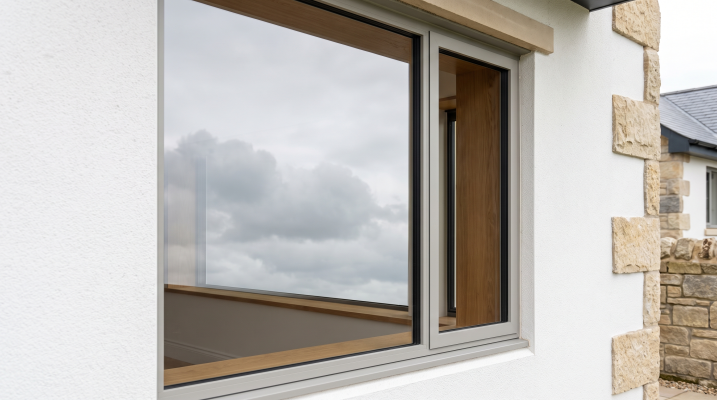
The Most Popular RAL Colours—and Why They Work
Some RAL colours have become enduring favourites in residential architecture, not because they are fashionable, but because they work consistently across a wide range of building styles and materials. Their popularity reflects an ability to complement architecture rather than dominate it, creating homes that feel considered and balanced long after passing trends have faded. Understanding why these colours are widely specified can be far more valuable than simply knowing which shades are currently popular.
Perhaps the best-known example is RAL 7016 Anthracite Grey, a deep charcoal grey that has become almost synonymous with contemporary aluminium windows. Its appeal lies in its versatility. It pairs comfortably with brick, stone, timber cladding and render while allowing large areas of glazing to take visual precedence. The frame appears understated, helping to emphasise views and natural light rather than drawing attention to itself.
RAL 9005 Jet Black offers a bolder alternative. With its strong contrast and crisp definition, it creates a striking architectural statement, particularly on minimalist homes where clean lines and simple forms are central to the design. Used thoughtfully, black frames can reinforce the geometry of a building while providing a timeless elegance that extends beyond contemporary architecture.
Lighter tones also have an important place. Soft whites, muted greys and metallic finishes such as RAL 9006 White Aluminium can brighten façades, complement traditional properties and create a gentler transition between the building and its surroundings. These colours are often chosen where a softer architectural expression is preferred or where the windows are intended to harmonise with lighter external materials.
What unites these popular RAL colours is not simply their appearance but their adaptability. They remain relevant because they support a wide variety of architectural styles without becoming the defining feature of the building. Architects often favour colours that allow proportions, materials and craftsmanship to speak first, ensuring the windows contribute quietly to the overall composition rather than competing for attention. That is why the most enduring colour choices are rarely the boldest—they are the ones that continue to feel appropriate year after year.
Looking Beyond Trends
It is easy to understand why certain window colours become fashionable. Social media, design magazines and television programmes regularly showcase homes finished in the latest shades, creating the impression that choosing the current trend is the safest option. Yet architecture operates on a very different timescale. While interior colours and furnishings may change every few years, windows are expected to remain appropriate and attractive for several decades. For that reason, architects tend to place greater value on longevity than popularity.
This does not mean avoiding contemporary colours altogether. Many of today’s most popular finishes, such as anthracite grey and muted black, have earned their reputation because they complement a wide range of materials and architectural styles rather than because they follow a passing fashion. The key distinction is whether a colour has been selected because it genuinely suits the building or simply because it is currently in vogue. A finish chosen to support the architecture is far more likely to feel relevant many years into the future.
Another important consideration is how a colour will age alongside the building itself. Brick develops character, timber weathers naturally and planting matures over time, gradually changing the appearance of the property. A thoughtfully chosen window colour should continue to sit comfortably within this evolving setting, creating a sense of permanence rather than feeling tied to a particular design era. Colours that are too dominant or highly trend-driven can sometimes draw attention to their age as architectural tastes inevitably change.
Architects therefore look beyond the colour chart and ask a broader question: Will this finish still feel appropriate in twenty or thirty years? It is this long-term perspective that often leads to calmer, more restrained choices. Rather than chasing fashion, they aim for colours that quietly enhance the building, allowing its proportions, materials and craftsmanship to remain the focus throughout its lifetime. In architecture, timelessness is rarely accidental—it is usually the result of careful, considered specification.
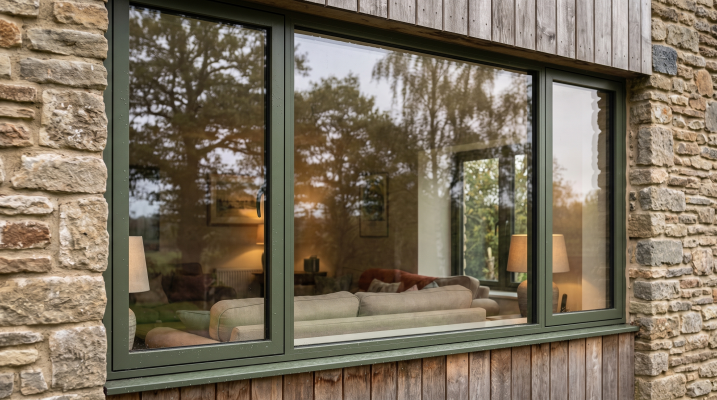
Matching Window Colours to Different Architectural Styles
There is no universally perfect window colour because every building tells a different architectural story. A colour that enhances a contemporary extension may feel out of place on a Georgian townhouse, while a finish that complements a rural barn conversion may not suit a minimalist new-build. This is why architects rarely begin with a favourite RAL code. Instead, they start by understanding the character of the building and selecting colours that reinforce its architectural identity.
Contemporary homes often benefit from darker, more restrained finishes such as anthracite grey or black. These colours visually recede, allowing large areas of glazing to become more prominent and strengthening the connection between interior spaces and the surrounding landscape. Combined with materials such as natural stone, timber cladding or zinc roofing, darker frames contribute to the clean, understated aesthetic associated with modern architecture.
Traditional and heritage properties often call for a different approach. Softer greys, off-whites and carefully selected muted tones can preserve the proportions and detailing of the original architecture without appearing overly dominant. In conservation areas or listed buildings, colour selection may also be influenced by planning guidance, making it important to consider both architectural character and local requirements from the outset.
Barn conversions and country homes frequently sit somewhere between these two approaches. Their combination of traditional forms and contemporary living spaces often lends itself to neutral palettes that respect the building’s rural setting while introducing a refined, modern feel. Similarly, coastal homes may benefit from colours that respond to the changing quality of natural light and the surrounding landscape, creating a finish that feels appropriate throughout the seasons.
Ultimately, the most successful colour choices emerge from the architecture itself. Rather than asking which RAL colour is currently the most popular, architects ask which finish will look as though it has always belonged to the building. When colour is chosen in response to context rather than fashion, the result is a home that feels balanced, timeless and naturally at ease within its surroundings.
How Light Changes Colour Throughout the Day
A window colour is never experienced under a single set of lighting conditions. It changes constantly as daylight shifts from the cool tones of early morning to the warmer light of late afternoon before giving way to artificial illumination in the evening. This is one reason architects are cautious about selecting colours from a small sample or a showroom display. The appearance of a finish is always influenced by the quality of the light surrounding it.
Morning light is generally cooler and softer, often giving darker greys and blacks a slightly bluer appearance. As the sun climbs higher, stronger daylight reveals more of the colour’s true character, while warmer evening light can soften darker finishes and enrich earthier tones. The same RAL colour can therefore appear subtly different throughout the day, even though the finish itself has not changed.
The orientation of the building also plays an important role. North-facing elevations receive cooler, more diffuse light, which can make darker colours appear flatter and lighter shades feel more subdued. South-facing façades experience stronger, warmer sunlight for much of the day, enhancing contrast and making colours appear richer and more vibrant. Seasonal variations add another layer of complexity, with low winter sunlight producing different effects from the brighter, higher light of summer.
Surface texture and gloss level further influence how colour is perceived. Matt finishes absorb more light, creating a softer, understated appearance that many architects favour for contemporary homes. Higher-gloss finishes reflect more light, making colours appear brighter and more pronounced while also drawing greater attention to the window frames themselves. Neither approach is inherently better; each creates a different architectural effect.
For this reason, architects rarely make colour decisions based solely on a printed chart or digital screen. They consider how the finish will respond to natural light, surrounding materials and the changing seasons. A well-chosen RAL colour should remain balanced and harmonious in every condition, ensuring the home feels just as considered on a grey winter morning as it does on a bright summer afternoon.
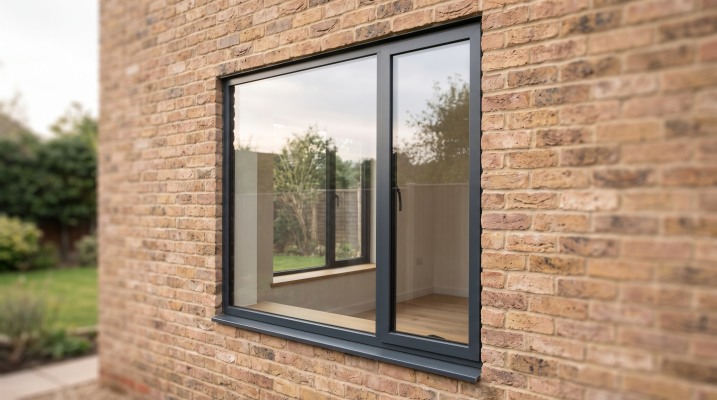
How Architects Choose Colours That Age Gracefully
One of the defining characteristics of good architecture is that it continues to feel appropriate long after it has been completed. Architects therefore approach colour selection with a long-term perspective, recognising that window frames are likely to remain in place for several decades. Rather than asking which RAL colour is currently fashionable, they ask which finish will still complement the building as materials weather, landscaping matures and design trends inevitably evolve.
The process usually begins with the architecture itself. Brick, stone, timber cladding, render and roofing materials each have their own colour, texture and character, and the window frames must sit comfortably alongside them. Rather than becoming the focal point, a well-chosen frame colour often acts as a unifying element, helping to tie different materials together into a coherent whole. This is why architects frequently view colour samples in the context of the full material palette rather than in isolation.
The surrounding landscape also influences the decision. A contemporary home overlooking open countryside may call for understated tones that allow the natural environment to remain the dominant visual feature, while an urban property might benefit from stronger contrasts that reinforce the building’s architectural geometry. Even interior finishes are considered, particularly where large areas of glazing create a close visual relationship between inside and outside.
Practicality forms part of the conversation as well. Architects think about how colours will respond to weathering, how easily they will integrate with future maintenance or extensions, and whether they are likely to remain visually relevant throughout the life of the building. The objective is not to predict future trends but to avoid choices that feel unnecessarily tied to a particular moment in time.
Ultimately, the most successful window colours are those that appear effortless. They feel as though they belong naturally to the architecture, quietly supporting the proportions, materials and setting of the home without demanding attention. When colour is chosen in this way, it rarely dates because it was never selected to be fashionable in the first place.