
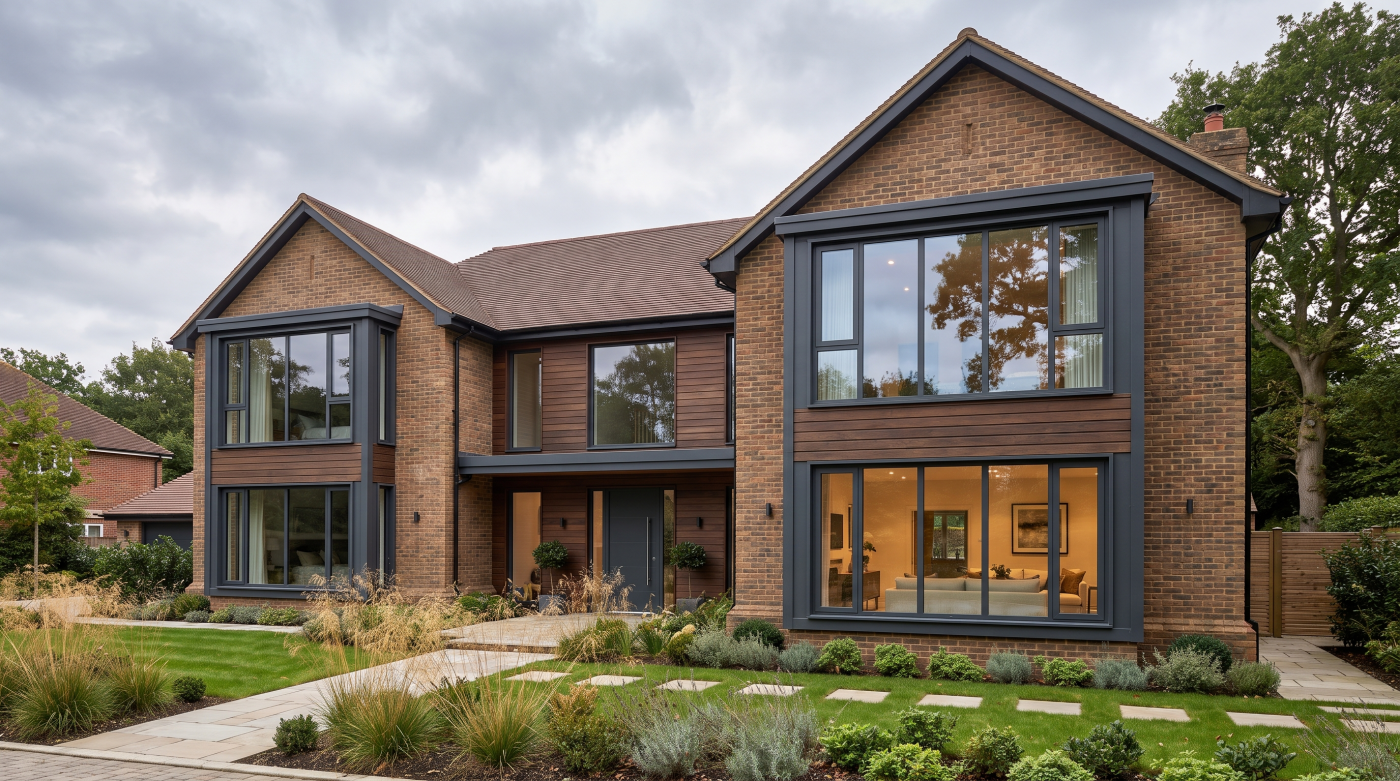
Section 1: Performance Starts Long Before Energy Ratings
When homeowners begin comparing aluminium and uPVC windows, one specification often dominates the conversation: the U-value. Energy ratings have become one of the most familiar ways of judging modern glazing, leading many people to assume that the window with the lowest published figure must automatically be the better choice. While thermal performance is undoubtedly important, architects rarely evaluate windows in such a narrow way. They understand that true performance begins long before energy ratings appear on a specification sheet.
A window performs many different roles simultaneously. It supports the structure of the building, protects against weather, frames views, admits natural light, provides ventilation, contributes to security and influences the character of the architecture itself. It is also expected to operate smoothly, remain visually attractive and continue performing reliably for decades. Judging such a complex building component by a single number inevitably overlooks much of what makes one system more suitable than another.
This broader perspective explains why architects think about performance in several different ways. Structural performance determines how large an opening can be, how slim the visible frames remain and how the window responds to wind loads over time. Thermal performance influences comfort and energy efficiency. Visual performance affects daylight, sightlines and the relationship between the interior and the landscape beyond. Operational performance considers how smoothly windows continue opening and closing after years of daily use. Long-term durability examines how well the system resists weathering, movement and the demands of everyday living.
These qualities are closely connected. A structurally stronger material may allow larger expanses of glazing with slimmer frames, increasing natural light while maintaining rigidity. Better engineering may improve thermal performance without compromising aesthetics. Higher-quality hardware may ensure the window continues operating effortlessly many years after installation. None of these characteristics appears fully within a simple energy rating, yet all contribute significantly to the homeowner’s experience.
This is particularly important when comparing aluminium and uPVC. Modern examples of both materials are capable of achieving impressive thermal performance when combined with high-quality glazing and careful engineering. If homeowners compare U-values alone, the two products can sometimes appear remarkably similar. Yet once broader aspects of performance are considered—such as structural capability, design flexibility, durability and long-term appearance—the differences become much more meaningful.
Architects therefore begin with a different question. Rather than asking, “Which window has the best specification?” they ask, “How will this window perform throughout the life of the building?” That perspective shifts attention away from isolated figures and towards the complete experience of ownership. A window is expected to remain part of the home for thirty years or more, influencing comfort, maintenance, architecture and everyday living throughout that time. Performance must therefore be judged across decades rather than at the point of purchase.
Longevity plays a particularly important role in this assessment. Windows experience thousands of opening cycles, constant exposure to changing weather and continual movement as temperatures fluctuate throughout the seasons. Materials, finishes, seals and hardware all respond differently to these conditions. Architects consider how the complete system will age because a window that performs exceptionally when new should continue doing so many years into the future.
Everyday use is equally important. Homeowners rarely think about specifications once they have moved into the house. Instead, they notice how bright the rooms feel, how easily the windows operate, how comfortable it is to sit beside them during winter and how little maintenance they require over time. These practical experiences define performance far more clearly than any brochure or product datasheet.
This is why architects resist reducing window performance to a single measurement. U-values matter, but they represent only one aspect of a much broader picture. The finest glazing systems succeed because they combine structural integrity, thermal efficiency, visual elegance, reliable operation and long-term durability into one carefully engineered whole. Evaluating performance in this way leads to better decisions because it reflects how windows are actually experienced—not just how they are measured.
For homeowners comparing aluminium and uPVC, this provides a valuable starting point. Before focusing on technical figures, consider the wider role your windows will play in the home. Ask how they will influence the architecture, the amount of daylight, the comfort of the rooms and the quality of everyday living over the next several decades. When performance is viewed through that broader architectural lens, the comparison between materials becomes far more meaningful than any single specification could ever suggest.
Section 2: Structural Strength Changes What Is Possible
One of the biggest differences between aluminium and uPVC has very little to do with insulation or energy efficiency. It begins with structural strength. The inherent properties of each material influence how large a window can be, how slim the frames appear and how much design freedom architects have when creating a home. This is why structural performance often becomes one of the earliest considerations during the specification process, long before colours or hardware are discussed.
Aluminium is an exceptionally strong structural material. It offers a high strength-to-weight ratio, allowing relatively slim sections to support substantial loads without excessive movement or deformation. Architects value this because it enables larger expanses of glazing while maintaining refined proportions. Whether designing floor-to-ceiling windows, wide sliding doors or dramatic corner glazing, aluminium provides the rigidity needed to support ambitious architectural ideas without relying on bulky frames.
uPVC behaves differently. Although modern uPVC window systems have improved significantly over the years and often include internal reinforcement to increase their strength, the material itself is naturally less rigid than aluminium. As window sizes increase, additional reinforcement and wider profiles are generally required to maintain structural stability. This is not a flaw in the material—it simply reflects its different engineering characteristics. Every material has strengths and limitations, and architects work with these realities rather than expecting one solution to suit every project.
The influence of structural strength becomes immediately visible in the sightlines of a window. Because aluminium can support the same glazing with slimmer profiles, a greater proportion of the opening is devoted to glass rather than frame. This allows more natural light into the home, creates cleaner views and contributes to the contemporary aesthetic that many architect-designed homes seek to achieve. The improvement is not simply visual; it changes how the rooms feel by increasing openness and strengthening the relationship between interior spaces and the surrounding landscape.
Large openings demonstrate this advantage particularly clearly. Modern homes increasingly feature expansive sliding doors, wide picture windows and open-plan living spaces connected to gardens through generous areas of glazing. These architectural features place considerable demands on the window system. Aluminium’s structural capability allows these designs to remain elegant while supporting the significant weight of modern insulated glass units. Achieving the same proportions with uPVC is often more challenging because larger sections may be needed to maintain rigidity.
Flexibility under load is another consideration. Every window experiences wind pressure, repeated opening and closing and continual expansion and contraction as temperatures change throughout the seasons. Aluminium’s inherent stiffness allows it to resist these forces while maintaining accurate alignment over long periods of use. High-quality uPVC systems are also designed to perform reliably, but their different material properties mean architects evaluate them differently when specifying particularly large or demanding glazing arrangements.
This is not to suggest that one material is universally superior. Standard-sized windows in many homes perform exceptionally well in modern uPVC systems. The structural differences become most relevant when architectural ambition increases—when homeowners want uninterrupted views, larger glazed openings or minimal frame widths that contribute to a distinctly contemporary appearance. At that point, the additional strength of aluminium begins to expand the range of design possibilities available.
Architects therefore see structural performance as something that shapes architecture rather than merely supporting it. The material chosen influences how much daylight enters the home, how the façade is composed and how connected the interior feels to the outside environment. In this sense, structural engineering quietly influences everyday living, even though homeowners may never consciously think about the forces acting within the frame itself.
It is also worth remembering that strength supports longevity. A window that maintains its alignment, operates smoothly and continues supporting large glazing units accurately over many years contributes to the overall quality of the building. Structural stability is not simply about resisting loads today—it is about preserving performance throughout decades of daily use.
For homeowners comparing aluminium and uPVC, the most useful question is therefore not simply, “Which material is stronger?” but “What do I want my windows to achieve?” If the project involves expansive glazing, slim contemporary sightlines or ambitious architectural design, structural strength becomes a defining advantage. If the openings are more conventional, other factors may carry greater weight. Understanding how material strength influences design allows homeowners to compare the two systems through the lens architects use every day: not just by what they are made from, but by what they make possible.
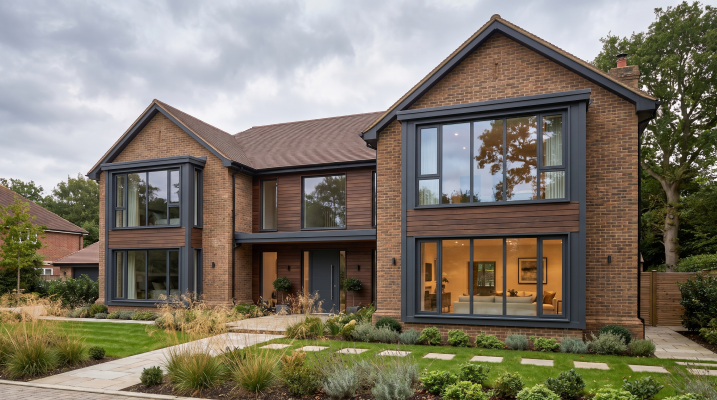
Section 3: Comfort Depends on More Than the Frame Material
When comparing aluminium and uPVC windows, many homeowners naturally assume that the material itself determines how warm or comfortable a home will feel. It is an understandable assumption. Aluminium is a metal, while uPVC is a plastic-based material with naturally lower thermal conductivity, so it might seem obvious that one should always outperform the other. Architects know the reality is considerably more sophisticated. In modern glazing, comfort depends far more on the engineering of the complete window system than on the frame material alone.
This is because a window functions as an integrated assembly rather than a collection of separate components. The frame, glazing, thermal insulation, weather seals, spacers, hardware and installation all work together to determine how the window performs. Looking at the frame material in isolation tells only part of the story. Two windows made from different materials can deliver remarkably similar levels of comfort if both have been engineered and installed to a high standard.
Modern aluminium windows provide an excellent example of this evolution. Earlier generations of aluminium frames gained a reputation for feeling cold because the metal conducted heat directly from the warm interior to the colder exterior. Today, premium aluminium systems incorporate sophisticated thermal break technology that interrupts this heat flow, allowing the internal face of the frame to remain significantly warmer during colder months. This hidden engineering has transformed the thermal performance of aluminium, enabling it to compete with other premium window materials in ways that were once impossible.
Glazing itself also contributes enormously to comfort. Double glazing, triple glazing, low-emissivity coatings, insulated spacer bars and inert gas-filled units all influence how effectively heat is retained within the home. These technologies work alongside the frame rather than independently of it. A well-engineered aluminium system with high-performance glazing can create a very different living environment from an older window made from the same material, illustrating why architects evaluate the complete specification rather than relying on assumptions about the frame alone.
Whole-window performance is therefore far more meaningful than focusing on individual components. Architects assess how the entire assembly performs once installed within the building, recognising that heat does not distinguish between frame, glass or seals. Every pathway through which warmth can escape influences the overall comfort of the home. A premium window succeeds because each part contributes to reducing heat loss rather than because any single element performs exceptionally well in isolation.
Surface temperature plays an important role in this experience. Comfort depends not only on the temperature of the air but also on the temperature of the surfaces surrounding us. Cold window frames can create uncomfortable areas beside glazing, even when the room itself is adequately heated. Modern thermally broken aluminium systems and well-engineered uPVC windows both aim to maintain warmer internal frame temperatures, helping large glazed areas remain pleasant places to sit throughout the winter.
Condensation offers another useful example. Moisture forms when warm indoor air comes into contact with sufficiently cold surfaces. While frame material influences this process, it is equally affected by glazing performance, thermal break design, indoor humidity and the quality of installation. Architects therefore avoid attributing condensation to one material alone because the reality depends on how the complete window system interacts with the wider building.
Installation is perhaps the most overlooked factor of all. Even the highest-quality window can perform poorly if it is fitted incorrectly or surrounded by avoidable thermal bridges. Gaps around the frame, inadequate insulation or poor sealing can undermine the performance of any material. Conversely, careful surveying, accurate installation and thoughtful detailing allow premium window systems to achieve the levels of comfort they were designed to deliver. This is one reason architects place such emphasis on working with experienced glazing specialists rather than focusing solely on product specifications.
This broader perspective explains why assumptions about comfort can sometimes be misleading. It is no longer accurate to say that aluminium windows are automatically colder than uPVC simply because they are made from metal. Modern engineering has fundamentally changed the way premium aluminium systems perform. Likewise, selecting uPVC alone does not guarantee exceptional comfort if other aspects of the window or installation have been compromised. The complete system matters far more than the material label.
For homeowners, this changes the questions worth asking. Instead of asking, “Which material is warmer?”, it is more useful to ask, “How has this complete window system been engineered to create a comfortable home?” Architects look beyond assumptions because they understand that comfort comes from thoughtful design, advanced engineering and high-quality installation working together. When those elements are properly combined, the experience of living beside the windows becomes far more important than the material from which the frames happen to be made.
Section 4: How Both Materials Age Over Twenty Years
Choosing new windows is not simply a decision for today—it is a decision that will shape the appearance, comfort and performance of a home for decades. This long-term perspective is one reason architects evaluate materials differently from many homeowners. Rather than asking how a window looks in a showroom, they ask how it will perform after ten, twenty or even thirty years of exposure to changing weather, daily use and the natural ageing of the building itself.
Colour stability is one of the first considerations. Modern aluminium windows are typically finished using high-quality powder coating, creating an exceptionally durable surface designed to withstand prolonged exposure to sunlight, rain and seasonal temperature changes. Premium finishes retain their colour and appearance for many years with relatively little maintenance, allowing the external architecture to remain crisp and consistent long after installation.
Modern uPVC has also improved significantly in this respect. Earlier generations sometimes developed discolouration or surface ageing more quickly than contemporary products, while today’s premium systems offer much better resistance to ultraviolet light and weathering. Nevertheless, aluminium continues to be widely favoured on premium architectural projects where maintaining a refined external appearance over several decades is a key design objective.
Structural rigidity also influences how windows age. Throughout their lifetime, frames experience continual expansion and contraction as temperatures fluctuate, together with thousands of opening and closing cycles. Aluminium’s inherent stiffness allows it to maintain precise alignment over long periods, even when supporting large glazing units. This helps preserve smooth operation, consistent sightlines and accurate sealing as the building matures.
High-quality uPVC systems are engineered to perform reliably as well, often incorporating internal reinforcement to improve stability. However, because the material behaves differently under changing temperatures, architects pay particular attention to frame dimensions and opening sizes when specifying uPVC. The material performs exceptionally well within its intended applications, but its long-term behaviour is considered differently from aluminium when large architectural glazing becomes part of the design.
Maintenance requirements form another important part of long-term ownership. Both aluminium and uPVC are generally regarded as low-maintenance materials when compared with traditional painted timber. Routine cleaning and occasional inspection of seals and hardware are usually sufficient to keep premium systems performing well. The difference lies less in day-to-day maintenance and more in how each material retains its appearance and structural precision over extended periods.
Hardware deserves equal consideration because it often experiences more daily use than the frame itself. Hinges, handles, locks, rollers and operating mechanisms are opened and closed thousands of times during the life of the window. Architects therefore look beyond the frame material and assess the quality of the complete system, recognising that long-term reliability depends just as much on precision-engineered hardware as it does on the surrounding profiles.
Weather exposure gradually tests every external building material. Wind-driven rain, changing temperatures, airborne pollutants and prolonged ultraviolet exposure all place demands on windows year after year. Premium aluminium systems are specifically designed to withstand these conditions while maintaining their structural integrity and appearance. Likewise, high-quality uPVC systems are manufactured to resist environmental ageing within their intended applications. The quality of engineering and manufacturing often influences long-term performance as much as the material itself.
Perhaps the most significant difference emerges not through dramatic failures but through the subtle preservation of architectural quality. Twenty years after installation, homeowners are unlikely to compare technical specifications. Instead, they notice whether the windows still operate smoothly, whether the frames continue looking refined, whether colours remain consistent and whether the home still feels as carefully designed as it did when it was first completed. These everyday observations define successful long-term performance far more clearly than any brochure.
This is why architects encourage homeowners to think in decades rather than years. A window is one of the few building elements expected to perform continuously throughout changing seasons, evolving lifestyles and multiple phases of ownership. Initial purchase price naturally matters, but it should be considered alongside durability, appearance, maintenance and the continuing quality of everyday use over the life of the building.
Ultimately, both aluminium and modern uPVC can provide many years of reliable service when well engineered and professionally installed. The difference lies in how each material supports the long-term ambitions of the project. For standard residential applications, premium uPVC may offer an excellent balance of performance and value. For architect-designed homes where structural precision, minimal sightlines and enduring architectural appearance are priorities, aluminium often provides advantages that become increasingly appreciated with every passing year.
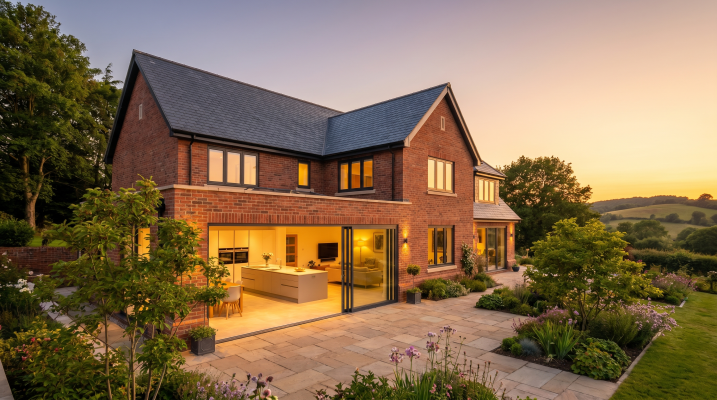
Section 5: Why Architects Often Choose Aluminium for Premium Homes
Walk through a contemporary architect-designed home and you will quickly notice a pattern. Expansive glazing, slim sightlines, large sliding doors and carefully framed views are common features. This is no coincidence. Architects do not specify aluminium simply because it is considered a premium material—they choose it because its structural and aesthetic qualities support the architectural ambitions of these projects in ways that other materials often cannot.
The starting point is usually the architecture itself. Premium homes are rarely designed around standard-sized openings or conventional layouts. Instead, they often seek to maximise daylight, strengthen connections with the landscape and create flowing interior spaces that feel open and generous. Achieving these goals frequently requires large areas of glazing supported by slender, elegant frames. Aluminium’s exceptional strength makes this possible while preserving the refined proportions that contemporary architecture demands.
Minimal sightlines are a significant part of this appeal. As discussed earlier, slimmer frames allow more glass within the same structural opening, increasing natural light and reducing visual interruption. Architects value these refined proportions because they help create interiors that feel brighter and more spacious while allowing gardens, courtyards and surrounding landscapes to become integral parts of the living environment. The architecture begins to feel less enclosed and more connected to its setting.
Large sliding doors provide perhaps the clearest example. Modern homes increasingly feature openings several metres wide, allowing living spaces to flow seamlessly onto terraces and gardens. Supporting these substantial glass panels requires materials capable of combining structural rigidity with precise engineering. Aluminium delivers this balance exceptionally well, enabling wide openings to remain visually light without compromising smooth operation or long-term reliability.
Longevity is another important consideration. Premium homes are usually designed as long-term investments rather than short-term improvements. Architects therefore specify materials that continue supporting the quality of the building many years after construction has been completed. Powder-coated aluminium retains its appearance with relatively little maintenance, while its structural stability helps preserve accurate alignment, consistent sightlines and smooth operation throughout decades of everyday use.
Architectural quality extends beyond appearance alone. Every component of a premium home is expected to contribute to a coherent design language, from the proportions of the roof to the detailing of the glazing. Aluminium integrates naturally into this approach because its precision allows windows and doors to reinforce the clean geometry often associated with contemporary architecture. Rather than competing with other materials, the frames quietly support the overall composition of the building.
Design flexibility also influences specification. Architects appreciate materials that allow them to respond creatively to different sites, orientations and client aspirations. Aluminium accommodates fixed glazing, opening windows, corner glazing, sliding doors and complex bespoke arrangements while maintaining a consistent visual language throughout the project. This versatility enables ambitious architectural ideas to be realised without introducing unnecessary compromise.
Importantly, architects are not choosing aluminium because they believe every home should have aluminium windows. Material selection always follows the objectives of the project. A modest replacement window scheme in a conventional property may be perfectly suited to a high-quality uPVC system. A luxury self-build overlooking open countryside, however, may place far greater value on panoramic glazing, refined sightlines and long-term architectural expression. In that context, aluminium naturally aligns more closely with the design ambitions of the project.
This distinction is crucial because it moves the conversation away from the idea of one material being universally superior. Architects do not specify aluminium to create prestige for its own sake. They specify it because the material enables certain architectural outcomes—larger openings, slimmer frames, stronger visual connections with nature and enduring structural precision—that help deliver the experience their clients want from the finished home.
For homeowners, this offers a useful way to approach the decision. Rather than asking, “Is aluminium better than uPVC?”, consider asking, “What kind of home am I trying to create?” If your vision includes expansive glazing, contemporary design, exceptional longevity and carefully proportioned architecture, aluminium often provides advantages that extend far beyond its technical specifications.
Ultimately, architects choose aluminium for premium homes because it supports architecture rather than simply filling openings in a wall. It enables brighter interiors, stronger relationships with the landscape, elegant proportions and buildings that continue feeling refined many years after completion. The material itself is only part of the story. The real value lies in the quality of architecture it helps make possible.
Section 6: Where uPVC Still Makes Sense
Discussions about aluminium and uPVC sometimes become unnecessarily polarised, as though one material must always be superior to the other. Architects rarely approach specification in this way. They understand that every building presents different priorities, budgets and design objectives, and the most appropriate material is the one that best supports the project as a whole. While aluminium is often chosen for premium architectural homes, there are many situations where a high-quality uPVC system remains an entirely sensible and well-balanced choice.
Budget is naturally one of the first considerations. For many homeowners, replacing windows represents a significant investment alongside numerous other renovation costs. Kitchens, bathrooms, roofing, insulation and structural work may all compete for the same budget. In these circumstances, modern uPVC can provide strong overall performance while allowing homeowners to allocate resources across the wider project rather than concentrating a disproportionate amount of investment on the glazing alone.
Standard-sized openings are another area where uPVC performs particularly well. Many existing homes have relatively conventional window dimensions that do not require the exceptional structural capability associated with large aluminium systems. In these situations, a well-engineered uPVC window can provide excellent thermal performance, reliable operation and long-term durability without the additional structural advantages that aluminium offers for larger architectural glazing.
Traditional residential developments also frequently suit uPVC. Many suburban homes, family houses and standard replacement projects prioritise practicality, energy efficiency and low maintenance over expansive glazing or minimalist architectural detailing. The proportions of these buildings often work comfortably with modern uPVC systems because the architecture itself was never intended to revolve around large areas of structural glass or exceptionally slim sightlines.
Replacement window projects provide another practical example. Homeowners wishing to improve the thermal efficiency of an existing property without making substantial structural alterations often find that premium uPVC offers an effective solution. Modern systems are capable of achieving excellent insulation, attractive finishes and dependable long-term performance while fitting comfortably within existing openings. For many renovation projects, this combination of practicality and value makes considerable sense.
Maintenance is another reason some homeowners favour uPVC. Like aluminium, modern uPVC requires relatively little routine upkeep beyond regular cleaning and occasional inspection of hardware and seals. For homeowners seeking a straightforward, low-maintenance solution, particularly on conventional residential properties, premium uPVC remains an attractive option that has improved significantly over recent decades.
Architects also recognise that not every project demands the design flexibility offered by aluminium. If a home does not require floor-to-ceiling glazing, wide-span sliding doors or highly refined contemporary sightlines, the structural advantages of aluminium may simply not be necessary. Selecting uPVC in these circumstances is not a compromise—it is an example of matching the material appropriately to the architectural requirements of the building.
This reflects an important principle of good specification. The objective is never to choose the most expensive material available. Instead, it is to select the material that provides the most appropriate balance of performance, appearance, longevity and value for the specific project. Architects routinely make these judgements because they understand that successful buildings depend on thoughtful decisions rather than assumptions about prestige.
It is also worth acknowledging how much modern uPVC has evolved. Contemporary premium systems bear little resemblance to the earliest generations of uPVC windows. Improvements in thermal performance, colour stability, manufacturing quality and hardware have significantly enhanced their capabilities, making them a strong option for many residential applications. Dismissing modern uPVC entirely would ignore the considerable engineering progress the material has undergone.
For homeowners, the most useful perspective is to avoid treating material choice as a competition. Aluminium excels where architectural ambition demands large glazing, minimal sightlines and long-term structural precision. High-quality uPVC excels where practicality, value and dependable everyday performance are the primary objectives. Both materials have legitimate strengths, and both can contribute to comfortable, energy-efficient homes when specified appropriately.
Ultimately, there is no universally perfect window material. There is only the material that best supports the architecture, budget and aspirations of the project in front of you. Understanding where uPVC makes sense is just as important as understanding where aluminium excels, because thoughtful specification is always about choosing the right solution—not simply the most premium one.
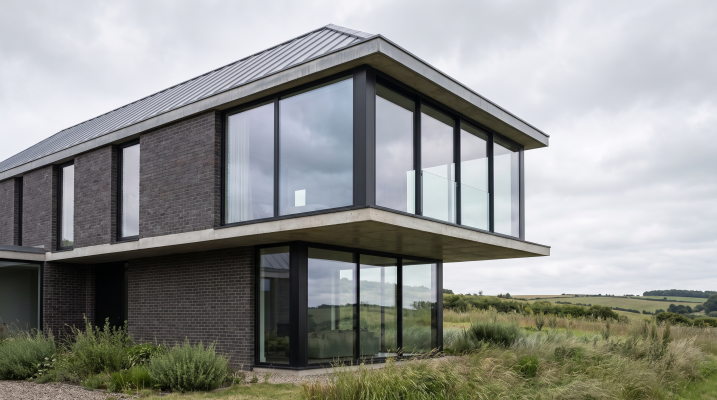
Section 7: Choosing the Right Material for Your Project
By this stage, it should be clear that comparing aluminium and uPVC is not about identifying a universal winner. Architects do not begin with the question, “Which material is best?” Instead, they ask, “Which material best supports the architecture, the people who will live here and the long-term ambitions of this project?” The answer varies from one home to another because every project has its own priorities.
The architecture should always be the starting point. A contemporary self-build with floor-to-ceiling glazing, large sliding doors and carefully framed landscape views places very different demands on its windows than a traditional family home undergoing a straightforward replacement programme. The material should reinforce the architectural vision rather than forcing compromises simply because of assumptions about cost or familiarity.
Budget naturally plays an important role, but it should be viewed within the context of the entire project. Every renovation or new build involves balancing multiple investments, from kitchens and flooring to insulation, landscaping and structural work. Architects encourage homeowners to think about where glazing sits within those wider priorities. If expansive views, natural light and architectural detailing are central to the design, investing in aluminium may provide long-term value that extends beyond the initial purchase price. If the project has more conventional requirements, premium uPVC may offer an excellent balance of performance and affordability.
Lifestyle is another factor that is often overlooked. Consider how you intend to live in the home rather than simply how it will look on completion. Do you want large openings that connect living spaces with the garden? Are uninterrupted countryside views one of the reasons you chose the property? Will the home be occupied for many years, making long-term durability and low maintenance especially valuable? These practical questions often provide clearer guidance than comparing specification sheets.
Maintenance should also be considered realistically. Both modern aluminium and high-quality uPVC require relatively little day-to-day attention, but homeowners should think about how the windows will perform throughout decades of ownership. Choosing a material that continues to suit your expectations long into the future is often more valuable than focusing solely on the initial purchase decision.
Long-term plans for the property deserve equal attention. If you intend to remain in the home for many years, investing in materials that support your lifestyle and architectural aspirations may provide daily enjoyment that extends far beyond financial considerations. If the project is a practical renovation designed to improve comfort and energy efficiency within a defined budget, a premium uPVC system may represent a thoughtful and entirely appropriate choice. The right decision depends upon the role the windows play within the wider vision for the home.
Design ambition often becomes the deciding factor. Contemporary architecture frequently relies on large glazed openings, refined sightlines and carefully composed relationships between interior spaces and the surrounding landscape. Aluminium supports these ambitions particularly well because of its structural strength and design flexibility. Where those architectural qualities are less central to the project, the additional capability may simply not be necessary.
This is why architects rarely recommend materials in isolation. They consider orientation, views, planning constraints, structural design, energy performance, maintenance expectations and the character of the building before making a specification. The material is one part of a much larger architectural conversation. Homeowners benefit from adopting the same perspective because it leads to decisions based on the needs of the project rather than the marketing of individual products.
Working with an experienced glazing specialist can make this process much easier. A good supplier will begin by understanding your home, your priorities and your long-term goals before recommending a particular material. Rather than steering every client towards the same solution, they explain how different systems support different types of architecture and help homeowners make informed decisions with confidence.
Ultimately, the right material is the one that feels entirely appropriate once the project is complete. Years later, homeowners rarely remember the specification comparisons or brochure figures that influenced their decision. Instead, they remember bright living spaces, comfortable rooms, effortless operation and windows that continue complementing the architecture every day. Choose the material that supports the home you want to create—not simply the one that appears to perform best on paper. That is the approach architects have always taken, and it remains the most reliable way to make a decision you will continue appreciating for decades.
Section 8: Better Windows Begin With Better Questions
For many homeowners, comparing aluminium and uPVC begins with a straightforward question: “Which one is better?” It seems like the logical place to start, yet architects rarely frame the decision in these terms. They know that no building material is universally superior because every project has different architectural priorities, different budgets and different ambitions. The more useful question is not which material is best, but which material will help create the home you want to live in for the next thirty years.
This shift in thinking changes the entire comparison. Instead of focusing on isolated specifications, homeowners begin considering how the windows will shape their everyday experience. Will they maximise natural light? Will they frame the views that made you fall in love with the property? Will they continue operating smoothly after years of daily use? Will they still look appropriate to the architecture decades from now? These questions reflect the way architects evaluate performance because they focus on outcomes rather than products.
Throughout this guide, one principle has remained consistent: performance is holistic. Structural capability, thermal efficiency, sightlines, durability, maintenance, engineering and installation all contribute to the quality of the finished home. Reducing that complexity to a single comparison between aluminium and uPVC inevitably overlooks many of the factors that influence long-term satisfaction. Great windows succeed because every aspect of their design works together.
Architecture should therefore remain at the centre of every decision. A carefully restored period property, a contemporary self-build, a family extension and a luxury renovation each ask different things of their glazing. Some projects benefit enormously from aluminium’s structural strength and refined proportions. Others achieve exactly the right balance through a premium uPVC system. The material follows the architecture—not the other way around.
Lifestyle deserves equal attention. Windows are not simply building components; they are part of everyday life. They shape the morning light entering a kitchen, frame the changing colours of the garden throughout the seasons and influence how comfortable the home feels during winter. They become part of the backdrop to family life for decades, quietly affecting experiences that homeowners rarely associate with a specification sheet. Choosing the right material therefore means thinking about how you want to live rather than simply what you want to buy.
Longevity reinforces this perspective. A well-designed window should continue performing beautifully long after the excitement of a renovation or self-build has passed. Architects consider how materials age, how hardware performs, how finishes weather and how the complete system will support the building throughout its lifetime. Homeowners benefit from adopting the same long-term view because it encourages decisions based on lasting quality rather than short-term comparisons.
This is also why experienced glazing specialists play such an important role. The best suppliers do not simply explain product features—they help homeowners understand how different materials support different architectural ambitions. They ask about the project before recommending a system. They discuss design, performance and long-term ownership rather than relying solely on brochure specifications. Their expertise helps translate technical differences into practical guidance that reflects the unique requirements of each home.
Perhaps the most reassuring conclusion is that both aluminium and modern uPVC have legitimate places within contemporary residential architecture. Neither material exists to replace the other. Instead, each offers strengths that become valuable under different circumstances. Understanding those strengths allows homeowners to make informed decisions without feeling that one choice automatically represents success while the other represents compromise.
The real value lies in asking better questions. Instead of asking:
- Which material has the lowest U-value?
- Which one is more expensive?
- Which brochure sounds more impressive?
Consider asking:
- Which material best supports the architecture of my home?
- Which one creates the experience I want every day?
- Which system will still feel like the right decision twenty years from now?
Those are the questions architects ask because they lead to buildings that continue rewarding their owners long after construction has finished.
Ultimately, the best-performing window is not defined solely by the material from which it is made. It is defined by how well that material supports the architecture, the lifestyle of the people who live there and the long-term ambitions of the project. When homeowners stop comparing products in isolation and start thinking like architects, the decision becomes much clearer. Better questions lead to better specifications, better specifications create better homes, and better homes continue improving everyday life for decades to come.