
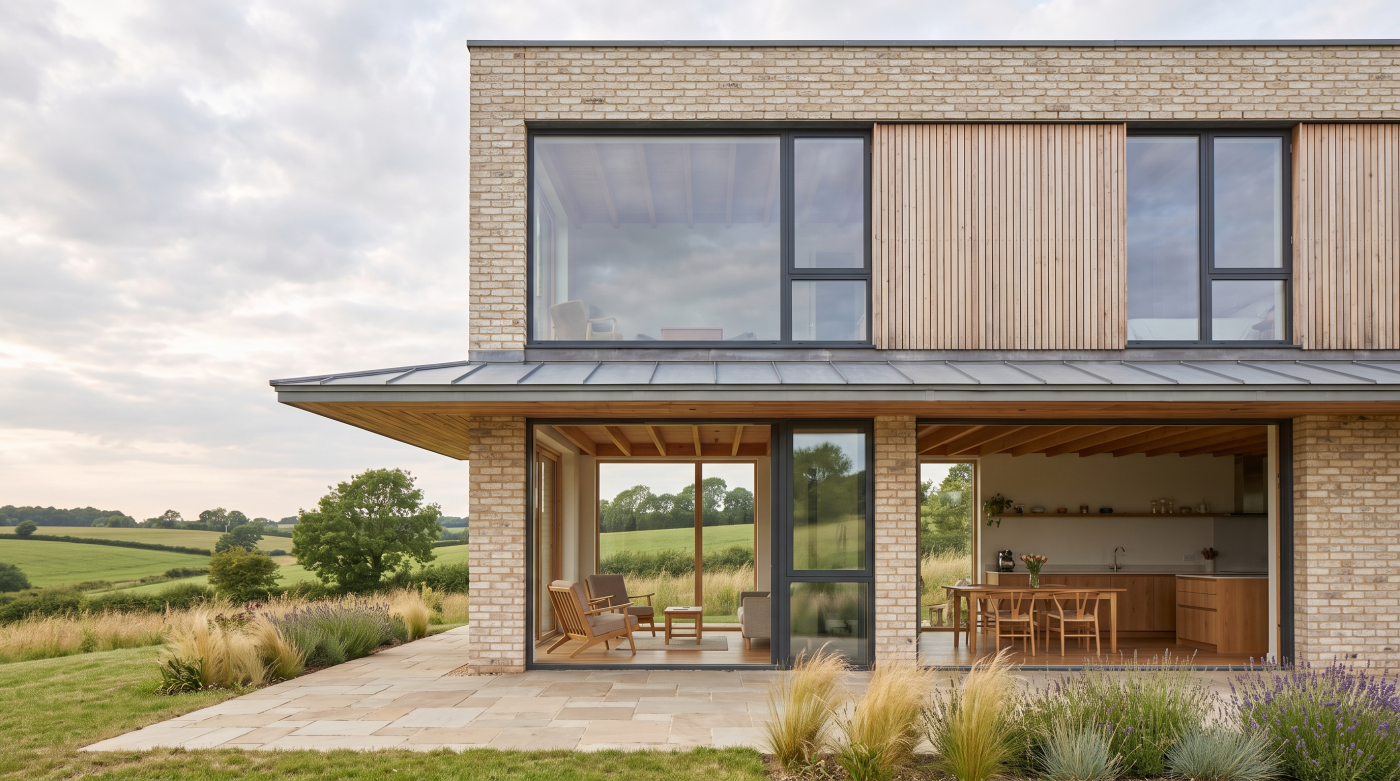
Section 1: The Frame Material Is Only One Part of the Cost
When homeowners first begin researching aluminium windows, one assumption appears again and again: “They’re expensive because aluminium is expensive.” It seems like a logical conclusion. After all, if the frame is made from metal rather than uPVC, surely the material itself must account for most of the cost. In reality, this is only a small part of the story. Architects understand that the price of a premium aluminium window reflects far more than the value of the metal from which it is made.
The aluminium itself is only the starting point. Before it becomes part of a window, it undergoes an extensive manufacturing process involving precision extrusion, thermal engineering, surface finishing, machining, assembly and rigorous quality control. What eventually arrives on site is not simply shaped aluminium—it is a highly engineered architectural product designed to perform reliably for decades.
The journey begins with the aluminium profiles. These are manufactured by forcing heated aluminium through precision-engineered dies to create the exact cross-sectional shapes required for the window system. These profiles are far more sophisticated than they appear from the outside. Hidden within them are chambers, drainage pathways, fixing points and carefully engineered details that allow the complete window to deliver structural strength, weather resistance and thermal performance simultaneously.
Modern aluminium windows also incorporate thermal break technology. Rather than using one continuous piece of metal, the internal and external aluminium sections are separated by a reinforced insulating barrier that dramatically reduces heat transfer through the frame. This hidden engineering is one of the most significant reasons modern aluminium windows perform so well, but it also adds complexity to both manufacturing and assembly. Architects recognise that thermal performance is designed into the frame long before the glazing is fitted.
The surface finish is another important contributor to cost. Premium aluminium windows are typically powder coated to create a highly durable, weather-resistant finish that maintains its appearance for many years. Achieving this quality requires careful preparation of the aluminium, controlled coating processes and curing at high temperatures to create a finish capable of resisting ultraviolet light, rain, temperature changes and everyday environmental exposure. Homeowners may simply see a beautifully coloured frame, but behind that appearance lies an advanced manufacturing process designed for long-term durability.
Precision machining follows. Every opening sash, locking point, hinge, drainage channel and fixing detail must be manufactured to extremely tight tolerances. Aluminium windows rely on this accuracy to ensure they operate smoothly, seal correctly and maintain their structural integrity throughout decades of daily use. Small manufacturing inaccuracies can affect everything from weather performance to the feel of the handle when the window is opened.
Assembly brings all of these individual components together. The frame, thermal break, glazing, weather seals, hardware and operating mechanisms must function as one integrated system rather than as separate parts. Premium manufacturers devote significant attention to this stage because the long-term reliability of the window depends upon every component working together with precision. The result is a product engineered not simply to fit an opening, but to become a permanent part of the building envelope.
This is why architects often describe aluminium windows as precision-engineered systems rather than manufactured products. The homeowner is not buying raw aluminium in the same way they might buy timber or steel. They are investing in decades of engineering development, product testing, manufacturing expertise and quality control that allow the finished window to perform consistently throughout its lifespan.
Viewed this way, the price begins to make far more sense. The cost reflects structural engineering, thermal performance, weather resistance, advanced coatings, precision manufacturing and long-term reliability—not simply the quantity of aluminium within the frame. In fact, the value of the raw metal itself represents only a relatively small proportion of the finished product.
For homeowners, this changes the way aluminium windows should be evaluated. Instead of asking, “How much does the aluminium cost?”, it is more useful to ask, “What engineering, performance and long-term value does this complete window system provide?” That is the question architects ask, because they understand that what appears to be a simple frame is, in reality, one of the most sophisticated components of the modern home.
Ultimately, the frame material is only one part of the investment. The real value lies in the precision engineering that transforms aluminium into a window capable of delivering strength, comfort, durability and architectural quality for decades. The metal provides the foundation, but it is the expertise behind the system that homeowners continue benefiting from long after the original purchase price has been forgotten.
Section 2: Size, Shape and Complexity Change Everything
One of the biggest misconceptions about aluminium window pricing is that there is a standard cost per window. In reality, very few premium aluminium windows are truly standard. Every project is different, every opening has its own structural requirements and every architectural design introduces new variables. This is why two homes with the same number of windows can have significantly different glazing budgets, even if they appear similar at first glance.
Architects rarely begin by selecting products from a catalogue. Instead, they design openings that respond to the architecture, the orientation of the site and the way the homeowners want to live. The glazing is then engineered to suit those requirements. As a result, the price reflects the complexity of the project rather than simply the quantity of aluminium being supplied.
Size is one of the most obvious factors. Larger windows require larger glass units, stronger frames and more robust structural engineering. A floor-to-ceiling picture window places very different demands on a glazing system than a modest bedroom window. As dimensions increase, the weight of the glass also increases, requiring more sophisticated frame design and carefully specified hardware capable of supporting substantial loads throughout decades of daily use.
Sliding doors demonstrate this particularly well. Modern architectural homes often feature expansive openings several metres wide, creating seamless connections between interior spaces and gardens or terraces. These impressive installations may involve individual glass panels weighing hundreds of kilograms. Supporting such weight while maintaining smooth, effortless operation requires precision-engineered rollers, reinforced frame sections and carefully calculated structural tolerances. The investment reflects this engineering, not simply the physical size of the door.
The shape of the glazing also influences cost. Rectangular windows are generally the most straightforward to manufacture because production processes have been refined around standard geometries. Once projects introduce gable glazing, angled frames, triangular windows, curved elements or other bespoke shapes, manufacturing becomes considerably more specialised. Custom tooling, additional machining and more complex assembly processes all contribute to the final investment.
Corner glazing adds another layer of complexity. Creating the impression of uninterrupted glass wrapping around the corner of a building requires careful structural design and precise installation. Whether the corner is supported by specialist structural elements or engineered glazing systems, the objective is to minimise visible framing while maintaining the strength needed to support the building safely. These architectural features deliver spectacular results, but they demand engineering expertise far beyond that required for conventional window openings.
Even seemingly simple bespoke dimensions influence pricing. Unlike mass-produced products manufactured in a handful of standard sizes, premium aluminium windows are frequently made specifically for an individual project. Every opening is surveyed, manufactured and assembled to suit the exact dimensions of the building. This level of customisation ensures an exceptional fit and architectural precision, but naturally requires more manufacturing input than producing identical units in high volume.
Structural requirements also vary from one project to another. A sheltered suburban extension experiences very different loading conditions from a contemporary coastal home exposed to strong prevailing winds. Engineers assess factors such as wind pressure, building height, opening size and glazing weight before determining the appropriate frame design. Two windows of identical dimensions may therefore require different engineering solutions depending on where they will be installed.
Site conditions influence complexity as well. Installing glazing into a new-build property with unrestricted access is a very different exercise from replacing windows within a listed building, working on a steep hillside or lifting large glass panels into an upper-floor extension. While these challenges are often associated with installation rather than manufacturing, they illustrate an important principle: every glazing project is unique, and its complexity inevitably affects the overall investment.
This is one reason architects resist discussing aluminium window prices in terms of simple averages. Meaningful quotations require an understanding of the architecture, structural requirements, glazing specification and installation conditions. The question is not simply, “How much does an aluminium window cost?” but “What has this particular window been designed to achieve?”
For homeowners, this perspective is invaluable. Rather than comparing projects based purely on the number of windows, consider the architectural ambitions behind them. Larger openings, bespoke shapes, panoramic glazing and contemporary detailing all require additional engineering that contributes to both the cost and the quality of the finished home. The investment reflects the complexity of transforming ambitious design ideas into practical, durable architectural reality.
Ultimately, every premium aluminium glazing project is unique. The price is shaped not by a standard formula, but by the size, proportions, structural demands and architectural aspirations of the home itself. That is why no two quotations are ever truly identical—and why architects always begin with the building before they begin discussing the budget.
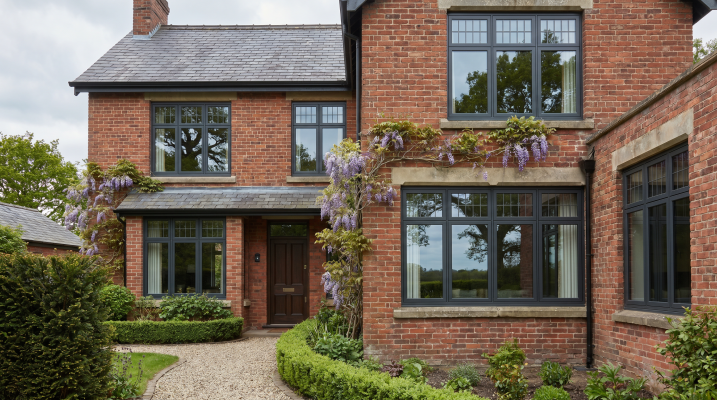
Section 3: Glass Often Represents a Significant Part of the Investment
When homeowners compare aluminium window quotations, it is natural to focus on the frame. After all, it is the most visible part of the product and the material that gives aluminium windows their distinctive appearance. Yet architects know that the glass itself often represents a substantial proportion of the overall investment. In many premium glazing systems, the specification of the glass has as much influence on the final cost as the frame surrounding it.
This is because modern glazing does far more than simply allow light into a home. Today’s insulated glass units are highly engineered components designed to improve comfort, reduce energy consumption, manage solar gain, minimise noise and enhance security. Every additional layer of performance introduces further manufacturing complexity, making the glass one of the most technically sophisticated elements of the entire window.
The first decision is usually whether to specify double or triple glazing. High-quality double glazing provides excellent thermal performance for many homes, while triple glazing may be appropriate where enhanced insulation or particular energy performance objectives are required. Adding a third pane of glass increases weight, manufacturing complexity and material costs, but it can also contribute to improved thermal comfort in the right application. Architects assess these benefits within the context of the whole building rather than assuming one option is automatically superior.
Low-emissivity (Low-E) coatings are another important part of modern glazing. These almost invisible coatings reflect heat back into the home while still allowing natural daylight to enter, helping improve energy efficiency without affecting everyday living. Premium glazing often incorporates advanced coatings developed through sophisticated manufacturing processes, contributing both to performance and to the overall cost of the insulated glass unit.
Solar control glass becomes particularly valuable in homes with large south-facing elevations or extensive glazing exposed to prolonged sunshine. While generous glazing creates bright interiors and strong connections with the landscape, it can also increase the risk of overheating if solar gain is not carefully managed. Solar control coatings help reduce unwanted heat entering the building while preserving daylight and views, allowing architects to balance architectural ambition with year-round comfort.
Acoustic glazing addresses a different challenge. Properties located near busy roads, railway lines or urban centres may benefit from specialist glass designed to reduce external noise. By using carefully selected glass thicknesses and laminated constructions, acoustic glazing helps create quieter, more comfortable interiors without compromising natural light. Although this specialist specification increases the cost of the glazing unit, it can transform the experience of living within the home.
Safety and security also influence glass specification. Toughened glass is commonly used where building regulations require increased impact resistance, while laminated glass incorporates an interlayer that helps hold broken fragments together if the pane is damaged. These options improve safety and security but also involve additional manufacturing processes that contribute to the overall investment. Architects specify them according to the location and function of each individual window rather than applying a single solution throughout the project.
Large panes introduce further complexity. Manufacturing, transporting and installing oversized insulated glass units requires specialist equipment, careful handling and rigorous quality control. As glass dimensions increase, so do weight, structural demands and manufacturing precision. These factors explain why dramatic floor-to-ceiling glazing carries a higher investment than smaller conventional windows, even before the aluminium frame is considered.
It is also important to remember that the glazing and frame work together as one integrated system. A premium aluminium frame deserves glazing of an equally high standard, just as advanced glass performs best when supported by carefully engineered framing. Architects therefore consider the complete window assembly rather than treating the frame and glass as separate purchases. The quality of one enhances the performance of the other.
For homeowners, this changes the conversation about value. Rather than asking, “Why is this glass more expensive?”, it is worth asking, “What does this glazing allow my home to do better?” Whether the answer is improved thermal comfort, reduced overheating, quieter interiors, enhanced security or greater energy efficiency, the investment is supporting everyday living rather than simply increasing the specification.
Ultimately, the glass often represents one of the most significant contributors to the price of premium aluminium windows because it performs so many essential functions. It controls light, warmth, comfort, noise and safety while shaping the way the home connects with the outside world. When architects specify glazing, they are not simply choosing transparent panels—they are selecting one of the most important performance elements of the entire building. That is why the quality of the glass deserves just as much attention as the aluminium frame that surrounds it.
Section 4: Premium Hardware Quietly Adds Long-Term Value
When homeowners think about aluminium windows, they usually picture the frame and the glass. Hardware rarely receives the same attention. Yet the components you touch every day—handles, hinges, locks, rollers and opening mechanisms—have a remarkable influence on how a window feels throughout its lifetime. Architects understand that premium hardware is not an optional upgrade; it is one of the defining factors that separates a window which performs beautifully for decades from one that gradually becomes frustrating to use.
Consider how often a window is operated. A bedroom window may be opened every morning and closed every evening. Patio doors can be used dozens of times on a busy summer’s day. Over twenty or thirty years, these seemingly simple actions add up to many thousands of operating cycles. Every hinge, roller and locking mechanism must continue working smoothly despite constant movement, changing temperatures and continual exposure to the elements.
This is why premium manufacturers invest heavily in hardware engineering. High-quality hinges are designed to support increasingly heavy glazing units while maintaining accurate alignment throughout years of use. They allow opening windows to move effortlessly without dropping, binding or placing unnecessary strain on the frame. Homeowners rarely notice this precision when everything works correctly—but they notice immediately when it does not.
Sliding doors perhaps demonstrate the value of premium hardware more clearly than any other glazing product. Modern aluminium sliding doors often support glass panels weighing several hundred kilograms. Despite this enormous weight, they are expected to glide smoothly with minimal effort, allowing homeowners to open expansive glazed walls using little more than one hand. Achieving this experience depends almost entirely on the quality of the rollers, tracks and precision engineering hidden beneath the visible frame.
Locking systems also contribute far more than security alone. Well-engineered multi-point locking mechanisms help pull the opening sash evenly against the weather seals, improving airtightness, weather resistance and thermal performance while providing reassuring security. The operation should feel smooth and positive every time the handle is turned, reinforcing the sense of quality that defines premium glazing systems.
Handles may appear to be relatively small details, but they shape the everyday relationship between homeowner and window. Every opening and closing cycle begins with the handle, making it one of the most frequently used components in the entire home. Architects appreciate hardware that feels substantial, operates precisely and complements the wider architectural design because these tactile qualities subtly influence how the building is experienced every day.
The quality of hardware also affects long-term maintenance. Premium components are engineered using durable materials and precision manufacturing techniques that reduce wear over time. They are often designed to be adjustable or serviceable, allowing installers to fine-tune operation if required rather than replacing major parts unnecessarily. This contributes significantly to the longevity of the complete window system and helps preserve its original performance throughout decades of ownership.
Weather resistance is another important consideration. External hardware must continue operating reliably despite continual exposure to rain, humidity and changing temperatures. Manufacturers therefore specify corrosion-resistant materials, protective finishes and carefully engineered moving parts that maintain smooth operation in demanding conditions. These details remain largely invisible once installed, yet they play a major role in ensuring the windows continue performing exactly as intended.
Architects often describe hardware as the human interface of a window. While structural engineering, thermal breaks and glazing performance work quietly in the background, hardware is the element homeowners interact with every single day. If it feels precise, effortless and dependable, the entire window feels well engineered. If it feels stiff, loose or inconsistent, even an otherwise excellent window can leave a disappointing impression.
This explains why quotations that appear similar at first glance may differ significantly in value. Two aluminium window systems might use comparable frame profiles and glazing specifications, yet the quality of their hardware can produce completely different ownership experiences over the next thirty years. Premium hardware often represents a relatively modest proportion of the overall project cost while delivering benefits that are appreciated every time the window is opened.
For homeowners, this offers a valuable reminder that not every important feature is immediately visible. The finest aluminium windows are not defined solely by slim sightlines or attractive finishes. They are also defined by the hidden engineering that allows every handle to turn smoothly, every hinge to remain aligned and every sliding door to glide effortlessly year after year. These quiet details rarely dominate marketing brochures, but they are among the strongest contributors to long-term value.
Ultimately, premium hardware is an investment in everyday experience. It protects security, preserves performance and ensures the windows continue feeling as satisfying to use decades after installation as they did on the first day. The aluminium frame may attract the eye, but it is the quality of the hardware that homeowners continue appreciating with every touch.
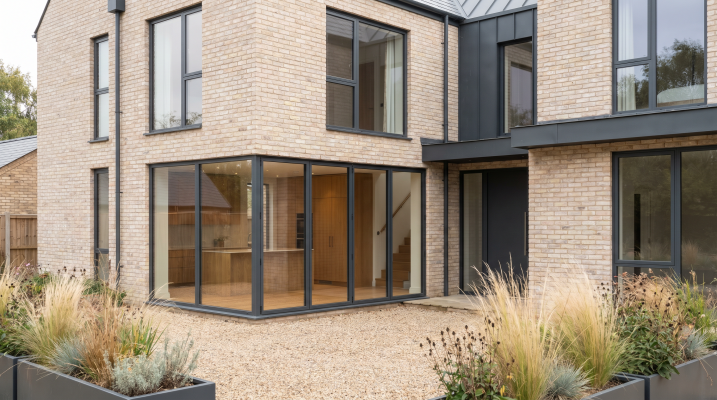
Section 5: Why Installation Is Never Just Labour
When homeowners compare quotations for aluminium windows, installation is often viewed as a single line on the estimate—something simply described as labour. This can make it tempting to compare installers purely on price, assuming that fitting one window is much the same as fitting another. Architects know this is one of the most costly misconceptions in glazing. Installation is not simply about placing a frame into an opening; it is the process that allows every element of the window to perform exactly as it was engineered to do.
A premium aluminium window leaves the factory as a highly refined product, but it only becomes a high-performing part of the building once it has been installed correctly. Structural strength, thermal efficiency, weather resistance and smooth operation all depend on the quality of the installation. Even the most sophisticated glazing system can underperform if it is surveyed, aligned or sealed incorrectly.
The process begins with accurate surveying. Every opening must be measured carefully, taking account of construction tolerances, structural movement and the surrounding building materials. Few openings are perfectly square, particularly in renovation projects or older properties. Experienced surveyors understand how to accommodate these variations while ensuring the finished installation remains precise. This early stage often determines the success of the entire project.
Preparation is equally important. Architects frequently coordinate glazing with structural steelwork, cavity insulation, render details, stonework, timber cladding and interior finishes. Installing windows at the correct stage of construction requires careful planning between multiple trades. This coordination helps ensure the glazing integrates seamlessly with the wider building rather than becoming an isolated product fitted after everything else has been completed.
Large aluminium glazing introduces another level of complexity. Modern picture windows and sliding doors often incorporate insulated glass units weighing hundreds of kilograms. These cannot simply be carried into position by hand. Specialist lifting equipment, glazing robots, suction systems and carefully planned handling procedures are frequently required to install the units safely without damaging the frame, glass or surrounding finishes. The expertise involved extends far beyond general construction labour.
Alignment is one of the most critical aspects of installation. Aluminium windows are manufactured to exceptionally tight tolerances, allowing hardware, seals and locking systems to operate with remarkable precision. If the frame is twisted, out of square or incorrectly supported during installation, those carefully engineered tolerances can be compromised. The result may be windows that feel stiff to operate, weather seals that do not perform optimally or hardware that experiences unnecessary wear over time. Precision installation protects the precision built into the product.
Weather sealing requires similar attention. Every junction between the window and the surrounding building must prevent unwanted air and water ingress while allowing the natural movement that occurs as temperatures change throughout the year. Experienced installers select appropriate sealing systems for the specific construction rather than relying on a single universal approach. This careful detailing plays a significant role in long-term durability, thermal performance and occupant comfort.
Site conditions also influence the installation process. A straightforward new-build plot with unrestricted access presents very different challenges from a listed property, a steep hillside site or an extension where glazing must be lifted over an existing roof. These practical considerations affect both the complexity and the time required to complete the work safely and accurately. They also explain why installation costs can vary considerably between projects that appear similar on paper.
Finishing work should not be overlooked either. Premium glazing deserves carefully executed internal and external detailing that complements the architecture of the home. Clean junctions, consistent seal lines and thoughtful integration with surrounding materials all contribute to the final appearance. These finishing touches often distinguish exceptional installations from merely adequate ones, even though homeowners may not consciously notice the craftsmanship involved.
This is why architects rarely describe installation as a cost to minimise. Instead, they see it as the stage that protects the investment already made in premium glazing. Choosing the cheapest installation quote can quickly become expensive if poor workmanship leads to reduced performance, premature adjustments or avoidable remedial work. By contrast, skilled installation allows the window system to deliver the longevity, comfort and architectural quality it was designed to provide.
For homeowners, this changes the way quotations should be evaluated. Instead of asking, “How much does installation cost?”, consider asking:
- Who will survey the project?
- How experienced is the installation team?
- How will large glazing units be handled?
- What sealing methods will be used?
- How is quality checked before handover?
These questions reveal far more about the long-term value of the project than labour costs alone.
Ultimately, installation is never just labour. It is the process that transforms a precision-engineered aluminium window into a high-performing part of the home. When carried out by experienced professionals, it protects the investment, preserves the engineering and ensures the windows continue operating beautifully for decades. That is why architects view installation not as an added expense, but as one of the most important contributors to long-term value.
Section 6: Colour, Finishes and Bespoke Specification Influence Cost
When homeowners begin configuring aluminium windows, they often assume that choosing a colour is simply a cosmetic decision. In reality, finishes and bespoke specifications are closely linked to the manufacturing process, and they can have a meaningful influence on the overall investment. Architects understand that every design choice affects more than appearance alone—it also shapes production, quality control and long-term durability.
Standard colours are generally the most economical option because they are manufactured in larger volumes. Popular shades such as anthracite grey, black and white are produced regularly, allowing manufacturers to streamline production while maintaining consistent quality. These finishes continue to offer the durability and weather resistance expected from premium aluminium systems, but they benefit from the efficiencies of more frequent manufacture.
As projects become more individual, manufacturing naturally becomes more specialised. Many homeowners choose bespoke RAL colours to complement brickwork, natural stone, timber cladding or interior design schemes. Architects often specify custom finishes because they want the glazing to become an integral part of the architectural composition rather than simply a standard product added at the end of the project. Producing these bespoke finishes requires dedicated manufacturing runs, additional quality checks and careful coordination, all of which contribute to the final cost.
Dual-colour specifications introduce another level of complexity. It is increasingly common for homeowners to choose one finish externally to suit the architecture and another internally to complement the interior design. For example, a contemporary dark exterior may be paired with a softer internal colour that works harmoniously with flooring, cabinetry or wall finishes. Achieving this requires additional manufacturing processes and greater production precision than applying a single finish throughout the frame.
Texture also influences specification. Smooth powder-coated finishes remain a popular choice, but many premium systems are available with textured or fine-structured coatings that create a more tactile, architectural appearance. These finishes can complement natural materials particularly well, helping aluminium feel more at home alongside timber, stone or exposed brick. While visually subtle, these specialist coatings involve different manufacturing techniques and quality controls that may influence pricing.
Metallic and specialist finishes provide even greater design flexibility. Contemporary architecture sometimes calls for bronze, champagne, anodised-look or other premium finishes that create distinctive visual effects as daylight changes throughout the day. Producing these finishes consistently across every frame requires considerable manufacturing expertise, ensuring colour variation remains controlled and the completed project appears cohesive from every angle.
Environmental conditions can also affect the choice of finish. Homes located close to the coast or in particularly exposed environments may benefit from enhanced coating specifications designed to provide additional protection against salt-laden air and challenging weather conditions. These specialist finishes require more demanding preparation and application processes but contribute significantly to the long-term durability of the glazing in these locations.
Beyond colour, bespoke specification extends to many other aspects of the window system. Handle finishes, glazing bars, concealed hinges, integrated blinds, oversized panels, specialist glass and custom detailing all require additional manufacturing coordination. None of these options is simply an accessory added at the end of production. Each influences the way the complete system is manufactured, assembled and quality checked before it leaves the factory.
This is why architects view specification as an integral part of the design process rather than a final purchasing decision. Every choice contributes to the way the building will look, perform and age over the coming decades. The investment is therefore not just in a particular colour or finish—it is in creating glazing that complements the architecture with precision and consistency.
For homeowners, this offers a valuable perspective when comparing quotations. A bespoke specification naturally costs more than a standard configuration, but that additional investment often reflects increased manufacturing complexity rather than simple product mark-up. Choosing finishes that perfectly suit the architecture can enhance the appearance of the home every day for many years, making them an important part of the overall value rather than an unnecessary luxury.
Ultimately, colour and finish are about much more than aesthetics. They represent the point where engineering meets architectural design, allowing premium aluminium windows to become a seamless part of the home rather than a separate product. The more individual the specification, the more carefully the manufacturing process must respond. That is why bespoke glazing commands a higher investment—and why architects consider it an essential part of creating homes with lasting architectural quality.
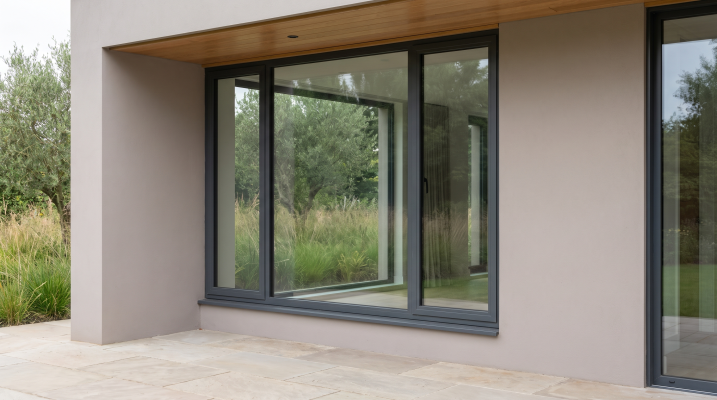
Section 7: Why Architects Think About Value Rather Than Price
When homeowners receive quotations for aluminium windows, it is natural to compare the figures at the bottom of the page. After all, glazing represents a significant investment, and understanding costs is an important part of planning any renovation or self-build. Architects, however, rarely begin by asking, “Which quote is cheapest?” Instead, they ask a very different question: “Which solution will deliver the greatest value over the life of the building?”
This distinction between price and value shapes almost every specification decision. Price is what is paid at the point of purchase. Value is what the homeowner continues receiving every day for the next thirty or forty years. The two are not always the same. A lower initial cost may appear attractive, but if it results in reduced durability, greater maintenance or an inferior living experience, it can become the more expensive choice over the lifetime of the home.
Architects therefore think in terms of lifecycle cost rather than purchase price alone. A premium aluminium window is expected to remain part of the building for several decades, influencing energy efficiency, comfort, maintenance requirements and architectural quality throughout that time. When these long-term benefits are considered, the initial investment becomes only one part of a much larger equation.
Durability plays a significant role in this calculation. Windows that retain their structural integrity, powder-coated finish and smooth operation over many years reduce the likelihood of premature replacement or major remedial work. While every building component requires some maintenance, architects aim to specify systems that continue performing reliably with relatively modest ongoing care. This predictable longevity contributes directly to the overall value of the investment.
Maintenance is equally important. Time has value as well as money. Homeowners generally prefer spending weekends enjoying their homes rather than maintaining them. Aluminium’s low-maintenance characteristics mean routine cleaning and occasional hardware servicing are usually sufficient to preserve long-term performance. Over decades of ownership, this simplicity becomes part of the overall value proposition, even though it may not appear on the original quotation.
Architectural quality is another form of value that cannot easily be measured in pounds. Well-proportioned glazing influences how daylight enters the home, how views are framed and how interior spaces feel throughout the seasons. Slim sightlines, carefully engineered frames and thoughtfully designed glazing contribute to an everyday living experience that continues long after the installation has been completed. Architects recognise that these intangible qualities often become the aspects homeowners appreciate most over time.
The relationship between architecture and property value should also be considered carefully. While no window system can guarantee financial returns, high-quality glazing often supports the overall appeal of a well-designed home. Contemporary buyers increasingly appreciate generous natural light, refined architectural detailing, energy efficiency and durable materials. Premium glazing therefore contributes not only to daily enjoyment but also to the long-term perception of quality within the property itself.
Ownership experience is perhaps the most overlooked aspect of value. Homeowners rarely think about windows once they are installed—unless something goes wrong. Windows that open effortlessly, remain weather-tight, retain their appearance and quietly perform their role year after year create a sense of confidence that is difficult to quantify but easy to appreciate. Architects seek precisely this kind of dependable performance because it allows the building itself to become the focus rather than the products within it.
This is why architects often recommend looking beyond headline quotations. Two prices that appear relatively close may represent very different levels of engineering, hardware quality, glazing specification, installation expertise and aftercare. Understanding what is included within the quotation often provides a clearer picture of value than comparing the totals alone. A slightly higher investment today may deliver substantially greater satisfaction over the decades that follow.
For homeowners, one of the most useful questions to ask is not “Why does this system cost more?” but “What additional value will I experience every day because of that investment?” The answer may include brighter interiors, smoother operation, lower maintenance, greater durability, improved comfort or simply the confidence that the windows were designed to remain part of the home for many years to come.
Ultimately, architects think about value because buildings are long-term investments rather than short-term purchases. Aluminium windows are not specified simply because of their price—they are specified because of the quality of life they continue supporting throughout decades of ownership. The initial cost is remembered for a short time. The comfort, reliability, beauty and architectural quality remain long after the original figure has been forgotten. That is the difference between buying a product and investing in lasting value.
Section 8: The Cheapest Quote Rarely Tells the Whole Story
By the time homeowners are ready to choose an aluminium window supplier, they often have several quotations sitting side by side. The temptation is understandable: compare the totals, identify the lowest figure and assume the products are broadly equivalent. Yet architects rarely make decisions this way. They know that two quotations with similar descriptions can represent very different levels of engineering, manufacturing quality, installation expertise and long-term performance. A price tells you what you will pay today. It does not necessarily tell you what you will own for the next forty years.
This is why comparing quotations requires looking beyond the headline figure. A premium aluminium window system is the result of hundreds of engineering decisions, from the structural design of the frame and the quality of the thermal break to the specification of the glazing, hardware and powder-coated finish. These details may not be immediately obvious in a quotation, yet they influence how the windows will perform every day throughout their lifetime.
Installation should be evaluated in exactly the same way. One quotation may include detailed surveying, experienced installation teams, specialist lifting equipment, careful finishing and comprehensive aftercare, while another may simply cover the basic fitting of the frames. On paper, both describe window installation. In practice, they represent very different approaches to protecting the long-term performance of the glazing.
The same principle applies to the products themselves. Premium manufacturers invest heavily in engineering, independent testing and continual product development. Their systems are designed to maintain structural integrity, smooth operation and thermal performance over several decades. Less expensive alternatives may appear similar when first installed, but differences in materials, manufacturing tolerances and hardware quality often become more apparent as the years pass. Architects understand that longevity is engineered long before it is experienced.
Support after installation is another aspect that is easy to overlook. Windows are expected to remain part of a home for thirty or forty years, and even the finest systems may occasionally require adjustment, servicing or advice during that time. Choosing a glazing specialist with the expertise and commitment to provide ongoing support contributes significantly to the overall ownership experience. Good aftercare protects the original investment just as effectively as good installation.
This is one reason architects often encourage homeowners to compare systems rather than simply comparing prices. Ask what distinguishes one product from another. Ask about testing, guarantees, hardware, installation methods and long-term servicing. These conversations reveal far more about the true value of a quotation than the total at the bottom of the page.
It is also worth remembering that aluminium windows are rarely purchased in isolation. They influence the comfort of the home, the quality of natural light, the appearance of the architecture and the relationship between interior spaces and the landscape. Decisions made during the specification stage will continue shaping everyday life long after the original project has been completed. Judging such an important element solely on price risks overlooking the qualities that homeowners ultimately value most.
This does not mean the most expensive quotation is automatically the best. Architects are just as careful to avoid unnecessary expenditure as they are to avoid false economies. The objective is to understand what each quotation includes, how the products differ and whether the additional investment delivers meaningful long-term benefits. True value lies in achieving the right balance between cost, performance and architectural quality.
For homeowners, a more useful checklist might be:
- Compare the complete window systems, not just the frame.
- Compare the quality of the glazing.
- Compare the hardware and operating mechanisms.
- Compare the installation process.
- Compare the experience and expertise of the installer.
- Compare the level of aftercare and long-term support.
- Compare the expected ownership experience over decades, not just the purchase price today.
Approaching quotations in this way transforms the buying process. Instead of searching for the cheapest option, homeowners begin identifying the solution that offers the greatest confidence, durability and long-term satisfaction.
Ultimately, the price of aluminium windows reflects far more than the metal from which they are made. It represents decades of engineering, precision manufacturing, carefully selected materials and skilled installation, all working together to create windows that continue adding comfort, beauty and value to a home for many years. The cheapest quote may reduce the initial investment, but the greatest value is almost always found in the window that performs beautifully long after its price has been forgotten.