
Most People Are Buying The View, Not The Frame
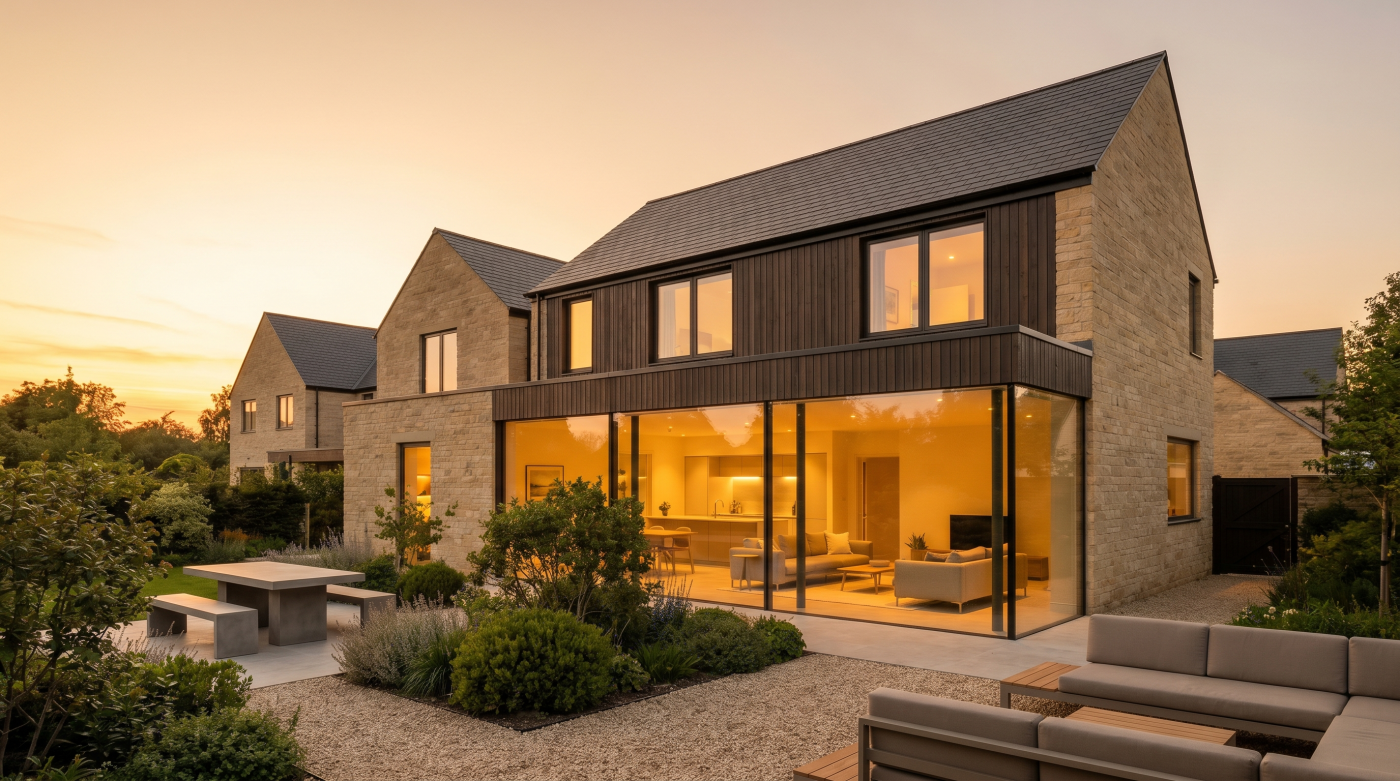
When homeowners begin researching slimline windows and doors, much of the conversation revolves around frame dimensions. Manufacturers highlight ever-smaller sightlines, product brochures focus on millimetre reductions and marketing imagery often celebrates the apparent disappearance of the frame altogether.
Yet when most people stand in front of a large glazed opening, they are rarely admiring the frame.
They are looking through it.
This may seem like a subtle distinction, but it is an important one. The appeal of slimline glazing is not really about having less frame. It is about having more view. The frame simply becomes the mechanism through which that outcome is achieved.
Human attention is naturally drawn towards landscapes, gardens, natural light and distant focal points rather than the structural elements that surround them. Slimline frames work because they reduce visual interruptions between the interior and exterior environment. The eye is allowed to travel more freely beyond the building envelope, creating a stronger connection with the space outside.
This effect becomes particularly noticeable in architect-designed homes where glazing is intended to frame a specific view. Whether overlooking open countryside, a landscaped garden or a carefully designed courtyard, the objective is often to make the boundary between inside and outside feel less pronounced. Slim sightlines help support that ambition by allowing the view itself to become the dominant visual feature.
Interestingly, homeowners often describe the benefits of slimline glazing without mentioning the frames at all.
They talk about brighter spaces. Better views. A stronger connection to the garden. Rooms that feel larger and more open. These experiences are genuine, but they are usually the result of what the glazing reveals rather than the frame dimensions themselves.
This is one reason architects tend to think about glazing in terms of composition rather than products. They are often less concerned with the frame as an object and more interested in how it influences the experience of the space. In many cases, the most successful frame is the one that attracts the least attention.
That does not mean slimline frames are purely aesthetic. They can increase the visible glass area, particularly across larger openings, and they often contribute to a cleaner, more contemporary architectural appearance. However, these benefits are frequently secondary to the psychological effect of reducing visual barriers between the home and its surroundings.
For homeowners, this perspective can be useful because it shifts the focus away from product specifications and towards outcomes.
The goal is not necessarily to own the slimmest frame available.
The goal is to create a space that feels brighter, more open and more connected to the world beyond the glass.
In that sense, most people are not buying slimline frames at all.
They are buying the experience of having less of the frame and more of everything else.
The Difference Is Often More Subtle Than Marketing Suggests
Spend enough time researching slimline glazing and it is easy to conclude that every millimetre matters.
Manufacturers proudly promote increasingly narrow sightlines, product brochures highlight frame reductions and showroom displays are often arranged to emphasise the contrast between different systems. The implication is clear: slimmer frames create dramatically better outcomes.
In reality, the visual difference is often more subtle than marketing materials suggest.
This is not to say that slim sightlines lack value. In the right application, they can have a significant impact on the appearance of a building. The important point is that not every reduction in frame size produces an equally noticeable improvement. Some changes are transformative, while others are difficult to appreciate outside of a side-by-side comparison.
Showrooms can sometimes exaggerate these differences.
When two products are displayed next to one another, the eye naturally focuses on the area being compared. Small variations that might be imperceptible in a completed home suddenly become highly visible. This is useful when evaluating products, but it does not always reflect how people experience glazing in everyday life.
Once installed, windows and doors are viewed within a much larger architectural context. Furniture, lighting, landscaping, interior finishes and the surrounding building all compete for attention. As a result, relatively small differences in frame dimensions often become less noticeable than homeowners initially expect.
The scale of the opening also matters.
On a large sliding door spanning several metres, reducing frame sizes can have a meaningful impact on the overall composition. The additional glass area and cleaner visual lines may noticeably strengthen the connection between interior and exterior spaces. In contrast, the same reduction applied to a relatively modest window opening may produce a far less dramatic result.
This is one reason architects tend to evaluate sightlines within the context of the entire design rather than in isolation. They consider how glazing contributes to the overall architectural language of the building, not simply whether one frame is marginally slimmer than another.
It is also worth recognising that visual quality is influenced by more than frame dimensions alone. Proportions, alignment, detailing and consistency across a façade often contribute more to the success of a design than pursuing the absolute minimum sightline available. A carefully composed elevation with slightly larger frames may feel more refined than one where slimness has been prioritised at the expense of balance.
For homeowners, this can be a useful reality check.
Slimline frames absolutely have value, particularly in contemporary architecture where visual restraint is an important part of the design language. However, it is worth asking whether a particular reduction in frame size will genuinely transform the project or simply look impressive on a technical specification sheet.
The most successful glazing schemes rarely depend on a single measurement.
They succeed because every element works together to support the architectural vision.
Sometimes that includes ultra-slim sightlines. Sometimes it does not.
The key is understanding the difference between meaningful design improvements and diminishing returns.
Slim Frames Can Increase Natural Light — But Usually Not By Much
One of the most common arguments in favour of slimline frames is that they allow more natural light into a home.
At first glance, the logic seems obvious. If the frame occupies less space, the glass occupies more. More glass should mean more daylight. From a purely technical perspective, this is true.
The reality, however, is often less dramatic than many homeowners expect.
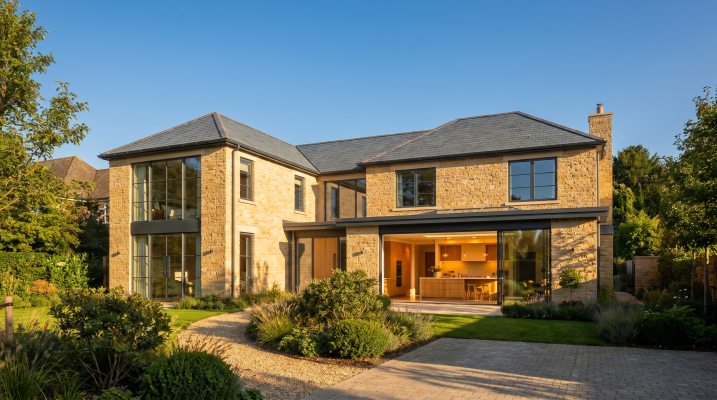
The amount of additional light gained through slimmer frames depends largely on the size and configuration of the opening. On very large glazed elevations, reducing frame dimensions can increase the visible glass area and contribute to slightly higher daylight levels within a space. Across multiple large openings, these gains can become meaningful.
On smaller windows, however, the effect is often relatively modest.
This is because daylight performance is influenced by far more than frame dimensions alone. Window size, room proportions, glazing orientation, external obstructions and overall building design all play a significant role in determining how much natural light reaches an interior space. In many cases, these factors have a greater impact than relatively small differences in sightline widths.
A useful way to think about this is to compare daylight with architecture more broadly.
If a room feels dark, replacing a standard frame with a slightly slimmer one is unlikely to transform the space. Increasing the size of the opening, improving its placement or introducing additional glazing elsewhere may have a much greater effect. Conversely, a well-designed room with generous glazing and good orientation may already feel bright regardless of whether the frames are exceptionally slim.
This does not mean the additional glass area lacks value.
Rather, the value often lies in how the increased glass contributes to the overall perception of the space. Slim frames can make openings feel lighter, cleaner and less visually obstructed. The result is often a stronger sense of openness even when the measurable increase in daylight is relatively small.
Architects frequently understand this distinction.
When specifying slimline glazing, they are rarely chasing daylight figures alone. Instead, they are interested in creating visual continuity between the interior and exterior, strengthening architectural simplicity and reducing the visual weight of the building envelope. Any increase in natural light is often viewed as an additional benefit rather than the primary objective.
Large sliding doors provide a good example. Homeowners are often attracted to slim sightlines because they create expansive views and a stronger connection to outdoor spaces. While the extra glass may contribute some additional daylight, the most noticeable benefit is usually the feeling of openness rather than a dramatic increase in brightness.
This is why many people struggle to explain exactly what they like about slimline glazing.
They know the space feels better.
They know the room feels more connected to the outside.
They know the architecture feels cleaner and more refined.
Yet these impressions are often driven by perception rather than significant differences in measurable daylight levels.
For homeowners, the key takeaway is simple.
Slim frames can increase natural light, and in some projects the effect is worthwhile. However, their greatest contribution is often not the amount of additional daylight they deliver, but the way they influence the overall experience of the space.
The gain is real.
It is just usually more architectural than mathematical.
The Architectural Benefit Is Usually More Important Than The Technical One
When homeowners first encounter slimline glazing, the conversation often revolves around measurable benefits.
How much additional glass area does it provide? How much more daylight enters the room? How many millimetres have been removed from the sightline?
These are reasonable questions, but they can sometimes distract from the reason slimline frames have become so desirable in the first place.
Their greatest value is often architectural rather than technical.
The most successful examples of slimline glazing rarely attract attention because of a specification sheet. They succeed because they change how a space feels. They alter the relationship between the building and its surroundings, reduce visual clutter and allow architecture itself to take centre stage.
This is why architects frequently place such importance on restraint.
Good architectural design is often less about adding features and more about removing unnecessary distractions. Slimline frames support this philosophy by reducing the visual presence of the window or door, allowing other elements of the design to become more prominent. The landscape, the natural light, the proportions of the space and the materials within the home all gain greater visual emphasis.
The effect is subtle but powerful.
A large glazed opening with carefully considered sightlines can make a room feel calmer, more spacious and more connected to the outside environment. The frame recedes into the background, helping the boundary between interior and exterior feel less defined. This creates a sense of openness that many homeowners instinctively respond to, even if they struggle to identify the precise reason.
Perceived space is another important factor.
Slimline glazing can make rooms feel larger than their physical dimensions suggest. By reducing visual barriers and extending views beyond the building envelope, the eye is encouraged to travel further into the landscape. This creates a stronger impression of depth and openness, particularly in living areas where glazing forms a central part of the architectural composition.
The connection between indoor and outdoor spaces is equally significant.
Contemporary residential design increasingly seeks to blur the distinction between home and landscape. Gardens become extensions of living spaces, terraces function as outdoor rooms and carefully framed views become part of the daily experience of occupying the building. Slimline frames help support this ambition by making the transition feel more seamless.
Importantly, these benefits are difficult to quantify.
There is no specification figure that measures how connected a room feels to its surroundings. No performance certificate can fully capture the experience of sitting in a space where the architecture appears to dissolve into the landscape beyond. Yet these qualities often have a greater influence on homeowner satisfaction than many technical metrics.
This is one reason premium glazing systems continue to attract attention despite their higher cost.
People are not simply paying for smaller frames.
They are investing in a particular architectural experience.
For homeowners evaluating slimline glazing, this perspective can be valuable because it reframes the conversation. Rather than focusing solely on technical gains, it encourages consideration of how the glazing contributes to the broader character of the home.
The greatest benefit of slimline frames is often not something you can easily measure.
It is something you experience every day through the quality of the spaces they help create.
Achieving Slim Sightlines Often Requires Better Engineering
One of the reasons slimline frames attract so much attention is that they appear deceptively simple.
From the homeowner’s perspective, a slim frame often looks like less material, less bulk and less visual interruption. The assumption can be that manufacturers have simply removed part of the frame to create a cleaner appearance.
In reality, achieving genuinely slim sightlines is often far more complex than it appears.
Windows and doors perform a surprising number of functions simultaneously. They must support significant glass weights, resist wind loads, accommodate thermal movement, prevent water ingress, maintain security and deliver reliable operation over many years of daily use. Reducing the visible frame while still meeting all these requirements presents a substantial engineering challenge.
This is particularly true as glazed openings become larger.
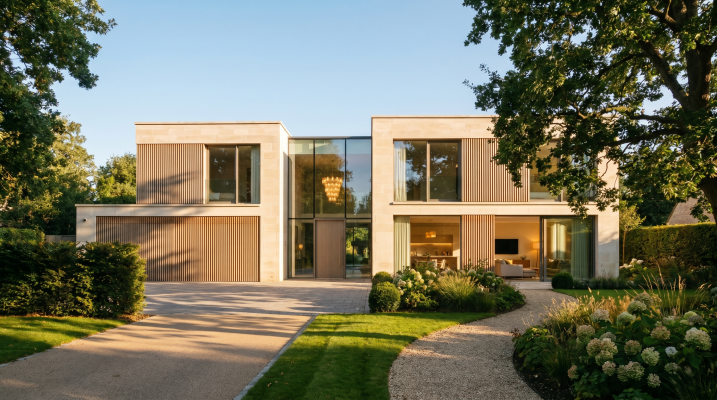
Modern architectural design increasingly favours expansive sliding doors, floor-to-ceiling glazing and wide-span openings that place considerable demands on structural performance. Supporting large panes of glass with minimal visible framing requires materials, hardware and manufacturing tolerances that are often more sophisticated than those found in standard systems.
The frame itself is only part of the equation.
Glass specifications frequently become more demanding as sightlines become slimmer. Larger panes introduce greater weight, placing additional loads on frames, rollers, hinges and support structures. A system that appears effortless in operation often relies on carefully engineered components working together behind the scenes.
Thermal performance creates another challenge.
Historically, reducing frame sizes could create compromises in insulation performance. Modern systems address this through advanced thermal break technology, improved frame design and increasingly sophisticated engineering solutions. Achieving both slim sightlines and excellent thermal efficiency is possible, but it rarely happens by accident.
Manufacturing precision also becomes more important.
As frame dimensions become smaller, tolerances become less forgiving. Minor inconsistencies that might be hidden within larger profiles can become more noticeable in minimal-frame systems. This is one reason premium slimline products often place significant emphasis on fabrication quality and installation standards.
Architects and specification professionals frequently recognise slim sightlines as an indicator of engineering capability rather than simply an aesthetic feature.
A manufacturer capable of delivering exceptionally slim frames while maintaining structural integrity, thermal performance and long-term durability is often demonstrating a high level of technical expertise. The visual outcome may be minimalist, but the engineering behind it is anything but simple.
This does not mean that every slimline system is automatically superior.
Nor does it mean homeowners should choose products purely on the basis of sightline dimensions. However, it is worth understanding that genuinely slim frames are often the visible result of considerable investment in research, development and engineering.
The irony is that the less frame you see, the more work is usually happening behind the scenes.
What appears to be a simple architectural detail is often supported by complex design decisions that most homeowners will never notice.
And perhaps that is the hallmark of good engineering: when the complexity disappears and only the result remains visible.
There Are Trade-Offs Homeowners Rarely Consider
The popularity of slimline glazing can sometimes create the impression that slimmer is always better.
Marketing materials often focus on the benefits of reduced sightlines, larger glass areas and cleaner architectural lines. While these advantages are real, they represent only one side of the equation. Like every design decision within architecture, pursuing slimness involves trade-offs that homeowners do not always encounter during the early stages of research.
Understanding these trade-offs is not about discouraging slimline glazing.
It is about ensuring decisions are made with a complete picture of what is involved.
One of the most obvious considerations is cost.
Achieving genuinely slim sightlines often requires more sophisticated engineering, higher manufacturing precision and premium hardware systems. As a result, the slimmest products within a category are frequently among the most expensive. For some projects, the visual benefits justify the investment. For others, the additional cost may produce relatively modest gains when viewed within the context of the overall design.
Structural requirements can also become more demanding.
Large glazed openings supported by minimal framing frequently rely on hidden structural elements elsewhere in the building. Steelwork, engineered supports and carefully coordinated detailing may all be necessary to achieve the desired aesthetic. While these solutions are often invisible once construction is complete, they can influence project complexity and cost.
Glass itself introduces another consideration.
As sightlines become slimmer, larger panes are often required to maintain the visual effect. These larger units can be substantially heavier than homeowners realise. Increased glass weight places greater demands on operating mechanisms, support structures and installation processes. Premium systems are designed to accommodate these challenges, but they remain part of the overall equation.
Maintenance and servicing can sometimes be affected as well.
While modern slimline systems are generally highly reliable, specialised hardware and bespoke components may require expert servicing if issues arise in the future. This is rarely a major concern, but it highlights the importance of considering long-term ownership rather than focusing exclusively on the day of installation.
There is also the question of diminishing returns.
Reducing a sightline from a traditional profile to a genuinely slim contemporary system can produce a noticeable visual improvement. Reducing it further by a relatively small amount may deliver a far less dramatic result. At some point, additional investment begins to generate increasingly subtle gains.
Architects are often highly aware of this balance.
Contrary to popular belief, most architects do not pursue the slimmest possible frame at all costs. Instead, they seek an appropriate balance between aesthetics, performance, budget and practicality. The objective is not to win a competition for the narrowest sightline. It is to create a successful building.
For homeowners, this can be a valuable mindset to adopt.
The best glazing solution is not necessarily the one with the smallest frame. It is the one that supports the architectural goals of the project while remaining aligned with practical considerations such as budget, maintenance and long-term performance.
Slimline frames can undoubtedly enhance a home.
The important thing is recognising that every design benefit comes with associated decisions and compromises. Understanding those trade-offs allows homeowners to evaluate slimline glazing more intelligently and focus on what truly matters for their particular project.
Because in architecture, as in most areas of design, optimisation is rarely about maximising a single feature.
It is about achieving the right balance.
Architects Usually Prioritise Balance Over Minimalism
It is easy to assume that architects are constantly pursuing the slimmest possible frames.
After all, many of the most striking contemporary homes feature expansive glazing, minimal sightlines and an almost seamless connection between interior and exterior spaces. From the outside, it can appear as though the design objective is simply to make the frame disappear.
The reality is usually far more considered.
While architects often appreciate the visual benefits of slimline glazing, they rarely view sightlines as an objective in isolation. Instead, frame dimensions are evaluated alongside a wide range of other factors that influence the success of a building. Performance, comfort, budget, maintenance requirements, planning constraints and structural considerations all play a role in the specification process.
This is why professional glazing specifications are typically outcome-led rather than feature-led.
An architect may admire a particular slimline system, but if it compromises another aspect of the project, it may not be the most appropriate choice. The goal is not to maximise one characteristic. The goal is to create a building where all the elements work together successfully.
Comfort is a good example.
A beautifully detailed glazed elevation may look impressive, but if overheating becomes a problem during summer months, the overall outcome is unlikely to be considered successful. Architects therefore evaluate glazing in the context of orientation, solar gain, ventilation strategies and occupant comfort rather than focusing solely on aesthetics.
Budget introduces a similar balancing exercise.
Every project involves decisions about where investment will have the greatest impact. In some homes, ultra-slim sightlines may represent an important architectural priority. In others, homeowners may achieve greater value by allocating resources towards improved glazing specifications, enhanced insulation or other aspects of the building envelope.
Context also matters enormously.
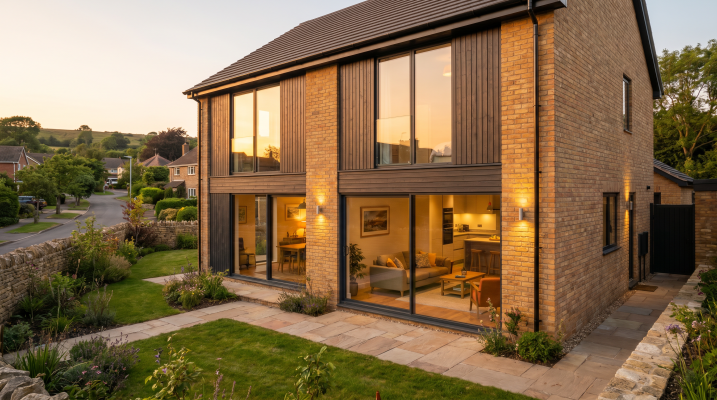
The ideal glazing solution for a contemporary self-build overlooking open countryside may be entirely different from the most appropriate choice for a heritage renovation or a sensitive conservation-area project. Architects understand that successful design responds to its surroundings rather than applying a single formula to every situation.
This balanced approach often explains why some of the best architectural projects do not necessarily feature the slimmest available systems.
Instead, they feature the most appropriate systems.
The distinction is important. A carefully specified frame that supports the overall design intent may contribute more to the success of a project than an ultra-minimal alternative chosen solely because it offers a marginally smaller sightline.
There is also an appreciation for proportion.
Architecture is rarely about making every element as small as possible. It is about creating harmony between different components. In some cases, slightly more substantial framing may actually strengthen the composition of a façade or complement the character of the building more effectively than an aggressively minimal solution.
For homeowners, this perspective can be reassuring.
It means there is no universal benchmark that every project should aspire to. The best glazing specification is not necessarily the one with the narrowest sightline, the largest pane of glass or the most technically ambitious product.
It is the one that helps achieve the desired outcome for the building as a whole.
This is perhaps the most valuable lesson architects bring to the specification process. They recognise that great design is rarely the result of maximising a single feature.
It is the result of balancing competing priorities in a way that creates the best possible overall experience.
And that is often very different from simply choosing the slimmest frame available.
What You Actually Gain From Slimline Frames
After all the discussion around sightlines, engineering, costs and design trade-offs, it is worth returning to the original question:
What do slimline frames actually give you?
The answer is surprisingly straightforward.
They do not radically transform thermal performance. They do not dramatically increase daylight levels. They do not automatically make a building more valuable. While slimline glazing can contribute to all of these things to some degree, they are rarely the primary reason homeowners and architects are drawn to it.
The greatest benefits are usually experiential.
Perhaps the most obvious gain is a better view.
By reducing visual interruptions, slimline frames allow the eye to focus more naturally on the landscape, garden or architectural setting beyond the glass. The frame becomes less dominant and the surroundings become more prominent. This effect can be subtle, but it is often one of the first things homeowners notice once they begin living with the space.
There is also a sense of visual clarity.
Contemporary architecture frequently relies on restraint. Clean lines, simple forms and carefully controlled detailing help create buildings that feel calm and intentional. Slimline glazing supports this approach by reducing visual clutter and allowing other architectural elements to take precedence.
The perception of space is another important benefit.
Large glazed openings with minimal framing often make interiors feel more expansive than their physical dimensions suggest. Views extend further, boundaries feel less defined and the relationship between inside and outside becomes stronger. The room itself has not changed size, but the experience of occupying it often feels different.
Connection to the landscape is perhaps the most valuable outcome of all.
Many homeowners invest heavily in architecture, landscaping and carefully considered site selection. Slimline glazing helps ensure those investments become part of everyday life. Gardens, courtyards, distant views and changing seasons become more present within the home, strengthening the connection between building and environment.
Architects often recognise this as the true value of minimal framing.
It is not about the frame itself.
It is about removing barriers between people and the spaces they want to experience.
Importantly, these gains are difficult to capture through technical specifications. There is no simple measurement for how connected a room feels to its surroundings. No performance figure can fully describe the sense of openness created by carefully detailed glazing. Yet these qualities frequently have a greater influence on homeowner satisfaction than many measurable attributes.
This is why slimline frames continue to attract attention despite the compromises and additional costs they can sometimes involve.
People are not buying millimetres.
They are buying a particular architectural experience.
For some projects, that experience is transformative. For others, the difference may be relatively modest. The key is understanding that the benefits are primarily emotional, visual and spatial rather than purely technical.
In the end, slimline frames do exactly what good architecture often strives to do.
They make the building feel less present and allow the experience of living within it to become more important.
And for many homeowners, that is a gain worth pursuing.
Conclusion
Slimline frames have become one of the defining features of contemporary residential design.
From architect-designed self-builds to high-end renovations, they are frequently presented as the hallmark of premium glazing. Yet as with many trends in architecture, the reality is more nuanced than the marketing.
The truth is that slimline frames are valuable, but often not for the reasons homeowners initially assume.
The measurable benefits certainly exist. Reduced frame sizes can increase visible glass area, improve views and contribute to higher levels of natural light. Advances in engineering have also made it possible to achieve remarkably slim sightlines without compromising performance, durability or security.
However, these technical gains only tell part of the story.
The real value of slimline glazing lies in its ability to influence how a space feels. It can strengthen the connection between interior and exterior environments, create a sense of openness and allow architecture to recede in favour of the landscape beyond. These benefits are difficult to quantify, yet they are often the qualities homeowners appreciate most once a project is complete.
At the same time, it is important to recognise that slimmer is not always better.
Every design decision involves trade-offs. Cost, engineering complexity, maintenance considerations and diminishing returns all deserve careful consideration. The difference between a standard frame and a well-designed slimline system may be significant. The difference between one slimline system and another may be far less dramatic.
This is why architects rarely chase the narrowest possible sightline.
Instead, they focus on balance.
They consider how glazing contributes to the wider goals of the project, evaluating aesthetics alongside performance, practicality and budget. The result is not necessarily the slimmest frame available, but the most appropriate solution for the building as a whole.
For homeowners, this perspective can be extremely valuable.
Rather than asking which product offers the smallest sightline, it is often more useful to ask what outcome the glazing is intended to achieve. Is the goal to maximise a view? Create a stronger connection to the garden? Enhance a contemporary architectural language? Improve the feeling of space within a room?
Once those objectives are clear, the right specification usually becomes much easier to identify.
Ultimately, slimline frames are not really about frames at all.
They are about creating better experiences, better views and better relationships between people, buildings and the spaces around them.
And that is where their true value lies.