
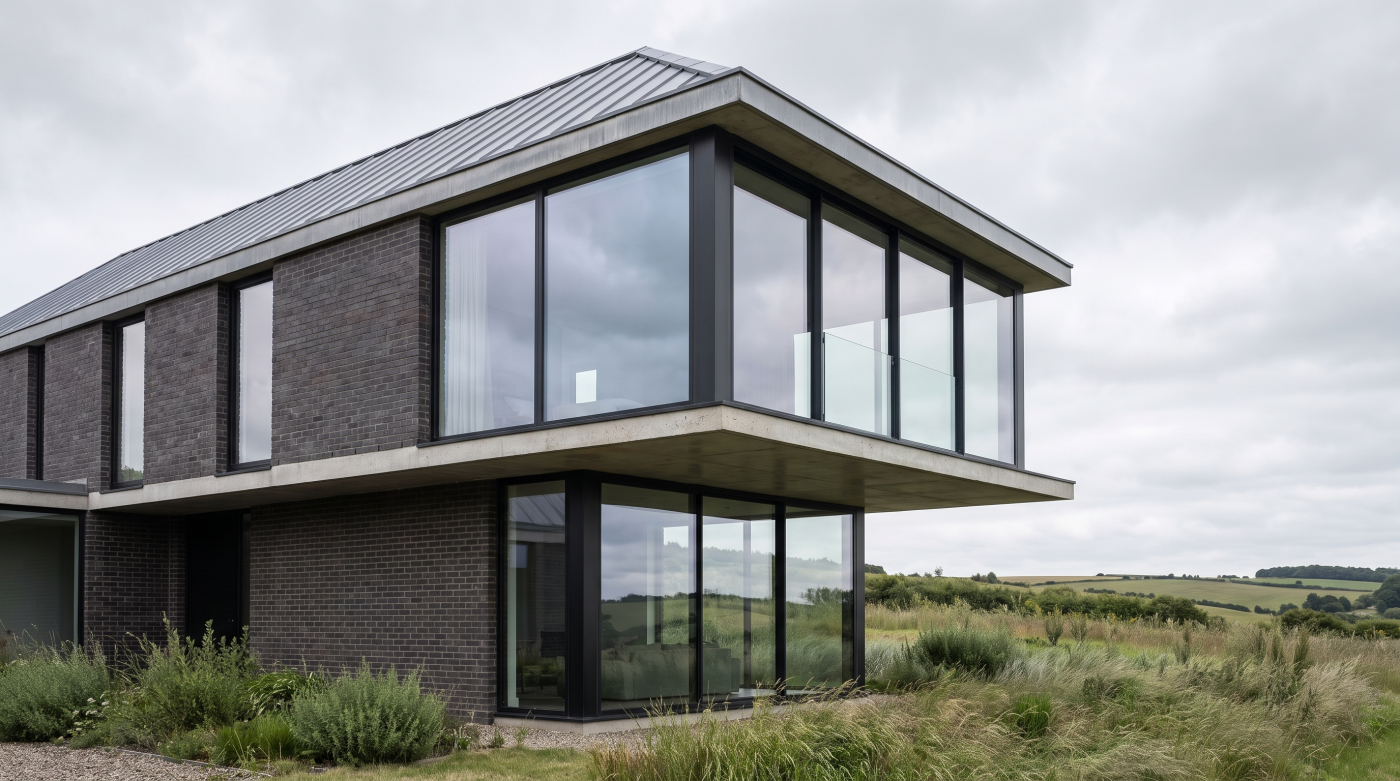
Section 1: Stop Comparing Materials Before You Understand the Building
One of the most common mistakes homeowners make when choosing between composite and aluminium is treating the decision as though it begins with the material itself. Product brochures encourage comparisons of strength, insulation, security and appearance, making it seem as though one material should naturally emerge as the better option. Architects, however, rarely approach the decision this way. Before discussing materials at all, they first seek to understand the building and the role the product is expected to play within it.
This may seem like a subtle distinction, but it fundamentally changes the specification process. Composite and aluminium are not competing simply to outperform one another. They have been developed to solve different architectural challenges and support different types of projects. The right choice depends far less on the material itself than on the character of the home, the aspirations of the homeowner and the way the building is intended to perform over many years.
The architecture of the property is always the natural starting point. A contemporary self-build designed around clean lines, expansive glazing and minimal detailing may place very different demands on its windows and doors than a period renovation or traditional family home. Each building possesses its own architectural language, and every specification decision should reinforce that language rather than compete with it. Architects therefore ask what the building is trying to achieve before deciding which material can support those ambitions most successfully.
Lifestyle is equally important. Some homeowners prioritise low maintenance because they want products that require very little attention throughout decades of ownership. Others place greater emphasis on appearance, tactile materials or creating a particular atmosphere within the home. Families who entertain regularly, people working from home or those planning to remain in the property throughout retirement may all have different priorities. These everyday considerations often influence the most appropriate material far more than technical comparisons between product categories.
Design intent also shapes the decision. Some projects are centred around maximising natural light and creating seamless connections with the surrounding landscape. Others seek to preserve the character of an existing building while discreetly improving comfort and performance. In each case, the material becomes part of a wider architectural strategy rather than an isolated product choice. The objective is not simply to specify composite or aluminium, but to create a home where every element works together with consistency and purpose.
Long-term ownership should never be overlooked. Windows and doors are expected to remain part of a building for decades, influencing comfort, maintenance, energy efficiency and the overall experience of living within the home. Architects therefore evaluate how different materials will perform not only on installation day but throughout many years of daily use. Questions about durability, maintenance, repairability and future satisfaction become just as important as initial appearance or purchase price.
Performance objectives also vary from project to project. One homeowner may be focused on improving thermal comfort, another on achieving larger glazed openings, while someone renovating a heritage property may need to balance modern performance with architectural sensitivity. These priorities cannot be answered simply by asking which material is better because the building itself determines which qualities matter most. Good specification begins by defining the outcomes before considering the products capable of delivering them.
This explains why architects rarely begin conversations by recommending composite or aluminium. They begin by asking questions about the home, the people who live there and the future they want the building to support. Once those answers are understood, the choice of material often becomes surprisingly clear because it emerges naturally from the architecture rather than from marketing claims or product comparisons.
For homeowners, this change in perspective can remove much of the uncertainty surrounding the decision. Instead of comparing materials in isolation, it becomes possible to evaluate them according to how well they support the building as a whole. The most successful projects are rarely defined by the material that was chosen. They are defined by the fact that every design decision—including the choice of composite or aluminium—helped the home become a better place to live.
Section 2: Composite and Aluminium Are Designed for Different Priorities
Once the focus shifts from comparing products to understanding the building, it becomes much easier to see why composite and aluminium are not direct competitors. Both are capable of delivering outstanding performance, durability and aesthetics, yet they have been developed around different architectural priorities. Neither material exists to replace the other. Instead, each offers particular strengths that become more or less relevant depending on the nature of the project.
Composite systems are designed around the idea of combining multiple materials to create a product that benefits from the strengths of each. Rather than relying on a single material throughout, composite construction typically brings together an insulated core with durable outer materials to achieve a balance of strength, thermal performance and appearance. This approach has made composite doors, in particular, extremely popular for homeowners seeking a robust entrance door that combines modern engineering with a wide variety of traditional and contemporary design styles.
One of the defining characteristics of composite products is their versatility. They are often available in a broad range of styles, colours and decorative options, making them suitable for everything from period-inspired renovations to modern family homes. For many projects, this flexibility allows the entrance of the property to complement the wider architecture without requiring highly specialised detailing. The emphasis is often placed on creating an attractive, secure and thermally efficient product that works comfortably across a wide variety of residential settings.
Aluminium follows a different design philosophy. Its exceptional strength allows manufacturers to create slimmer profiles while maintaining impressive structural performance. This makes aluminium particularly well suited to large glazed areas, contemporary architecture and projects where clean lines and visual precision are central to the design. Rather than relying on decorative detailing, aluminium often celebrates simplicity, allowing light, proportion and glazing to become the defining architectural features.
The difference becomes particularly apparent when considering scale. Aluminium performs exceptionally well where expansive glazing, minimal sightlines or large opening elements are required because the material remains strong even when frame dimensions are reduced. This capability has made it a natural choice for contemporary extensions, self-build projects and modern homes where generous glazing forms a key part of the architectural concept.
Composite products, meanwhile, often place greater emphasis on solidity, thermal efficiency and traditional proportions. Their construction lends itself particularly well to entrance doors where strength, insulation and visual character all play important roles. Rather than attempting to minimise the presence of the frame, composite systems frequently embrace more substantial detailing that complements the scale and style of many residential properties.
These differences should not be interpreted as advantages or disadvantages. They simply reflect the problems each material was developed to solve. Aluminium excels where structural efficiency, precision engineering and expansive glazing are required. Composite systems offer their own strengths where versatility, thermal performance and robust everyday practicality are the primary objectives. Each material has earned its place because it serves different architectural purposes.
It is also important to remember that quality varies significantly within both categories. Not all aluminium systems perform equally well, and not all composite products are manufactured to the same standard. Engineering quality, hardware, weather sealing, glazing specification and installation all influence the final result far more than the material name alone. Architects therefore compare complete systems rather than relying on assumptions about composite or aluminium as broad categories.
Understanding this distinction removes much of the confusion surrounding the comparison. Composite and aluminium are not opposing solutions competing for the same role. They are different tools within the architect’s palette, each designed to support particular forms of architecture and particular ways of living. Once the priorities of the project are clearly understood, the most appropriate material usually reveals itself—not because one is universally better, but because one is better suited to the home being created.
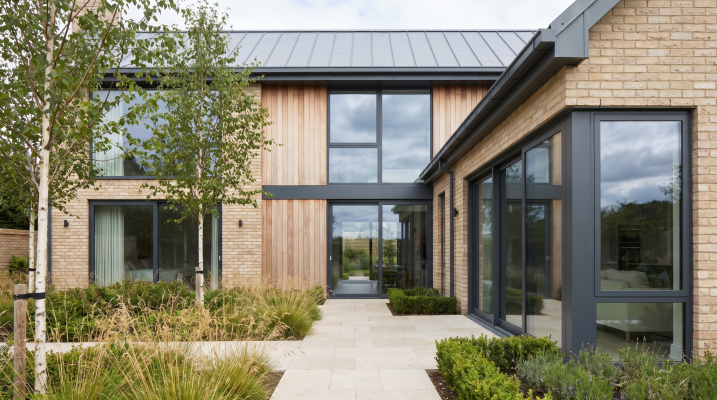
Section 3: Why Architects Rarely Ask Which Material Is Better
One of the questions homeowners ask most frequently is whether composite or aluminium is the better material. It is an understandable question, particularly when investing in new windows or doors that are expected to remain part of the home for decades. Yet architects rarely frame the decision in these terms. Their role is not to identify a universal winner but to determine which material best supports the architecture, the occupants and the long-term objectives of the project.
The type of project often provides the first clue. A contemporary extension designed around large areas of glazing, clean architectural lines and strong connections with the garden may naturally favour aluminium because its structural strength allows slimmer profiles and generous expanses of glass. In this context, the material supports the architectural ambition by reducing the visual presence of the frame and allowing light, views and proportion to become the defining features of the design.
A traditional renovation may lead to a different conclusion. Homes with established architectural character often benefit from products that reinforce the scale, detailing and visual language already present within the building. Depending on the specific application, composite systems can provide the appearance, solidity and flexibility needed to complement traditional architecture while delivering the levels of security, durability and thermal performance expected from modern construction. The decision reflects the nature of the building rather than a preference for one material over another.
Self-build projects introduce another layer of opportunity because the entire house can be designed around the chosen specification from the earliest stages. Architects consider glazing, orientation, structural design, natural light and material palettes as one coordinated strategy rather than making isolated product decisions. Aluminium may become central to a minimalist architectural concept with expansive glazing, while composite products may play an important role where entrance design, thermal performance or architectural character require a different response. Each material contributes where it is most appropriate.
Extensions present similar considerations. A rear extension opening onto a landscaped garden may place considerable emphasis on large glazed openings, encouraging the use of aluminium sliding or bifold doors to strengthen the relationship between interior and exterior spaces. At the same time, the existing entrance door at the front of the property may remain better suited to a composite specification that complements the original architecture. The same project can therefore benefit from both materials because they are fulfilling different architectural roles.
Planning and conservation considerations also influence specification. Period homes, conservation areas and buildings with architectural significance often require careful judgement to ensure that modern products respect the established character of the property. Architects evaluate materials in relation to planning requirements, surrounding buildings and the original architectural language rather than simply comparing technical specifications. The objective is to improve performance while preserving the qualities that make the building distinctive.
Interior design is another important factor that homeowners sometimes overlook. Materials influence the atmosphere of internal spaces just as much as the appearance of the exterior. Architects consider how windows and doors relate to flooring, joinery, furniture, natural light and the overall material palette throughout the home. The right material is therefore one that contributes positively to the experience of living within the building rather than existing as an isolated product choice.
This holistic approach explains why architects seldom ask whether composite is better than aluminium. Instead, they ask questions such as: What type of home is this? How will the spaces be used? What architectural language is being expressed? How should the building feel twenty years from now? Once these questions have been answered, the material often becomes a logical consequence of the design process rather than the starting point for it.
For homeowners, this offers a much more confident way to approach the decision. Instead of searching for a material that claims to outperform every alternative, it becomes possible to evaluate each option according to the specific needs of the project. Architecture comes first, context provides direction and the material follows naturally. That is why the most successful specifications rarely begin by asking which material is better—they begin by understanding the building itself.
Section 4: Living With Your Choice Every Day
Choosing between composite and aluminium often feels like a decision about products. In reality, it is a decision about everyday living. Once the installation has been completed and the excitement of the project has passed, homeowners are left not with technical specifications or marketing claims, but with windows and doors that become part of their daily routines for many years. Architects understand this difference, which is why they spend as much time considering long-term ownership as they do selecting the material itself.
Appearance is one of the first qualities people experience, but it is not simply about kerb appeal. Windows and doors shape the atmosphere of a home every day, framing views, admitting natural light and contributing to the character of each room. Aluminium often reinforces a contemporary architectural language through slim profiles, crisp detailing and restrained simplicity. Composite products, particularly entrance doors, can introduce a greater sense of solidity and visual presence while offering an extensive range of styles that complement both traditional and modern homes. Neither approach is inherently more attractive; each creates a different architectural experience.
Comfort extends far beyond aesthetics. Homeowners experience the warmth of a hallway on a winter morning, the quietness of a living room overlooking a busy road and the ease with which fresh air can be introduced on a summer evening. These everyday moments are shaped by the complete performance of the windows and doors rather than by the material alone. A thoughtfully specified system contributes to a home that feels consistently comfortable throughout the seasons without constantly drawing attention to itself.
Maintenance expectations also influence long-term satisfaction. Aluminium is widely appreciated for its durability and relatively low maintenance, making it attractive for homeowners who prefer a simple ownership experience. Composite products are likewise designed to provide excellent long-term performance with minimal routine care, particularly when compared with more traditional materials. For many people, the differences in maintenance are less significant than choosing a high-quality product that has been manufactured and installed correctly. The objective is not to eliminate maintenance entirely but to ensure that ownership remains straightforward over many years.
Ease of operation is another quality that becomes increasingly important with time. Doors and windows are opened and closed thousands of times during their lifespan, making the quality of hardware and engineering just as significant as the material itself. Smooth operation, reliable locking mechanisms and intuitive everyday use contribute quietly to the overall enjoyment of the home. These are the details homeowners rarely notice when everything functions well, yet they quickly become apparent when products have been poorly specified or manufactured.
The atmosphere created within the home is often influenced by choices that seem relatively small during the design stage. The relationship between the window frames and surrounding materials, the quality of daylight entering each room and the way the entrance door welcomes visitors all contribute to how the property feels as a place to live. Architects therefore evaluate composite and aluminium not simply as materials but as contributors to the experience of occupying the building.
Longevity also shapes the decision. New windows and doors are expected to remain part of the home for decades, making it important to consider how the chosen material will continue to perform and look over time. Homeowners rarely remember the technical comparisons that influenced their purchase, but they do remember whether the products continue to operate smoothly, complement the architecture and provide lasting comfort many years after installation.
This long-term perspective explains why architects encourage clients to think beyond installation day. A showroom demonstration or an impressive product specification provides only a brief glimpse of ownership. The true measure of success lies in how naturally the windows and doors become part of everyday life—quietly supporting comfort, security, appearance and the enjoyment of the home without demanding continual attention.
Ultimately, people do not live with composite or aluminium. They live with warm rooms, secure entrances, generous daylight, peaceful interiors and homes that continue to function beautifully as the years pass. When viewed in that way, the choice between materials becomes far less about products and far more about creating an environment that supports everyday life with lasting confidence.
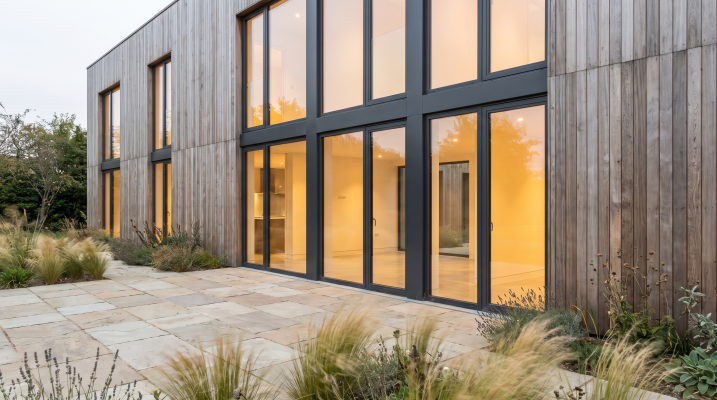
Section 5: Performance Is About the Complete System
When homeowners compare composite and aluminium, the conversation often centres on the material itself. Questions about insulation, strength or durability quickly become comparisons between one product category and another. Architects, however, rarely evaluate performance in this way. They understand that a window or door performs as a complete system, where engineering, glazing, hardware, installation and detailing all contribute to the final result. The material is important, but it is only one part of a much larger picture.
Thermal performance illustrates this particularly well. It is tempting to assume that one material must always provide better insulation than another, yet modern manufacturing has significantly narrowed these differences. Today’s premium composite and aluminium systems both use advanced engineering to reduce heat transfer and improve energy efficiency. Architects therefore look beyond broad assumptions and assess the thermal performance of the complete product rather than relying on the material listed in the brochure.
The glazing itself often has a greater influence than many homeowners realise. Large areas of glass determine how much natural light enters the building, how solar gain is managed throughout the seasons and how comfortably rooms perform during both winter and summer. Two products manufactured from different materials may achieve remarkably similar levels of comfort because their glazing specifications, thermal breaks and overall engineering have been carefully designed to work together. The performance of the complete assembly matters far more than the frame material alone.
Security follows the same principle. Composite doors have earned an excellent reputation for strength and resilience, while premium aluminium systems are engineered to provide exceptional structural integrity. In both cases, however, security depends just as much on locking mechanisms, frame construction, glazing specification and installation quality as it does on the material itself. A poorly installed premium product may offer less protection than a well-engineered system that has been carefully fitted. Architects therefore evaluate security as an integrated characteristic rather than a simple material comparison.
Weather resistance is equally dependent upon the quality of the complete system. Rain, wind and changing temperatures place considerable demands on external glazing and entrance doors throughout the year. Drainage design, weather seals, manufacturing tolerances and installation detailing all influence how successfully a product performs over decades of exposure. Composite and aluminium systems can both provide outstanding durability when engineered to high standards and installed with precision. The difference lies less in the material than in the quality of the overall design.
Acoustic comfort provides another reminder that performance cannot be reduced to a single material. Homeowners experience quiet living spaces rather than technical sound reduction figures. The glazing configuration, seals, frame construction and installation all contribute to reducing external noise. Architects therefore assess the complete specification when creating comfortable interiors, recognising that the material alone cannot determine how peaceful a home will feel.
Hardware deserves equal attention because it influences both performance and longevity. Hinges, rollers, handles, locking systems and operating mechanisms are subjected to thousands of cycles throughout the life of the building. High-quality components ensure that doors and windows continue to operate smoothly while maintaining weather resistance and security over many years. These engineering details often have a greater influence on everyday satisfaction than the choice between composite and aluminium itself.
Perhaps most importantly, installation forms the bridge between specification and real-world performance. Even the finest products cannot deliver their intended performance if they are installed incorrectly. Architects place considerable emphasis on accurate surveying, careful fitting and precise detailing because they understand that workmanship is inseparable from product quality. A thoughtfully specified system installed with expertise will almost always outperform a superior product that has been poorly fitted.
Ultimately, comparing composite and aluminium purely by material risks overlooking what matters most. Performance is created by engineering, glazing, hardware, installation and design working together as one integrated system. Homeowners experience warmth, quietness, security and reliability—not the chemical composition of the frame. That is why architects compare complete systems rather than individual materials. It is also why the best-performing homes are those where every part of the specification has been chosen to support the building as a whole.
Section 6: Cost, Value and Regret
Cost is often the point at which many homeowners feel the greatest uncertainty. Quotations can vary considerably, product specifications appear increasingly similar and it is tempting to assume that choosing the less expensive option is simply good financial sense. Architects tend to look at the decision differently. Rather than asking which material costs less today, they ask which specification is most likely to provide lasting value over the lifetime of the building.
The initial purchase price is only one part of the overall investment. Windows and doors influence comfort, energy efficiency, security and the appearance of a home every single day for decades. When viewed over twenty or thirty years, the difference between two quotations often becomes relatively small compared with the value of choosing products that continue to perform consistently and complement the architecture long after installation has been completed.
This is one reason why short-term savings can sometimes lead to long-term regret. Selecting a product based primarily on price may overlook important differences in engineering, manufacturing quality, hardware or installation standards. These details are not always obvious during the quotation stage, yet they often determine how the windows or doors will operate after years of daily use. A product that feels smooth, secure and dependable after twenty years usually represents better value than one that required repeated adjustment or replacement despite costing less initially.
Maintenance also contributes to the overall value equation. Both premium composite and aluminium systems are designed to provide long service lives with relatively modest maintenance requirements, but long-term satisfaction depends on more than simply keeping surfaces clean. Homeowners benefit from products that retain their appearance, continue to operate reliably and require minimal intervention beyond routine care. Good specification reduces the likelihood of unnecessary maintenance becoming an ongoing concern.
Repairability deserves equal consideration. Even the highest-quality windows and doors may eventually require replacement hardware, seals or adjustments during their lifespan. Manufacturers that provide long-term technical support and maintain the availability of replacement components offer reassurance that extends well beyond the original installation. Architects often favour established systems because they recognise that ownership continues long after construction has finished.
The quality of installation has a direct influence on financial value as well. Poor installation can compromise thermal performance, weather resistance, security and durability regardless of whether the product is manufactured from composite or aluminium. Correct installation protects the investment by allowing the system to perform as intended from the very beginning. This is why architects view installation as an integral part of the specification rather than a separate stage of the project.
There is also the question of future satisfaction. Homeowners rarely regret investing in products that continue to enhance the comfort and appearance of their home year after year. They are more likely to regret decisions made purely to reduce the initial purchase price if those choices later affect reliability, maintenance or the overall quality of everyday living. Regret is often less about the amount originally spent and more about whether the specification continues to meet expectations over time.
Property value forms part of this broader perspective too. While new windows and doors alone do not determine the market value of a home, thoughtfully specified products that complement the architecture contribute to the overall impression of quality and care. Buyers may not know the precise construction of the products, but they readily recognise homes that feel comfortable, well maintained and carefully improved. These qualities strengthen the long-term value of the property in ways that extend beyond individual product specifications.
Ultimately, choosing between composite and aluminium is not simply a financial comparison. It is an investment decision that influences the building for decades. Architects therefore measure value through durability, comfort, reliability, architectural quality and long-term ownership rather than purchase price alone. When the specification is driven by the needs of the building instead of the lowest quotation, the likelihood of future regret is greatly reduced—and the satisfaction of living with the decision becomes far more enduring.
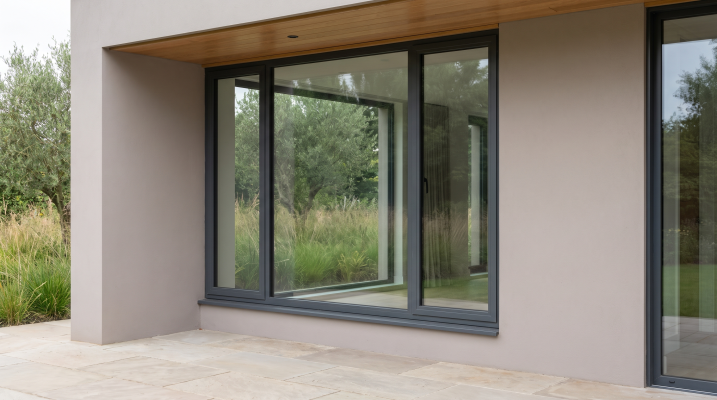
Section 7: Which Homes Suit Each Material Best?
By now, it should be clear that neither composite nor aluminium can be described as the universally better material. Their suitability depends entirely on the building they are intended to support. This is why architects often find project examples more useful than product comparisons. Looking at different types of homes demonstrates how the architecture itself naturally guides the specification, allowing each material to contribute where it performs best.
Contemporary homes are perhaps the projects most commonly associated with aluminium. Minimal detailing, expansive glazing and clean architectural lines often place considerable emphasis on reducing the visual presence of frames while maximising natural light. Aluminium’s structural strength allows slim profiles that support these design ambitions, helping the architecture feel lighter, more transparent and more connected to the surrounding landscape. In these projects, the material quietly reinforces the overall design language without drawing unnecessary attention to itself.
Traditional homes frequently present a different set of priorities. The objective is often to preserve the proportions, character and visual identity of the building while improving comfort, security and energy performance. Composite products, particularly entrance doors, can complement this type of architecture by offering a wide range of styles and detailing that sit comfortably alongside established residential designs. Rather than introducing a deliberately contemporary appearance, they often strengthen the familiar character of the property while incorporating modern engineering.
Self-build projects offer perhaps the greatest flexibility because every design decision can be considered together from the earliest stages. Architects assess glazing, orientation, structural design, material palettes and lifestyle requirements as one coordinated strategy. Aluminium may become the natural choice for extensive glazing or dramatic contemporary elevations, while composite products may provide the ideal solution for entrance doors or other elements where appearance, insulation and everyday practicality are equally important. Both materials can work exceptionally well because each fulfils a different architectural role within the same project.
Renovations often benefit from an equally balanced approach. Updating an existing property is rarely about replacing old products with modern equivalents in isolation. Instead, architects seek to improve the overall performance of the home while respecting its established character. Depending on the design intentions, aluminium may introduce carefully considered contemporary interventions, while composite products may preserve the visual language of the original building in areas where continuity is important. The specification responds to the architecture rather than following a single material throughout.
Listed buildings and properties within sensitive planning contexts require particularly careful judgement. Every project presents its own challenges, and planning considerations often influence which materials are appropriate. Architects evaluate the significance of the building, the expectations of the planning authority and the architectural qualities that should be preserved before recommending specific products. In these situations, the material is chosen because it supports the building’s long-term future rather than because it satisfies a generic comparison.
Modern extensions demonstrate how different materials can successfully coexist within the same property. A contemporary rear extension featuring large aluminium sliding doors may sit comfortably alongside a composite entrance door that respects the character of the original façade. Far from appearing inconsistent, this combination often reflects thoughtful architectural specification because each material has been selected to perform a particular function. The project succeeds through coherence of design rather than strict consistency of materials.
Even two neighbouring houses built to similar budgets can require entirely different specifications. Orientation, architectural style, family life, maintenance expectations and long-term aspirations all influence which material feels most appropriate. This individuality explains why architects avoid making blanket recommendations based solely on product categories. Every building has its own priorities, and successful specification responds to those unique circumstances rather than relying on broad assumptions.
Ultimately, the happiest homeowners are rarely those who chose composite or aluminium because someone claimed it was the superior material. They are the ones whose choice quietly supports the architecture, complements the way they live and continues to perform with confidence year after year. When the material is selected because it belongs naturally to the building, the question of which is better becomes far less important than the quality of the home it helps to create.
Section 8: Better Decisions Come From Better Questions
By the time homeowners have compared composite and aluminium, it is easy to believe the decision depends on identifying the better material. Countless comparison tables, marketing claims and online discussions encourage exactly that way of thinking. Yet architects rarely arrive at a specification by searching for a winner. Instead, they ask better questions—questions that focus on the building, the people who live there and the long-term success of the project.
The first question is rarely, “Which material performs best?” It is more likely to be, “What is this home trying to become?” Every project has its own ambitions. A contemporary extension may seek to maximise light and strengthen its connection with the garden. A family home may prioritise security, comfort and low maintenance. A sensitive renovation may aim to preserve architectural character while improving everyday performance. Once these objectives are clearly understood, the material often becomes a natural consequence of the design rather than the starting point for it.
This architectural approach shifts attention away from individual products and towards the experience of living within the home. Occupants do not spend their days thinking about whether their entrance door is composite or aluminium, or whether their window frames were manufactured from one material rather than another. They experience comfortable rooms, abundant daylight, reliable security, effortless operation and buildings that continue to feel appropriate as the years pass. These are the outcomes that matter most, and they are achieved through thoughtful specification rather than product comparisons alone.
It also encourages homeowners to think beyond the excitement of installation day. New windows and doors represent long-term investments that will influence the appearance and performance of the property for decades. Architects therefore consider how the specification will age, how it will respond to changing lifestyles and how comfortably it will continue to support the architecture many years into the future. Decisions based on lasting architectural principles tend to remain satisfying long after product trends have changed.
The relationship between architecture and material is central to this way of thinking. Good buildings are not created by forcing materials to dictate the design. Instead, the architecture establishes the objectives, the material supports those objectives and the specification ensures every component works together as part of a coherent whole. Whether that solution ultimately involves composite, aluminium or a combination of both becomes far less important than whether the finished building performs successfully.
This is why architects often combine different materials within the same project without hesitation. A contemporary rear extension may naturally incorporate aluminium glazing, while a carefully detailed composite entrance door complements the character of the original façade. Rather than creating inconsistency, this reflects intelligent specification because each material has been chosen to perform the role for which it is best suited. The project succeeds because every decision serves the architecture rather than following rigid product preferences.
For homeowners, this provides a far more confident framework for making decisions. Instead of asking which material offers the longest list of features, it becomes more valuable to ask which one best supports the home, the lifestyle of its occupants and the long-term aspirations of the project. These questions lead naturally towards better specifications because they focus on outcomes rather than marketing claims.
Ultimately, the homeowners who are happiest with their choice are rarely those who selected composite or aluminium because someone declared it to be superior. They are the ones whose material was chosen because it strengthened the architecture, complemented the way they live and continued to perform beautifully year after year. When the building leads the decision, the specification becomes clearer, the investment becomes more rewarding and regret is far less likely to follow. In the end, the best material is not the one that wins the comparison—it is the one that helps the home become the best version of itself.