
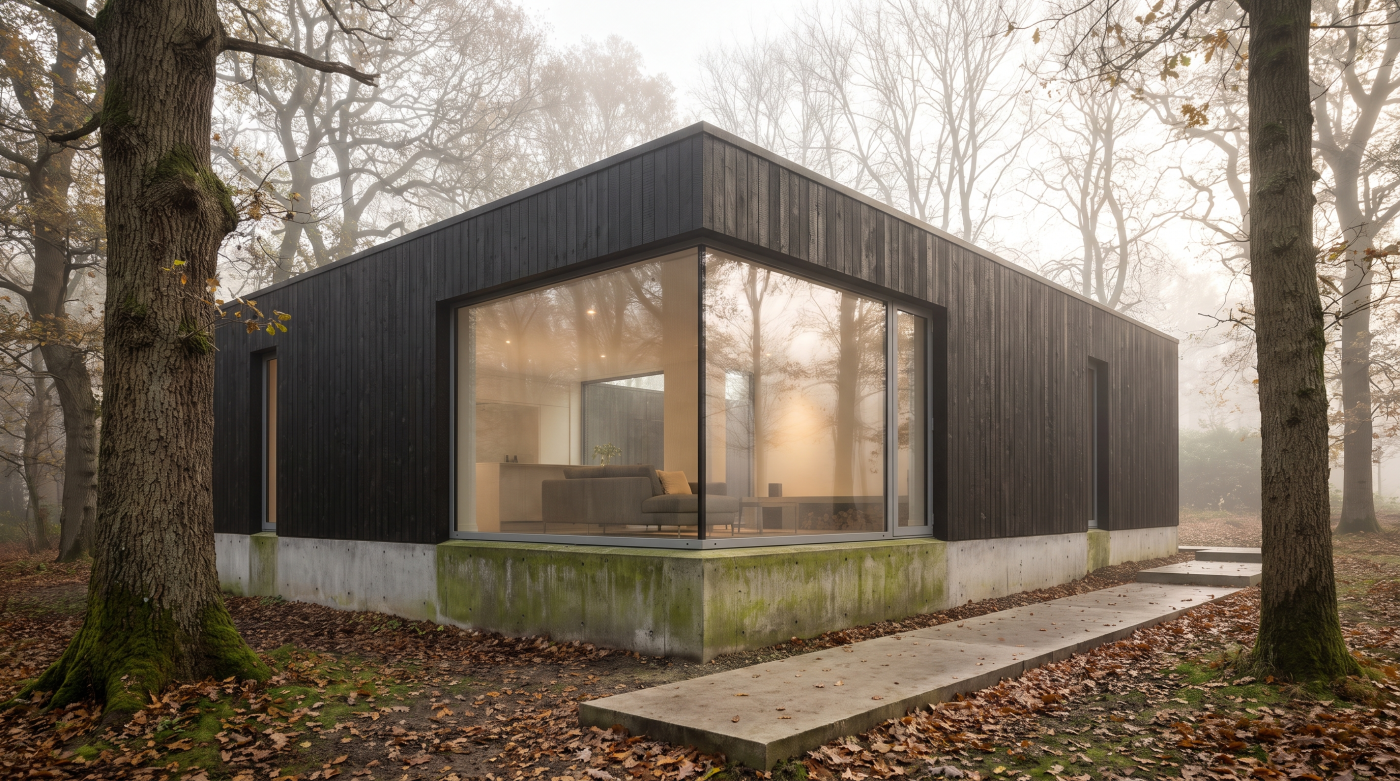
Section 1: Measurements Come Last—Architecture Comes First
When homeowners hear the phrase “made-to-measure glazing”, the first thing that often comes to mind is a tape measure. The assumption is understandable. If windows or doors are being manufactured specifically for a property, then accurate dimensions must surely be the starting point. In reality, architects approach bespoke glazing in almost the opposite order. Before a single measurement is taken, they first seek to understand what the glazing is expected to achieve within the architecture of the building.
This distinction is far more important than it might initially appear. Measurements describe the size of an opening, but they reveal nothing about its purpose. A large glazed opening overlooking a landscaped garden serves a very different role from a kitchen window designed to maximise morning light or an entrance door intended to create a welcoming first impression. Although each may eventually be manufactured to precise dimensions, their specification begins with function rather than measurement.
The architecture of the building provides the natural starting point. Every opening contributes to the way a home feels, shaping natural light, framing views, influencing ventilation and strengthening the relationship between interior spaces and the surrounding landscape. Architects therefore begin by asking what each window or door should contribute to the overall design. Only when those objectives are understood can the physical dimensions begin to take shape.
Design intent is central to this process. A contemporary extension may seek uninterrupted views across the garden through expansive sliding glazing, while a period renovation may require carefully proportioned windows that preserve the rhythm and character of the original façade. In both cases, the measurements emerge from the architectural vision rather than determining it. The opening is designed to support the building, not simply to accommodate a manufactured product.
Room function also influences the specification. Living rooms, kitchens, bedrooms, bathrooms and circulation spaces all interact with glazing in different ways. Some spaces benefit from generous daylight throughout the day, while others prioritise privacy, ventilation or carefully framed views. Architects think about how each room will be occupied before deciding on the size, proportion and arrangement of the glazing. The measurements therefore become a response to everyday living rather than an isolated technical exercise.
Views deserve equal attention. A carefully positioned window can transform the experience of a room by drawing the eye towards mature trees, open countryside or a landscaped courtyard. Equally, an opening may be arranged to screen neighbouring properties while still admitting generous daylight. These design decisions cannot be determined with a measuring tape alone because they depend upon understanding the relationship between the building and its surroundings.
Performance objectives also shape the design long before final dimensions are confirmed. Thermal comfort, solar gain, ventilation, structural support and long-term durability all influence the way an opening is conceived. Architects evaluate these factors together, ensuring the glazing contributes positively to the performance of the home rather than simply fitting within the available space. Measurements become one outcome of this wider specification process rather than its primary purpose.
Only after the architecture, function and performance of each opening have been carefully considered does precise surveying begin. At this stage, measurements become critically important because they allow the chosen design to be manufactured with the accuracy required for successful installation. Yet by this point, the most significant decisions have already been made. The tape measure records the design; it does not create it.
For homeowners, this offers a valuable shift in perspective. Made-to-measure glazing is not simply about producing windows and doors that fit an opening. It is about designing openings that improve the architecture of the home and then manufacturing glazing that fulfils that vision with precision. When architecture comes first and measurements follow, bespoke glazing becomes far more than a custom-sized product—it becomes an integral part of a home that performs beautifully for decades.
Section 2: Every Opening Is Different
Once the architecture has established what the building is trying to achieve, it quickly becomes clear that no two glazed openings perform exactly the same role. Although homeowners often think of windows and doors as a collection of similar products, architects approach each opening individually. Every one contributes differently to the way light enters the home, how people move through it and how the building connects with its surroundings. This is why made-to-measure glazing is about much more than creating products of different sizes—it is about designing each opening to fulfil a specific architectural purpose.
Picture windows provide one of the clearest examples. Unlike opening windows, their primary role is not ventilation but framing views and introducing generous amounts of daylight. A well-positioned picture window can transform an ordinary landscape into a constantly changing feature of the room, allowing gardens, mature trees or distant countryside to become part of the interior experience. The proportions of the glazing are therefore determined as much by what is seen through it as by the dimensions of the wall itself.
Corner glazing creates a different architectural effect altogether. By eliminating the visual interruption traditionally created by a corner post, these systems allow daylight to enter from multiple directions while strengthening the sense of openness within a room. They are often used where architects want to blur the boundary between the building and its surroundings, creating spaces that feel lighter, larger and more connected to the landscape. Such openings require careful structural coordination, demonstrating again that bespoke glazing begins long before manufacturing measurements are taken.
Entrance doors fulfil an entirely different role. They establish the first impression of the home while providing security, weather protection and everyday practicality. Their dimensions are influenced not only by the size of the opening but also by the scale of the building, the surrounding materials and the experience of arriving at the property. Architects therefore consider proportion, architectural balance and circulation alongside technical performance when specifying made-to-measure entrance systems.
Sliding and bifold doors illustrate how similar products can serve very different architectural intentions. A large sliding door may be designed to preserve uninterrupted views across a landscaped garden while maintaining slim sightlines throughout the year. A bifold system, by contrast, may prioritise the ability to remove the physical barrier between a kitchen and a terrace during warmer months. Although both occupy substantial openings, the architecture asks different things of each, resulting in different specifications despite apparently similar dimensions.
Roof glazing introduces yet another set of priorities. Here, the objective is often to bring daylight deep into the centre of a building where conventional windows cannot easily reach. Architects consider the movement of the sun, solar gain, shading and the quality of light entering the space before determining the size and position of the glazing. A rooflight is therefore designed to shape the atmosphere of the room rather than simply fill an opening in the roof.
Even fixed glazing deserves individual attention. Because these panels never open, they can often achieve larger uninterrupted areas of glass while contributing to the overall composition of the façade. Fixed glazing frequently works alongside opening elements, balancing ventilation requirements with the desire to maximise views and natural light. Architects think carefully about this relationship so that every component contributes appropriately to the performance and appearance of the building.
This variety explains why bespoke glazing cannot be reduced to a list of measurements. Every opening carries different structural, environmental and architectural responsibilities. Some frame views, others encourage movement, improve ventilation, welcome visitors or transform the quality of daylight within the home. Their dimensions are only meaningful when they respond to these individual purposes.
Ultimately, made-to-measure glazing succeeds because every opening is treated as a unique design opportunity rather than another rectangle requiring accurate dimensions. When architects consider the specific role of each window and door within the wider architecture, the resulting home feels more balanced, more comfortable and more thoughtfully connected to the way it is lived in every day.
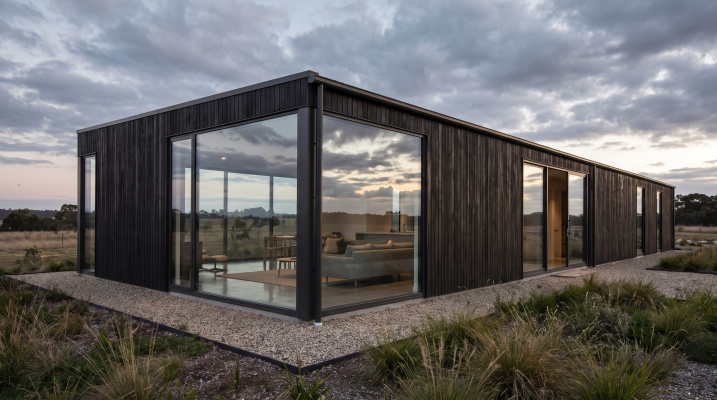
Section 3: Precision Is About More Than Dimensions
The phrase “made-to-measure” naturally suggests accuracy. It creates the impression that once the correct dimensions have been recorded, the difficult part of the process is complete. In reality, architects and specialist glazing manufacturers know that precision involves far more than matching the size of a structural opening. Long-term performance depends on understanding how the glazing will interact with the building before, during and long after installation.
One of the first considerations is manufacturing tolerance. No building is perfectly square, and no opening is completely identical from one corner to the next. Walls move slightly during construction, materials expand and contract with changing temperatures, and structural elements can vary by small but important amounts. Bespoke glazing is therefore manufactured with carefully calculated tolerances that allow the system to be installed accurately while maintaining the performance expected once the building is occupied.
Installation gaps provide another important example. To many homeowners, leaving a small clearance around a newly manufactured window or door may appear to be a measurement error. In reality, these carefully planned gaps allow installers to position the glazing correctly, level the frame with precision and accommodate minor variations within the surrounding structure. Without them, even the most accurately manufactured product could become difficult—or impossible—to install successfully.
Structural movement also influences the specification. Every building experiences subtle movement throughout its lifetime as materials respond to seasonal temperature changes, moisture levels and natural settlement. Larger glazed elements, particularly sliding doors and expansive picture windows, require sufficient allowance for these movements without placing unnecessary stress on the glazing or frame. Architects therefore work closely with structural engineers and manufacturers to ensure the finished installation continues to perform reliably for many years.
Weather sealing depends upon this same level of engineering precision. A window or door does not simply need to fit the opening; it must also resist wind, rain and air infiltration throughout changing weather conditions. The effectiveness of gaskets, compression seals, drainage channels and thermal breaks relies on extremely accurate manufacturing combined with careful installation. A few millimetres can make the difference between a system that performs flawlessly for decades and one that experiences avoidable maintenance issues.
Drainage is another aspect that remains largely invisible once the installation has been completed. Modern glazing systems are carefully engineered to manage any moisture that enters the frame, directing it safely away from the building without compromising thermal performance or durability. This hidden engineering depends upon manufacturing precision just as much as visible frame dimensions. The success of the system lies not only in what homeowners can see but also in what they never need to notice.
Engineering quality becomes increasingly important as glazed openings become larger. Modern architectural glazing often involves substantial panes of glass supported by remarkably slim frames. Achieving this balance between visual lightness and structural integrity requires sophisticated design, advanced manufacturing and exceptionally accurate production methods. Precision is therefore not simply about creating products that fit; it is about ensuring they continue to operate smoothly, safely and efficiently under real-world conditions.
This explains why architects rarely describe bespoke glazing as merely “custom sized.” They view it as a carefully engineered system in which every measurement, tolerance and detail contributes to the long-term performance of the building. Accurate surveying remains essential, but it forms only one part of a much broader process that includes structural coordination, manufacturing expertise and installation planning.
For homeowners, this provides an important perspective. Made-to-measure glazing is not successful because it matches an opening to the nearest millimetre. It is successful because every dimension has been considered alongside engineering, installation and the future behaviour of the building itself. True precision is about creating glazing that continues to perform beautifully through changing seasons, everyday use and decades of ownership—not simply fitting perfectly on the day it is installed.
Section 4: The Building Around the Glazing Matters Just As Much
It is easy to think of made-to-measure glazing as a product that simply fills an opening. In reality, the opening itself is just as important as the window or door installed within it. Architects rarely consider glazing in isolation because its long-term performance depends on the relationship between the frame and the surrounding building. The wall, structure, insulation and construction details all influence whether bespoke glazing achieves its full potential once the project is complete.
Structural support is one of the first considerations. Large glazed openings often remove significant sections of load-bearing wall, meaning the forces previously carried by masonry must be transferred elsewhere within the building. Steel beams, engineered timber or reinforced structural elements are frequently introduced to support these openings safely. The glazing is therefore designed as part of the structural strategy rather than being added once construction has already begun.
This relationship becomes particularly important as glazing sizes increase. Expansive sliding doors, corner glazing and floor-to-ceiling picture windows all place different demands on the surrounding structure. Architects work closely with structural engineers to ensure that deflection, movement and loading have been carefully considered before manufacturing begins. A beautifully engineered glazing system cannot perform correctly if the structure supporting it has not been designed with equal care.
Insulation is another essential part of the wider picture. Modern glazing can achieve excellent thermal performance, but heat loss often occurs around the perimeter of the frame if the surrounding construction has not been detailed properly. Architects therefore pay close attention to insulation continuity, ensuring that walls, floors and roof elements connect seamlessly with the glazing system. The objective is to create a continuous thermal envelope where every part of the building contributes to comfort rather than relying on the window alone.
Thresholds deserve similar attention because they form one of the most critical junctions within the building envelope. A flush threshold can create a seamless transition between inside and outside, strengthening accessibility and reinforcing contemporary architectural design. Achieving this level of refinement, however, requires careful coordination between drainage, waterproofing, insulation and structural detailing. What appears to be a simple architectural feature is often the result of considerable planning long before the glazing arrives on site.
The construction method of the building also influences the specification. Masonry, timber frame and steel-frame construction each create different conditions around glazed openings. Fixing methods, movement allowances, insulation strategies and weatherproofing details all vary according to the structural system being used. Architects understand these differences and ensure that the glazing is designed to work with the construction rather than against it.
Drainage and weather protection are equally dependent on the surrounding building fabric. Rainwater must be directed safely away from the frame, while moisture within the wall construction must be carefully managed to prevent long-term problems. Flashings, membranes, cavity trays and weatherproof junctions all contribute to protecting the building. These components are rarely visible once construction is complete, yet they are fundamental to the durability and performance of the glazing installation.
The building envelope as a whole ultimately determines how successful the glazing will be. Windows and doors influence thermal comfort, daylight and ventilation, but they cannot deliver these benefits independently. Walls, roofs, floors and structural details all work together to create a home that remains warm, dry and comfortable throughout the changing seasons. Architects therefore think about the glazing as one component within an integrated environmental system rather than as an isolated product.
This holistic approach explains why made-to-measure glazing begins long before manufacturing dimensions are confirmed. The opening, the structure and the surrounding construction must all be designed to support the performance of the glazing over many decades. Accurate measurements remain essential, but they represent only one stage within a much broader architectural process.
Ultimately, the best bespoke glazing is not simply manufactured to fit an opening—it is designed to become part of the building itself. When the structure, insulation, detailing and glazing are considered together from the outset, the result is a home that performs more efficiently, feels more comfortable and demonstrates the quiet precision that defines truly successful architectural design.
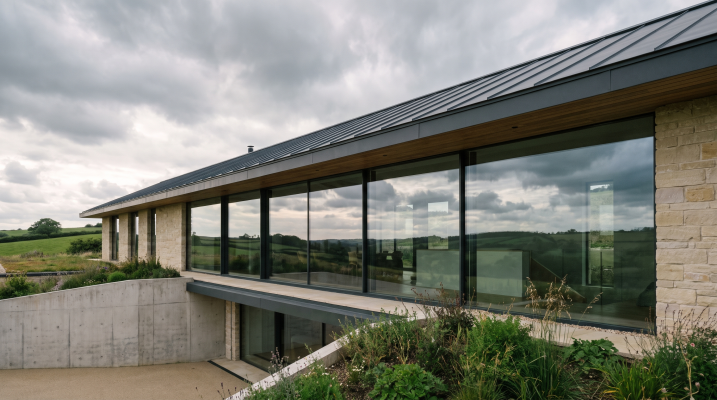
Section 5: Why Architects Think About Installation Before Manufacturing
To many homeowners, manufacturing feels like the moment when a glazing project truly begins. Once the order has been placed and production starts, it seems as though the difficult decisions have already been made. Architects, however, often think several steps ahead. Long before a window or door enters the factory, they consider how it will arrive on site, how it will be installed and how those installation decisions will influence the performance of the building for decades to come.
This forward planning begins with access. Large glazed units, particularly contemporary sliding doors, corner glazing and oversized picture windows, can weigh hundreds of kilograms. Transporting these products safely through an occupied property, across uneven ground or into confined urban locations often requires careful logistical planning. In some projects, specialist lifting equipment or cranes are needed simply to position the glazing close enough for installation. These practical considerations influence design decisions much earlier than many homeowners realise.
The sequence of construction is equally important. Glazing rarely exists as an isolated trade within a building project. Structural steelwork, roofing, external walls, insulation, floor finishes and landscaping all interact with the installation process. Architects carefully coordinate these activities to ensure the glazing can be installed at the correct stage without creating unnecessary delays or compromising other elements of the construction. Good sequencing protects both the product and the quality of the finished building.
Site conditions also shape installation planning. Every project presents unique challenges depending on location, weather exposure, neighbouring buildings and access restrictions. A rural self-build with generous working space creates very different installation conditions from a townhouse renovation with limited access through narrow streets. Architects consider these practical realities during specification because they understand that successful installation depends as much on the site as it does on the product itself.
Weather plays a surprisingly significant role as well. Although modern glazing systems are engineered to perform in challenging conditions, installation itself often benefits from carefully managed timing. Heavy rainfall, strong winds or extreme temperatures can affect aspects of the installation process, including sealing, handling and site safety. Professional planning helps minimise these risks, ensuring that the products are installed under conditions that allow every component to perform as intended.
Installation quality ultimately determines whether the engineering built into the glazing system can be fully realised. Accurate alignment, correct fixing methods, careful sealing and precise adjustment all contribute to smooth operation, weather resistance and long-term durability. Even the most sophisticated made-to-measure glazing cannot compensate for poor workmanship during installation. Architects therefore regard installation as an integral part of the specification rather than the final step after manufacturing has finished.
Future maintenance also begins during installation. Windows and doors should not only operate correctly on the day they are fitted but also remain accessible for adjustment, servicing and occasional replacement of components throughout their lifespan. Thoughtful detailing around reveals, thresholds and surrounding finishes makes future maintenance significantly easier without compromising the appearance of the completed home. These practical considerations often remain invisible, yet they contribute greatly to long-term ownership satisfaction.
This professional approach explains why architects spend so much time discussing installation before placing manufacturing orders. They recognise that every decision—from access routes and lifting strategies to sequencing and detailing—has a direct influence on the finished performance of the glazing. Manufacturing produces an accurately engineered product, but installation transforms that product into a functioning part of the building.
For homeowners, this offers an important perspective. Made-to-measure glazing is not complete when it leaves the factory. Its true success depends on how carefully it is integrated into the home through thoughtful planning, skilled installation and meticulous attention to detail. When installation is considered from the very beginning rather than treated as an afterthought, bespoke glazing delivers the comfort, precision and architectural quality it was designed to achieve.
Section 6: Avoiding Expensive Mistakes
One of the greatest advantages of made-to-measure glazing is the level of precision it offers. Yet that same precision means mistakes made early in the project can become costly once manufacturing begins. Unlike standard products that can often be exchanged or modified, bespoke glazing is designed specifically for a particular opening and a particular building. Architects understand this, which is why they invest considerable time in planning before final dimensions are approved. Preventing problems is almost always easier, quicker and less expensive than correcting them later.
Incorrect measurements are the mistake most people immediately think of, but they are rarely the only issue. In reality, inaccurate dimensions are often the result of decisions made much earlier in the project. Structural openings may have changed during construction, floor levels may have been adjusted or steelwork may have been revised after initial drawings were produced. If these changes are not coordinated before manufacturing, the glazing may no longer correspond with the building it was designed to fit.
Late design changes create similar risks. During a renovation or self-build, it is common for homeowners to refine layouts, alter finishes or adjust architectural details as the project develops. While many of these changes are relatively straightforward before manufacturing begins, they become significantly more complicated once bespoke glazing has entered production. Altering frame sizes, glazing configurations or opening arrangements after manufacturing has started often results in unnecessary cost, delays and frustration for everyone involved.
Construction sequencing is another area where expensive mistakes can occur. Bespoke glazing relies on structural openings being complete, stable and accurately prepared before final surveying takes place. If measurements are taken too early, before steelwork has settled or masonry has been completed, the dimensions may no longer reflect the finished building. Architects therefore coordinate surveys carefully, ensuring that critical structural work has been completed before manufacturing dimensions are confirmed.
Planning assumptions can also introduce unexpected complications. Homeowners sometimes assume that a larger window or wider sliding door can simply replace an existing opening without affecting the structure. In reality, changes to glazing often require additional engineering, revised lintels or altered structural supports. Architects consider these implications from the outset so that the glazing, structure and building regulations remain fully coordinated throughout the project.
Product compatibility is another factor that is easily overlooked. Modern glazing systems interact with flooring, insulation, external cladding, roof details, thresholds and drainage systems. Selecting products without considering these relationships can lead to awkward junctions, compromised thermal performance or installation challenges that become apparent only once work is underway. Good specification ensures every component has been designed to work together before orders are placed.
Communication between the design team, manufacturer and installation specialists is equally important. Made-to-measure glazing involves numerous technical decisions that depend on accurate information being shared at the right time. Architects help coordinate this process so that everyone works from the same drawings, specifications and measurements. Clear communication reduces the risk of misunderstandings that can otherwise become expensive manufacturing errors.
Perhaps the most valuable lesson is that most glazing problems do not begin in the factory. They begin much earlier, during design, coordination and planning. Once manufacturing starts, opportunities for significant changes become increasingly limited because the bespoke product is already being created to suit a specific project. Careful preparation therefore protects both the investment and the quality of the finished home.
Ultimately, avoiding expensive mistakes is not about being overly cautious—it is about recognising that bespoke glazing rewards thoughtful planning. Accurate surveying, coordinated design, clear communication and careful sequencing all contribute to a project that progresses smoothly from specification to installation. When the groundwork has been done properly, made-to-measure glazing delivers exactly what it was intended to achieve: a seamless architectural solution that fits the home beautifully and performs reliably for decades.
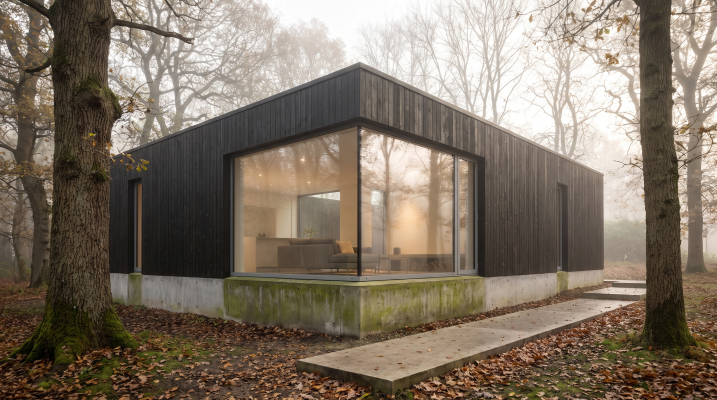
Section 7: Why Bespoke Glazing Delivers Better Homes
When people hear the term “bespoke glazing”, they often associate it with luxury or exclusivity. It can sound as though made-to-measure products exist simply to provide something unique. Architects tend to see it differently. For them, bespoke glazing is not about creating something unusual—it is about creating something appropriate. The purpose of custom glazing is to help the building perform better, feel more comfortable and respond more intelligently to the people who live within it.
One of the most immediate benefits is the quality of natural light. Because bespoke glazing is designed specifically for the architecture rather than selected from a catalogue of standard sizes, openings can be proportioned to suit the character and function of each room. Living spaces become brighter without feeling overexposed, circulation areas receive carefully considered daylight and interior spaces develop a stronger relationship with the changing conditions outside. The result is not simply more light, but better light.
Views also become part of the architectural experience. A carefully designed picture window can transform an ordinary room by framing mature trees, open countryside or a landscaped garden as though they were part of the interior itself. Even in urban settings, thoughtful positioning can create carefully controlled views while preserving privacy. Bespoke glazing allows these relationships to be considered from the earliest design stages, ensuring that every opening contributes positively to the experience of living in the home.
Comfort is another outcome that extends far beyond aesthetics. Well-designed glazing helps regulate temperature, manage solar gain, improve ventilation and reduce unwanted external noise. Because every opening is specified according to its orientation, purpose and relationship with the building, the home performs more consistently throughout the changing seasons. Occupants experience warmer winters, more comfortable summers and quieter interiors without necessarily being aware of the many design decisions working together behind the scenes.
The detailing around bespoke glazing also contributes significantly to architectural quality. Flush thresholds, carefully aligned sightlines, refined junctions and balanced proportions all create a sense of precision that is difficult to achieve through compromise or standardisation. These details may not immediately attract attention, yet together they create buildings that feel calmer, more coherent and more thoughtfully resolved. The glazing becomes part of the architecture rather than appearing as an added product.
This attention to detail often influences how people experience space itself. Large glazed openings can strengthen the connection between interior rooms and surrounding gardens, while carefully positioned windows allow daylight to reach deep into the home. Smaller openings can frame particular views or create moments of privacy where they are most needed. Every decision contributes to the atmosphere of the building, demonstrating that bespoke glazing is fundamentally about improving the quality of everyday life rather than simply manufacturing custom-sized products.
Long-term satisfaction is perhaps the greatest benefit of all. Homes designed around carefully specified glazing tend to continue rewarding their occupants many years after construction has finished. The rooms remain comfortable, the views continue to delight, natural light changes beautifully throughout the seasons and the architecture feels balanced rather than compromised. These qualities are experienced every day, quietly justifying the additional planning and coordination that bespoke glazing requires.
There is also a lasting contribution to the overall value of the property. Thoughtfully integrated glazing enhances not only the appearance of a home but also its performance, functionality and perceived quality. Future owners may never know the technical complexity behind the specification, yet they readily recognise homes where every element feels carefully considered. Bespoke glazing therefore contributes to architectural quality in ways that extend well beyond the installation itself.
Ultimately, made-to-measure glazing delivers better homes because it serves the architecture rather than the manufacturing process. Every opening is designed to perform a specific role, every dimension supports a wider design intention and every detail contributes to the long-term enjoyment of the building. The result is not simply glazing that fits—it is glazing that belongs, enhancing the comfort, beauty and performance of the home for decades to come.
Section 8: Better Planning Creates Better Glazing
By the time a made-to-measure glazing project reaches manufacturing, most of the important decisions have already been made. The architecture has established the design intent, the structural engineer has defined how the openings will be supported, the specification has balanced performance with aesthetics and the installation strategy has been carefully planned. Measuring the openings is an essential part of the process, but it is only one step within a much larger architectural journey.
This broader perspective explains why successful bespoke glazing projects rarely begin with products or dimensions. They begin with understanding the home itself. Architects ask how natural light should move through the building, how the interior should connect with the landscape and how each opening should contribute to everyday living. These questions shape the design long before manufacturing drawings are produced because they determine what the glazing is intended to achieve rather than simply how large it needs to be.
The specification then transforms these design ambitions into practical decisions. Frame systems, glazing performance, structural requirements, ventilation strategies, threshold details and installation methods are all considered together. Every element contributes to the final result, ensuring that the glazing supports the architecture rather than existing as a separate technical component. Measurements become meaningful only because they serve this carefully developed specification.
Manufacturing follows naturally from this process. Once every opening has been fully understood, precise surveying allows products to be fabricated with the accuracy required for long-term performance. The measurements are no longer isolated numbers recorded on a site visit; they represent the physical expression of the architectural design. Every millimetre reflects decisions that have already been made about comfort, proportion, structure and the way the building will be experienced.
Installation completes the transformation from design to reality. Skilled fitting ensures that the precision achieved during surveying and manufacturing is carried through into the finished building. Careful alignment, weatherproof detailing and accurate adjustment allow the glazing to perform exactly as intended. At this stage, the success of the project depends on every previous decision working together, demonstrating once again that bespoke glazing is a coordinated process rather than a single manufacturing exercise.
This way of thinking also encourages homeowners to view made-to-measure glazing as a long-term investment rather than a construction purchase. Windows and doors influence the character of a home every day through the quality of daylight, the comfort of interior spaces, the relationship with the surrounding landscape and the ease with which the building is occupied. These qualities continue to shape everyday life long after the measurements have been forgotten.
The projects that are remembered most fondly are rarely those where people comment on how accurately the glazing fitted the opening. Instead, they are homes that feel brighter, calmer and more connected to their surroundings. The glazing disappears into the architecture, allowing the experience of living within the building to take centre stage. This is the true purpose of bespoke specification: not simply achieving precision, but creating spaces that improve the way people live.
Ultimately, made-to-measure glazing is not defined by custom dimensions. It is defined by thoughtful planning. When architecture establishes the vision, specification refines the details, measurements confirm the design and installation brings everything together, the result is glazing that performs beautifully for decades. Accurate dimensions remain essential, but they are only valuable because they support something much greater—a home that has been carefully designed to feel comfortable, balanced and enduring from the very beginning.