
Why Natural Light Is Never Just About Glass
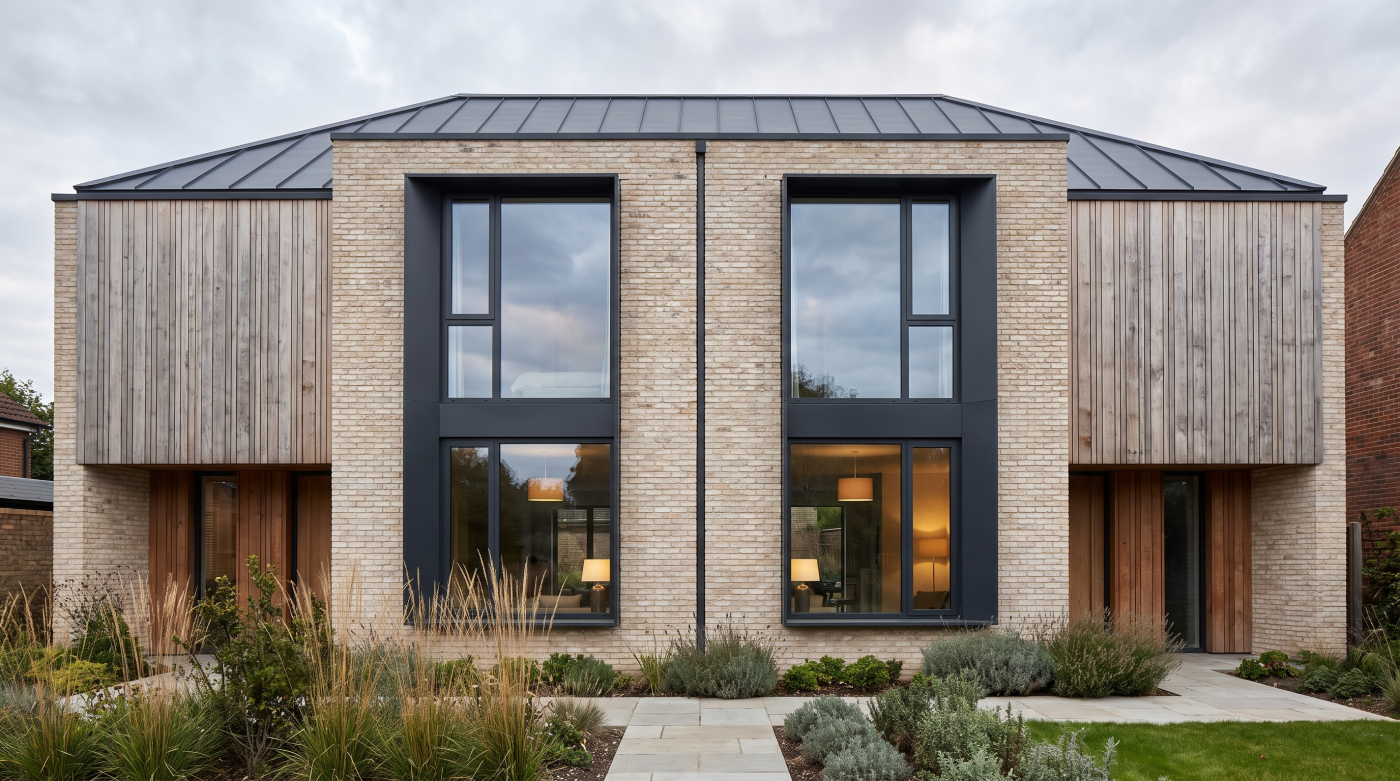
When people imagine a bright, welcoming room, they often focus on the size of the windows or the amount of glazing. While glass undoubtedly plays a central role in bringing daylight indoors, it is only part of the story. The frame surrounding that glass has an equally important influence on how light enters a space, how it is perceived and, ultimately, how the room feels throughout the day. Architects understand this instinctively, which is why they think about windows as complete design elements rather than simply glazed openings.
The proportions of a window frame affect far more than the amount of visible glass. Slimmer sightlines can create a stronger visual connection with the landscape beyond, allowing daylight to appear more expansive and uninterrupted. Conversely, deeper or more substantial frames can cast subtle shadows that add depth and rhythm to an interior. Neither approach is inherently better. The success of the design depends on how the frame complements the architecture, the scale of the room and the desired atmosphere.
Material also plays an important role in how light is experienced. Timber tends to absorb light softly, introducing warmth and texture that can make interiors feel calm and inviting. Aluminium, with its crisp lines and refined profiles, reflects light differently, often reinforcing the clean, precise aesthetic associated with contemporary architecture. These differences are subtle, yet they influence the overall character of a space in ways that many homeowners appreciate without necessarily recognising why.
The most successful rooms are therefore not defined by the largest panes of glass, but by the careful relationship between glass, frame and architecture. Natural light is shaped as much by what surrounds it as by what passes through it, making frame material an important contributor to the mood, balance and visual quality of every interior.
How Different Materials Change the Character of a Room
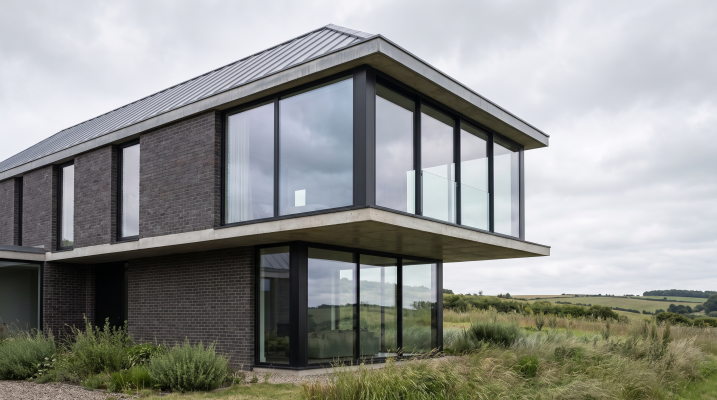
Every material carries its own visual language. Long before we notice the colour of a wall or the texture of a floor, our brains begin forming impressions based on the materials that surround us. Window frames are no exception. Although they often occupy only a small proportion of the overall façade, their material, texture and finish quietly influence how an interior feels, helping to define whether a space appears warm and welcoming, crisp and contemporary, or somewhere comfortably between the two.
Timber has long been valued for its natural warmth and authenticity. Its grain, texture and subtle variations introduce a softness that painted or manufactured finishes rarely replicate. As daylight moves across a timber frame throughout the day, these natural characteristics create depth and richness, making living spaces feel more relaxed and connected to nature. This is one reason timber remains popular in both heritage homes and modern architecture where natural materials form part of a carefully considered interior palette.
Aluminium creates a noticeably different impression. Its clean edges, slim profiles and refined finishes complement contemporary architecture, where simplicity and precision are often central to the design. Rather than drawing attention to itself, a well-designed aluminium frame can allow the surrounding architecture and external views to take centre stage, contributing to interiors that feel bright, uncluttered and visually calm.
Alu-clad windows combine aspects of both materials by pairing the warmth of timber on the inside with the durability of aluminium externally. This approach allows homeowners to enjoy the tactile qualities of natural wood within the living space while benefiting from a resilient, low-maintenance exterior. Rather than asking which material is objectively best, architects instead consider which material best expresses the character of the home. The most successful specification is one that feels entirely natural within its architectural setting, quietly enhancing the experience of every room without demanding attention for itself.
Sightlines, Shadows and Visual Weight
The influence of a window frame extends beyond its material to its proportions. Architects often talk about sightlines—the visible width of the frame—and while the difference between a few millimetres may seem insignificant on paper, it can have a remarkable effect on how a room is perceived. Slimmer frames tend to dissolve into the background, allowing glazing and views to become the dominant visual feature. More substantial frames, by contrast, create a stronger architectural presence, framing the landscape in much the same way a picture frame defines a work of art.
These proportions also affect the way light behaves within a space. As sunlight moves across a room, window frames cast soft shadows that shift throughout the day, adding depth and texture to walls, floors and adjacent surfaces. A finely detailed frame produces delicate shadow lines that enhance a minimalist interior, while a deeper profile can introduce a sense of solidity and permanence that feels entirely appropriate in traditional or heritage architecture. Neither effect is accidental; both contribute to the atmosphere architects seek to create.
Visual weight is another important consideration. Lightweight, slender frames often make a room feel more open, encouraging the eye to travel effortlessly towards the garden or surrounding landscape. Heavier frames establish stronger boundaries between inside and out, creating a more defined relationship with the exterior. The appropriate choice depends not only on the style of the property but also on the experience the designer wishes to create within the space.
These details are rarely noticed in isolation, yet together they shape how a room feels. Much like carefully chosen skirting boards, door reveals or ceiling details, window frames contribute to the overall composition of a home. Their role is subtle rather than dramatic, but it is precisely this quiet influence that distinguishes thoughtfully designed architecture from spaces that simply rely on large areas of glass.
Creating Atmosphere Throughout the Day
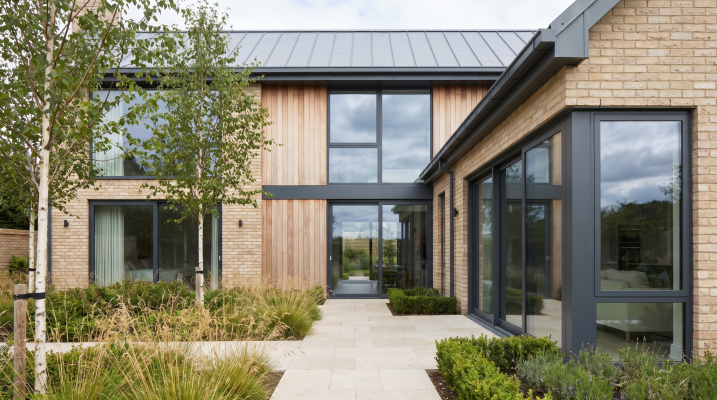
The quality of a room is rarely defined by a single moment. Instead, it changes continuously as daylight shifts from the cool clarity of morning to the warmer tones of late afternoon before giving way to artificial lighting in the evening. Window frame materials play a quiet but important role in these transitions, influencing how light is reflected, absorbed and experienced throughout the day. The result is often subtle, yet it has a lasting impact on the atmosphere of a home.
In the morning, softer natural light can emphasise the texture of timber frames, bringing warmth and depth to interiors before the space is fully illuminated. As the sun rises higher, slim aluminium frames may appear to recede visually, allowing daylight and external views to become the dominant feature. By late afternoon, changing sun angles create new patterns of light and shadow across walls and floors, with the colour and finish of the frame subtly affecting the way these spaces are perceived.
Seasonal changes add another layer of complexity. During winter, when daylight is lower and often more diffuse, the warmth of natural materials can make interiors feel more inviting. In summer, brighter conditions tend to highlight clean architectural lines and strengthen the visual connection between indoor and outdoor spaces. These changing qualities are one reason thoughtfully designed homes remain engaging throughout the year rather than relying on a single dramatic design feature.
Even after sunset, the influence of frame material continues. Under artificial lighting, timber can create a softer, more intimate atmosphere, while aluminium often reinforces a contemporary aesthetic through its crisp, understated appearance. These characteristics are rarely considered in isolation, yet together they contribute to the rhythm and character of daily life.
Architects understand that exceptional spaces are not designed for one perfect photograph or one particular time of day. They are designed to feel comfortable, balanced and visually rewarding from morning until night, in every season. Choosing the right frame material is one of the quieter decisions that helps achieve that enduring sense of quality.
Why Architects Rarely Choose Materials in Isolation
It is tempting to compare window frame materials as though they exist independently, weighing the advantages of timber against aluminium or alu-clad in isolation. In practice, this is rarely how architects approach specification. Every material decision is made within the context of the building as a whole, considering how each element contributes to the overall architectural composition rather than how it performs on its own.
A window frame must sit comfortably alongside a wide range of other materials. Timber flooring, stone walls, exposed brick, rendered façades, natural landscaping and interior finishes all influence how a frame will be perceived. A beautifully crafted timber frame may enhance the warmth of a contemporary oak interior, while a slim aluminium profile could reinforce the clean geometry of a minimalist extension. Neither choice is inherently superior; success depends on how well the materials work together to create a coherent and balanced design.
The surrounding environment is equally important. The orientation of the building, the quality of natural light and the views beyond the glazing all affect specification decisions. In a rural setting, natural timber may help strengthen the connection between the home and the landscape. In an urban environment, refined aluminium frames can complement the sharper lines of contemporary architecture while allowing external views to remain the focal point. These decisions are guided by the experience the architect wants to create rather than by a preference for one material over another.
Lifestyle also shapes the conversation. Some homeowners prioritise the character and tactile qualities of natural materials, while others place greater value on minimal maintenance or a particular architectural aesthetic. The role of the architect is to balance these practical considerations with the wider design vision, ensuring that every material contributes to both the appearance and the long-term performance of the home.
When viewed in this broader context, window frames become part of a carefully considered architectural palette. Their greatest contribution is often not how they stand out, but how naturally they support every other element of the design, helping the home feel harmonious, intentional and enduring.
Balancing Beauty with Practical Performance
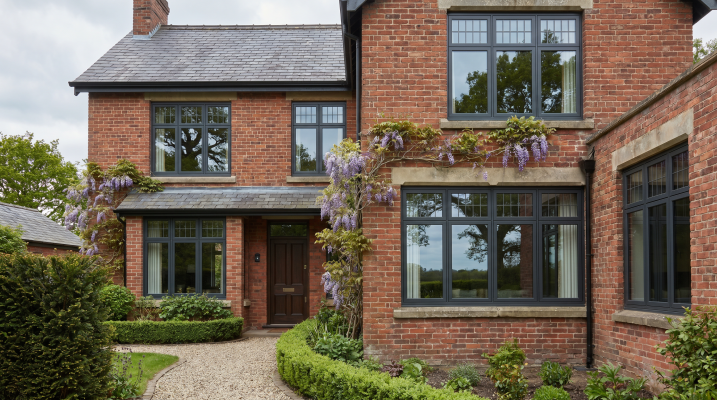
Beautiful architecture is rarely the result of choosing appearance over performance. The most successful homes achieve both, combining materials that look exceptional with those that continue to function reliably for decades. This balance is one of the reasons window frame selection deserves careful thought. While aesthetics often capture attention first, practical considerations ultimately determine how well a home supports everyday living over the long term.
Maintenance is one of the clearest examples. A frame that looks impressive when newly installed should continue to complement the architecture years later without demanding excessive upkeep. Timber, aluminium and alu-clad systems each offer different advantages in this respect, and the right choice depends on the homeowner’s expectations as much as the building itself. Some people value the character that natural timber develops over time, while others prefer the consistency and minimal maintenance associated with powder-coated aluminium finishes.
Performance also extends beyond durability. Thermal efficiency, airtightness and weather resistance all contribute to how comfortable a home feels throughout the seasons. A well-specified window should help maintain stable indoor temperatures, minimise draughts and perform reliably in changing weather conditions without compromising the architectural intent. These qualities may not always be visible, but they influence the daily experience of living in the home just as much as its visual appearance.
Sustainability has also become an increasingly important consideration. Longevity is one of the most effective forms of environmental responsibility. Materials that remain functional, attractive and serviceable for many decades reduce the need for premature replacement, conserving both resources and investment over the life of the building. Choosing a window system should therefore involve thinking beyond immediate costs to consider how the product will perform well into the future.
For architects, beauty and practicality are not competing priorities but complementary ones. The most successful specifications are those where performance quietly supports design, allowing the architecture to remain elegant, comfortable and enduring for generations rather than simply looking impressive on the day it is completed.
Choosing the Right Frame Material for Your Home
After exploring how frame materials influence light, atmosphere and architectural character, it becomes clear that there is no universally “best” option. Every material offers its own strengths, and the right choice depends on the ambitions of the project, the style of the home and the priorities of the people who will live there. Good specification is not about following trends or selecting the most expensive product; it is about finding the solution that feels most appropriate for the building as a whole.
For contemporary new-build homes, slim aluminium frames often complement clean architectural lines and maximise the sense of openness between interior and exterior spaces. Homes where minimalism, expansive glazing and uninterrupted views are central to the design may naturally benefit from this refined aesthetic. In contrast, period properties and heritage renovations often call for materials that respect the building’s existing character, with timber frames providing warmth, authenticity and proportions that sit comfortably within traditional architecture.
Many projects fall somewhere between these two extremes. Modern extensions to older homes, high-quality renovations and architect-designed family houses frequently seek the warmth of timber inside while benefiting from the durability and reduced maintenance of an aluminium-clad exterior. In these situations, the choice is less about compromise and more about combining complementary qualities to support both design and long-term ownership.
Lifestyle should also influence the decision. Homeowners intending to remain in a property for many years may place greater value on durability, comfort and ease of maintenance than those undertaking a shorter-term renovation. Budget, energy performance, planning considerations and future maintenance all deserve careful consideration alongside aesthetics.
Ultimately, the most successful homes are those where every design decision works together to create a coherent whole. Window frame material is one part of that wider architectural story. When chosen thoughtfully and in harmony with the building’s purpose, it quietly enhances not only how a home looks, but also how it feels to live in for many years to come.