
Bigger Glass Changes More Than the View
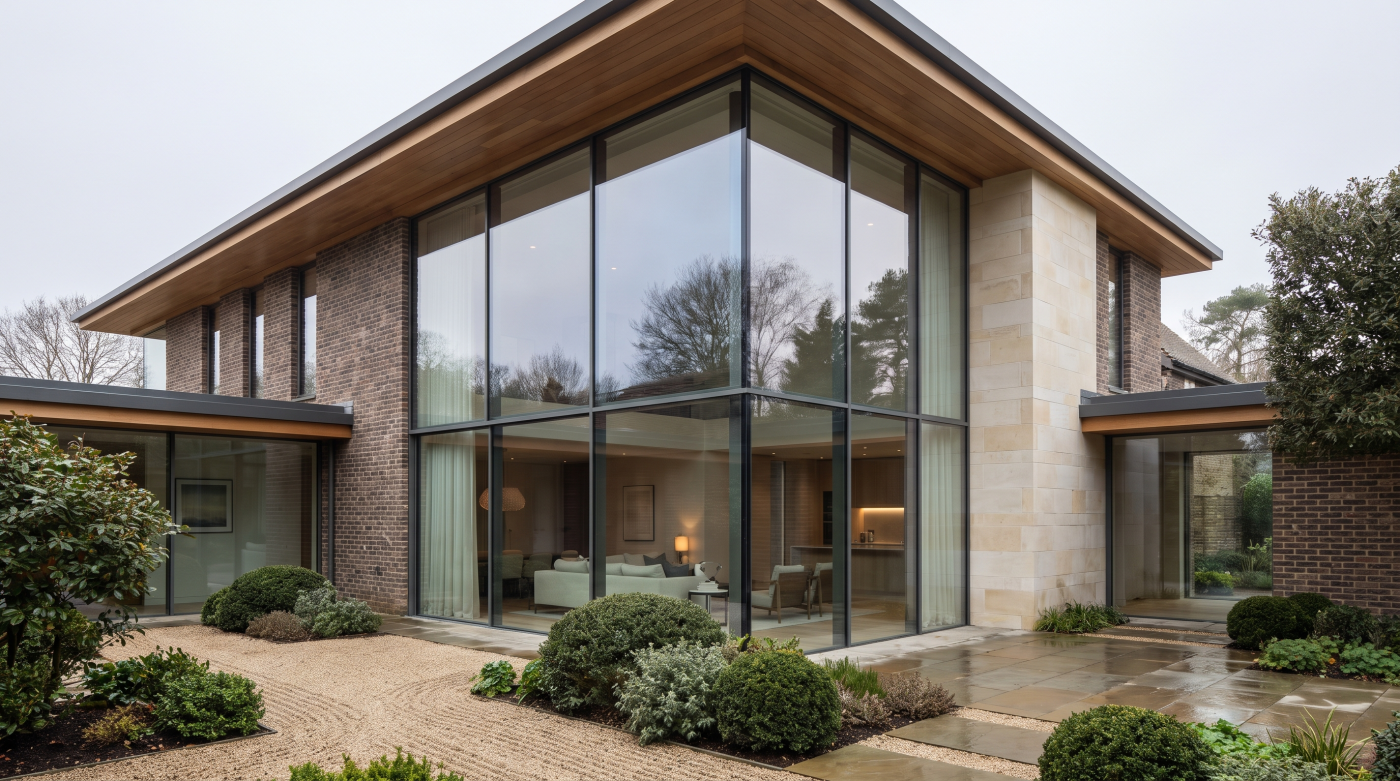
Large-format glazing has become one of the defining features of contemporary residential architecture. Expansive sliding doors, floor-to-ceiling windows and wide glazed openings promise uninterrupted views, generous daylight and a stronger connection with the landscape. These are compelling qualities, and when thoughtfully designed they can transform the experience of a home. Yet architects understand that installing larger panes of glass changes far more than what can be seen through them. It alters the way a building feels, performs and is experienced every day.
For many homeowners, the conversation begins with size. The question is often, How large can the glass be? Architects tend to ask a different question altogether: What should the glazing achieve? This shift in thinking is fundamental. Rather than treating glass as the focal point of the design, they consider how it will shape the quality of the spaces around it. The success of large-format glazing depends not on its dimensions but on the purpose it serves within the wider architecture.
Introducing substantial glazed openings influences almost every aspect of a building. Natural light behaves differently, the relationship between interior and exterior becomes more immediate and the overall character of a room changes significantly. Structure, environmental performance, privacy, furniture layouts and patterns of daily living are all affected by decisions that may initially appear to concern only the size of a window or door. Large-format glazing is therefore not an isolated product choice but a design decision that touches the entire building.
This is why architects approach these projects holistically. They study the orientation of the site, the quality of the surrounding views, the movement of sunlight throughout the year and the way the home will be occupied over time. Large glazed openings are introduced where they genuinely enhance the experience of living, not simply where they create the greatest visual impact. The result is architecture that feels balanced, comfortable and enduring rather than driven by spectacle alone.
Ultimately, bigger glass should never be regarded as an objective in itself. The finest contemporary homes are not defined by the amount of glazing they contain but by the way that glazing enriches everyday life. When large-format glass is specified as part of a thoughtful architectural strategy, it becomes more than a dramatic feature—it becomes an integral part of a home that feels calm, connected and beautifully resolved.
Orientation Matters More Than Size
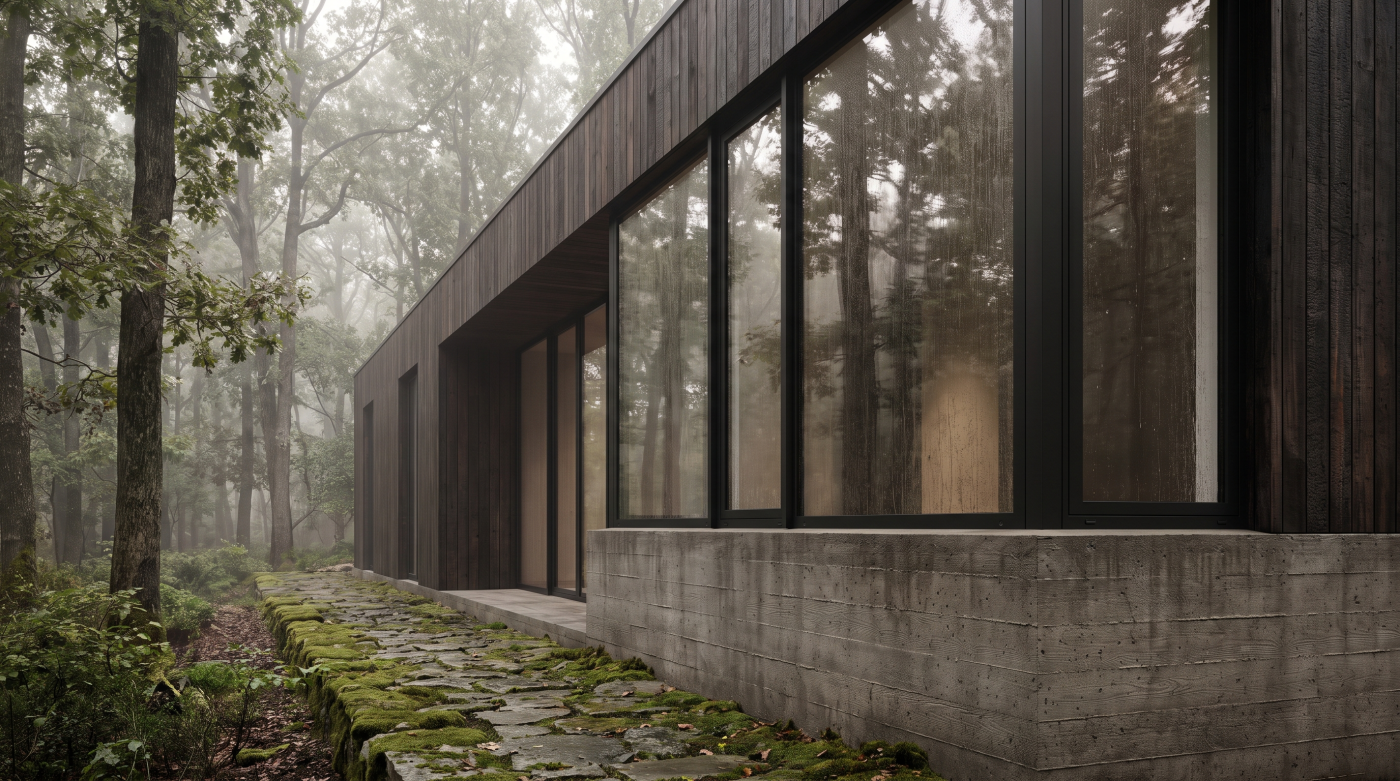
When homeowners begin planning large-format glazing, conversations often focus on dimensions. The natural assumption is that larger panes of glass will automatically create brighter, more enjoyable living spaces. Architects know that one factor has a far greater influence on the success of glazing than its size alone: orientation. The direction a glazed opening faces determines how light, warmth and comfort are experienced throughout the year, making it one of the earliest and most important design decisions.
Sunlight changes constantly. Morning light from the east creates a very different atmosphere from the stronger afternoon sun arriving from the west, while south-facing glazing receives significantly more direct sunlight than openings facing north. These differences influence not only the appearance of a room but also how comfortable it feels across the changing seasons. Large-format glazing that is perfectly suited to one orientation may perform very differently when placed elsewhere on the same property.
Architects therefore study the movement of the sun before deciding where substantial glazed openings should be introduced. They consider how individual rooms will be used during the day, when natural light is most desirable and how seasonal changes will affect internal comfort. This understanding allows glazing to enhance daily life by providing generous daylight while reducing the risk of excessive solar gain, glare or uncomfortable overheating during warmer months.
Orientation also shapes the relationship between the home and its surroundings. A carefully positioned glazed opening can frame sunrise over a garden, capture long views across the landscape or create a peaceful connection with mature planting. These experiences are determined less by the absolute size of the glazing than by its placement within the architecture. A smaller opening in exactly the right location often provides a richer experience than a much larger pane positioned without the same level of consideration.
Ultimately, successful large-format glazing begins with understanding the site rather than selecting the glass. By allowing orientation to guide the design, architects create homes that feel naturally bright, comfortable and connected to their surroundings throughout the entire year. Position comes first, size follows, and together they produce architecture that performs as beautifully as it looks.
Structure Should Never Feel Like an Afterthought
Large-format glazing creates a remarkable sense of openness, but achieving that effect involves far more than enlarging a window opening. Every substantial glazed panel changes the structural behaviour of a building, influencing how loads are transferred, how spaces are formed and how the architecture is ultimately experienced. For this reason, architects treat structure and glazing as inseparable parts of the same design process rather than independent decisions made at different stages of a project.
It is tempting to think of structure as something that can simply accommodate a preferred glazing system once the design has been finalised. In reality, the opposite is often true. The proportions of glazed openings, the arrangement of supporting elements and the relationship between solid walls and transparent surfaces all evolve together. Architects collaborate closely with structural engineers from the earliest stages to ensure that ambitious glazing designs are supported by equally considered structural solutions.
This integrated approach produces architecture that feels effortless. Supporting beams, columns and structural junctions are carefully coordinated so they contribute to the composition rather than distracting from it. The goal is not to eliminate structure but to allow it to work quietly within the architecture, maintaining clean sightlines and balanced proportions while providing the strength required for expansive openings. When this coordination is successful, the building appears calm and refined because every element has been resolved as part of a unified design.
Early planning also helps avoid unnecessary compromise later in the project. Structural decisions influence ceiling heights, floor levels, glazing proportions and connections between interior and exterior spaces. Addressing these relationships from the outset allows architects to refine the architecture as a whole instead of forcing technical solutions into an already fixed design. The result is often more elegant, more practical and more cost-effective than attempting to retrofit structural requirements after key decisions have already been made.
Ultimately, the finest examples of large-format glazing feel effortless precisely because structure has never been treated as an afterthought. Architecture and engineering work together from the beginning, allowing generous glazed openings to feel natural, balanced and entirely at home within the building. It is this quiet collaboration that transforms impressive glass into enduring architecture.
Comfort Depends on More Than Glass Performance
When discussing large-format glazing, it is easy to become absorbed by technical specifications. U-values, solar control coatings and performance ratings are all important considerations, but architects know they represent only part of the picture. A beautifully glazed home is not judged by technical figures alone. It is judged by how comfortable it feels to live in throughout every season. For this reason, comfort is approached as the result of many carefully balanced architectural decisions rather than the performance of the glass itself.
Natural light is one of the most significant contributors to this experience. Well-positioned glazing fills interiors with daylight that changes gently throughout the day, creating spaces that feel welcoming and connected to the outside world. Yet comfort also depends upon controlling that light. Excessive brightness, glare or strong seasonal sunlight can make otherwise impressive rooms difficult to enjoy. Architects therefore consider how daylight behaves across the year, ensuring that large glazed openings support daily living instead of overwhelming it.
Thermal comfort is equally important. Large-format glazing influences how occupants experience warmth, not simply through measured energy performance but through the temperature of surrounding surfaces, the movement of air and the relationship between sun and shade. A room can achieve excellent technical performance while still feeling uncomfortable if these wider environmental factors have not been carefully considered. Architects therefore integrate glazing with ventilation, orientation and the overall building fabric to create spaces that remain consistently pleasant to occupy.
Acoustics and privacy also shape the quality of everyday life. A quiet room overlooking a garden can feel remarkably different from a similar space exposed to traffic, neighbouring properties or constant activity. Carefully specified glazing helps support a peaceful internal environment, while thoughtful positioning maintains a comfortable balance between openness and privacy. These considerations allow generous glazed openings to enrich a home without making occupants feel exposed or disconnected from their surroundings.
Ultimately, successful large-format glazing is measured by experience rather than specification. The finest homes are those where natural light, comfort, privacy and performance work together so seamlessly that the technical decisions behind them become almost invisible. When glazing is designed as part of a holistic architectural strategy, it creates spaces that feel calm, comfortable and rewarding to live in every single day.
Large Openings Need Purpose
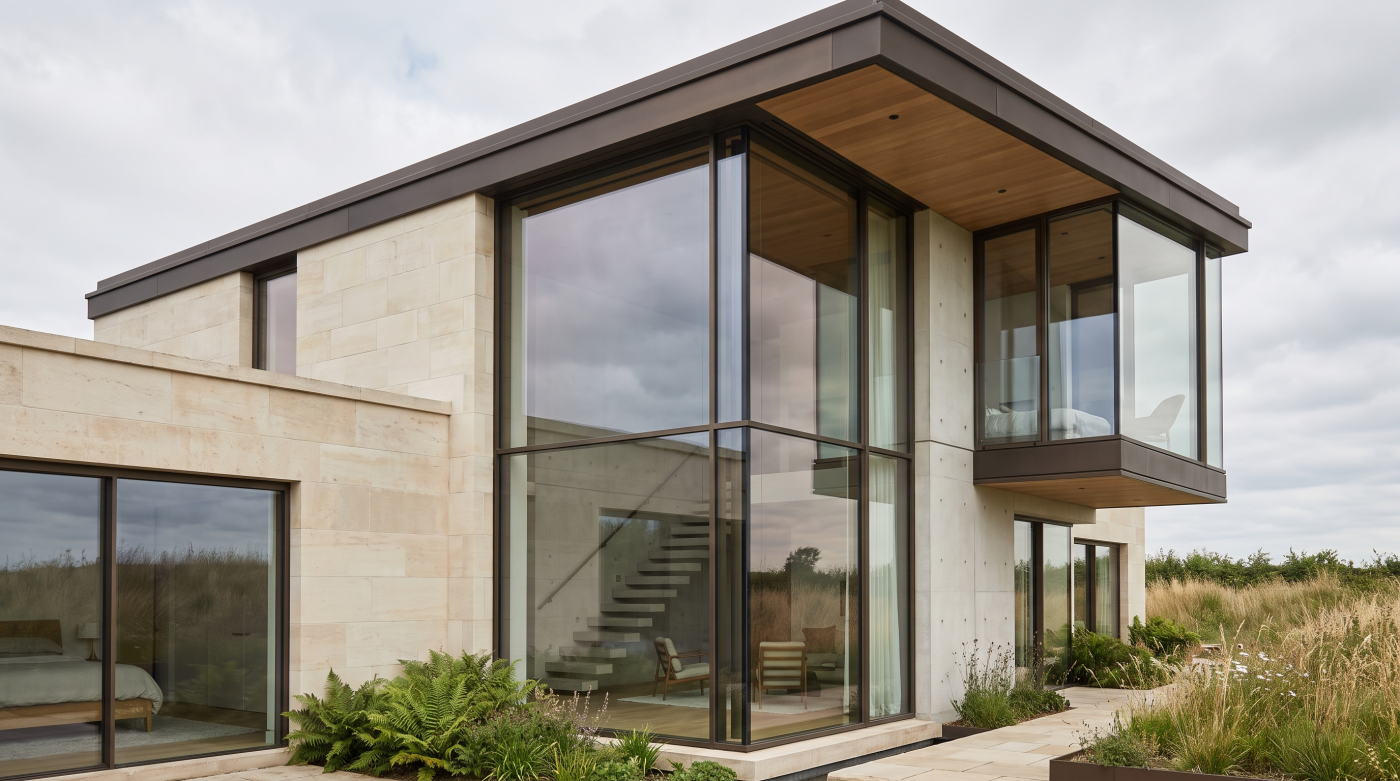
One of the greatest misconceptions surrounding large-format glazing is that its success is determined by size alone. Homeowners are often drawn to expansive panes of glass because they appear dramatic in photographs or showroom displays, but architects begin with a different question altogether: Why should this opening exist? Every large glazed element should perform a clear architectural function, enriching the way the home is experienced rather than simply increasing the amount of glass.
Purpose begins with understanding how people will live within the space. Architects consider where occupants will spend their time, how they move through the home and which relationships between inside and outside deserve to be strengthened. A large sliding door may create a seamless connection between a kitchen and a terrace used for entertaining, while a carefully positioned picture window might frame a mature oak tree or distant landscape that becomes a daily focal point. In each case, the glazing is responding to the life of the home rather than existing as an isolated design feature.
This intentional approach also reinforces architectural composition. Large openings influence the rhythm of a façade, the balance between solid walls and transparent elements and the way natural light shapes interior spaces. Architects carefully position glazing so that it supports these relationships, ensuring that every opening contributes to a coherent architectural language. A home with fewer, well-considered glazed openings often feels more refined than one where glass has been added simply because larger panels were technically possible.
Purpose also extends to the quality of everyday experience. Well-designed glazing introduces daylight where it is most valuable, frames views that change beautifully with the seasons and creates meaningful connections with gardens and landscapes. Rather than offering unrestricted transparency everywhere, architects shape moments of openness that enrich daily life while preserving comfort, privacy and a sense of enclosure where these qualities are equally important.
Ultimately, large-format glazing should solve architectural problems rather than create visual spectacle. When every opening has a clear reason for being there, the building feels balanced, natural and effortless. The result is a home where the glass quietly supports the architecture, allowing people to enjoy light, landscape and space without ever feeling that the design is trying too hard to impress.
The Best Details Are Almost Invisible
When homeowners imagine large-format glazing, their attention is naturally drawn to the glass itself. They picture expansive sliding doors, uninterrupted views and slim sightlines that appear to dissolve the boundary between inside and outside. Architects appreciate these qualities too, but they often know that the true success of a glazing installation is determined by something far less obvious: the quality of the detailing. It is the junctions, thresholds and transitions that quietly shape how the architecture is experienced long after the excitement of installation has passed.
Good detailing is rarely noticed because it feels completely natural. Floor levels align seamlessly between interior and exterior spaces, thresholds allow movement without interruption and frames meet surrounding materials with precision and restraint. These relationships create an impression of simplicity, yet they are the result of careful coordination between architecture, engineering and construction. Every junction has been considered so that the building feels calm and coherent rather than technically complicated.
Architects devote considerable attention to these seemingly modest elements because they influence both appearance and performance. Thoughtfully designed thresholds improve accessibility, carefully resolved drainage protects the building over time and refined sightlines preserve the visual clarity of the architecture. Likewise, the way glazing meets masonry, timber or metalwork affects how naturally the different materials work together, allowing the building to feel unified rather than assembled from separate components.
This level of refinement also contributes to the everyday experience of living within the home. Smooth transitions between rooms and gardens encourage natural movement, uninterrupted floor finishes strengthen the connection with outdoor spaces and discreet detailing allows the eye to focus on light, landscape and architecture rather than construction. The technical complexity remains hidden, leaving only the quality of the space itself.
Ultimately, the finest large-format glazing is defined not by dramatic engineering but by quiet precision. The details disappear into the architecture, allowing the home to feel effortless, balanced and enduring. When thresholds, junctions and material transitions are resolved with care, they become almost invisible—and that invisibility is often one of the clearest signs of exceptional architectural design.
Think About Twenty Years, Not Installation Day
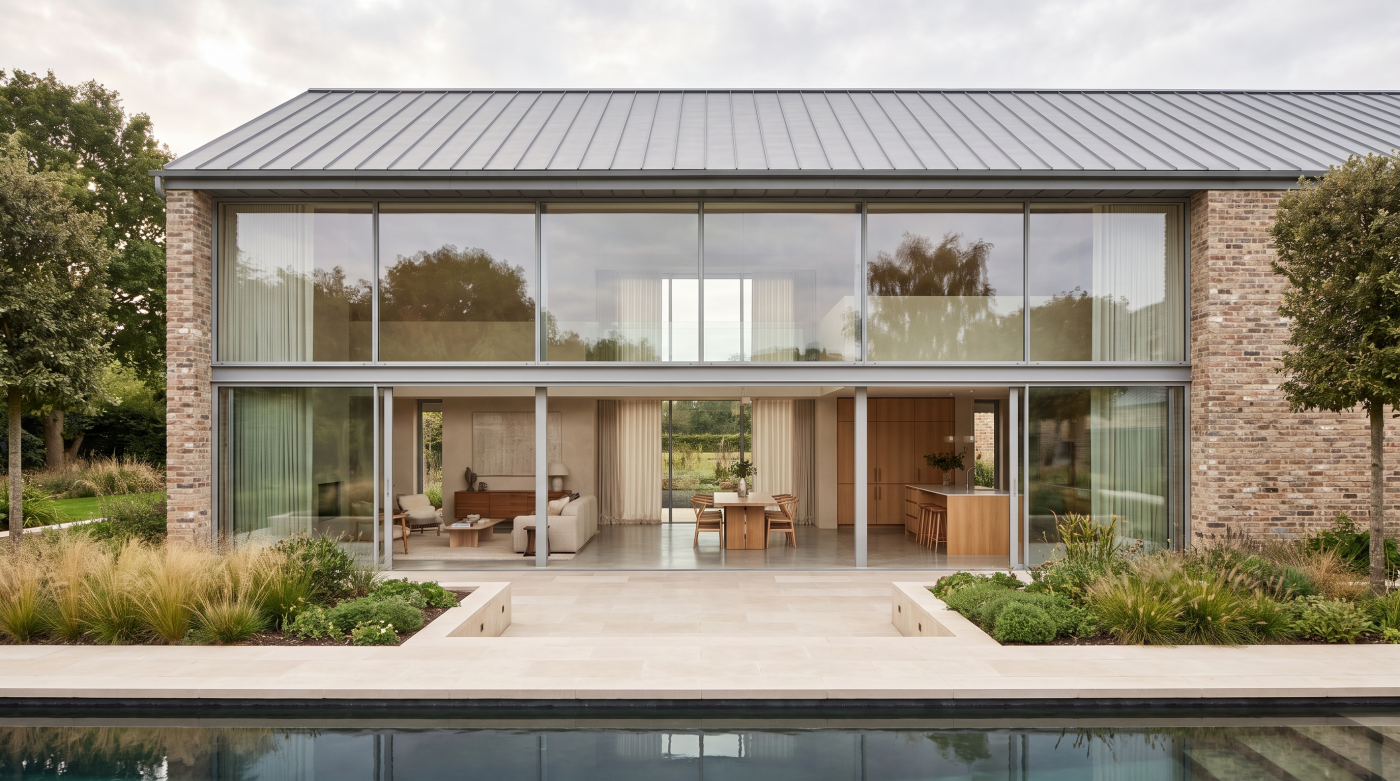
Large-format glazing often creates its greatest visual impact on the day a project is completed. Crisp sightlines, expansive views and beautifully detailed openings can make an immediate impression, particularly when experienced for the first time. Yet architects rarely judge a glazing installation by how it performs during its first week. Instead, they ask a more important question: How will this still feel in twenty years? The answer shapes many of the decisions made long before the glass is ever installed.
This long-term perspective begins with durability. Large-format glazing is expected to become a permanent part of the architecture, quietly supporting daily life through changing seasons, evolving family needs and years of continual use. Architects therefore consider how the glazing will perform not only technically but experientially. Will the spaces remain comfortable? Will the relationship with the landscape continue to enrich everyday life? Will the architecture still feel balanced once the novelty of expansive glass has faded?
Maintenance also forms part of this conversation. Materials, detailing and accessibility all influence how easily glazing can be cared for over the lifetime of the building. Thoughtful specification helps ensure that windows and doors continue operating smoothly, finishes weather gracefully and the architectural quality of the home is preserved without unnecessary intervention. Longevity is achieved through careful planning rather than optimistic assumptions.
Architects also recognise that lifestyles rarely remain static. Families grow older, patterns of working change and rooms gradually evolve to support new ways of living. Well-positioned glazing continues to serve these changing needs because it is rooted in timeless architectural principles rather than a particular trend or moment in design. Generous daylight, framed views and strong connections with outdoor spaces remain valuable regardless of how the home itself changes over time.
Ultimately, successful large-format glazing is specified for the life of the building rather than for the excitement of completion day. The finest projects continue to feel comfortable, relevant and architecturally appropriate decades after installation because every decision was guided by long-term thinking instead of immediate visual impact. When homeowners plan for the next twenty years rather than the next photograph, they create homes that become more rewarding to live in with every passing season.
Great Glazing Serves the Architecture, Not the Other Way Around
The most successful examples of large-format glazing are rarely remembered because of the size of the glass. They are remembered because of the way the home feels to live in. Natural light arrives exactly where it is needed, views are carefully composed, rooms remain comfortable throughout the seasons and the connection between the house and its surroundings feels effortless. Architects understand that these qualities emerge when glazing is designed to serve the architecture rather than allowing the architecture to revolve around the glass.
This distinction shapes every stage of the design process. Instead of asking how much glass can be installed, architects ask what the building is trying to achieve. They consider how people will move through the home, where they will gather, how daylight will change throughout the day and which relationships with the landscape deserve emphasis. Large-format glazing becomes one of several architectural tools used to enrich these experiences, working alongside proportion, structure, materials and spatial planning to create a coherent whole.
When glazing becomes the primary objective, the architecture can begin to lose its balance. Walls, structure and enclosure all have important roles to play in creating places that feel comfortable, secure and timeless. Glass is at its most successful when it complements these elements rather than replacing them. Carefully judged openings create rhythm, reinforce proportion and frame meaningful views while allowing the building itself to retain a clear architectural identity.
This approach also leads to greater longevity. Homes designed around architectural principles continue to feel relevant as lifestyles evolve and design fashions change. Well-positioned glazing remains valuable because it responds to enduring qualities such as light, landscape and human comfort rather than temporary aesthetic trends. The building matures naturally, with the glazing continuing to support everyday life long after the excitement of installation has faded.
Ultimately, great large-format glazing is almost invisible as a design decision. It quietly strengthens the architecture, enhances the experience of living and allows the building to express its own character with confidence. When glass serves the architecture instead of demanding attention for itself, the result is a home that feels balanced, timeless and deeply rewarding to inhabit for many years to come.