
First Decide What You Are Trying to Protect
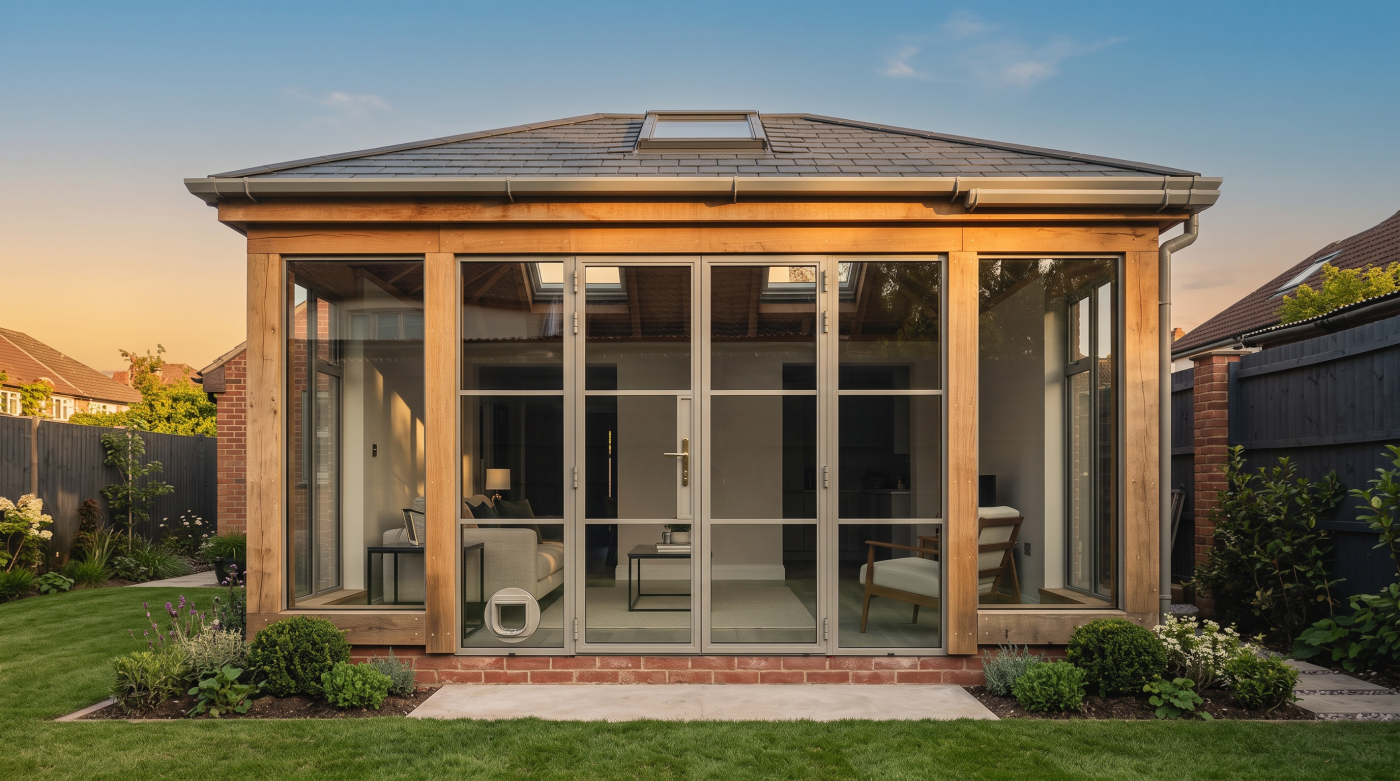
Reducing a glazing budget becomes much easier once there is agreement about what the glazing is supposed to achieve. On one project, the priority may be an uninterrupted view across the garden. On another, it may be thermal comfort, generous daylight or the ability to open a living space onto a terrace. These objectives are not interchangeable, and a saving that has little consequence for one house could undermine the central idea of another.
This is why value engineering should begin with priorities rather than products. If a large opening is fundamental to the relationship between the kitchen and garden, reducing its width or introducing additional frame divisions may save money but weaken something the architecture depends upon. Elsewhere, a bespoke finish, complicated opening arrangement or particular refinement may contribute comparatively little to the experience of the house and can be reconsidered with far less consequence.
The distinction is between protecting outcomes and protecting specifications. It is easy to become attached to a particular window configuration because it appears on the drawings, but there may be several ways to achieve the same architectural objective. An architect and homeowner who agree on what genuinely matters have considerably more freedom to simplify everything around it.
Before asking what can be removed from a glazing package, therefore, decide what should survive the exercise unchanged. Good value engineering does not preserve every original decision. It protects the qualities that give those decisions their purpose. Once that hierarchy is clear, spending less becomes an exercise in judgement rather than indiscriminate compromise.
Find the Expensive Openings Before Making Every Window Cheaper
When a glazing quotation feels too high, reducing the specification of every window by the same amount can seem like the fairest response. It is rarely the most effective one. Glazing costs are often concentrated in a relatively small number of architecturally ambitious openings: a wide sliding door, an oversized picture window, a glazed gable or a configuration involving particularly large panes. Understanding where the budget is actually being spent should come before deciding where savings should be made.
A large garden-facing opening is a useful example. Its cost may be influenced not simply by its overall dimensions, but by the size of individual panes, the number of moving panels and the engineering required to achieve the intended proportions. A modest adjustment to the configuration may therefore produce a more meaningful saving than reducing the specification of numerous conventional windows elsewhere. The architectural question is whether that adjustment preserves what made the opening important in the first place.
This requires looking beyond the total at the bottom of a quotation. If one or two elements account for a disproportionate amount of expenditure, they deserve closer examination. Perhaps the opening can be slightly smaller, the panel arrangement simplified or an expensive piece of complexity removed without materially changing the experience of the room. Equally, the conclusion may be that the opening is worth protecting and savings should be found elsewhere.
Good value engineering is precise rather than indiscriminate. Before making every window cheaper, identify where the money is concentrated and understand why. Only then can the project decide whether that expenditure is essential to the architecture or an opportunity for intelligent simplification.
Simplify Configurations Before You Downgrade Quality
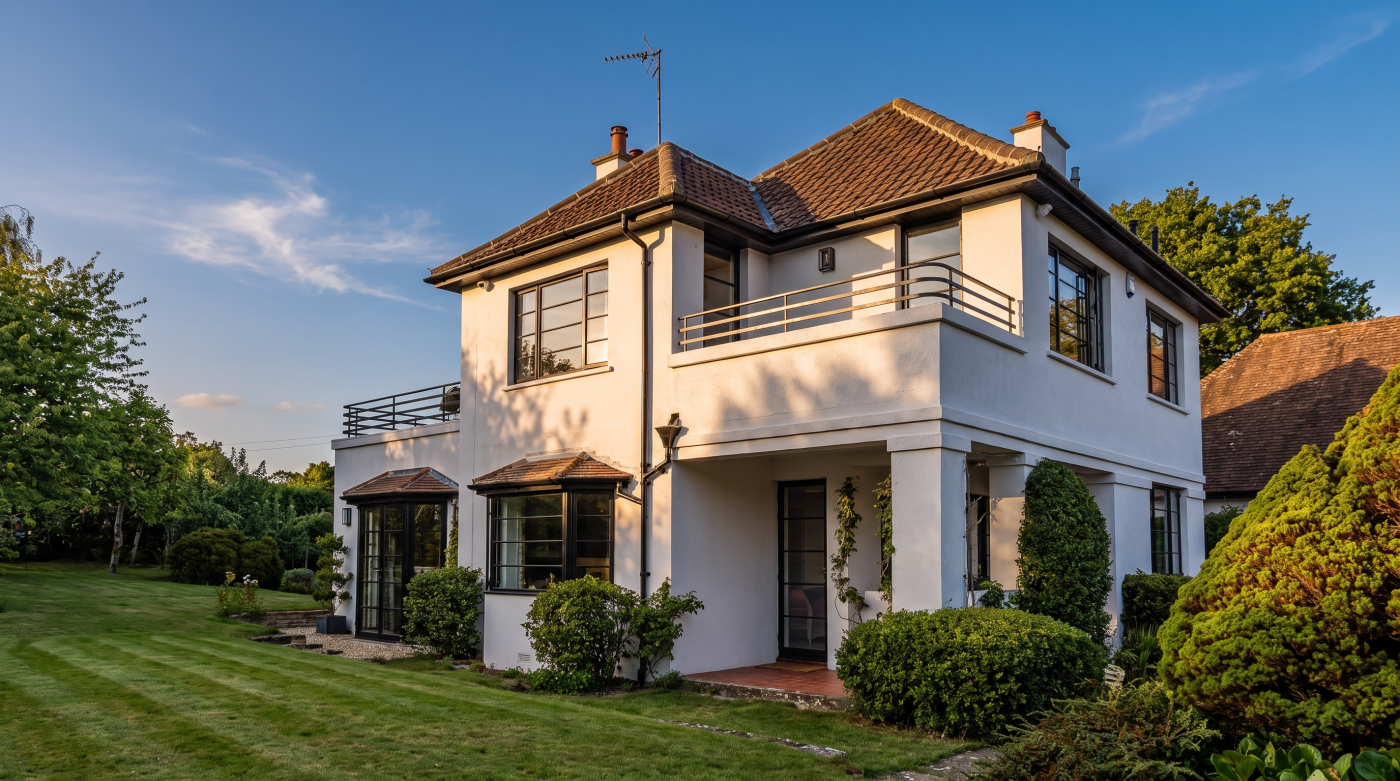
When expenditure needs to fall, it is worth examining whether the glazing can be made simpler before deciding that it must be made cheaper. Window configurations often accumulate complexity during design: additional opening sections are introduced, elevations develop several different arrangements, or bespoke shapes and dimensions are retained without questioning how much they contribute to the finished building. Each decision may be reasonable in isolation, but together they can create a more complicated package than the architecture genuinely requires.
Opening sections are particularly worth considering. A fixed pane is fundamentally simpler than one that needs hinges or other operating hardware, although ventilation, cleaning and practical access must always be taken into account. Where an opening function serves no meaningful purpose, removing it can reduce complexity without diminishing the experience of the room. The same principle applies to unnecessary subdivisions, unusual shapes and small variations between otherwise similar windows.
There can be an architectural advantage to this restraint. Rationalising several window types into a smaller number of well-proportioned configurations can create calmer elevations and greater consistency across the house. What begins as a budget exercise can therefore improve the clarity of the design rather than simply reduce its specification.
This is an important distinction. Replacing a carefully considered window with a lower-quality version while retaining all of its complexity may save money, but it can compromise characteristics the homeowner values. Simplifying the requirement itself is often a more intelligent first move. Before downgrading what is being bought, ask whether every element of what has been designed still needs to be there.
Know Where Frame Divisions Will Matter
One of the more tempting ways to reduce the cost of a large glazed opening is to divide it into smaller sections. Smaller panes can be less demanding to manufacture, handle and support, while alternative configurations may allow a project to move away from a more ambitious specification. Financially, the logic can be perfectly reasonable. Architecturally, the consequences depend almost entirely on where those additional divisions appear.
A mullion introduced into a secondary window may have little effect on the experience of a room. Place the same vertical line across a carefully framed garden view and it can become one of the most noticeable features of the glazing. The difference is difficult to appreciate from drawings alone. On an elevation, an additional frame member may appear relatively insignificant; at full scale, viewed from a dining table or kitchen island every day, it can feel considerably more prominent.
This does not mean uninterrupted glass should always be protected at any cost. Frame divisions can give elevations rhythm and proportion, and in many situations they sit comfortably within the architectural language of the house. The important question is whether the division belongs to the design or has been introduced purely to achieve a lower price.
Before accepting this kind of saving, consider the opening from both sides of the glass. Understand where the frames will sit in relation to important views, furniture and the wider elevation. Additional frame can be an entirely sensible economy in the right place. Where glazing has been designed to create visual openness, however, a saving on the quotation can leave a line in the architecture that remains long after the saving itself has been forgotten.
Specify Performance According to the Building
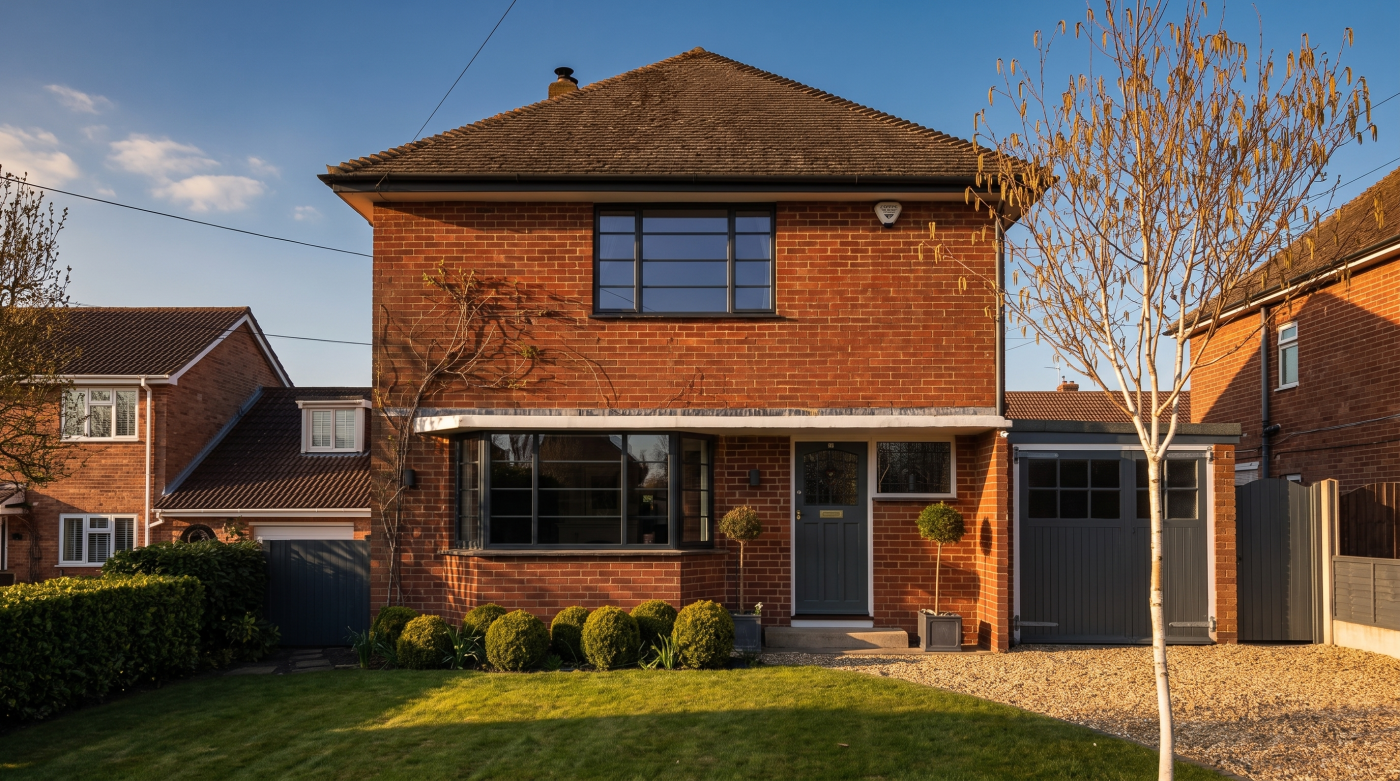
Reducing a glazing budget does not necessarily mean accepting poor performance. It means understanding what level of performance the building actually requires and avoiding the assumption that the highest available specification must automatically be the right one. Thermal values, triple glazing and specialist glass can all justify additional expenditure, but their value depends on the architecture and wider construction in which they are used.
In a highly insulated self-build, for example, the windows form part of a carefully considered building envelope. Better-performing glazing may be important to controlling heat loss and maintaining comfortable internal conditions, particularly where the design incorporates substantial areas of glass. A conventional renovation can present a different situation. If the surrounding walls, roof and other parts of the existing fabric perform more modestly, pursuing exceptional window performance without considering the building as a whole may represent an inefficient use of the available budget.
Specialist glazing requires the same judgement. Acoustic glass has a clear purpose where external noise is significant, while solar-control measures may become valuable where orientation and large glazed areas create an overheating risk. Neither should be treated as a standard upgrade simply because it is available.
The objective is therefore not to reduce performance indiscriminately, but to specify it deliberately. Windows should work with the insulation, airtightness, orientation and energy strategy of the house rather than being considered in isolation. Spend enough to achieve the performance the building genuinely needs, but be cautious about paying for technical capability simply because a specification sheet suggests that more must always be better.
Protect Installation Before Cosmetic Upgrades
When a glazing budget is under pressure, visible upgrades can easily receive more attention than the less conspicuous work required to integrate the windows properly into the building. Finishes, handles and other aesthetic choices are immediately understandable because they can be seen and compared. Installation quality is different. Much of what determines whether a window performs successfully will eventually disappear behind plaster, insulation, membranes and external finishes.
Those concealed details matter. The junction between the frame and surrounding construction needs to work with the building’s approach to weather protection, insulation and airtightness. Thresholds need to relate properly to internal floors and external surfaces, while the position of the window within the opening can influence how neatly surrounding materials are resolved. A sophisticated window cannot compensate for fundamental weaknesses in these interfaces.
This creates a useful hierarchy when expenditure has to be reduced. A particular finish, handle or optional refinement may be desirable, but it should not take precedence over the quality of the installation required to make the window work as intended. The same applies to ambitious visual details that introduce additional complexity without materially improving the architecture. Removing an enhancement is very different from removing something essential to the performance of the completed assembly.
Good value engineering therefore protects the fundamentals first. Some of the least visible parts of a glazing specification can have the greatest influence on its long-term success. If compromises are necessary, it is generally more sensible to reconsider discretionary refinements than to economise on the work that keeps the glazing secure, weather-resistant, thermally coherent and properly integrated with the building.
Value Engineer Early Enough to Have Good Choices
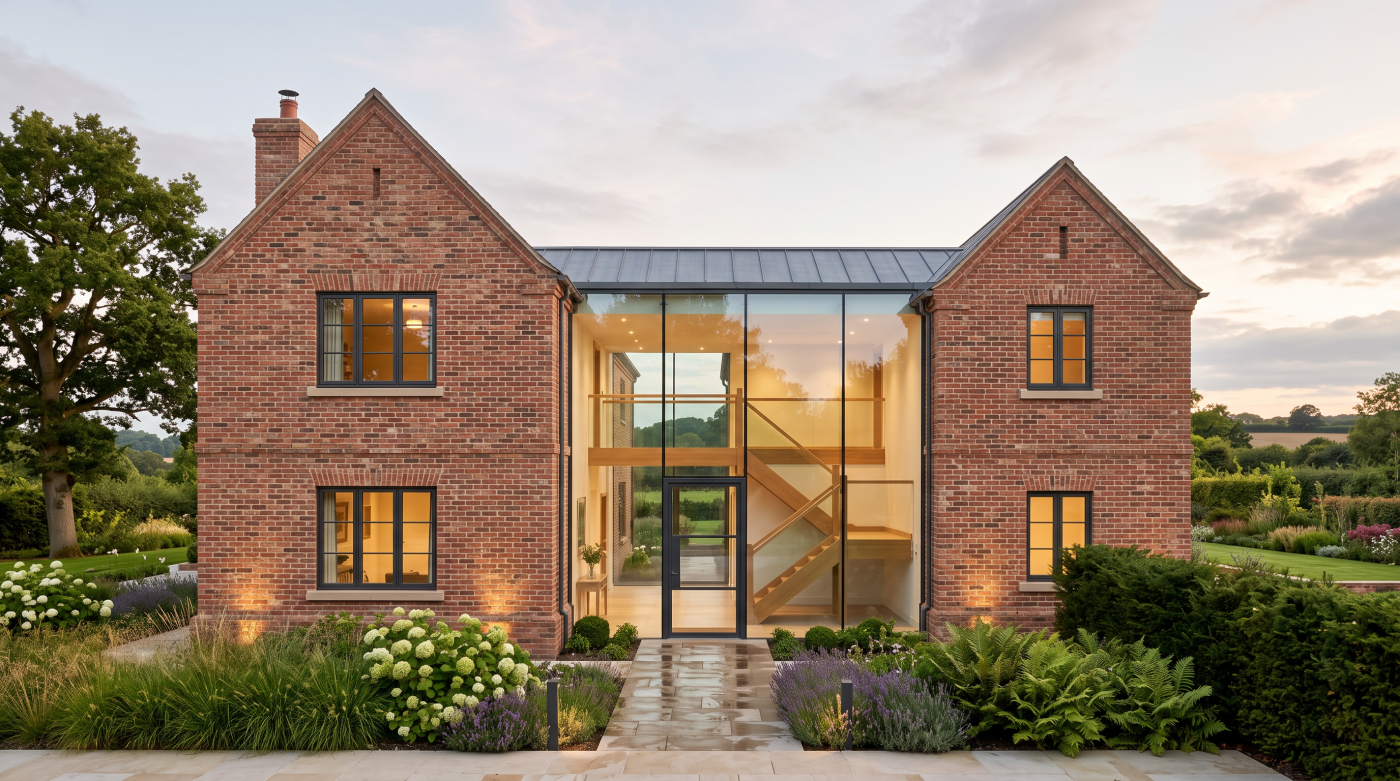
The point at which a glazing budget is reduced can be almost as important as the amount that needs to be saved. While a project is still developing, dimensions can be adjusted, configurations simplified and relationships between openings reconsidered without necessarily disturbing the architectural idea. Once planning drawings, structural openings, floor levels and surrounding details have become fixed, many of those choices are no longer available.
Early value engineering therefore allows the design itself to participate in controlling cost. A large opening might be rationalised slightly while preserving the view it was intended to frame. A complicated arrangement of panels might be simplified before the structure has been designed around it. Similar windows might be brought into a more consistent configuration. These decisions can remove genuine complexity rather than simply replacing a resolved specification with a cheaper version at the end of the process.
This is where coordination between the homeowner, architect, builder and glazing specialist becomes particularly useful. The objective is not to allow the glazing budget to dictate the architecture, but to understand the financial consequences of important decisions while there is still enough flexibility to respond intelligently.
Late value engineering tends to offer a narrower set of choices. If the opening cannot change, the structure is established and the architectural arrangement must remain, savings are more likely to come from reducing the specification itself. Sometimes that is unavoidable. But where possible, the better approach is to address cost while design remains fluid. Early value engineering can reshape the solution; late value engineering is more likely to compromise it.
Spend Less Where You Won’t Notice—and Protect Where You Will
The most successful way to reduce a glazing budget is rarely to make every window slightly cheaper. It is to understand where expenditure contributes meaningfully to the architecture and where it does not. A principal opening that frames a landscape, brings daylight deep into a living space or creates the connection between house and garden may justify protecting. A complicated configuration in a secondary room, an unnecessary opening section or a discretionary finish may be much easier to reconsider.
This can result in a glazing package with deliberately different levels of investment. That is not inconsistency. Windows perform different roles, and there is little reason to assume that each should command the same proportion of the budget. What matters is that the overall composition remains coherent and that performance is appropriate to the building. Simplification can then happen selectively, without allowing cost reduction to erode the architectural idea one small compromise at a time.
Certain fundamentals deserve particular protection. Installation, weathering and the relationship between glazing and the wider building envelope should not become casualties of cosmetic priorities. Equally, changes to sightlines or glass divisions should be considered carefully where they affect important views. Elsewhere, complexity and optional refinements can often be reduced with surprisingly little consequence.
Spending less without regretting it is ultimately an exercise in discrimination. The aim is not to preserve every original choice, nor to pursue the lowest possible quotation. It is to remove expenditure that contributes little while retaining the qualities that will still matter when the project is complete. The best savings are often the ones the homeowner never notices; the best investments are the ones they continue to appreciate every day.