
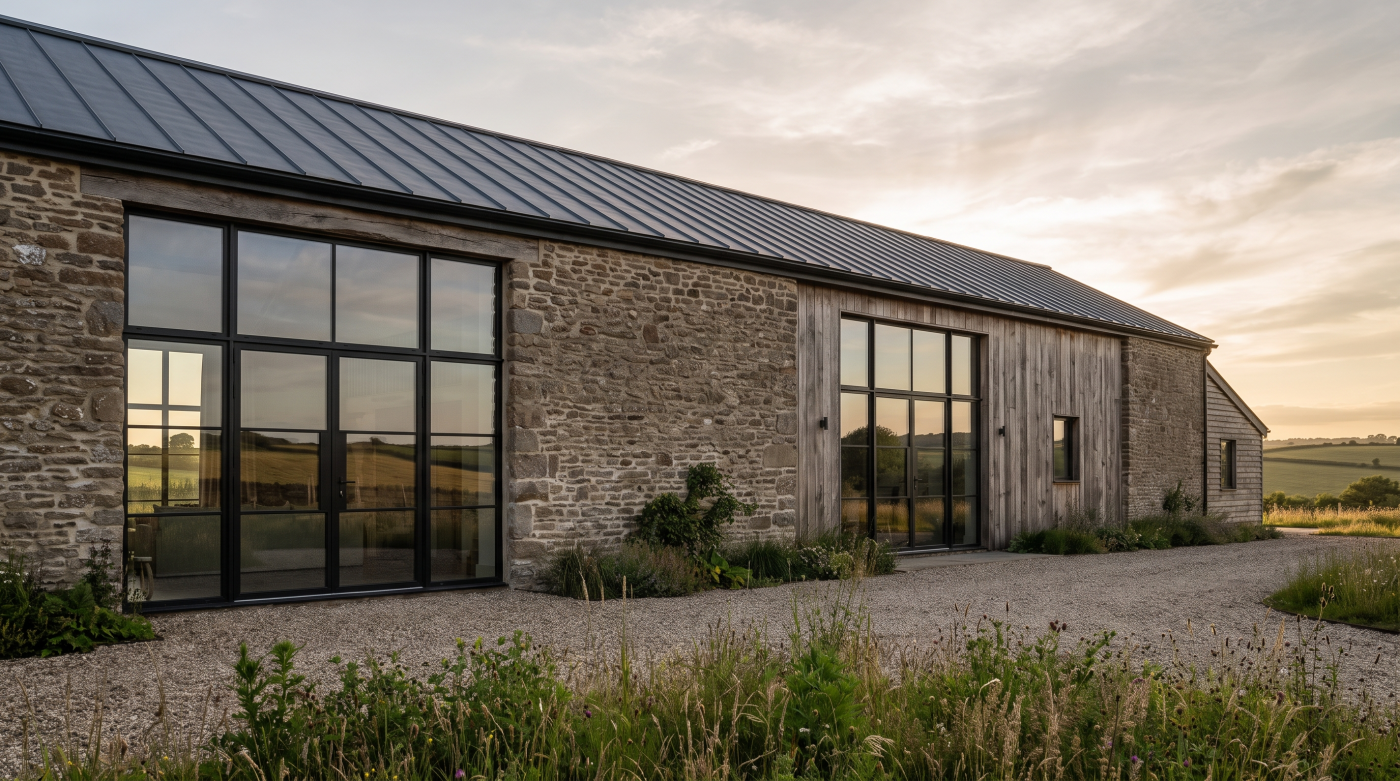
Section 1: Have You Agreed the Right Specification—Not Just the Right Product?
Paying a deposit often feels like the point where a glazing project becomes official. The decisions appear to have been made, the products selected and the installation begins to feel real. Yet architects rarely think of this stage as simply ordering windows and doors. Instead, they see it as confirming a complete specification—a detailed agreement about exactly what will be manufactured, installed and expected to perform for decades to come. Before committing financially, they make certain the specification is fully understood, not just the product name on the quotation.
This distinction matters because a product is only one part of the overall project. Two homeowners may both order aluminium sliding doors, yet receive systems with entirely different glazing specifications, hardware, finishes, threshold details and performance characteristics. On paper the products may appear similar, but the finished experience of living with them could be very different. The specification defines the outcome, not the headline description.
One of the first areas to confirm is the glazing itself. Modern glazing offers numerous options relating to thermal performance, solar control, acoustic insulation, privacy and safety. These choices influence the comfort of the home every day, affecting how rooms feel throughout the changing seasons and how effectively the building responds to its environment. Architects ensure these decisions are fully understood before manufacturing begins because changing them later is rarely straightforward.
Frame colours and finishes deserve equal attention. Powder-coated aluminium, composite materials and specialist finishes all contribute to the architectural character of the building. External colours may have been selected to complement brick, stone or render, while internal finishes may support the interior design of the home. Confirming these details before paying a deposit avoids uncertainty later and ensures every finish aligns with the overall architectural vision.
Hardware is another area where homeowners sometimes underestimate the importance of specification. Handles, hinges, locking systems and operating mechanisms influence how windows and doors feel every time they are used. These components contribute not only to appearance but also to everyday comfort, security and long-term reliability. Architects treat hardware as part of the design rather than an optional accessory because it shapes the experience of living with the glazing long after installation has been completed.
Opening configurations should also be confirmed with care. Which panels slide? Which windows open? In which direction will doors fold or swing? These decisions affect circulation, furniture layouts, ventilation and the relationship between interior and exterior spaces. They may seem like practical details, but they have a lasting influence on how naturally the home functions every day.
Thresholds often deserve closer attention than many homeowners initially expect. Flush thresholds, weathered thresholds and accessibility requirements all influence the appearance and performance of entrances and large glazed openings. Architects coordinate these details with floor finishes, drainage and external landscaping to ensure the completed transition feels effortless while continuing to perform reliably throughout changing weather conditions.
Drawings provide perhaps the clearest way to confirm the final specification. Rather than relying solely on written quotations, architects carefully review elevations, plans and technical drawings to ensure every dimension, opening arrangement and design detail reflects what has been agreed. Visual confirmation reduces the risk of misunderstandings because everyone involved is working from the same information before manufacturing begins.
For homeowners, this is one of the most valuable questions to ask before paying a deposit: Do I know exactly what is being manufactured? If the answer is yes, the project is already built on stronger foundations. If any uncertainty remains, this is the ideal moment to ask for clarification. Good glazing suppliers welcome these conversations because they understand that confidence comes from clarity. A deposit should confirm a specification that everyone fully understands—not simply secure a product that still leaves important questions unanswered.
Section 2: Are You Clear About What Happens Next?
Once a deposit has been paid, many homeowners assume the difficult decisions are over. In reality, the project is entering one of its most important phases. Manufacturing, surveying, installation and site coordination all lie ahead, and each stage depends on clear communication between the homeowner, supplier, architect and builder. Architects understand that uncertainty rarely comes from the complexity of the work itself—it usually comes from not knowing what happens next.
This is why experienced suppliers spend time explaining the journey before manufacturing begins. Paying a deposit is not simply authorising production; it is committing to a carefully coordinated process that transforms drawings and specifications into completed architectural glazing. Understanding each stage allows homeowners to approach the project with confidence rather than wondering what happens after the paperwork has been signed.
The first step is usually the final survey. Although dimensions may already exist on architectural drawings, the final site survey confirms that the structural openings have been completed accurately and are ready for manufacture. This stage verifies critical measurements, identifies any changes that have occurred during construction and ensures the glazing will be manufactured to suit the finished building rather than the original design drawings. Architects treat this survey as an essential safeguard because it provides the last opportunity to confirm accuracy before production begins.
Manufacturing follows once the survey has been approved and the specification has been finalised. Unlike standard products held in stock, made-to-measure glazing is engineered specifically for the project. Every frame, pane of glass, finish and hardware component is manufactured according to the agreed specification. This process takes time because precision cannot be rushed. Homeowners who understand this appreciate that lead times reflect careful engineering rather than unnecessary delay.
Clear expectations regarding lead times are therefore essential. Every project differs depending on product complexity, manufacturing schedules, specialist finishes and seasonal demand. Rather than focusing solely on an estimated installation date, experienced suppliers explain the broader timeline so homeowners understand how manufacturing fits within the wider construction programme. This transparency helps builders, architects and other trades coordinate their work more effectively.
Communication becomes particularly valuable throughout this period. Construction projects naturally evolve, and homeowners often appreciate regular updates confirming progress, expected delivery dates and any adjustments to the programme. Good suppliers maintain contact rather than leaving clients uncertain about the status of their order. Even when nothing has changed, clear communication builds confidence because homeowners know the project is progressing as planned.
Site preparation is another aspect that deserves attention before installation begins. Large glazing systems often require access routes to remain clear, structural work to be completed, scaffolding to be available or internal finishes to reach an appropriate stage. Architects coordinate these requirements carefully because successful installation depends upon the building being ready to receive the glazing. Understanding these preparations in advance helps avoid unnecessary delays once the products arrive on site.
Scheduling installation involves more than simply agreeing a convenient date. Weather conditions, site access, specialist lifting equipment and the availability of other trades all influence how the installation programme is organised. Experienced suppliers work collaboratively with builders and project managers to ensure glazing is installed at the right moment within the wider construction sequence. Good planning protects both the products and the quality of the finished building.
This professional approach explains why architects always seek clarity about the process before committing to manufacture. Every stage builds upon the previous one, and understanding how they connect reduces uncertainty while strengthening confidence in the project as a whole. Homeowners are not simply waiting for windows and doors to arrive—they are participating in a carefully managed process that has been designed to achieve the best possible outcome.
Before paying a deposit, one of the most reassuring questions you can ask is: Can you explain exactly what happens next? A knowledgeable supplier will be able to describe every stage clearly, from surveying and manufacturing to installation and aftercare. When you understand the journey ahead, paying a deposit feels less like taking a leap of faith and more like confidently beginning a well-planned partnership.
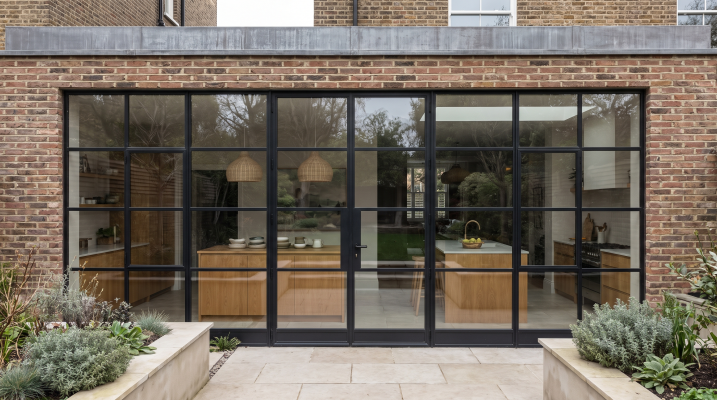
Section 3: Have All the Technical Decisions Been Finalised?
One of the most common causes of delays and unexpected costs in glazing projects is not poor manufacturing or installation—it is changing technical decisions after manufacturing has begun. Once a bespoke glazing system enters production, many of the design choices become fixed. This is why architects work carefully to ensure every important technical detail has been agreed before authorising manufacture. Paying a deposit should follow technical clarity, not precede it.
Structural openings are usually the first area to confirm. Although architectural drawings establish the intended dimensions, construction work can introduce small variations as the project progresses. Walls may be adjusted, openings refined or structural elements repositioned to accommodate practical realities on site. Before manufacturing begins, architects ensure these openings accurately reflect the finished building rather than relying solely on earlier design information.
Steelwork often plays an equally important role, particularly on contemporary homes with large areas of glazing. Sliding doors, corner windows and expansive picture glazing frequently rely on structural steel to support the weight of the building above. Any alterations to beam sizes, positions or structural calculations can influence the dimensions and installation of the glazing itself. Coordinating these elements before production helps prevent expensive redesigns later in the project.
Floor levels deserve careful attention as well. Even relatively small changes to finished floor heights can affect threshold details, sightlines and the operation of large glazed doors. Flush thresholds, in particular, require precise coordination between structural construction, insulation, drainage and floor finishes. Architects confirm these relationships before manufacture because adjustments become significantly more difficult once products have been fabricated.
Threshold design is closely connected to accessibility, weather performance and the everyday experience of moving through the home. Whether the project requires a flush threshold for seamless indoor-outdoor living or a weathered threshold suited to more exposed conditions, the decision should be fully resolved before manufacturing begins. These details influence both the appearance and long-term performance of the glazing system.
Building regulations also form part of the wider technical picture. Safety glazing, ventilation requirements, thermal performance and means of escape all influence the specification of windows and doors. Architects coordinate these requirements during the design process to ensure compliance is achieved without compromising the architectural ambitions of the project. Confirming these matters before placing an order reduces the likelihood of costly revisions later.
Drainage is another technical consideration that often remains invisible once the project is complete. External levels, threshold drainage and water management systems all need to work together to protect the building from moisture while maintaining clean architectural detailing. These components are carefully integrated into the specification long before manufacturing starts because effective drainage depends on coordination between the glazing and the surrounding construction.
Internal and external finishes also deserve final confirmation. Floor finishes, plaster reveals, external cladding, render details and landscaping all meet the glazing at critical junctions. Small adjustments to these finishes can influence installation details, sightlines and overall appearance. Architects therefore review these interfaces carefully so that every component aligns with the agreed design before production is authorised.
The reason for this careful coordination is simple: bespoke glazing is manufactured specifically for one building. Unlike standard products that may be adjusted or exchanged, custom-made systems are designed around precise technical information. Once production begins, opportunities for significant changes become increasingly limited because every component has been engineered to suit the agreed specification.
Before paying a deposit, one of the most valuable questions you can ask is: Have all the technical decisions been finalised? If the answer is yes, manufacturing can proceed with confidence. If uncertainty still exists around structural openings, floor levels, thresholds or construction details, resolving those issues first will almost always save time, money and unnecessary stress later. Careful technical coordination is not about delaying the project—it is about protecting it.
Section 4: What Is Included—and What Isn’t?
One of the simplest ways to avoid misunderstandings during a glazing project is to establish exactly what is included before paying a deposit. Architects know that assumptions can be surprisingly expensive. Two quotations may appear to cover the same work while differing significantly in what is actually being provided. The price itself tells only part of the story. Understanding the scope of the project is what allows homeowners to compare proposals with confidence.
Installation is usually the first point to clarify. Some suppliers provide a complete supply-and-installation service, while others may supply products only or work alongside independent installation teams. Before committing, homeowners should understand who is responsible for fitting the glazing, how installation will be managed and who will coordinate with other trades on site. Clear responsibility helps ensure the project progresses smoothly from delivery through to completion.
If existing windows and doors are being replaced, it is equally important to confirm whether their removal forms part of the agreed scope. Some quotations include careful removal and disposal of old glazing, while others assume this work will be completed separately. Knowing who is responsible avoids unnecessary delays and ensures the site is prepared properly before installation begins.
Making good is another area where expectations can vary. Installing new glazing often affects surrounding plasterwork, internal reveals, external finishes or decorative surfaces. Some suppliers include limited making good as part of the installation, while more extensive repairs or redecorating may remain the responsibility of other trades. Architects clarify these details early because the appearance of the finished project depends on understanding where one contractor’s responsibilities end and another’s begin.
Waste removal should not be overlooked either. Old frames, glass, packaging materials and protective coverings all need to be removed from site responsibly. While many professional installers include waste disposal within their service, homeowners should confirm this before placing an order rather than assuming it forms part of every quotation.
Access requirements may also influence the overall project. Large glazing systems sometimes require cranes, specialist lifting equipment or additional labour depending on the size of the products and the characteristics of the site. If these requirements exist, it is important to establish whether they are already included within the quotation or whether they represent separate costs. Understanding these practical considerations helps avoid unexpected financial surprises during installation.
Decorations and final finishes are often another source of misunderstanding. New glazing may require repainting, replastering, flooring adjustments or external landscaping once installation has been completed. These works are commonly managed by builders or decorators rather than glazing specialists. Knowing where the glazing contract ends allows homeowners to coordinate the remaining trades more effectively and maintain realistic expectations for project completion.
VAT and optional extras also deserve careful attention. Homeowners should understand whether quotations include VAT, delivery, specialist finishes, upgraded glazing options, enhanced security features or additional accessories such as blinds, integrated screens or smart controls. These items can influence the final investment significantly, particularly on larger projects, so confirming them before paying a deposit ensures the agreed budget accurately reflects the finished specification.
The reason architects review these details so carefully is simple. Successful projects rely on clarity. Every party should understand precisely what has been agreed, what responsibilities each contractor will undertake and where any exclusions apply. This shared understanding creates confidence because there is far less room for conflicting expectations as the project progresses.
Before paying a deposit, ask one straightforward question: Can you clearly explain exactly what is included—and what isn’t? A professional glazing supplier should welcome this conversation and provide transparent answers. The more clearly the scope is defined before manufacturing begins, the smoother the project is likely to be from installation through to final completion.

Section 5: What Happens If the Project Changes?
Few construction projects progress exactly as they were first imagined. Designs evolve, site conditions reveal unexpected challenges and homeowners often refine their ideas as they begin to see the building take shape. Architects expect this. They know that change is a normal part of creating a well-designed home, not necessarily a sign that something has gone wrong. The important question is not whether changes will occur, but how they will be managed if they do.
This is why experienced glazing suppliers discuss flexibility before manufacturing begins rather than waiting until problems arise. Paying a deposit marks an important milestone because it allows surveying, technical approval and eventually manufacturing to proceed. However, it also changes what can realistically be altered. Understanding when changes remain possible—and when they become increasingly difficult—helps homeowners make informed decisions with confidence.
Design revisions are perhaps the most common example. During a renovation or self-build, homeowners sometimes decide they would prefer a wider opening, a different door configuration or an alternative frame colour after reviewing the evolving design. These refinements are perfectly natural, but their feasibility depends entirely on where the project sits within the manufacturing process. Changes discussed before production begins are often far easier to accommodate than those requested once fabrication is underway.
Site changes can have a similar impact. Structural openings may require minor adjustments, floor levels may differ slightly from the original drawings or steelwork may be modified during construction. Architects carefully coordinate these developments because bespoke glazing is manufactured specifically for the finished building, not the original concept. Keeping suppliers informed of site changes as early as possible helps prevent unnecessary delays and ensures the final survey accurately reflects the completed structure.
Construction programmes are also rarely fixed. Weather, material availability and the coordination of multiple trades can all influence installation schedules. Professional glazing suppliers understand these realities and work collaboratively with builders and project managers to adjust delivery and installation where practical. Clear communication becomes particularly important during this stage because it allows everyone involved to respond calmly rather than react under unnecessary pressure.
It is equally valuable to understand how variations are managed. Occasionally, genuine changes to the specification become necessary after the original order has been agreed. Homeowners should know how these requests will be assessed, whether additional costs may apply and at what point manufacturing commitments make significant alterations impractical. Transparent conversations at the outset prevent misunderstandings later and allow everyone to make informed decisions if circumstances change.
The stage of manufacturing is often the defining factor. Before production begins, there is generally greater flexibility to refine technical details or confirm final design decisions. Once bespoke frames, glazing units and hardware have entered manufacture, however, every component is being produced specifically for that project. At this point, substantial changes may involve additional manufacturing, revised lead times or replacement components because the products can no longer be treated as standard stock items.
This is not intended to discourage thoughtful decision-making. On the contrary, architects encourage homeowners to ask questions and refine their ideas before manufacturing starts. The goal is to ensure confidence before production begins rather than introducing uncertainty afterwards. Good suppliers support this process by providing clear advice about what can be adjusted, when decisions need to be finalised and how any necessary changes will be managed professionally.
Perhaps the most reassuring projects are those where change has already been anticipated. Experienced suppliers recognise that construction is dynamic, and they build communication, flexibility and technical support into their way of working. Rather than viewing every adjustment as a problem, they help guide the project through changing circumstances while protecting the quality of the finished home.
Before paying a deposit, ask one important question: What happens if something changes? A confident supplier will explain the process openly, outlining how design revisions, programme adjustments and site developments are managed throughout the project. Knowing the answer before you commit creates far greater confidence than discovering it after manufacturing has already begun. Ultimately, the best partnerships are not defined by the absence of change—they are defined by how well everyone responds when change inevitably occurs.
Section 6: Who Will Support You After Installation?
When a glazing project is complete, it is tempting to think the relationship with the supplier has come to an end. The windows and doors have been installed, the building looks transformed and attention naturally shifts towards enjoying the finished home. Architects, however, view installation as the beginning of long-term ownership rather than the end of the project. The quality of support available after completion is often just as important as the quality of the installation itself.
Windows and doors are expected to perform reliably for decades. Throughout that time they will be opened thousands of times, exposed to changing weather conditions and become part of everyday life. While premium glazing systems are designed for exceptional durability, homeowners should feel confident that knowledgeable support remains available whenever it is needed. This ongoing relationship is one of the clearest signs that a supplier values long-term partnerships rather than one-off transactions.
Guarantees provide the first level of reassurance, but it is worth looking beyond the length of the warranty itself. A guarantee is only meaningful if the company providing it is committed to honouring it. Architects therefore consider not only what is covered, but also who stands behind the products, how claims are managed and whether the supplier has an established reputation for supporting customers over many years. Confidence comes from knowing there are experienced people available if assistance is ever required.
Servicing is another important aspect of long-term ownership. Modern glazing systems are engineered to operate smoothly for many years, but like any precision-engineered product they may occasionally benefit from adjustment or routine maintenance. Hinges, rollers, locking mechanisms and seals all experience regular use, and periodic servicing helps ensure they continue performing as intended. Suppliers who offer ongoing servicing demonstrate that they see installation as part of a continuing relationship rather than the final stage of a sale.
Maintenance guidance also deserves attention. Homeowners do not need specialist technical knowledge, but they do benefit from understanding how to care for their glazing correctly. Advice on cleaning finishes, operating hardware, maintaining drainage channels or inspecting seals helps preserve performance while reducing unnecessary wear over time. Good suppliers provide this information clearly because they want their products to continue looking and performing at their best long after installation.
Replacement parts form another important consideration. Even the highest-quality systems may eventually require new handles, hinges, rollers or other components after many years of service. Suppliers with strong manufacturer relationships and long-term product support can often source replacement parts efficiently, ensuring repairs can be completed without compromising the appearance or performance of the glazing. Knowing this support exists provides reassurance that extends far beyond the original installation.
Technical advice can also remain valuable as the home evolves. Homeowners may undertake future renovations, install additional shading, upgrade security systems or simply have questions about operating their glazing more effectively. A supplier willing to provide ongoing guidance demonstrates a commitment to helping the building perform well throughout its life rather than limiting support to the initial purchase.
Perhaps the greatest benefit of strong aftercare is peace of mind. Homeowners should never feel uncertain about who to contact if they have a question or concern several years after installation. Whether the issue involves servicing, maintenance or technical clarification, knowing that experienced support remains available removes much of the anxiety that can accompany significant home improvements. Architects value suppliers who inspire this confidence because they understand that trust continues long after construction has finished.
This long-term perspective reflects the way architects think about specification itself. Windows and doors are not temporary products; they are permanent architectural elements that influence comfort, security and enjoyment of the home for decades. Choosing a supplier who remains engaged after installation protects that investment and ensures the products continue performing as they were originally intended.
Before paying a deposit, ask one simple but revealing question: Who will support me after the installation is complete? The answer often says more about the quality of the company than the products they supply. The best glazing partners remain available long after the final installation team has left the site, providing the expertise, reassurance and ongoing support that turn a successful project into a lasting investment.

Section 7: Do You Feel Confident—or Simply Ready to Get Started?
There comes a point in every renovation, extension or self-build where homeowners simply want to move forward. Months of planning, countless design decisions and repeated conversations with suppliers can make it tempting to approve the quotation, pay the deposit and finally see visible progress on site. Architects understand this feeling well. However, they also know there is an important difference between feeling ready to begin and feeling genuinely confident in the decisions that have been made.
Confidence comes from understanding. Homeowners who fully understand the specification, the installation process and the people delivering the project rarely feel rushed. They ask questions because they want clarity, not because they lack trust. In fact, experienced suppliers often welcome these conversations because informed clients tend to enjoy smoother projects with fewer misunderstandings later.
Feeling under pressure is often a sign that important questions remain unanswered. Sometimes the pressure comes from construction deadlines, sometimes from concerns about lead times, and occasionally from the natural excitement of wanting to complete the project as quickly as possible. While these pressures are understandable, they should never replace careful decision-making. A glazing system expected to remain part of the home for thirty years deserves a little more consideration than a decision made simply to keep the programme moving.
Architects often encourage homeowners to pause and ask themselves a simple question: If the products were being manufactured tomorrow, would I still feel completely comfortable with every decision that has been made? This question shifts attention away from deadlines and towards understanding. If uncertainty remains about colours, opening configurations, thresholds, glazing performance or installation, it is usually worth resolving those issues before manufacturing begins rather than hoping they will become clearer afterwards.
Trust also plays an important role. A confident homeowner is not someone who knows every technical detail of modern glazing. Instead, it is someone who trusts the expertise of the professionals involved because those professionals have explained the project clearly, answered questions openly and demonstrated genuine understanding of the home’s architectural ambitions. Trust is built through communication, not assumption.
This is why the best glazing suppliers rarely rely on pressure selling. They understand that windows and doors represent significant long-term investments, and they expect homeowners to think carefully before committing. If additional drawings, technical explanations or site visits help someone make a more informed decision, experienced suppliers generally see that as time well spent. Their objective is not simply to secure an order but to ensure the project begins with confidence on both sides.
Clarity is often the strongest indicator that the project is ready to proceed. Homeowners should understand what has been specified, why those decisions have been made, what happens after the deposit is paid and who will remain responsible throughout the project. When those questions have been answered, paying a deposit feels less like taking a financial risk and more like confirming a carefully considered plan.
It is also worth remembering that asking additional questions should never be viewed as a sign of doubt. Architects ask questions throughout every stage of a project because good buildings are created through careful collaboration and thoughtful decision-making. Homeowners should feel equally comfortable seeking clarification whenever something remains unclear. The right supplier will see those conversations as part of delivering an exceptional project rather than an inconvenience.
Ultimately, the goal before paying a deposit is not simply to feel eager to begin—it is to feel confident about what comes next. The projects that progress most successfully are usually those where homeowners understand the specification, trust the people involved and feel reassured that every important decision has been made with care. Confidence, not urgency, is the strongest foundation for a successful glazing project, and it is well worth taking the time to achieve before making a long-term commitment.
Section 8: The Best Deposits Buy Confidence, Not Just Products
By the time a homeowner reaches the point of paying a deposit, it can feel as though the most important decisions are behind them. The products have been chosen, the quotation has been accepted and the project is finally ready to move forward. Yet architects see this moment rather differently. A deposit is not simply the first payment towards a set of windows and doors—it is a commitment to an entire process, a professional relationship and the long-term success of the home itself.
This is why experienced homeowners often judge the decision by how confident they feel rather than how quickly they can proceed. Confidence comes from understanding every stage of the journey ahead. It comes from knowing the specification has been agreed, the technical details have been coordinated, the installation process has been explained and the people delivering the project have demonstrated the expertise needed to support it successfully. When these foundations are in place, paying a deposit becomes a logical next step rather than a leap of faith.
The quality of the partnership also matters enormously. Windows and doors are expected to remain part of a home for decades, and the supplier chosen today may continue supporting those products long into the future. Architects therefore value companies that see themselves as long-term partners rather than short-term vendors. The relationship does not end when manufacturing begins or even when installation is complete. It continues through servicing, technical advice, future maintenance and the reassurance that experienced support remains available whenever it is needed.
Clarity plays an equally important role. The projects that progress most smoothly are rarely those without challenges—they are the ones where everyone understands what has been agreed before manufacturing starts. Specifications are confirmed, responsibilities are clear, timelines have been explained and expectations are aligned. This transparency creates confidence because homeowners know exactly what they are committing to and what they can expect as the project develops.
It is also worth remembering that good suppliers welcome questions. They recognise that informed homeowners make better long-term decisions and experience fewer uncertainties once the project is underway. If clarification is needed regarding specifications, lead times, guarantees or installation, the best time to ask is before the deposit is paid—not after bespoke products have entered production. Questions are not obstacles to progress; they are part of creating successful projects.
Trust ultimately becomes the deciding factor. Homeowners rarely regret asking for additional information or taking a little more time to understand the project fully. They are far more likely to appreciate having chosen a supplier who communicated openly, answered difficult questions honestly and demonstrated genuine commitment to the success of the home rather than simply securing an order. That trust becomes the foundation upon which every later stage of the project is built.
This reflects the way architects approach every major specification decision. Products matter, but people matter just as much. A well-designed glazing system achieves its full potential only when supported by knowledgeable advice, careful planning, skilled installation and reliable aftercare. Paying a deposit therefore represents confidence in the complete process, not simply confidence in the products themselves.
For homeowners, perhaps the most valuable question before making that commitment is also the simplest: Do I understand everything I need to know before saying yes? If the answer is yes, then the deposit becomes more than a financial transaction. It becomes confirmation that the project has been thoughtfully planned, professionally coordinated and entrusted to people capable of delivering it well.
Ultimately, the best deposits do not simply purchase windows and doors. They buy confidence, clarity and the reassurance that the journey ahead has been built on understanding rather than assumption. Homeowners who take the time to ask the right questions before committing rarely regret doing so. Instead, they begin their projects with something far more valuable than certainty about a product—they begin with confidence in the entire partnership that will help transform their house into the home they set out to create.