
Understanding What Each Door Is Designed to Do
Comparing sliding, bifold and French doors often begins with a simple question: Which one is best? Architects tend to ask a different question altogether: What is the door trying to achieve? This shift in perspective is important because each system has been developed to solve a different architectural challenge. Rather than competing directly, sliding, bifold and French doors each offer distinct strengths depending on the character of the home, the way the space will be used and the relationship between the interior and the garden.
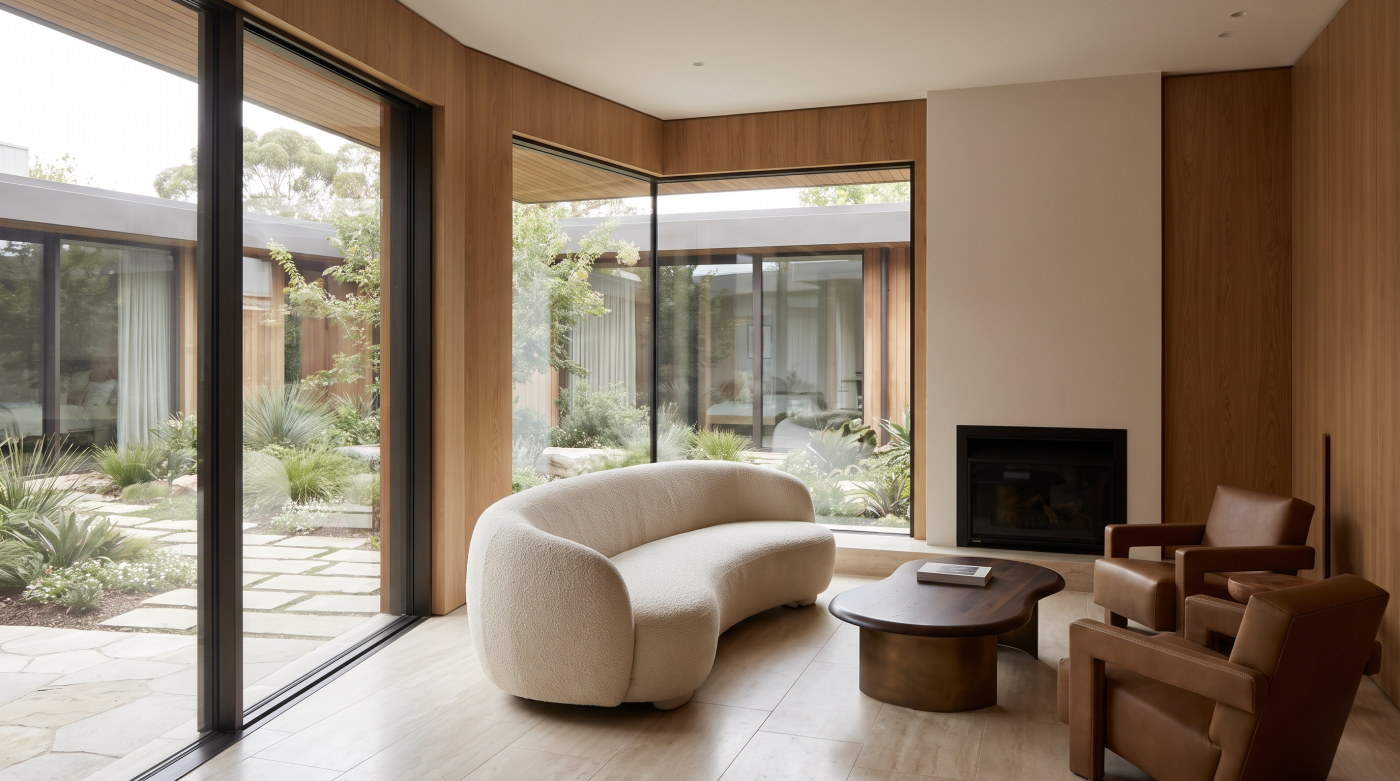
Sliding doors are designed to maximise glass and preserve uninterrupted views. Large glazed panels move horizontally behind one another, allowing for expansive openings while maintaining slim sightlines. This makes them particularly well suited to contemporary homes where natural light, panoramic views and clean architectural lines are priorities. Even when closed, sliding doors maintain a strong visual connection with the landscape, making them popular for properties with gardens, countryside views or coastal settings.
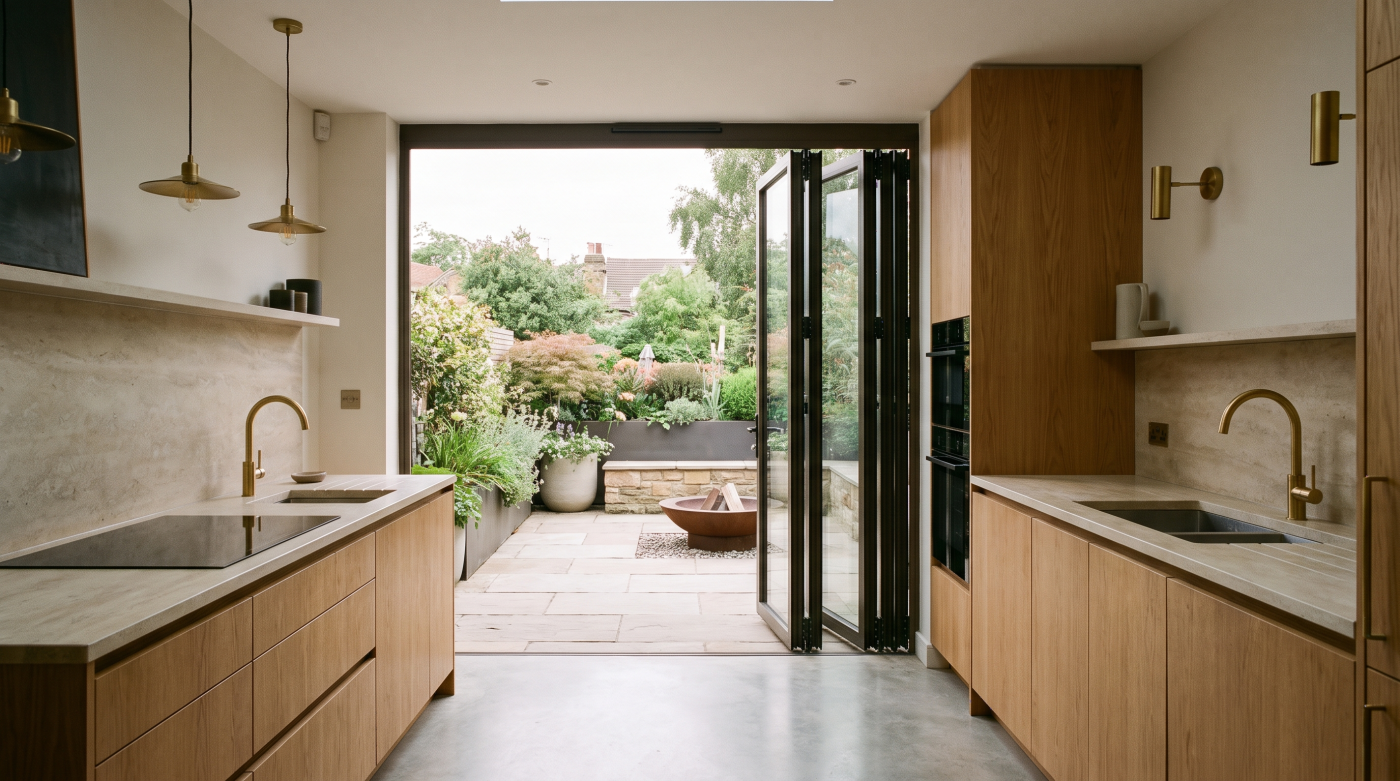
Bifold doors prioritise flexibility. Rather than sliding behind one another, multiple panels fold neatly to one or both sides of the opening, allowing a much larger proportion of the wall to be opened. This makes them especially attractive for homeowners who enjoy entertaining or want to blur the boundary between indoor and outdoor living during warmer months. Their ability to create a wide, open transition has made them a defining feature of many modern kitchen extensions and garden-facing living spaces.
French doors take a more traditional approach. Usually consisting of two hinged doors that open from the centre, they offer a timeless appearance that suits period homes, cottages and many traditional extensions. Although they generally create a smaller opening than sliding or bifold systems, they provide straightforward operation, balanced proportions and a style that has remained popular for generations. They can also work exceptionally well in homes where preserving architectural character is just as important as improving access to the garden.
Understanding these fundamental differences makes every comparison that follows much easier. Sliding doors focus on views, bifold doors focus on openness and French doors focus on simplicity and timeless design. None is inherently better than the others. Each has evolved to meet different architectural needs, and choosing the right one begins with understanding the purpose it was designed to fulfil.
Which Door Creates the Best Connection to the Garden?
One of the main reasons homeowners replace patio doors is to strengthen the relationship between the house and the garden. It is easy to assume that the door which opens the widest automatically creates the best indoor-outdoor living experience, but architects look beyond the size of the opening. They consider how the space will be used throughout the year, how people move through it every day and how the garden is experienced even when the doors remain closed.
Bifold doors are often associated with outdoor entertaining because they can fold back to open most, or even all, of the structural opening. On warm days, this creates an impressive transition between the home and the garden, allowing family gatherings, barbecues and social occasions to flow naturally between inside and outside. For homeowners who regularly open their doors fully during the summer, this level of flexibility can be a significant advantage.
Sliding doors create a different kind of connection. Although only part of the opening can be accessed at any one time, they compensate by offering much larger uninterrupted glass panels. Even when closed, they maintain continuous views of the landscape and allow natural light to flood deep into the home. This makes them particularly effective for properties with carefully designed gardens, countryside views or coastal settings where the visual relationship with the outdoors is just as valuable as physical access.
French doors occupy a middle ground. Their traditional hinged operation provides generous everyday access to patios and gardens while maintaining a familiar architectural character. For smaller terraces, period homes or more intimate outdoor spaces, they often create a welcoming transition without the scale or visual impact of larger glazing systems. They are especially effective where the garden is viewed as an extension of daily living rather than a dramatic architectural feature.
Ultimately, the strongest connection to the garden depends on how you live. If you regularly entertain outdoors and want to remove the boundary between house and patio, bifold doors may be the ideal choice. If uninterrupted views and year-round daylight are the priority, sliding doors often deliver a greater sense of openness. If timeless proportions and uncomplicated access suit the character of the home, French doors remain an enduring solution. Architects choose between these systems by considering lifestyle as carefully as architecture, ensuring the connection between inside and outside feels natural every day of the year.
Comparing Natural Light and Views
Natural light has a profound influence on how a home feels. It affects the perception of space, highlights materials and changes the atmosphere of a room throughout the day. For this reason, architects often evaluate patio doors not only by how widely they open, but by how effectively they frame views and allow daylight to enter the building. In many projects, these qualities have a greater impact on everyday living than the opening mechanism itself.
Sliding doors are particularly strong in this respect. Because they use fewer, larger glass panels, they maximise the glazed area while minimising the number of vertical frame lines. The result is a broad, uninterrupted view that allows the landscape to become part of the interior. Whether overlooking a landscaped garden, rolling countryside or a coastal setting, large sliding doors create a calm visual connection with the outdoors that remains just as effective in winter as it does in summer.
Bifold doors introduce a different balance. When closed, the multiple panels naturally create more vertical sightlines than a comparable sliding door. While this slightly interrupts the view, it also enables the system to fold away almost completely when opened, transforming the physical relationship between the home and the garden. For homeowners who prioritise opening the space during warmer months, this trade-off is often worthwhile.
French doors provide a more traditional framing of the landscape. Their symmetrical design creates two well-defined glazed panels, often accompanied by sidelights in larger openings. Although they do not deliver the expansive glazing of modern sliding systems, they admit generous amounts of natural light while maintaining the proportions and character that suit many period and traditional homes. In these settings, preserving architectural harmony is often more important than achieving the largest possible panes of glass.
Architects therefore consider what homeowners will experience every day, not simply how much glass can be installed. If uninterrupted views and maximum daylight are the priorities, sliding doors generally offer the strongest solution. If opening the entire elevation is more valuable, bifold doors provide greater flexibility. If timeless proportions and balanced architecture are paramount, French doors remain an elegant choice. The best result is not determined by the amount of glazing alone, but by how effectively the door supports the character of the home and the way it is lived in.
Space, Furniture and Everyday Practicality
Choosing the right patio door is not simply about how it looks on architectural drawings. It is also about how the room functions once furniture has been arranged, daily routines have settled and the home is being lived in every day. Architects therefore pay close attention to circulation, furniture placement and ease of movement before deciding which door system will work best. A beautiful door that complicates everyday life is rarely considered a successful design solution.
Sliding doors are often the easiest system to accommodate because the panels remain within their own frame as they move. They require no internal or external swing space, allowing sofas, dining tables and other furniture to be positioned relatively close to the opening without restricting operation. This makes sliding doors particularly effective in compact rooms, narrow extensions or layouts where maximising usable floor space is a priority. Their straightforward operation also makes them convenient for everyday access to the garden throughout the year.
Bifold doors require a little more planning. When fully opened, the panels fold and stack to one or both sides of the opening, creating an exceptionally wide connection to the outside. However, those stacked panels occupy space and should be considered when arranging furniture, patios and circulation routes. In well-designed extensions, this is rarely a problem because the layout has been developed around the door system from the outset. Problems tend to arise only when bifolds are treated as an afterthought rather than an integral part of the architectural design.
French doors have their own practical considerations. Because they open on hinges, they require clear swing space either inside or outside the property, depending on the configuration. In many traditional homes this is perfectly manageable, but in compact rooms or smaller patios it may influence furniture placement or how the external space is used. Their simple operation, however, makes them an intuitive and reliable choice for everyday access, particularly where only a modest opening is required.
For architects, practicality is measured over years rather than during the first viewing of a showroom. The best patio door is the one that quietly supports everyday routines, allowing people to move naturally through the home without compromising comfort or flexibility. By considering furniture layouts, circulation and daily use alongside aesthetics, homeowners are far more likely to choose a door that continues to feel right long after the project has been completed.
Cost, Value and Long-Term Ownership
The cost of a new patio door is often one of the first considerations for homeowners, but architects rarely evaluate a glazing system on purchase price alone. Instead, they look at the value it will provide over the decades that follow. A door is expected to become a permanent part of the home, influencing natural light, comfort, energy efficiency and everyday living long after the initial investment has been forgotten. This longer perspective often leads to different decisions than simply comparing quotations.
Sliding, bifold and French doors all represent different approaches to value. French doors are generally the simplest of the three systems, making them an attractive option for projects where traditional appearance and straightforward functionality are the priorities. Bifold doors involve more moving components and hardware, reflecting their ability to open almost the entire width of an elevation. Sliding doors often sit towards the premium end of the market, particularly when specified with large panes of glass and minimal aluminium sightlines that require sophisticated engineering.
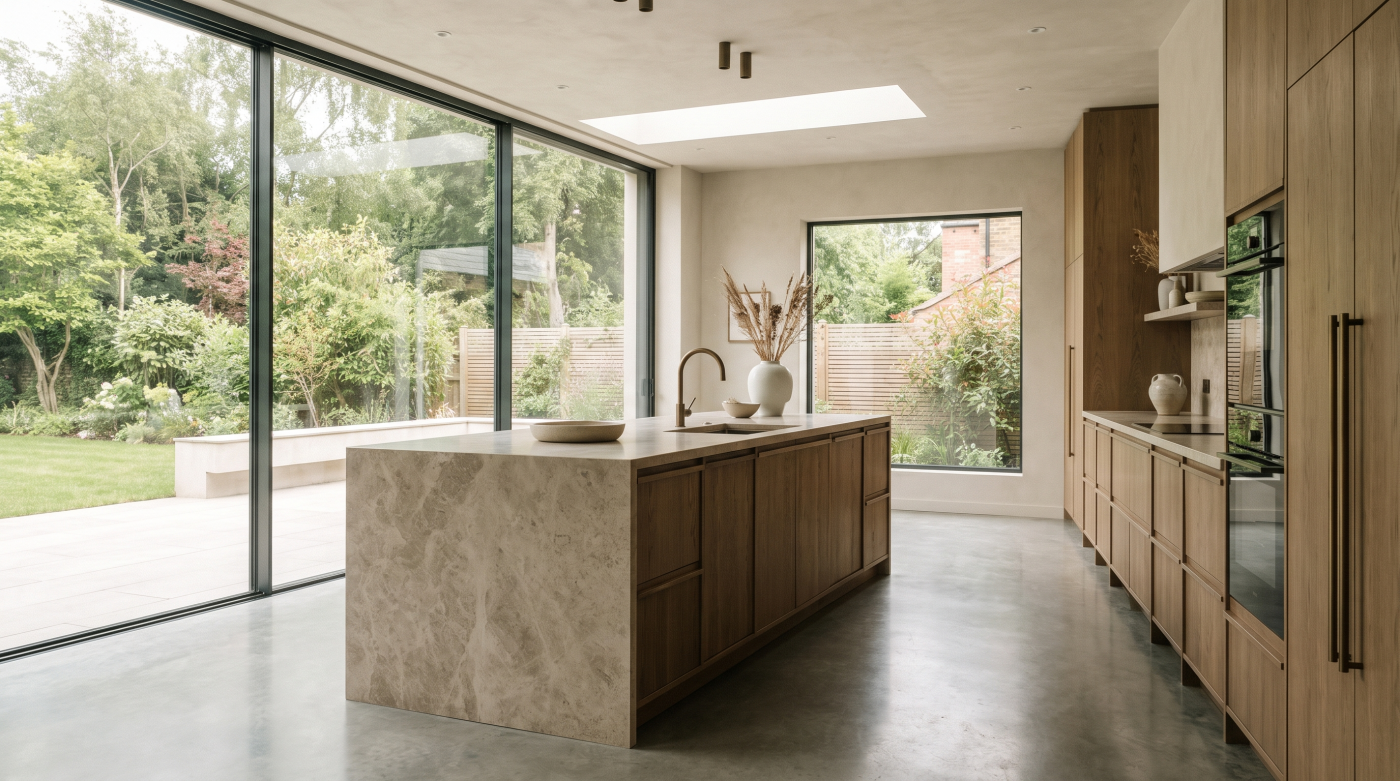
However, the true cost of ownership extends beyond the purchase itself. Maintenance requirements, long-term durability and everyday performance all influence the value of a door over its lifetime. High-quality aluminium systems, for example, are widely chosen for their strength, weather resistance and low maintenance, allowing them to retain both their appearance and functionality with relatively little ongoing attention. Choosing a well-engineered product can reduce the likelihood of adjustments, repairs and premature replacement, making the initial investment more rewarding over time.
Architects also consider the contribution a glazing system makes to the wider home. A carefully specified patio door can transform the quality of natural light, improve the relationship with the garden and strengthen the overall architectural character of the property. These benefits are experienced every day and often contribute more to long-term satisfaction than any difference in the original purchase price.
For this reason, the question is rarely, “Which door costs the least?” Instead, it becomes, “Which door offers the greatest value for this particular home?” When viewed over fifteen or twenty years of ownership, the best choice is usually the one that continues to perform beautifully, complements the architecture and supports the way the household lives every day.
Which Door Should You Choose?
After comparing sliding, bifold and French doors, many homeowners still hope for a simple answer to one question: Which is the best? The reality is that there is no universally superior option. Each system has been developed to solve different architectural challenges, and the right choice depends on how the home is designed, how the space will be used and what matters most to the people living there. This is why architects rarely begin with the product. They begin with the project.
If uninterrupted views and abundant natural light are the priority, sliding doors often provide the strongest solution. Their large glazed panels and minimal sightlines allow the landscape to become an integral part of the living space while maintaining a clean, contemporary appearance. For homes with exceptional gardens, countryside settings or coastal views, this visual connection can transform the atmosphere of the interior throughout the year.
If creating the widest possible opening is more important, bifold doors offer exceptional flexibility. They are particularly well suited to kitchen extensions and family homes where entertaining, outdoor dining and regular movement between house and garden play a central role in everyday life. Their ability to remove much of the physical boundary between inside and outside makes them a natural choice for projects centred around indoor-outdoor living.
French doors continue to offer enduring appeal where simplicity, character and architectural tradition take precedence. Their balanced proportions and familiar operation suit period properties, cottages and many classic extensions while providing generous everyday access to outdoor spaces. They demonstrate that timeless design often comes from restraint rather than complexity.
Ultimately, the most successful patio door is the one that feels completely natural within its setting. It should complement the architecture, support everyday routines and continue to perform beautifully long after the project has been completed. By considering lifestyle, views, room proportions and long-term ownership alongside aesthetics, homeowners can make a decision with confidence rather than relying on trends or marketing claims.
The best patio door is not the one that wins every comparison. It is the one that quietly improves the way a particular home is lived in every day. When the architecture, the lifestyle and the glazing system work together, the result is an entrance to the garden that feels effortless, enduring and entirely appropriate for the home it serves.