
Flush vs Rebated Casements: What’s the Actual Difference? The main visible difference is how the opening sash meets the outer frame. A flush casement has an externally aligned sash face; an overlapping or lipped casement projects across the frame. Rebated is often used for the latter, although flush windows can also contain construction rebates. Those […]
Category Archives: Guides
22
Oct
Oct
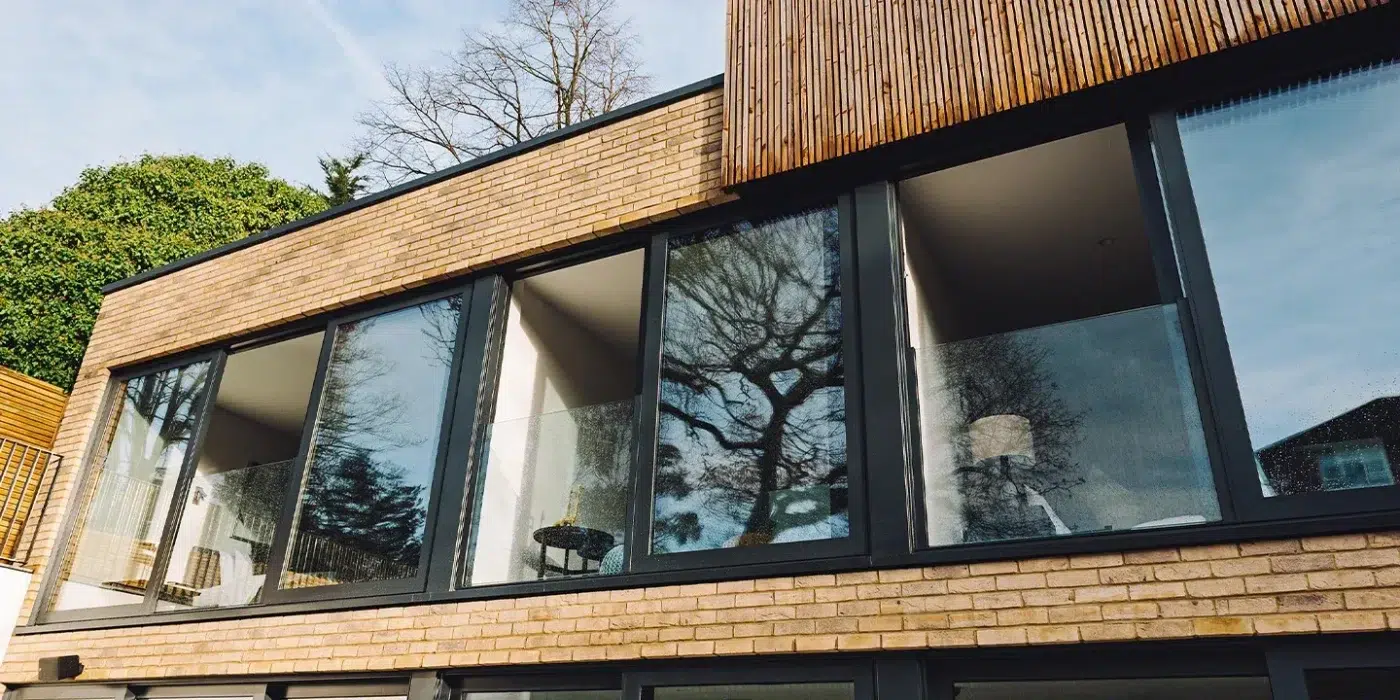
Are Juliet Balconies Worth It on a First-Floor Extension? A Juliet balcony can be worthwhile where a guarded full-height opening improves the outlook and use of a first-floor room. It provides no outdoor floor space, so its value should be judged through the room, view and complete construction rather than the expectation of a terrace. […]
22
Oct
Oct
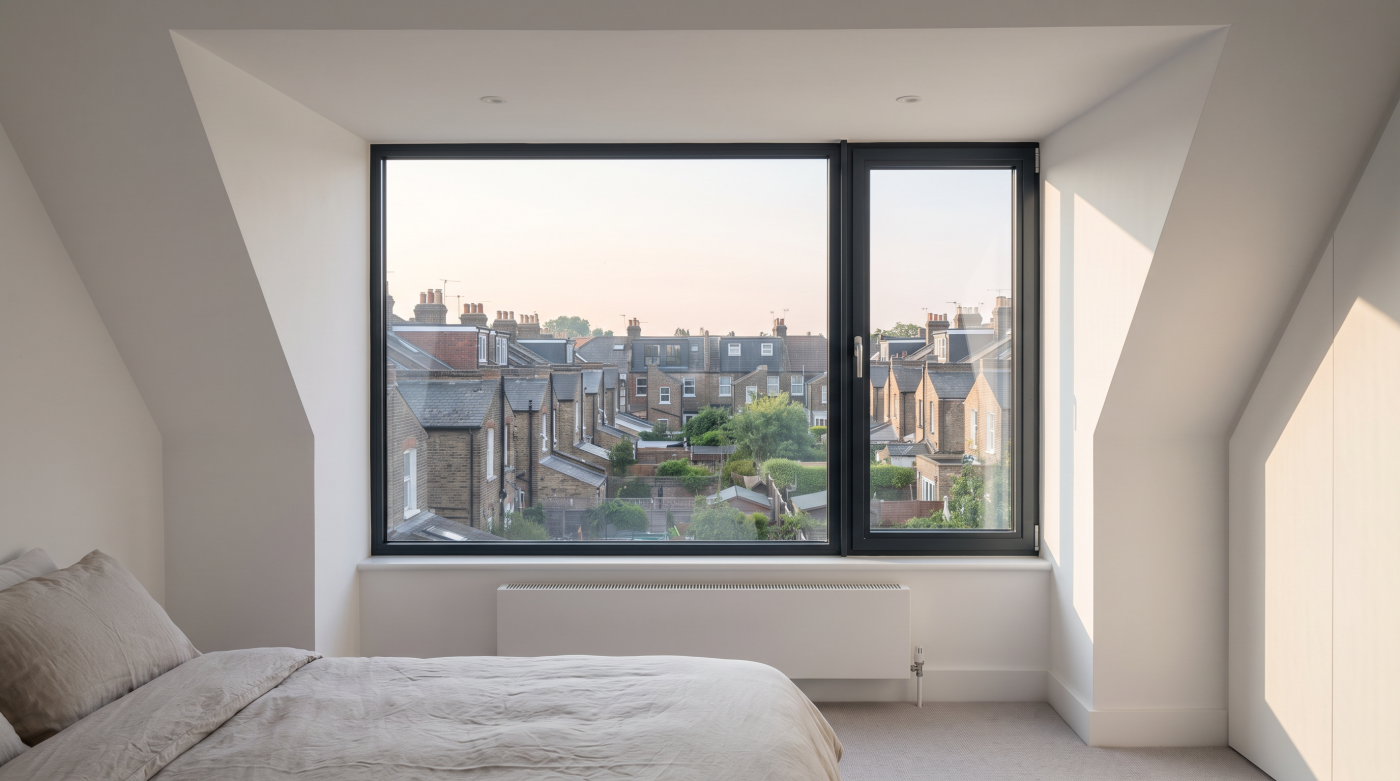
What Is a Tilt and Turn Window and Why Is Europe So Keen on Them? A tilt-and-turn window combines two opening modes in one sash: it can tilt inwards at the top or open inwards on side hinges. That flexibility helps explain its established continental use, although preferences vary across Europe and the mechanism does […]
21
Oct
Oct
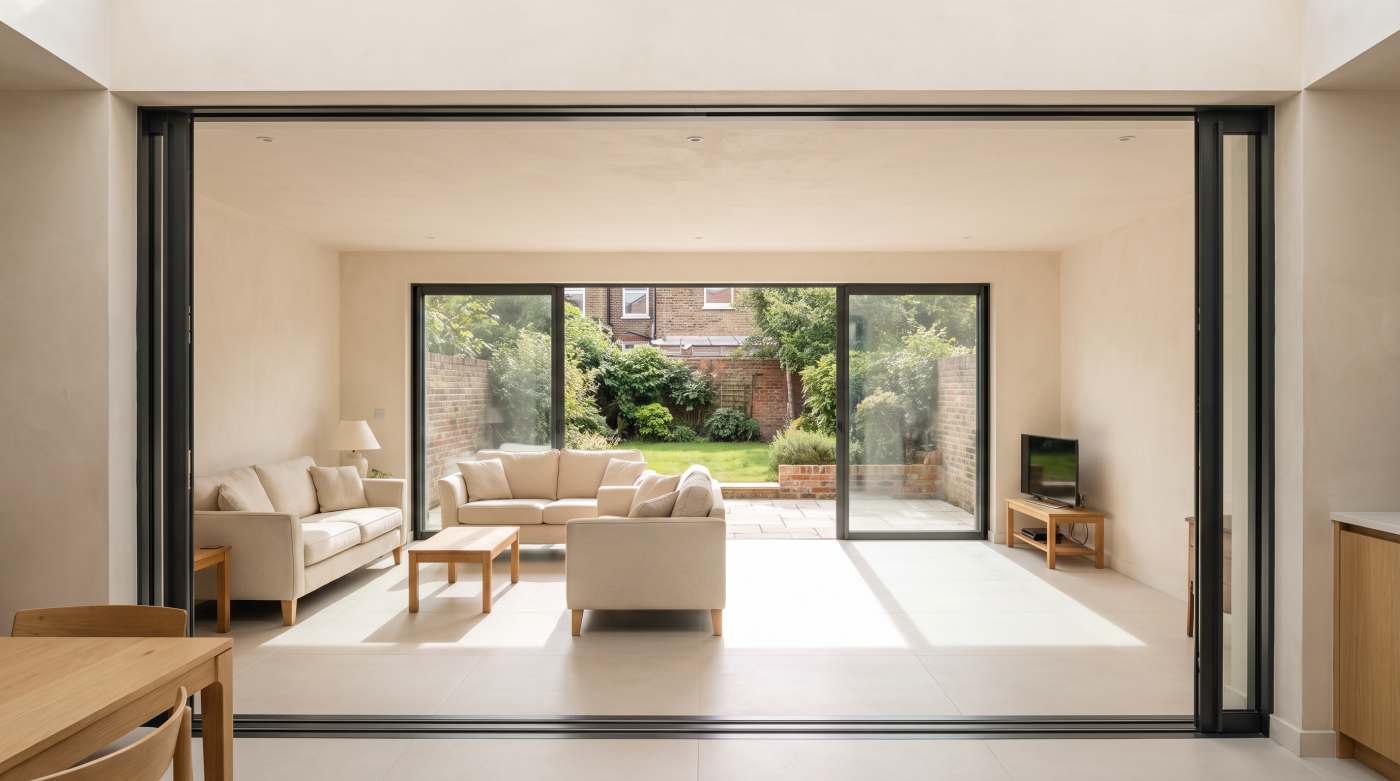
Pocket Sliding Doors: Can the Glass Really Disappear Into the Wall? Yes: suitable pocket sliding systems can move glazed panels into a purpose-built enclosure beside the opening, taking them out of sight when open. The building must provide the necessary space, support and access; the panels do not simply enter any existing wall cavity. This […]
21
Oct
Oct
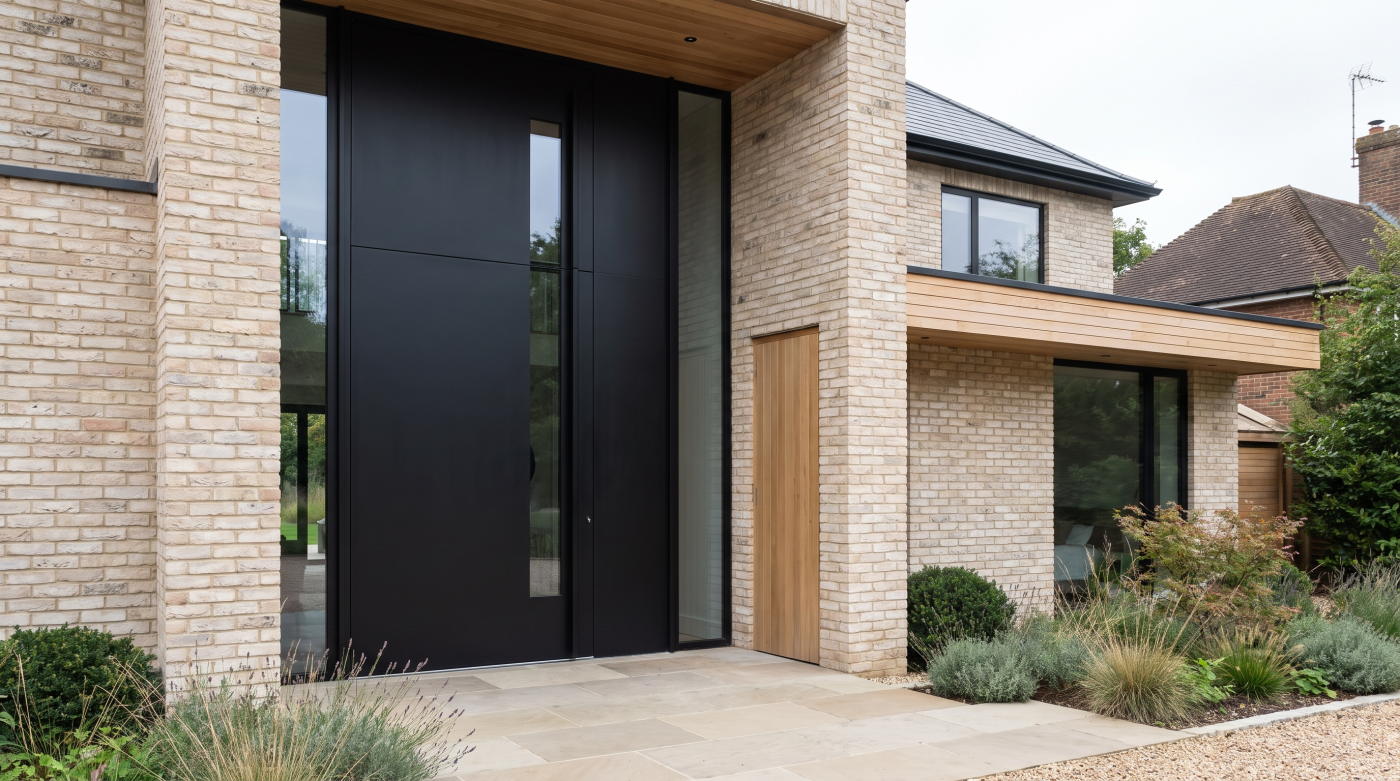
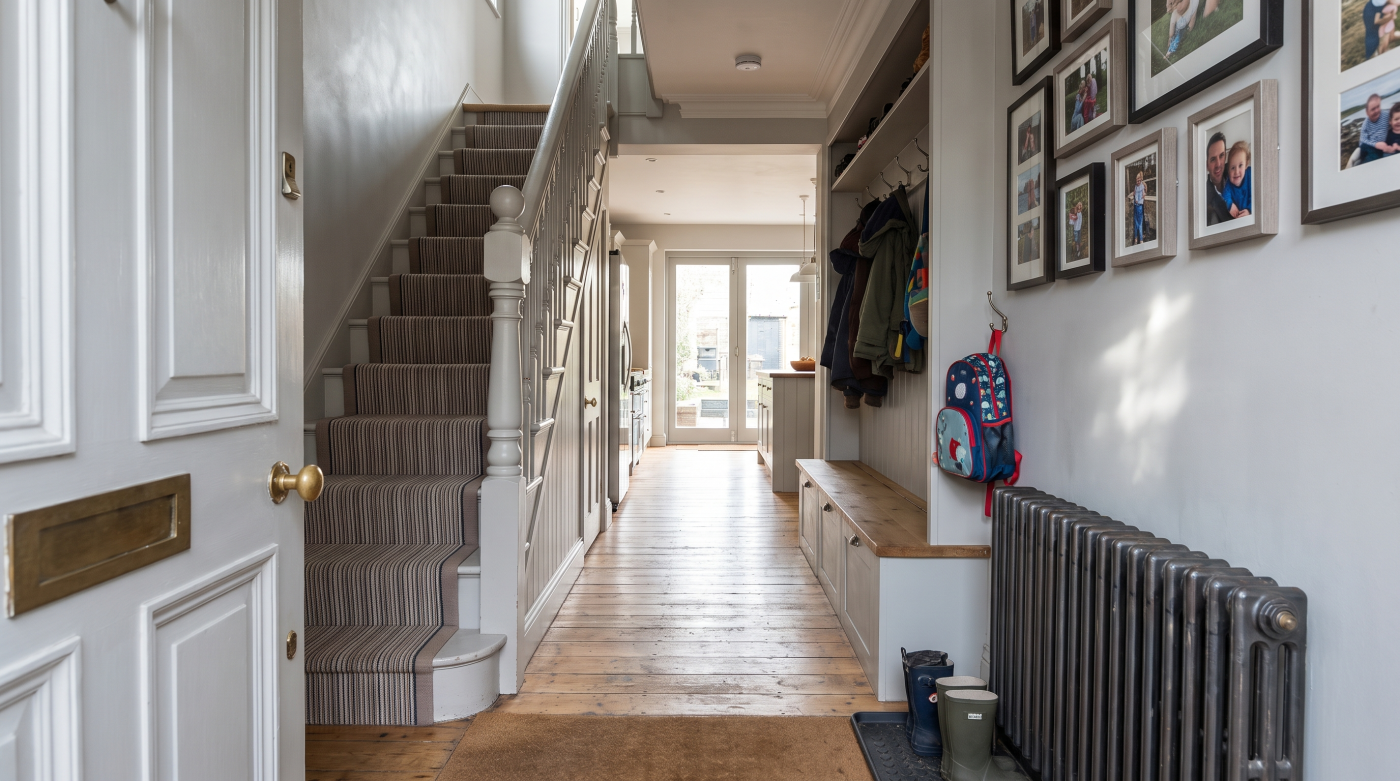
What Is a Pivot Door and Would One Suit My Home? A pivot door rotates around a vertical axis supported by pivot hardware, rather than relying on conventional hinges along one side. The axis can be offset from the edge, allowing part of the leaf to move on either side of it. That movement can […]
21
Oct
Oct
How Do You Bring More Light Into a Dark Landing or Stairwell? Bringing more light into a dark landing or stairwell starts with identifying where daylight can enter and what prevents it reaching the circulation route. Windows, rooflights, sun tunnels and internal glazing offer different possibilities, depending on the building. The most useful solution improves […]
21
Oct
Oct
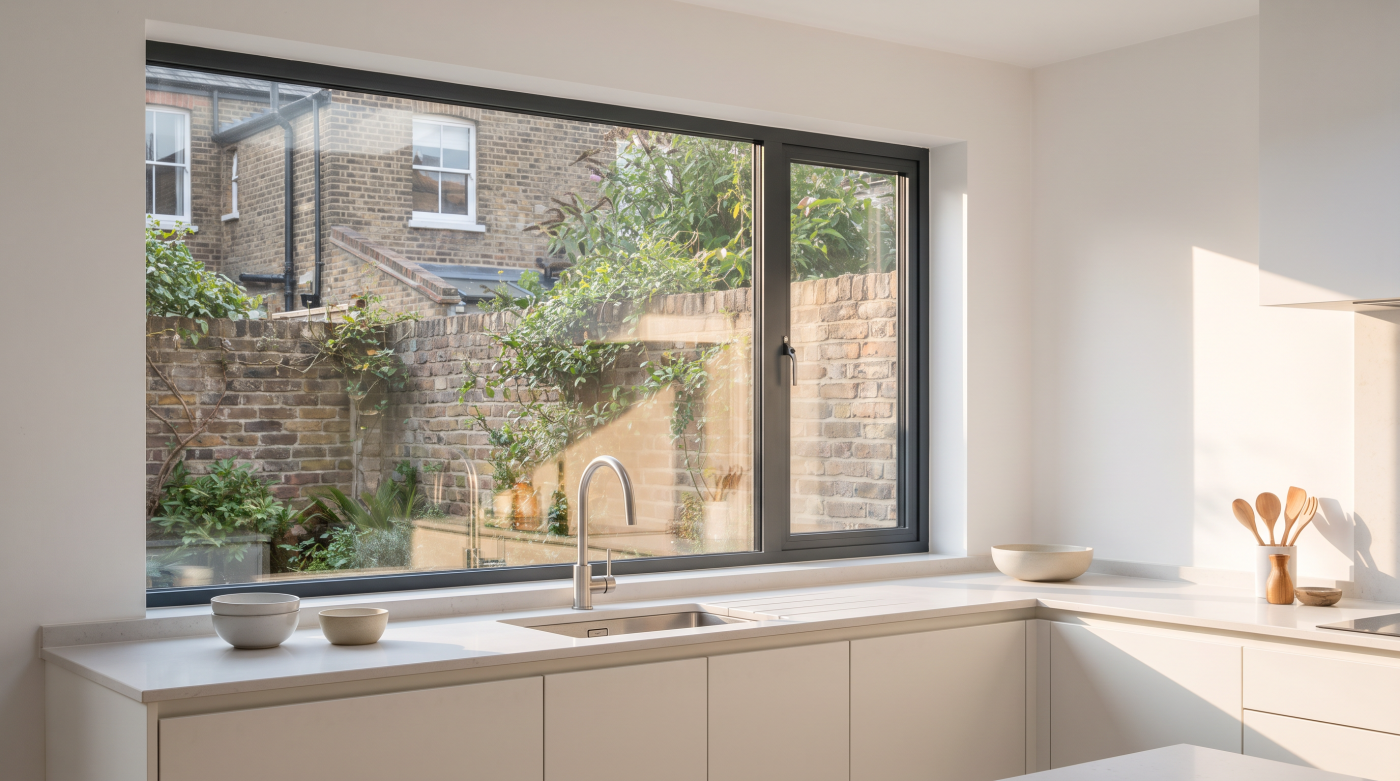
What Glazing Works Best Above a Kitchen Sink? The best glazing above a kitchen sink suits the tap, worktop, opening movement and view from the working position. A well-placed fixed pane or carefully chosen opening window can be more useful than a larger arrangement that is difficult to reach or clean. This guide concerns the […]
20
Oct
Oct
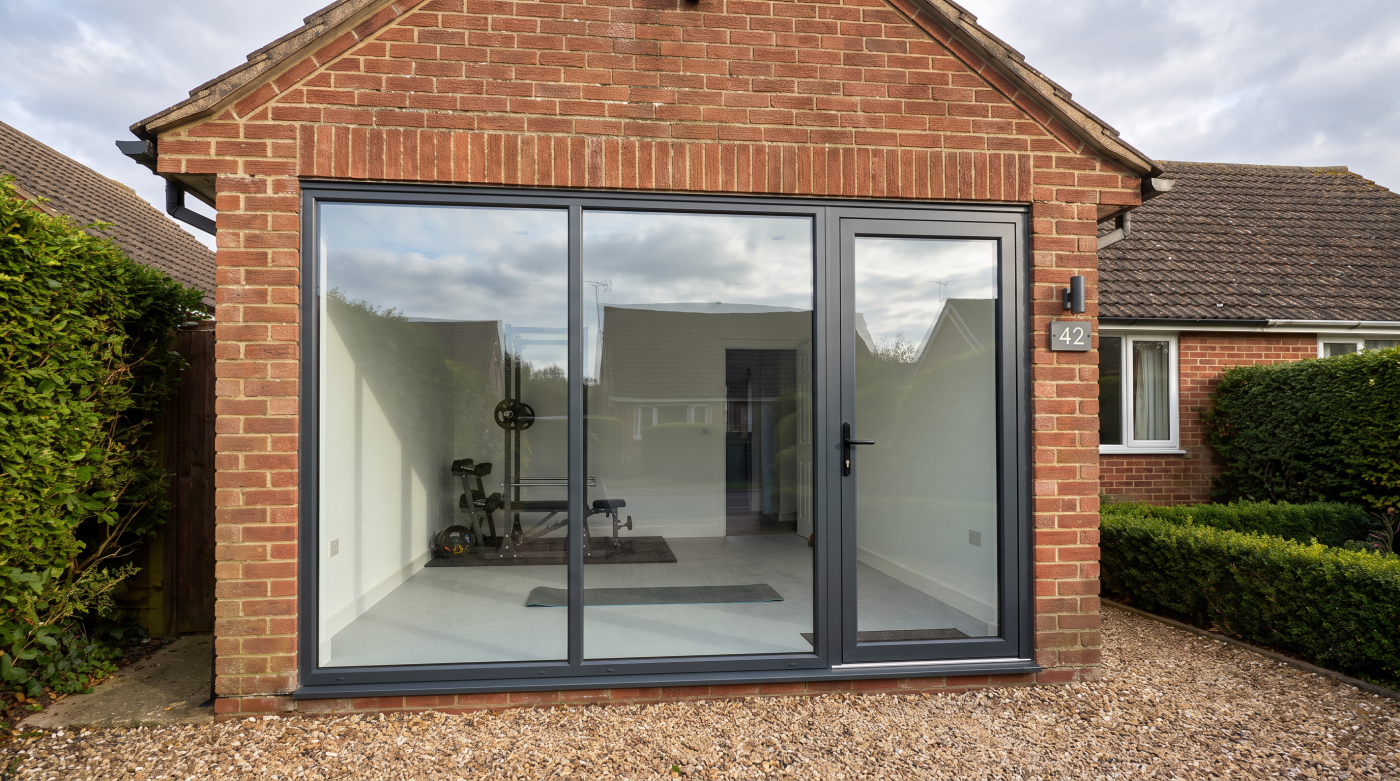
Can You Turn a Garage Door Opening Into a Glazed Wall? Replacing a garage door with a glazed wall can be feasible, but the opening, surrounding construction and intended use need assessment first. An existing gap does not establish that any glass system can simply be fitted into it. The best approach treats the glazing […]
20
Oct
Oct
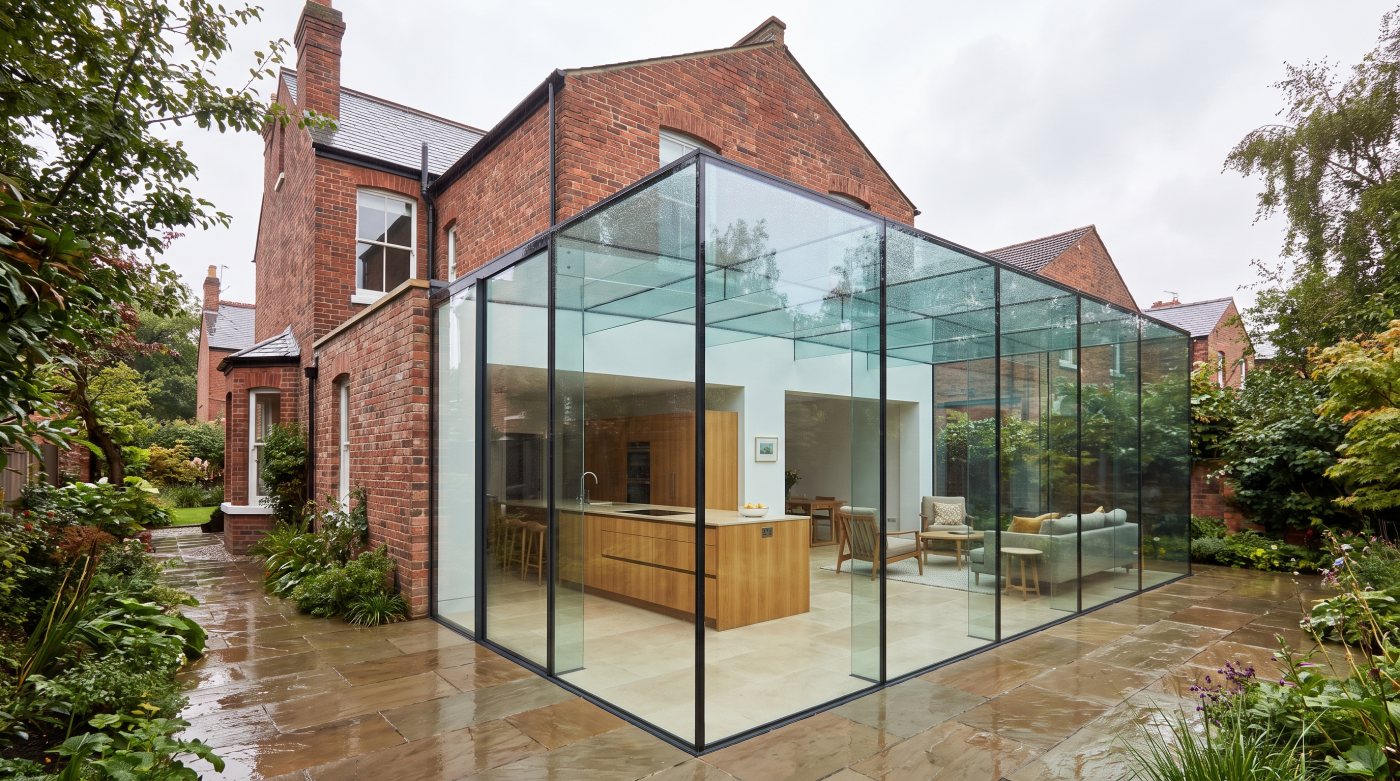
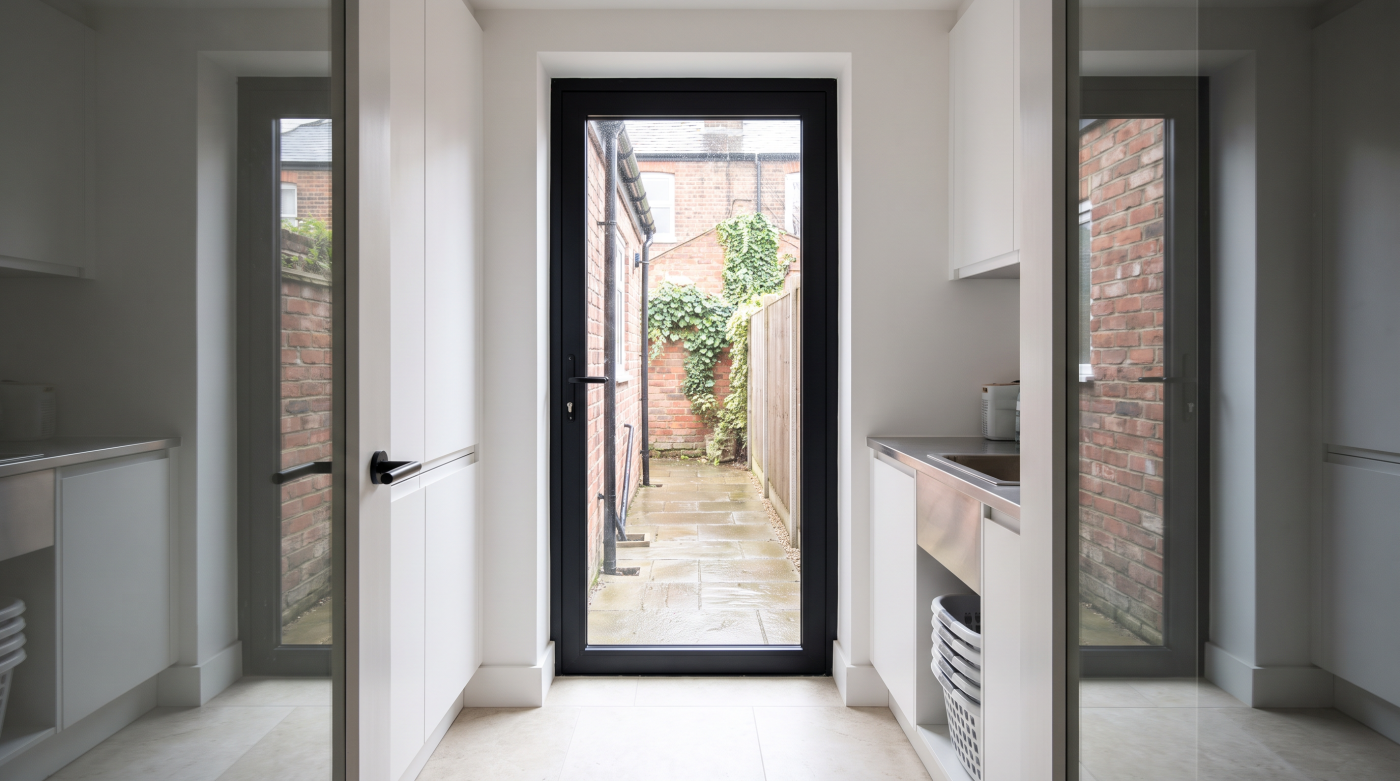
Orangery vs Glass Extension: Which Adds More to a Home? Neither an orangery nor a glass extension automatically adds more to a home. The better choice depends on the space needed, the existing architecture, year-round comfort and complete project cost. Any effect on market value needs its own property-specific assessment. Begin by defining what the […]
20
Oct
Oct
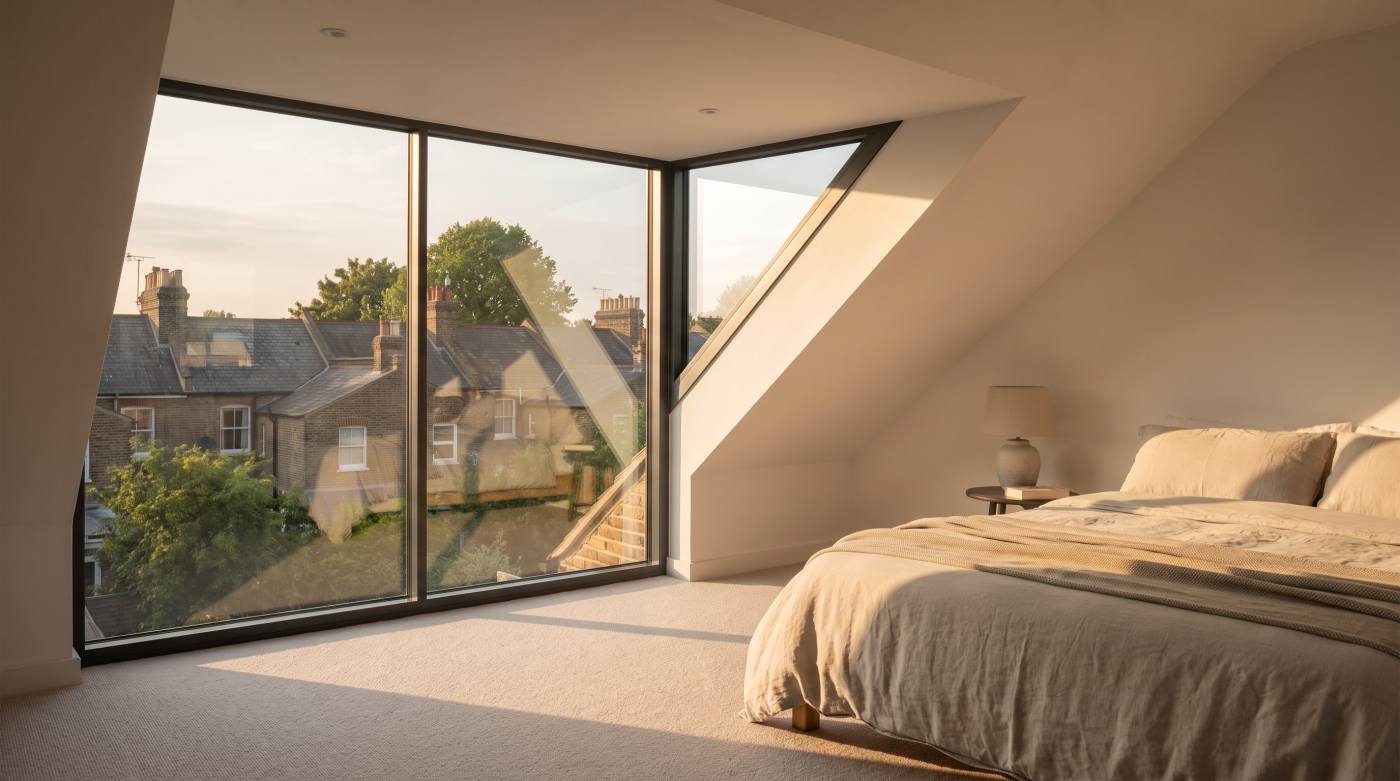
What’s the Best Door for a Side Entrance or Utility Room? The best door for a side entrance or utility room is the one that suits its location, daily use and required performance. Opening clearance, weather exposure, daylight, security and access usually matter more than a general ranking of frame materials. A secondary entrance can […]
20
Oct
Oct
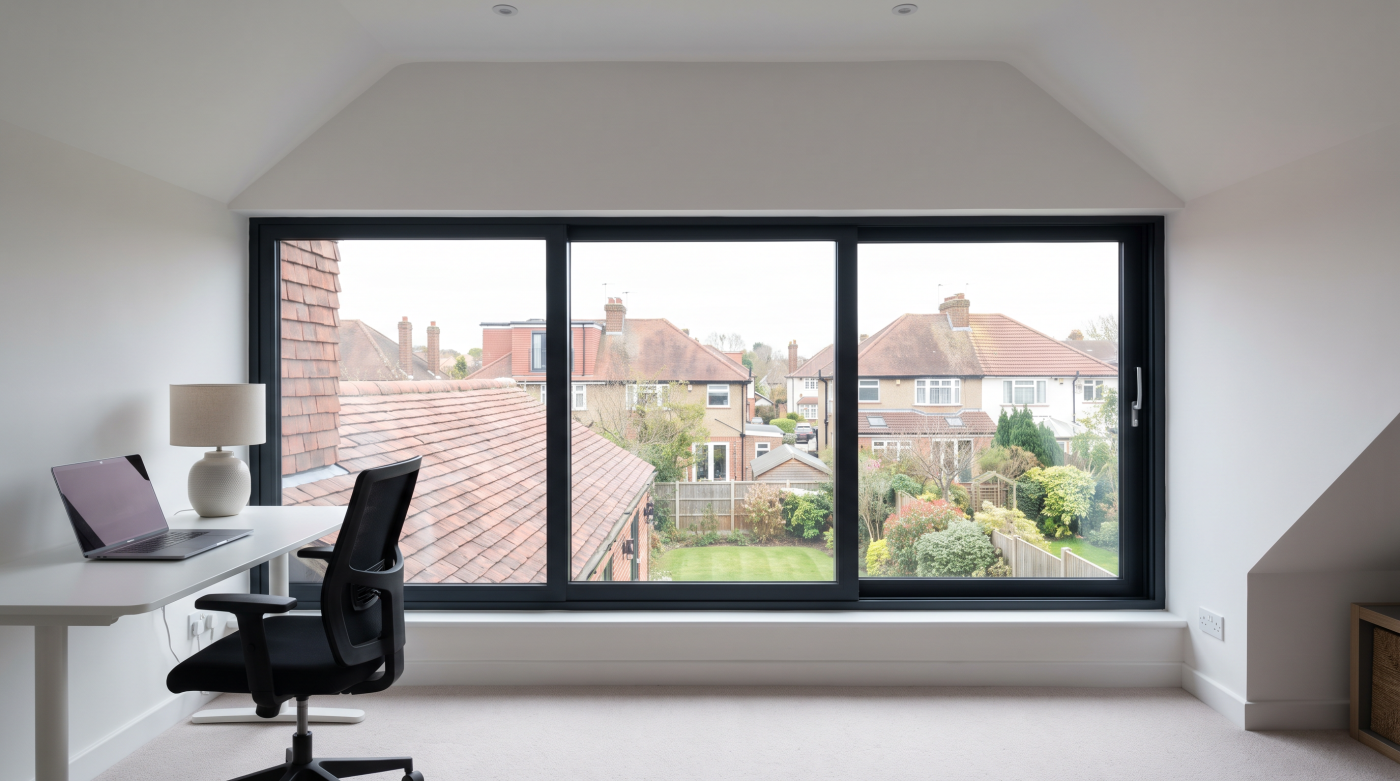
How Do You Keep a Bedroom Cool With Big Windows? Keeping a bedroom cool with big windows usually requires a combination of suitable shading, practical ventilation and an appropriate glazing specification. Start by understanding when heat enters and why it remains at bedtime, rather than assuming the glass needs replacing. A bedroom needs more than […]
19
Oct
Oct
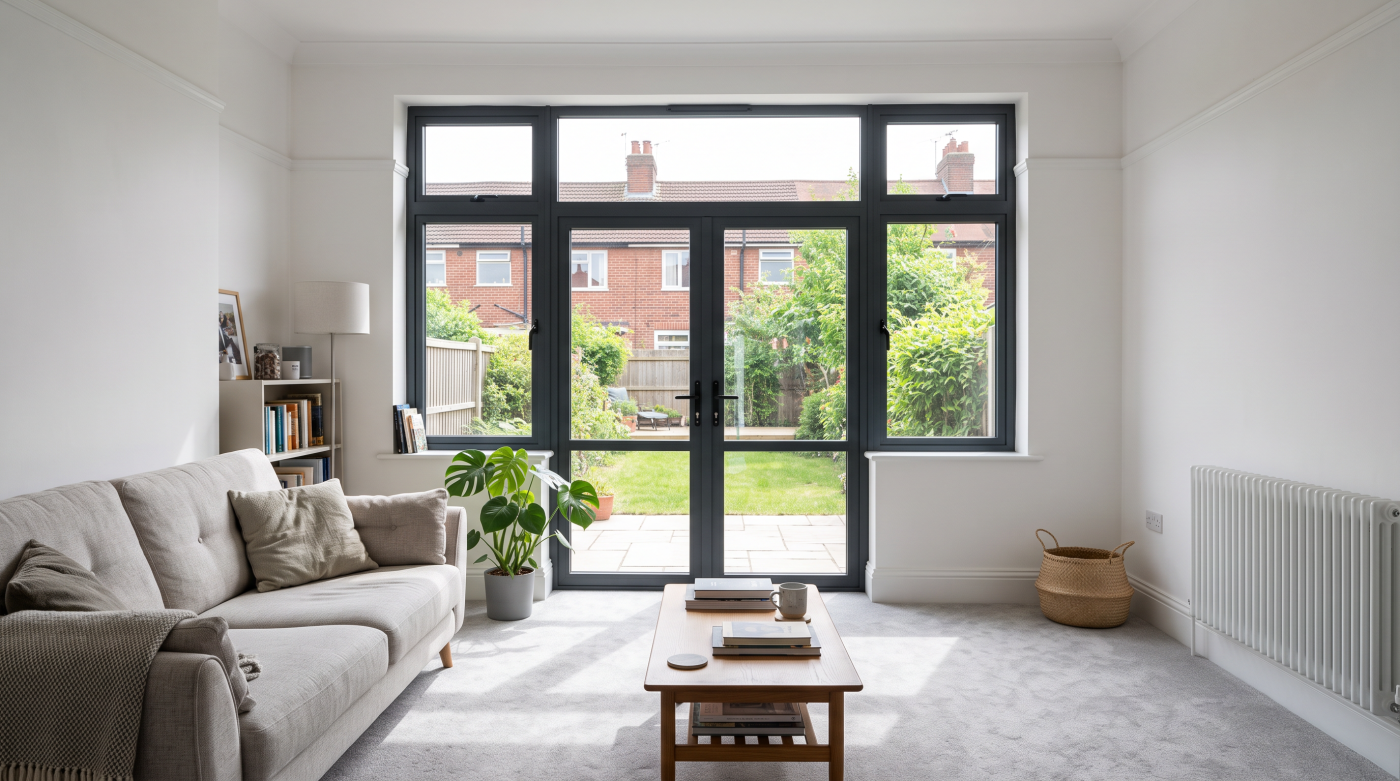
What Kind of Window Suits a Home Office Full of Screens? A suitable home-office window provides useful daylight and a view while allowing control of glare, heat and ventilation. Its success depends on the workstation layout as well as the frame and glass. A brighter room is not automatically an easier place to use several […]
19
Oct
Oct
How Do You Stop a Garden Room Overheating? Stopping a garden room overheating usually means combining control of incoming heat with a realistic way to remove heat already inside. Glazing, shading, ventilation, construction and equipment use all influence the result. Changing the glass alone may address only part of the problem. For a new room, […]
19
Oct
Oct
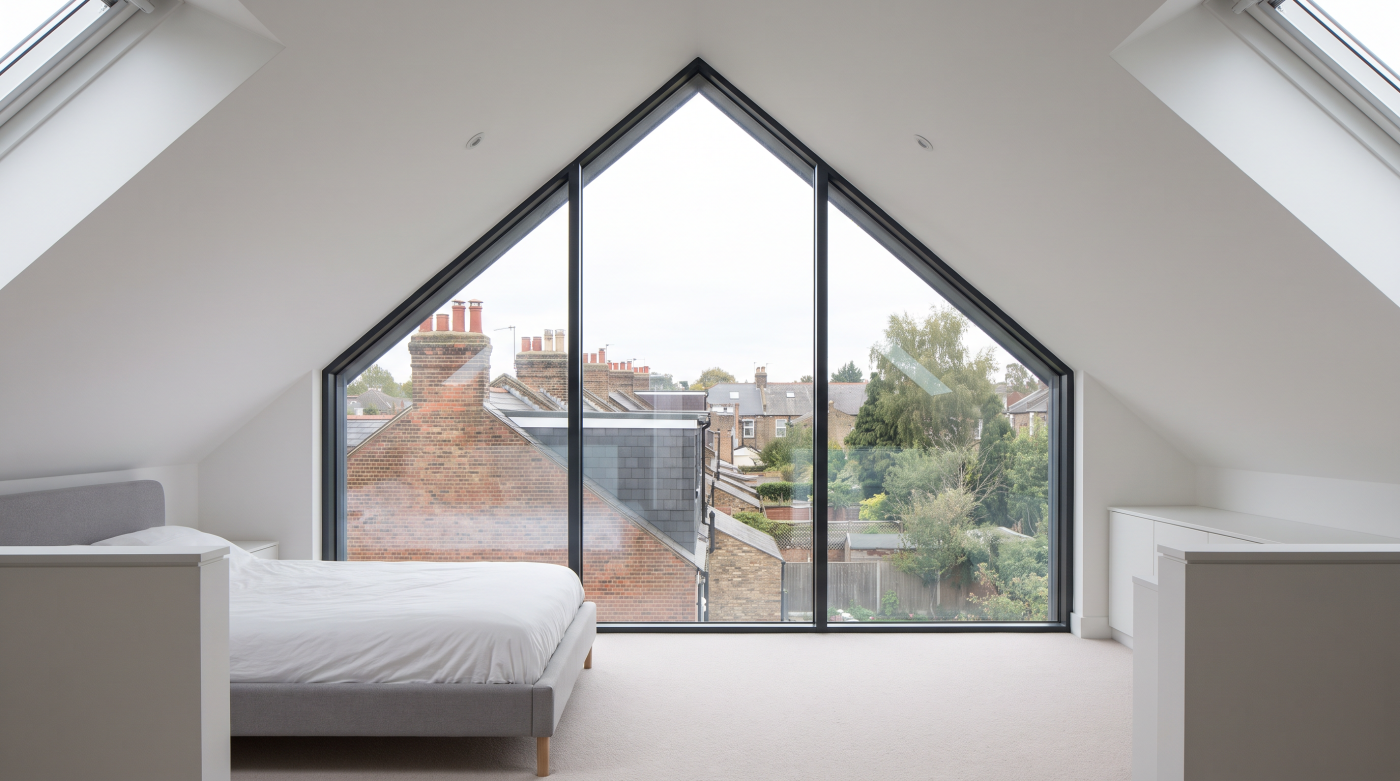
Which Glazing Works Best in a Loft Conversion? The best glazing for a loft conversion depends on the roof, the room being created and the wider conversion design. Roof windows, dormer windows and gable glazing offer different relationships with daylight, views, ventilation and usable space. Begin with the layout and roof geometry before comparing glass […]
19
Oct
Oct
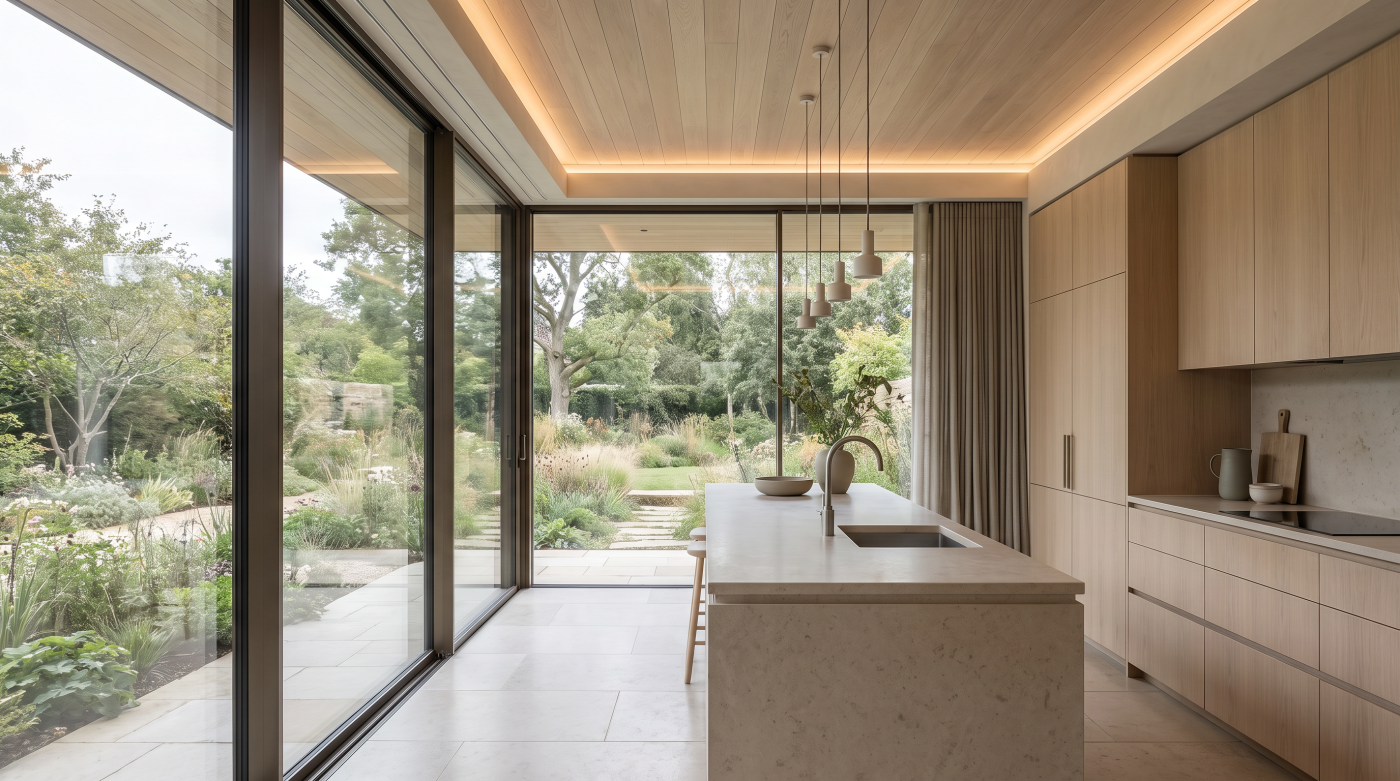
What Are the Best Windows for a Kitchen Extension? The best windows for a kitchen extension are the ones that support its layout, daylight, ventilation and year-round use. A well-positioned opening above a preparation area may be more useful than a larger window that competes with cupboards, catches the tap or is awkward to reach. […]
16
Oct
Oct
What’s the Real Payback Period on New Windows? There is no single reliable payback period for new windows. The result depends on the existing glazing, complete project cost, heating system and estimated annual savings. Replacing single glazing and upgrading serviceable double glazing are different investments, even if the new products look similar. First establish the […]

16
Oct
Oct
Can You Spread the Cost of New Windows and Doors? There are several ways to spread expenditure on windows and doors, including contractual payment stages, phased installation and borrowing. They create different commitments. A deposit followed by a completion payment is not the same arrangement as repaying a lender over several years. Start with a […]
16
Oct
Oct
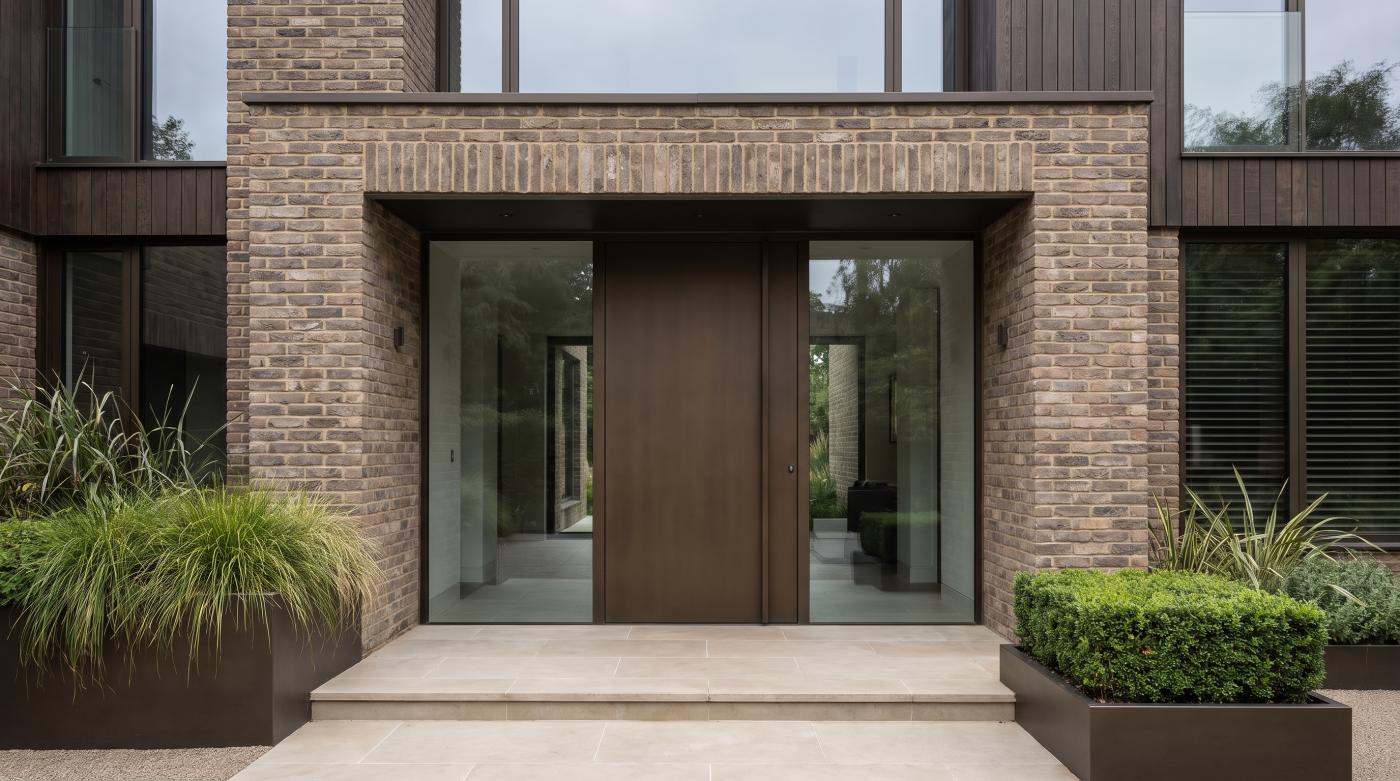
Is It Cheaper to Do Windows and Doors at the Same Time? Replacing windows and doors together can reduce some costs compared with equivalent separate projects, but the saving needs to be demonstrated. Shared access, deliveries or finishing work may create efficiencies. A package discount alone does not establish that the complete project offers better […]
16
Oct
Oct
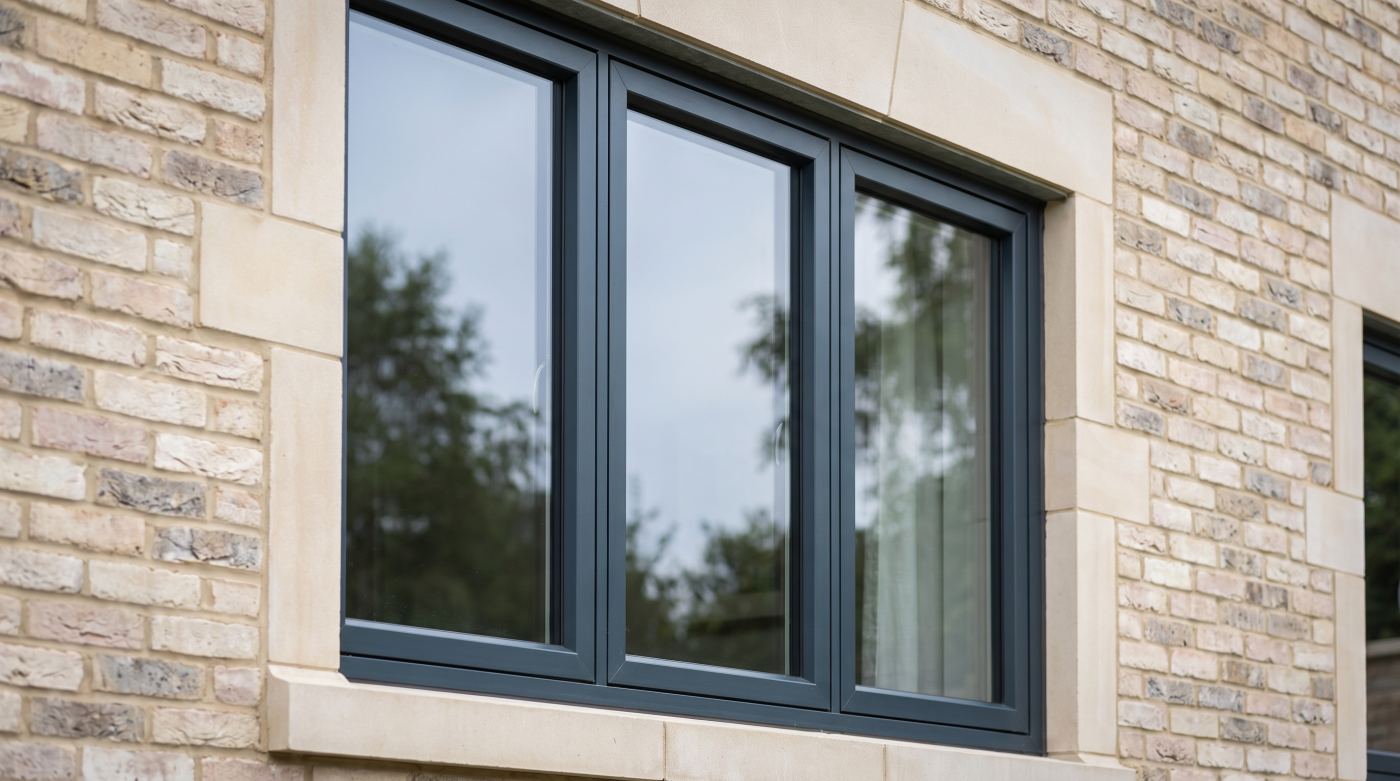
Can a New Front Door Really Help a House Sell Faster? A well-considered front door can improve the presentation of a home, particularly where the existing entrance looks neglected or works poorly. That does not establish that replacing it will shorten the sale. Asking price, location, market conditions and the wider property remain part of […]
15
Oct
Oct
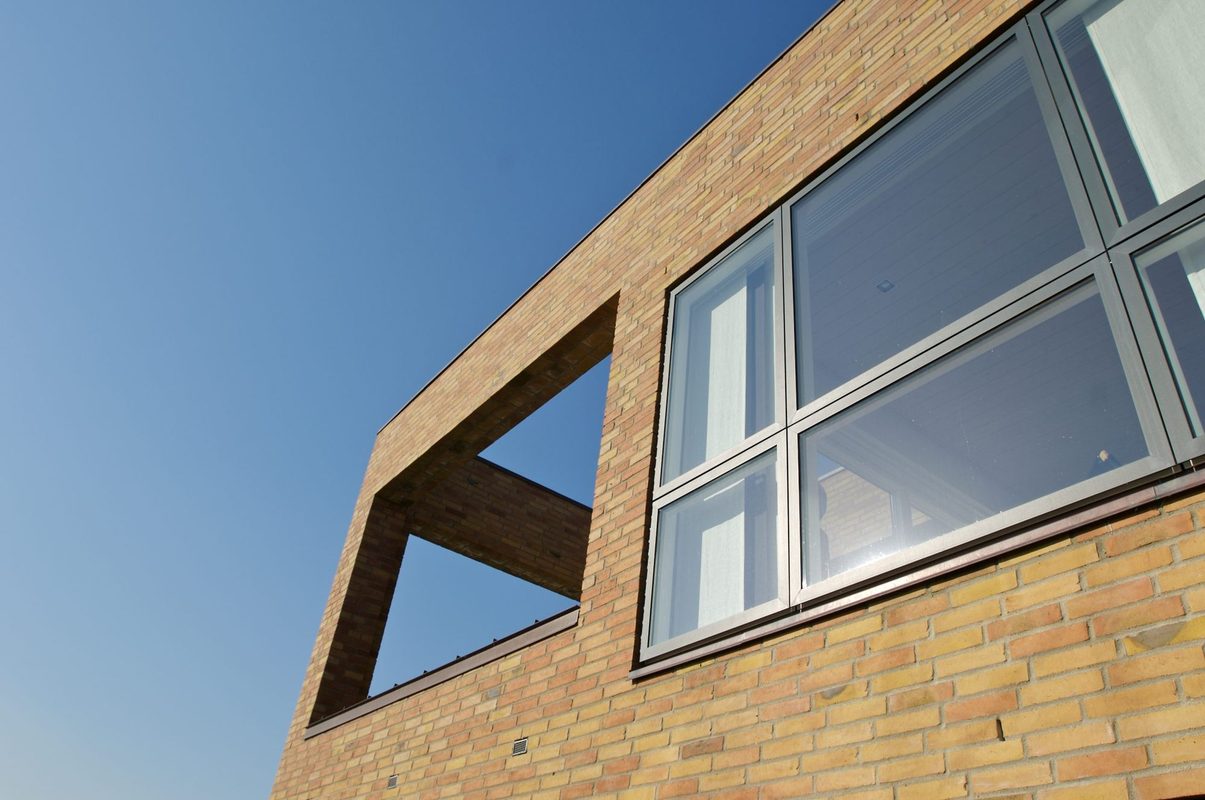
Should You Replace Windows Before Selling or Leave It to the Buyer? Replacing windows before selling can make sense where it resolves a significant problem, suits the building and fits the sale programme. It is not an automatic way to recover the cost through a higher price. In other circumstances, maintenance, targeted repairs or leaving […]
15
Oct
Oct
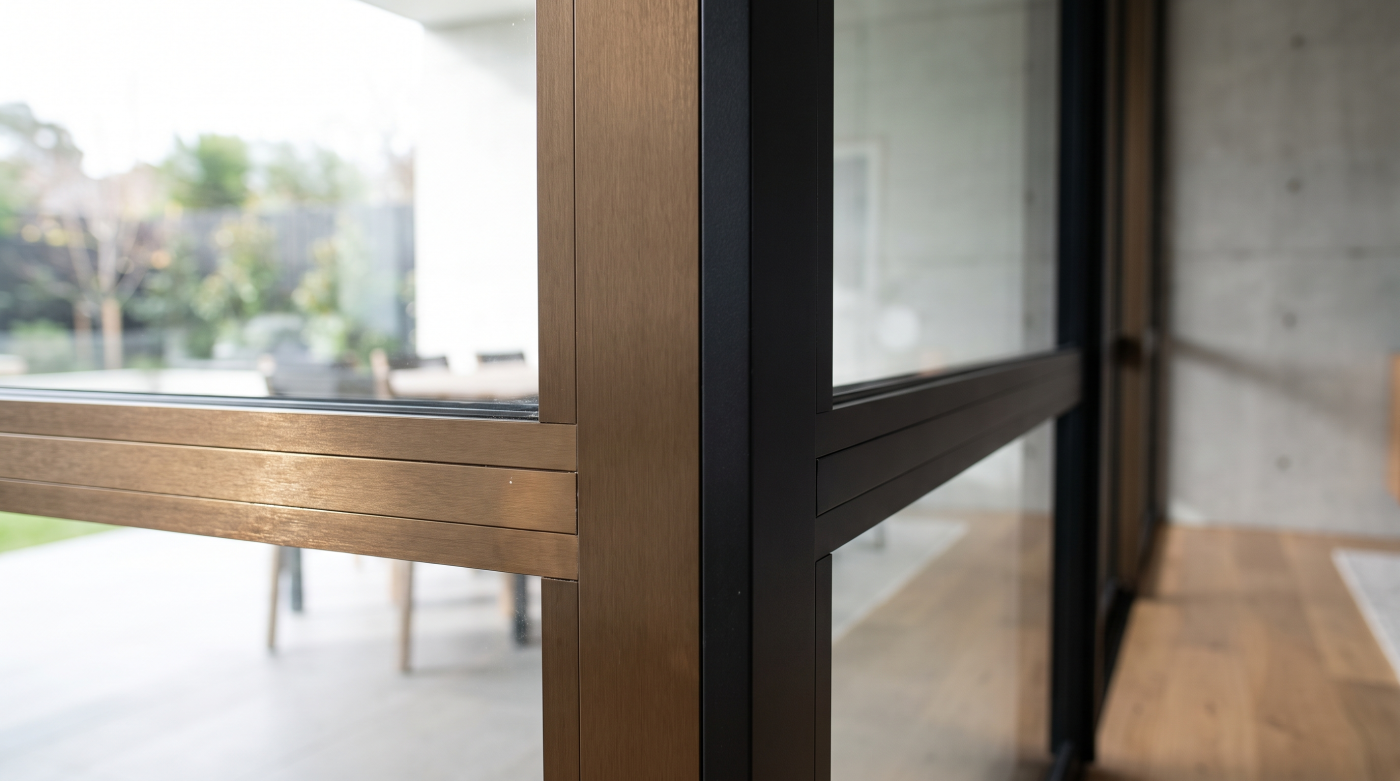
Do Leaseholders Need Permission to Change Their Windows? Leaseholders may need permission to replace their windows, even where they are responsible for maintaining them. The lease determines the starting position: which parts of the building are included, who must repair them and what restrictions apply to alterations. Those questions are separate from planning permission and […]
15
Oct
Oct
Are There Grants for Energy-Efficient Windows in 2026? Some energy-efficiency programmes can fund glazing improvements in 2026, but there is no universal UK entitlement to free replacement windows. The available route depends on where you live, your circumstances, the property and the improvements approved after assessment. This guide was checked on 14 October 2026. England’s […]
15
Oct
Oct
What Happens If You Sell a House Without a FENSA Certificate? A missing FENSA certificate does not automatically prevent you selling a house. It can, however, raise enquiries about replacement windows, delay the transaction or leave the buyer and their lender asking for further evidence. The right response depends on what is missing. A lost […]
14
Oct
Oct
Do New Windows Affect Your Home Insurance? New windows can change the information relevant to a home’s insurance, particularly where their installation forms part of a wider renovation or alters security arrangements. They do not automatically produce a lower premium, and every replacement project does not follow an identical notification rule. The useful approach is […]