
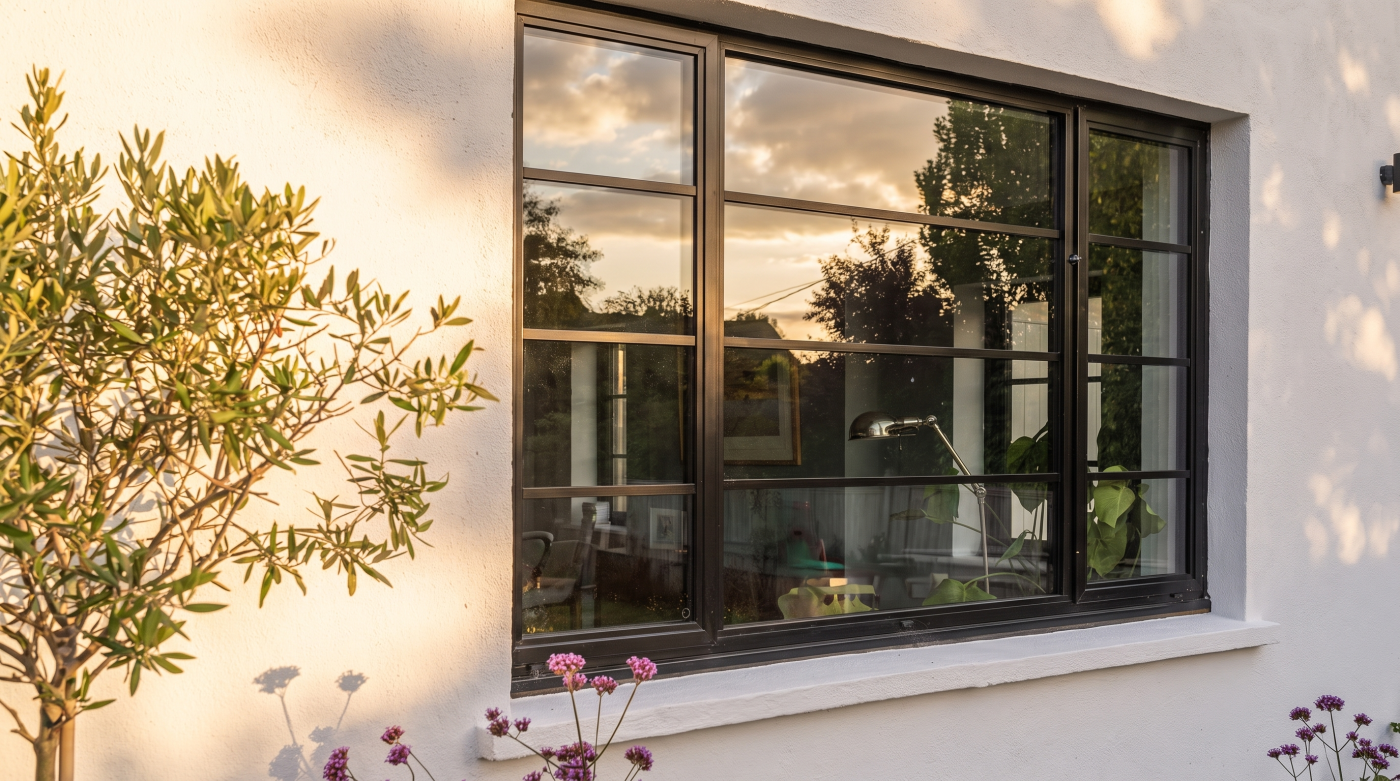
Does Replacing a Window Need Building Control Sign-Off? Replacing a complete window in England normally requires a Building Regulations compliance route, even when the new frame occupies the same opening. That does not always mean the homeowner must make a separate building control application. An appropriately registered installer can self-certify eligible work through a competent […]
Author Archives: Jamie Grimshaw
12
Oct
Oct
What Is a Fire Escape Window and Which Rooms Legally Need One? A window can admit light, provide ventilation and give a room its outlook. In some layouts, it also forms part of the means of escape. That extra function changes how its opening, position and hardware need to be specified. There is no reliable […]
12
Oct
Oct
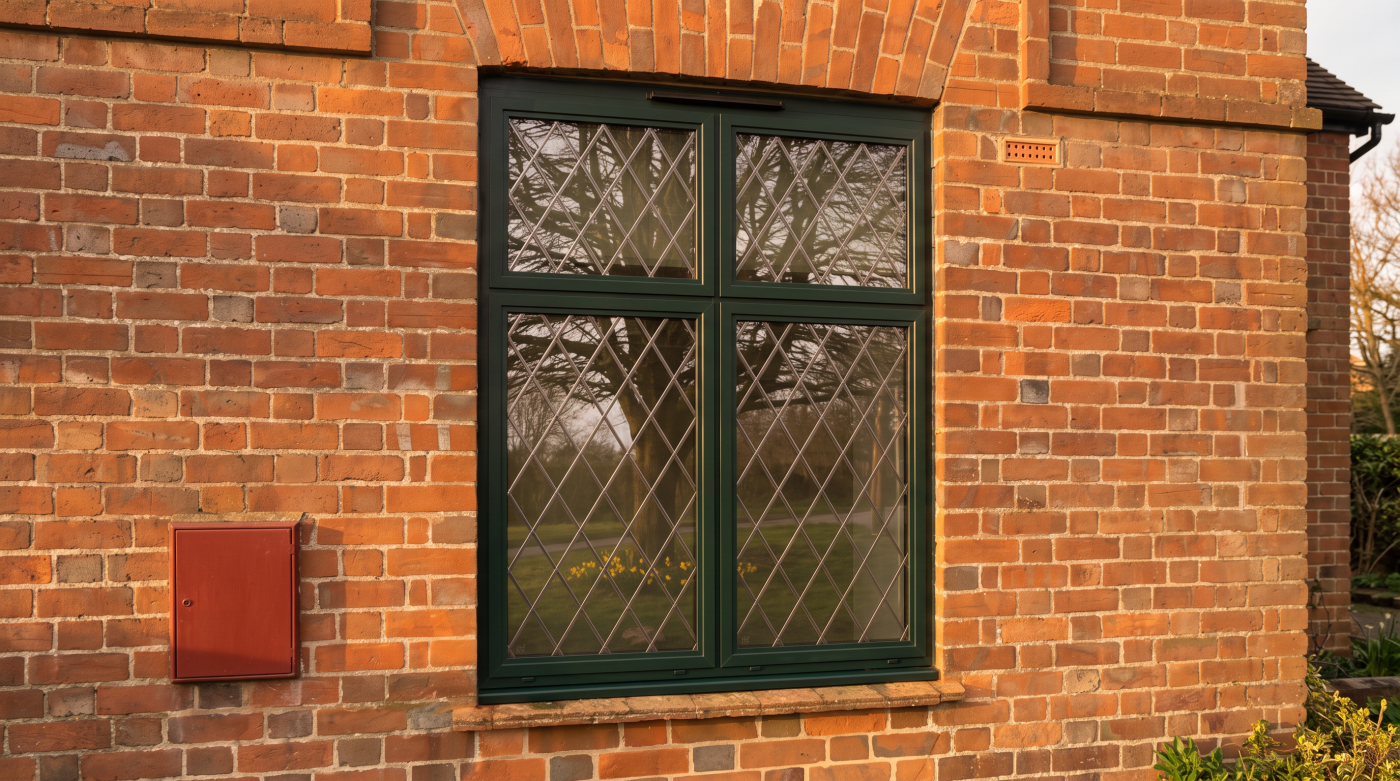
Do New Windows Need Trickle Vents in 2026? Trickle vents can become a surprisingly contentious part of choosing new windows. A homeowner may want cleaner frame lines or better acoustic comfort, while the proposed specification includes a small ventilator above the glass. The explanation often arrives as a simple statement that vents are compulsory. In […]
12
Oct
Oct
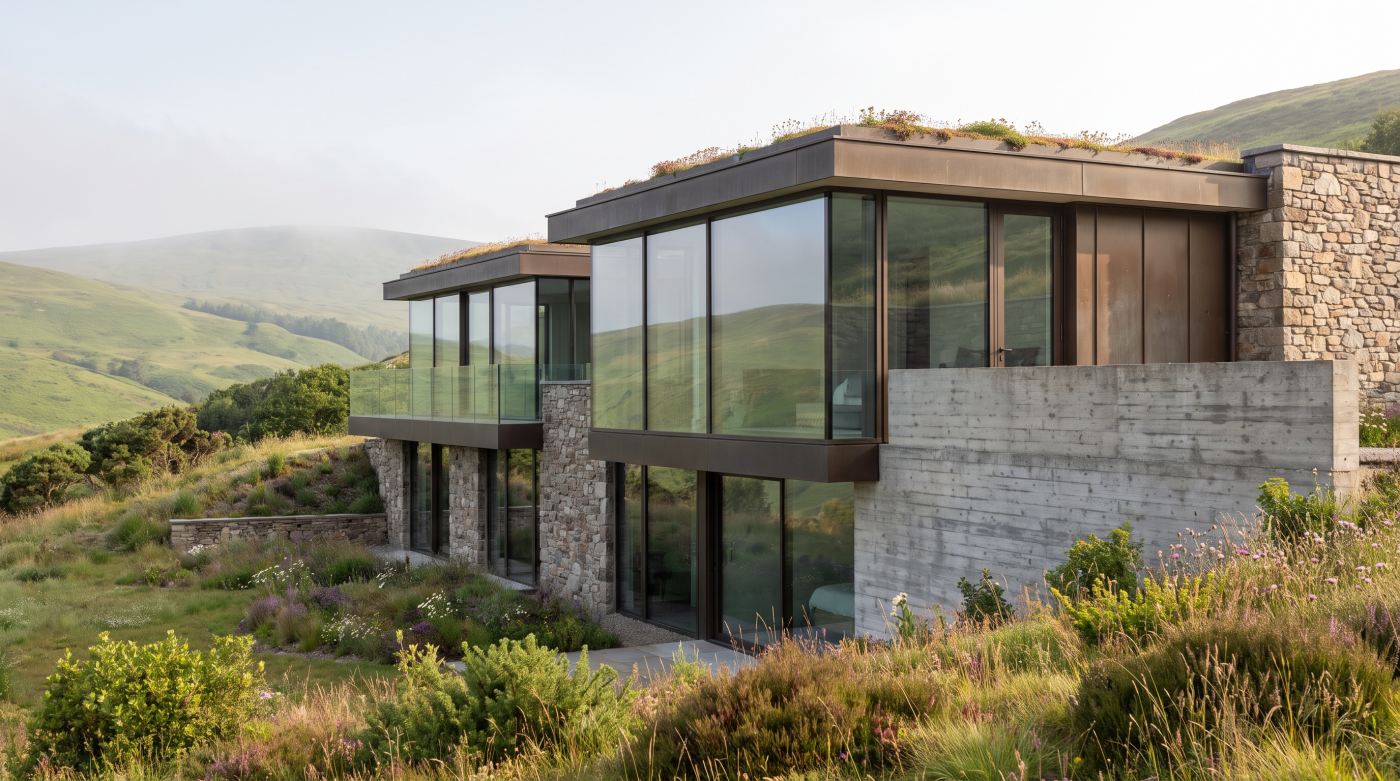
What Is Part O and Will It Stop Me Having Big South-Facing Windows? A large south-facing window can shape the whole experience of a home. It can draw the garden into a living space, bring winter sunlight deep into the plan and give an ordinary room a remarkable outlook. The concern is whether those same […]
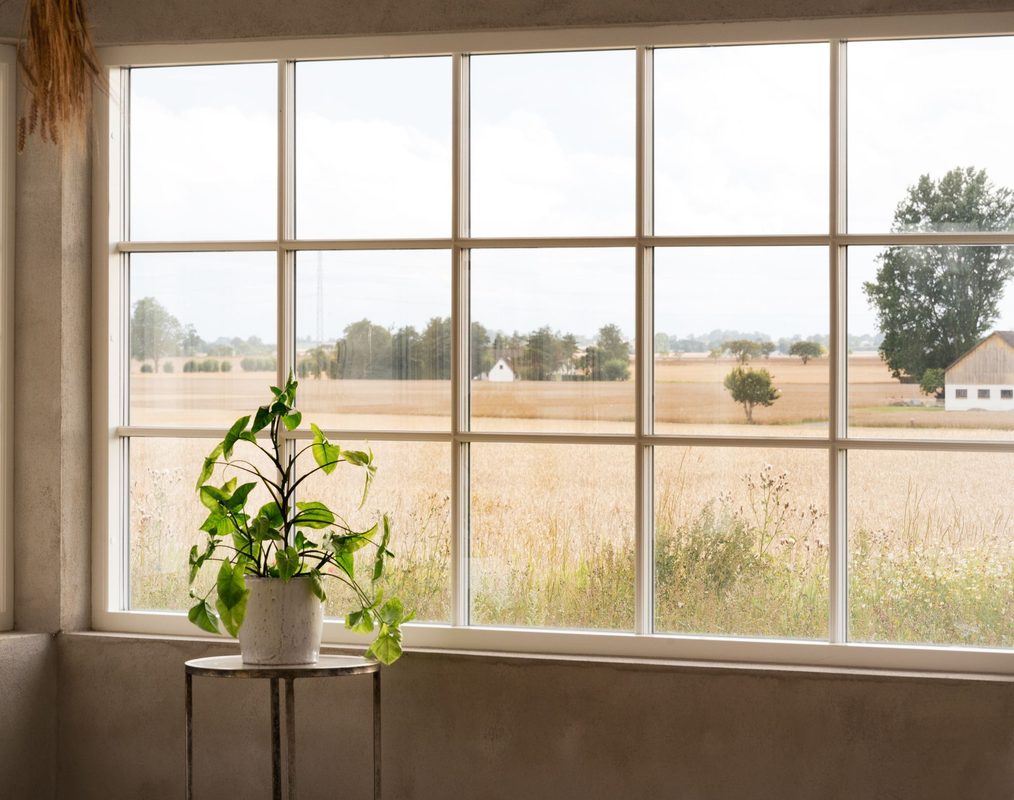
09
Oct
Oct
1. First, separate three kinds of change A new rule, a document published for future use and a proposal under consultation can all appear in the same year’s headlines. They do not have the same effect on a project. In glazing, confusing them can lead a homeowner to believe an existing window must be replaced […]
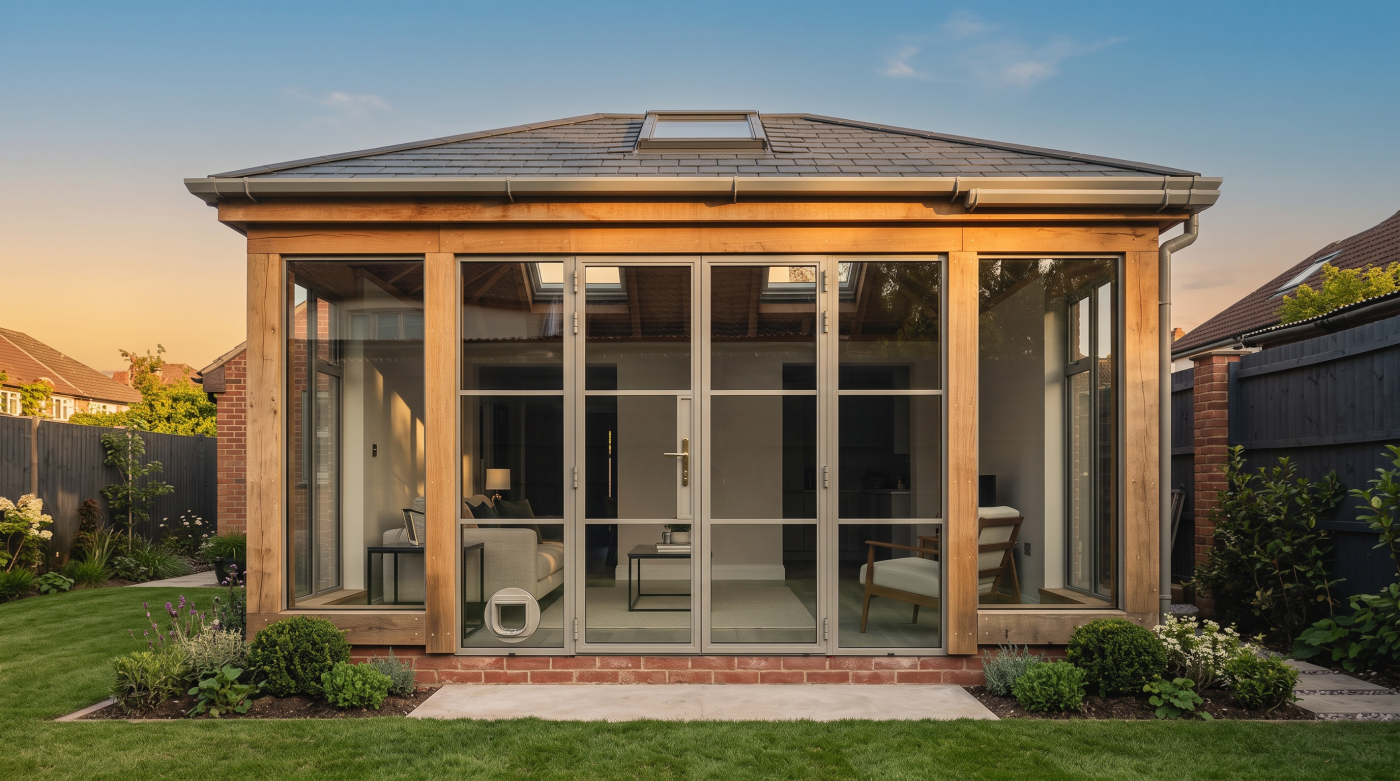
09
Oct
Oct
1. Begin with the rooms you want to create Spring can make a renovation feel newly possible. Longer days reveal the garden again, and an extension imagined through winter begins to seem tangible. It is tempting to begin with photographs of broad sliding doors or a roof lantern. A more useful first drawing shows how […]
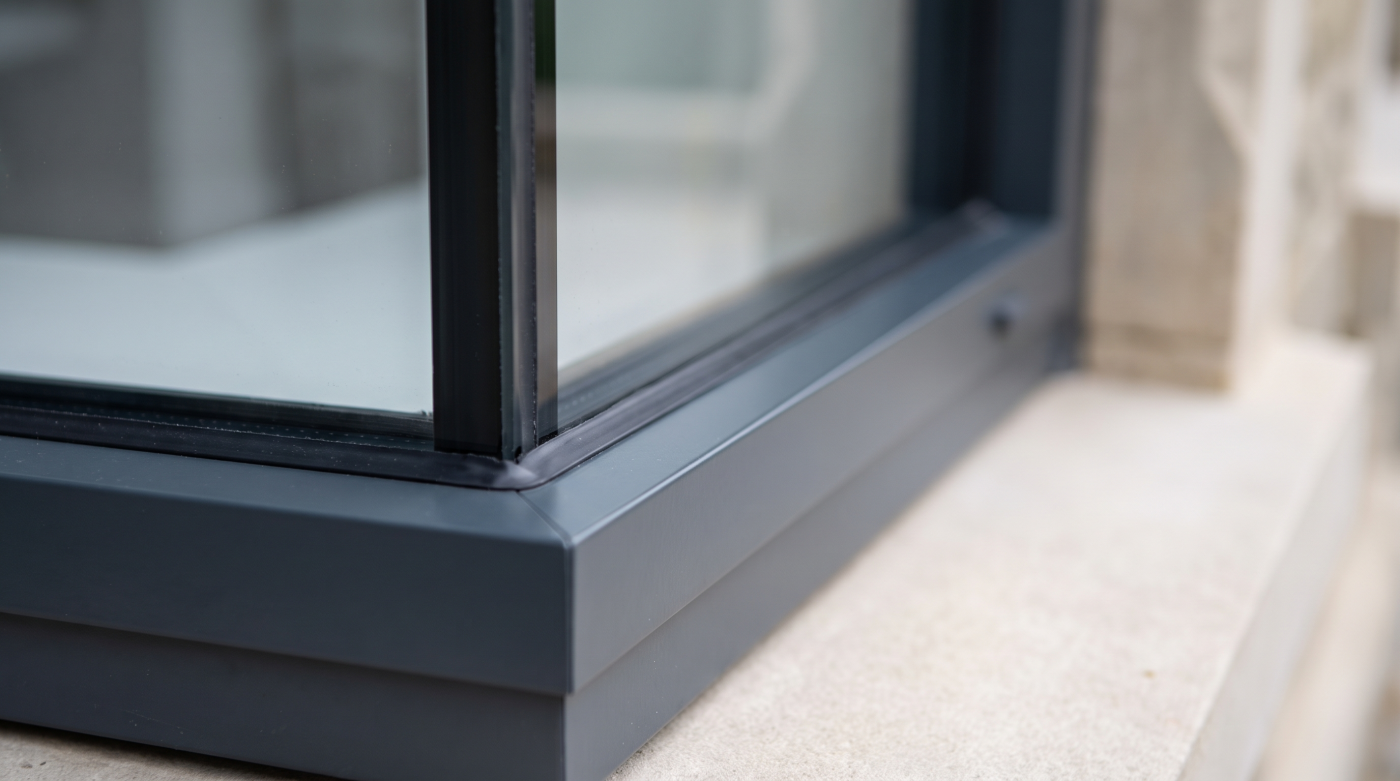
09
Oct
Oct
1. Begin where you actually feel uncomfortable Choose the room and position where the cold is most noticeable. It might be a chair near a bay, a bed beside an external wall or a desk facing a window. The starting point matters because discomfort is experienced in a particular place, not as an average temperature […]
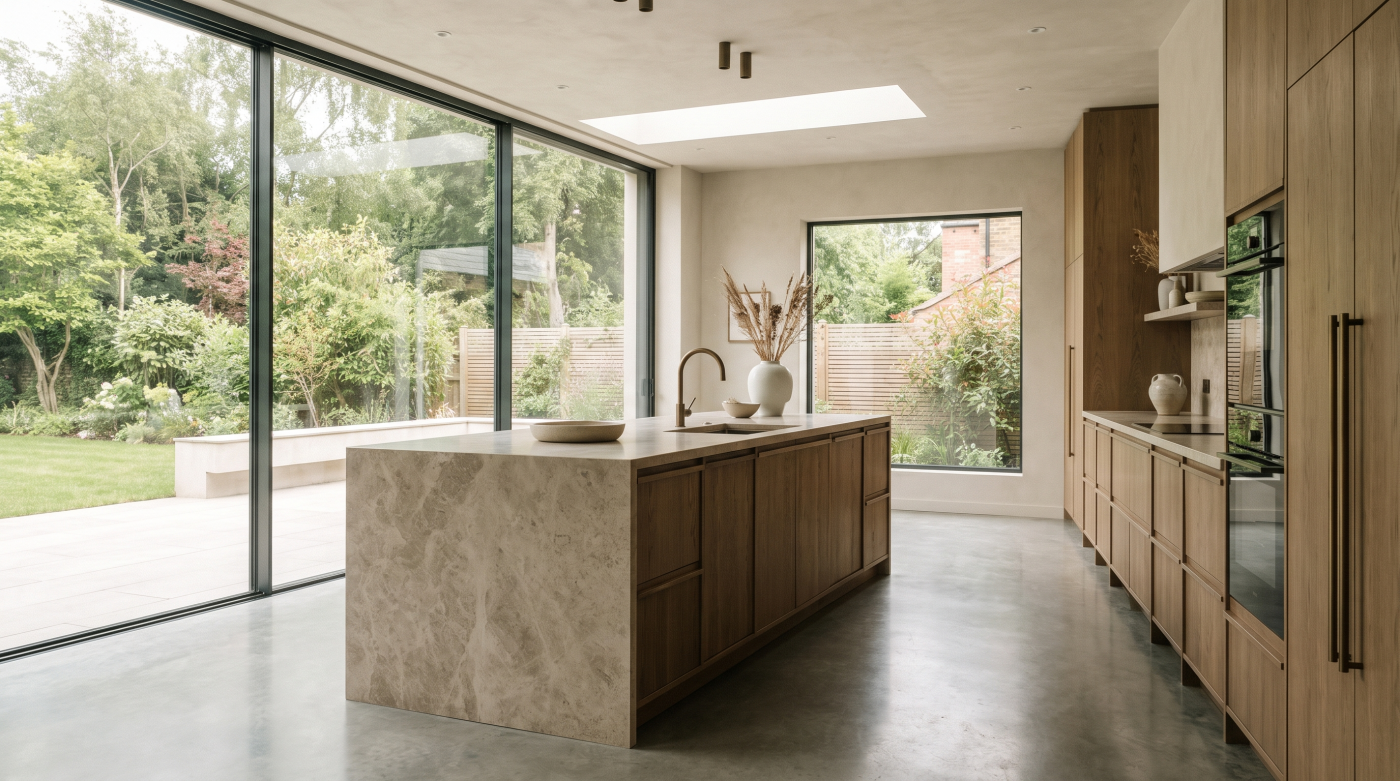
09
Oct
Oct
1. The problem begins with the room, not the glass A glazed room can be a pleasure in one season and difficult to occupy in another. The cause is rarely captured by the area of glass alone. A shallow room with a shaded garden outlook behaves differently from a deep kitchen beneath a broad rooflight. […]
07
Oct
Oct
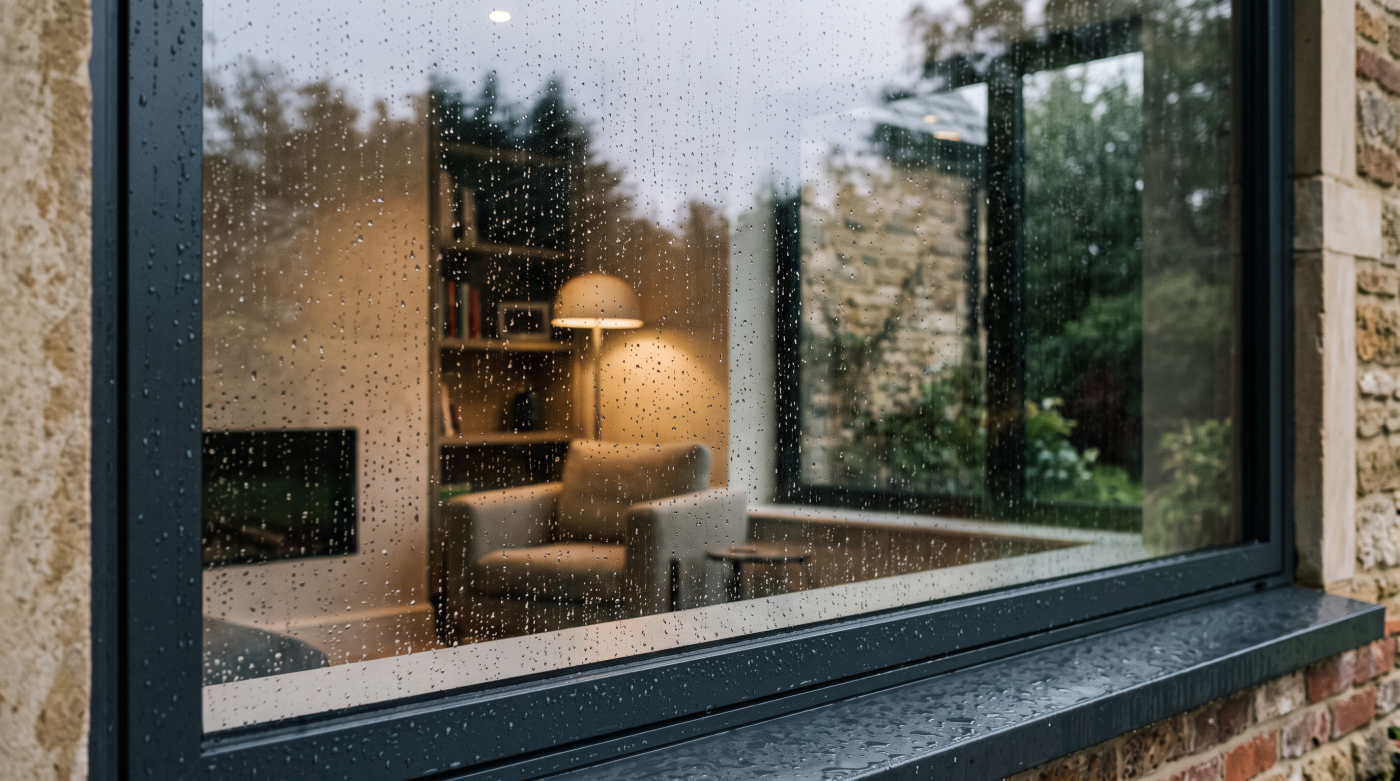
1. Weather tests the whole opening A window can seem entirely sound through a dry week and then admit air or water during a single period of driving rain. This is not mysterious. Wind changes the pressure across an elevation and pushes rain against surfaces it may barely touch in calmer weather. Orientation, shelter, height […]
07
Oct
Oct
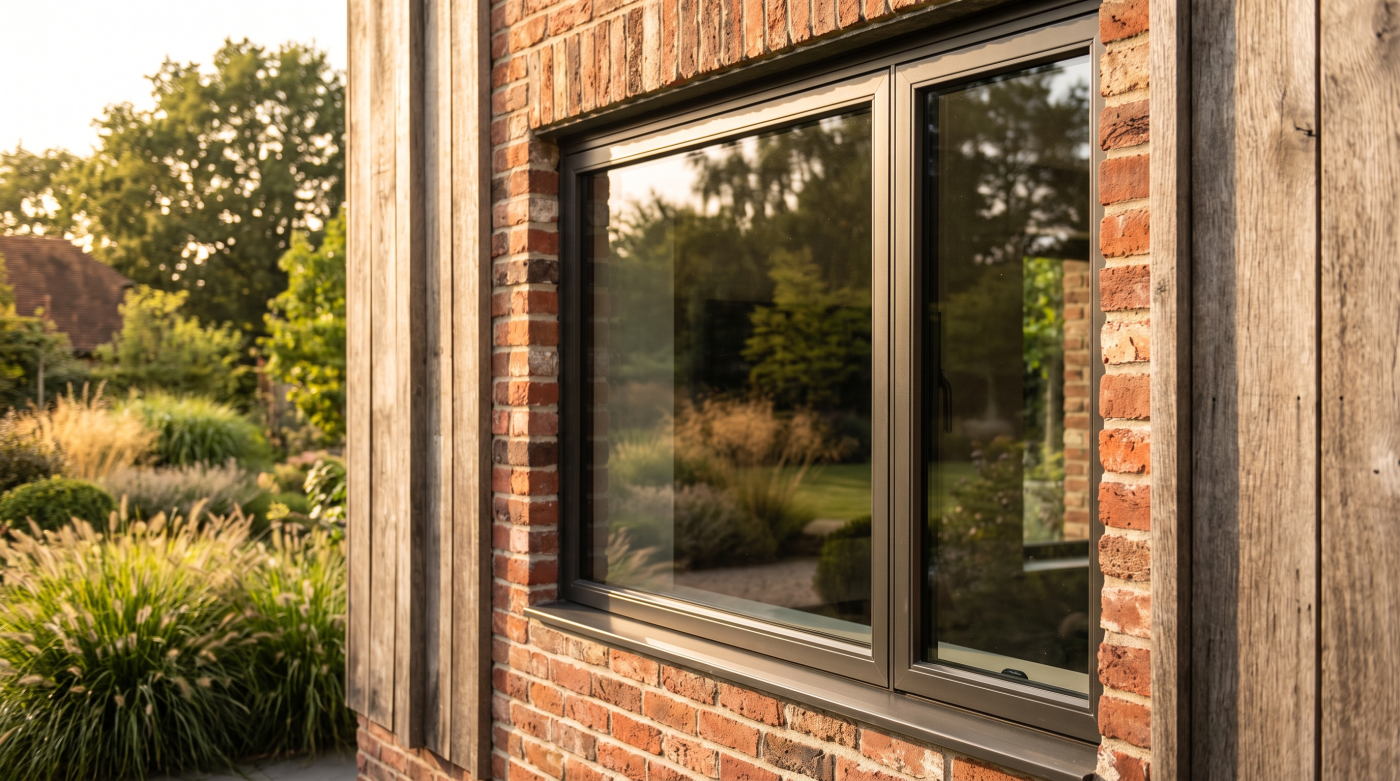
1. Let the change in light show you how rooms work When the clocks go back in autumn, the official hour changes; the daylight available to a house follows the season. Evenings become darker earlier, and the rooms that felt open in summer can begin to feel quite different. In the UK, British Summer Time […]
07
Oct
Oct
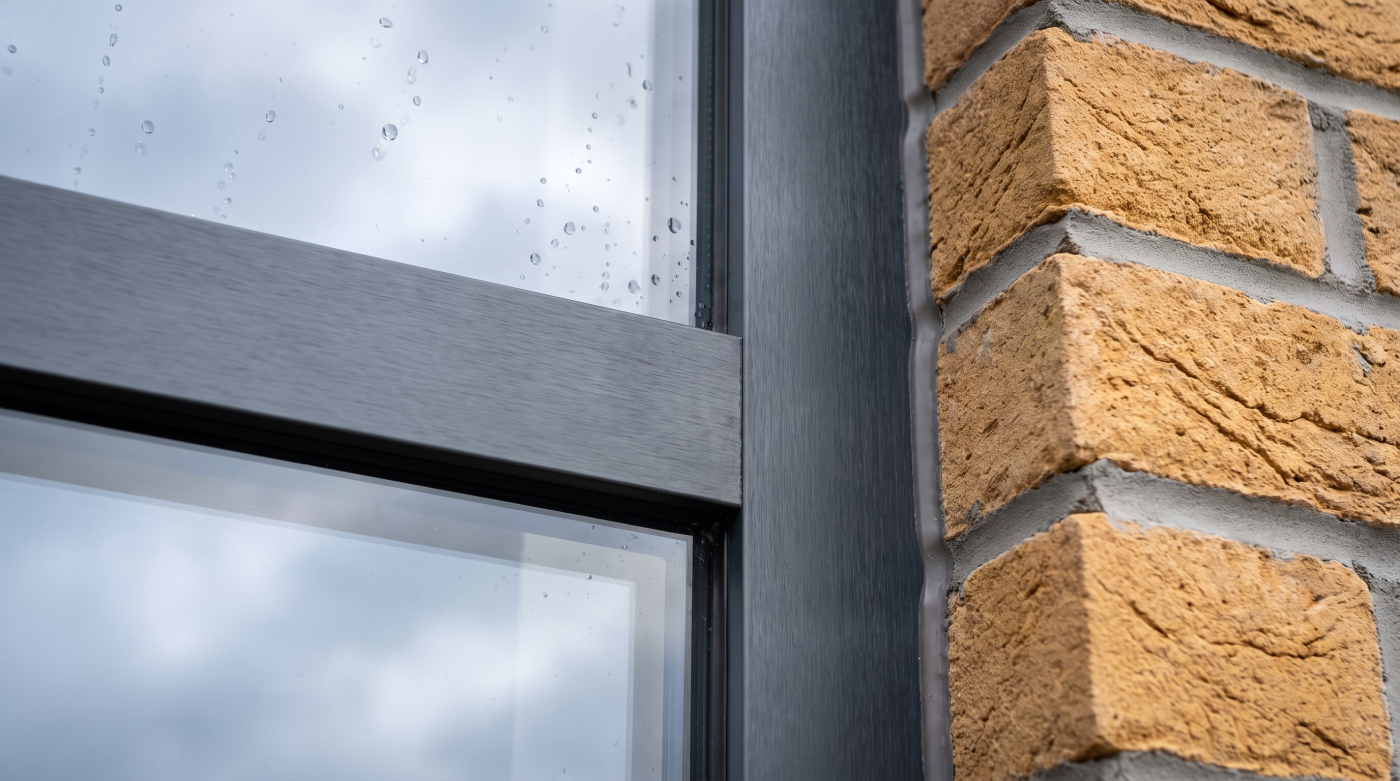
1. Why a draught feels worse in midwinter January gives a draught a particular force. Rooms are occupied for longer, heating is in regular use and a movement of cold air across a desk or bed can become difficult to ignore. The month is typically the coldest in southern England, according to the Met Office’s […]
07
Oct
Oct
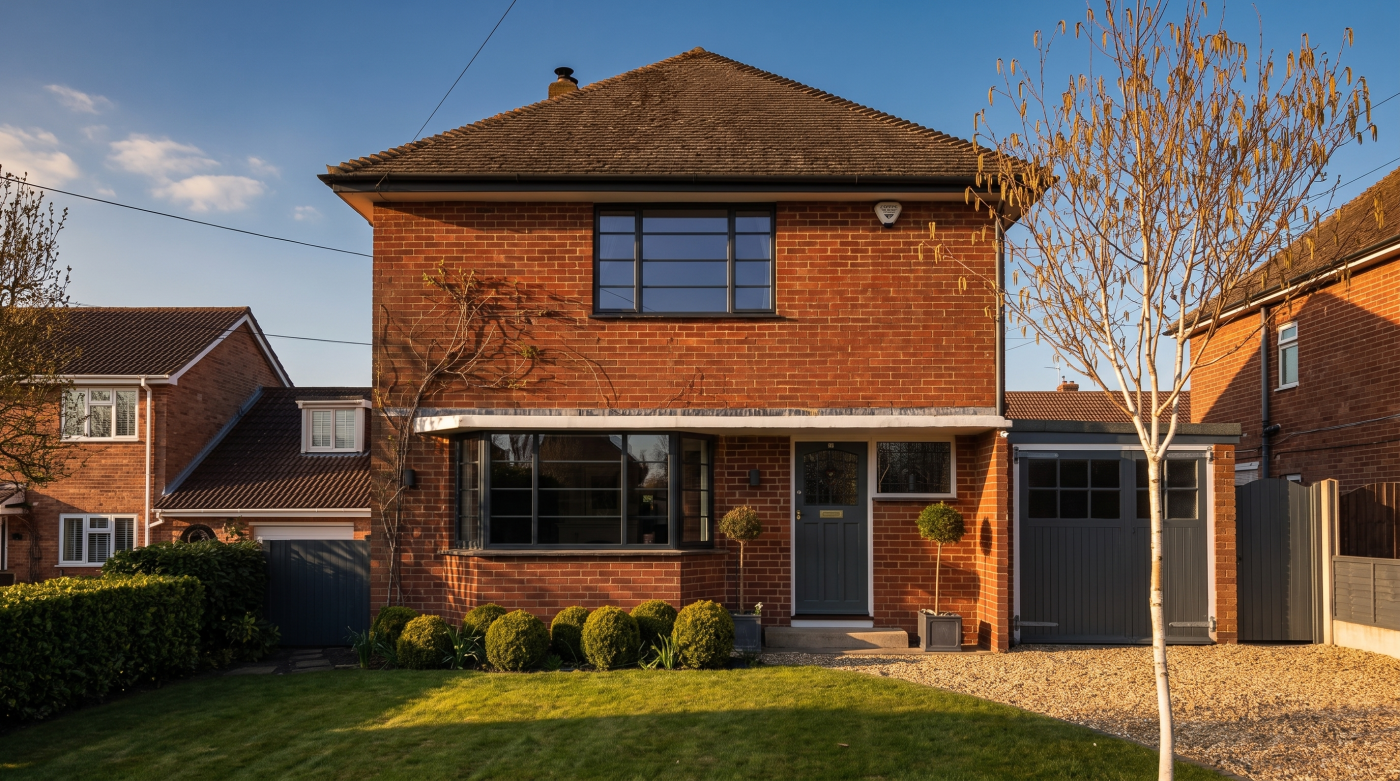
1. Start with the date the building needs to be ready Ask when the windows need to be in place, rather than when an order should be signed. A family moving into a renovated house has a different deadline from someone replacing two windows in an occupied bedroom. On an extension, the glazing may need […]
06
Oct
Oct
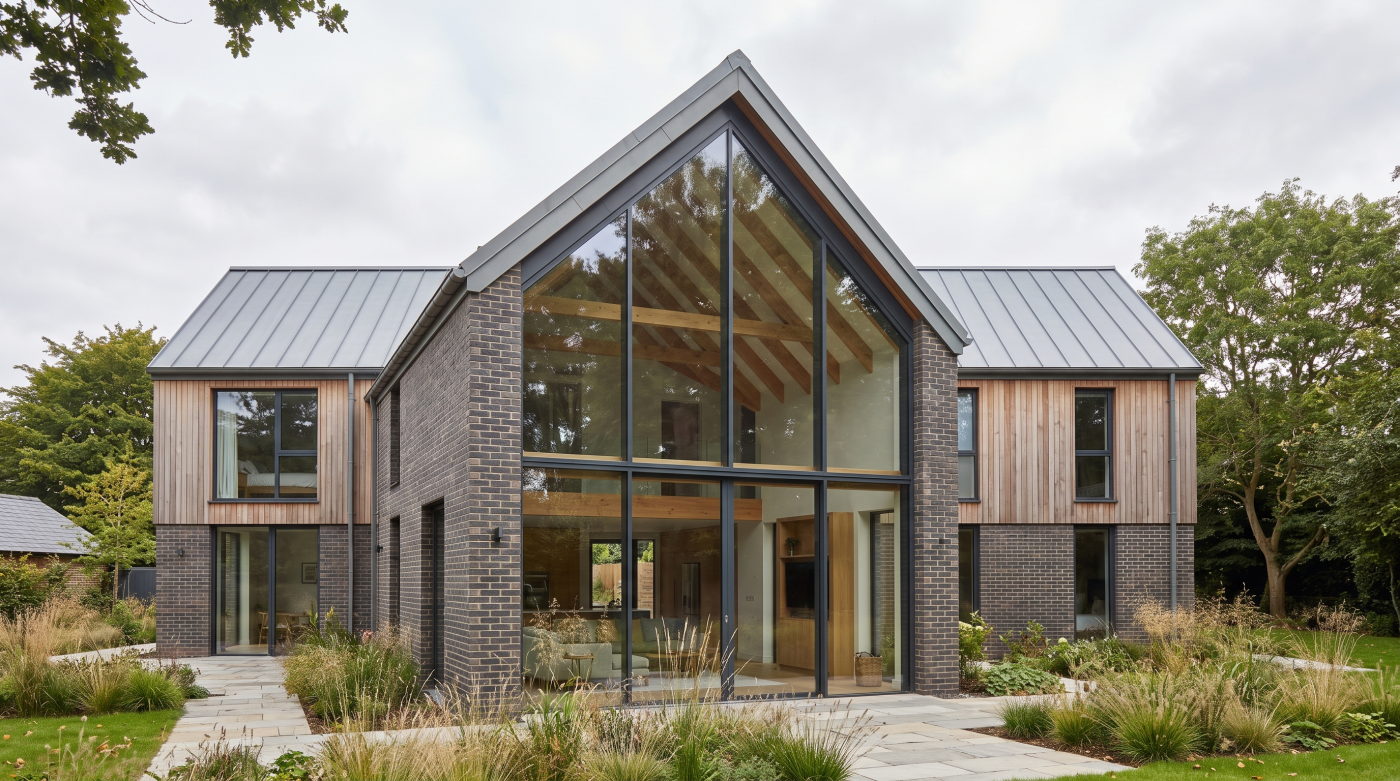
What a Glazing Designer Would Change About Your House Without seeing a house, no one can responsibly prescribe new windows for it. A glazing designer can, however, describe the questions that reveal where change would matter most—and where it would be a mistake. 1. Survey what the house already does well The first task is […]
06
Oct
Oct
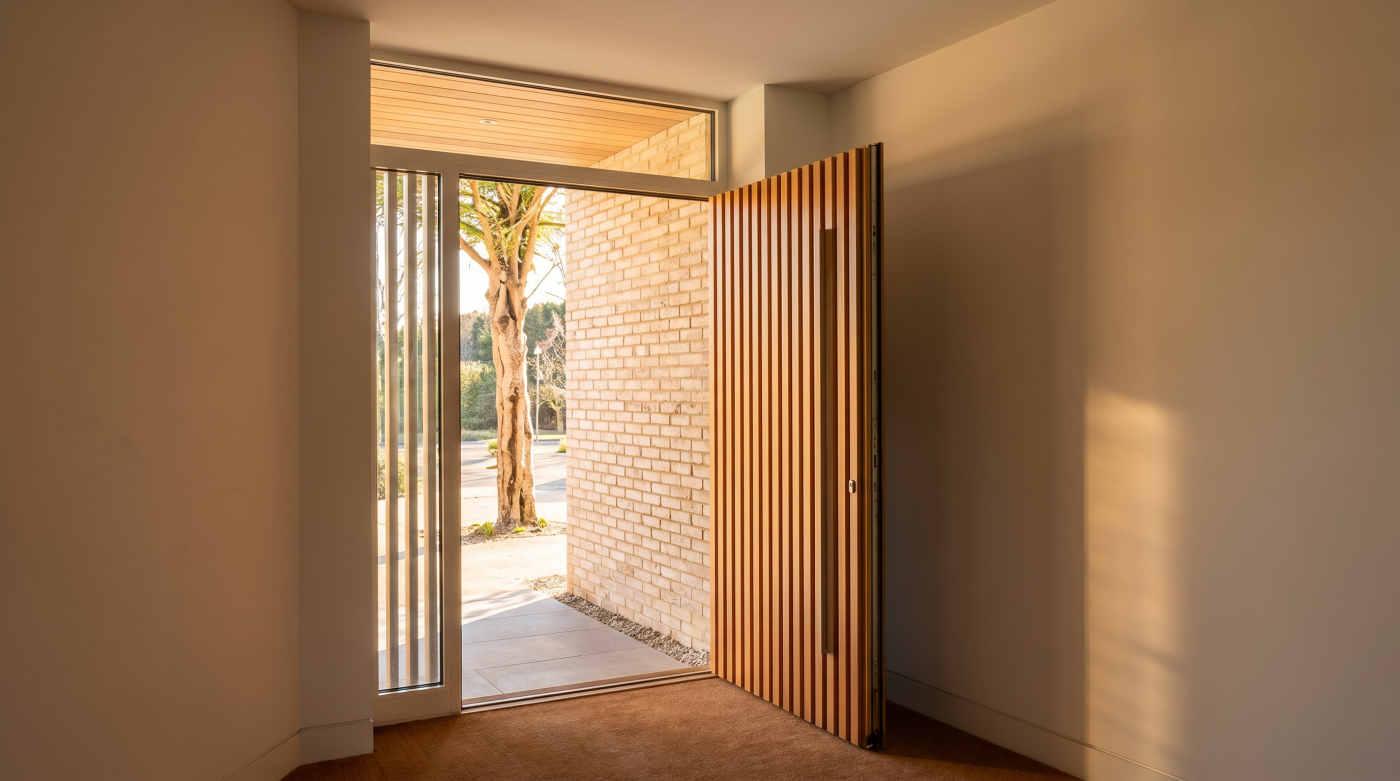
1. Ask what problem the admired house solved An architectural photograph presents a result. It seldom shows the brief that produced it: a narrow site, a dark original room, a neighbour’s close window or a family that needed several ways to occupy one space. Without that context, copying the visible feature can bring the wrong […]
06
Oct
Oct
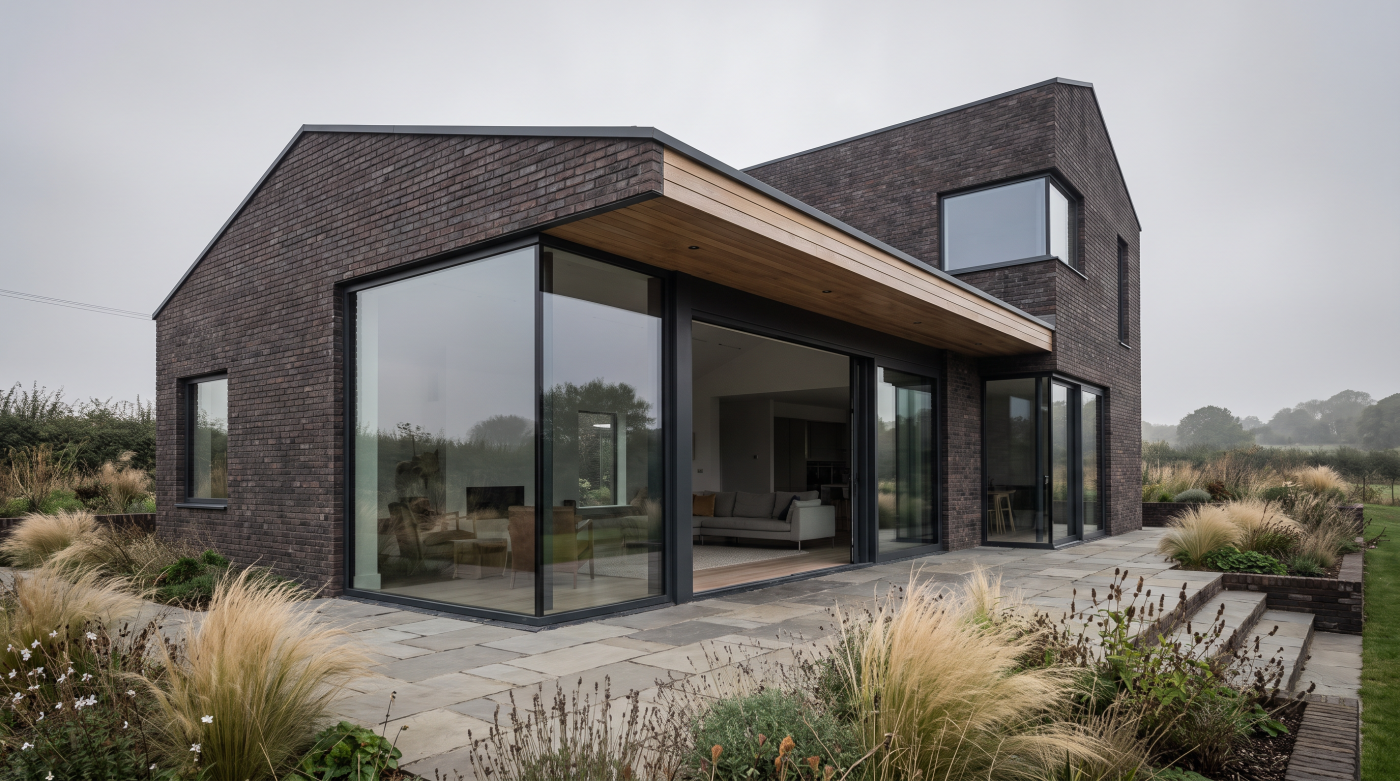
The Front Door Upgrade That Changes Everything A front door is the point where the street, the building and everyday life meet. The most consequential upgrade may be the way the whole entrance is composed, lit and used. 1. Start at the pavement or garden gate The front door is encountered before anyone touches it. […]
06
Oct
Oct
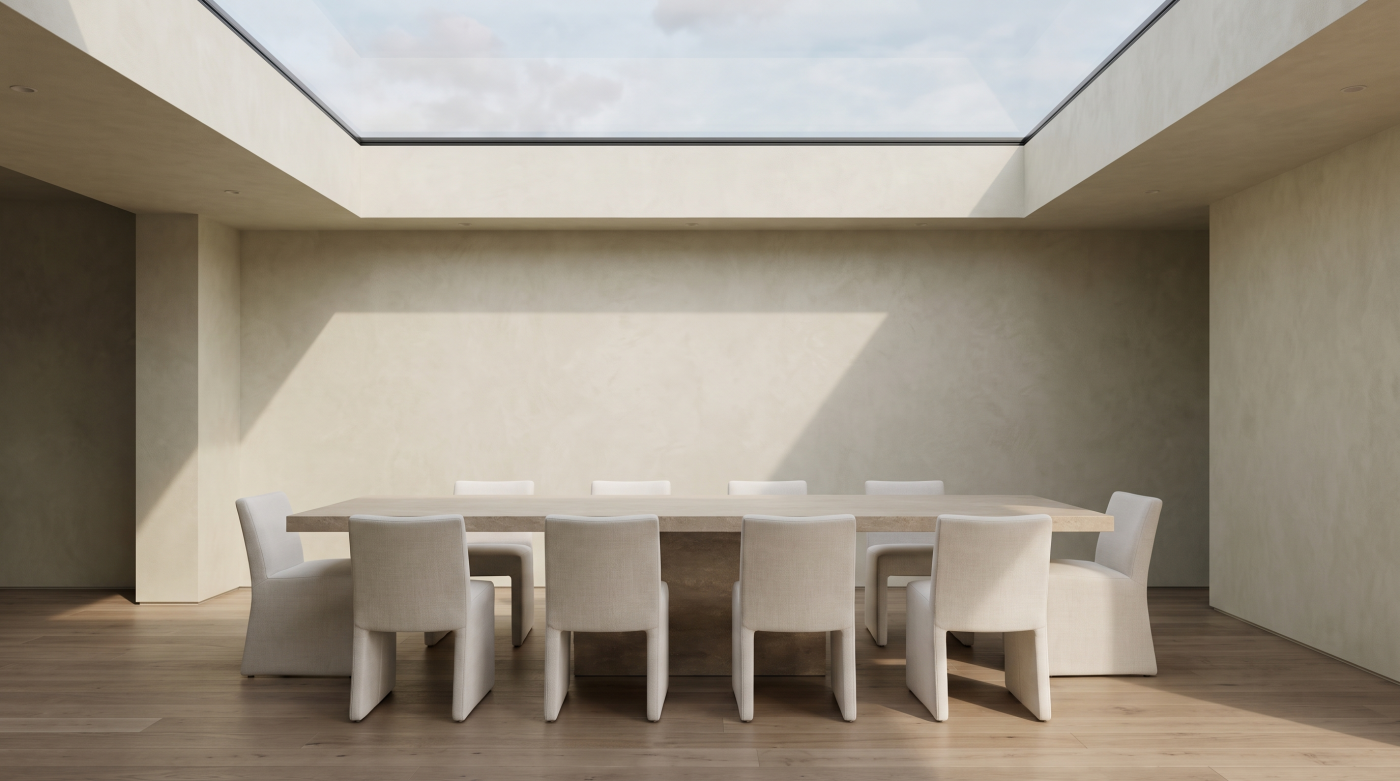
1. See the rear elevation as a whole Rear elevations often tell the story of a house’s changes. A kitchen window may belong to one decade, patio doors to another and a small extension to a third. None need be poor in isolation, yet together they can leave the garden-facing wall without a clear order. […]
05
Oct
Oct
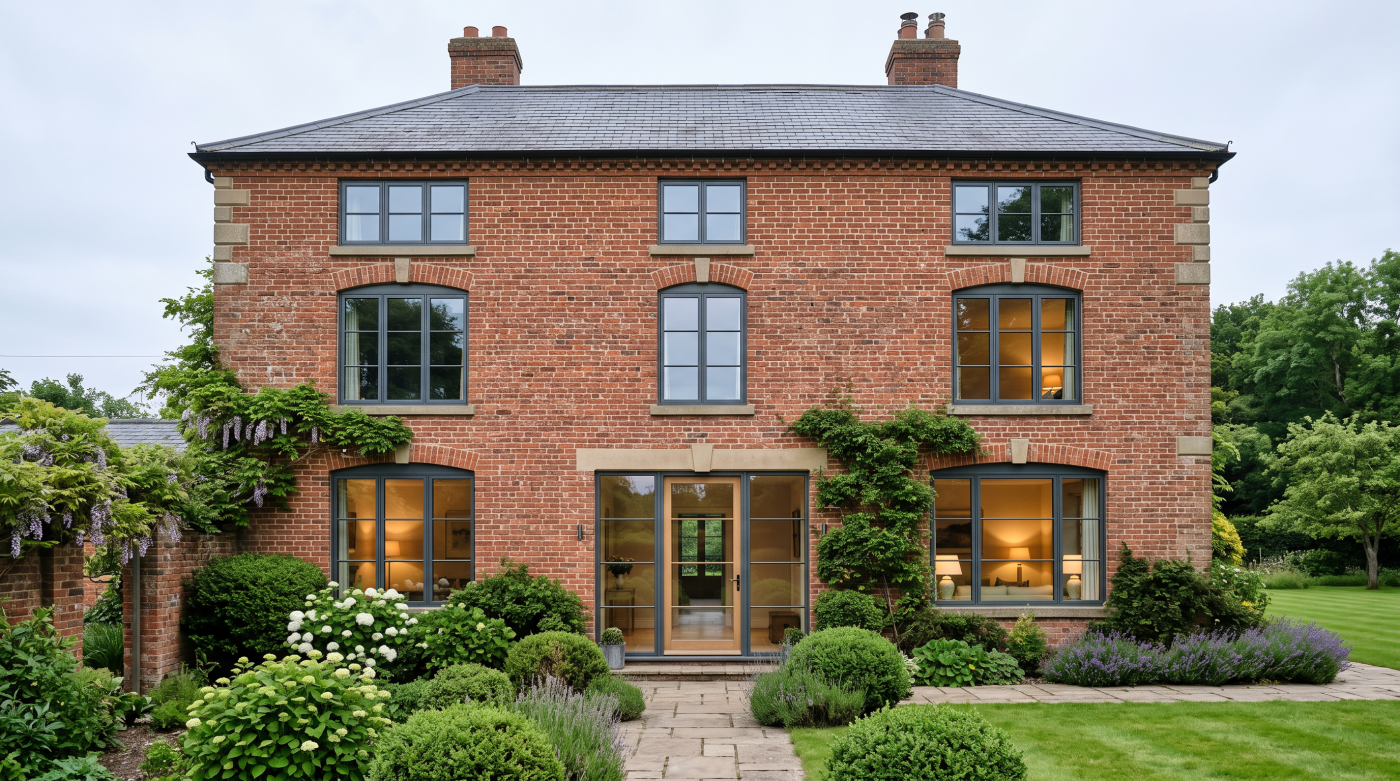
1. Light belongs to the plan The first daylight decision is often made before a window is drawn. It is the decision about which rooms occupy which parts of the house and how people move between them. A kitchen used early in the day, a study occupied for long periods and a living room that […]
05
Oct
Oct
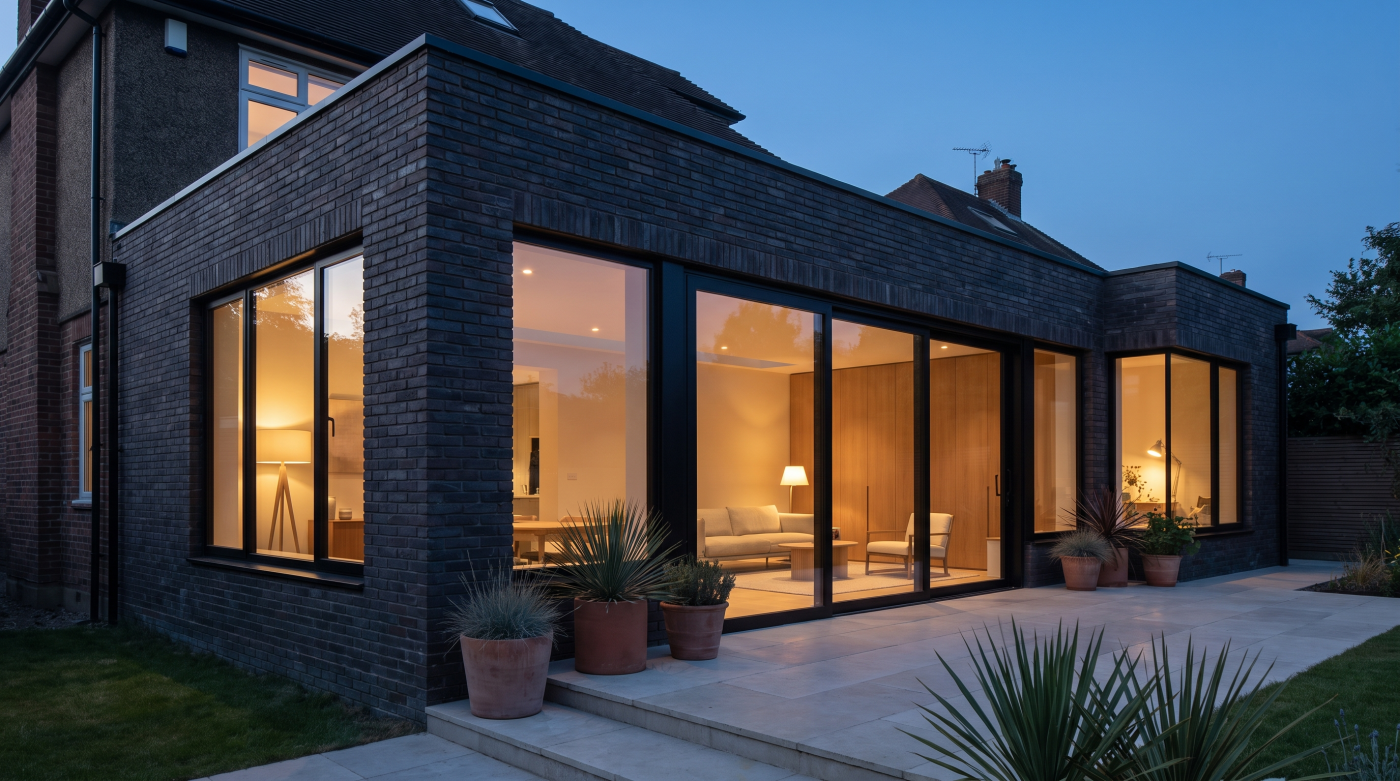
1. The rule is to look beyond the window A window can look elegant in a showroom and awkward once placed in a house. Its frame may be well made, its glass carefully specified and its dimensions entirely ordinary. What fails is the relationship between that rectangle and the building around it. Proportion is often […]
05
Oct
Oct
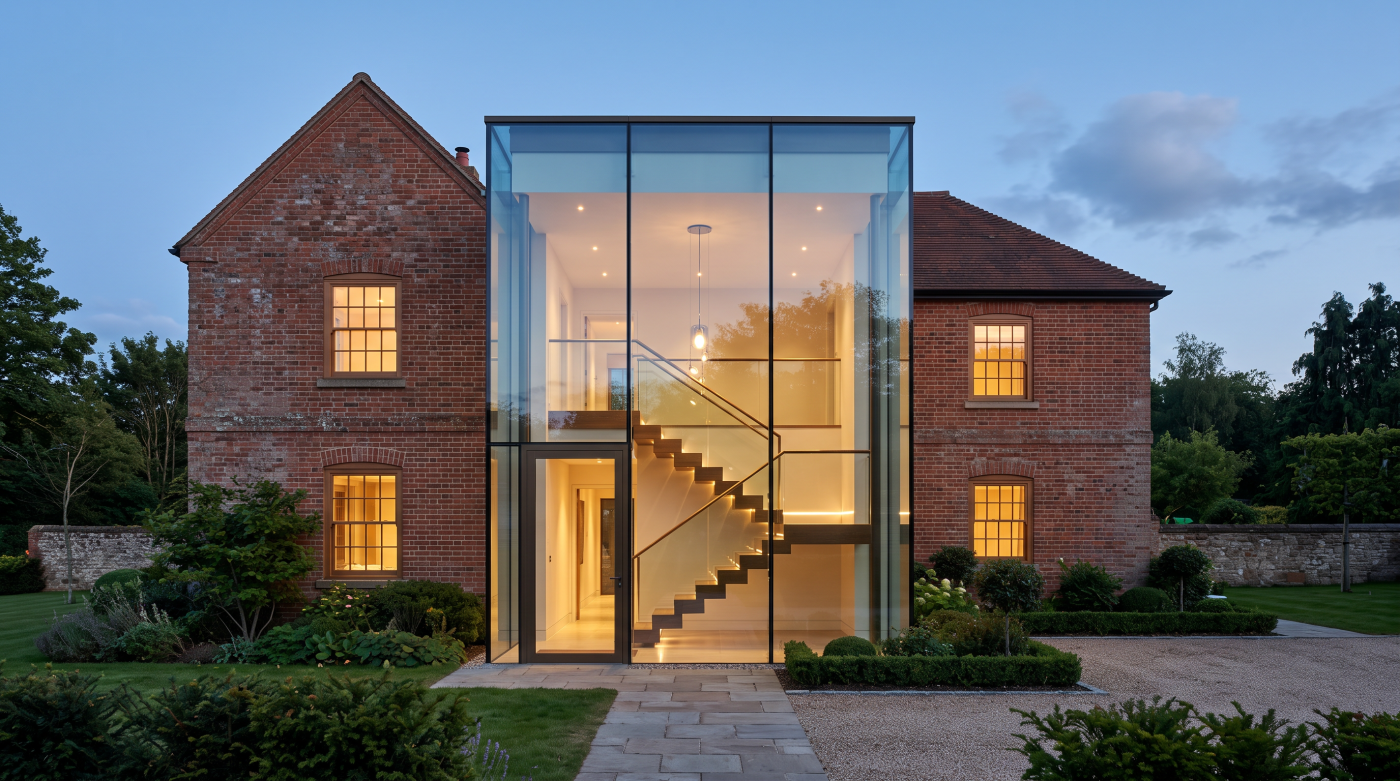
1. Read the house before changing it Every house offers clues about how it wants to be altered. Its plan may organise rooms around a central hall. Windows may establish a measured pattern on the street elevation. A later addition may have become valuable in its own right. Before drawing new openings or choosing finishes, […]
05
Oct
Oct
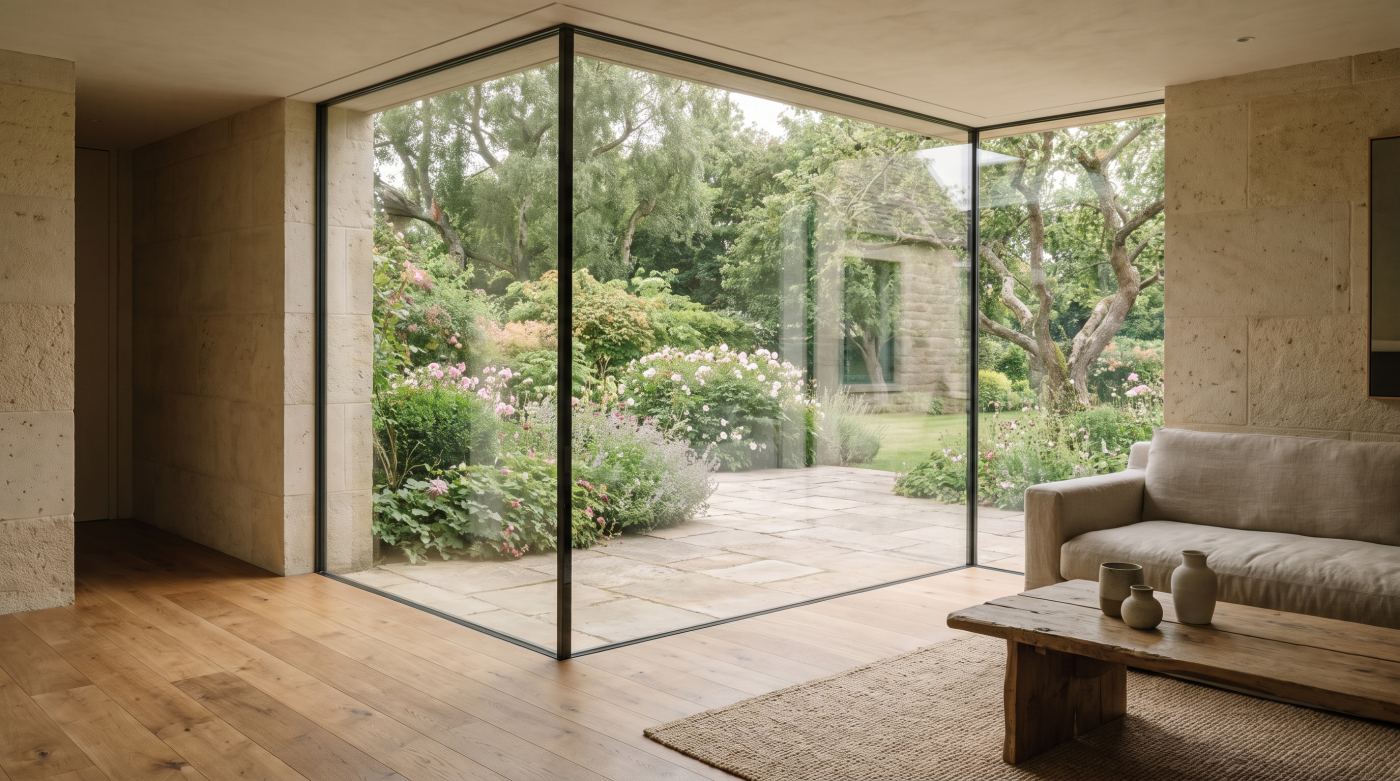
1. Decide what the glazing must do for the house A glazing budget is difficult to control when every opening is treated as equally important. A garden door used daily, a window that frames a distant view and a small opening in a secondary room do different architectural work. Their specifications need not be identical. […]
02
Oct
Oct
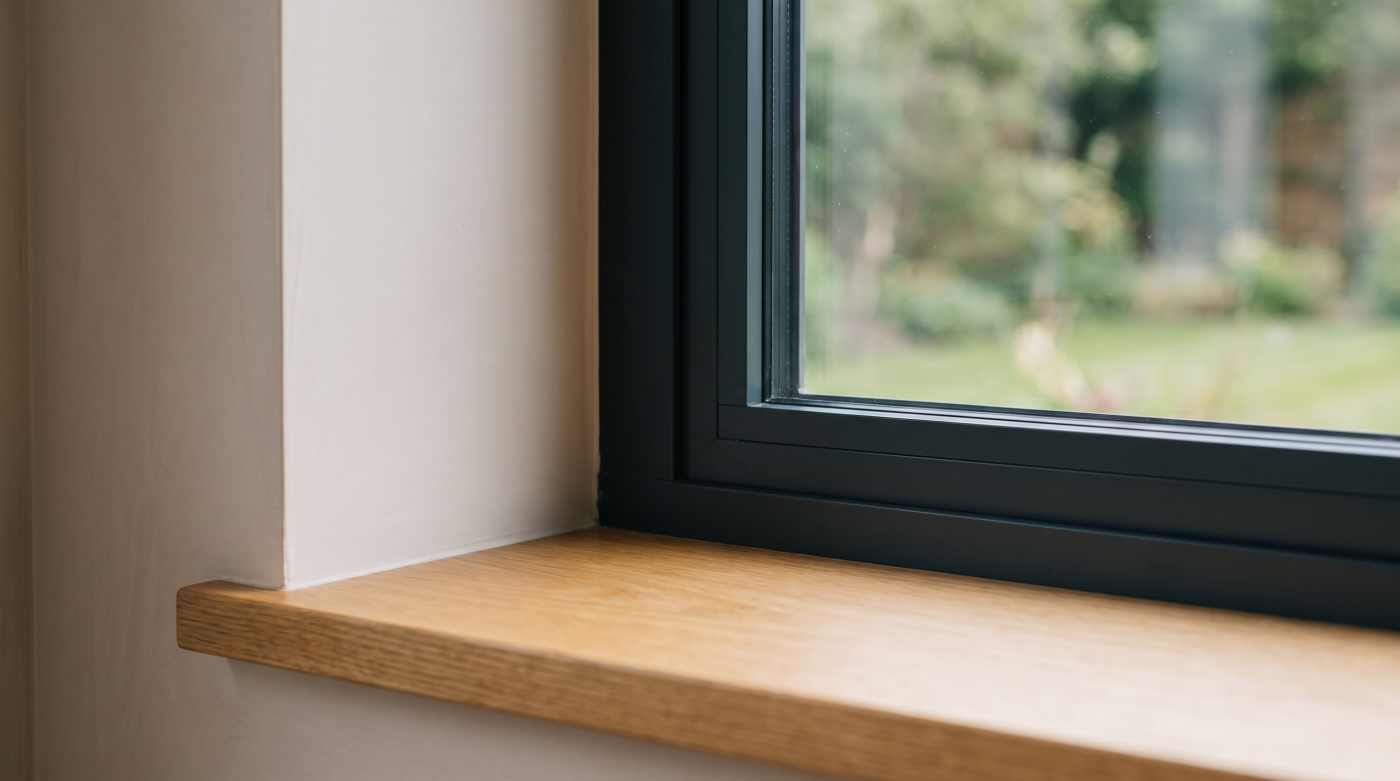
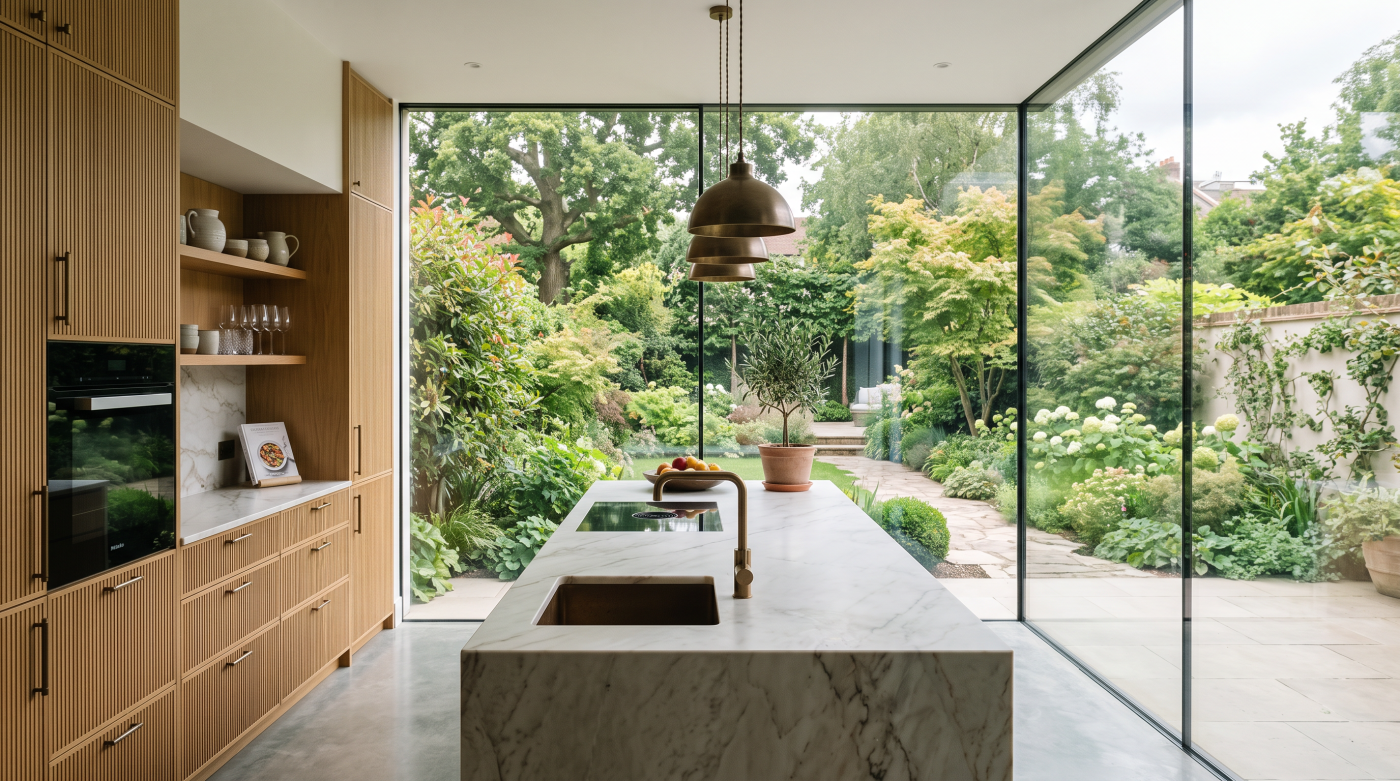
1. Why the edge of an opening matters People may not consciously inspect a window reveal, but they notice when its lines are settled. The eye moves from wall to frame to glass. If those elements meet with clear proportions, the opening feels deliberate. If uneven trims, awkward gaps or competing edges interrupt the transition, […]
02
Oct
Oct
1. Let the existing house set the terms An extension does not arrive on an empty site. Its height, roofline, materials and openings are read beside a house that already has a character of its own. A new addition can continue that language or contrast with it, but the relationship should be deliberate. Begin by […]

02
Oct
Oct
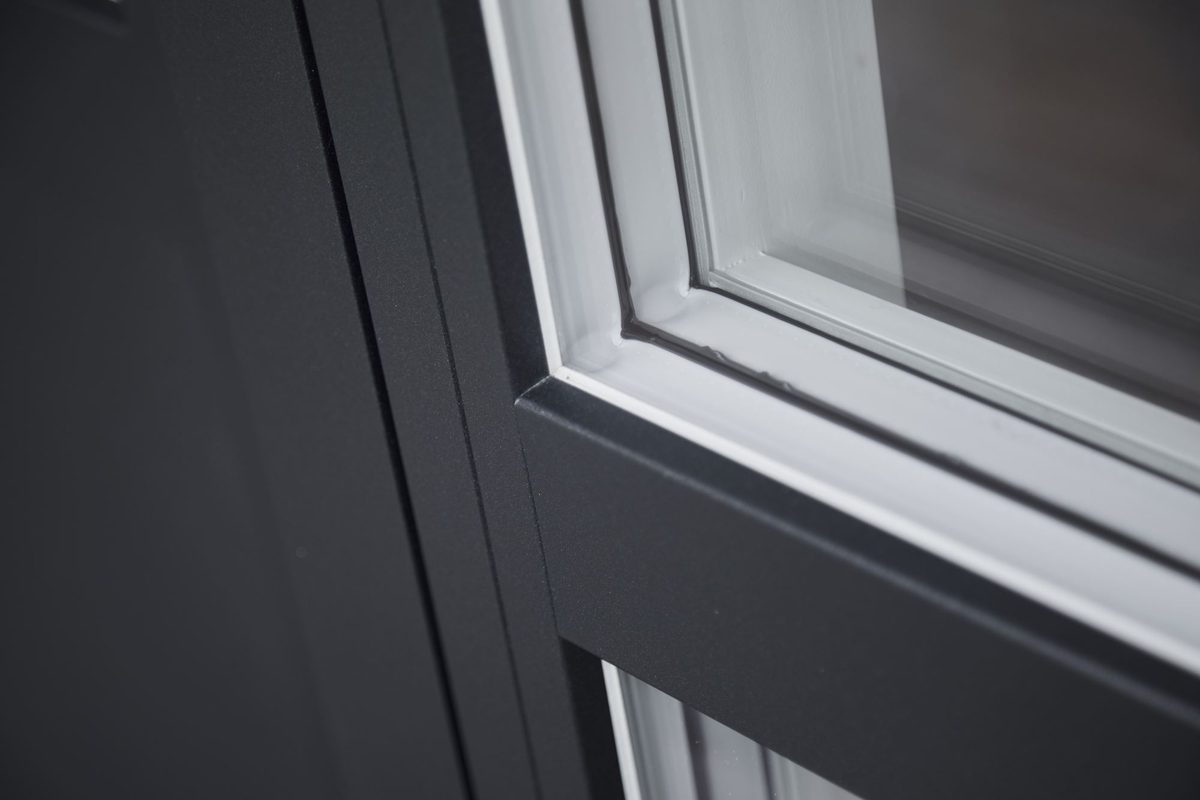
1. Begin with the building, not a product image A photograph of a glazed wall can be persuasive because it presents a complete scene: light, landscape and furniture arranged around the opening. The same doors may behave quite differently in another house. Before looking for a product, establish what the proposed glazing must do in […]
02
Oct
Oct
1. Start with the house and the room There is no single standard UK semi. Houses built in different decades may share a familiar outline while differing substantially in wall construction, roof insulation, ventilation and the condition of their windows. One may face an open, windy street; another may be sheltered by neighbouring buildings. Those […]