
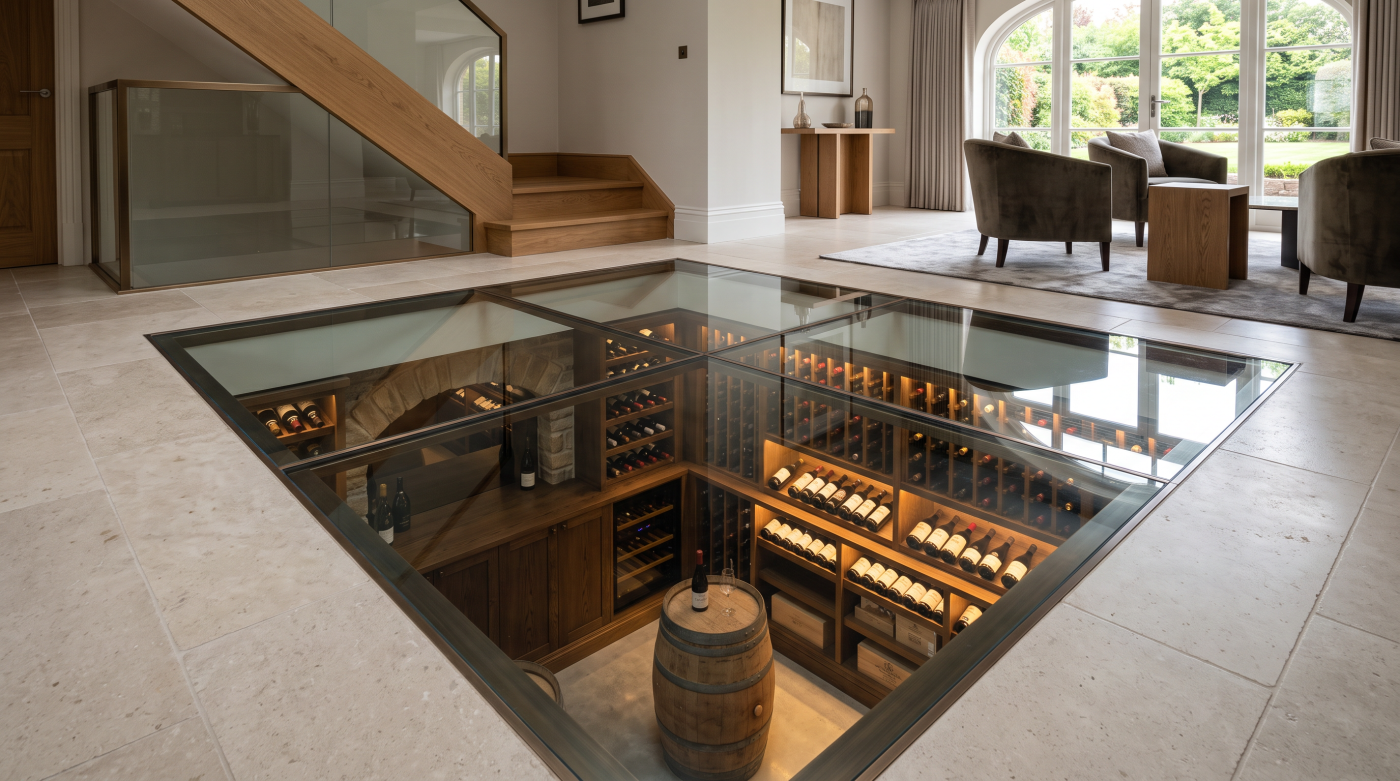
A Contract Cannot Clarify What the Project Has Never Defined A detailed contract can create a reassuring sense that everything has been settled. There is a price, a programme and a description of the work, perhaps accompanied by drawings, quotations and specifications. Yet the presence of paperwork does not necessarily mean that everyone involved has […]
Author Archives: Jamie Grimshaw

10
Sep
Sep
A Start Date Is Not the Beginning of a Project When planning a renovation or self-build, it is easy to think of the start date as the moment the project truly begins. It is visible and reassuring: people arrive on site, materials are delivered and the building starts to change. Yet on a well-considered project, […]
09
Sep
Sep
“10 Years” Is Not a Guarantee. It Is a Duration A ten-year guarantee sounds reassuring. It is a simple number, easy to remember and even easier to compare. If one window company offers five years and another offers ten, the longer period can instinctively feel like the stronger promise. But the number tells you only […]
09
Sep
Sep
A Deposit Should Never Be Asked to Replace Clarity Paying a deposit changes the character of a glazing project. Until that point, quotations, configurations and finishes can still feel like part of an exploratory process. Once money changes hands, there is a natural sense that the important decisions have been made. That sense of certainty […]
09
Sep
Sep
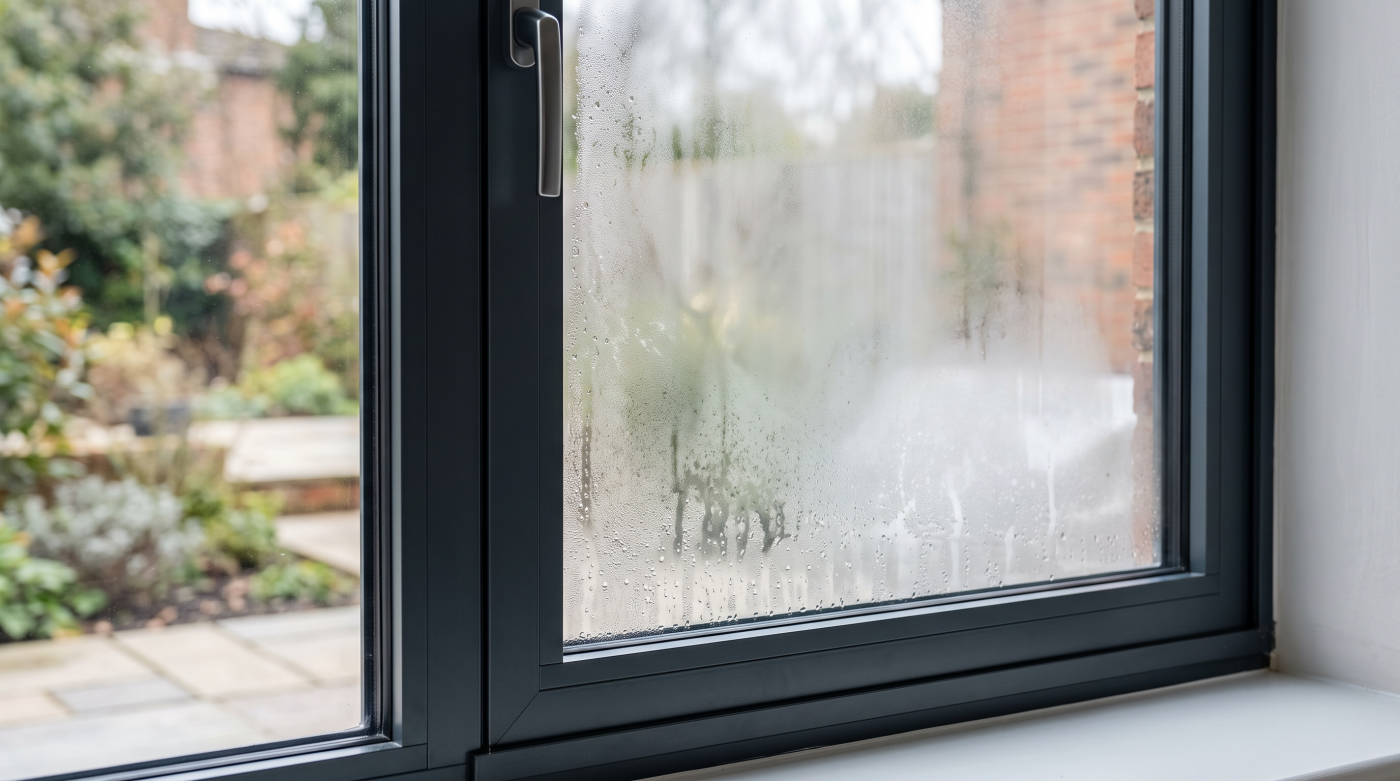
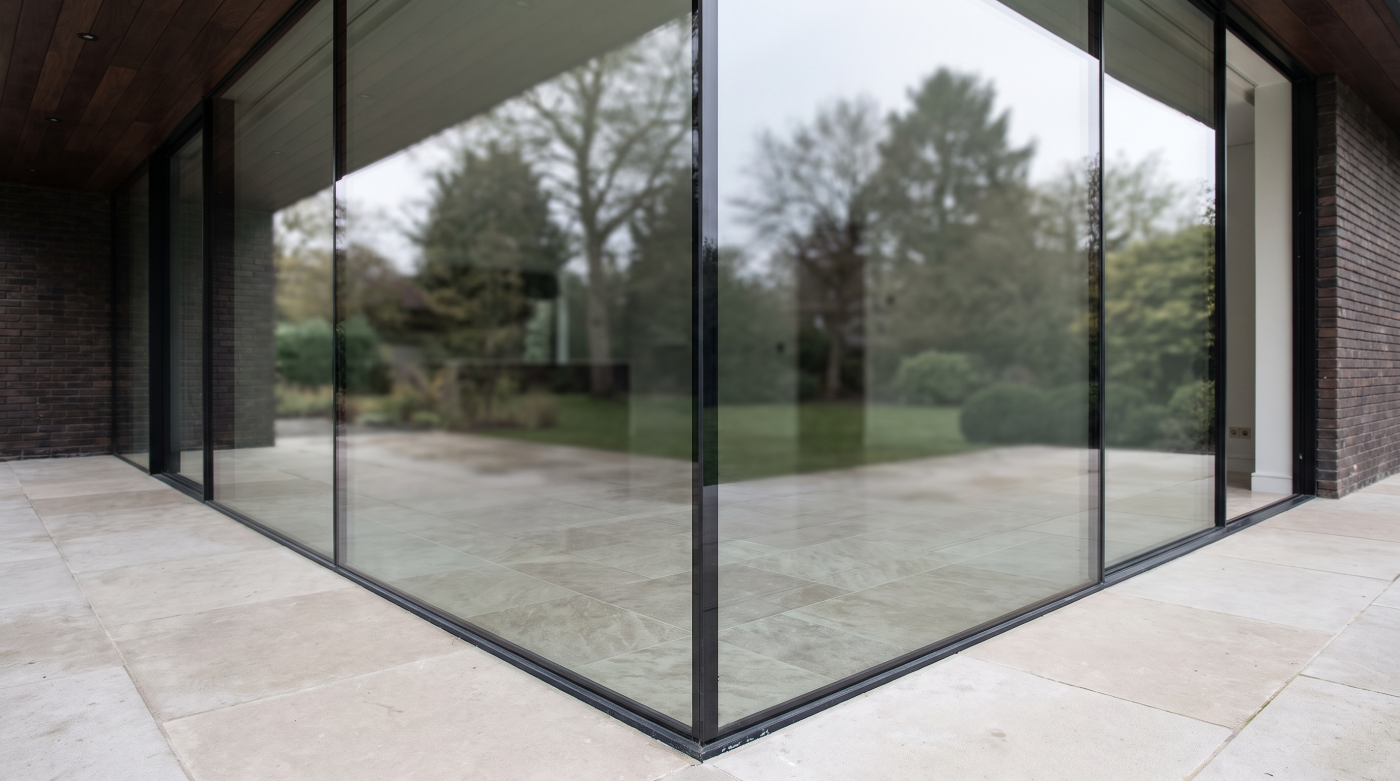
Warning Sign One: Rooms Feel Draughty Around the Windows A room can be warm according to the thermostat and still feel uncomfortable beside a window. That experience is often described simply as a draught, but the sensation does not always identify the problem as neatly as the word suggests. There may be unwanted air movement […]
09
Sep
Sep
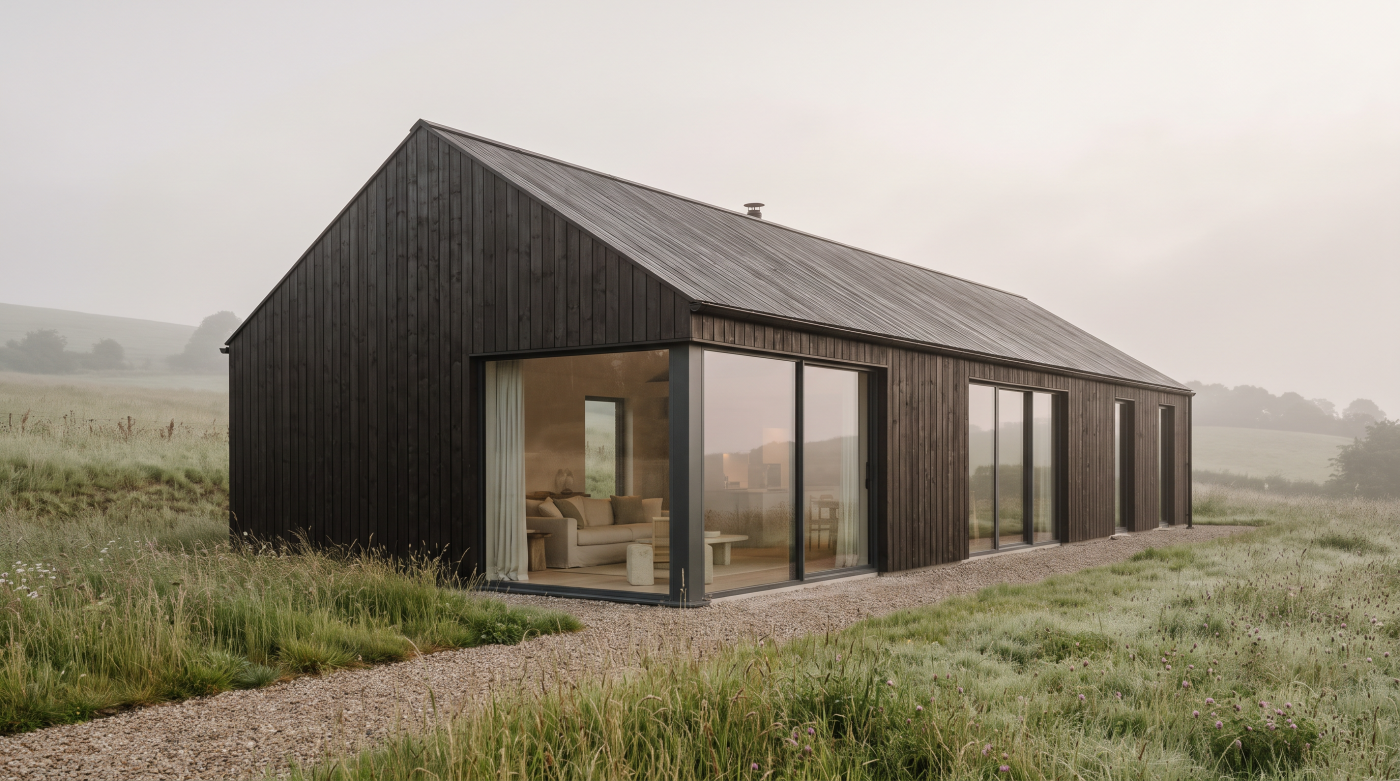
A Survey Is Not Just Measuring the Opening A window survey can appear deceptively straightforward. Measure the width, measure the height and establish the dimensions from which the window will eventually be made. For a simple opening in a completed building, much of the process may indeed be relatively uncomplicated. Architectural projects, however, rarely exist […]
08
Sep
Sep
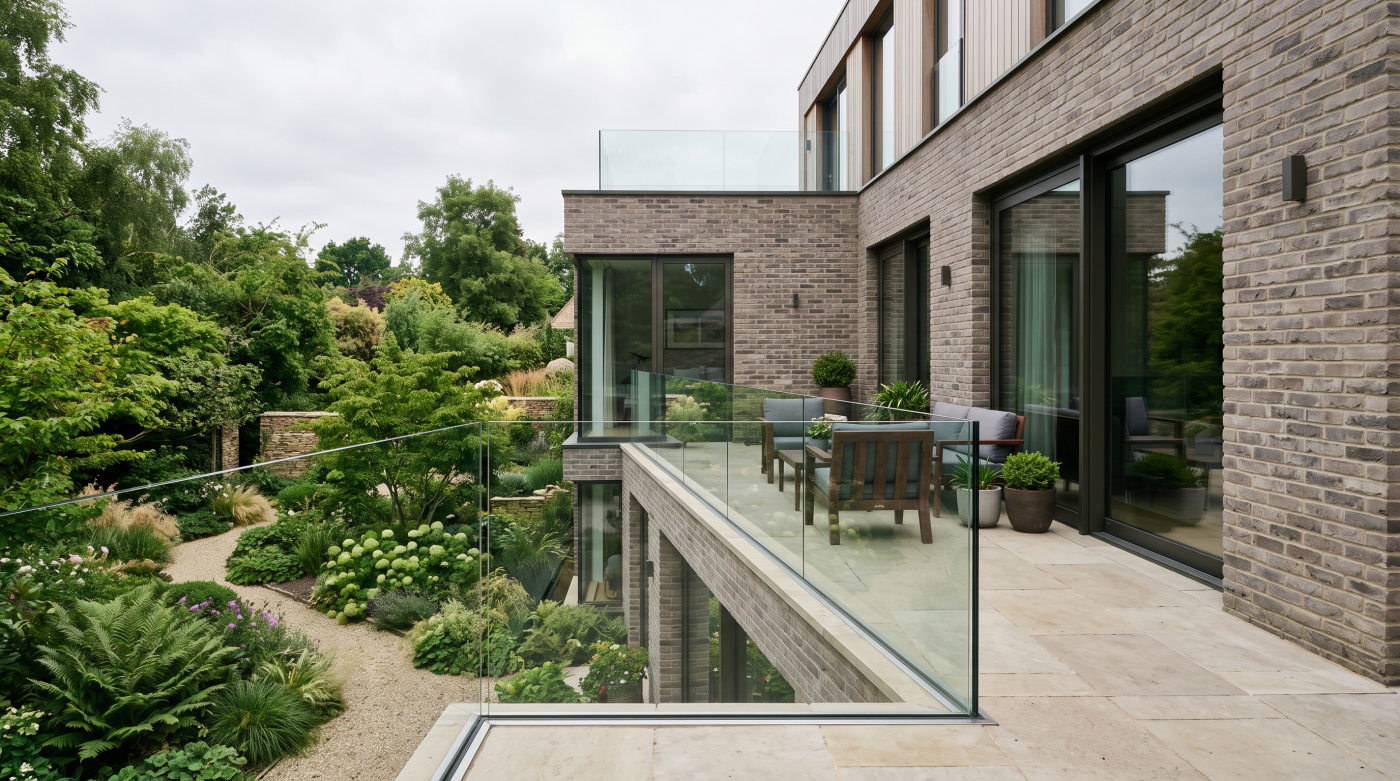
“They’re All Basically the Same” From a distance, many windows do look broadly similar. There is glass, a surrounding frame and, perhaps, an opening section. That superficial similarity can make it tempting to treat competing systems as interchangeable. Yet saying that windows are “all basically the same” avoids the more useful question: which differences actually […]
08
Sep
Sep
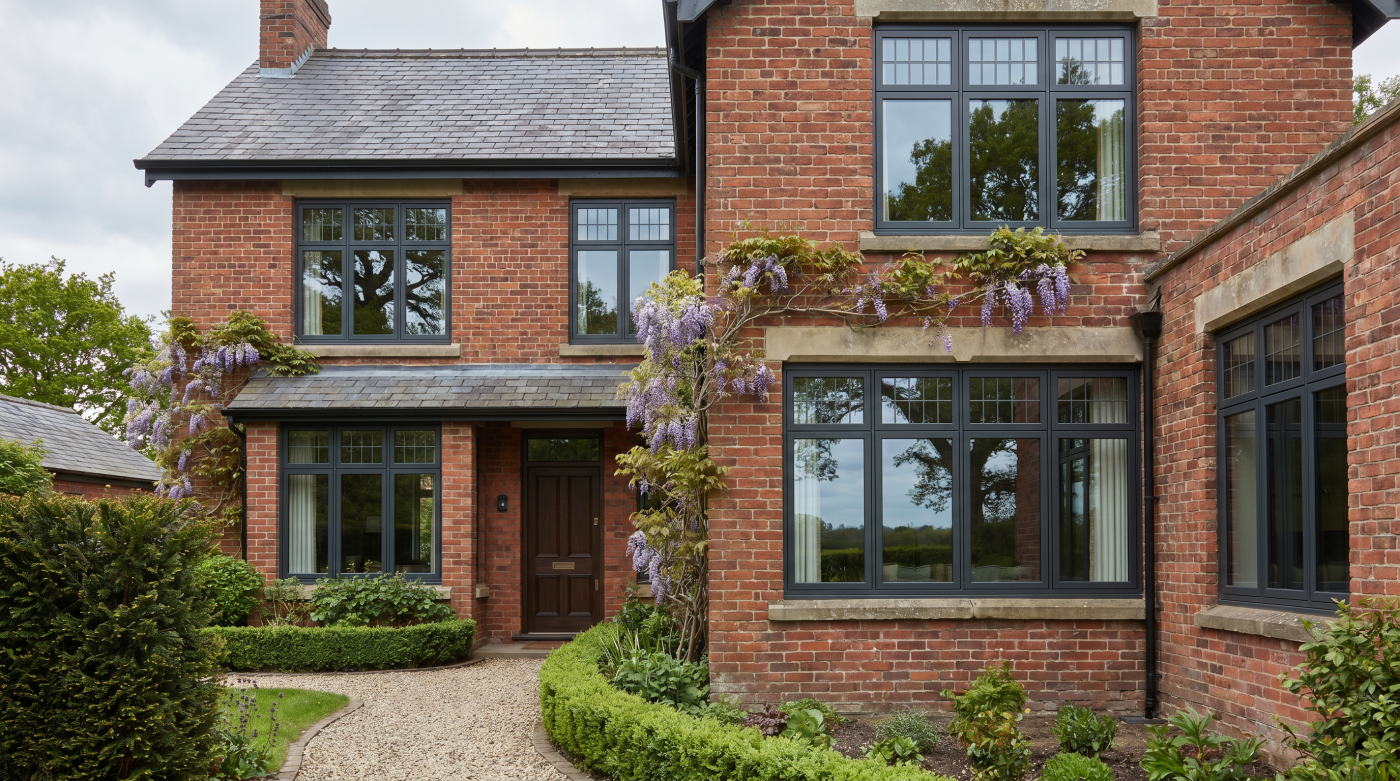
Red Flag One: You Cannot Tell Exactly What Window Has Been Quoted A window quotation can contain a great deal of information and still leave the most important question unanswered: what, precisely, is being proposed? A product name and overall dimensions may create an impression of specificity, but they do not necessarily reveal enough about […]
08
Sep
Sep
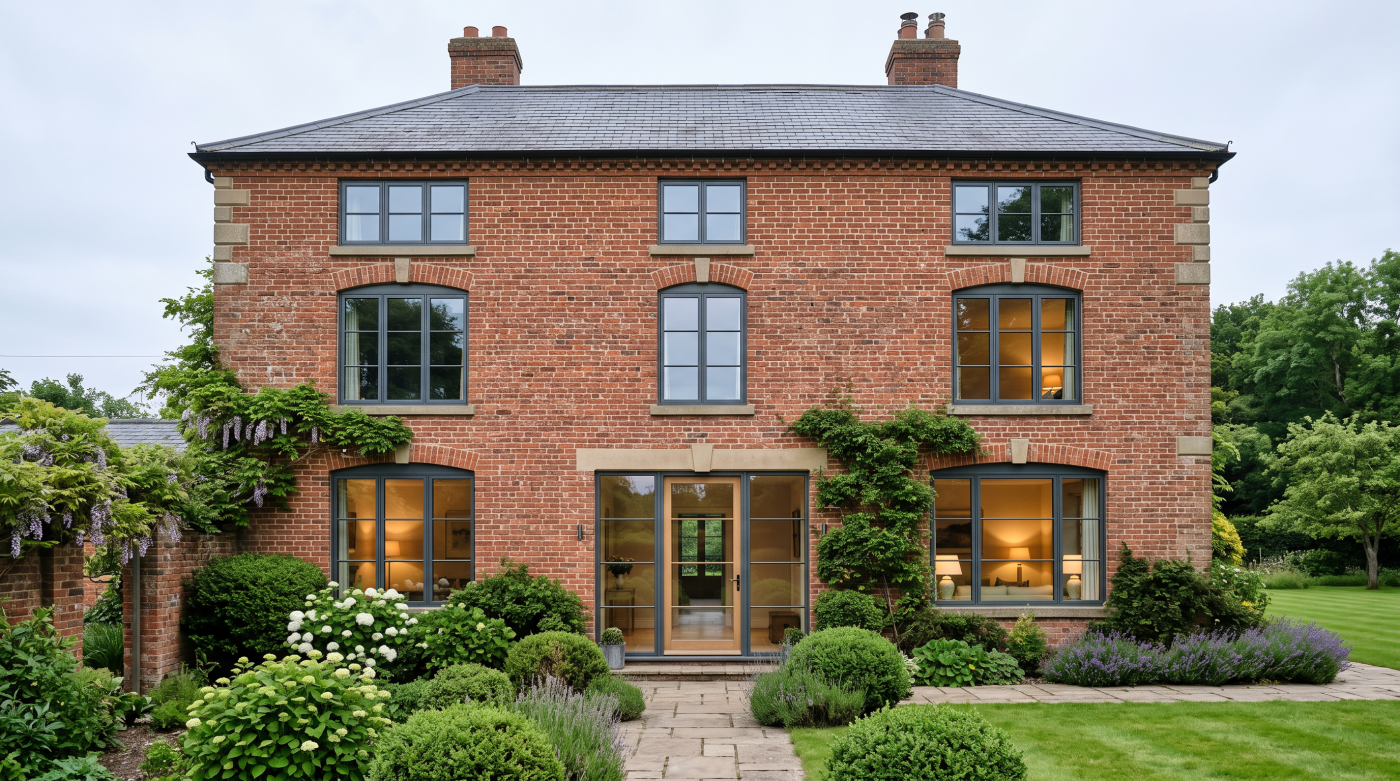
There Is No Such Thing as a Universally Essential Upgrade Window upgrades are usually presented as a progression. Better glass, lower U-values, slimmer frames or more specialised finishes can all appear to move the specification in the right direction. Technically, they may do exactly that. Architecturally, however, an improvement only has value when the building […]
08
Sep
Sep
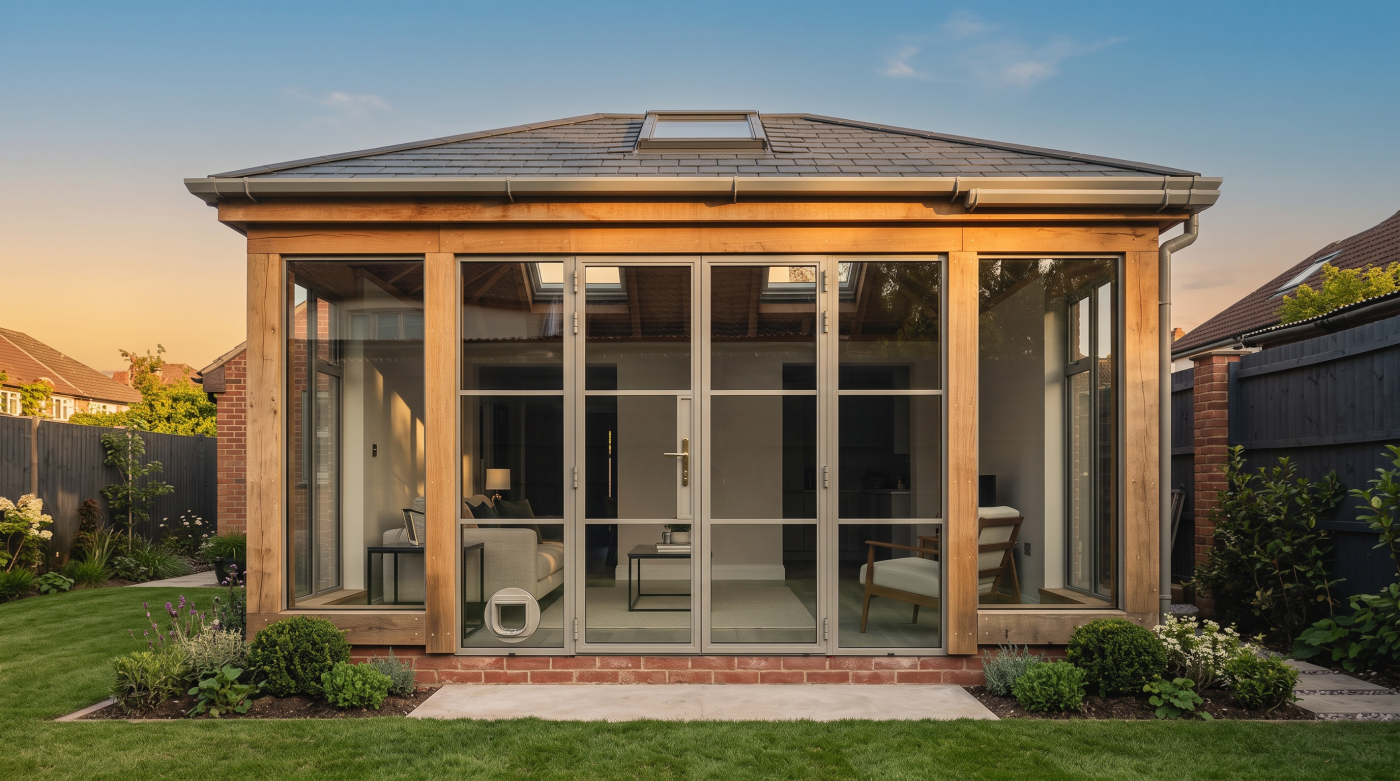
A Window Is More Than a Frame and a Piece of Glass A window appears to be one of the simpler components in a building. There is a frame, an area of glass and, where required, a means of opening it. That visual simplicity can make substantial differences in price difficult to understand. Much of […]
07
Sep
Sep
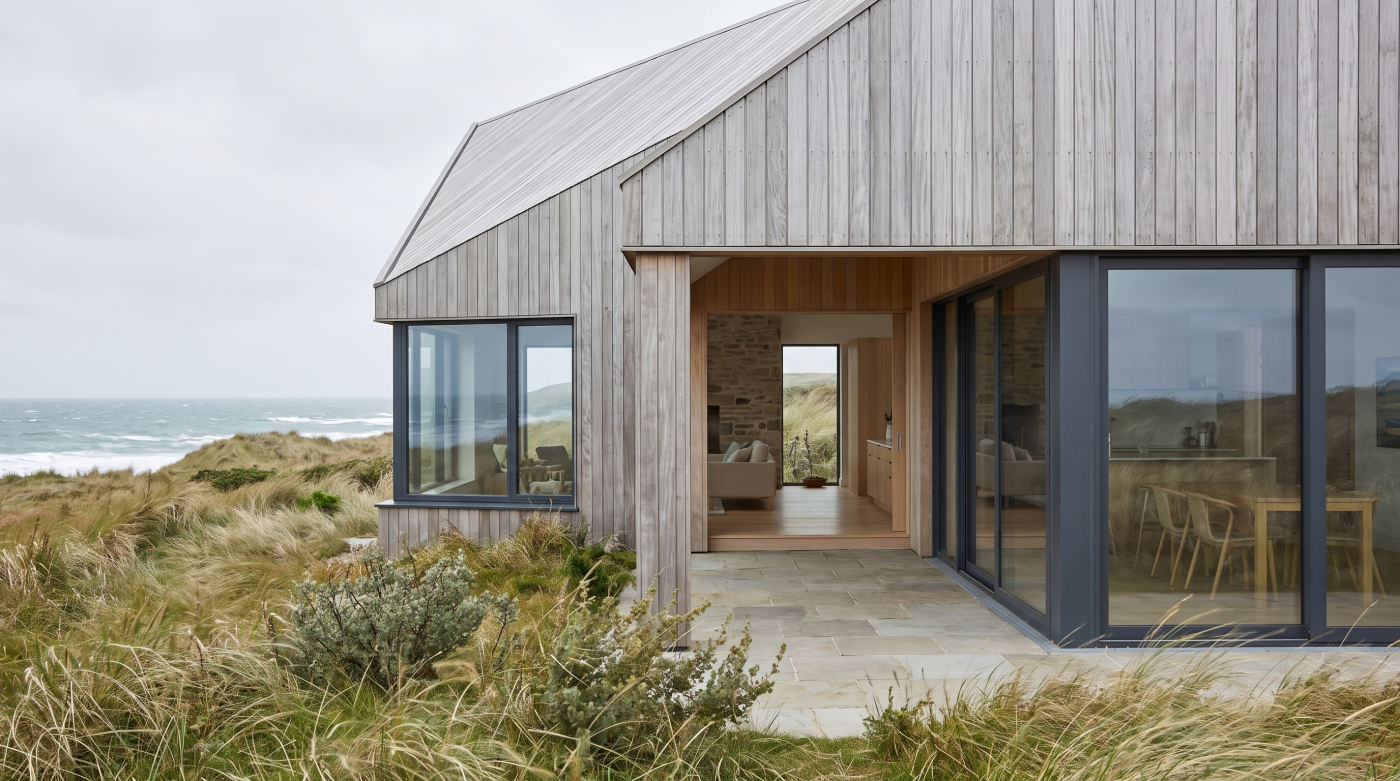
First Decide What You Are Trying to Protect Reducing a glazing budget becomes much easier once there is agreement about what the glazing is supposed to achieve. On one project, the priority may be an uninterrupted view across the garden. On another, it may be thermal comfort, generous daylight or the ability to open a […]
07
Sep
Sep
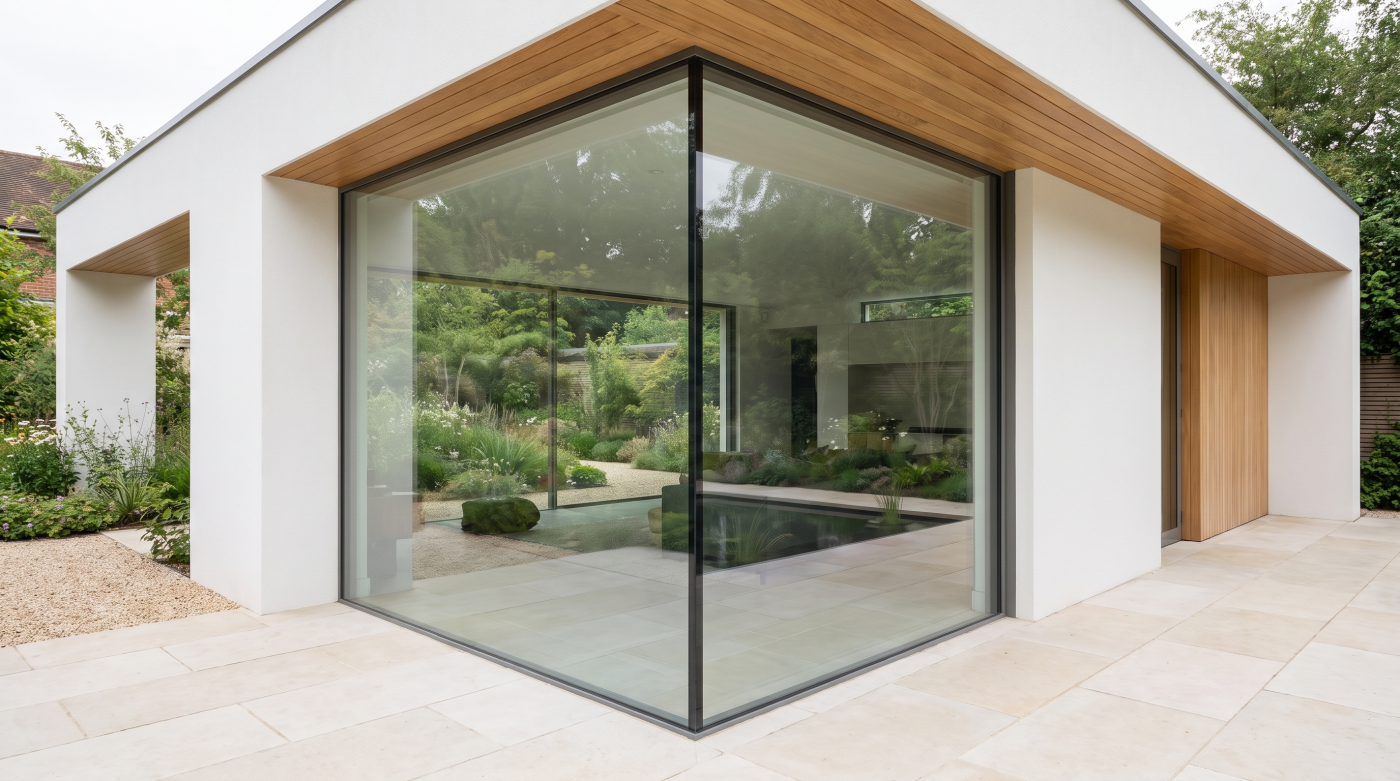
Start With the House, Not the Window Catalogue The most effective way to reduce the cost of windows is often to make better decisions before choosing them. It is easy to begin with materials, brands and individual prices, but those comparisons come relatively late in the process. By then, the architecture may already have determined […]
07
Sep
Sep
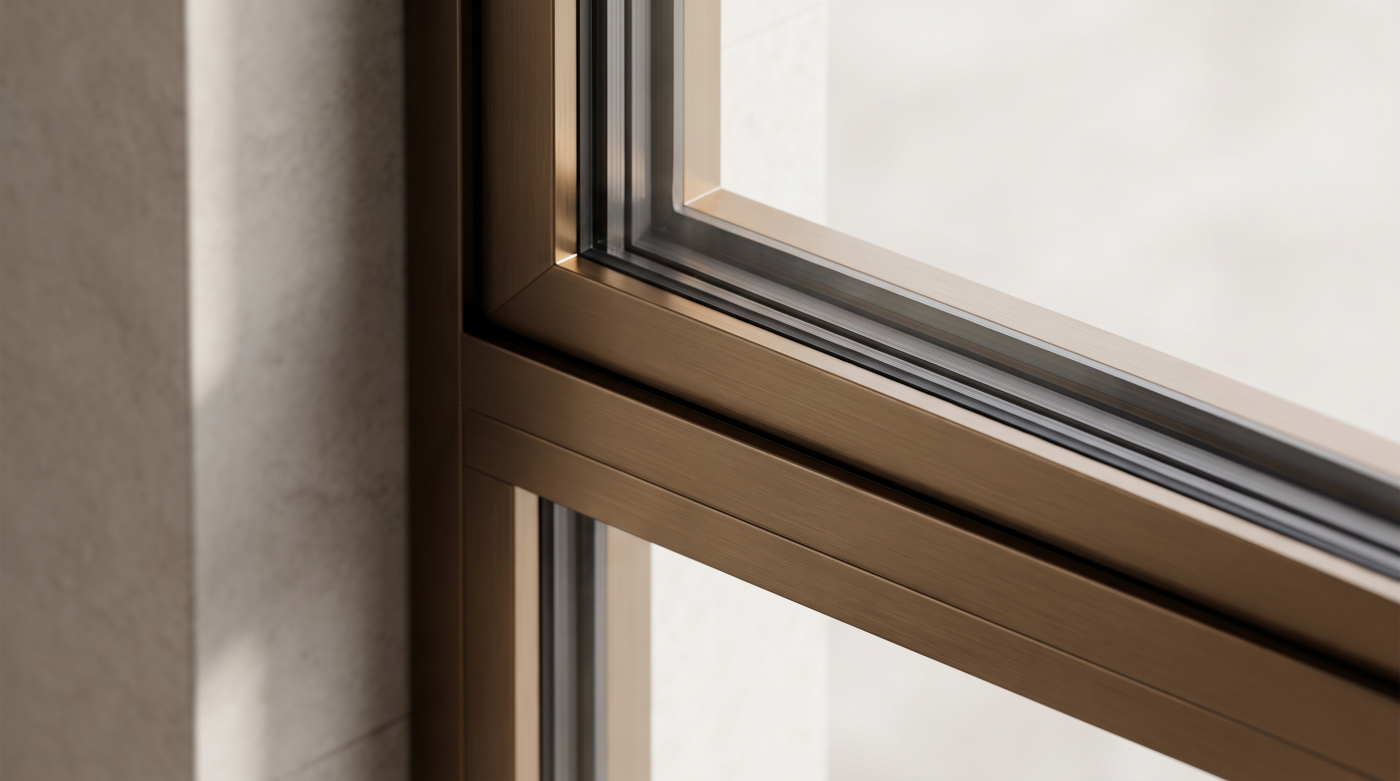
The Biggest Underestimate Is Usually the Specification, Not the Window When a glazing budget begins to move, it is tempting to assume that the windows themselves have simply become more expensive. Often, the explanation is more complicated. An early allowance may have been established when the project consisted of preliminary drawings, approximate opening sizes and […]
07
Sep
Sep
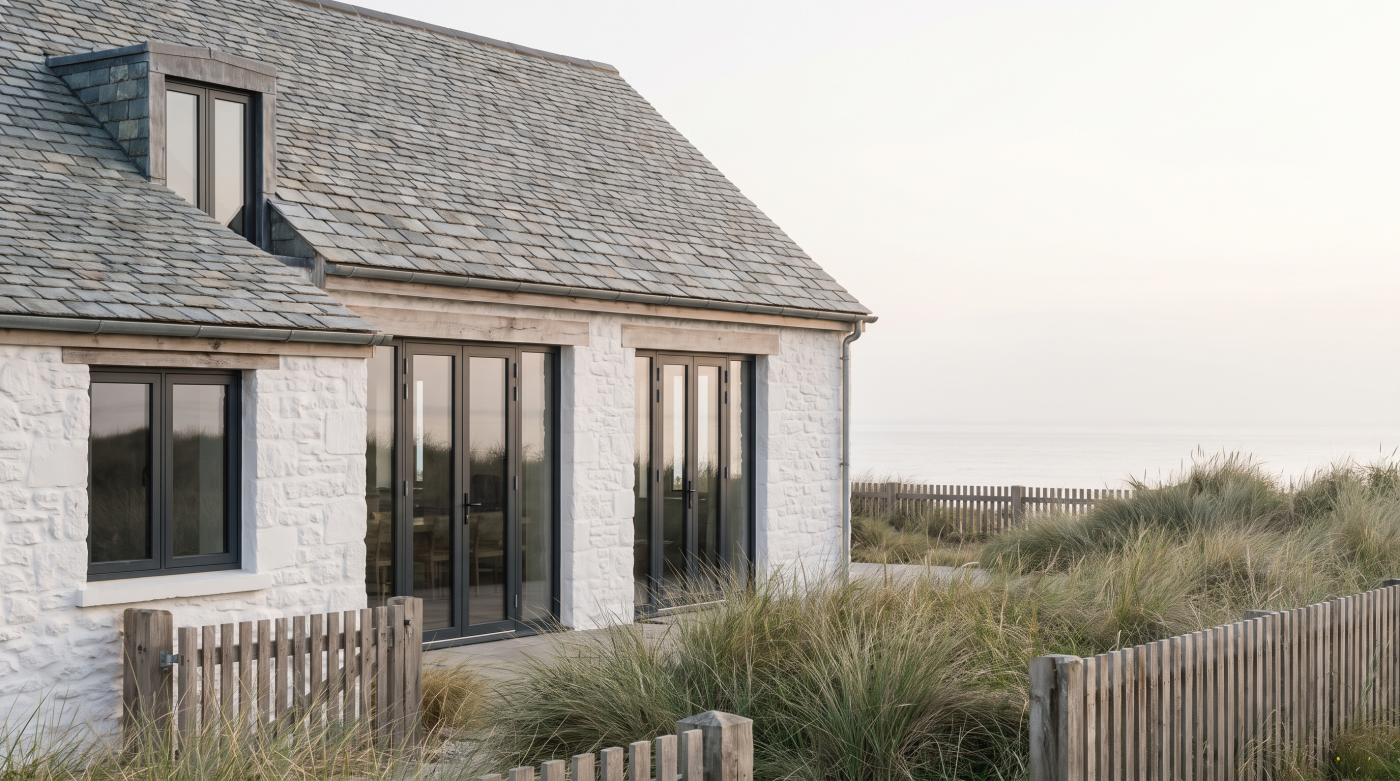
Why Two Similar-Looking Windows Can Cost Very Different Amounts At first glance, the difference between a moderately priced window and one costing £1,200 can be surprisingly difficult to see. Both may have double or triple glazing, similar dimensions and frames that appear broadly comparable. Once installed, particularly when viewed from several metres away, there may […]
04
Sep
Sep
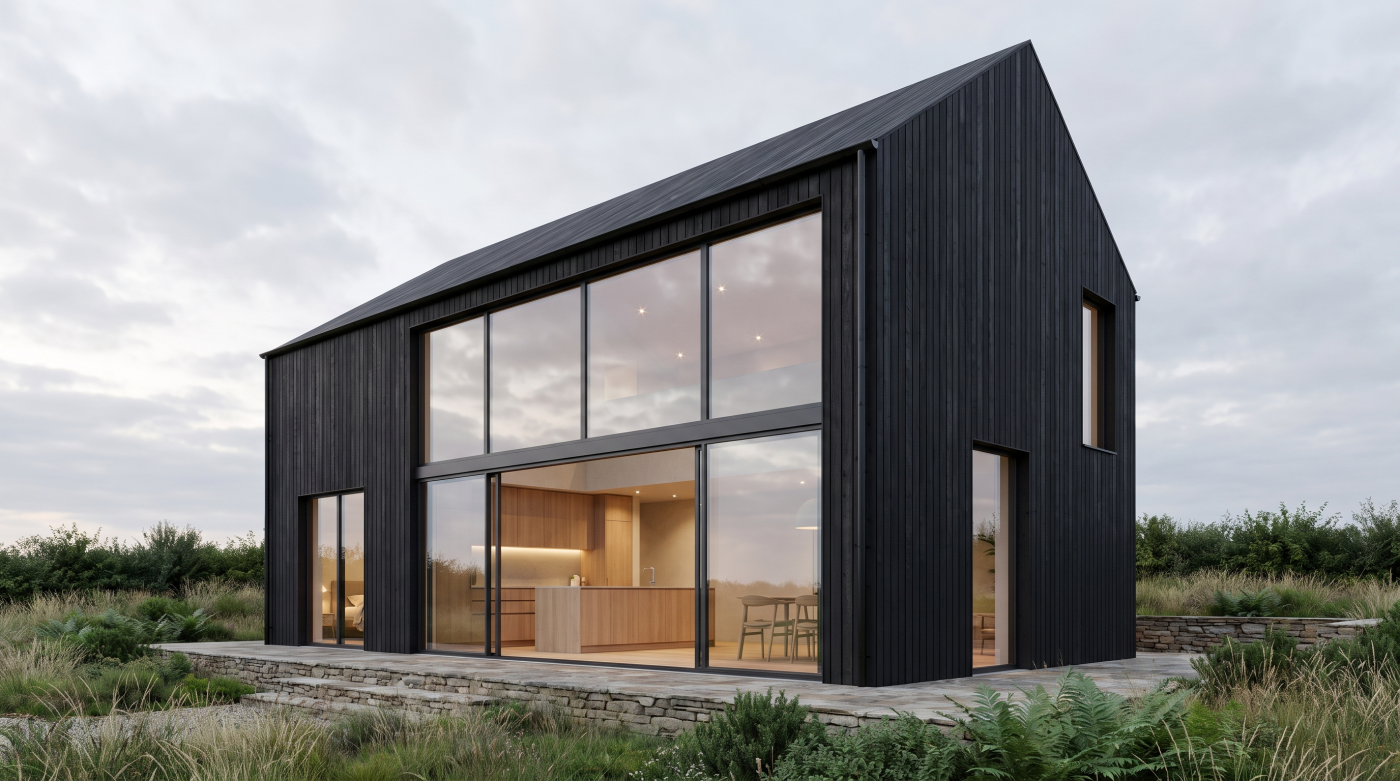
The First Price Is Not Always the Final Cost The price paid for windows and doors at the beginning of a project is only one way of measuring their cost. Glazing becomes part of the fabric of a building, which means that changing it later can involve far more than purchasing a second set of […]
04
Sep
Sep
£30,000 Is a Budget, Not a Glazing Specification A budget of £30,000 sounds precise. In architectural glazing, however, it does not describe a particular quantity of windows, a certain size of sliding door or a predetermined level of specification. It establishes a financial boundary. What happens within that boundary depends on the architecture. Two projects […]
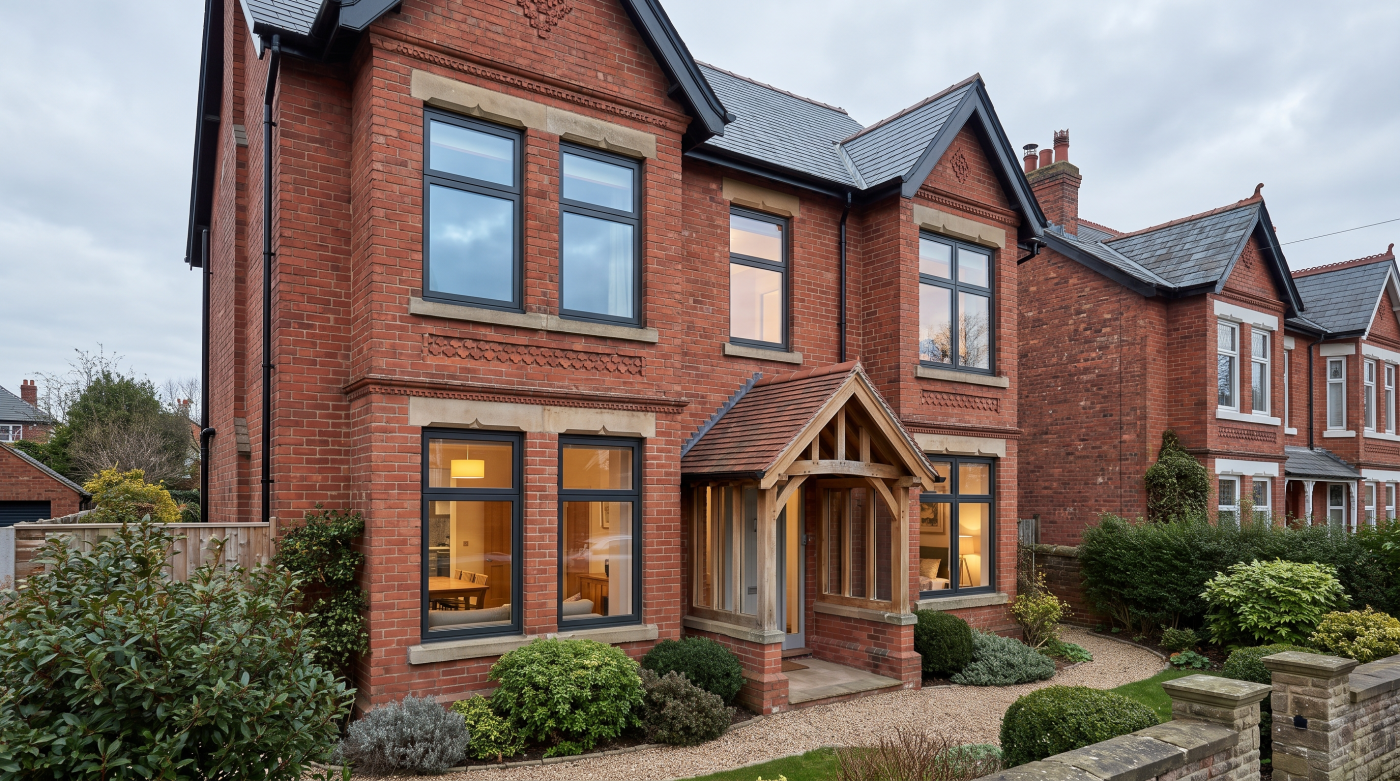
The Window or Door System You Are Actually Buying The first line to understand in any glazing quotation is the most fundamental: what window or door system are you actually being offered? Descriptions such as “aluminium window”, “sliding door” or even the dimensions of an opening do not provide enough information to establish that two […]
04
Sep
Sep
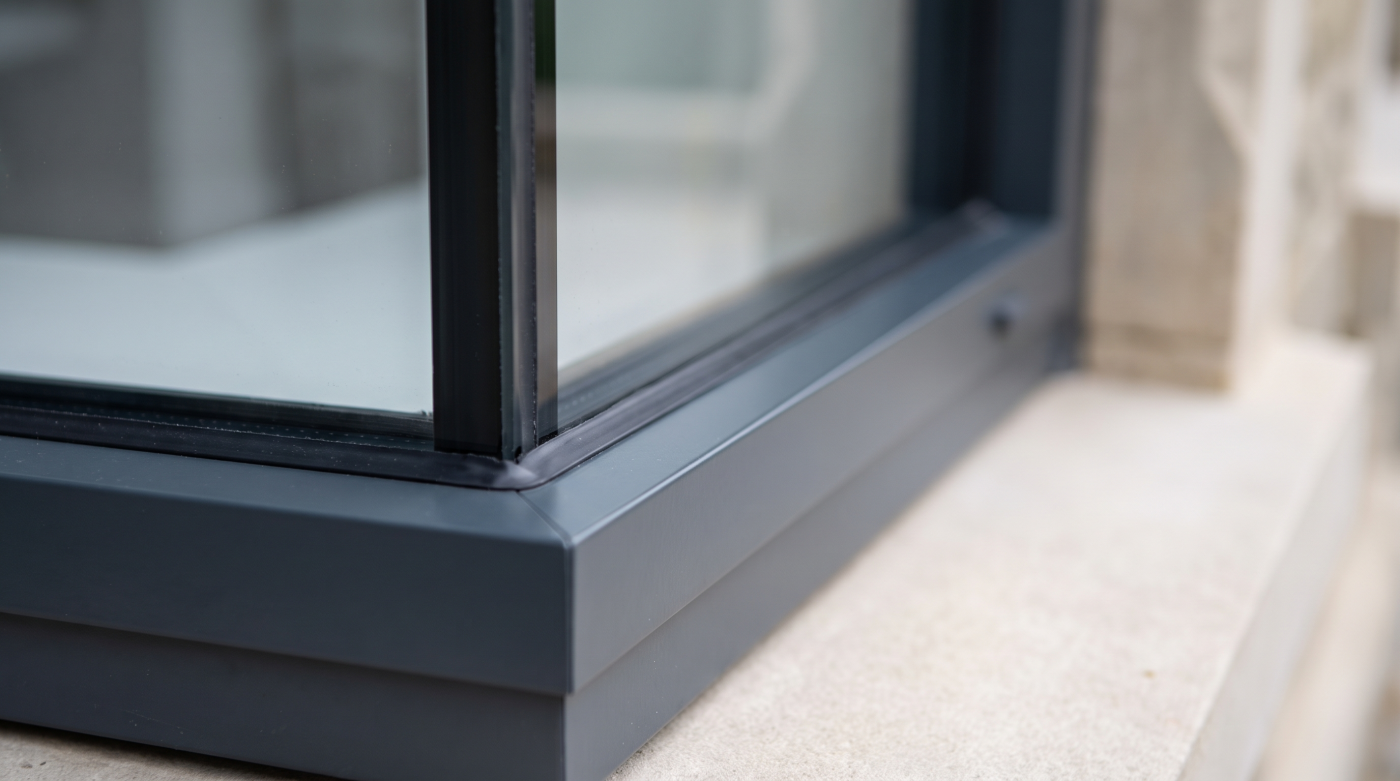
The Same Drawings Do Not Always Produce the Same Specification When two glazing companies receive the same architectural drawings, it is natural to assume they are pricing the same job. Often, however, the drawings establish the size and position of the openings without defining every decision required to turn those openings into manufactured windows and […]
03
Sep
Sep
Start With the Glazing as a Complete System An annual review of architectural glazing is most useful when it begins with the whole opening rather than an individual pane of glass. A window or glazed door is an assembly in which glass, frames, seals, hardware and, where relevant, tracks and thresholds work together. Looking at […]
03
Sep
Sep
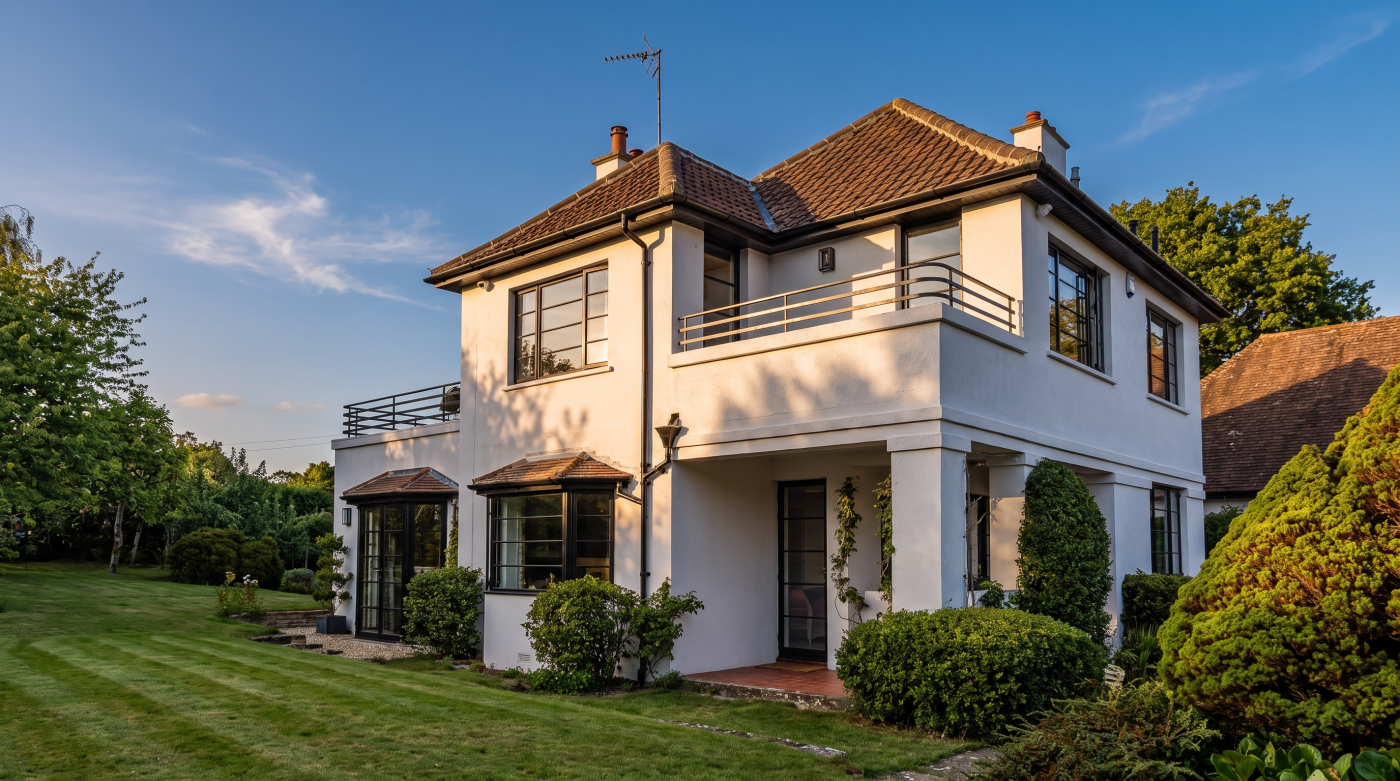
Glazing Lives at the Most Exposed Part of the Building Windows and glazed doors occupy a demanding position within the architecture of a home. They form part of the boundary between a relatively controlled interior and an external environment that changes continuously. Across the seasons, frames, seals and surrounding components encounter variations in temperature, moisture, […]
03
Sep
Sep
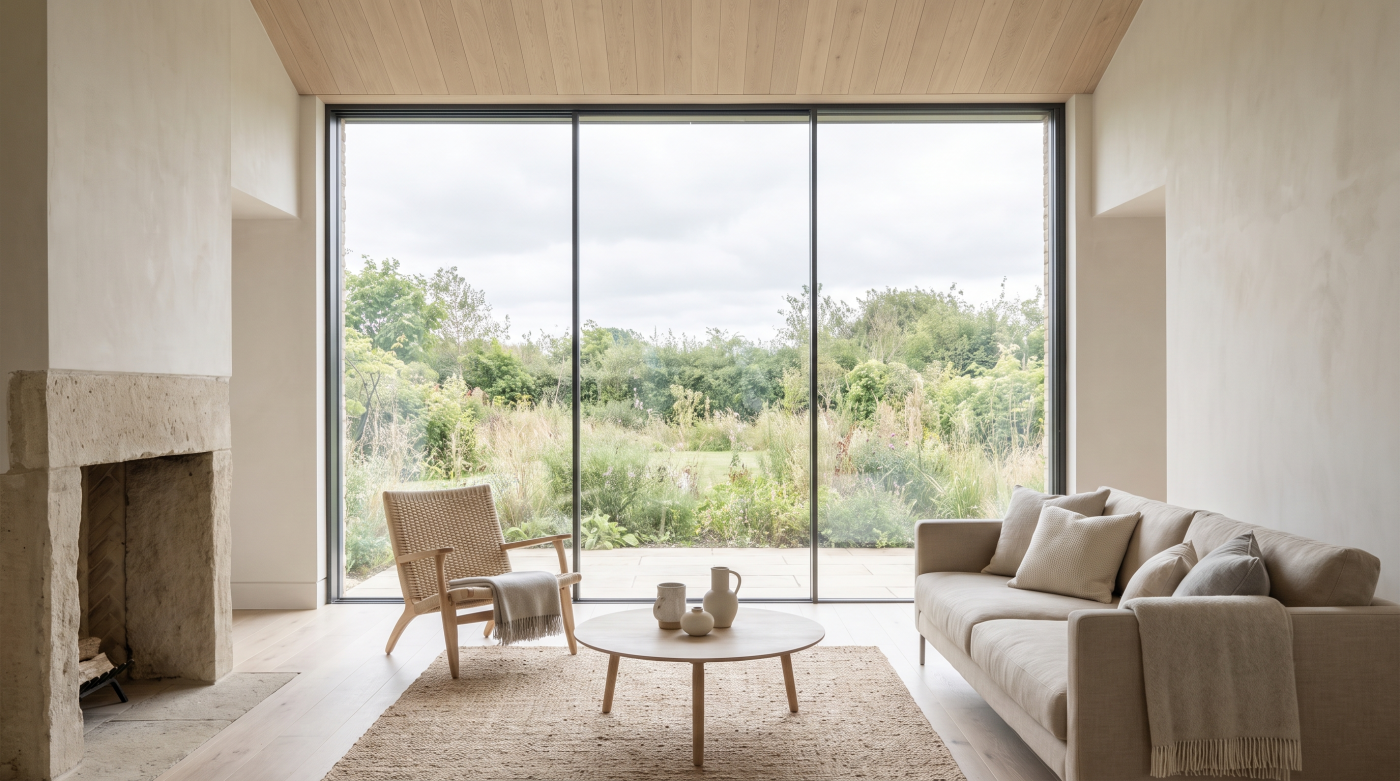
A Glazing Guarantee Is Rarely One Simple Promise A glazing guarantee can sound reassuringly straightforward. A particular period is quoted, the installation is described as guaranteed, and it is easy to assume that every element of the finished glazing carries the same protection. In practice, a substantial window or door installation can contain several distinct […]
03
Sep
Sep
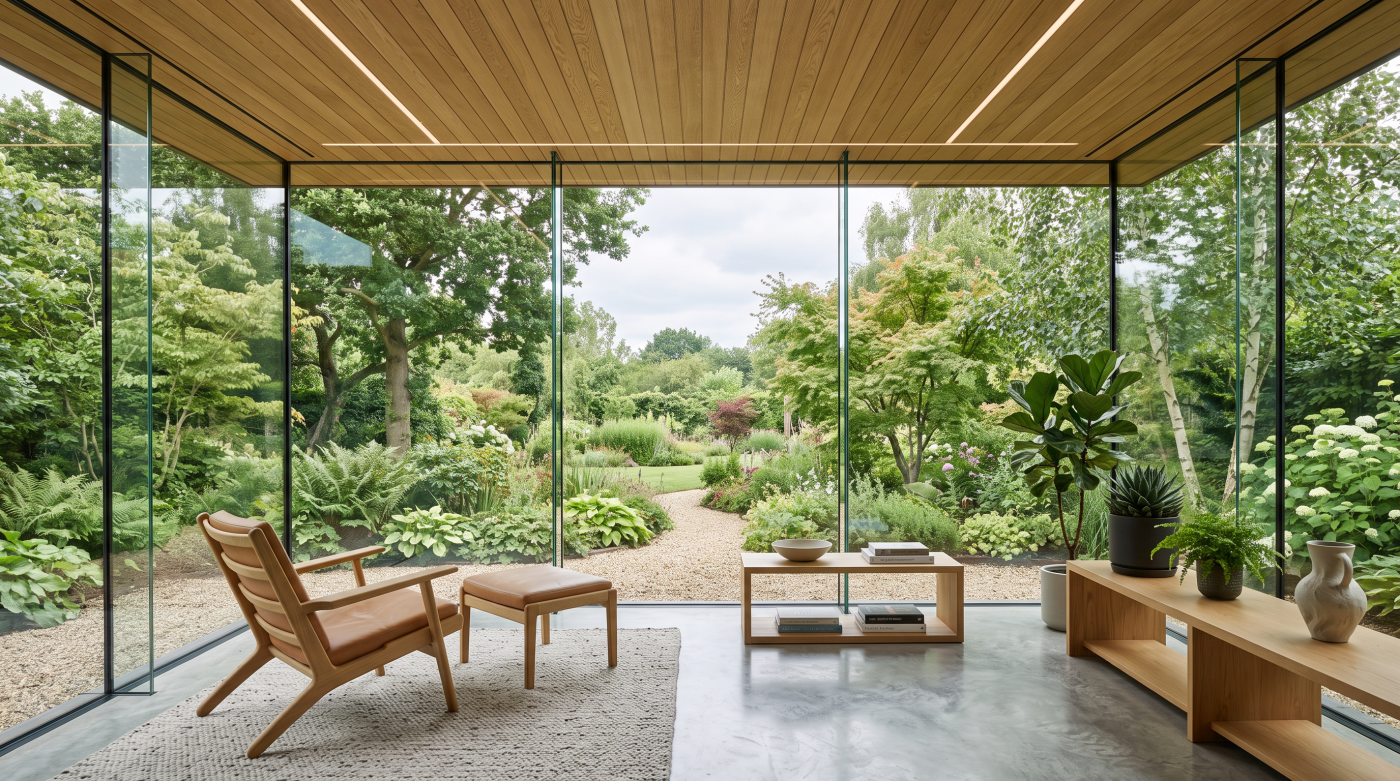
Why Sliding Doors Need a Different Approach to Maintenance Large architectural sliding doors can appear remarkably simple. A broad glazed panel moves aside, the boundary between inside and outside opens, and much of the engineering responsible for that movement remains concealed within the surrounding system. That visual simplicity is intentional, but it can disguise the […]
02
Sep
Sep
Start With Access, Not Cleaning Products With large architectural glazing, the first consideration should not be which cleaning product to use, but whether the glass can be reached safely in the first place. Floor-to-ceiling windows, tall fixed panes and expansive glazed elevations can appear straightforward from inside a room, yet their external surfaces may sit […]
02
Sep
Sep
Why Winter Reveals More About Your Glazing Windows and glazed doors form part of the boundary between two very different environments, and winter makes that role particularly noticeable. As external temperatures fall and heating keeps the interior warmer, the difference between conditions inside and outside becomes greater. Add stronger winds, prolonged rain and higher levels […]