
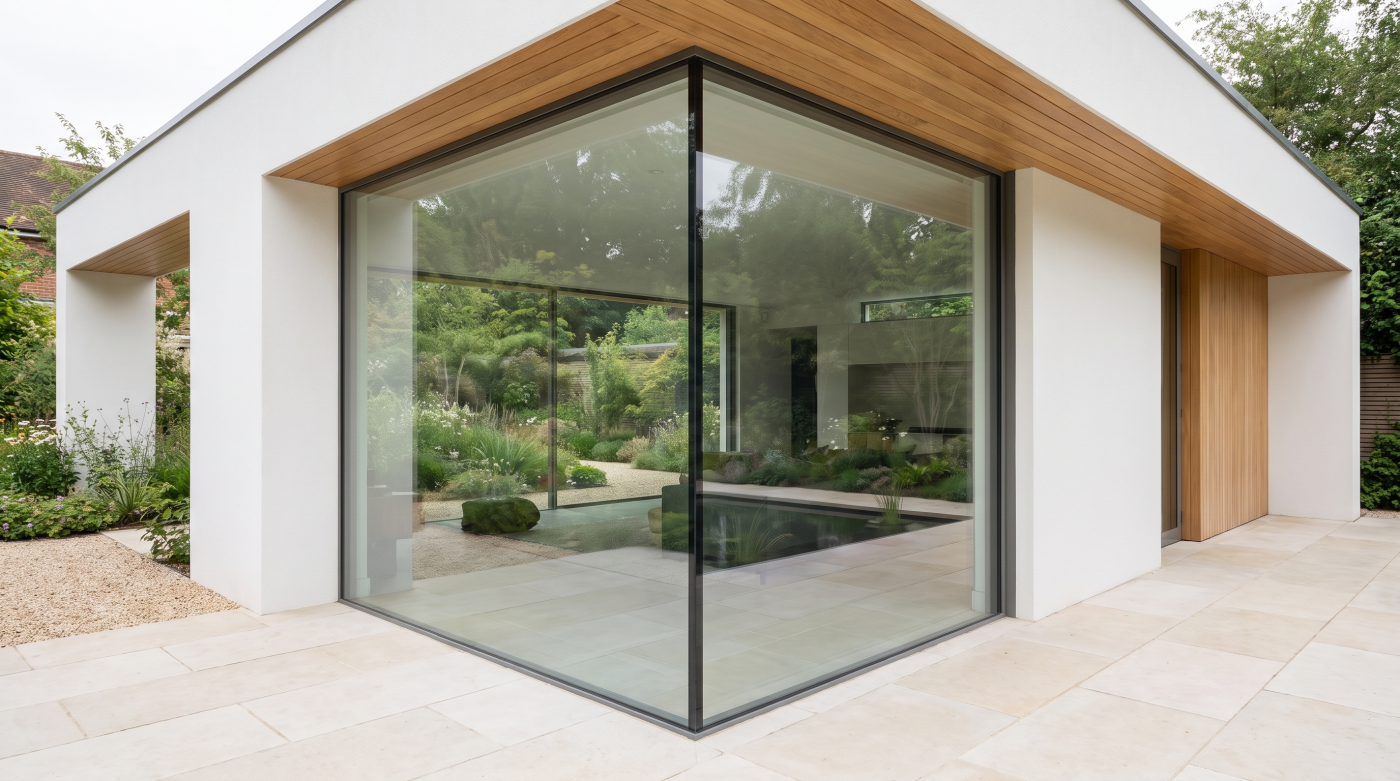
What Does “Corner Glazing Without a Post” Actually Mean? One of the most common misconceptions around postless corner glazing is that the corner is somehow constructed without a frame or supporting structure. In reality, “postless” usually describes what we see rather than everything that is happening within the construction. A conventional glazed corner typically uses […]
Author Archives: Jamie Grimshaw
13
Aug
Aug
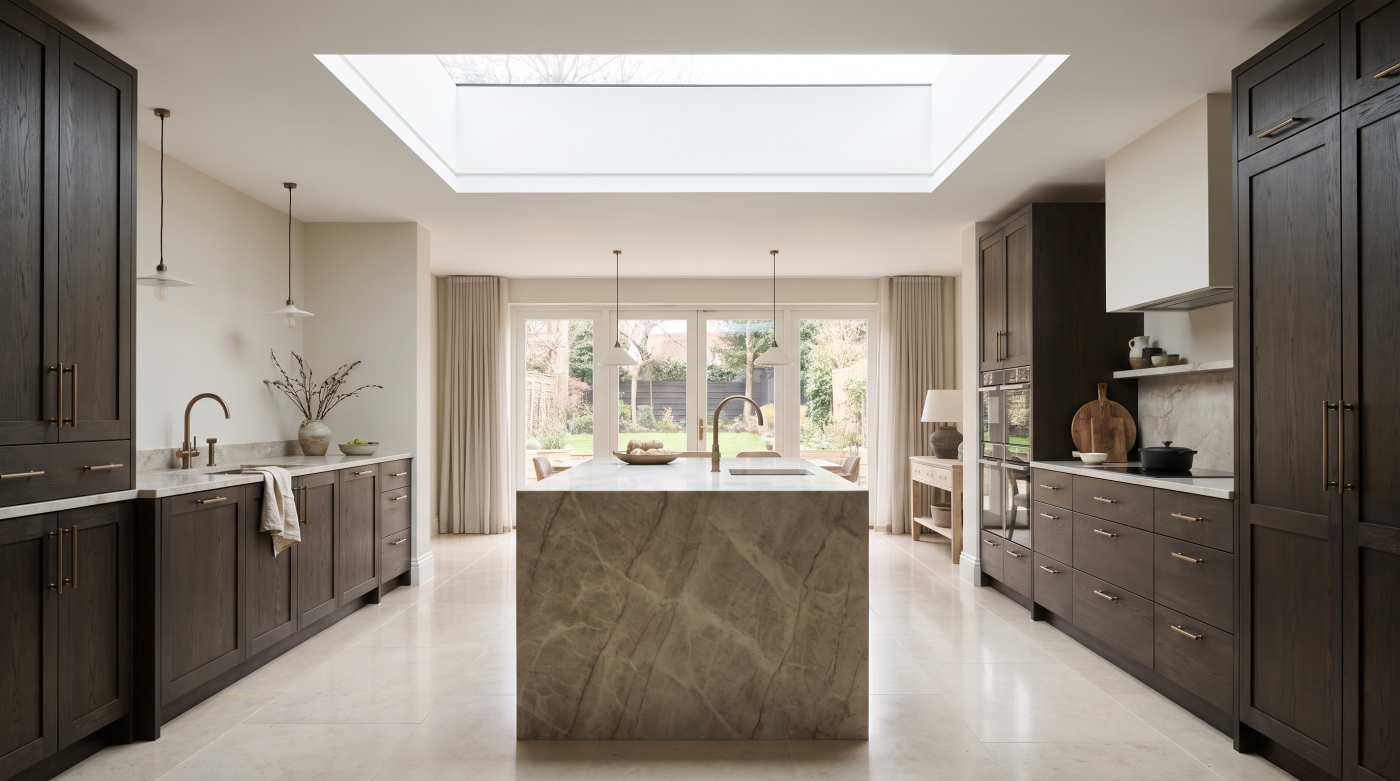
The Problem Usually Starts With a Good Idea Rooflight overheating rarely begins with an obviously unreasonable design decision. More often, it begins with something entirely desirable: a brighter interior, a stronger connection with the sky and more daylight reaching parts of a home that conventional windows cannot easily serve. Consider a typical contemporary extension. Large […]
13
Aug
Aug
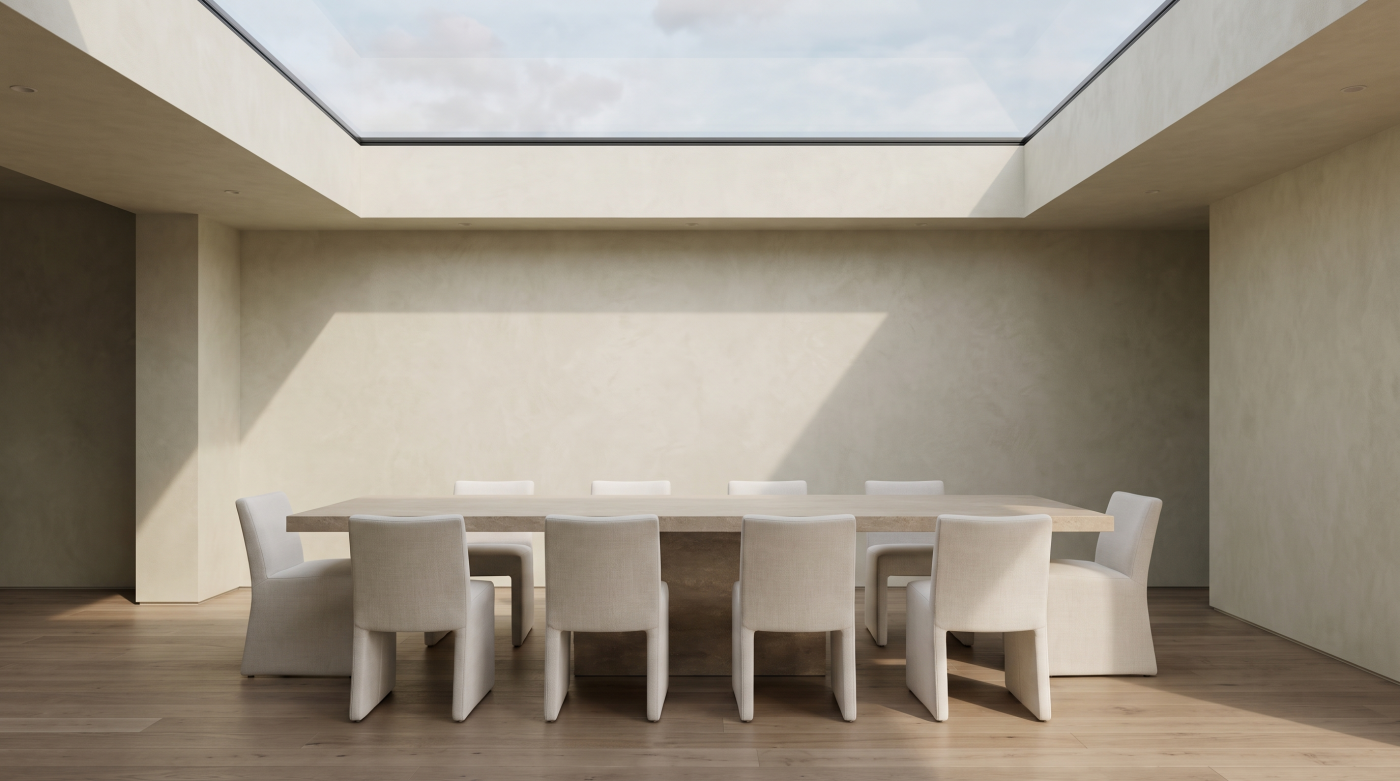
A “Flat” Rooflight Still Has to Manage Water The word flat can create a misleading impression when discussing rooflights. Architecturally, a flat rooflight may appear as a simple sheet of glass sitting almost effortlessly within the roof. Rainwater, however, still needs somewhere to go. The visual simplicity of the finished glazing does not remove the […]
13
Aug
Aug
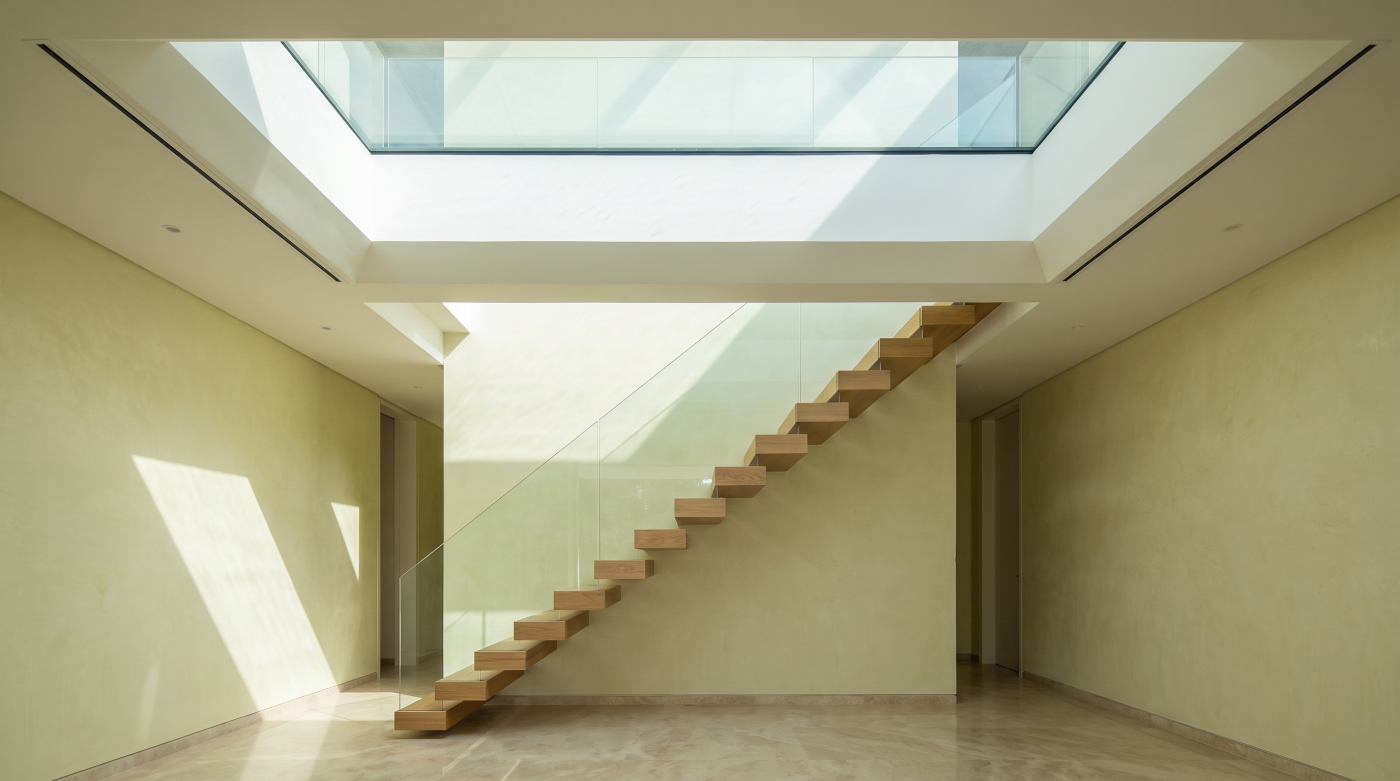
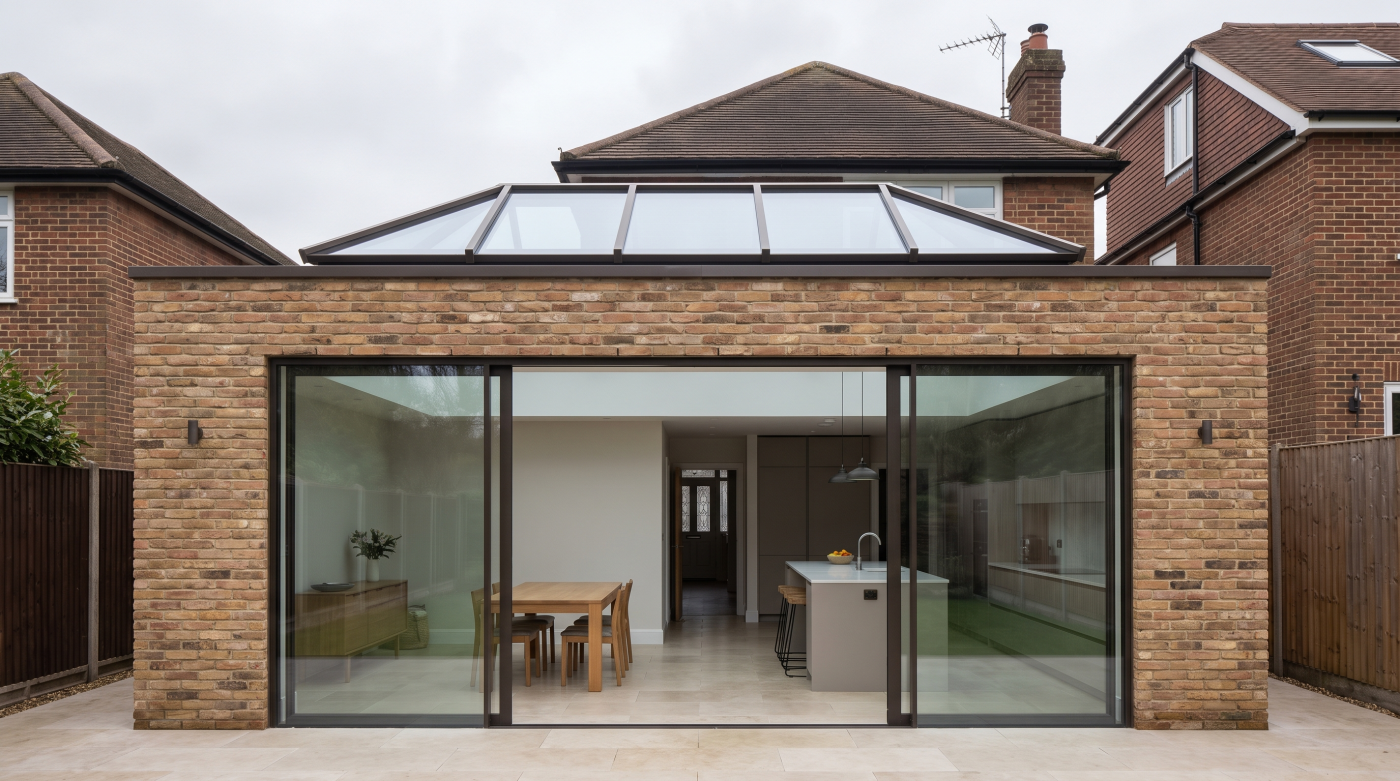
Daylight From Above Behaves Differently Daylight entering through a roof does not behave in quite the same way as daylight entering through a wall. A conventional window creates an outward relationship, connecting the interior with a garden, street or landscape beyond. Its view is predominantly towards the horizon. A rooflight turns that relationship upwards, introducing […]
13
Aug
Aug
Rooflights and Roof Lanterns Create Different Kinds of Space Rooflights and roof lanterns are often discussed as alternative ways of achieving the same objective: bringing more daylight into a room from above. Yet their architectural effect can be markedly different. The distinction is not simply one of appearance on the roof. Each changes the relationship […]
12
Aug
Aug
The Problem With Comparing One Number Against Another Sightline figures are appealing because they appear to make comparison straightforward. Place two glazing brochures side by side, find the published dimensions and the system with the smaller number seems to offer the more minimal result. A difference of only a few millimetres can begin to look […]
12
Aug
Aug
Why There Is No Single Maximum Glass Size The question of how large a single pane of glass can be appears to invite a simple answer: a maximum width, a maximum height, perhaps a maximum overall area. In architectural glazing, however, those dimensions rarely exist as universal limits. The realistic size of a pane emerges […]
12
Aug
Aug
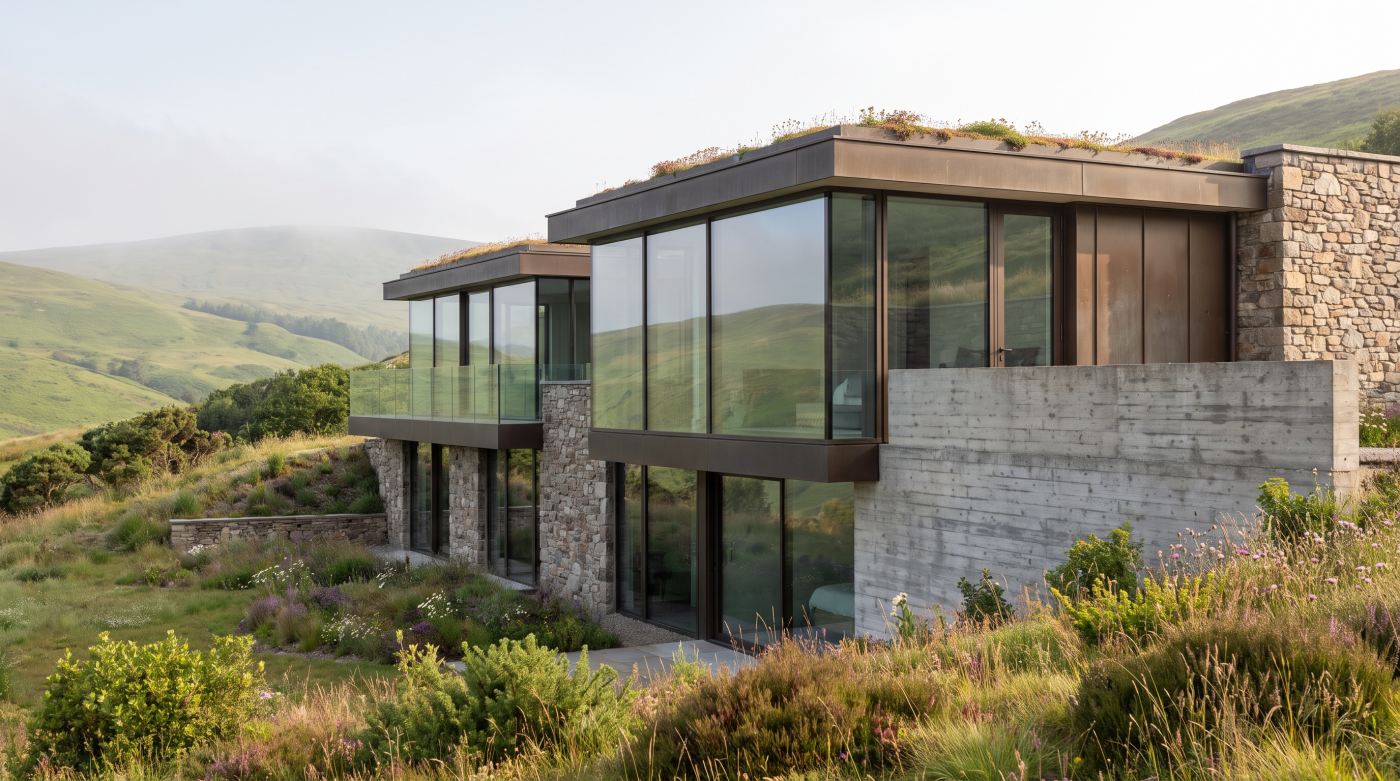
Minimalism Removes Visual Complexity, Not Technical Complexity The appeal of a minimal sliding system lies partly in how little of the system appears to remain. Large panes of glass replace conventional areas of framing, vertical divisions become increasingly restrained, and tracks or perimeter frames may be integrated into the surrounding architecture. The completed elevation can […]
11
Aug
Aug
Why Slimmer Does Not Automatically Mean Colder It is easy to assume that making a glazing frame slimmer must come at the expense of thermal performance. The reasoning appears intuitive: if there is less visible frame around the glass, there must surely be less material available to resist heat transfer. In practice, however, sightline and […]
11
Aug
Aug
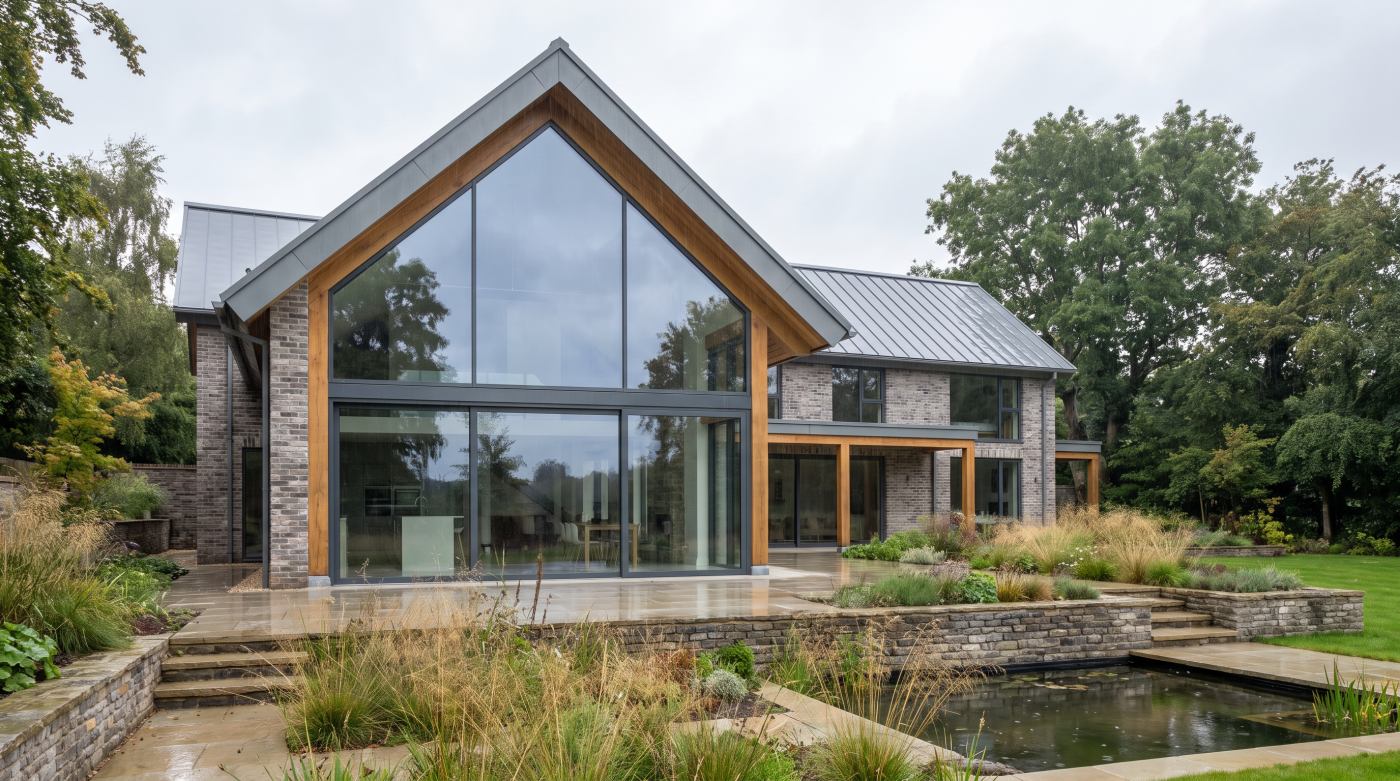
Why Sightline Is an Aesthetic Metric, Not a Performance Rating Sightline dimensions are useful because they describe something immediately visible. When two glazed panels meet, the width of the framing between them contributes directly to the character of the elevation, and it is understandable that architects and homeowners use this measurement when comparing minimal glazing […]
11
Aug
Aug
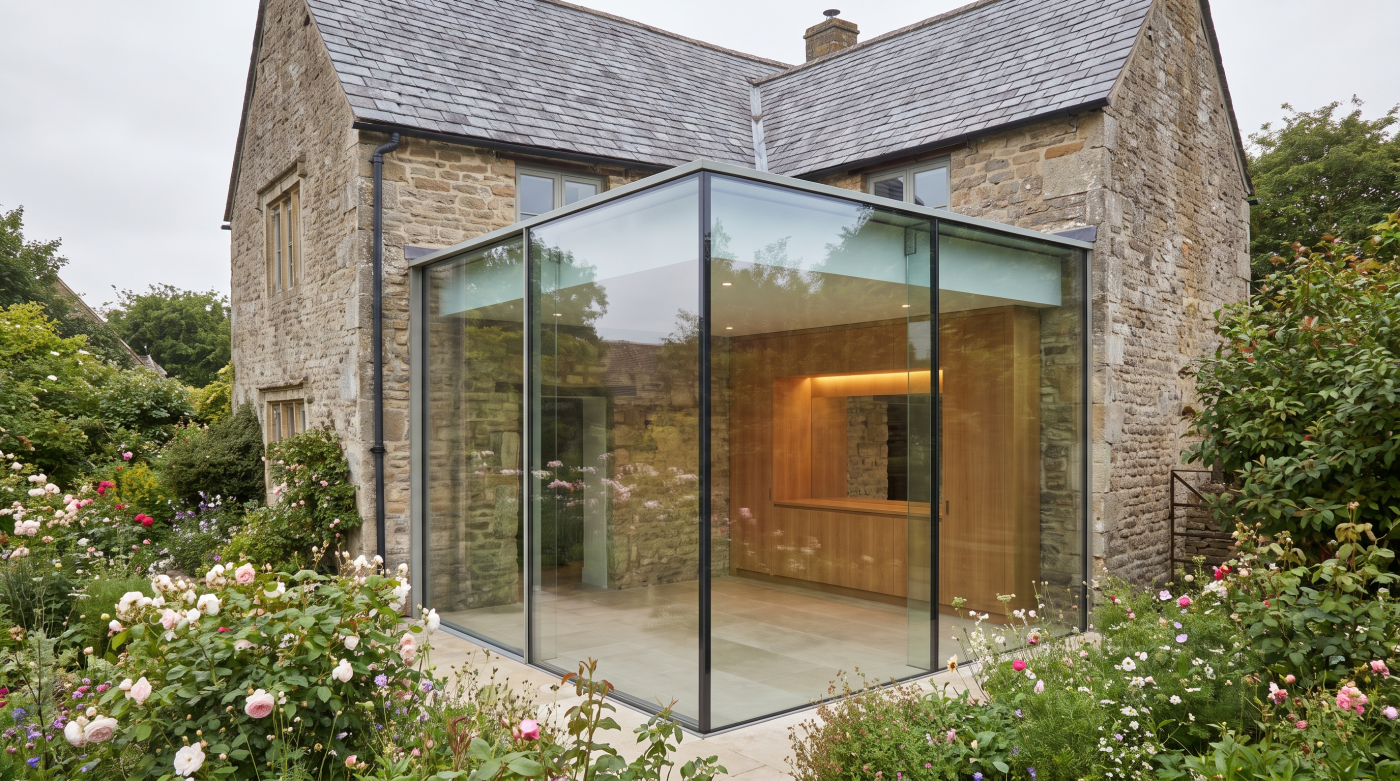
Why There Is No Single Minimum Sightline At first glance, asking how slim a glazing sightline can be seems as though it should have a straightforward numerical answer. Contemporary glazing systems are often discussed in terms of increasingly narrow profiles, making it natural to compare one dimension with another. The difficulty is that a sightline […]
11
Aug
Aug
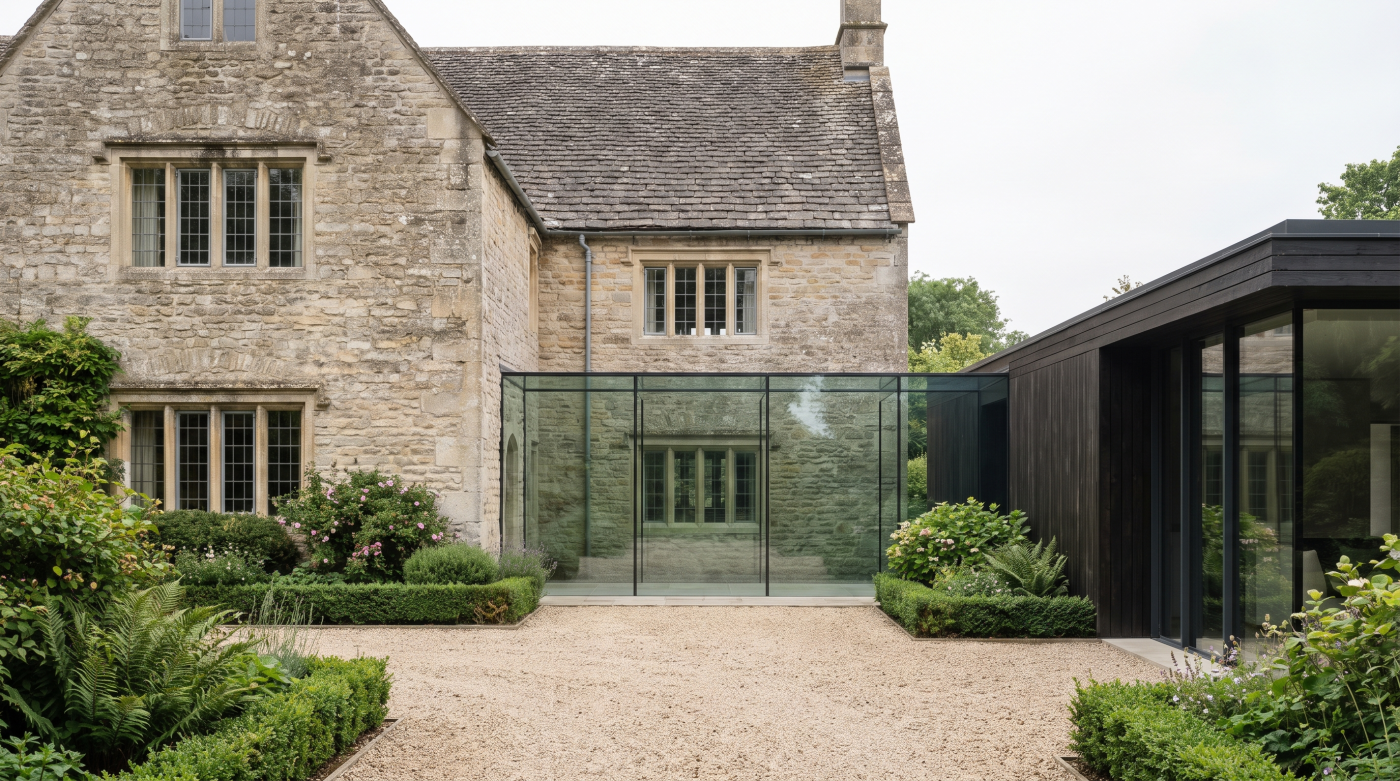
Why Architects Pursue Slimmer Sightlines The appeal of slim sightlines is easy to understand. In contemporary architecture, glazing is often intended to do more than bring daylight into a room; it is used to establish a visual relationship between the interior, the landscape and the wider setting of the building. As glazed openings become larger, […]
10
Aug
Aug
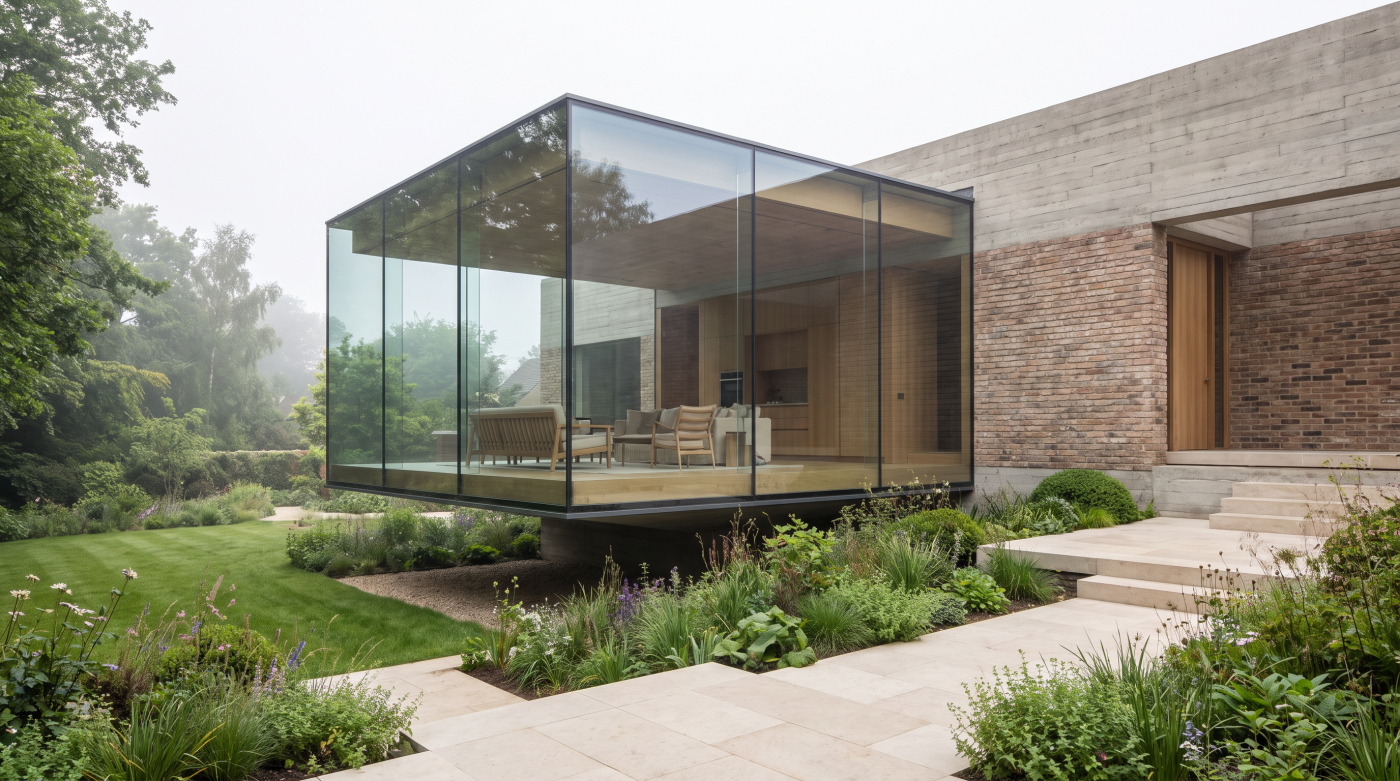
Listed Doesn’t Automatically Mean “No Contemporary Glass” The word listed can sometimes create the impression that a historic building must remain frozen at a particular moment in time. For homeowners considering an extension or alteration, this can lead to an understandable assumption that contemporary materials—particularly large areas of structural glass—will automatically be incompatible with the […]
10
Aug
Aug
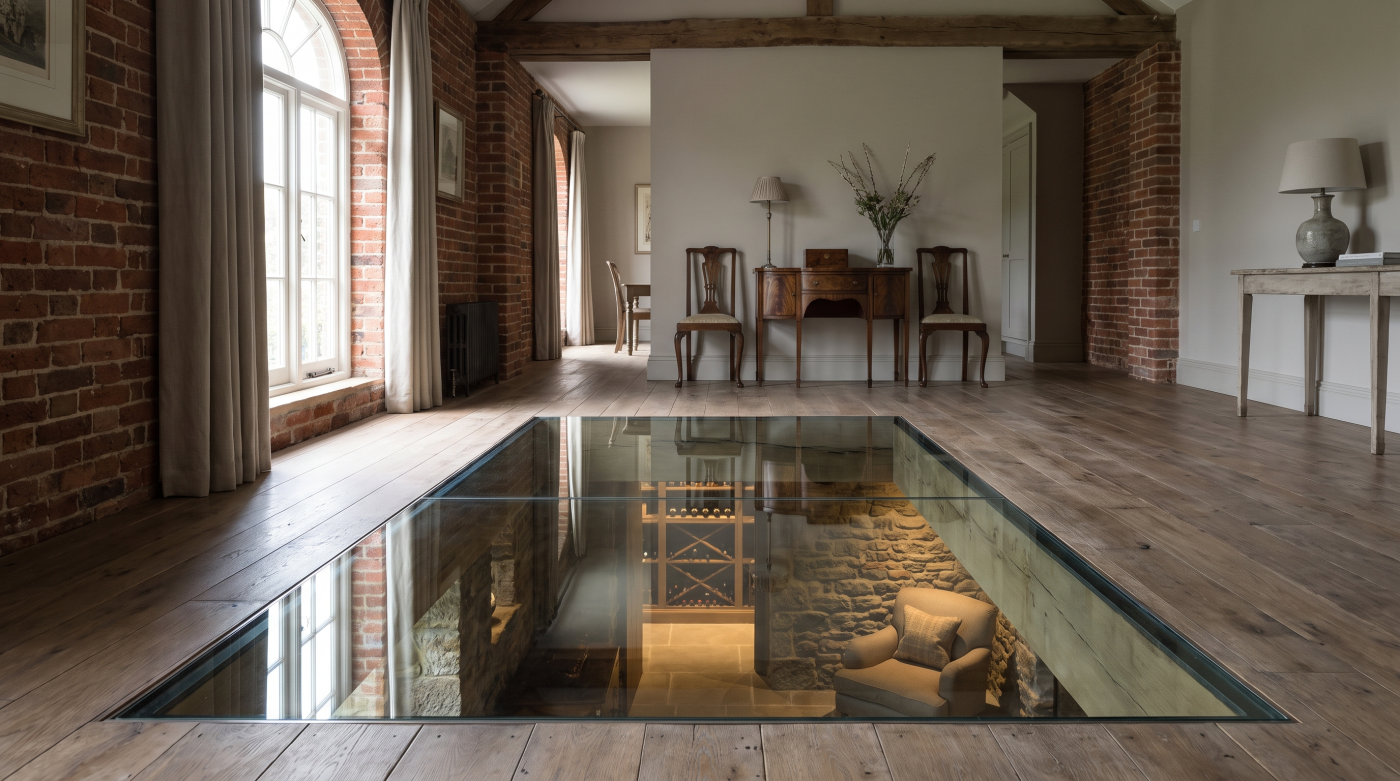
What Architects Actually Mean by Cantilevered Glazing Cantilevered glazing is one of those architectural terms that can create an immediate visual impression. It suggests glass projecting beyond its supports, roof edges appearing to float in space and transparent structures achieving something that seems almost impossible given the apparent absence of conventional framing. In contemporary residential […]
10
Aug
Aug
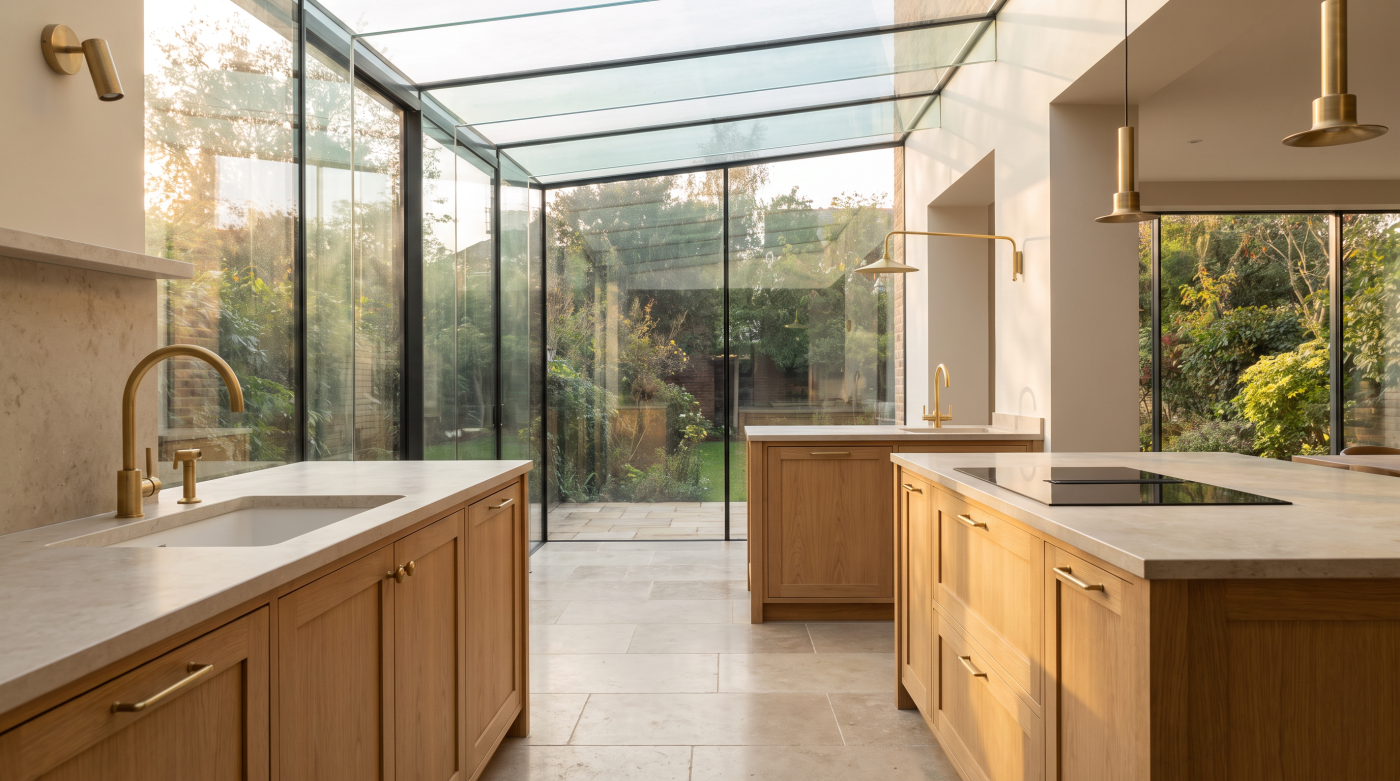
Walk-On Glass Is a Structural Element, Not a Window Underfoot Walk-on glass has an unusual ability to challenge our expectations of a building. Floors are normally understood as solid, substantial surfaces, yet structural glass can replace part of that solidity with transparency, allowing daylight and views to pass between spaces that would otherwise remain visually […]
10
Aug
Aug
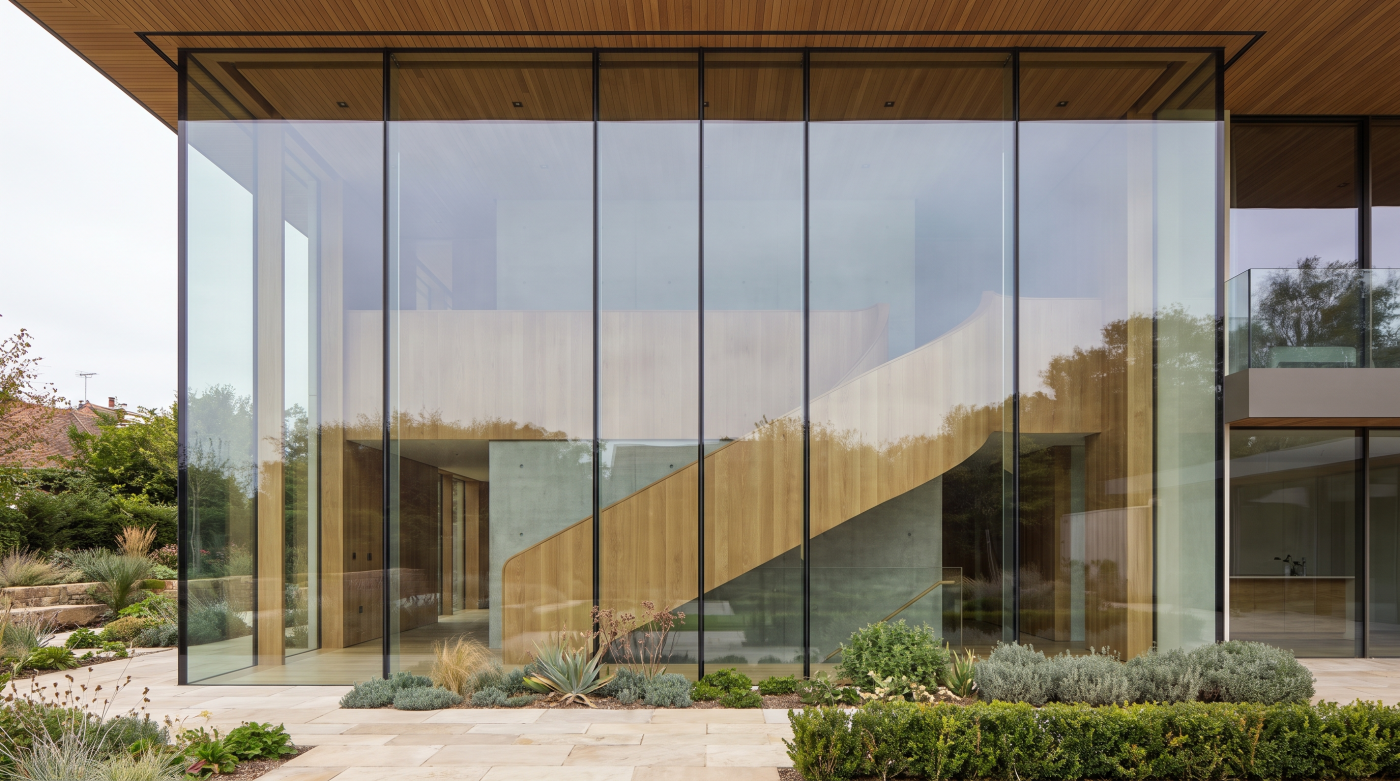
Start With the Architecture, Not the Glass The idea of a glass box extension is immediately appealing. Expansive transparent walls, uninterrupted views and a seamless connection with the garden can transform the character of a home, particularly when a contemporary addition is placed alongside an older or more traditional building. It is therefore understandable that […]
07
Aug
Aug
Structural Silicone Is Far More Than Ordinary Sealant Structural silicone is one of the most overlooked materials in contemporary architectural glazing. Most homeowners recognise the thin dark lines between large panes of glass but assume they are simply decorative sealant, similar to the silicone used around a kitchen worktop or bathroom. In reality, structural silicone […]
07
Aug
Aug
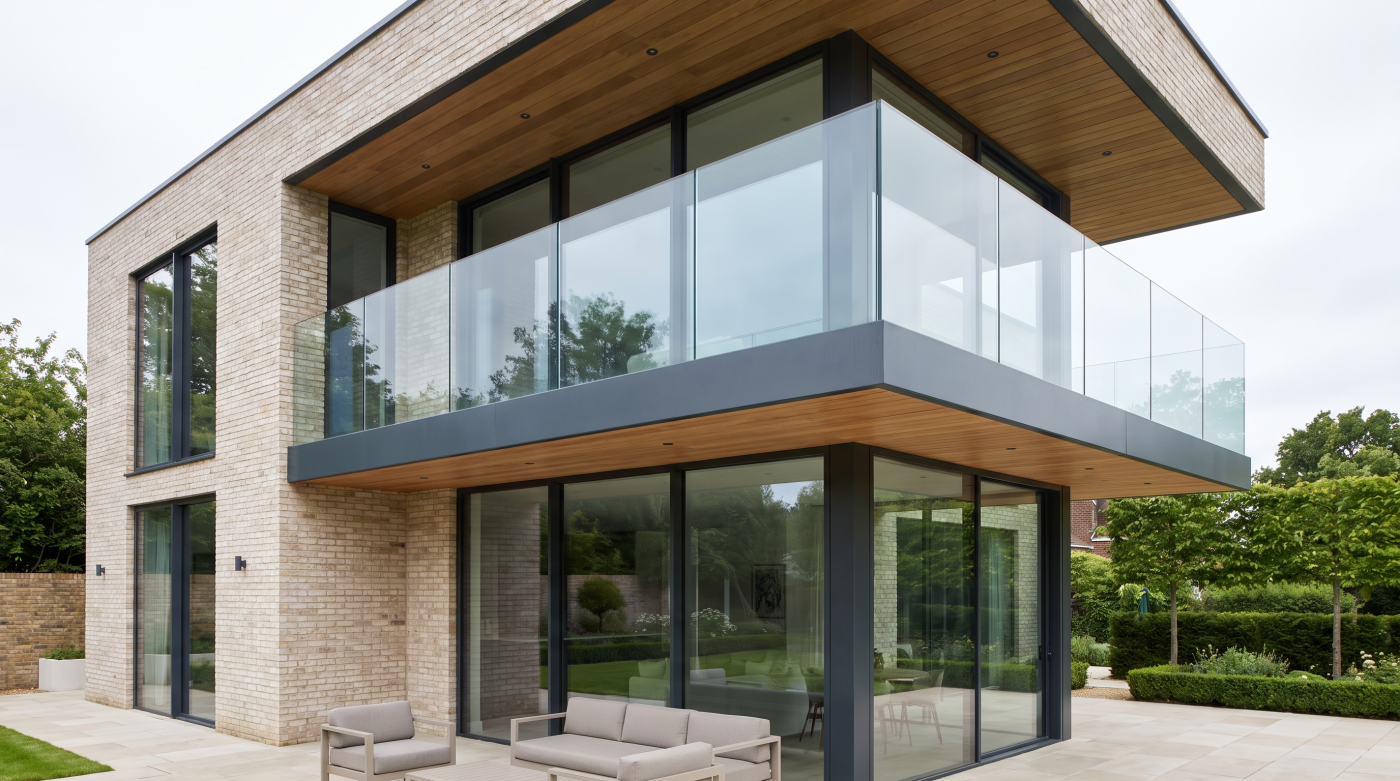
Glass Is Only One Part of the Specification Glass balustrades have become one of the defining features of contemporary residential architecture. Whether surrounding a first-floor balcony, lining an elegant staircase or framing a roof terrace, they create a feeling of openness that traditional railings often cannot achieve. Their clean lines allow views to remain uninterrupted, […]
07
Aug
Aug
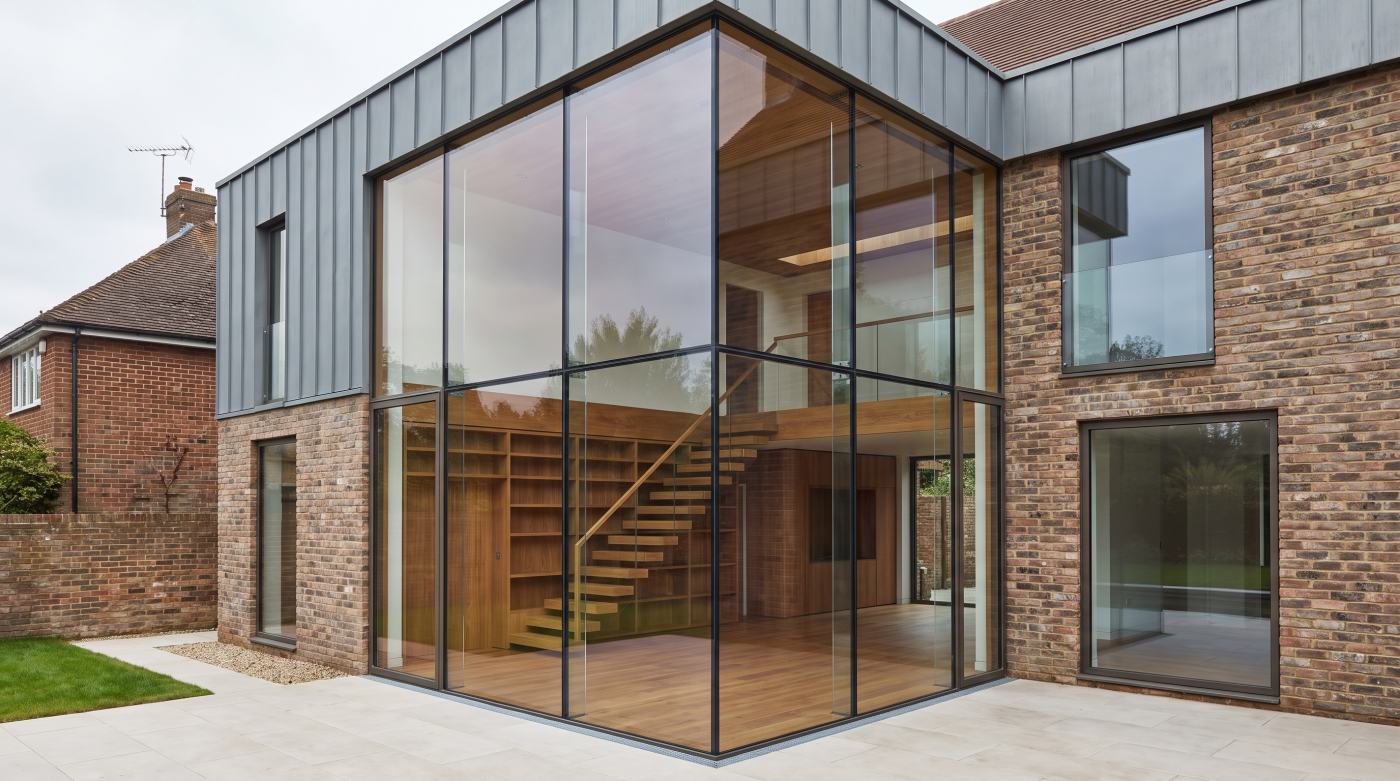
Frameless Glazing Exposes Every Construction Inaccuracy One of the defining characteristics of frameless glazing is its remarkable visual simplicity. Slim sightlines, flush thresholds and uninterrupted expanses of glass create the impression that the architecture has been reduced to its essential elements. The result is clean, contemporary design where light, landscape and proportion take precedence over […]
06
Aug
Aug
A Glass Wall Doesn’t Eliminate Structure—It Relocates It Few architectural features create a greater sense of openness than a structural glass wall. Whether overlooking a landscaped garden, a dramatic coastal setting or a quiet courtyard, these expansive glazed elevations have become synonymous with contemporary residential design. From inside the home, the boundary between architecture and […]
06
Aug
Aug
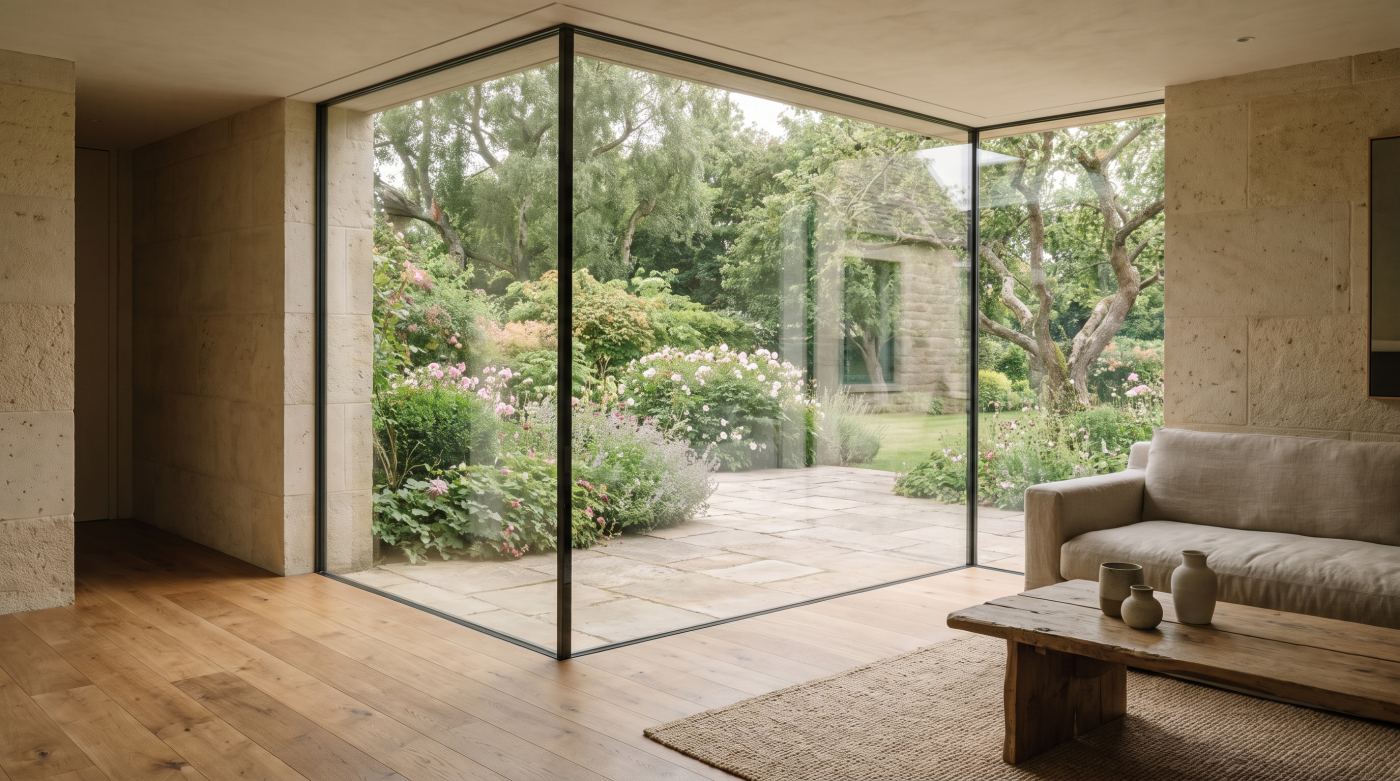
Frameless Doesn’t Mean Structureless Few architectural details capture the imagination quite like a frameless glass corner. Frequently featured in contemporary homes, these elegant junctions appear to remove the solid corner of a building altogether, replacing it with uninterrupted glass that opens panoramic views and floods interior spaces with natural light. The visual effect is striking. […]
06
Aug
Aug
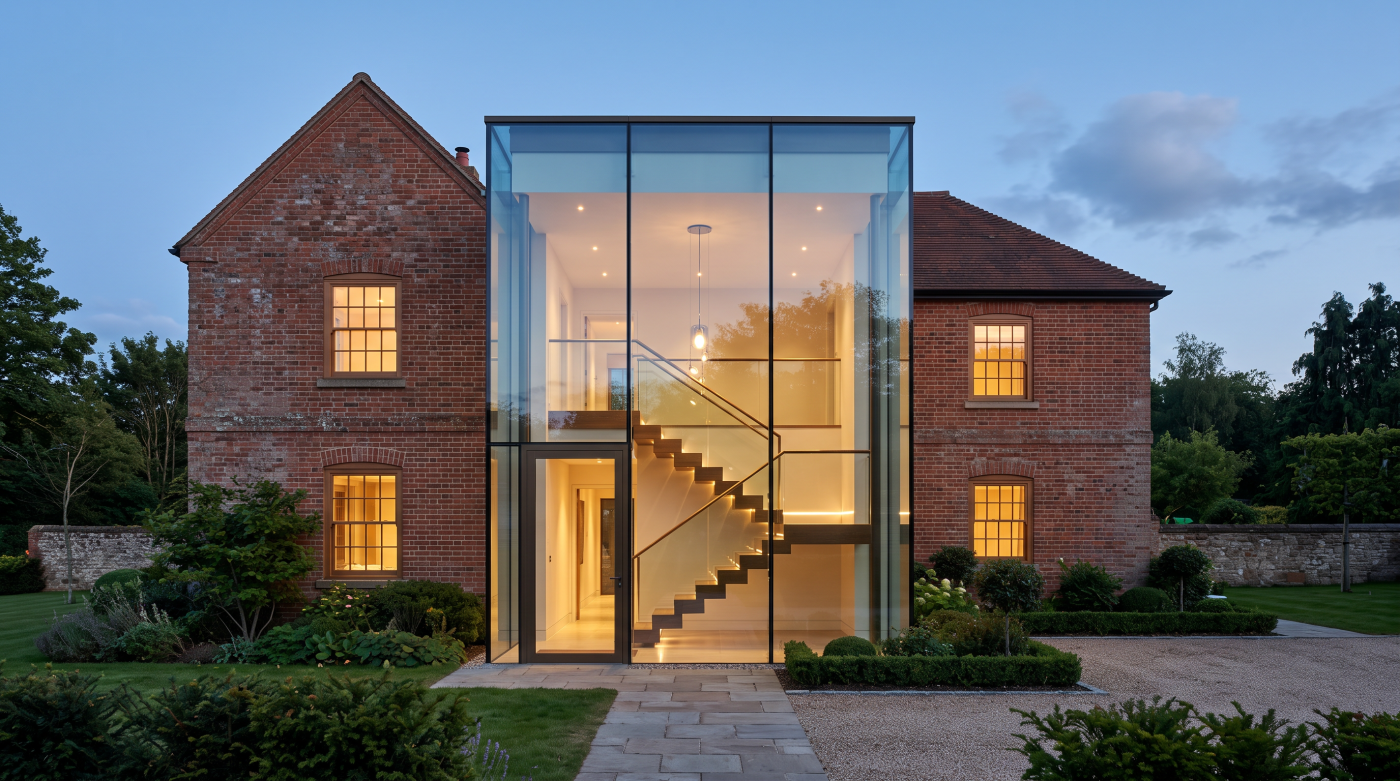
Structural Glazing Is More Than Glass Without Frames Few areas of contemporary residential architecture generate as much curiosity as structural glazing. Images of frameless corners, uninterrupted glass walls and seemingly invisible junctions have become synonymous with modern architectural design, often creating the impression that structural glazing simply means “glass without frames.” While these striking visual […]
06
Aug
Aug
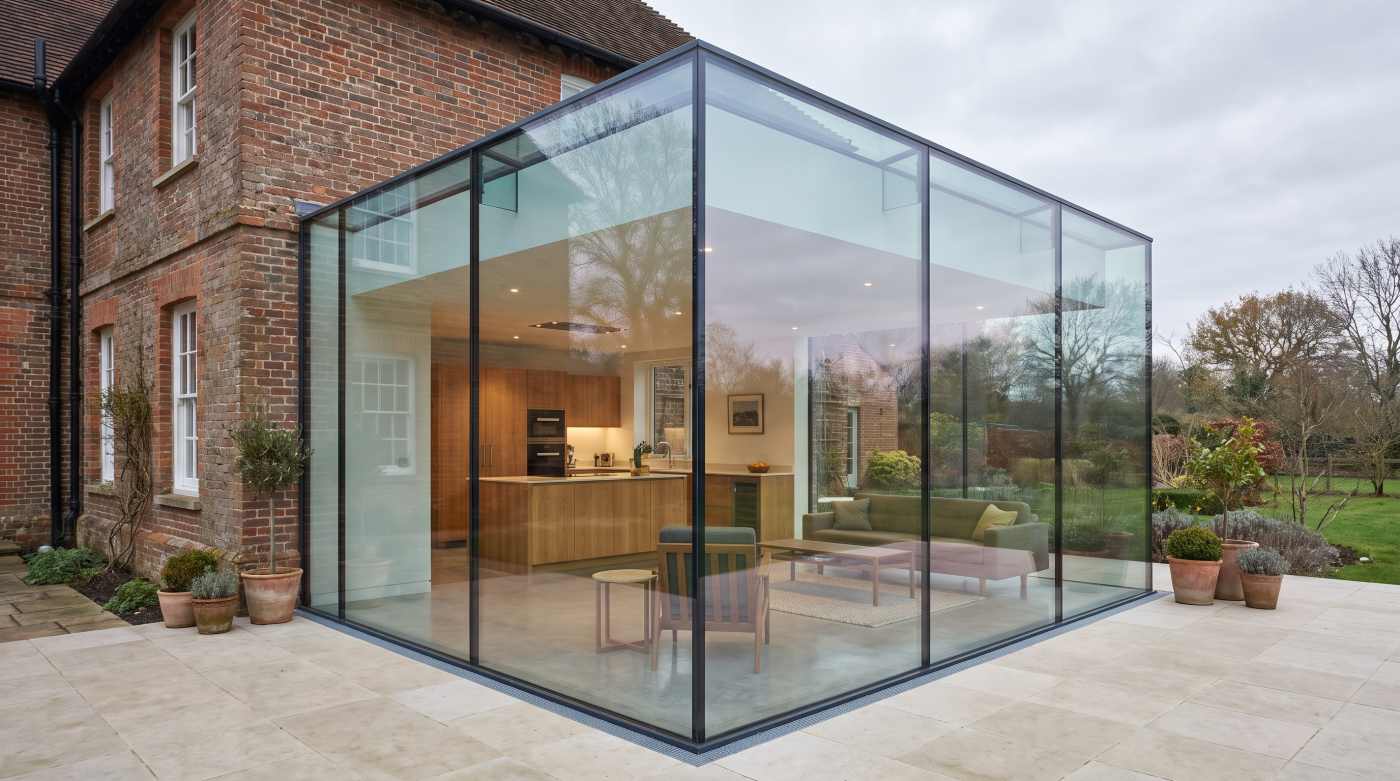
Minimal Framing Is About What You Don’t Notice Few terms have become as popular in contemporary residential architecture as minimal framing. It appears throughout architectural magazines, planning applications, design discussions and product literature, often accompanied by images of expansive glass walls and remarkably slender aluminium profiles. Understandably, many homeowners conclude that minimal framing simply refers […]
06
Aug
Aug
Installation Is the Final Chapter, Not the Beginning For many homeowners, architectural glazing appears to begin when the first delivery lorry arrives on site carrying frames and glass. By that stage, the project feels tangible. Openings have been formed, the structure is in place and the house is beginning to resemble the finished design. It […]