
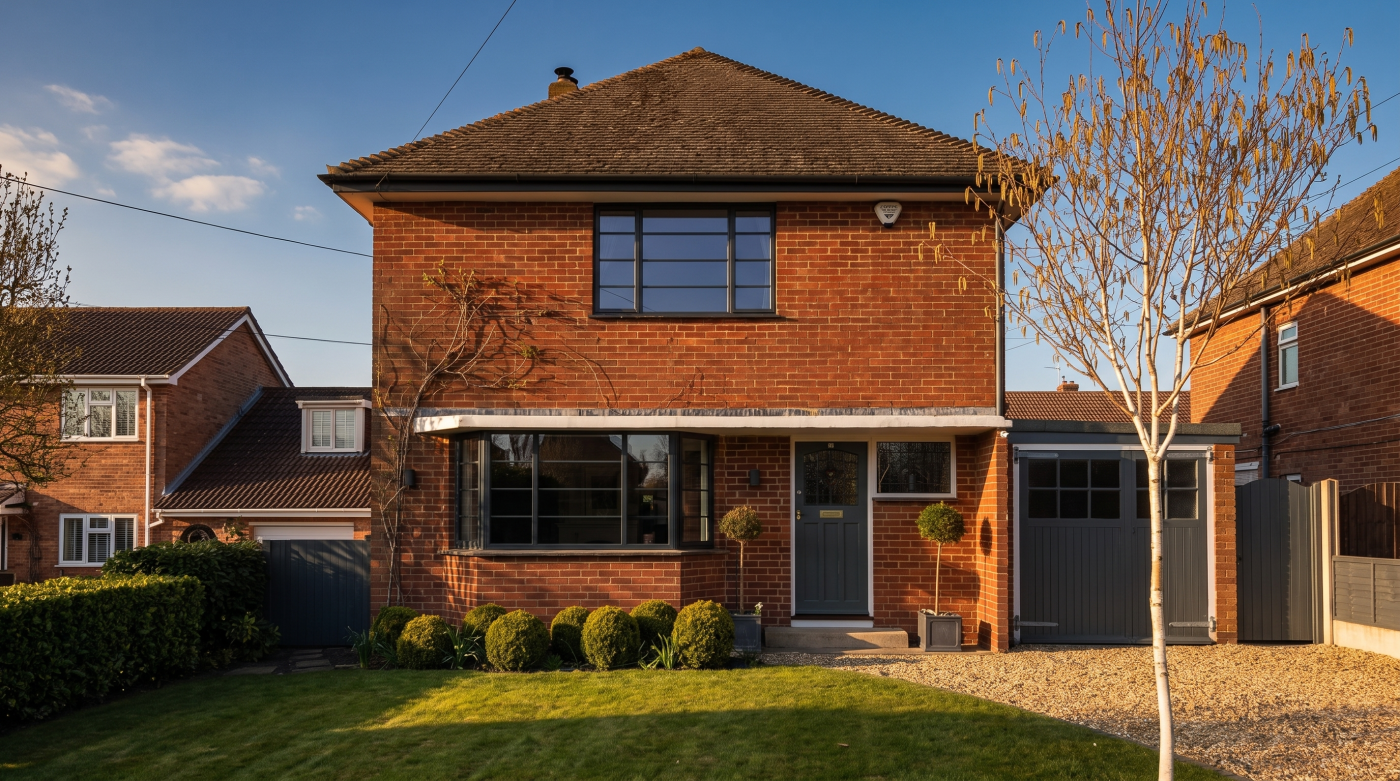
A Brand Specification Is Often a Decision About Risk, Not Recognition When an architect names a particular glazing brand on a drawing or specification, it can be tempting to interpret the choice as a simple product preference. Perhaps they like the appearance, have used the manufacturer before or trust a familiar name. Those factors may […]
Tag Archives: Architectural Glazing
25
Aug
Aug
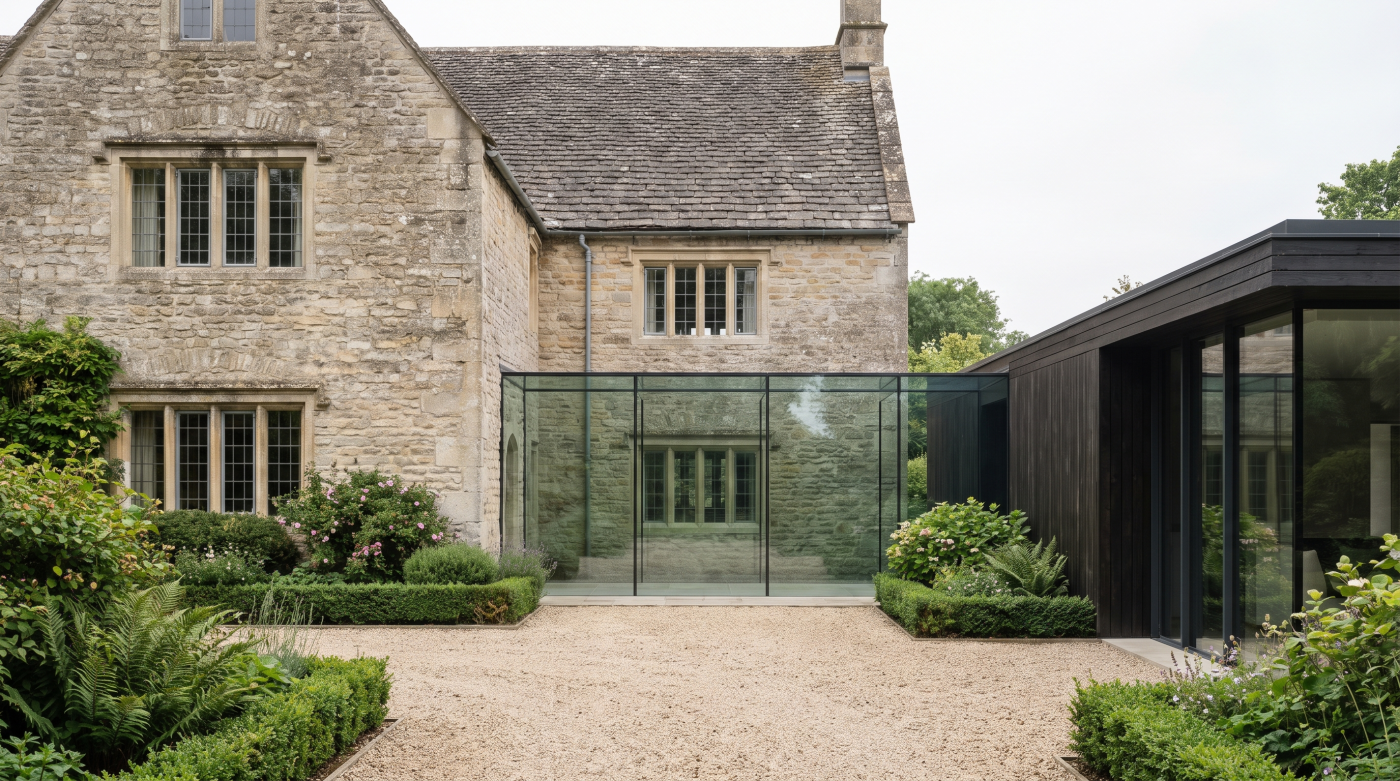
Put Glazing on the Programme Before You Need the Glass One of the easiest ways for glazing to become a programme problem is to introduce it to the programme too late. On a construction schedule, windows and doors can sometimes appear as two simple milestones: Order glazing. Install glazing. But there is a considerable amount […]
25
Aug
Aug
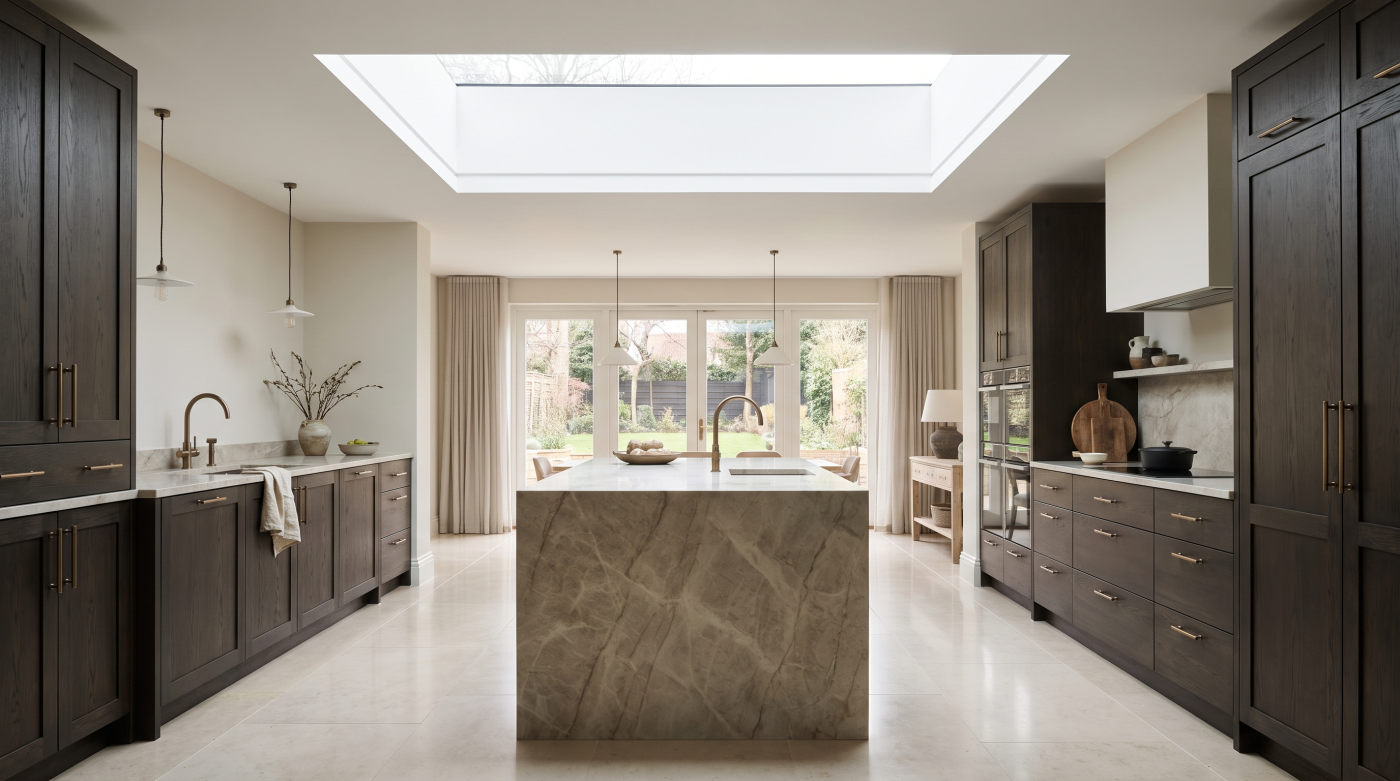
Clear Information Early Enough to Build Around For a main contractor, glazing information has value only if it arrives before the work that depends on it. A beautifully detailed threshold section is considerably less useful once the screed has been poured, the external levels established and the surrounding construction completed around a different assumption. That […]
25
Aug
Aug
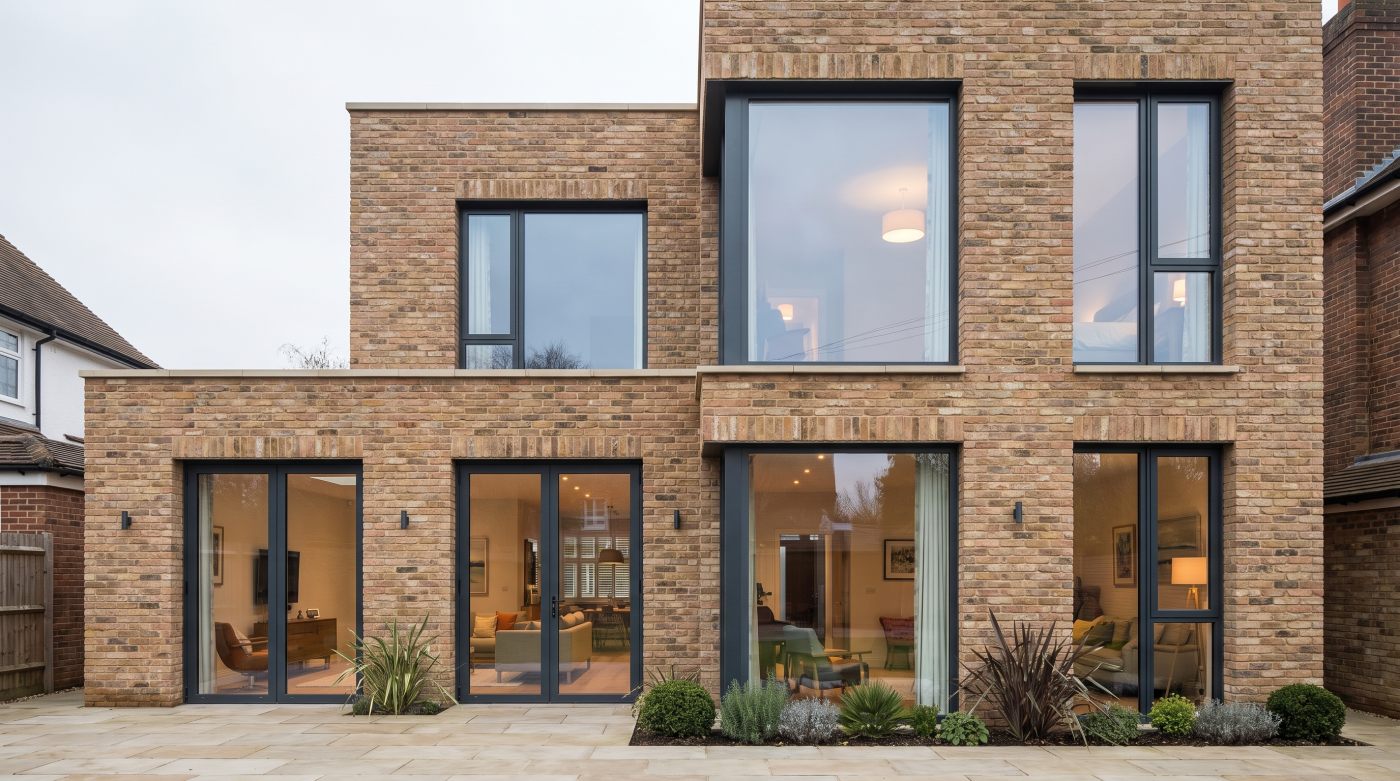
Not All Drawings Are Trying to Tell You the Same Thing One of the easiest misunderstandings on a building project begins with a perfectly reasonable sentence: “But that isn’t what the drawing showed.” Sometimes that matters enormously. But before deciding something has gone wrong, there is another question to ask: Which drawing? A project develops […]
25
Aug
Aug
Stage One: Let the Architect Establish the Architectural Intent There is such a thing as involving a glazing specialist too early. At the beginning of a project, the most important questions are not usually about frame systems, glass specifications or individual products. They are about architecture. How should the home relate to its surroundings? Which […]
24
Aug
Aug
Tell Your Architect How You Want to Live—Not Just What You Want It to Look Like Most homeowners begin a project with images. A photograph of a glass-box extension. A minimal sliding elevation disappearing into a garden. A picture window framing open countryside. These references are useful. They help an architect understand the visual language […]
24
Aug
Aug
“I Want More Glass” Is Not Yet a Design Brief It is easy to understand why homeowners ask for more glass. Large panes can bring daylight deep into a room, open views towards the landscape and create the sense that the garden has become part of the interior. But “I want as much glass as […]
24
Aug
Aug
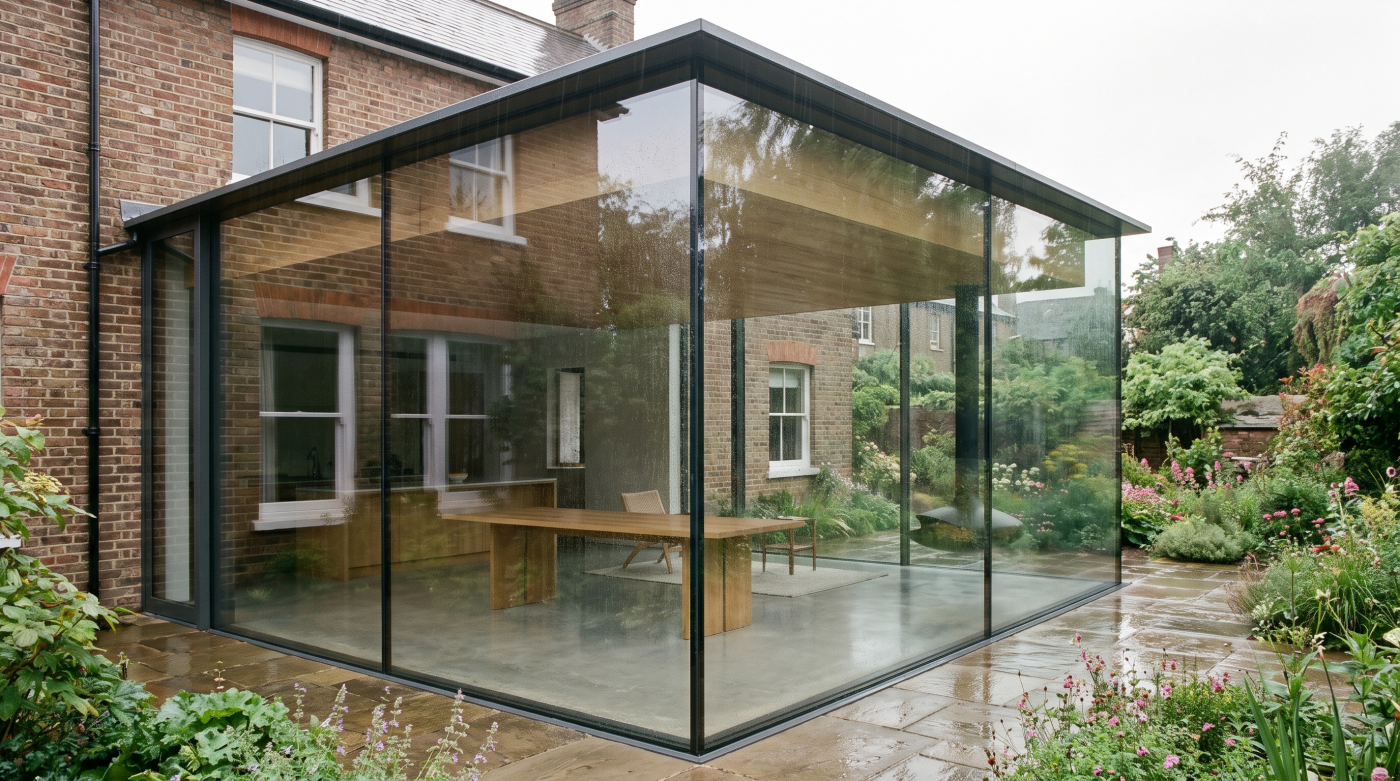
First Decide What You Are Actually Trying to Shade When a glazed room becomes uncomfortable, the instinctive response is often: “We need some shading.” But that is not yet a complete design brief. Before choosing blinds, screens, overhangs or a different glass specification, establish exactly what problem the shading is supposed to solve. There are […]
24
Aug
Aug
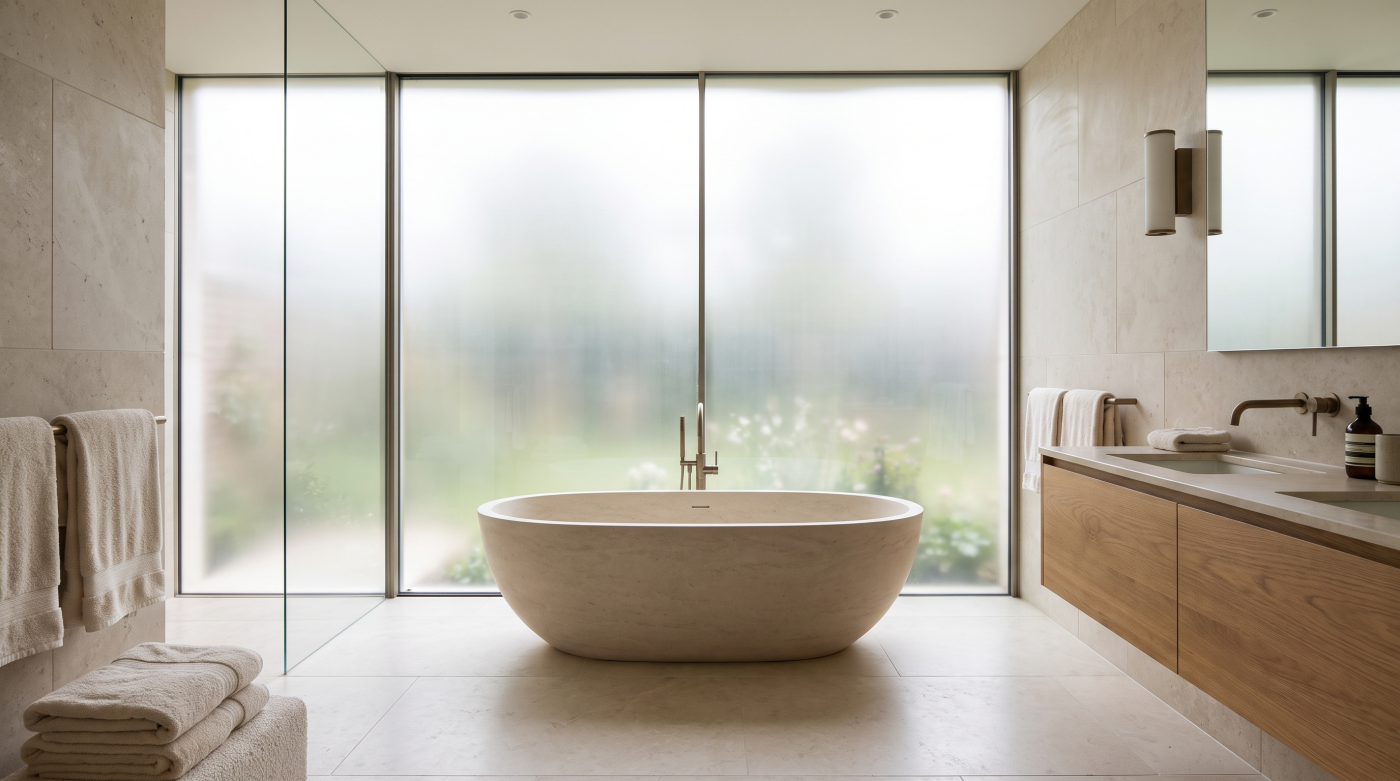
The Difference Between Openness and Exposure Large areas of glass can make a room feel extraordinarily open. Daylight reaches further inside. The garden becomes part of the interior experience. Long views can make the room feel larger than its physical boundaries suggest. But there is a point where openness can become exposure. The difference is […]
21
Aug
Aug
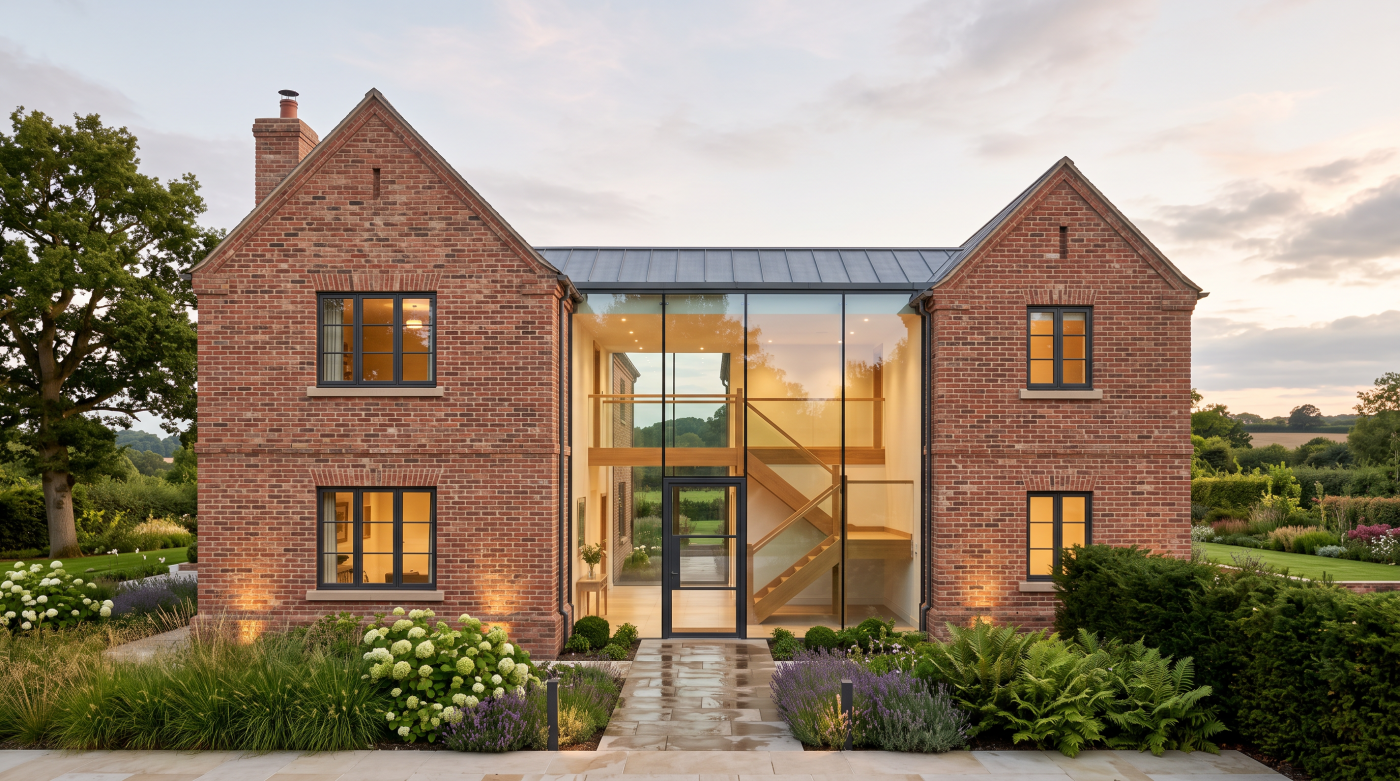
Privacy Through Glass Changes Between Day and Night A glazed room can feel surprisingly private during the day. Then darkness falls, the lights come on, and the relationship can change completely. This happens because privacy through glass depends heavily on the relative brightness on either side of it. During daylight, the outside environment is often […]
21
Aug
Aug
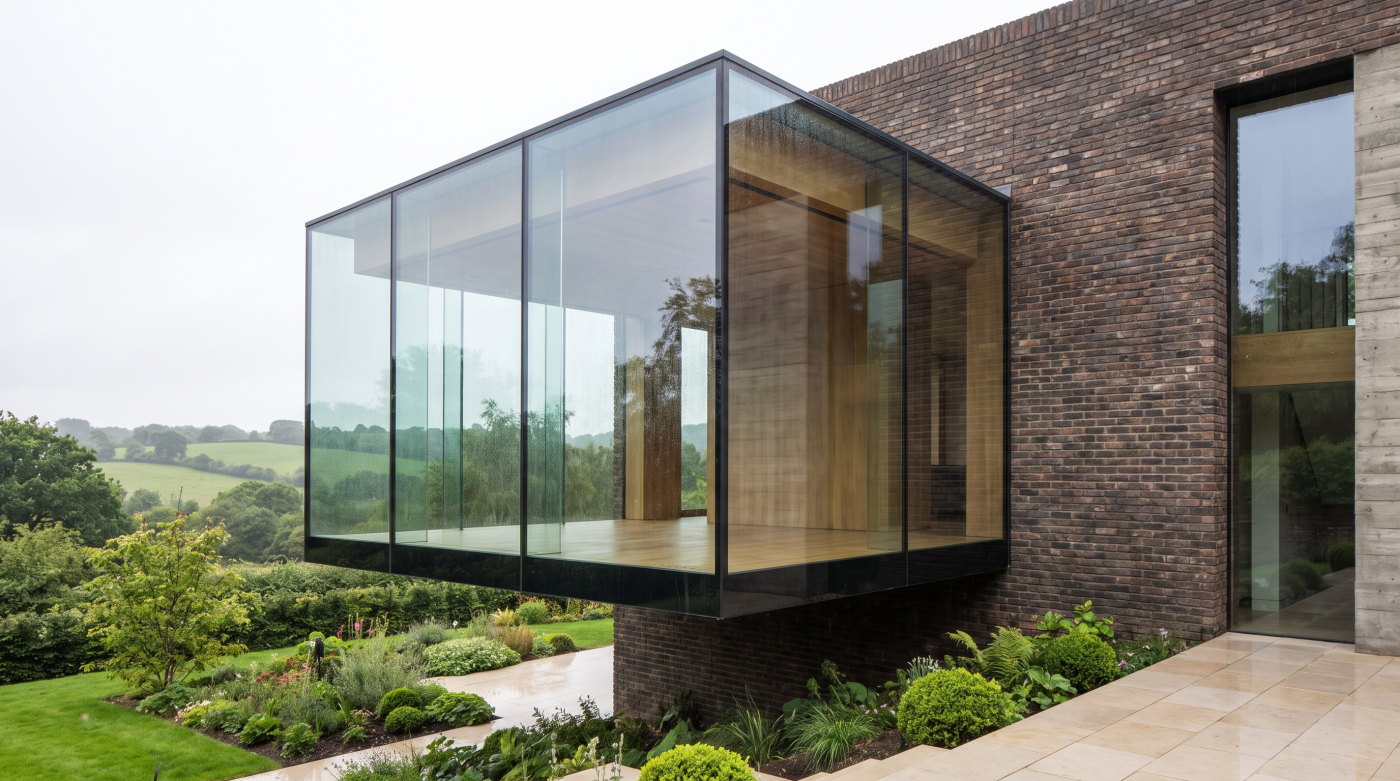
The Two Acoustic Problems People Commonly Confuse When somebody says they want a room to be “quieter”, they may actually be describing two completely different acoustic problems. The first is sound insulation: stopping unwanted noise from travelling through the building envelope. Think of a bedroom overlooking a busy road, a home close to a railway […]
21
Aug
Aug
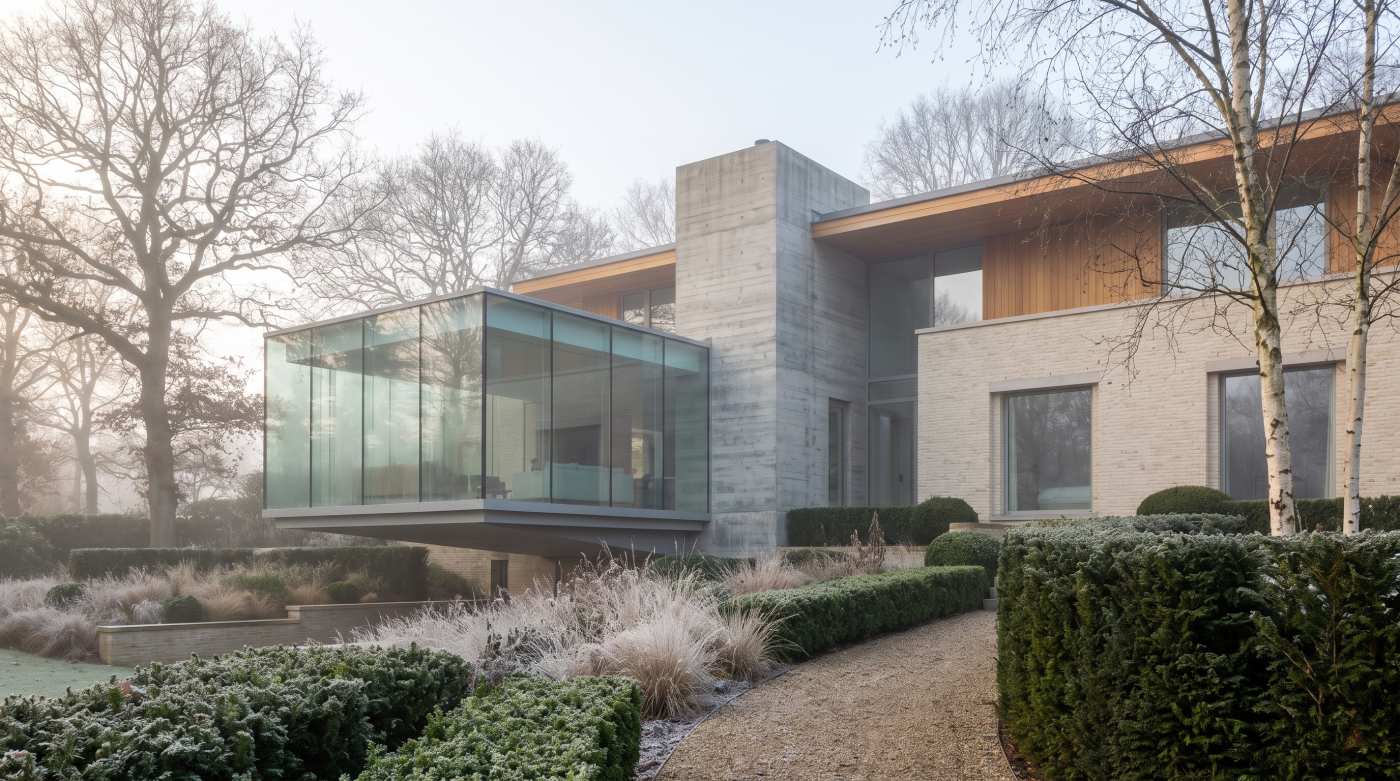
Why Replacing Walls With Glass Changes the Room Completely A glass wall may visually disappear, but environmentally it behaves very differently from the insulated wall it replaces. That distinction becomes increasingly important as the amount of glazing grows. An opaque external wall is primarily designed to separate the internal environment from external conditions. Architectural glazing […]
21
Aug
Aug
Why Winter Light Behaves So Differently in the UK Winter does not simply give a UK home fewer hours of summer-style light. The angle, duration and availability of sunlight all change. During winter, the sun remains much lower in the sky and the days become considerably shorter. That changes both which elevations receive direct sunlight […]
20
Aug
Aug
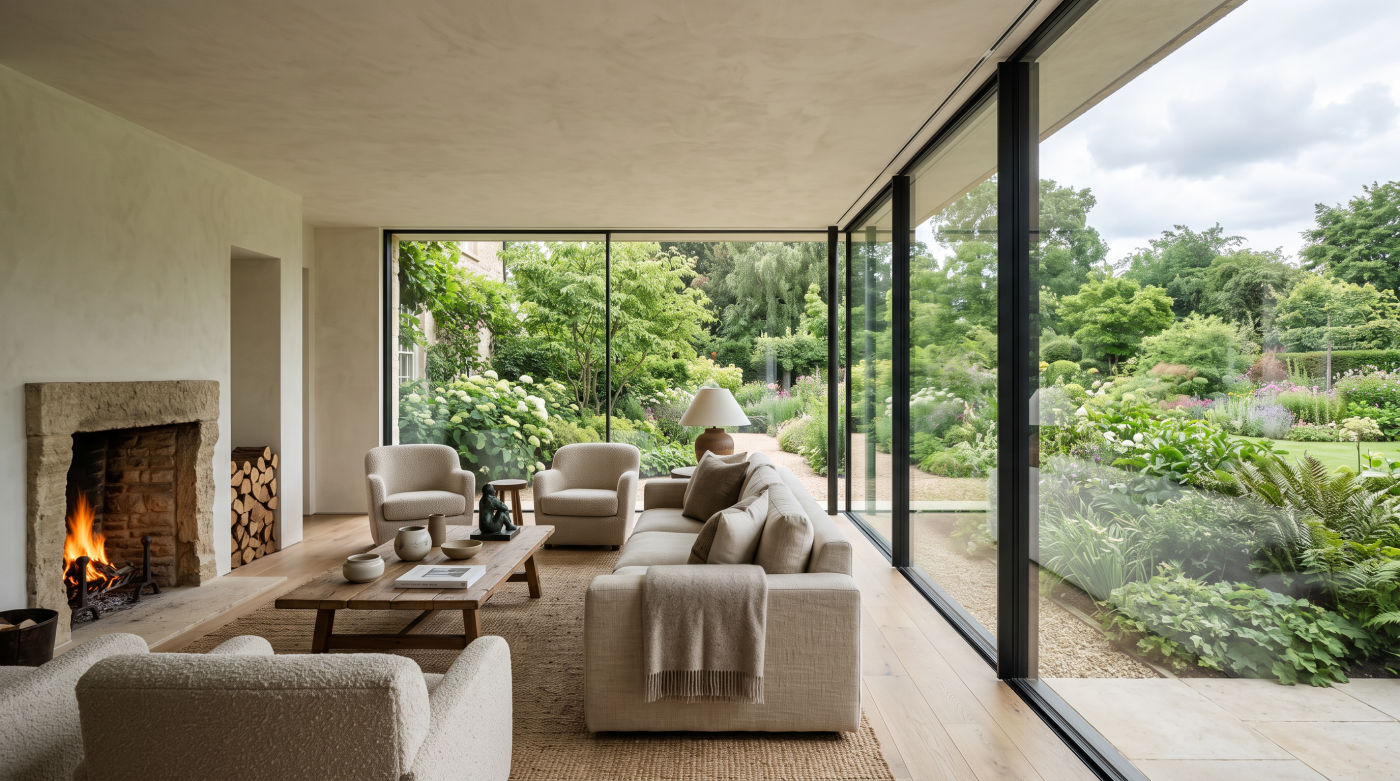
The Fundamental Difference: Direct Sun Versus Diffuse Daylight North- and south-facing windows can use exactly the same glass and still create very different conditions inside a home. The reason begins with the path of the sun. In the UK, the sun travels predominantly across the southern part of the sky. A south-facing elevation therefore has […]
20
Aug
Aug
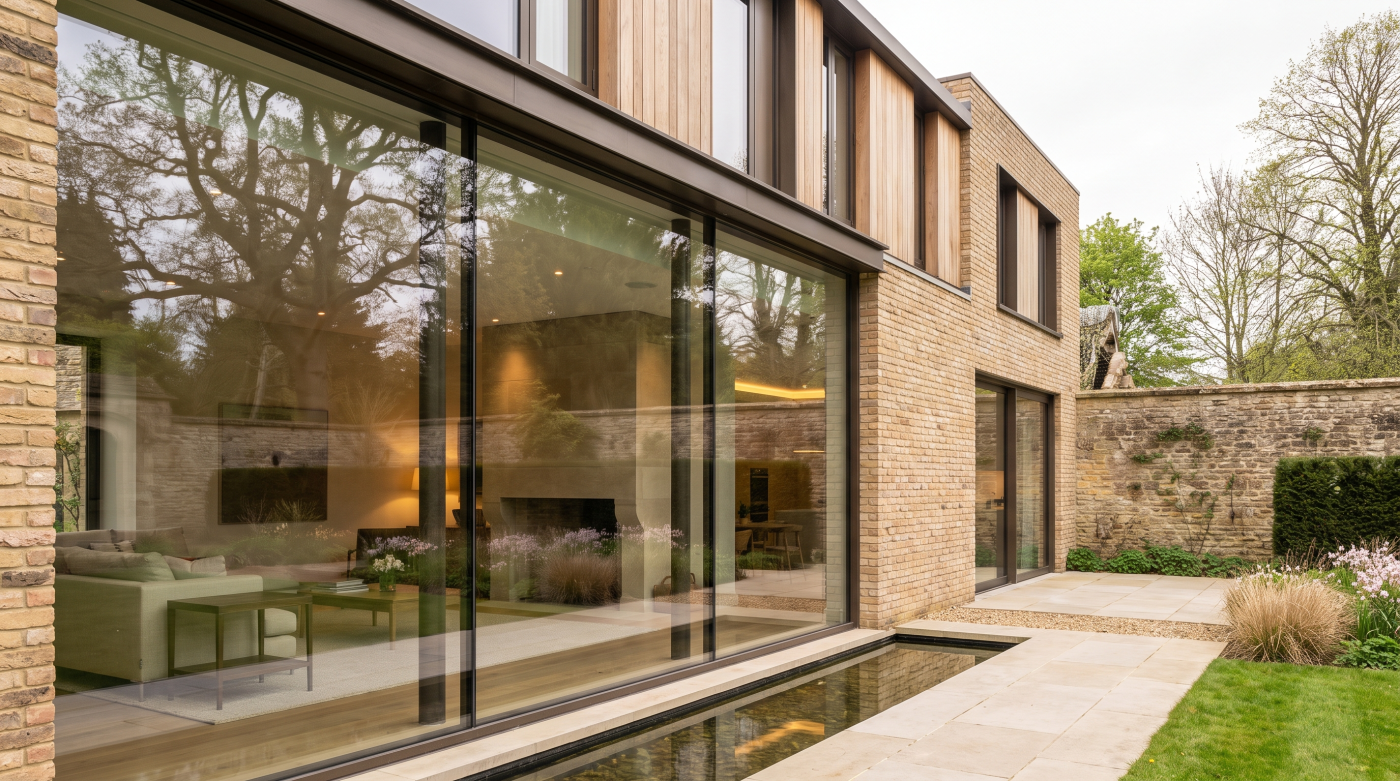
North, South, East and West: What Actually Changes? The direction a window faces changes when sunlight reaches it, the angle at which that sunlight arrives and how solar exposure varies throughout the day. That means two identical panes of glass on different elevations can create very different conditions inside the same home. South-facing glazing can […]
18
Aug
Aug
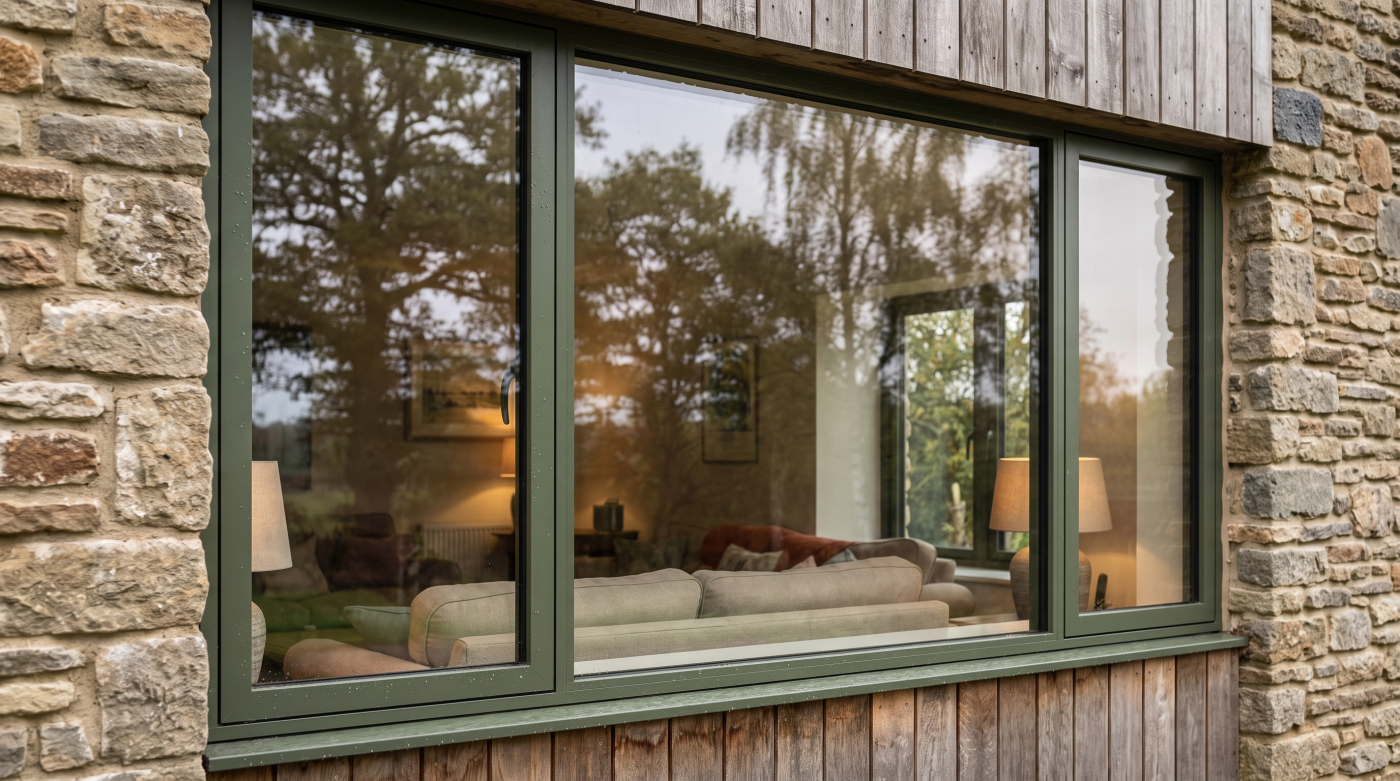
What Solar Control Glass Actually Does Solar control glass is designed to reduce the amount of solar energy passing through the glazing and contributing to heat inside the building. That becomes particularly relevant where architecture uses large areas of glass to bring in daylight, open up views and create a stronger connection with the landscape. […]
18
Aug
Aug
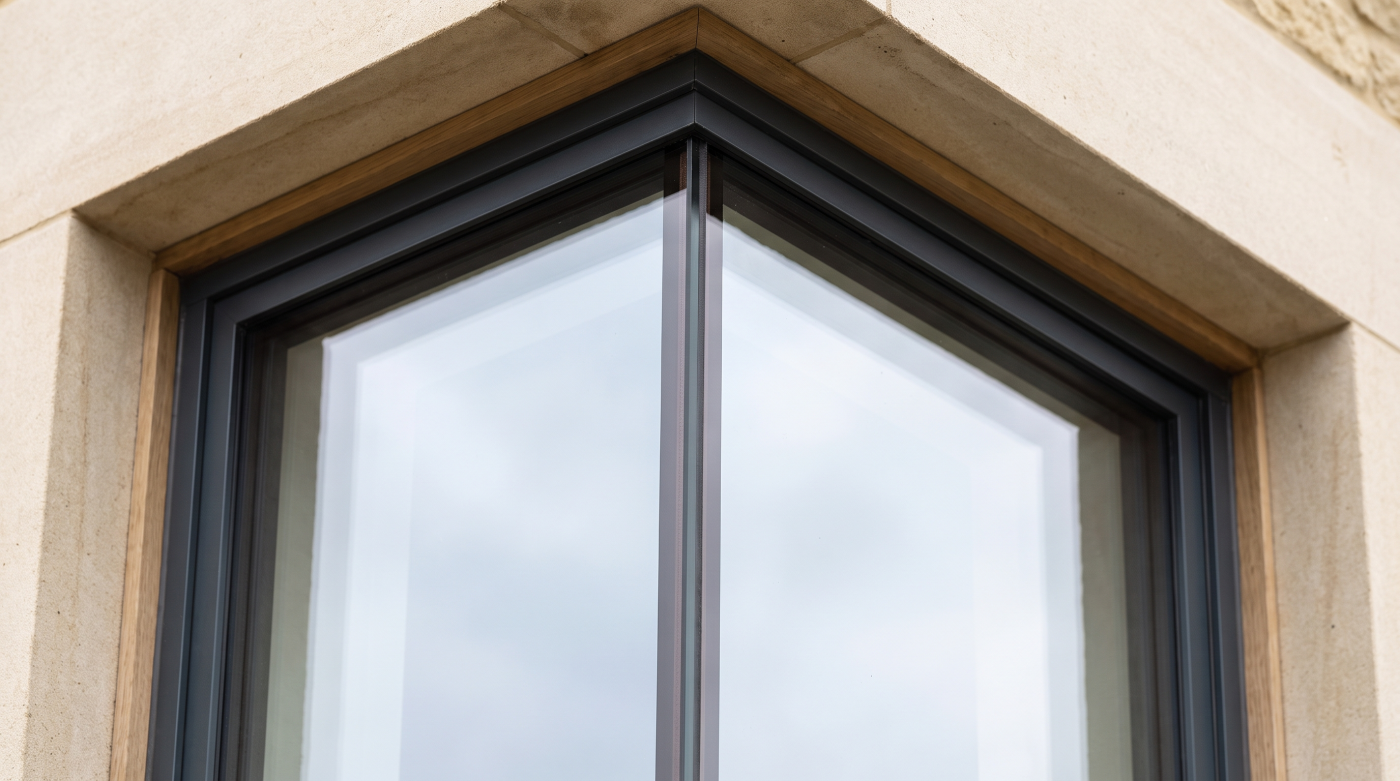
The Fundamental Difference: What Happens When the Glass Breaks? The clearest way to understand the difference between toughened and laminated glass is not simply to ask which one is stronger. It is to ask a more useful question: what happens if the glass actually breaks? Toughened glass has undergone a controlled heat-treatment process that changes […]
18
Aug
Aug
What Is a Low-E Coating? Low-E stands for low emissivity. In practical terms, a low-E coating is an extremely thin engineered layer incorporated into the glazing to help reduce the transfer of radiant heat through the glass. It can have a significant influence on thermal performance while remaining visually subtle within the finished window or […]
17
Aug
Aug
What Does “Tolerance” Actually Mean in Glazing? In architectural glazing, tolerance describes the dimensional variation that needs to be anticipated when different parts of a building come together. A drawing may show an opening with precise dimensions and perfectly straight lines, but the physical building is assembled from structural steel, masonry, concrete, timber, finishes and […]
17
Aug
Aug
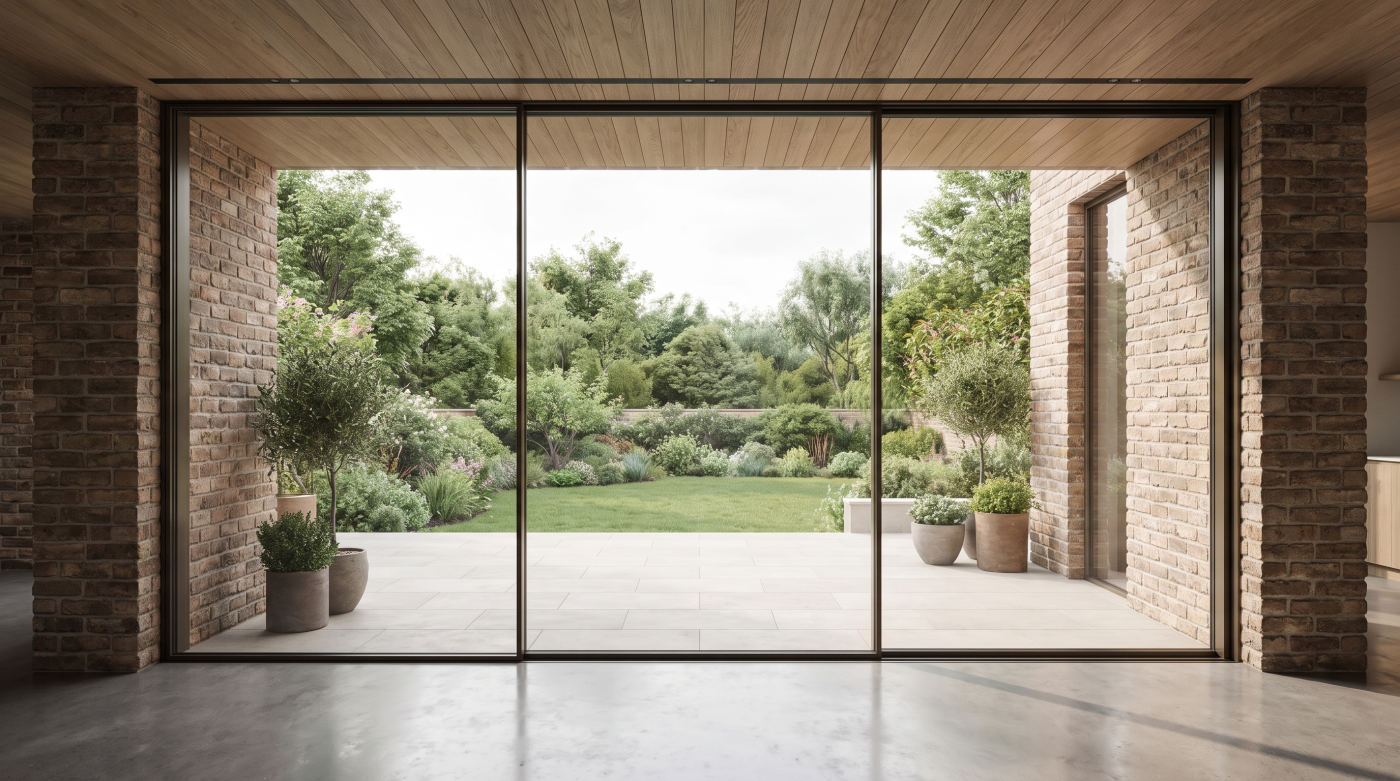
Why Would Glass Need to Be Craned in the First Place? Large-format glazing does not automatically require a crane. Many substantial glass units can be installed using other professionally determined handling methods, depending on their dimensions, weight and the conditions of the site. Specialist lifting becomes relevant when the combination of the glass itself and […]
17
Aug
Aug
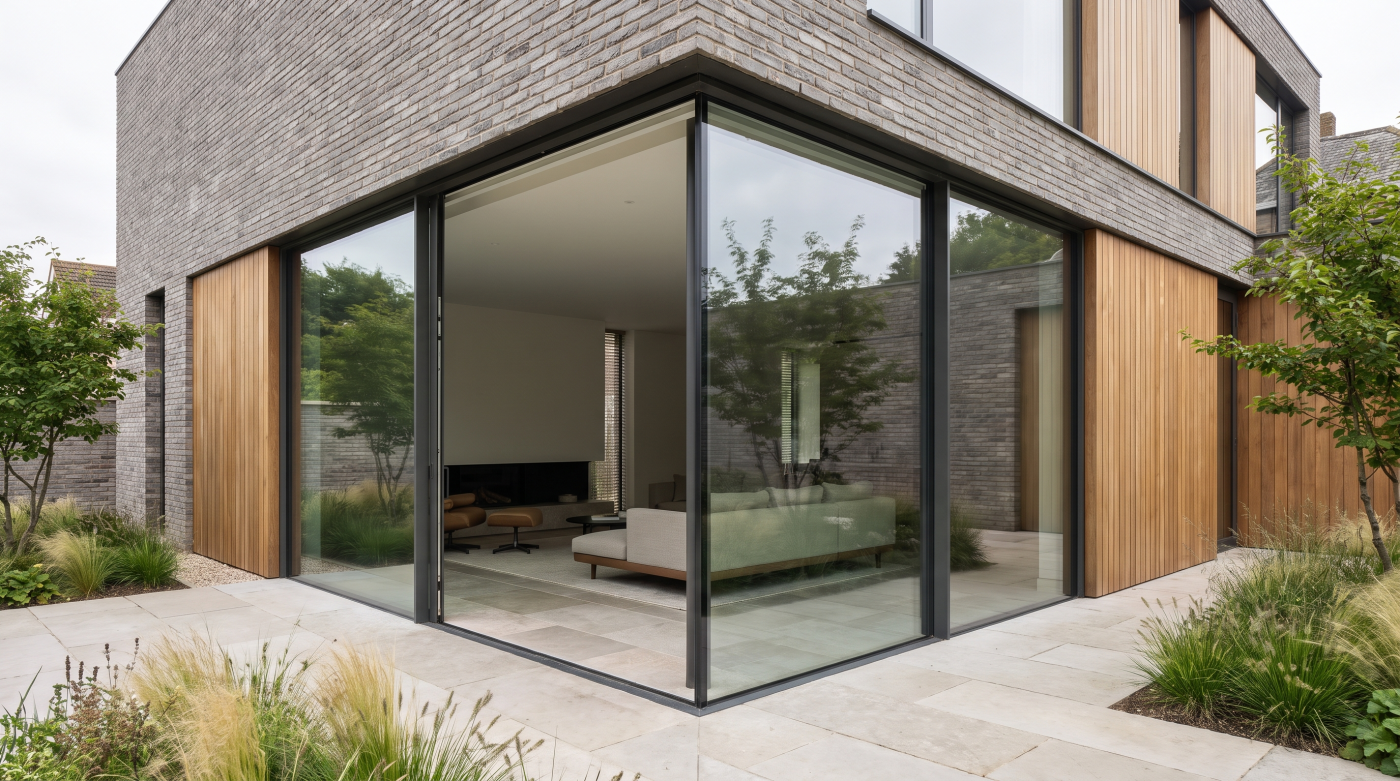
Large Glass Is Not Delivered Like an Ordinary Window Oversized architectural glazing may look remarkably simple once installed, but getting it into position can be a significant construction exercise. As panels become larger, they generally become heavier and more demanding to handle, changing the way they need to be transported, unloaded and moved around the […]
17
Aug
Aug
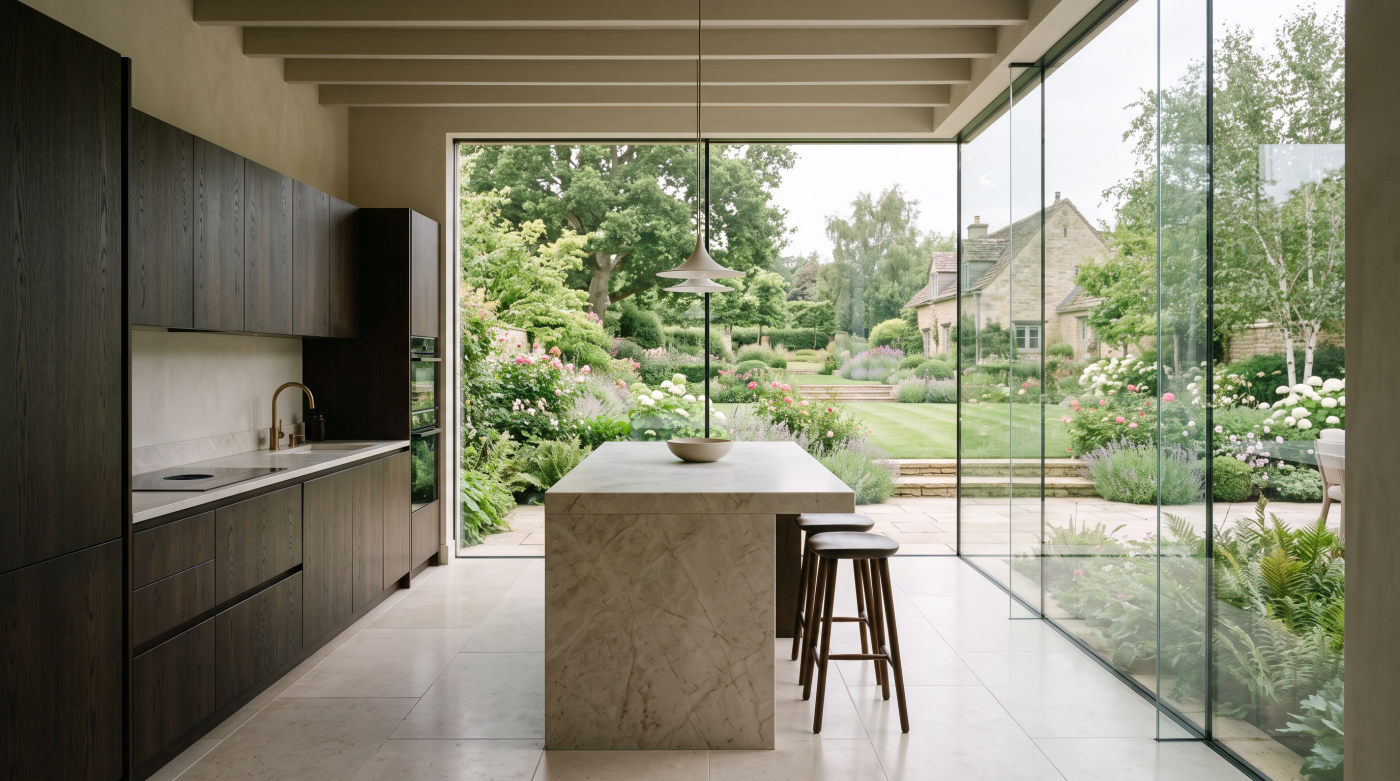
What Does Deflection Actually Mean? Deflection is the term used to describe the movement or bending of a structural element when it is subjected to load. A steel beam spanning above a large sliding-door opening may appear completely rigid, but in structural terms it is not necessarily motionless. As loads are applied, a degree of […]
14
Aug
Aug
A Structural Opening Is Not Just a Hole for the Glass One of the most common misconceptions with large-format glazing is that the structure can be designed first and the glass simply made to fit the opening afterwards. At a basic level, that sounds reasonable: the engineer establishes a structurally suitable opening, the steelwork is […]
14
Aug
Aug
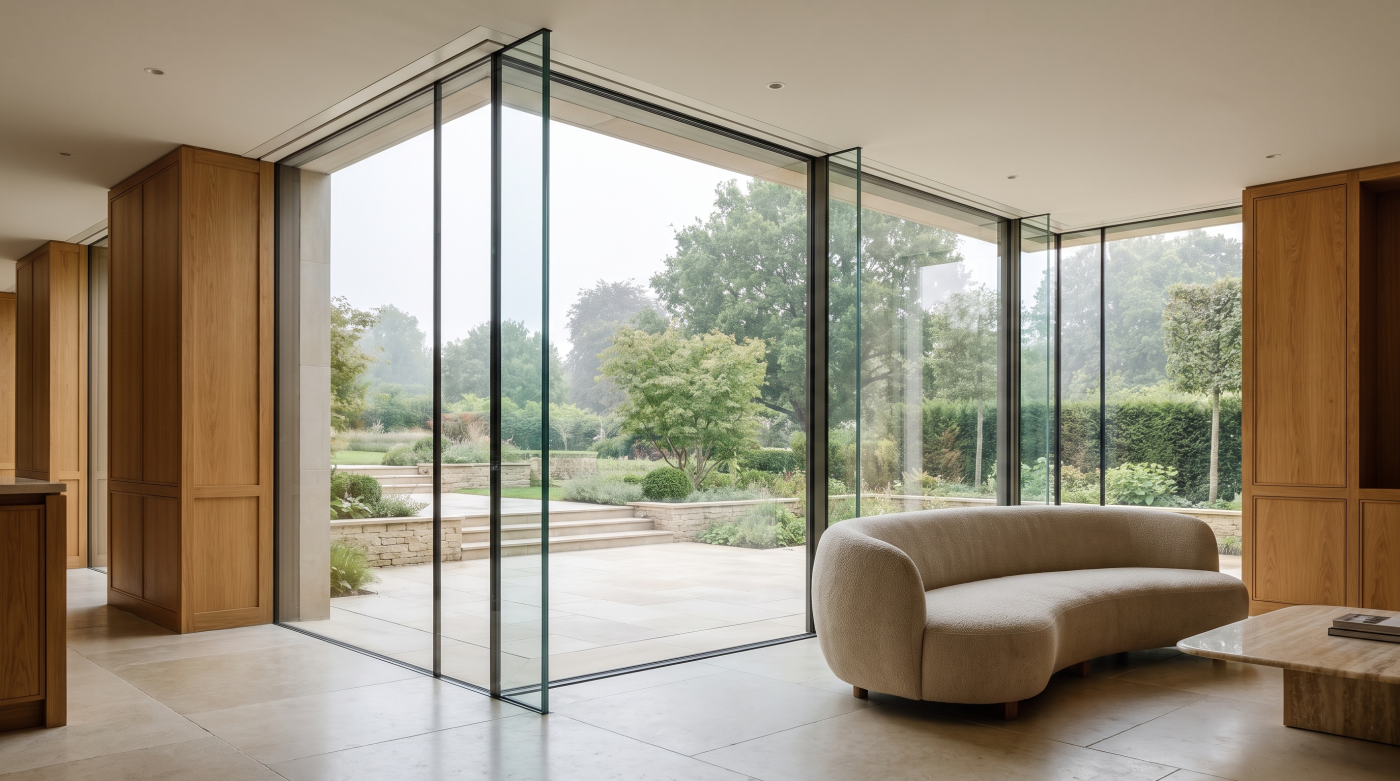
A Corner Is Not Just Something That Gets in the Way of the View When designing a highly glazed extension or contemporary home, it is easy to see the corner as an obstruction. Two large areas of glass might offer an uninterrupted view of the garden or landscape, only for a vertical post at their […]