
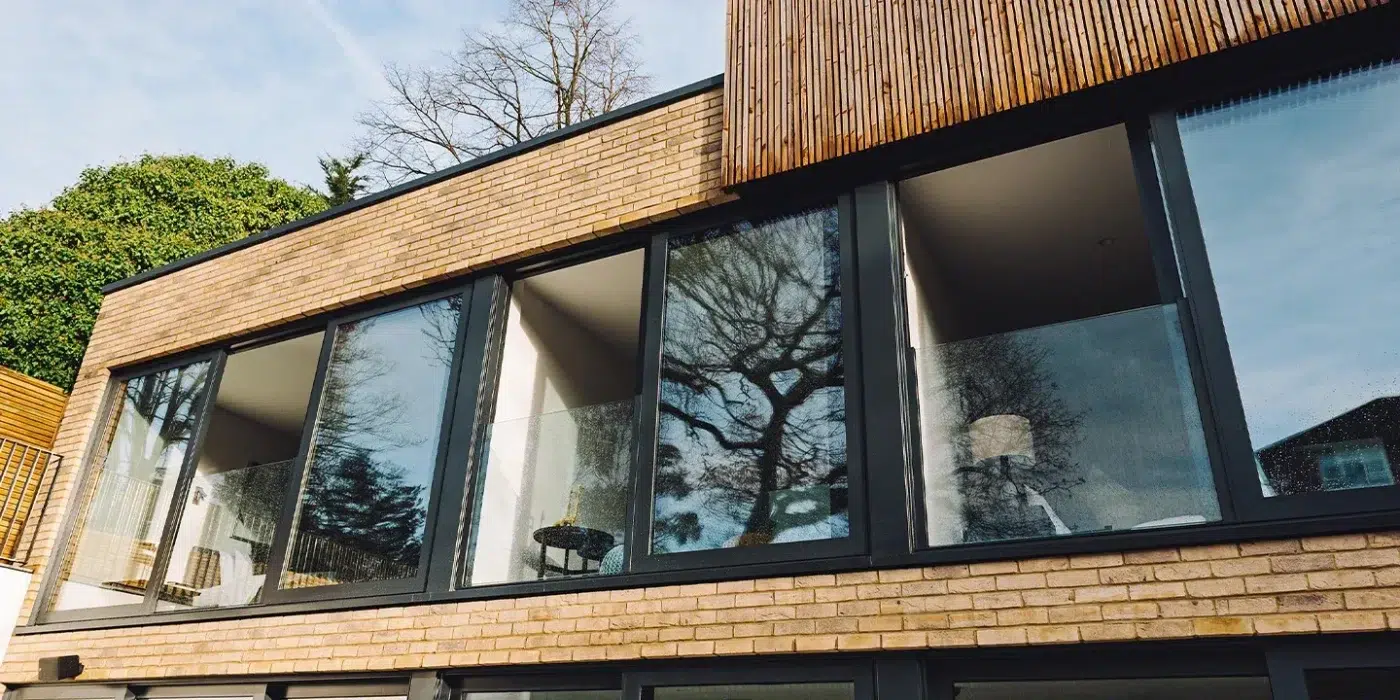
Are Juliet Balconies Worth It on a First-Floor Extension? A Juliet balcony can be worthwhile where a guarded full-height opening improves the outlook and use of a first-floor room. It provides no outdoor floor space, so its value should be judged through the room, view and complete construction rather than the expectation of a terrace. […]
Tag Archives: Architectural Design
21
Oct
Oct
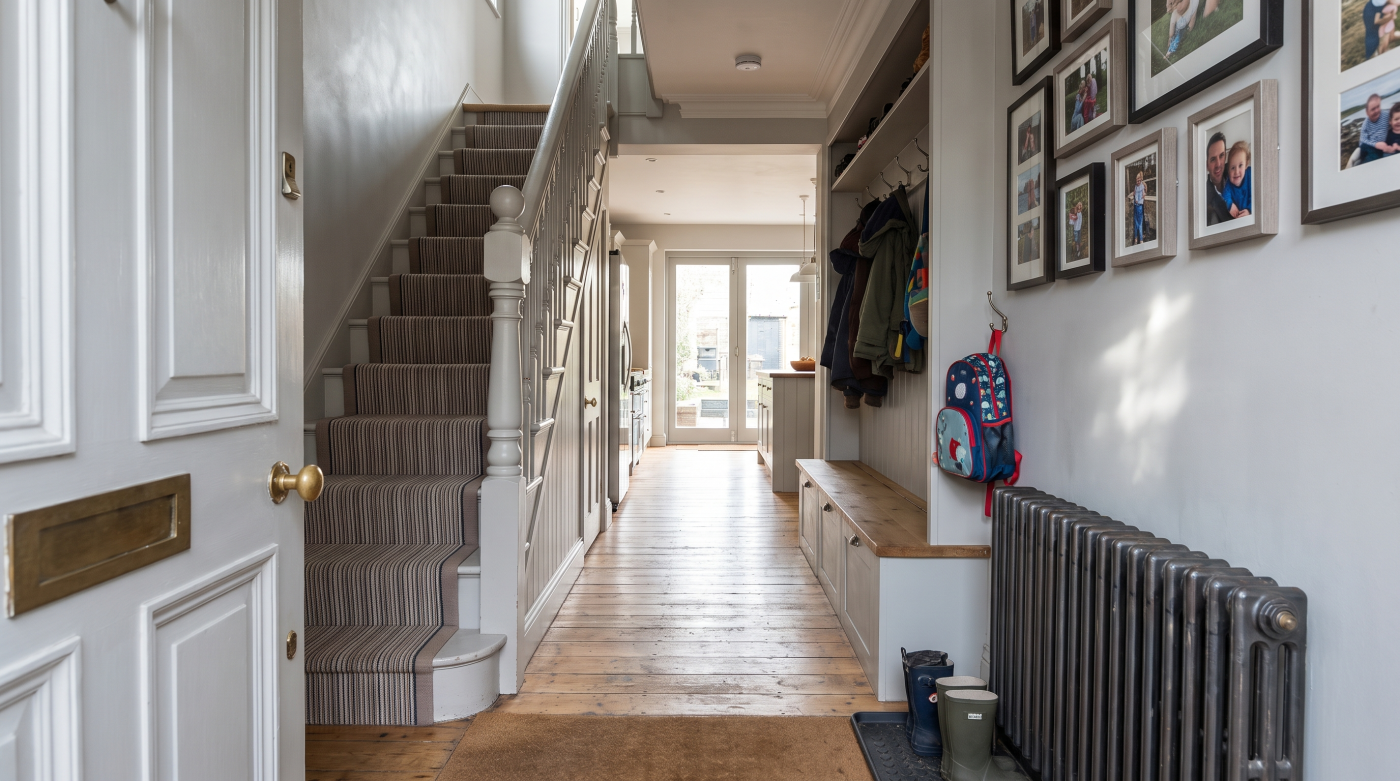
How Do You Bring More Light Into a Dark Landing or Stairwell? Bringing more light into a dark landing or stairwell starts with identifying where daylight can enter and what prevents it reaching the circulation route. Windows, rooflights, sun tunnels and internal glazing offer different possibilities, depending on the building. The most useful solution improves […]
19
Oct
Oct
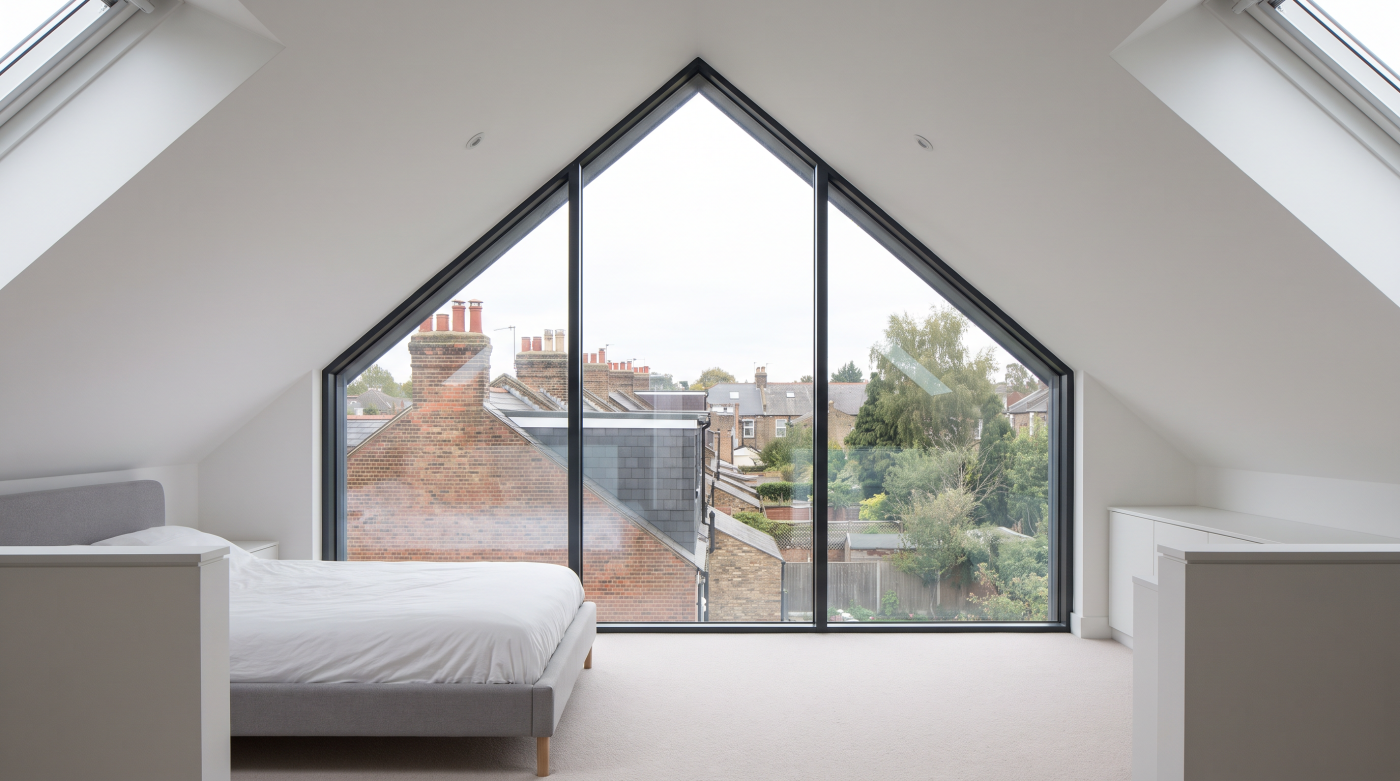
Which Glazing Works Best in a Loft Conversion? The best glazing for a loft conversion depends on the roof, the room being created and the wider conversion design. Roof windows, dormer windows and gable glazing offer different relationships with daylight, views, ventilation and usable space. Begin with the layout and roof geometry before comparing glass […]
18
Sep
Sep
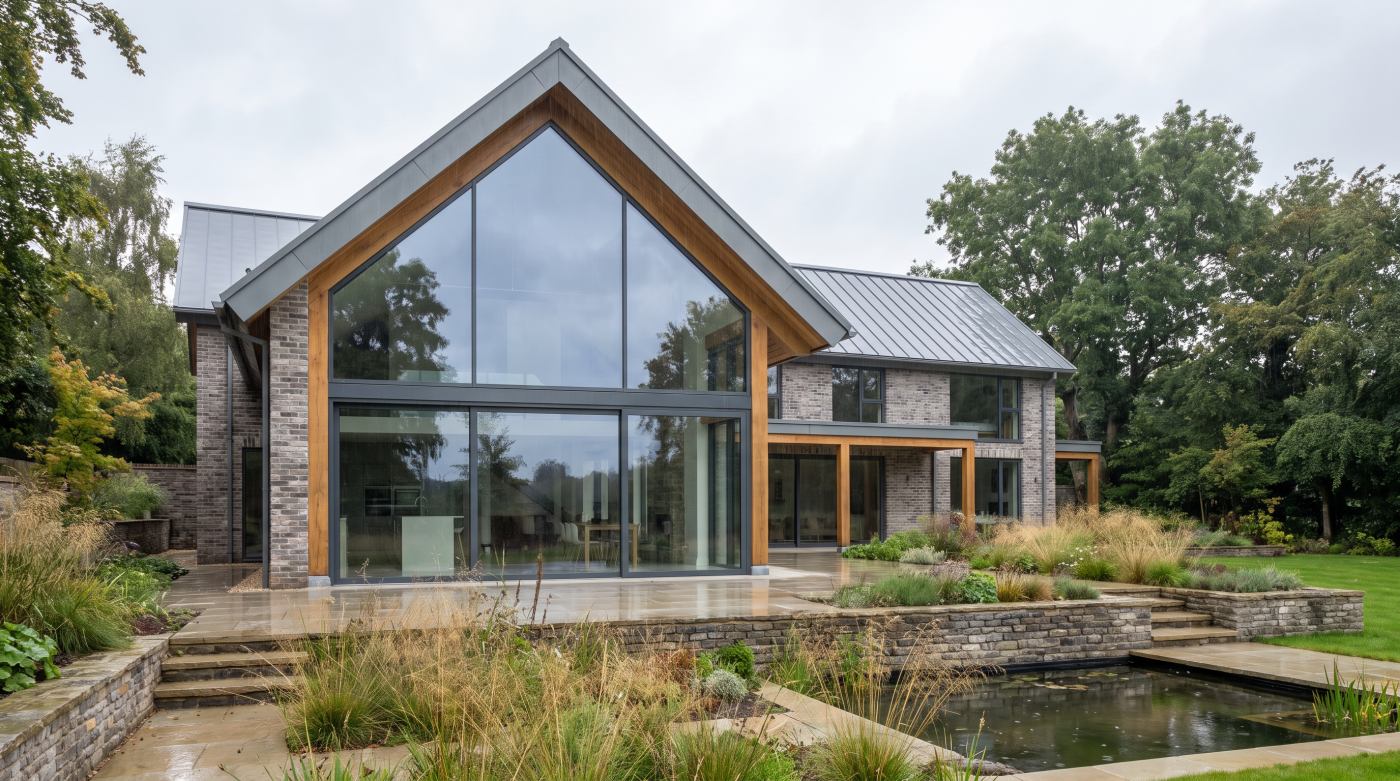
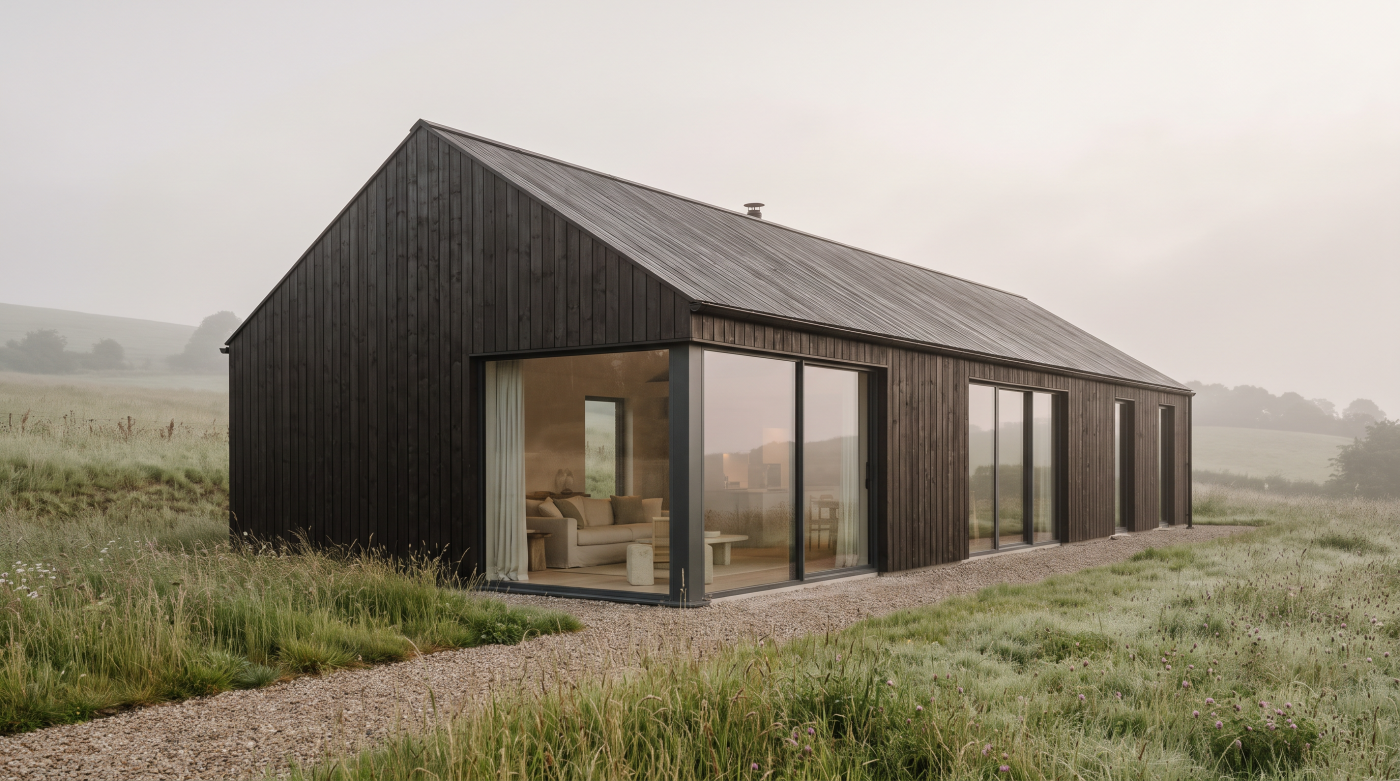
Making a Window Bigger Is Not the Same as Replacing It Replacing a window and enlarging a window opening may sound like variations of the same project. Architecturally, they are quite different. A straightforward replacement generally begins with an opening that already exists. The proportions of wall and glass remain broadly established, and the new […]
16
Sep
Sep
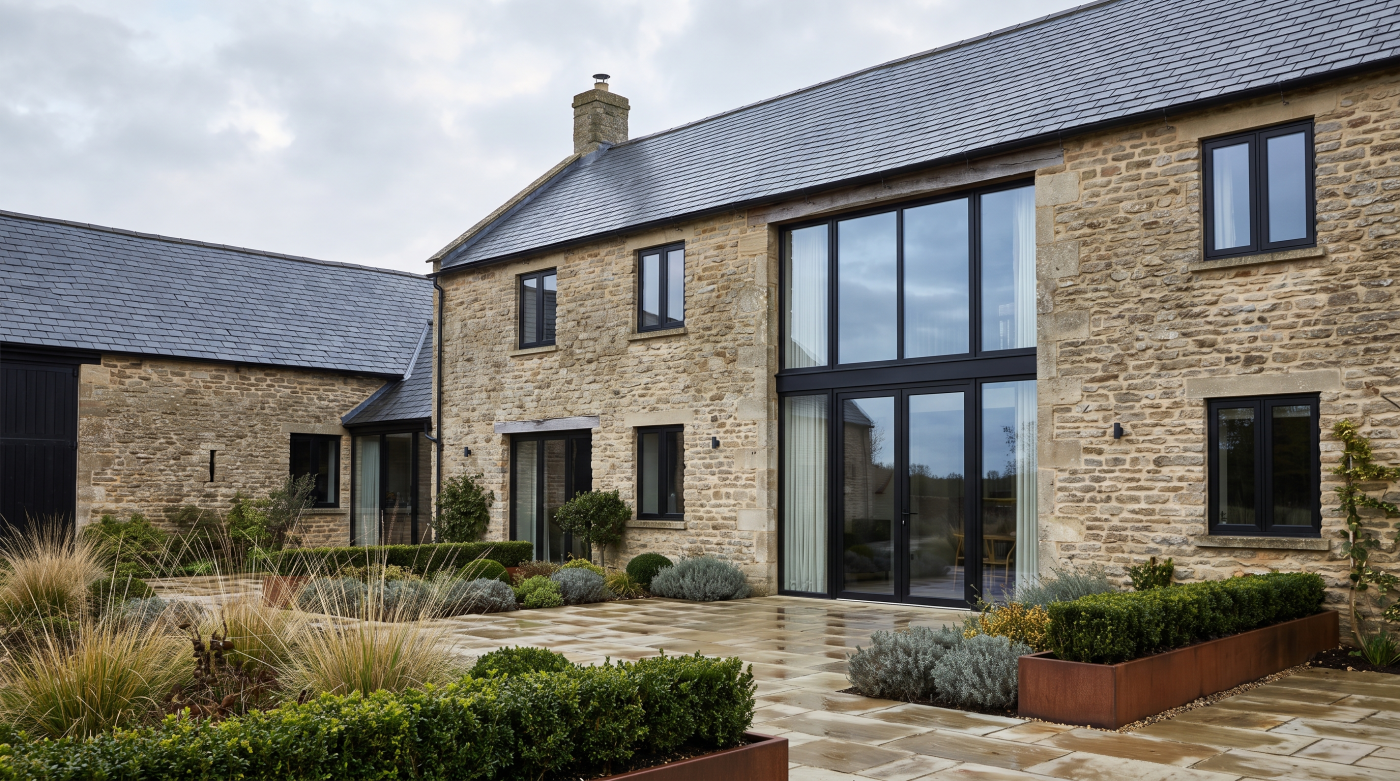
Your Window Begins as Information, Not Glass Long before a finished window reaches a building, it exists as information. At the design stage, much of that information can still feel abstract. There are dimensions on drawings, conversations about proportions, decisions about how an opening should operate and choices concerning appearance and finish. Individually, these may […]
11
Sep
Sep
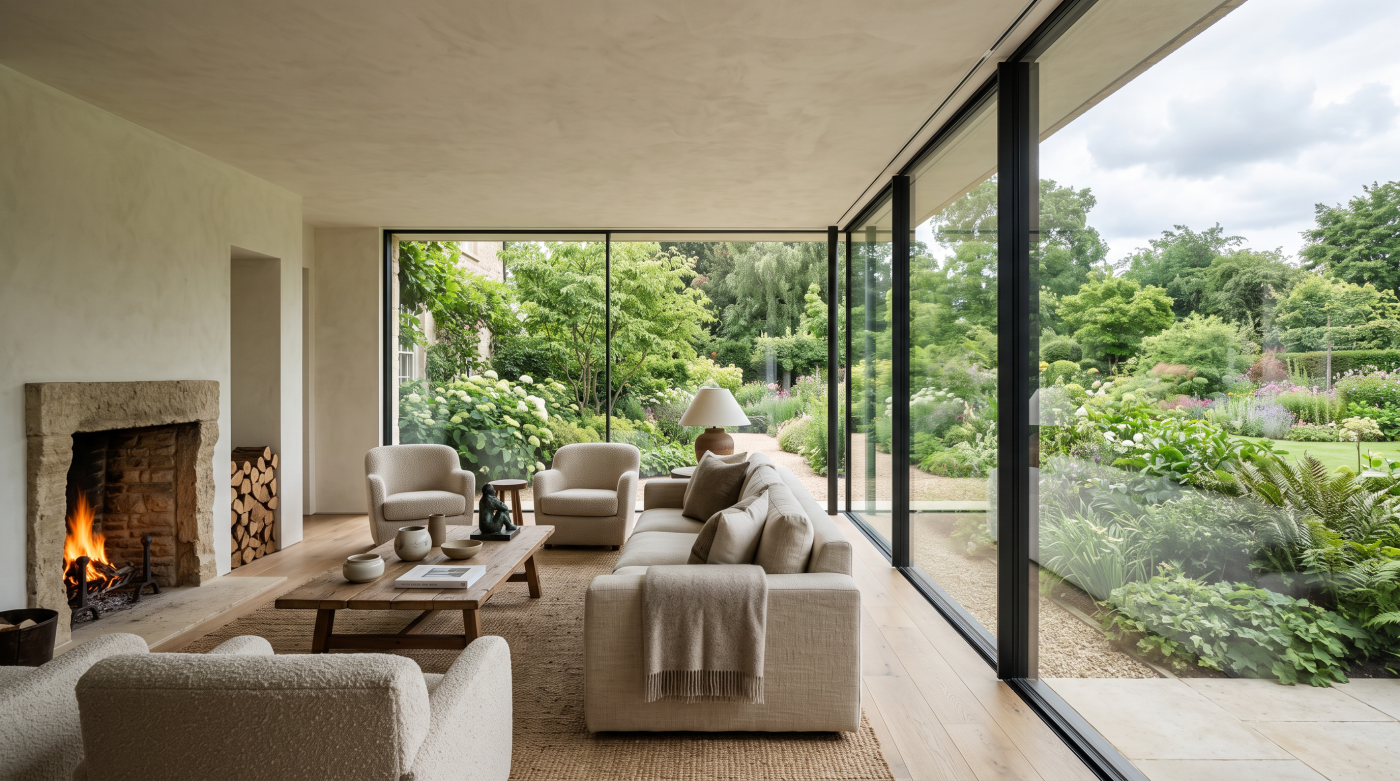
Black Became Contemporary — Then Became Automatic Black window frames did not become popular by accident. Against pale render, brick, timber or glass, a dark frame can give an elevation clarity and definition. It became closely associated with aluminium glazing, contemporary extensions and a particular kind of restrained modern architecture. Used deliberately, the effect can […]
11
Sep
Sep
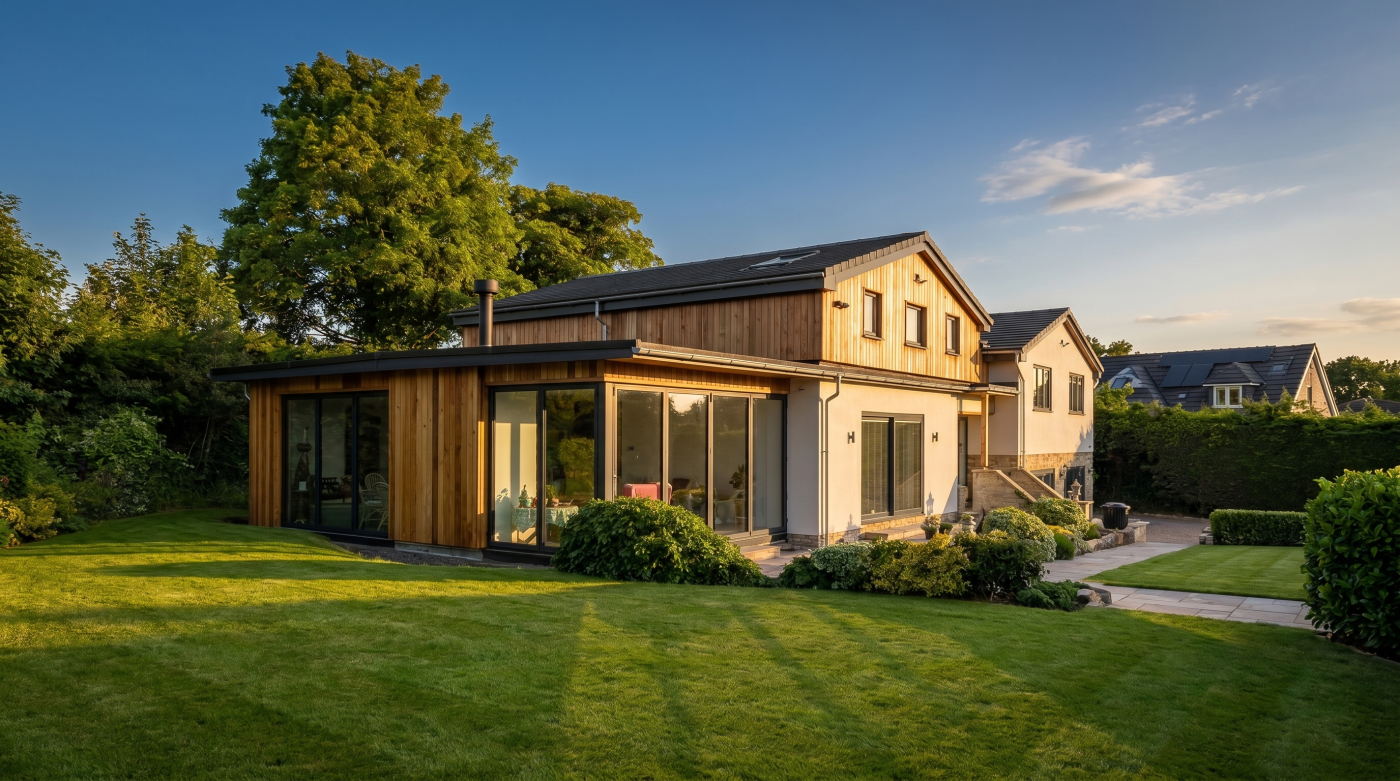
Open-Plan and Light Are Not the Same Thing When a house feels dark, removing internal walls can seem like an obvious solution. Combine the kitchen, dining room and living space, the reasoning goes, and daylight will be able to move more freely through the plan. Sometimes this works extremely well. But openness and daylight are […]
11
Sep
Sep
Bifolds Solved a Problem — Then Became the Default There is a reason bifold doors became so closely associated with contemporary extensions. They offered homeowners something immediately compelling: the ability to transform a substantial section of external wall into an opening, folding multiple glazed panels aside and allowing the room to extend towards the garden. […]
08
Sep
Sep
There Is No Such Thing as a Universally Essential Upgrade Window upgrades are usually presented as a progression. Better glass, lower U-values, slimmer frames or more specialised finishes can all appear to move the specification in the right direction. Technically, they may do exactly that. Architecturally, however, an improvement only has value when the building […]
08
Sep
Sep
A Window Is More Than a Frame and a Piece of Glass A window appears to be one of the simpler components in a building. There is a frame, an area of glass and, where required, a means of opening it. That visual simplicity can make substantial differences in price difficult to understand. Much of […]
07
Sep
Sep
First Decide What You Are Trying to Protect Reducing a glazing budget becomes much easier once there is agreement about what the glazing is supposed to achieve. On one project, the priority may be an uninterrupted view across the garden. On another, it may be thermal comfort, generous daylight or the ability to open a […]
07
Sep
Sep
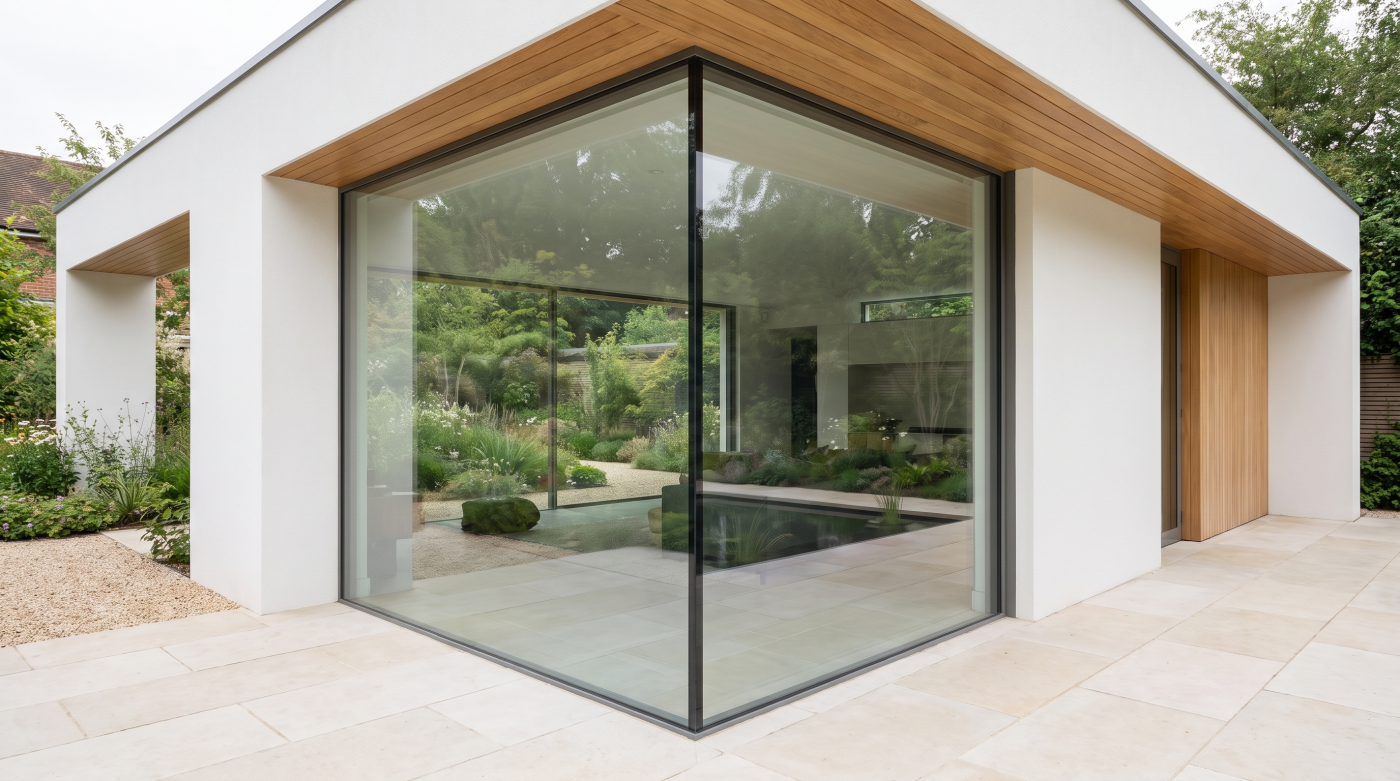
Start With the House, Not the Window Catalogue The most effective way to reduce the cost of windows is often to make better decisions before choosing them. It is easy to begin with materials, brands and individual prices, but those comparisons come relatively late in the process. By then, the architecture may already have determined […]
07
Sep
Sep
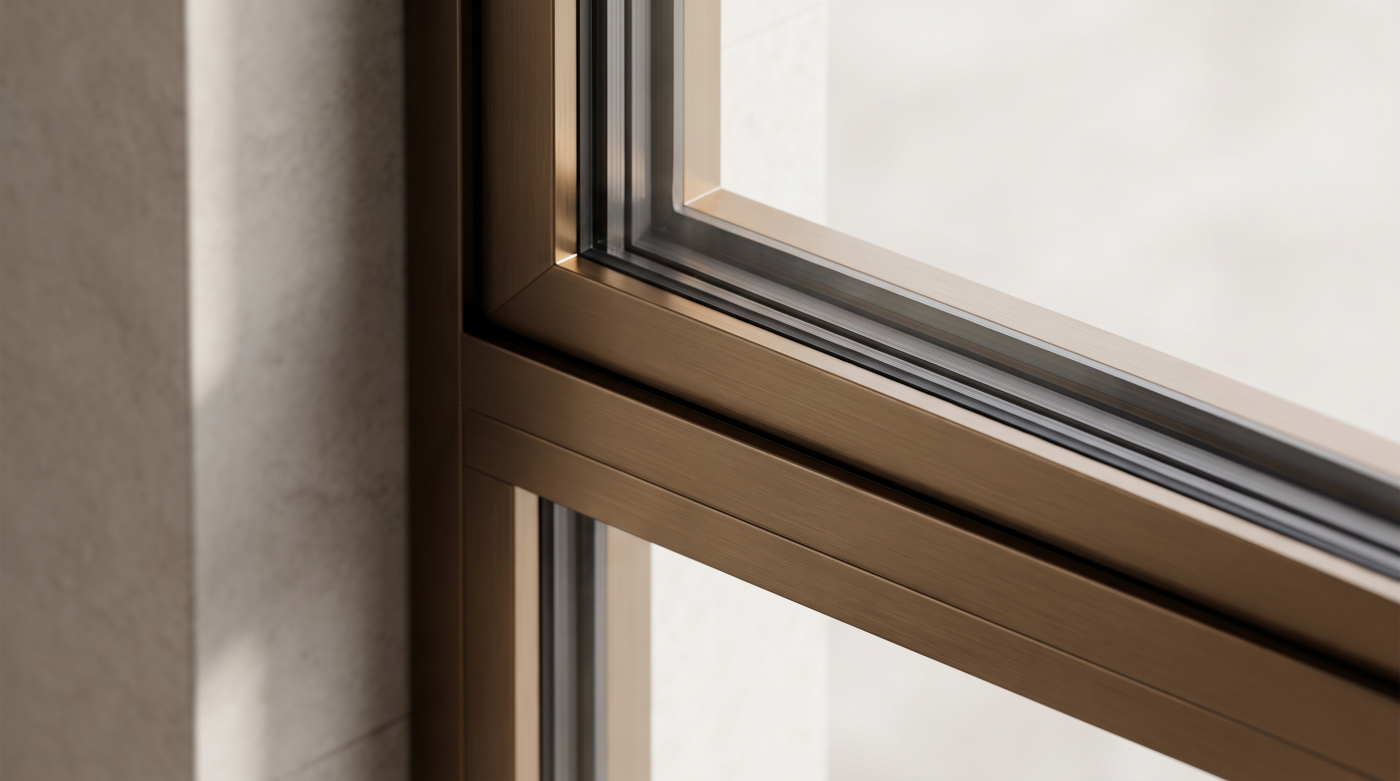
The Biggest Underestimate Is Usually the Specification, Not the Window When a glazing budget begins to move, it is tempting to assume that the windows themselves have simply become more expensive. Often, the explanation is more complicated. An early allowance may have been established when the project consisted of preliminary drawings, approximate opening sizes and […]
07
Sep
Sep
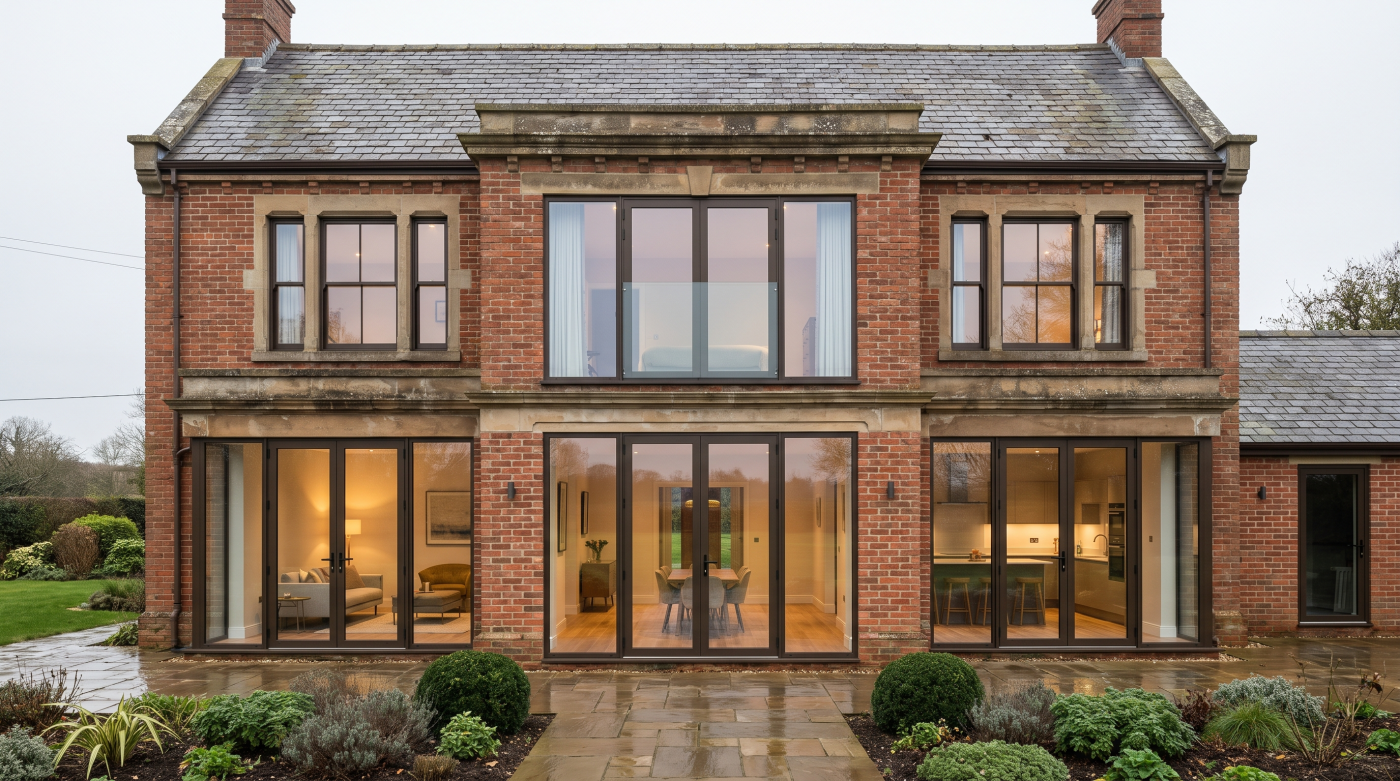
Why Two Similar-Looking Windows Can Cost Very Different Amounts At first glance, the difference between a moderately priced window and one costing £1,200 can be surprisingly difficult to see. Both may have double or triple glazing, similar dimensions and frames that appear broadly comparable. Once installed, particularly when viewed from several metres away, there may […]
28
Aug
Aug
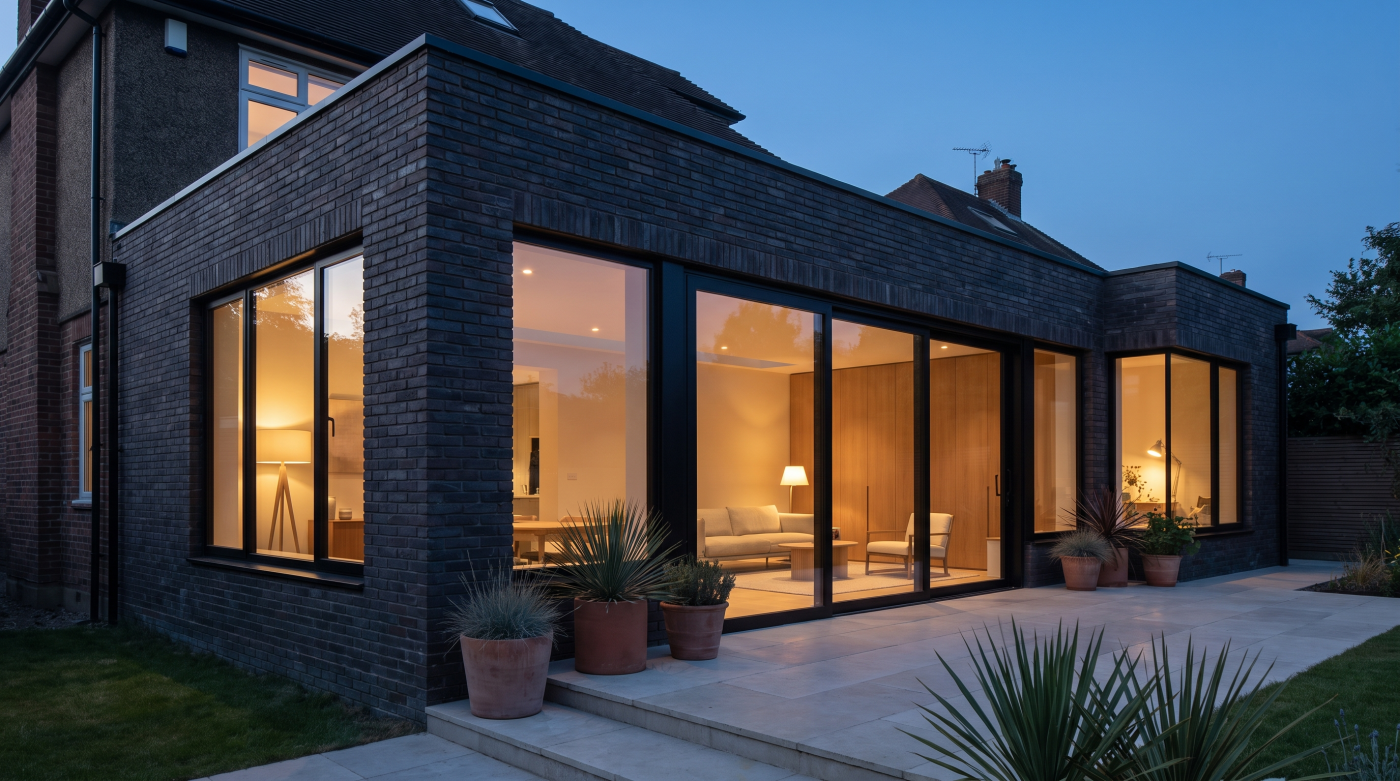
There Is No Reliable “Window ROI Percentage” Search for the effect of new windows on property value and you will quickly encounter confident claims about percentage returns. Spend a certain amount on replacement windows, the argument goes, and a predictable proportion will come back through a higher sale price. Residential property value is far too […]
27
Aug
Aug
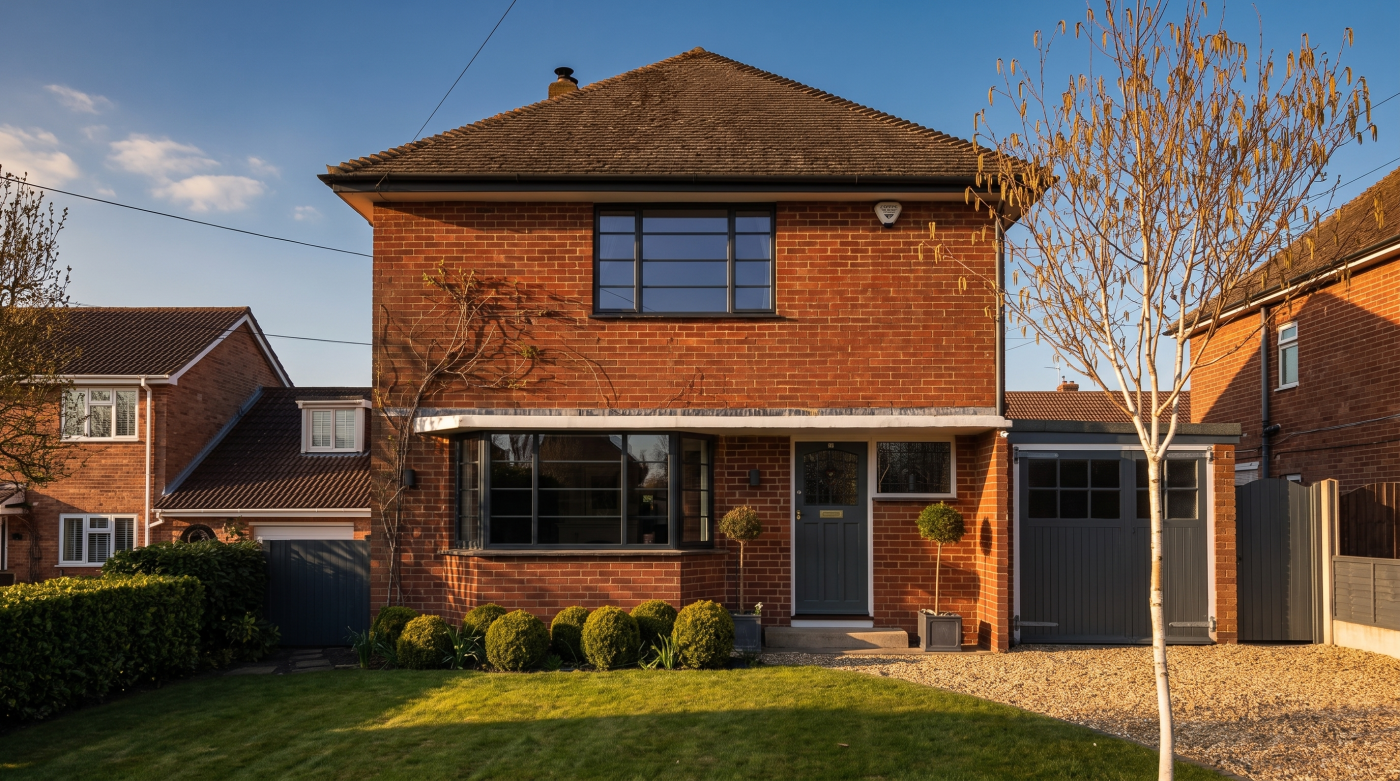
Forty Years Is a Design Question, Not a Warranty Claim Architects routinely design homes expected to remain useful for many decades. Yet glazing decisions can become dominated by what happens at the beginning of that life: how the system looks, whether it meets the current performance requirements, what it costs and how successfully it delivers […]
26
Aug
Aug
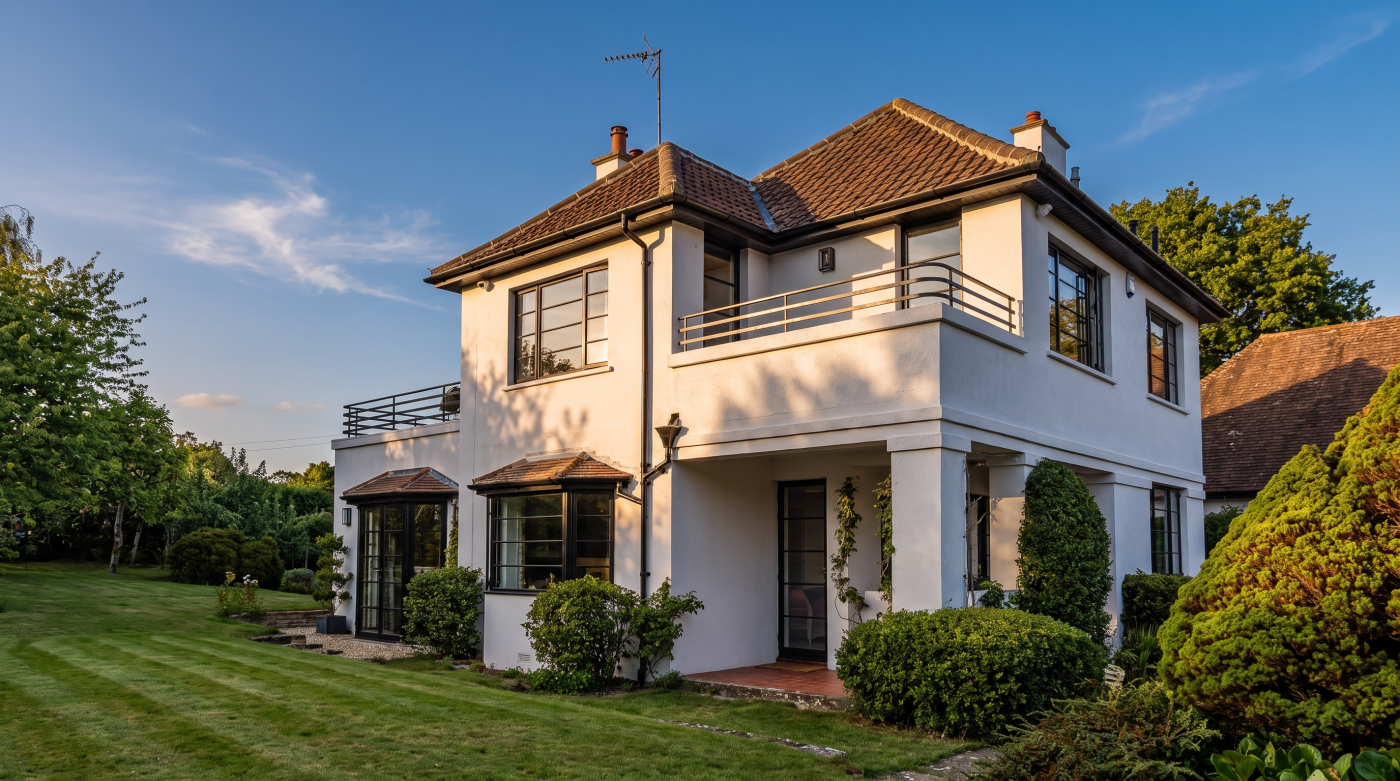
A Brand Specification Is Often a Decision About Risk, Not Recognition When an architect names a particular glazing brand on a drawing or specification, it can be tempting to interpret the choice as a simple product preference. Perhaps they like the appearance, have used the manufacturer before or trust a familiar name. Those factors may […]
25
Aug
Aug
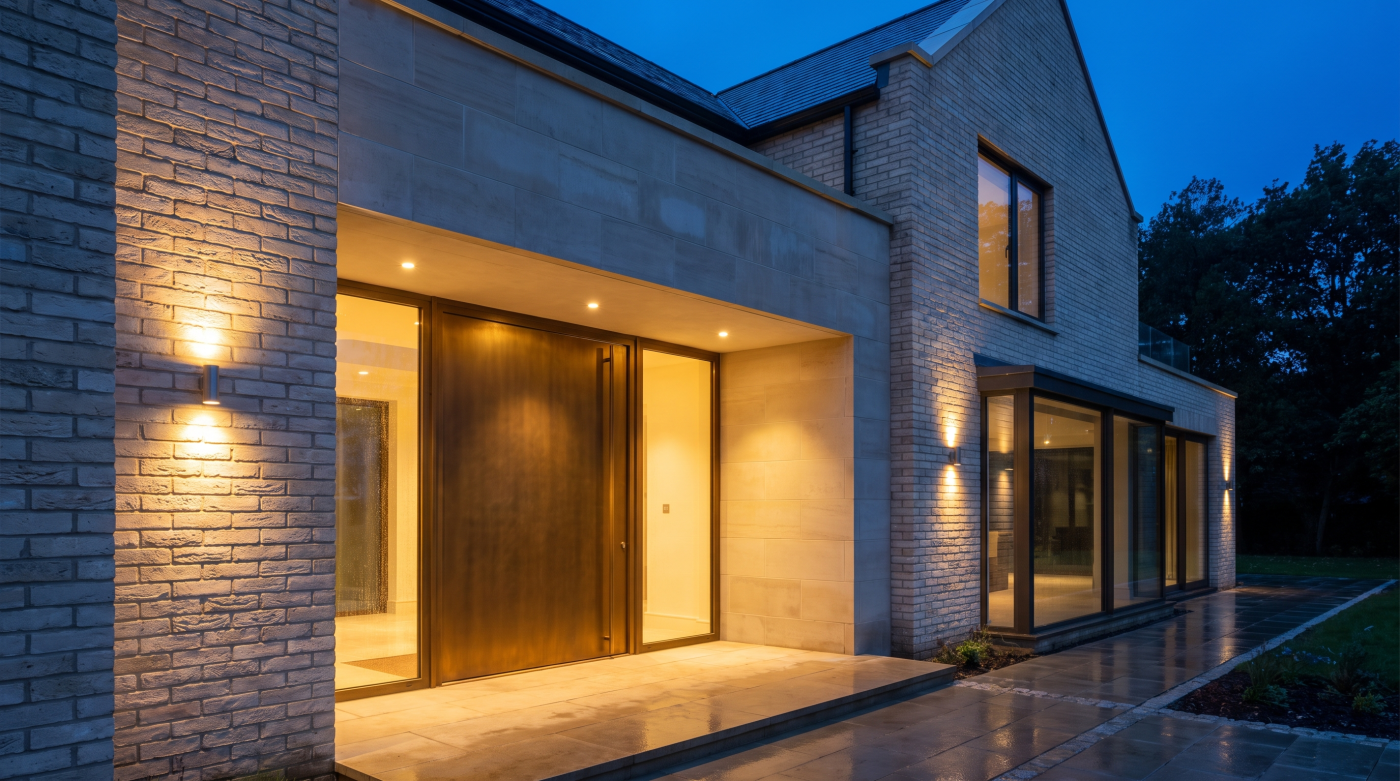
Stage One: Let the Architect Establish the Architectural Intent There is such a thing as involving a glazing specialist too early. At the beginning of a project, the most important questions are not usually about frame systems, glass specifications or individual products. They are about architecture. How should the home relate to its surroundings? Which […]
24
Aug
Aug
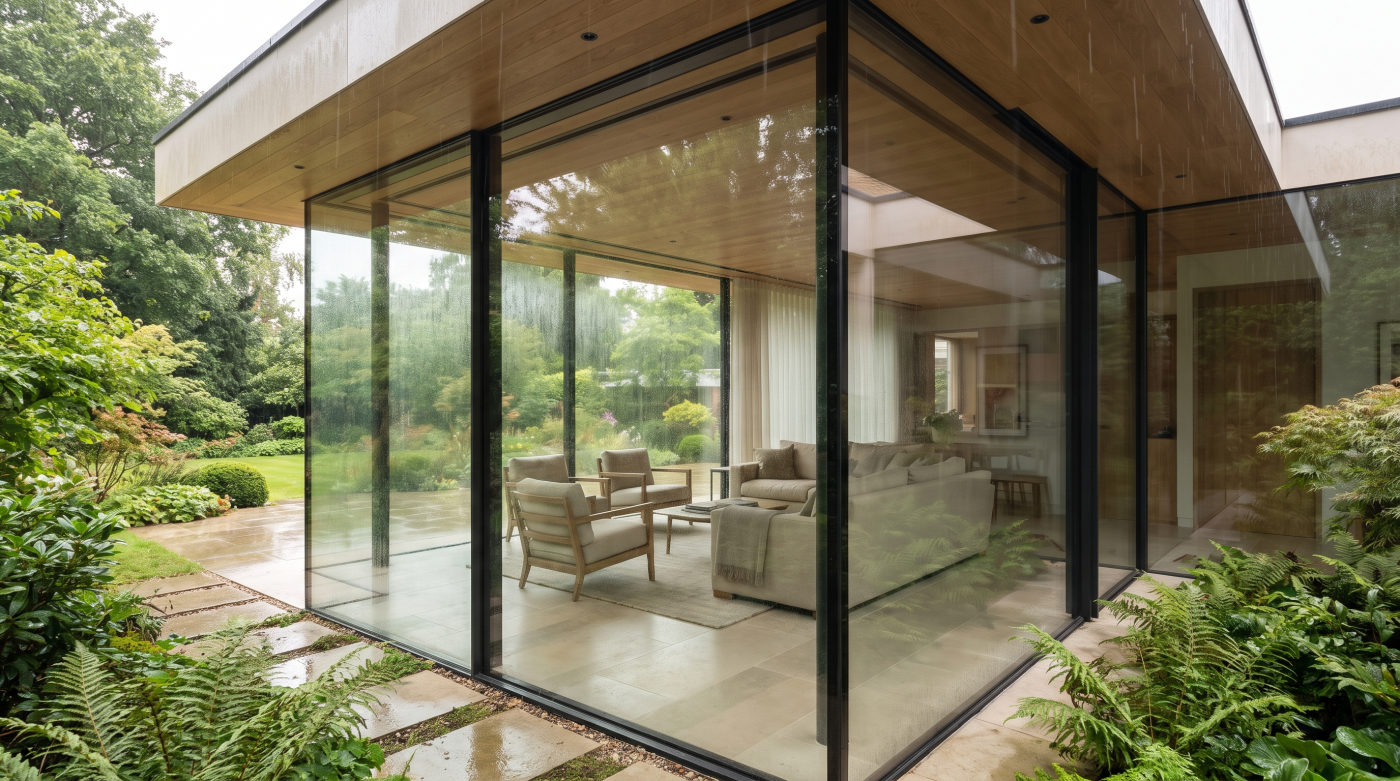
“I Want More Glass” Is Not Yet a Design Brief It is easy to understand why homeowners ask for more glass. Large panes can bring daylight deep into a room, open views towards the landscape and create the sense that the garden has become part of the interior. But “I want as much glass as […]
24
Aug
Aug
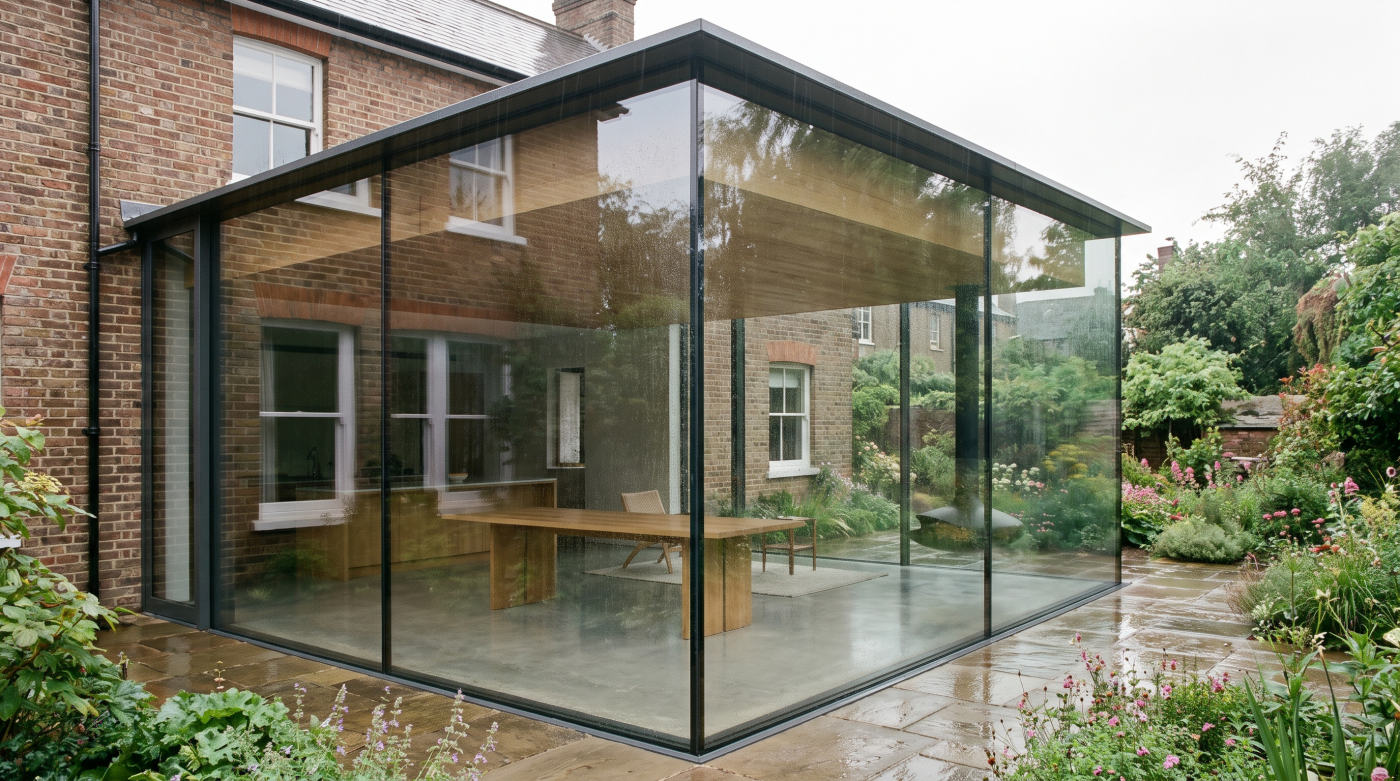
First Decide What You Are Actually Trying to Shade When a glazed room becomes uncomfortable, the instinctive response is often: “We need some shading.” But that is not yet a complete design brief. Before choosing blinds, screens, overhangs or a different glass specification, establish exactly what problem the shading is supposed to solve. There are […]
24
Aug
Aug
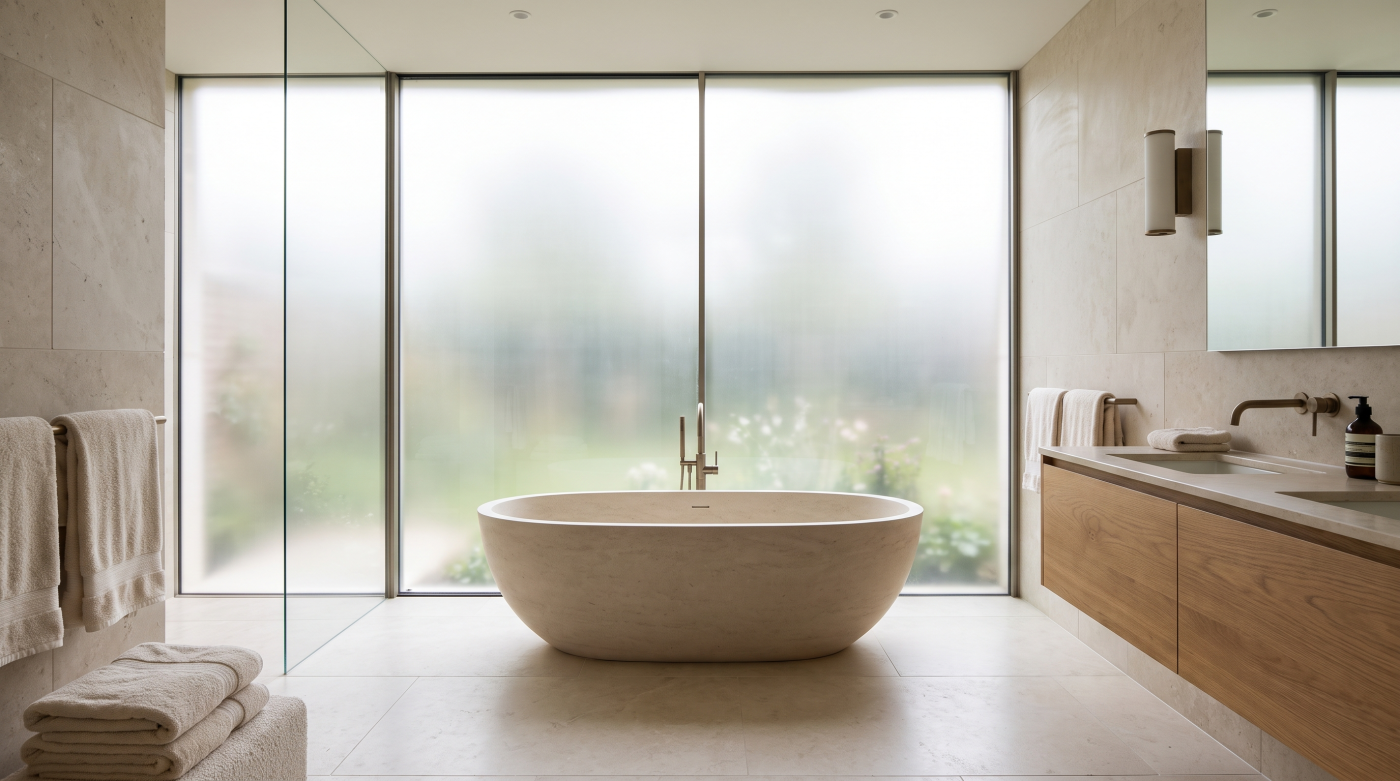
The Difference Between Openness and Exposure Large areas of glass can make a room feel extraordinarily open. Daylight reaches further inside. The garden becomes part of the interior experience. Long views can make the room feel larger than its physical boundaries suggest. But there is a point where openness can become exposure. The difference is […]
21
Aug
Aug
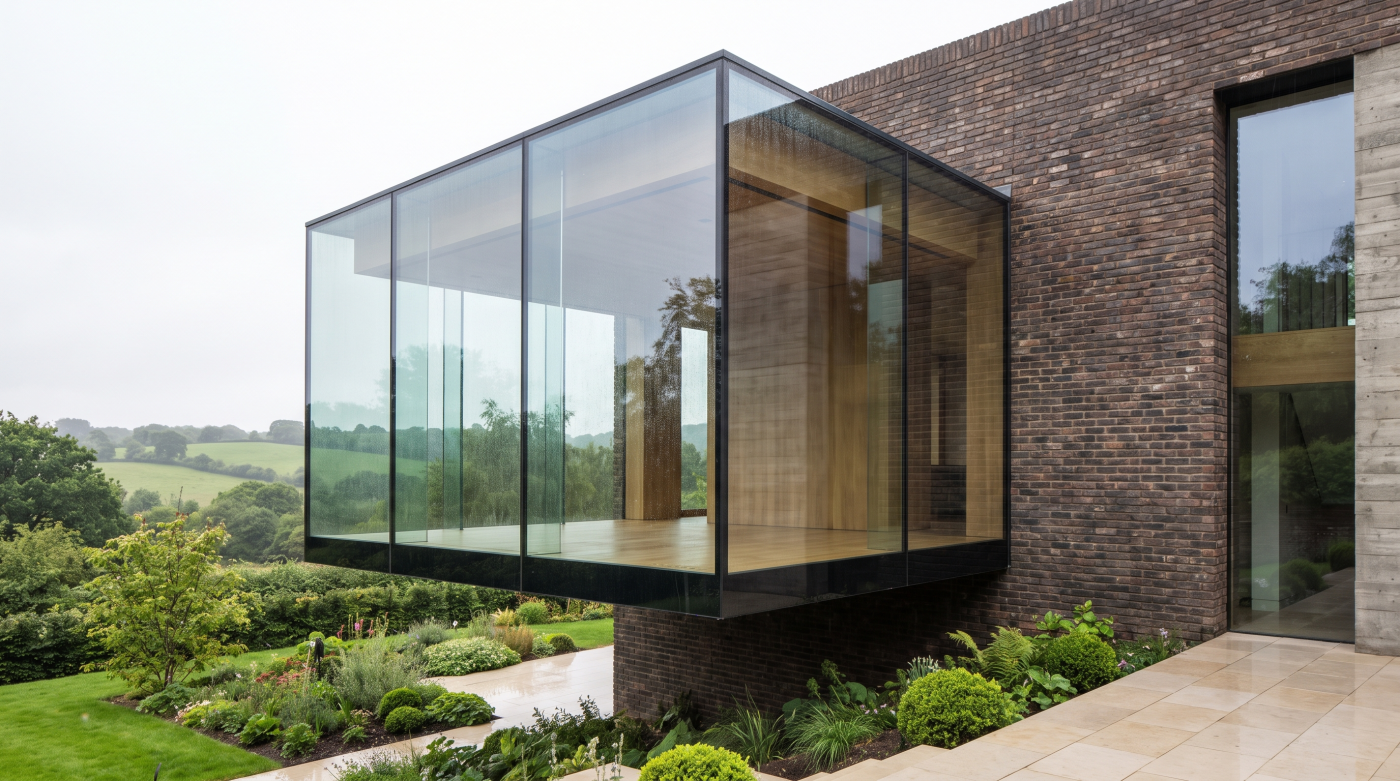
Privacy Through Glass Changes Between Day and Night A glazed room can feel surprisingly private during the day. Then darkness falls, the lights come on, and the relationship can change completely. This happens because privacy through glass depends heavily on the relative brightness on either side of it. During daylight, the outside environment is often […]
21
Aug
Aug
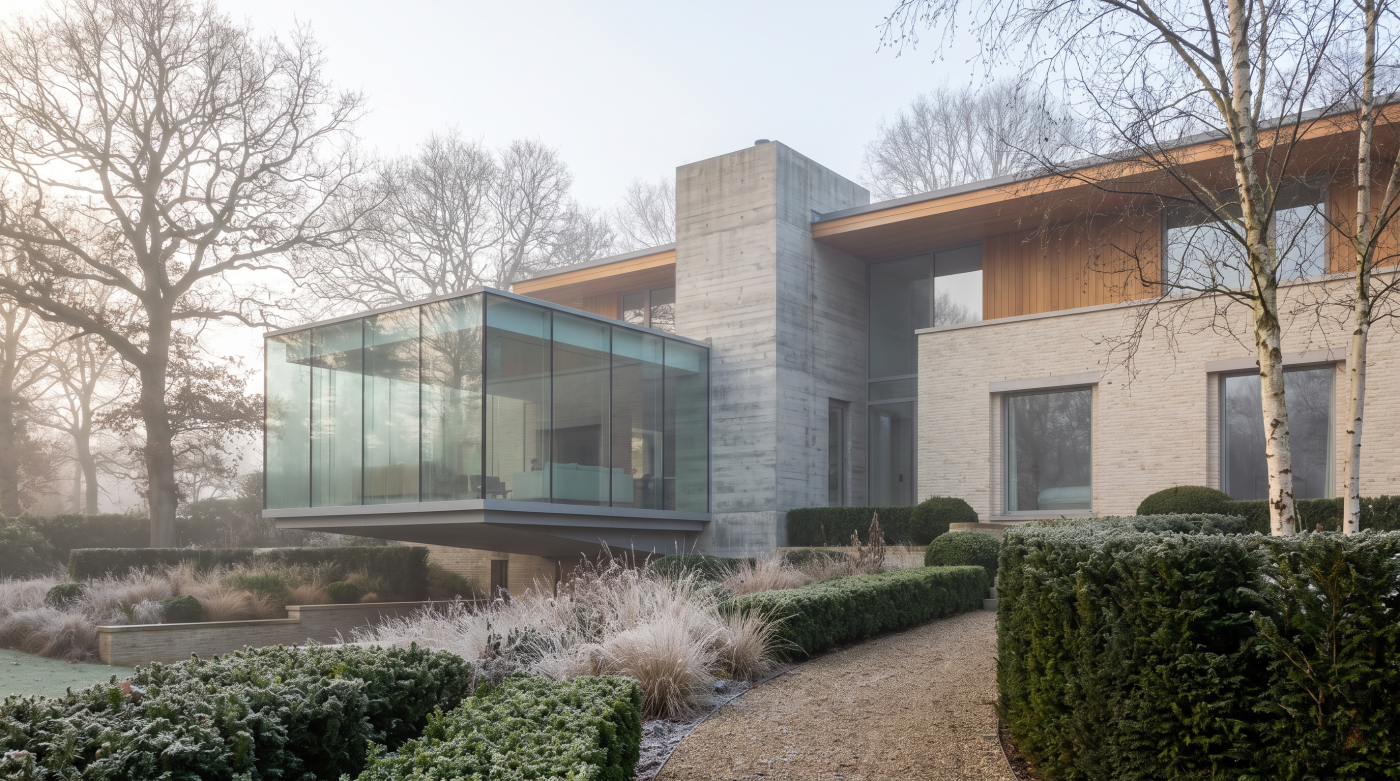
Why Replacing Walls With Glass Changes the Room Completely A glass wall may visually disappear, but environmentally it behaves very differently from the insulated wall it replaces. That distinction becomes increasingly important as the amount of glazing grows. An opaque external wall is primarily designed to separate the internal environment from external conditions. Architectural glazing […]
21
Aug
Aug
Why Winter Light Behaves So Differently in the UK Winter does not simply give a UK home fewer hours of summer-style light. The angle, duration and availability of sunlight all change. During winter, the sun remains much lower in the sky and the days become considerably shorter. That changes both which elevations receive direct sunlight […]