
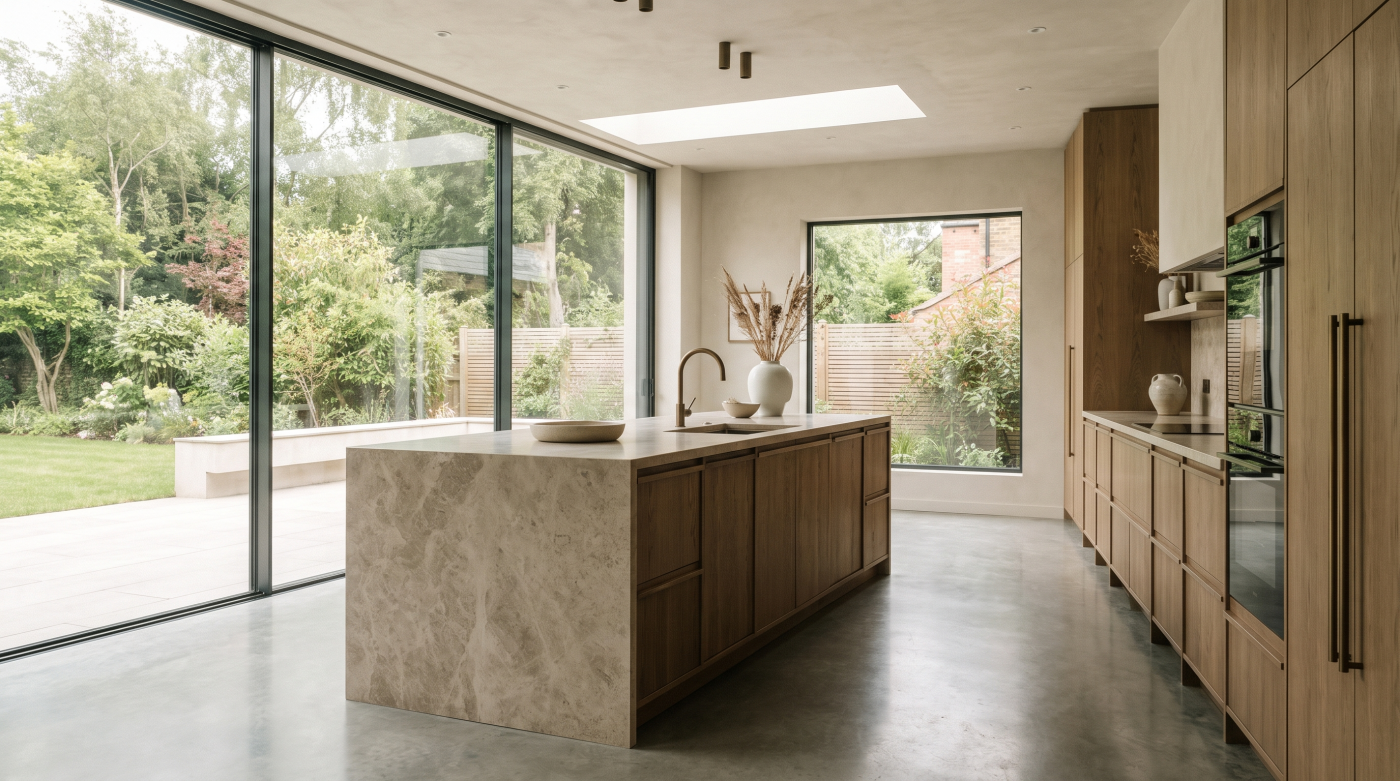
The Fundamental Difference: Direct Sun Versus Diffuse Daylight North- and south-facing windows can use exactly the same glass and still create very different conditions inside a home. The reason begins with the path of the sun. In the UK, the sun travels predominantly across the southern part of the sky. A south-facing elevation therefore has […]
Tag Archives: Architectural Design
20
Aug
Aug
North, South, East and West: What Actually Changes? The direction a window faces changes when sunlight reaches it, the angle at which that sunlight arrives and how solar exposure varies throughout the day. That means two identical panes of glass on different elevations can create very different conditions inside the same home. South-facing glazing can […]
19
Aug
Aug
What Is Acoustic Laminated Glass? Acoustic laminated glass is designed to reduce the transmission of sound through glazing more effectively than a conventional glass construction selected without a specific acoustic objective. Like other laminated glass, it consists of two or more glass plies bonded together with an interlayer. In an acoustic laminate, a specialist interlayer […]
19
Aug
Aug
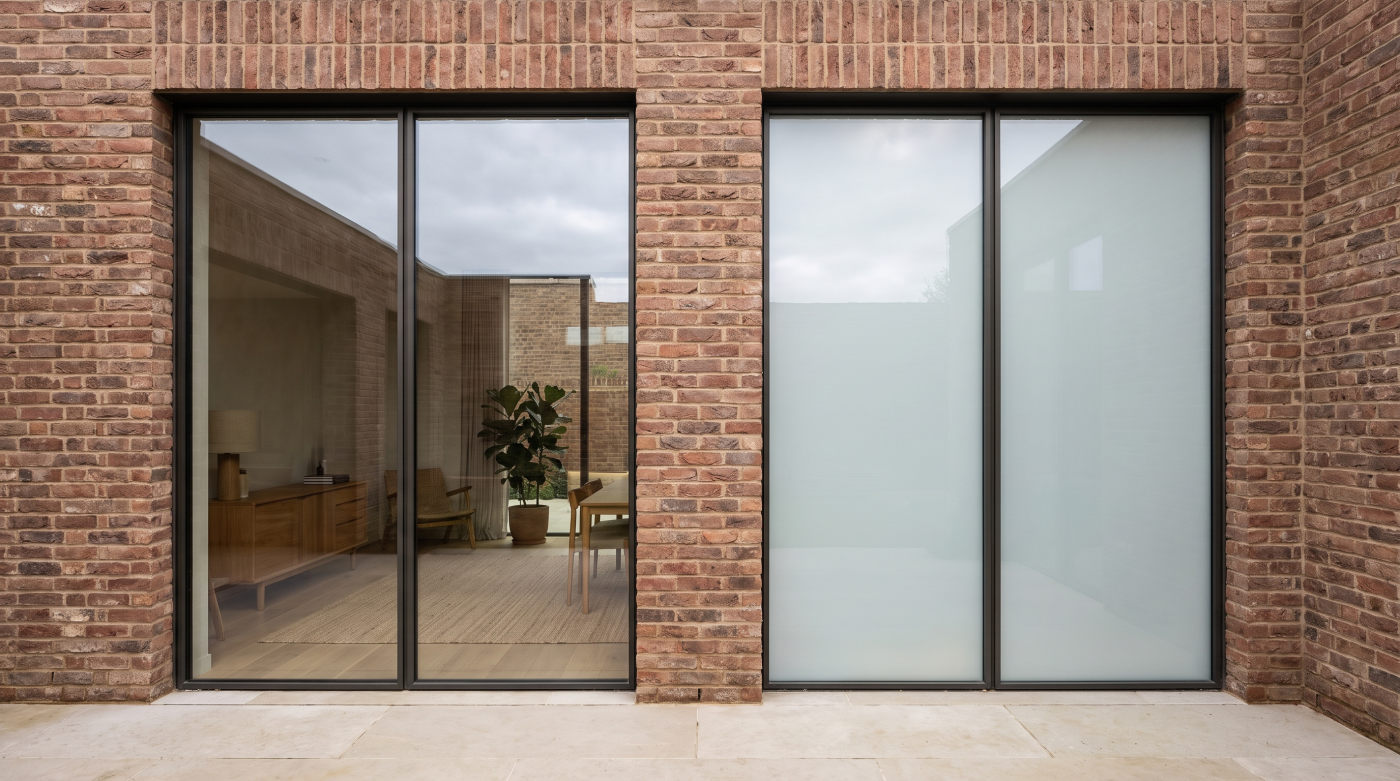
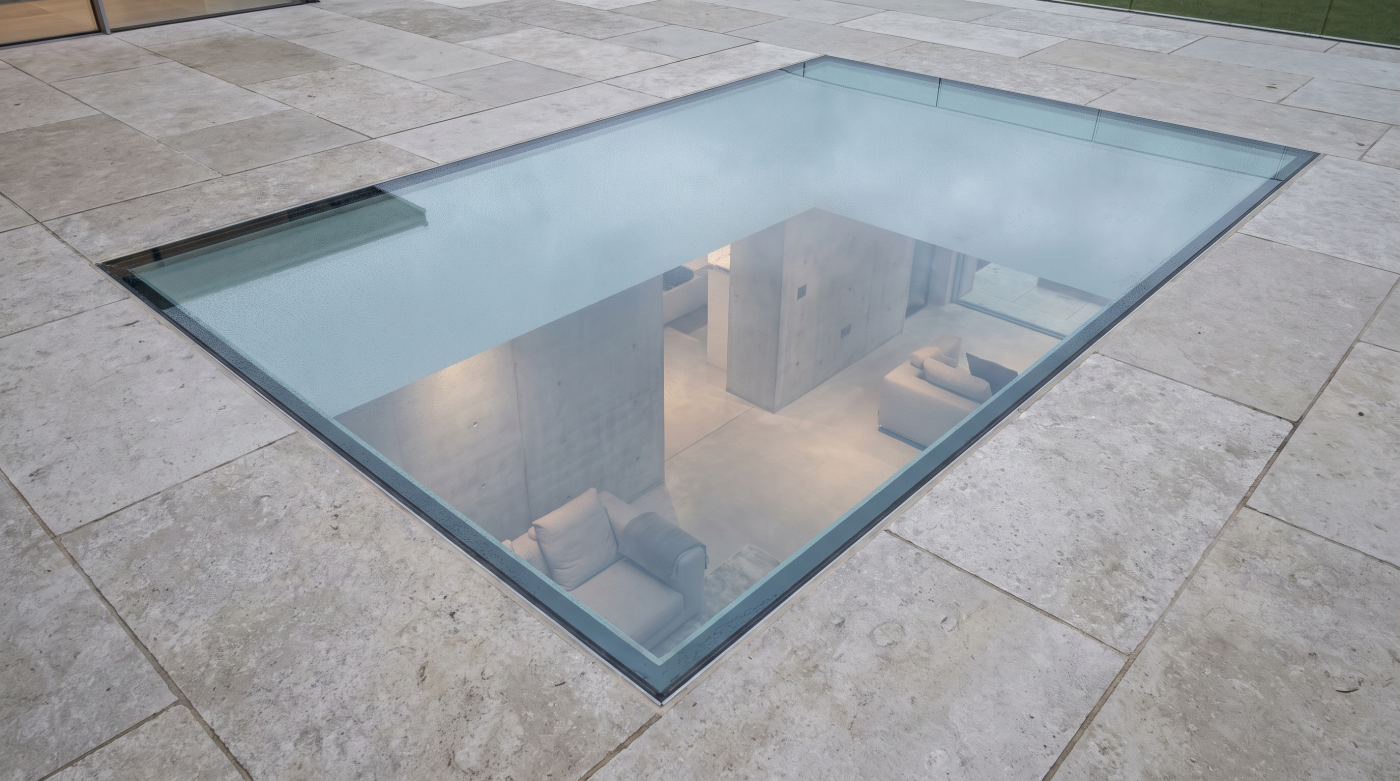
What Do We Actually Mean by Switchable Glass? “Privacy glass” can describe several very different products, so the terminology needs to be understood before deciding whether any of them are appropriate for a home. At its simplest, privacy glass can mean conventional glass that is permanently obscured. Frosted, etched or patterned glass allows light through […]
19
Aug
Aug
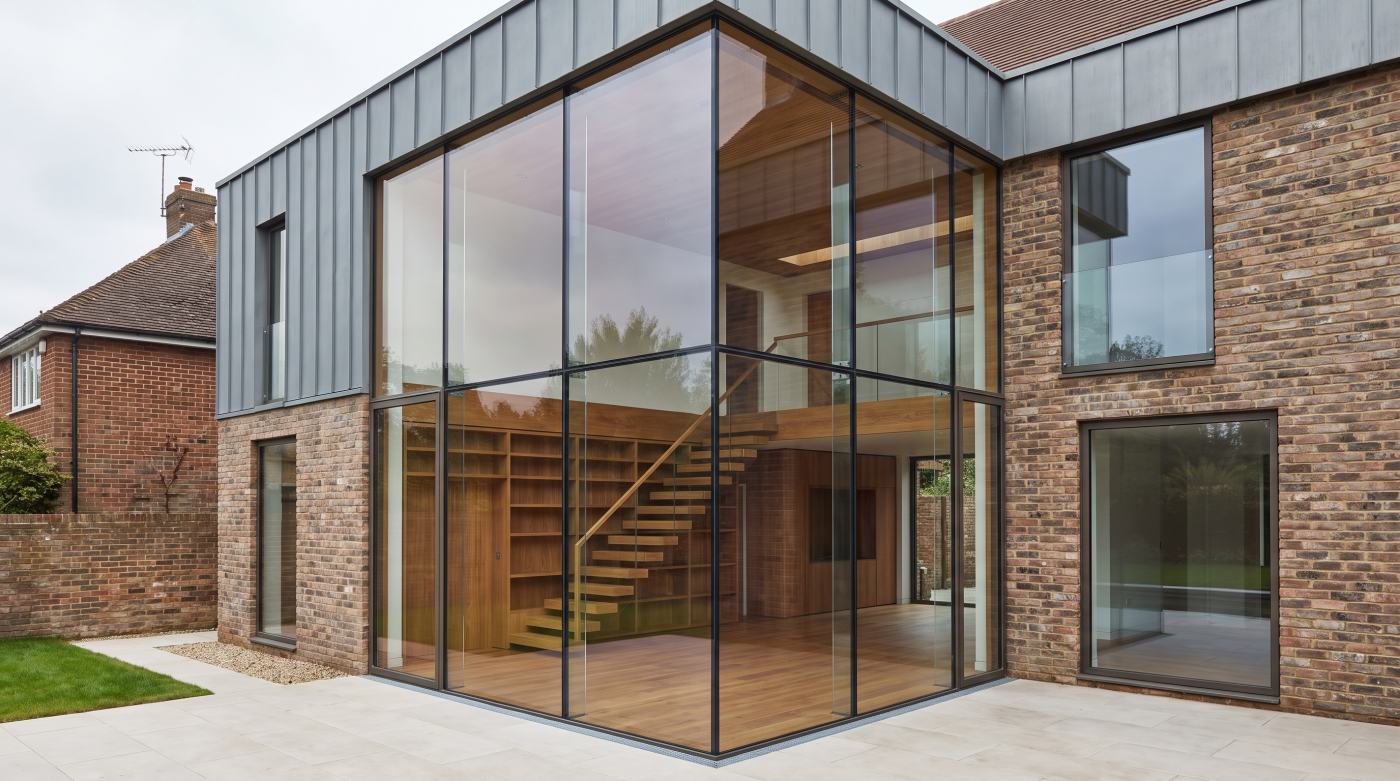
How Self-Cleaning Glass Actually Works The name “self-cleaning glass” can make the technology sound more dramatic than it really is. The glass does not actively clean itself, and there is no hidden mechanism removing dirt from the surface. Instead, a specialist coating changes the way certain deposits and water behave on the external face of […]
19
Aug
Aug
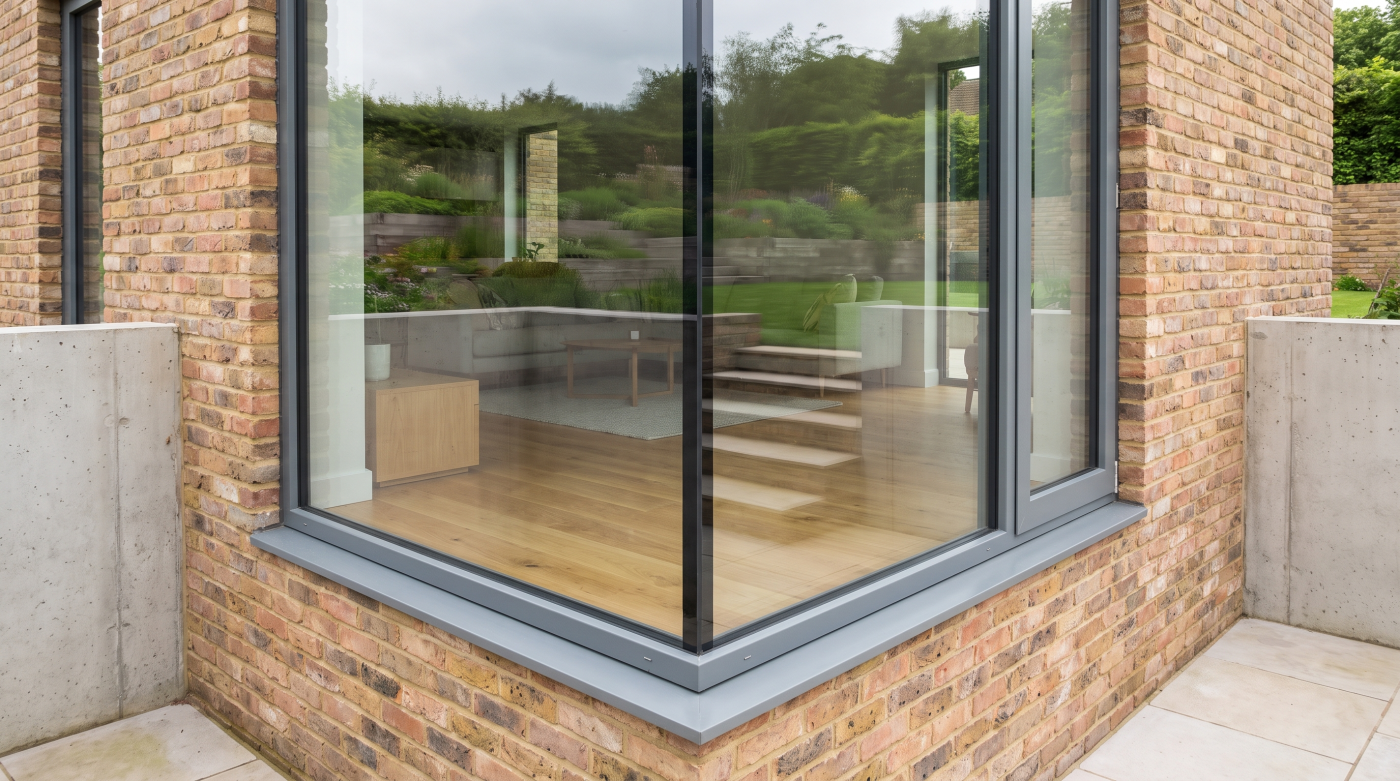
What Is Ultra-Clear Glass? Ultra-clear glass is designed to provide greater visual clarity and colour neutrality than conventional clear glass. The difference comes primarily from the raw material itself: ultra-clear glass is manufactured with a lower iron content, reducing the characteristic green cast naturally present in standard clear glass. That distinction is important because “clear” […]
18
Aug
Aug
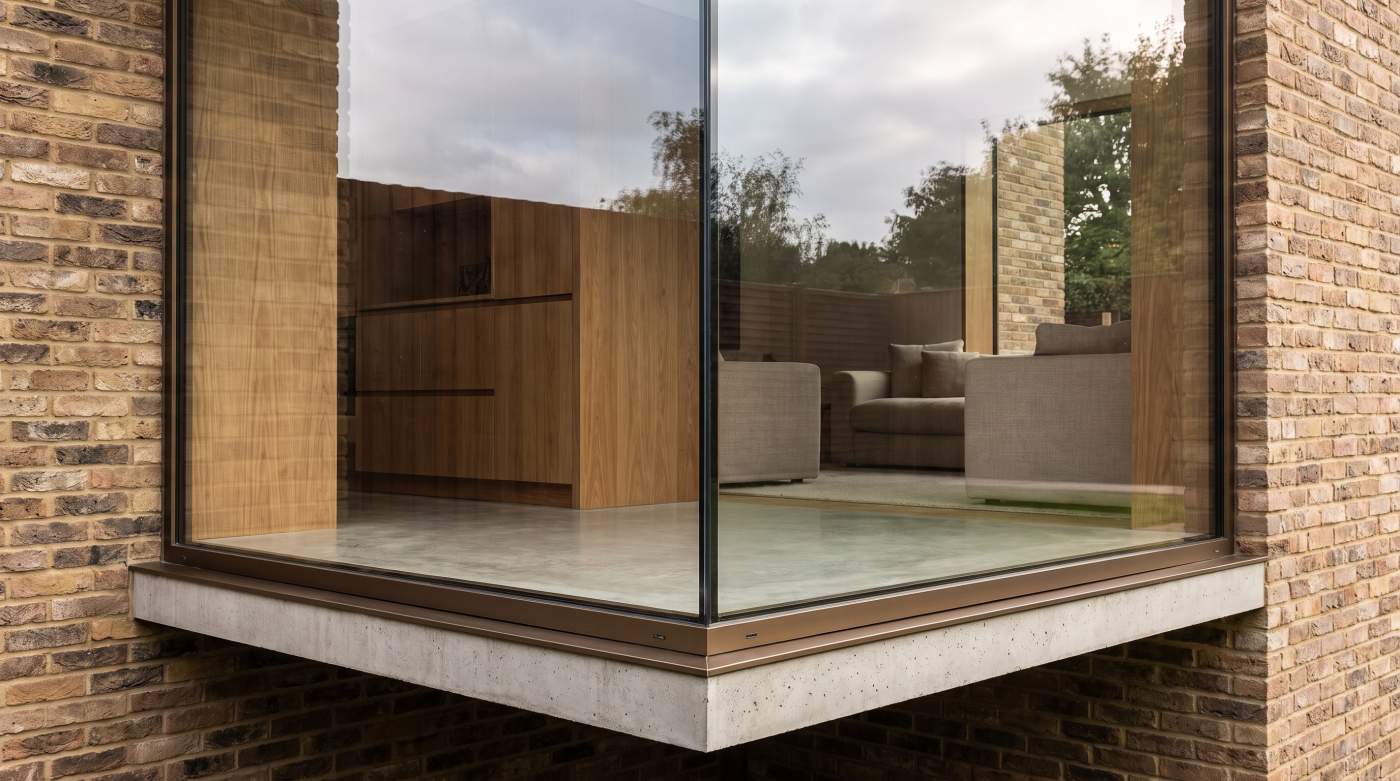
Where the Green Colour in Glass Comes From Glass is transparent, but that does not mean it is completely colourless. Standard clear architectural glass naturally has a subtle green appearance, and the main reason is the small amount of iron present within the raw materials used to manufacture it. For most conventional windows, this colour […]
14
Aug
Aug
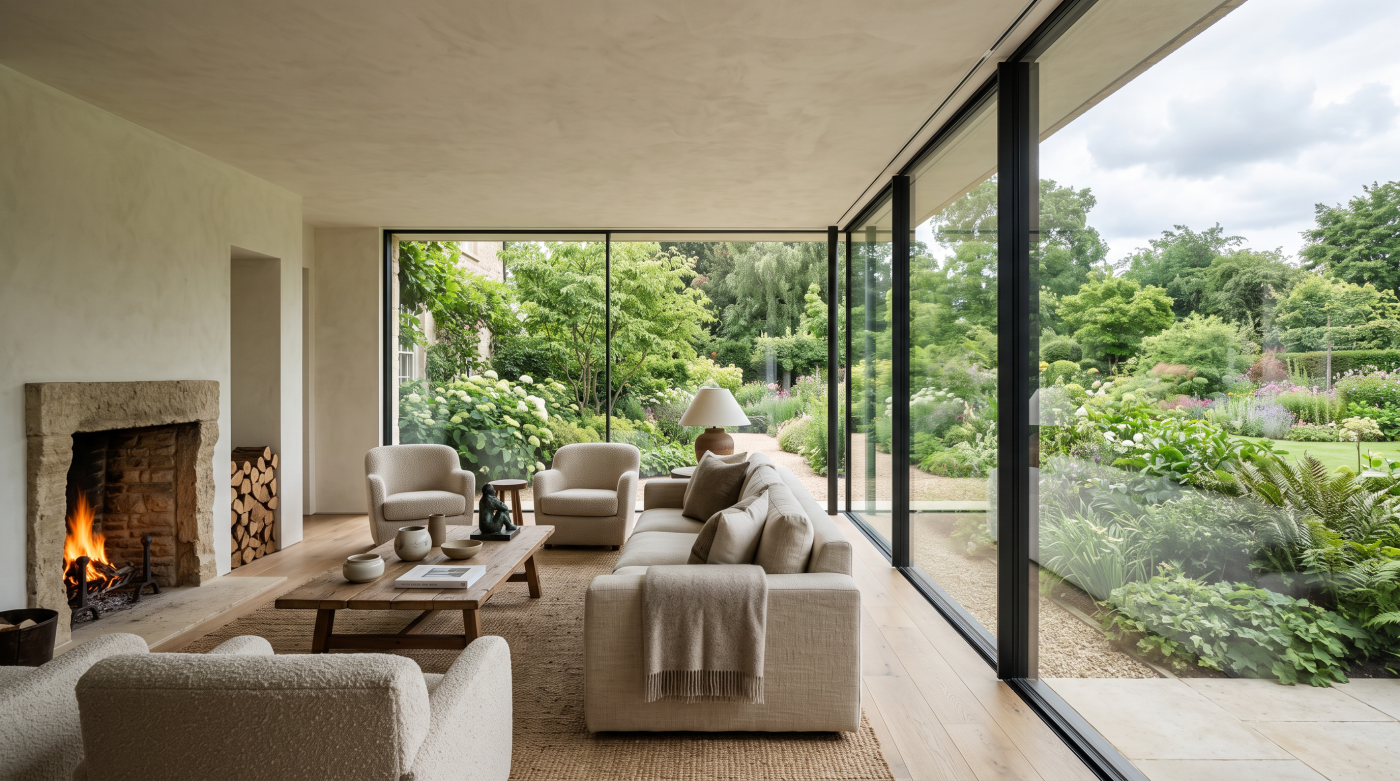
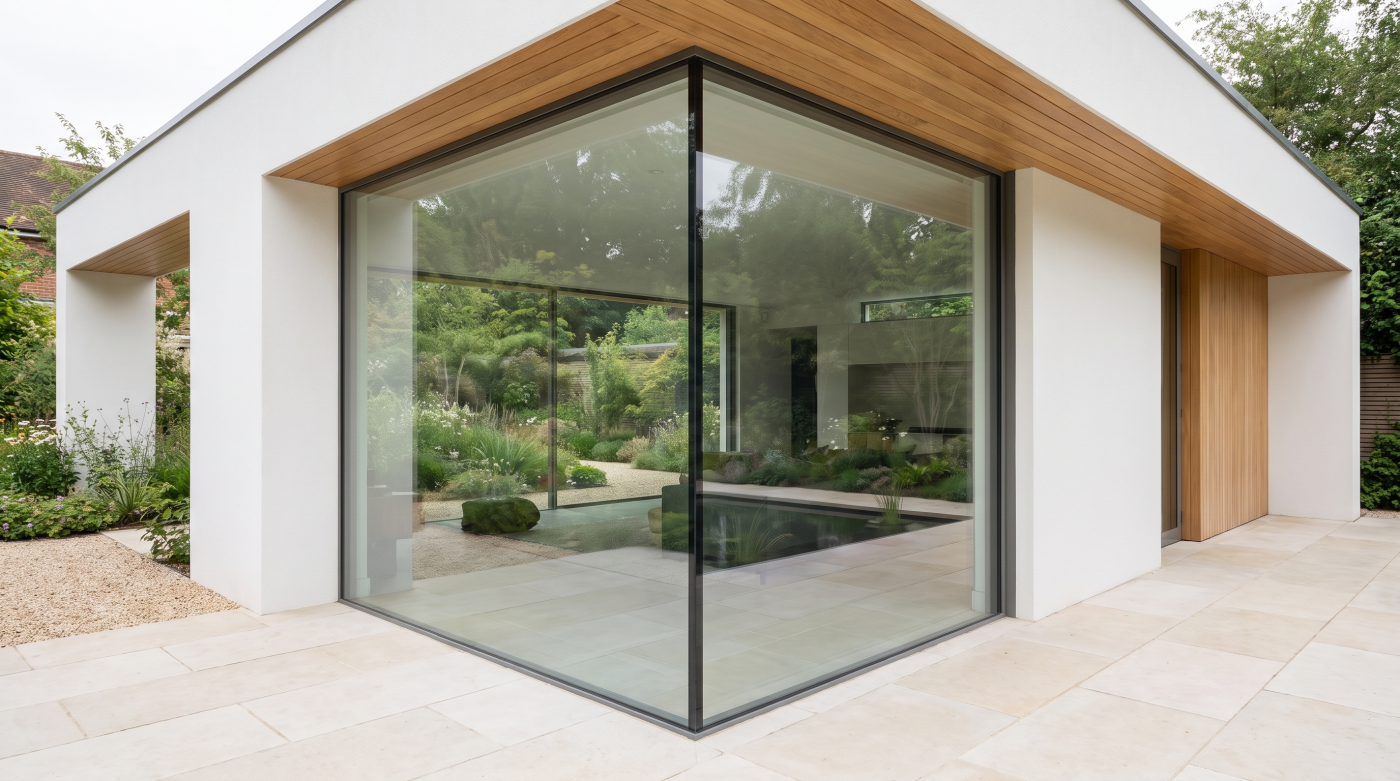
A Corner Is Not Just Something That Gets in the Way of the View When designing a highly glazed extension or contemporary home, it is easy to see the corner as an obstruction. Two large areas of glass might offer an uninterrupted view of the garden or landscape, only for a vertical post at their […]
14
Aug
Aug
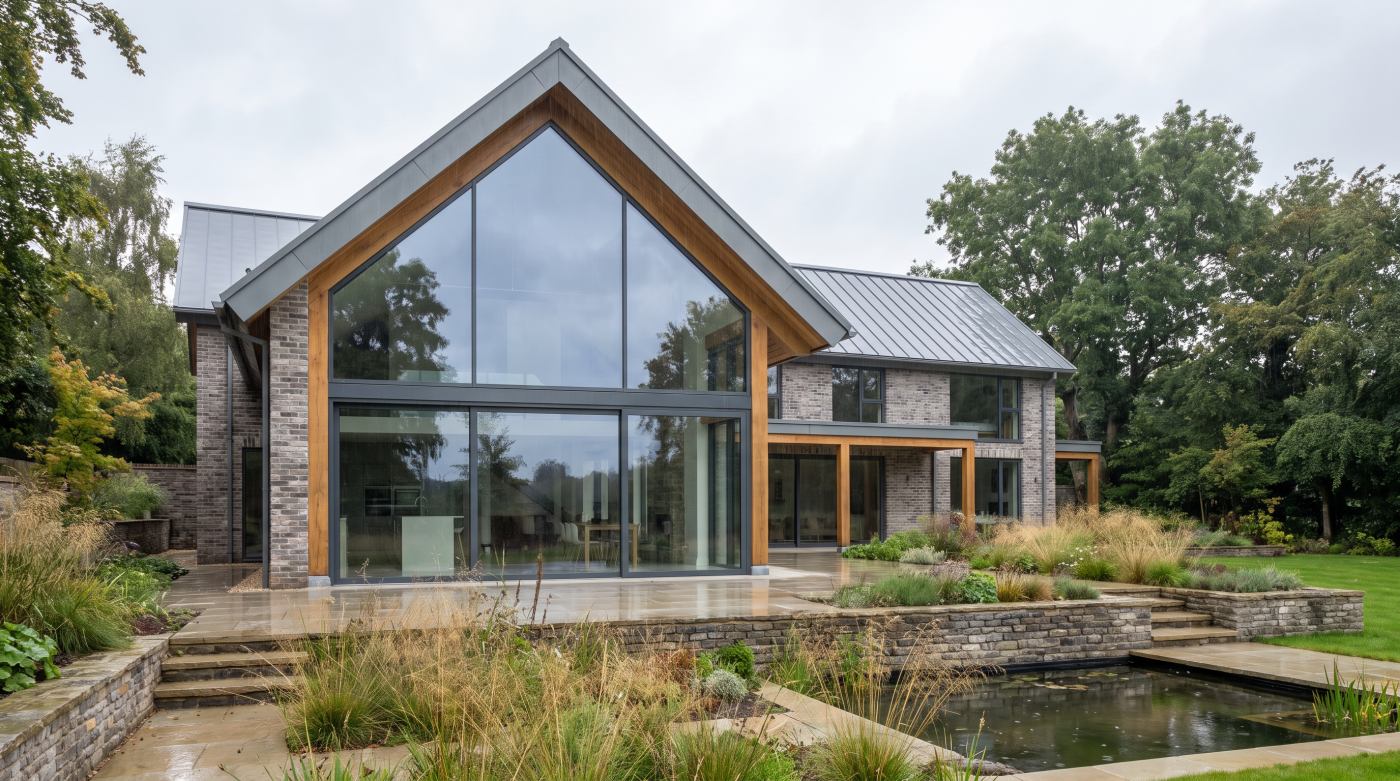
What Does “Corner Glazing Without a Post” Actually Mean? One of the most common misconceptions around postless corner glazing is that the corner is somehow constructed without a frame or supporting structure. In reality, “postless” usually describes what we see rather than everything that is happening within the construction. A conventional glazed corner typically uses […]
11
Aug
Aug
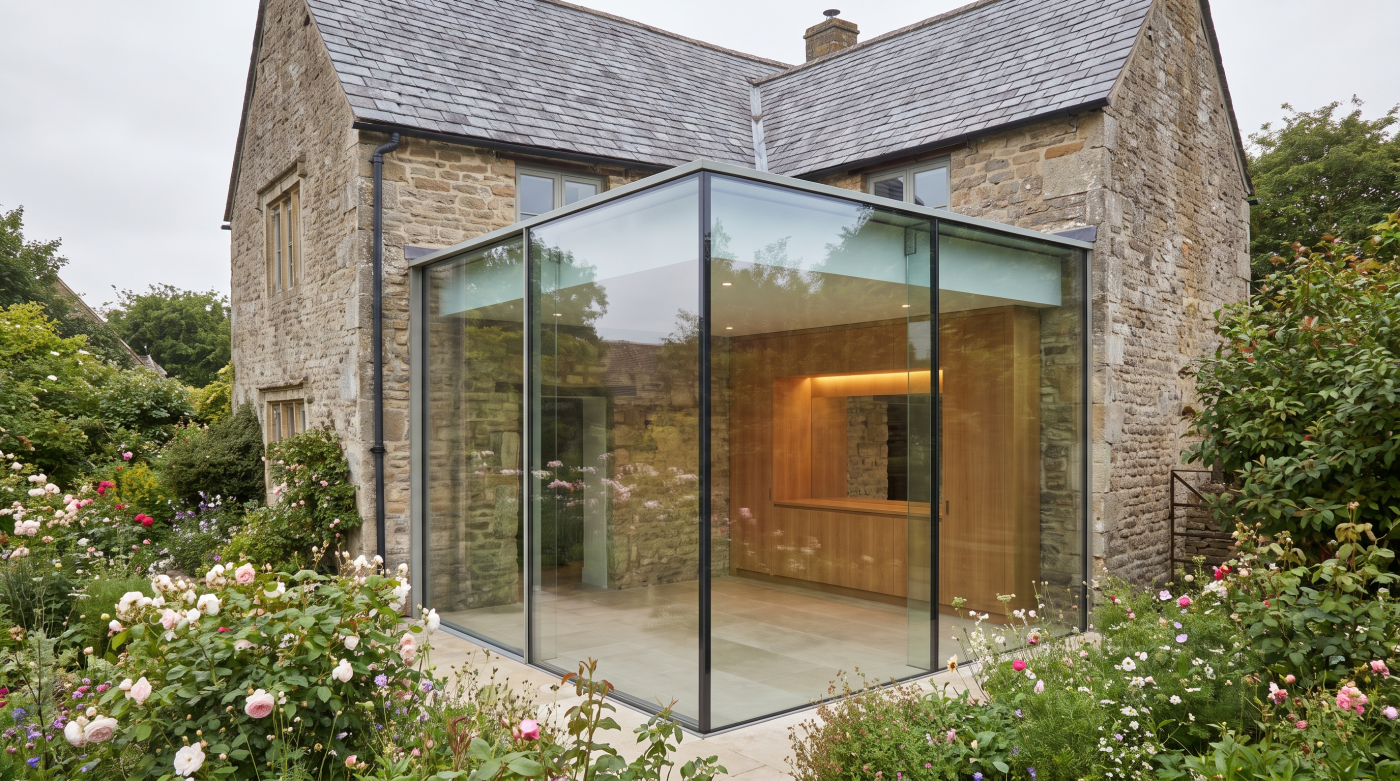
Why There Is No Single Minimum Sightline At first glance, asking how slim a glazing sightline can be seems as though it should have a straightforward numerical answer. Contemporary glazing systems are often discussed in terms of increasingly narrow profiles, making it natural to compare one dimension with another. The difficulty is that a sightline […]
11
Aug
Aug
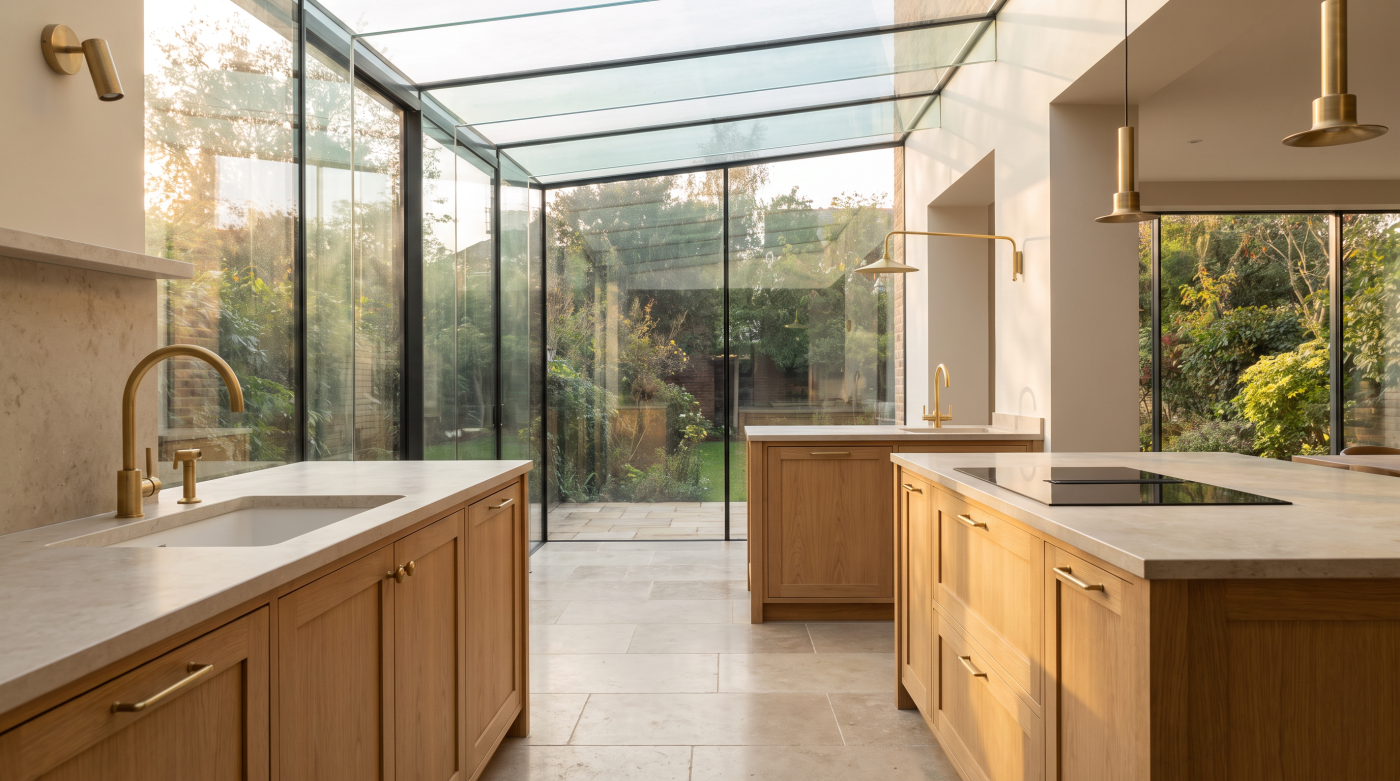
Why Architects Pursue Slimmer Sightlines The appeal of slim sightlines is easy to understand. In contemporary architecture, glazing is often intended to do more than bring daylight into a room; it is used to establish a visual relationship between the interior, the landscape and the wider setting of the building. As glazed openings become larger, […]
06
Aug
Aug
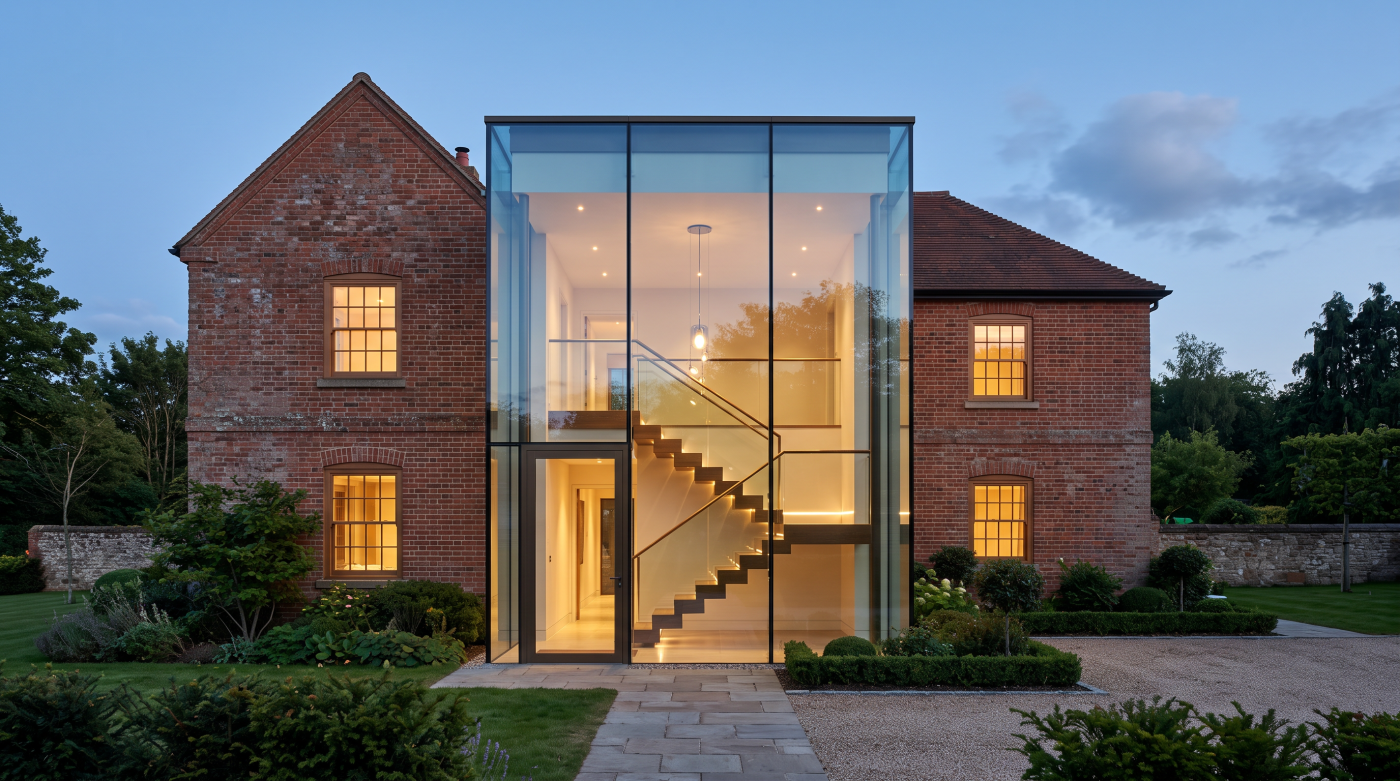
Structural Glazing Is More Than Glass Without Frames Few areas of contemporary residential architecture generate as much curiosity as structural glazing. Images of frameless corners, uninterrupted glass walls and seemingly invisible junctions have become synonymous with modern architectural design, often creating the impression that structural glazing simply means “glass without frames.” While these striking visual […]
06
Aug
Aug
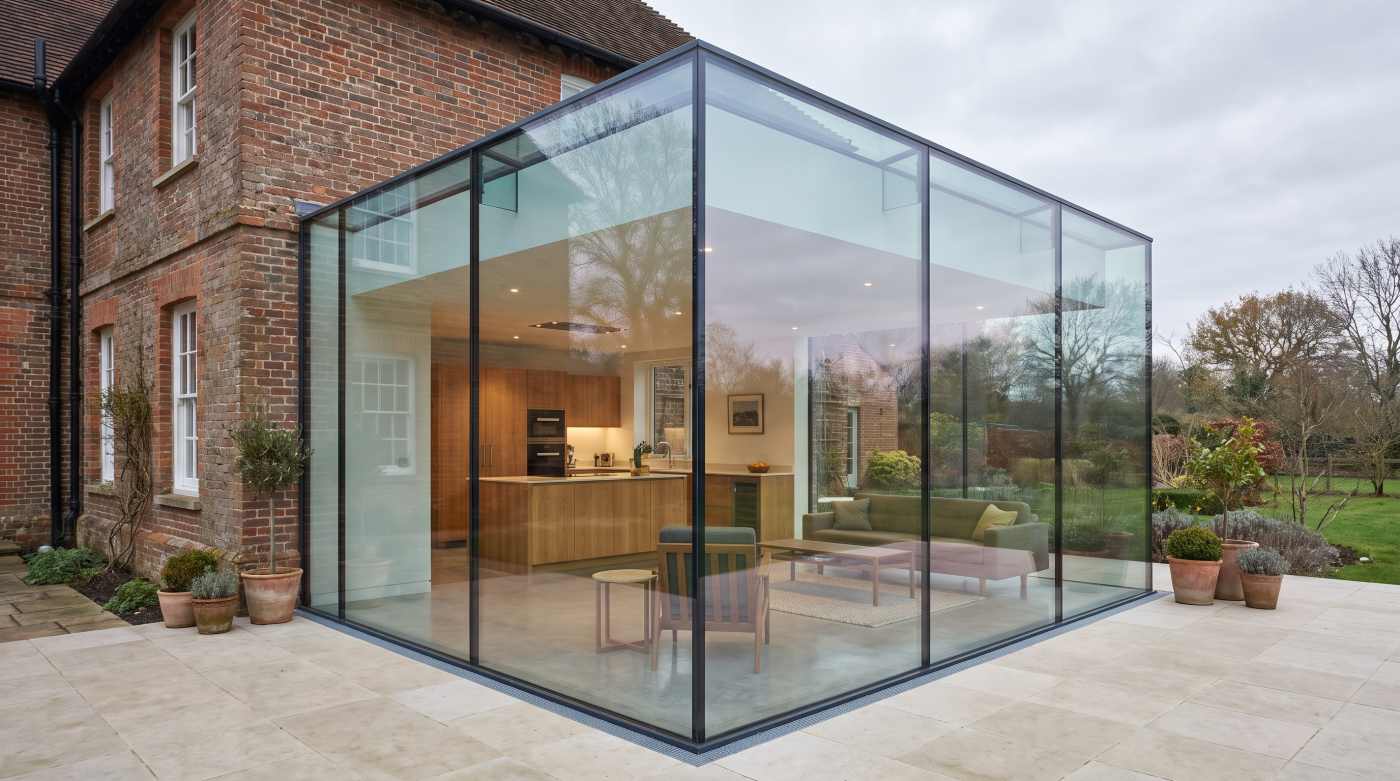
Minimal Framing Is About What You Don’t Notice Few terms have become as popular in contemporary residential architecture as minimal framing. It appears throughout architectural magazines, planning applications, design discussions and product literature, often accompanied by images of expansive glass walls and remarkably slender aluminium profiles. Understandably, many homeowners conclude that minimal framing simply refers […]
06
Aug
Aug
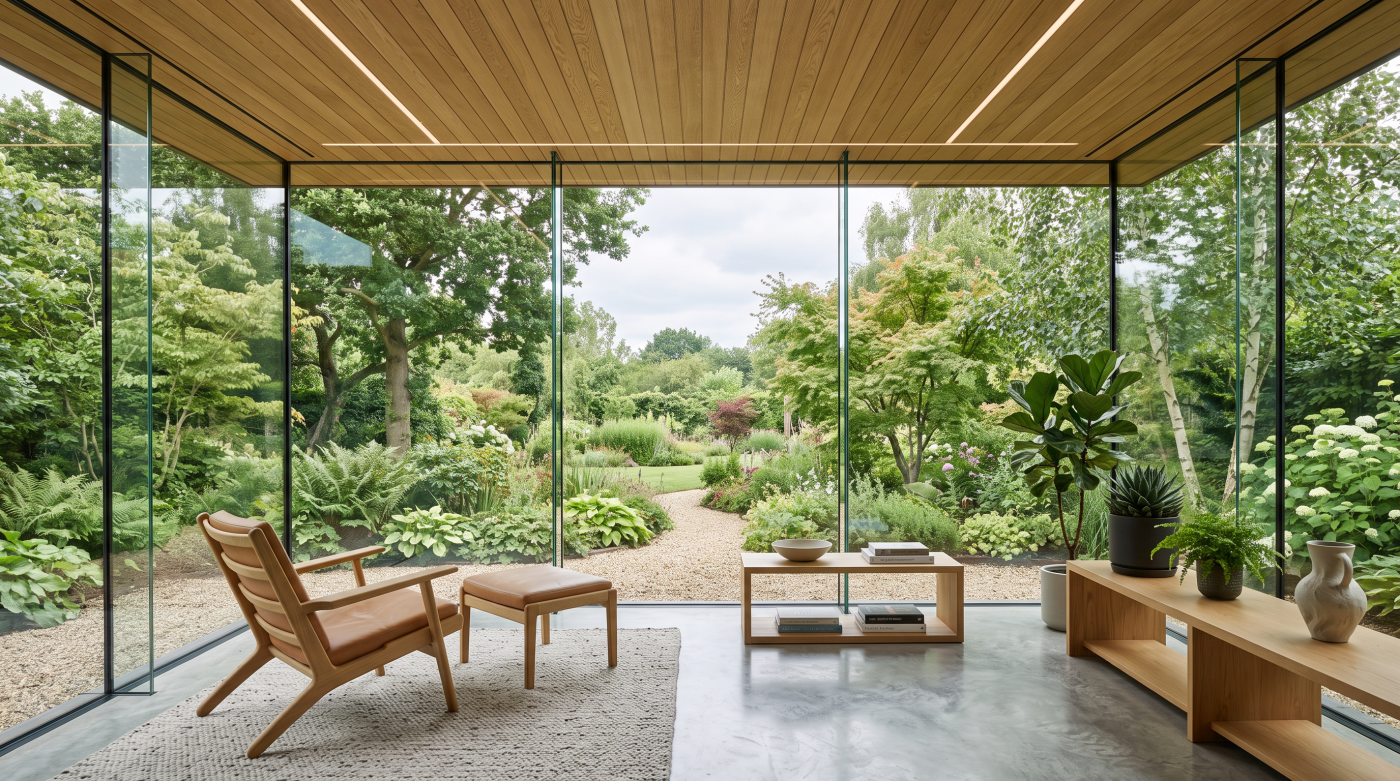
Installation Is the Final Chapter, Not the Beginning For many homeowners, architectural glazing appears to begin when the first delivery lorry arrives on site carrying frames and glass. By that stage, the project feels tangible. Openings have been formed, the structure is in place and the house is beginning to resemble the finished design. It […]
04
Aug
Aug
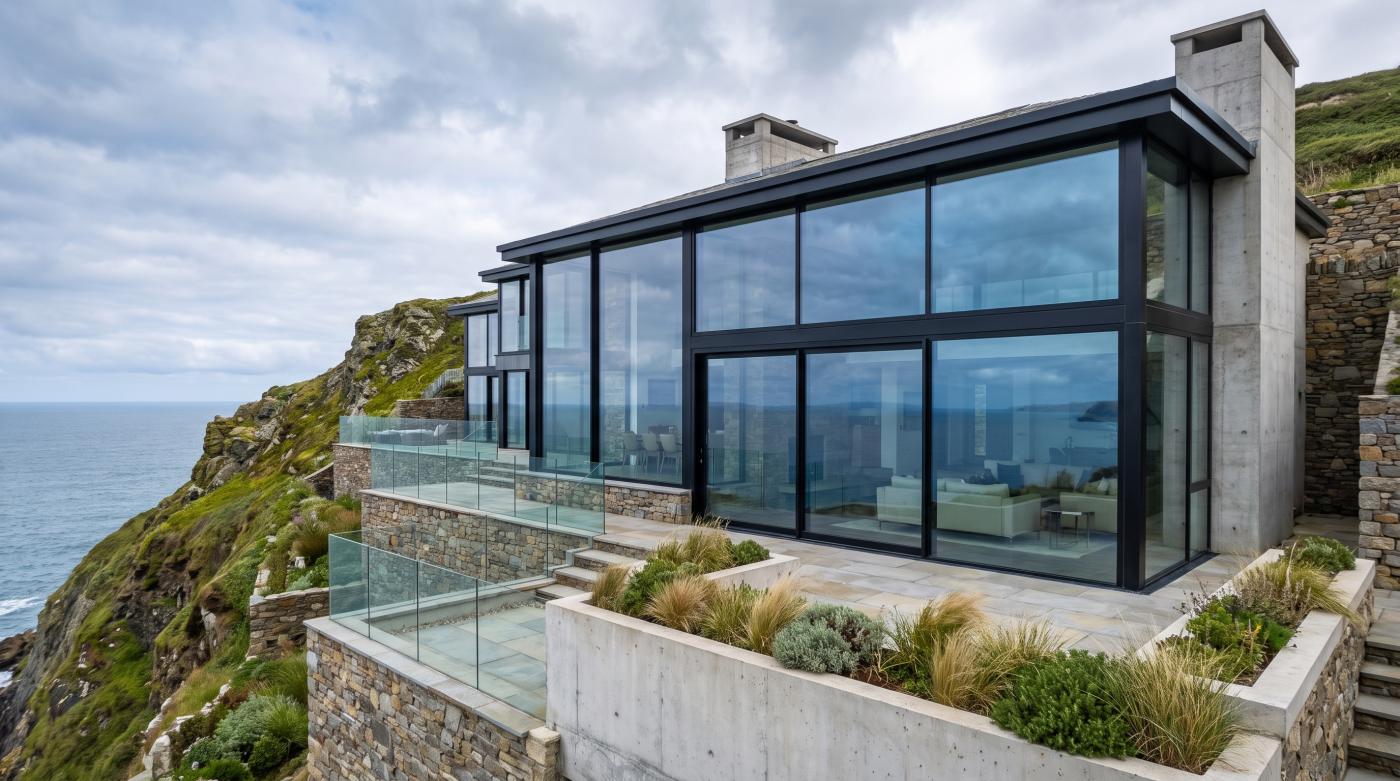
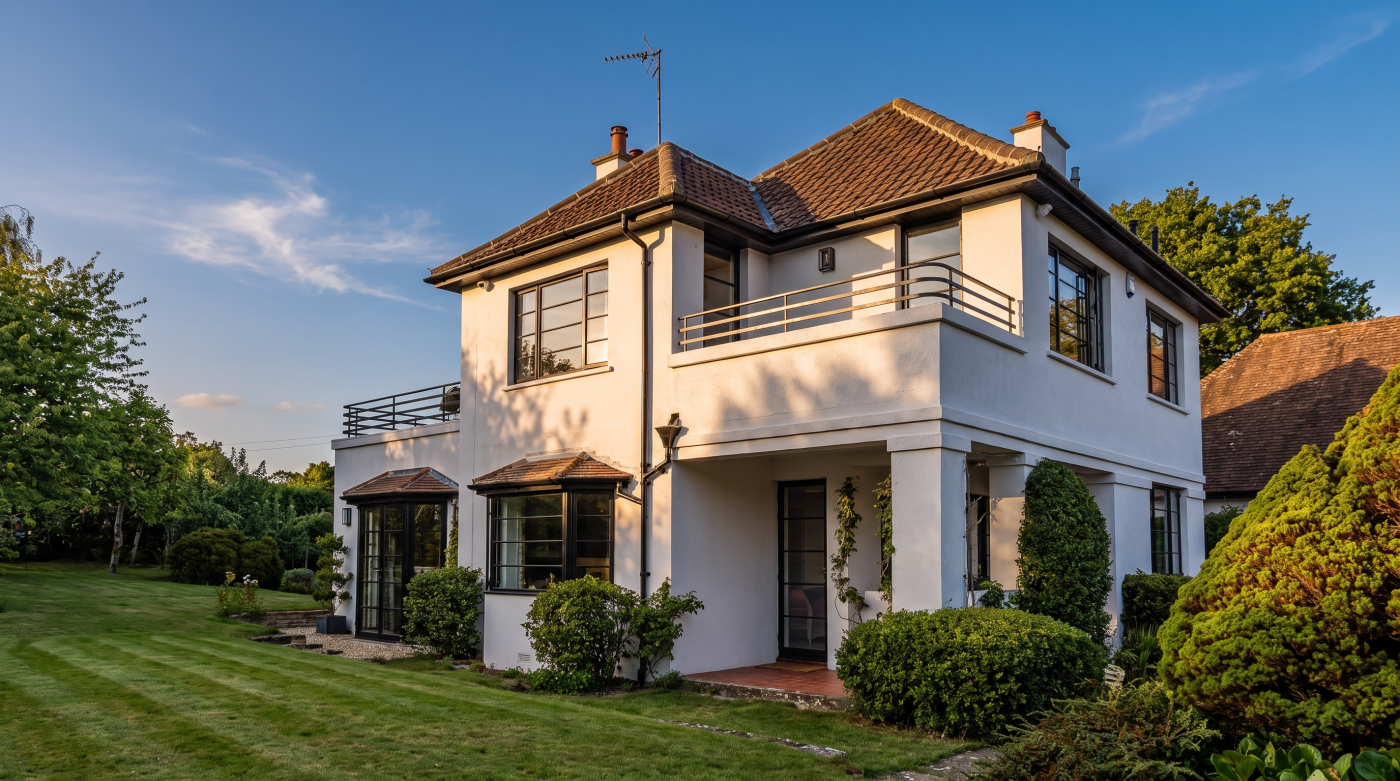
Architectural Glazing Is Not a Requirement for Every Home Architectural glazing is often presented as the natural aspiration for any ambitious residential project. Images of expansive sliding doors, frameless corners and dramatic walls of glass have become closely associated with contemporary architecture, encouraging the impression that larger, more sophisticated glazing systems automatically lead to better […]
31
Jul
Jul
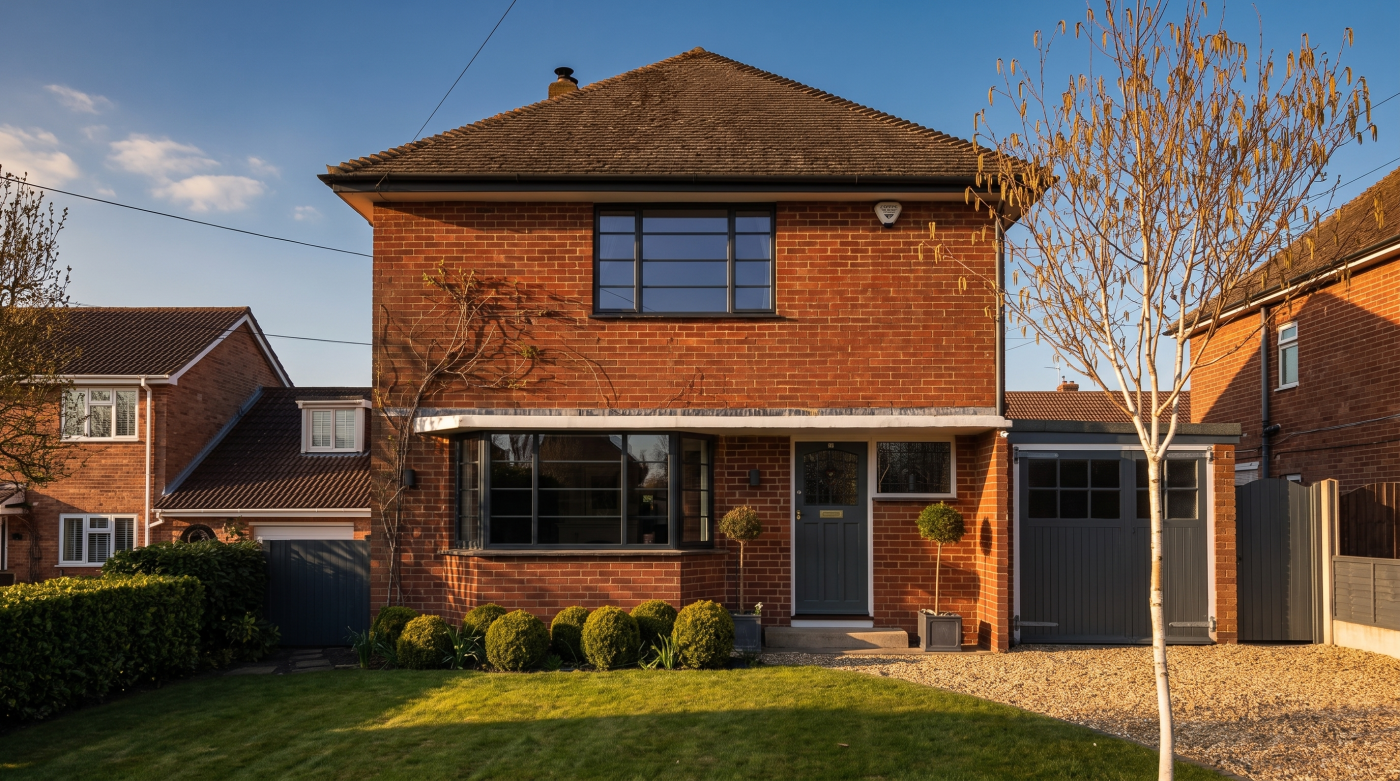
Installation Is Part of the Specification When people think about a glazing project, it is common to separate the products from the installation, viewing one as something that is purchased and the other as a service that follows. Architects rarely make this distinction. From their perspective, installation forms part of the overall specification, completing the […]
31
Jul
Jul
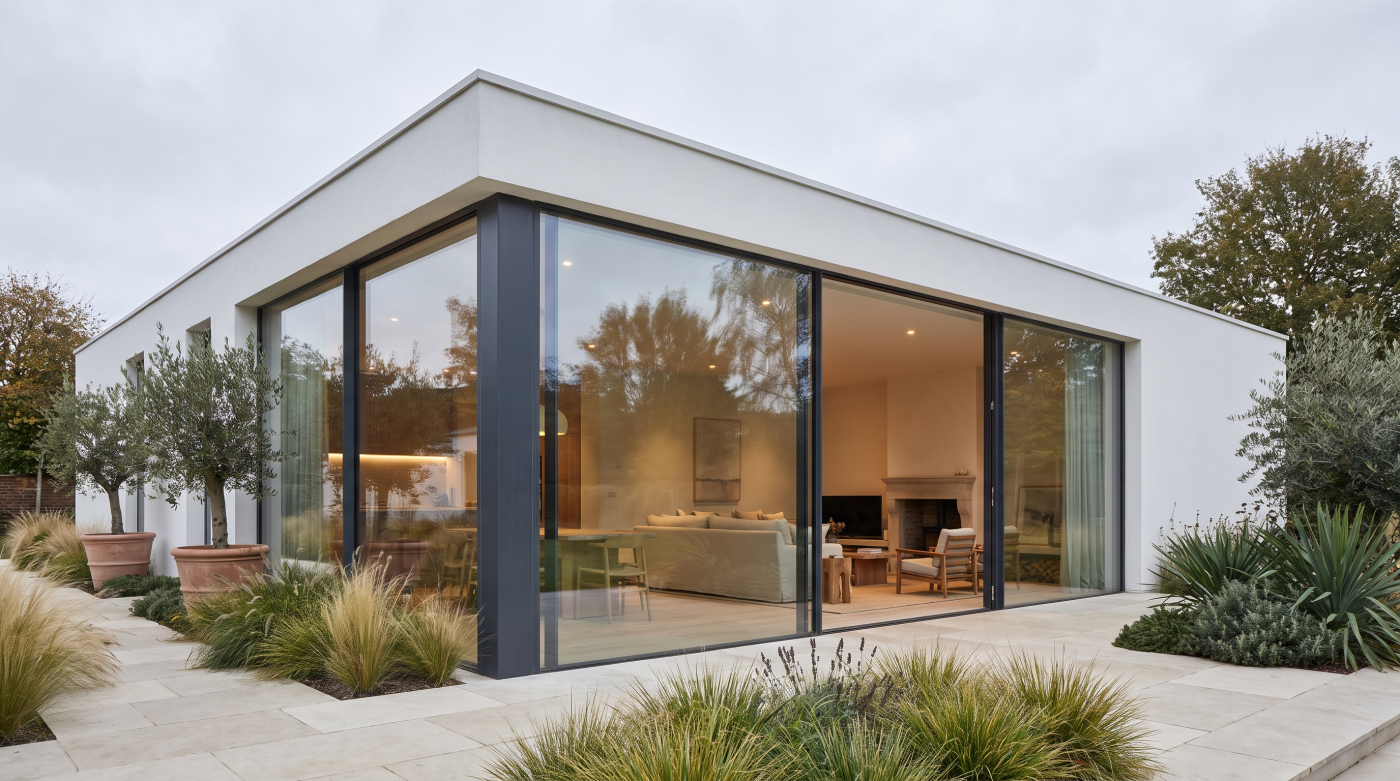
Why Price Is Only One Part of the Decision When homeowners receive several glazing quotations, it is entirely understandable that the first comparison is often the final figure at the bottom of the page. Price provides an immediate and measurable point of reference, particularly when the quotations appear to describe similar products. However, architects rarely […]
30
Jul
Jul
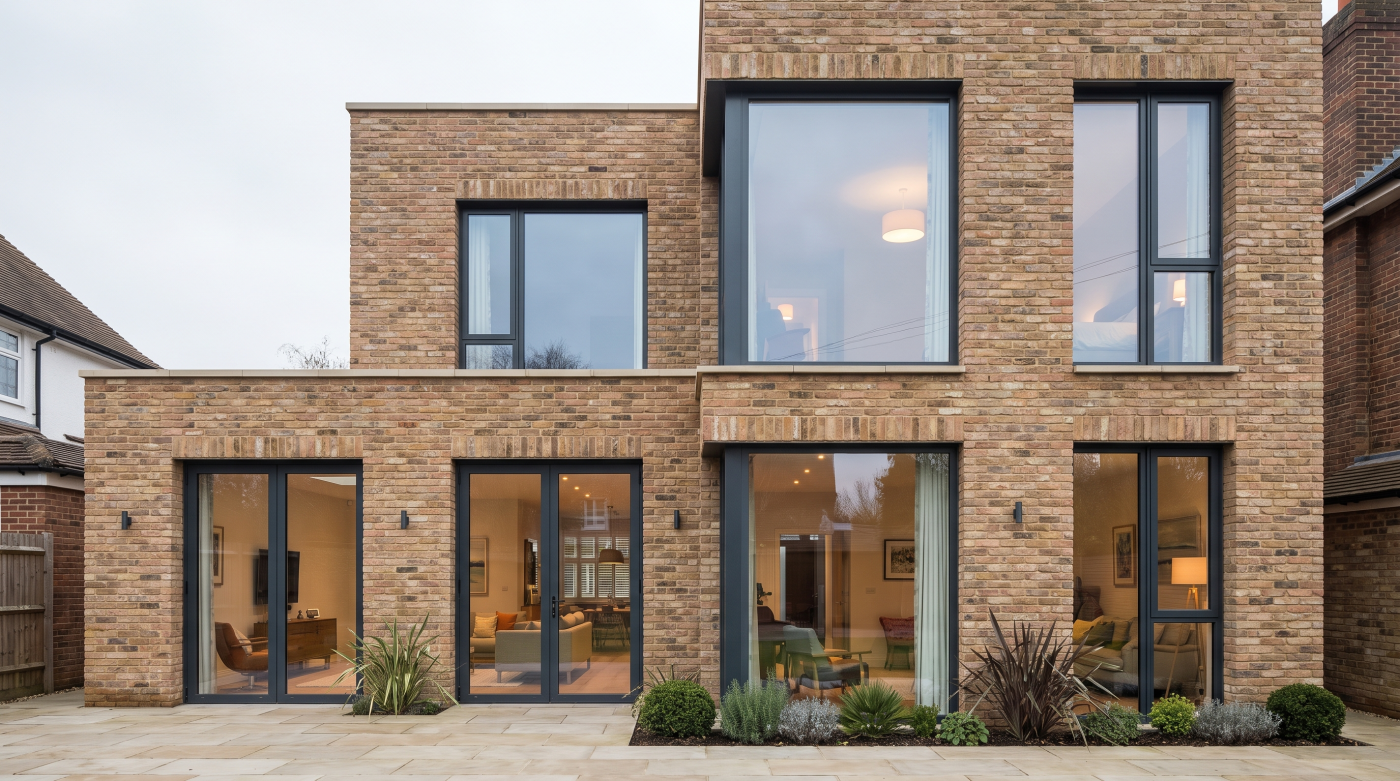
Why Two Quotes Rarely Cover the Same Thing Receiving several quotations for a window project is often recommended as a sensible way to compare options and understand the market. Yet many homeowners quickly discover that the proposals they receive differ considerably, not only in price but also in the products, terminology and levels of detail […]
30
Jul
Jul
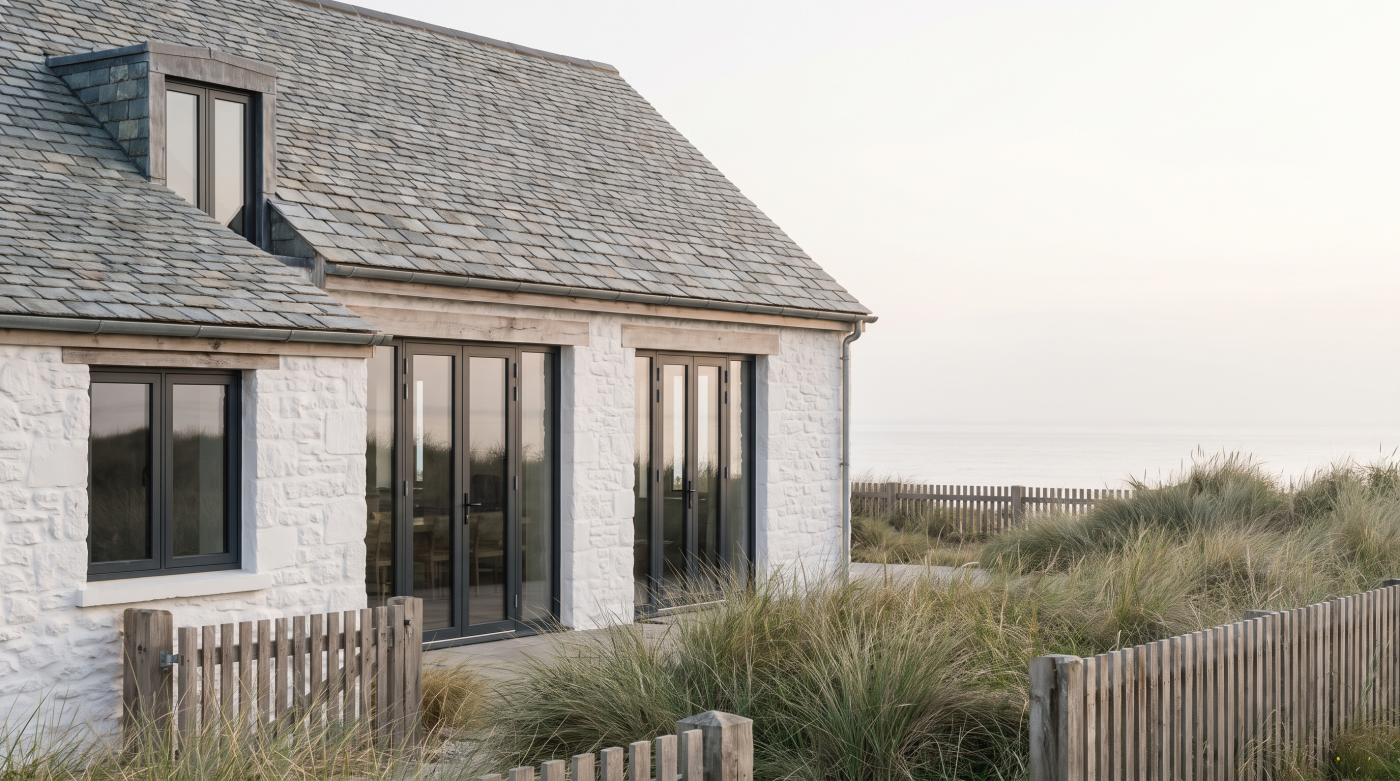
Why Every Window Project Costs Something Different One of the most common questions homeowners ask at the beginning of a renovation or self-build project is, “How much will my new windows cost?” It is an entirely reasonable question, yet one that rarely has a simple or meaningful answer. Unlike many household purchases, architectural glazing is […]
29
Jul
Jul
Why Every Building Site Is Different No two building sites are exactly alike, and neither are the environmental conditions that shape the performance of a building over time. While it is easy to think of glazing as a standard element that can be selected from a catalogue, architects approach specification from a very different perspective. […]
29
Jul
Jul
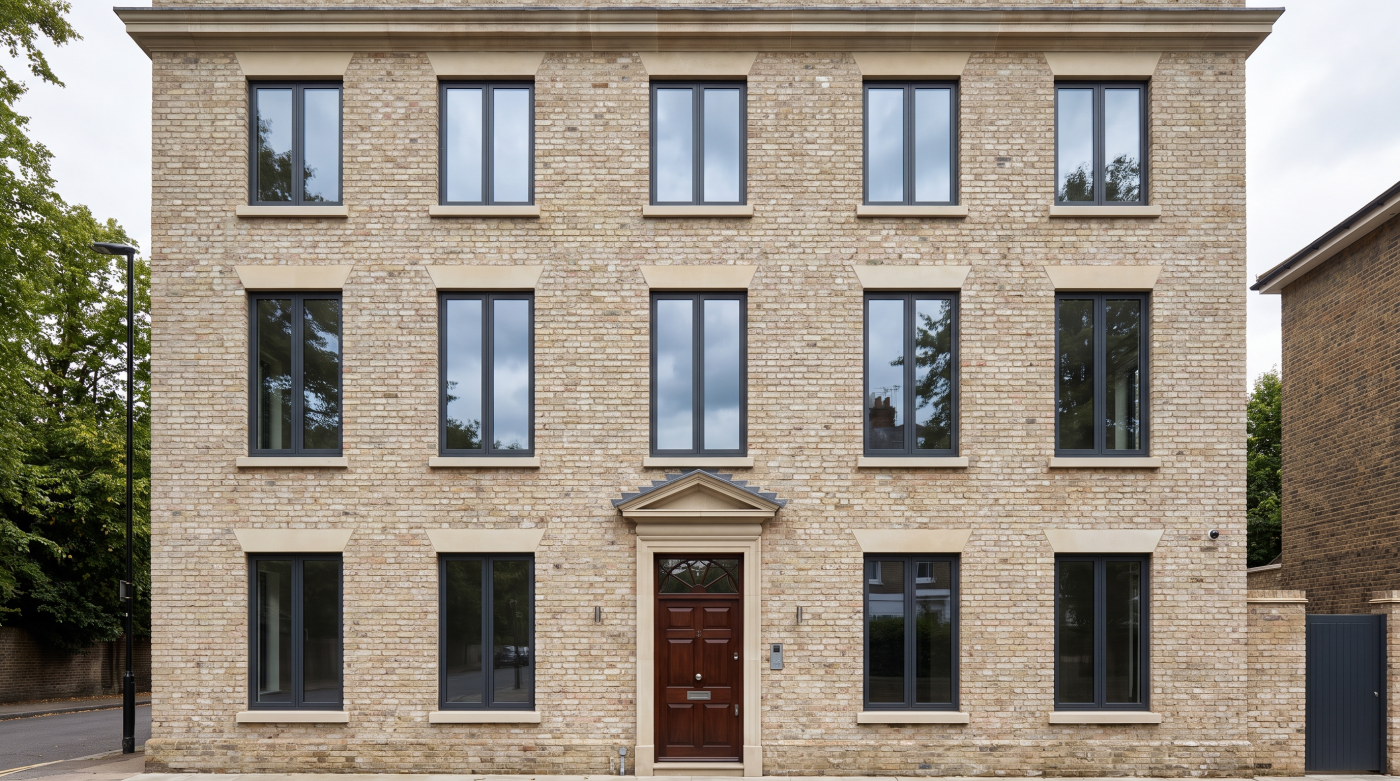
Why Good Glazing Is Difficult to Judge at First Glance One of the most persistent misconceptions in residential architecture is that high-quality glazing can be recognised simply by looking at it. Modern manufacturing has made it possible for products at very different levels of engineering and performance to share remarkably similar visual characteristics. Slim sightlines, […]
27
Jul
Jul
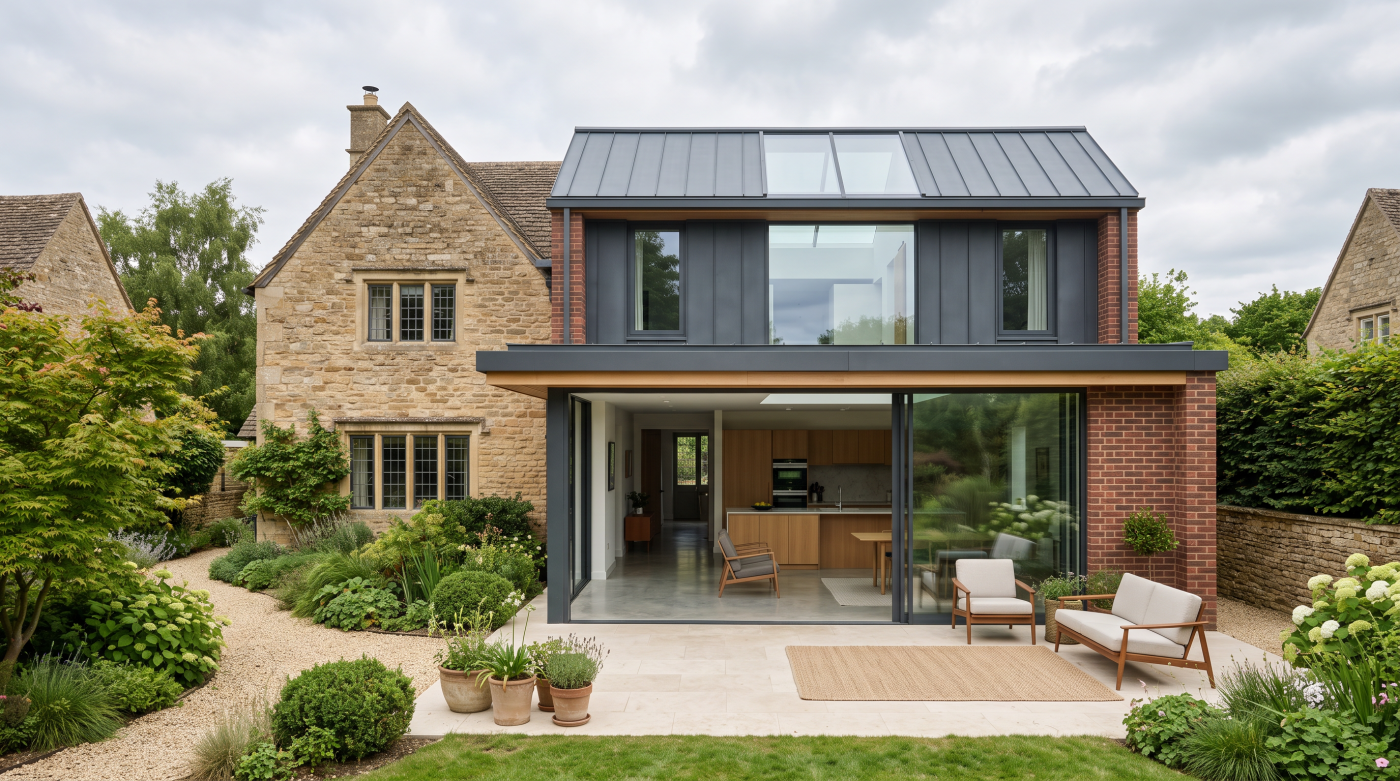
Great Architecture Starts With Light, Not Windows When homeowners begin thinking about glazing, their attention naturally turns to windows. They compare frame materials, opening styles, sightlines and product ranges, assuming these choices are where good design begins. Architects approach the process from an entirely different direction. Before they think about windows, they think about light. […]
27
Jul
Jul
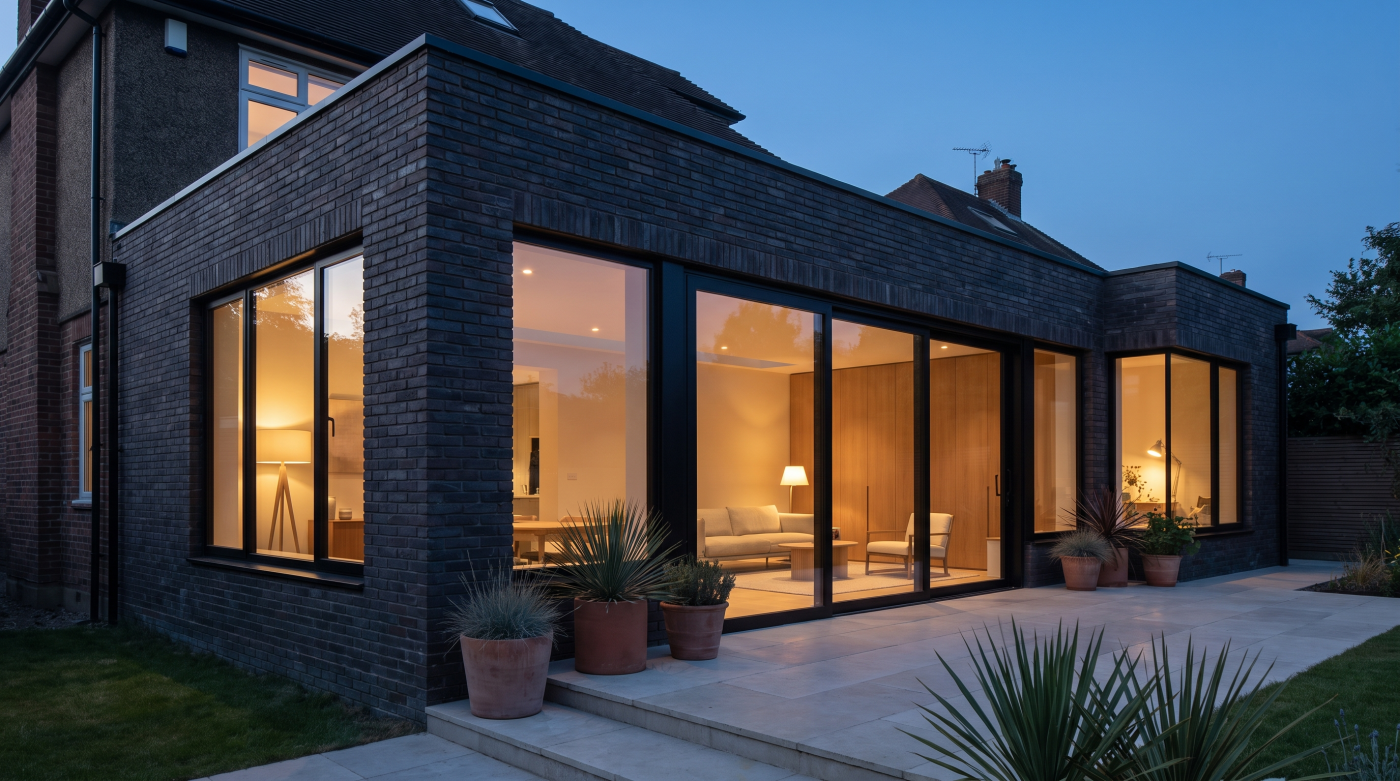
Windows Influence the Design From Day One Many homeowners begin a renovation believing that windows are one of the final decisions to make. The assumption is understandable. After all, windows are installed relatively late in the construction process, so it seems logical to choose them once the structure is taking shape. Architects approach renovations very […]
24
Jul
Jul
The Biggest Glazing Decision Is Where It Goes When homeowners begin planning an extension, the conversation about glazing often starts with products. Should the project include sliding doors, bifold doors or fixed glass? Which frame material is best? How large can the panes be? While these are important questions, architects rarely begin there. They know […]