
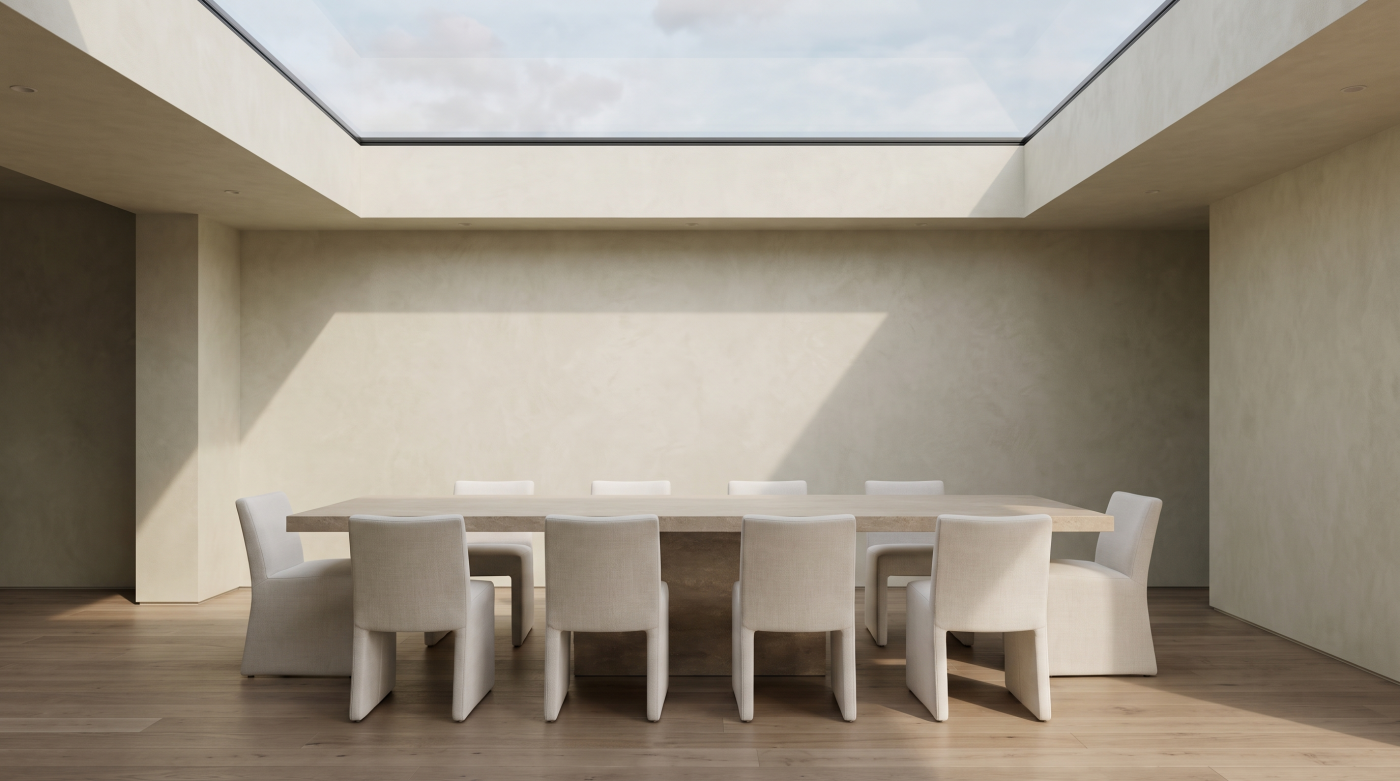
1. Start with the date the building needs to be ready Ask when the windows need to be in place, rather than when an order should be signed. A family moving into a renovated house has a different deadline from someone replacing two windows in an occupied bedroom. On an extension, the glazing may need […]
Tag Archives: self-build glazing
05
Oct
Oct
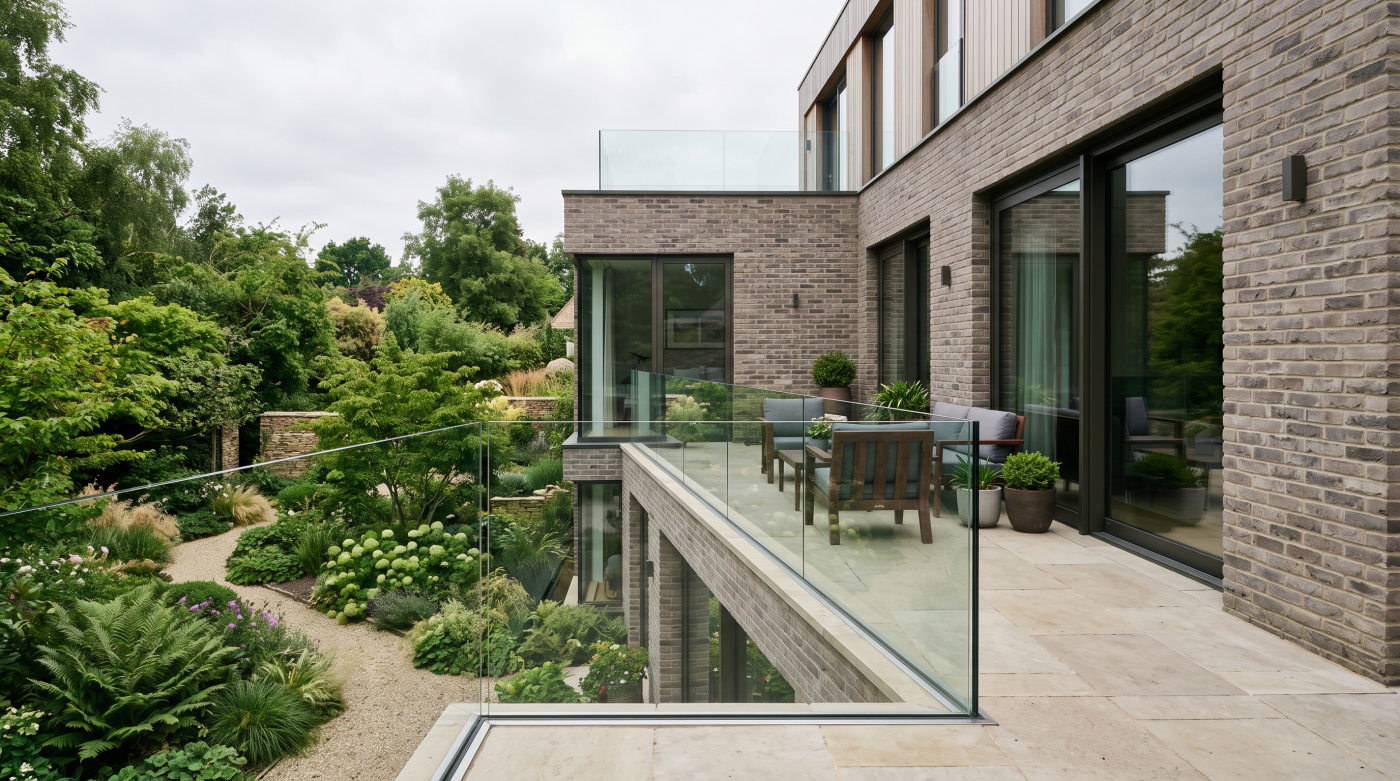
1. Light belongs to the plan The first daylight decision is often made before a window is drawn. It is the decision about which rooms occupy which parts of the house and how people move between them. A kitchen used early in the day, a study occupied for long periods and a living room that […]
01
Oct
Oct
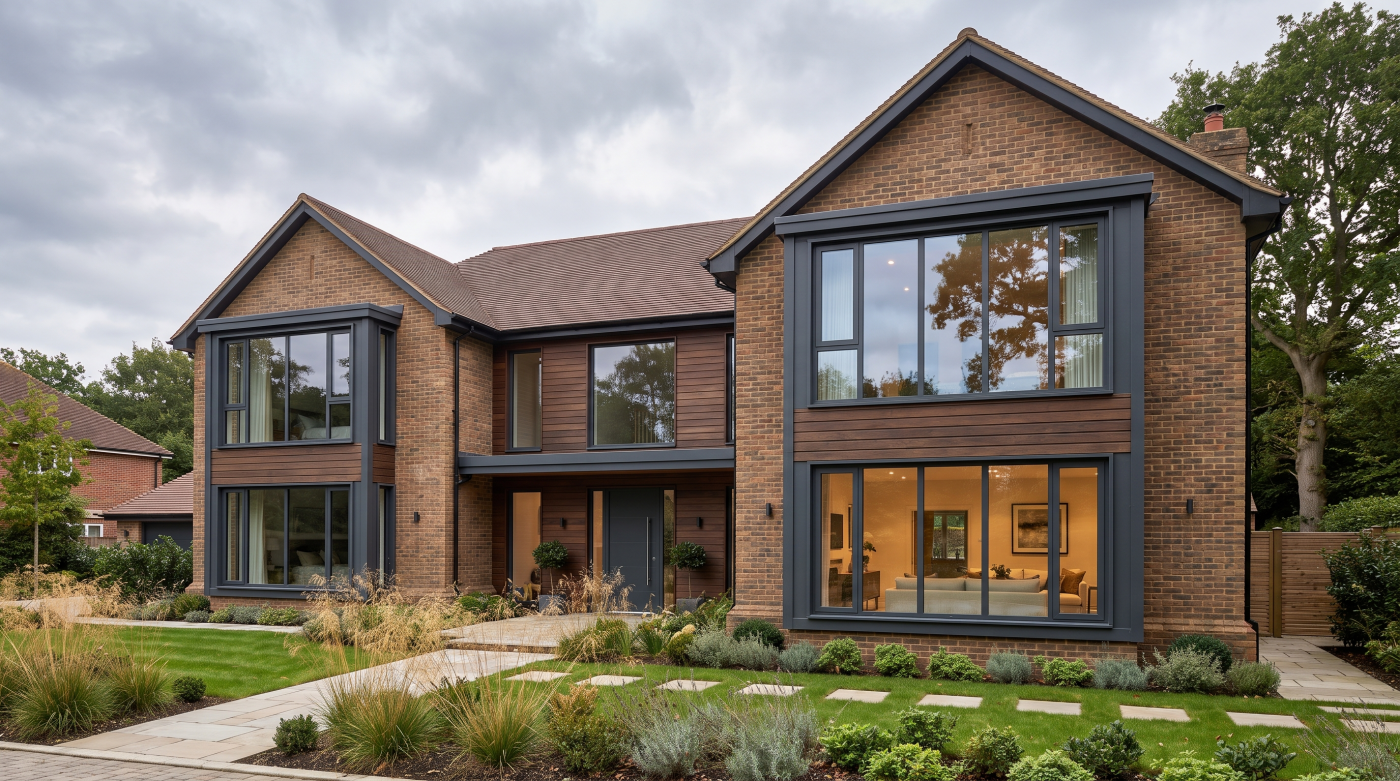
1. Begin with the project’s complexity Choosing a glazing team begins with the building, not the size of the company. Replacing a straightforward window in a regular opening asks different things of a team from glazing an irregular stone house, forming a wide opening in an extension or coordinating several systems across a self-build. In […]
30
Sep
Sep
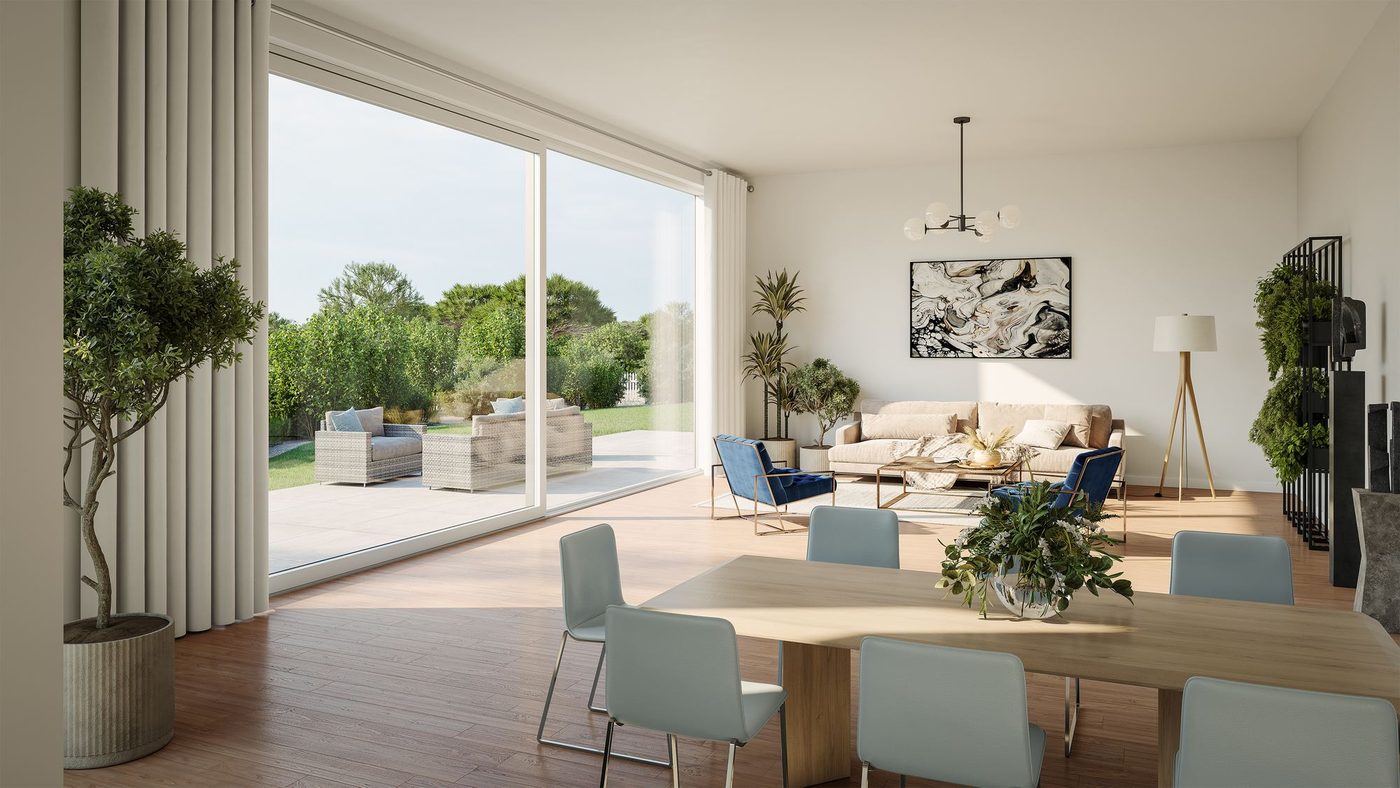
1. The room and garden before the door system A glazed opening should begin as a question about the room. Where will people sit? Which part of the garden should they see? How will they move between the kitchen, dining table and terrace? Until those relationships are clear, choosing between sliding doors and bifolds is […]
29
Sep
Sep
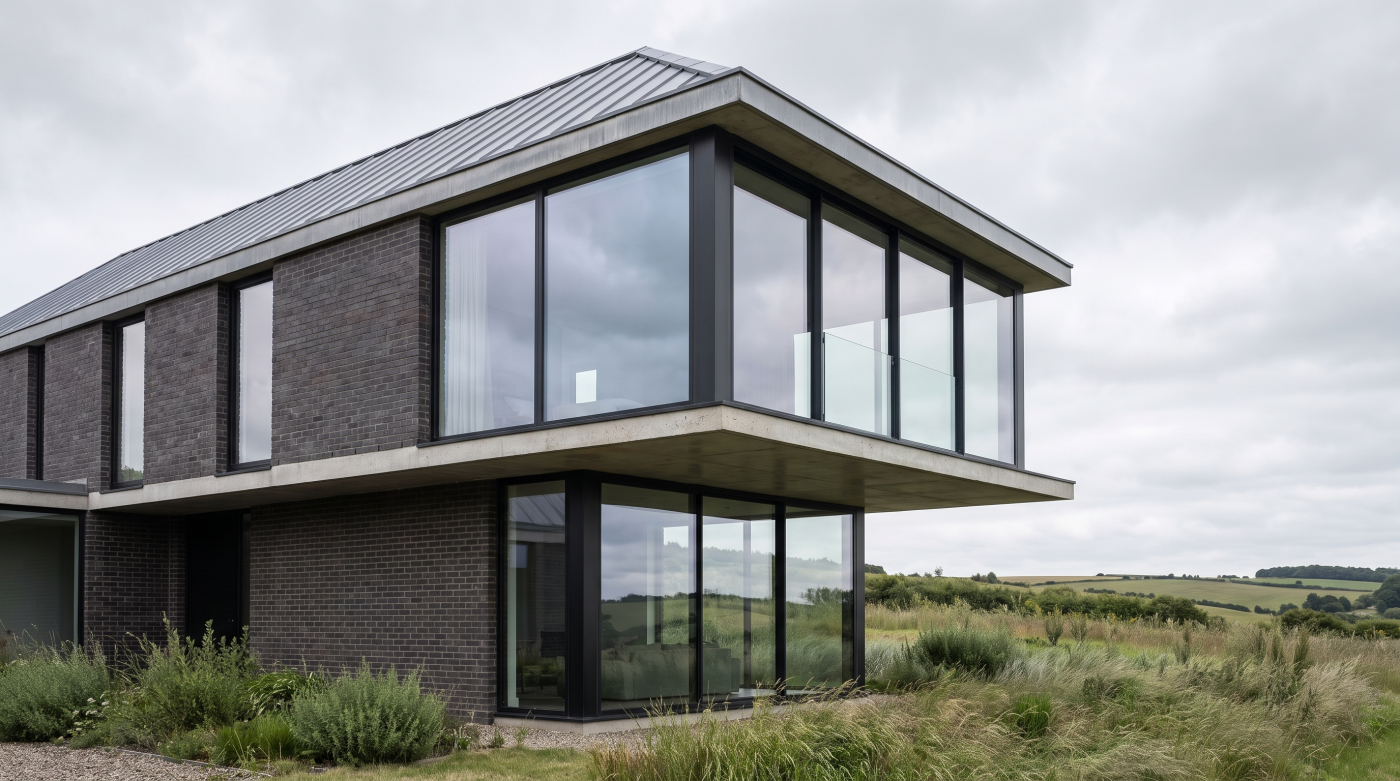
There Is No Single Definition of the Perfect Window The idea of the “perfect” window is appealing because it suggests that glazing can be reduced to a simple hierarchy: the lowest U-value, the slimmest frame, the largest pane or the most technically advanced glass. In reality, architectural glazing is defined by several competing demands, and […]
28
Sep
Sep
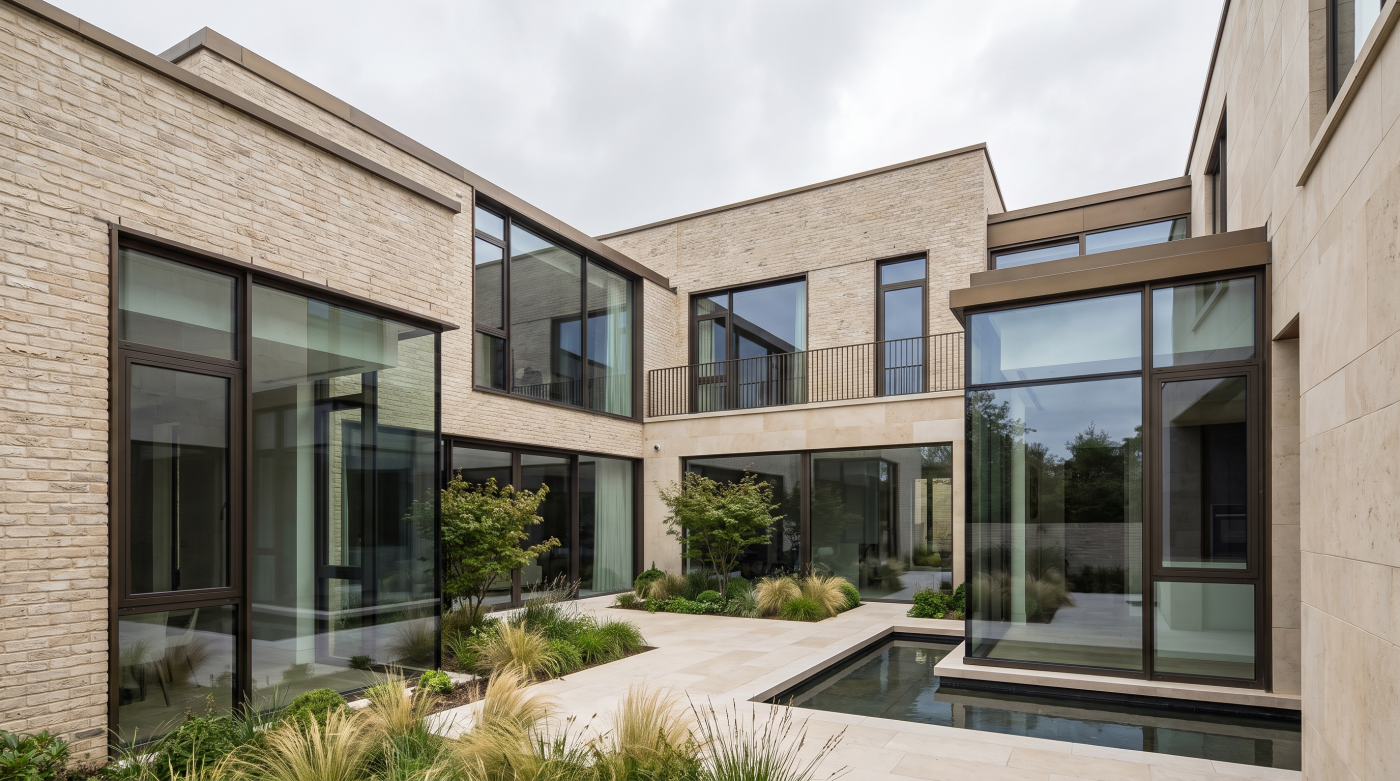
The Photograph Is Showing You a Moment, Not the Window A window can look almost perfect online because the photograph is doing more work than we realise. The viewpoint has been chosen carefully, the light is flattering, the room is styled and the landscape beyond the glass may be doing as much to create the […]
22
Sep
Sep
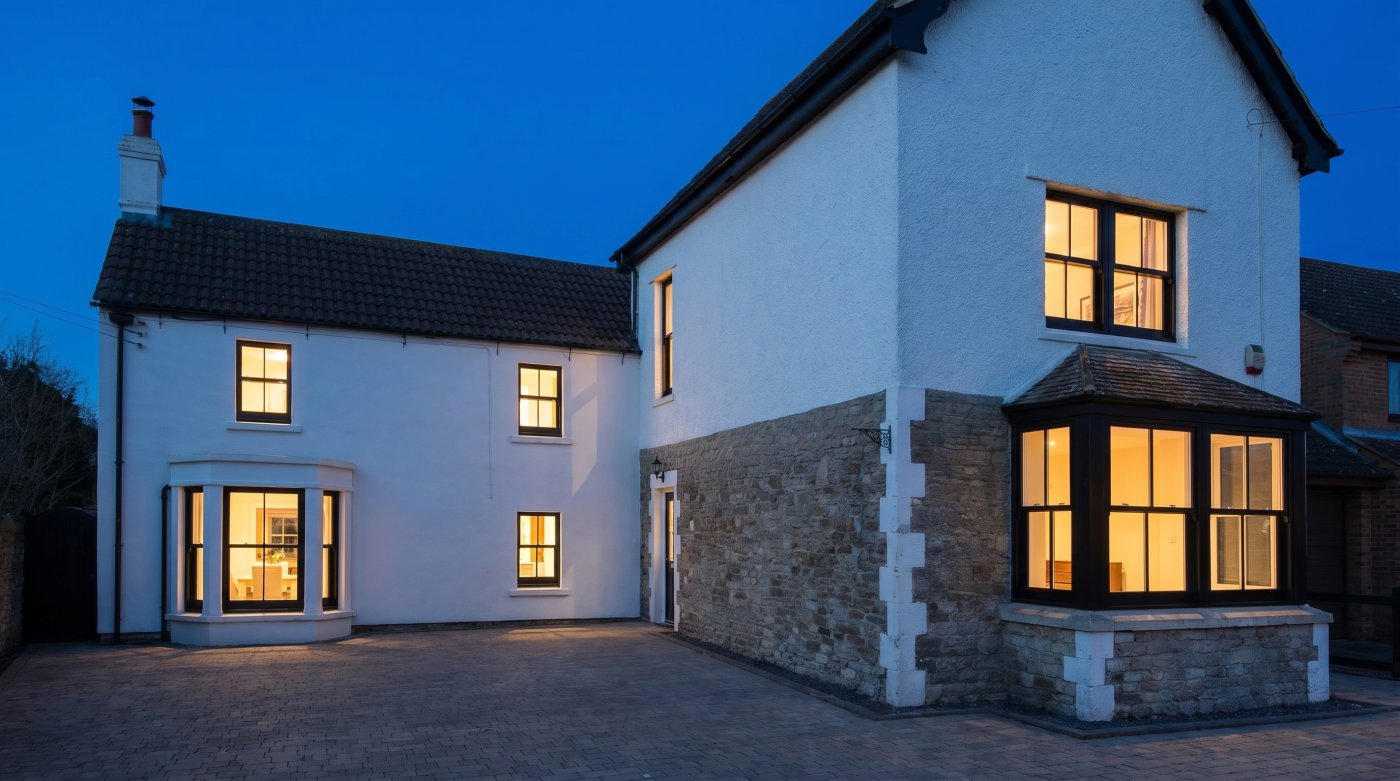
Do More Expensive Windows Actually Block More Outside Noise? More expensive windows can provide better sound insulation, but a higher price does not automatically mean a quieter home. The cost of a window may reflect its size, frame material, finish, opening mechanism or architectural detailing, none of which establishes how effectively it will reduce a […]
18
Sep
Sep
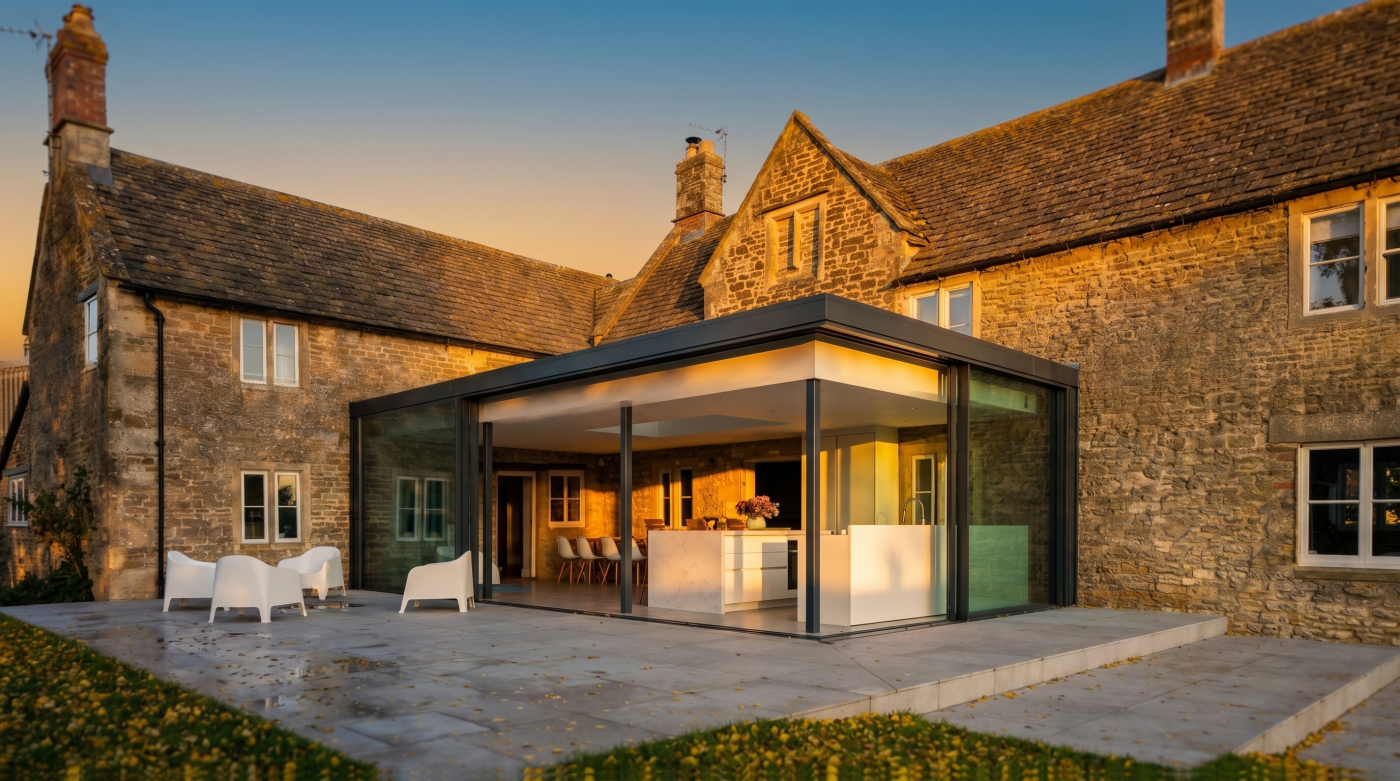
Winter Is a Season, Not an Installation Condition Winter sounds like a single condition. In reality, it describes several months in which the weather can vary considerably from one day to the next. A settled winter morning and a period of severe wind or persistent rain belong to the same season, but they do not […]
18
Sep
Sep
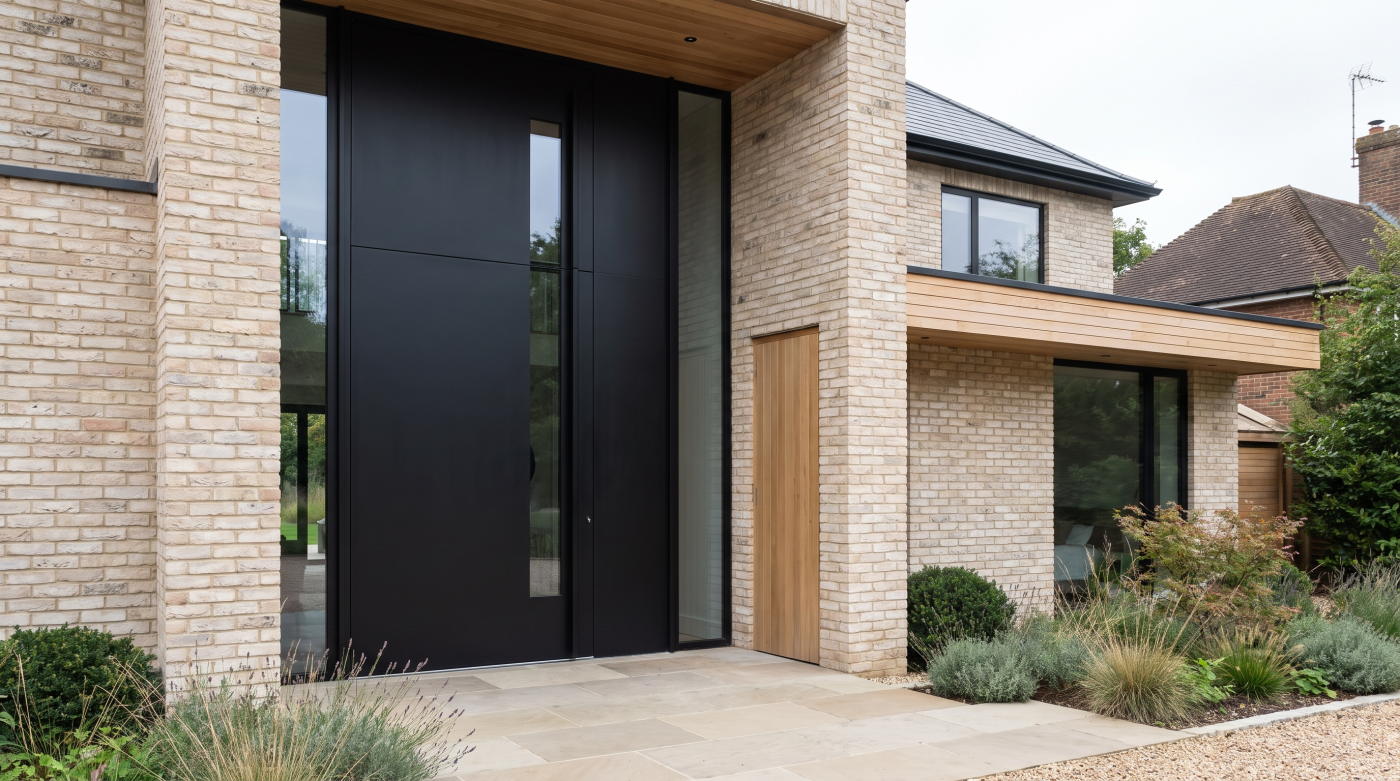
First, Decide What You Mean by “Add Value” When homeowners ask whether new windows add value to a house, they are usually asking a financial question. If I spend this much, will the property eventually be worth more? It is understandable, but it compresses several different kinds of value into a single number. There is […]
17
Sep
Sep
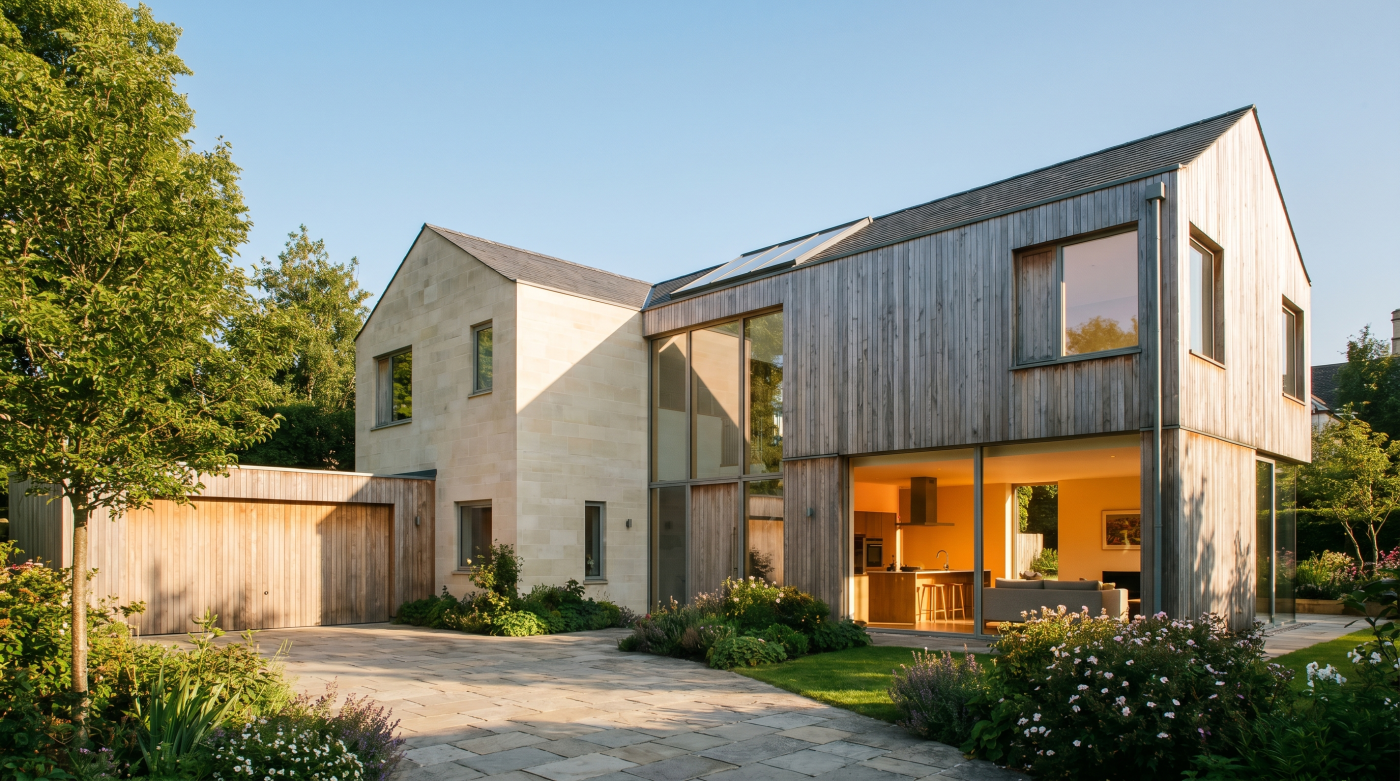
The Frame You Barely Notice Can Be One of the Biggest Differences From across a room, two large glazed doors can look remarkably similar. Both might have dark aluminium frames, generous areas of glass and the same broad promise of connecting the house with the garden. In photographs, the distinction between them may appear almost […]
17
Sep
Sep
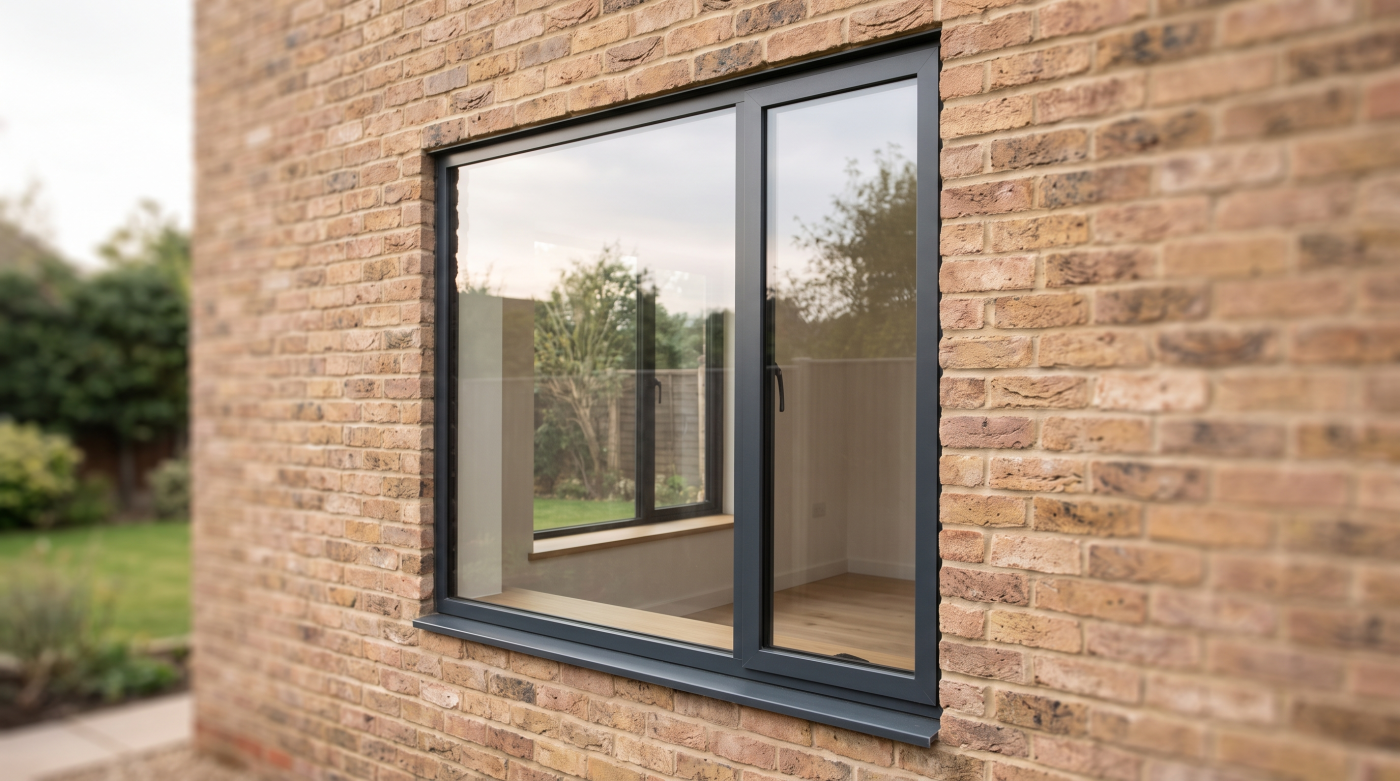
You Haven’t Really Ordered a Window Until You’ve Defined One Choosing the kind of window you want can feel like the decisive moment. You may have settled on a frame material, decided that a particular opening should contain sliding doors or agreed on the broad appearance you want throughout the house. At that point, it […]
17
Sep
Sep
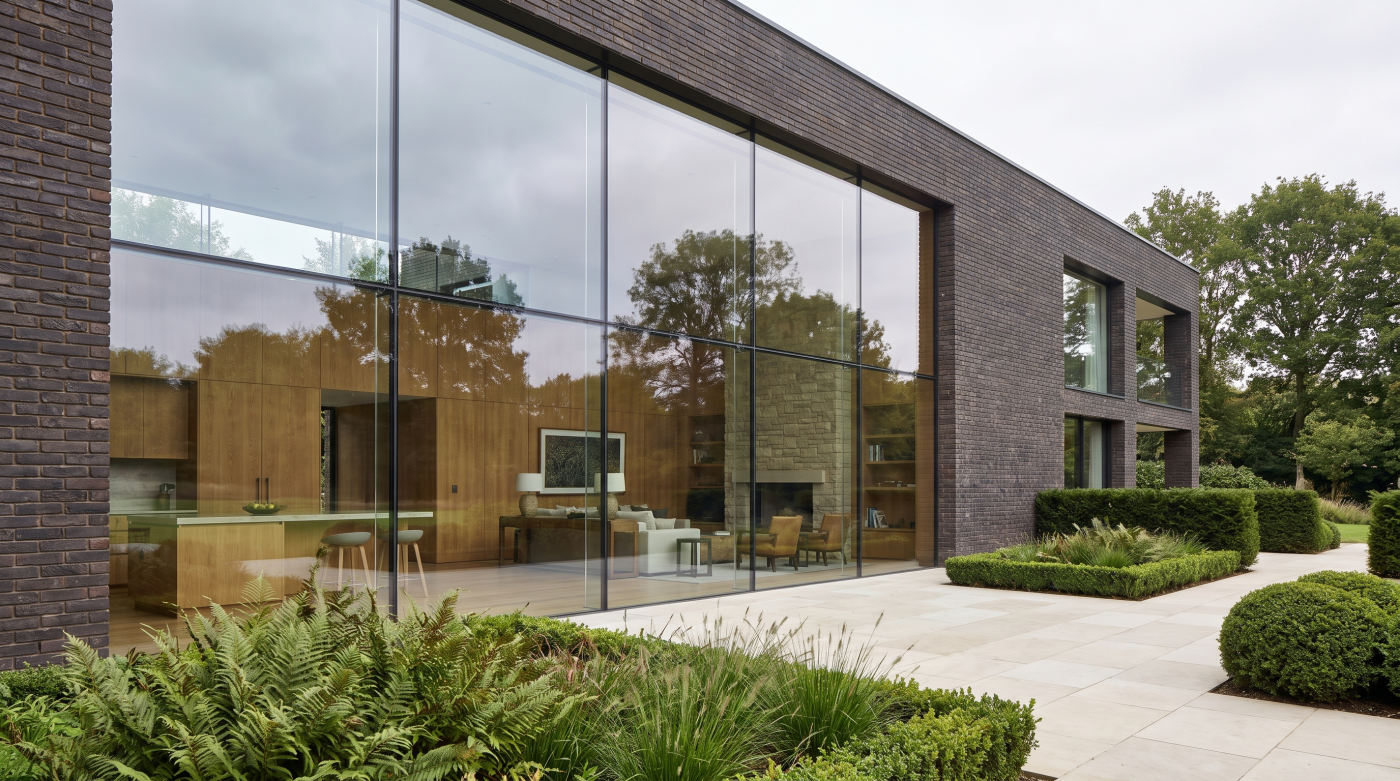
The First Question Is Not “How Long?” It Is “From When?” Ask how long your windows will take and the answer will often be expressed in weeks. That sounds reassuringly precise. Yet the number has limited meaning until another question has been answered: when does the period actually begin? A homeowner may instinctively start counting […]
16
Sep
Sep
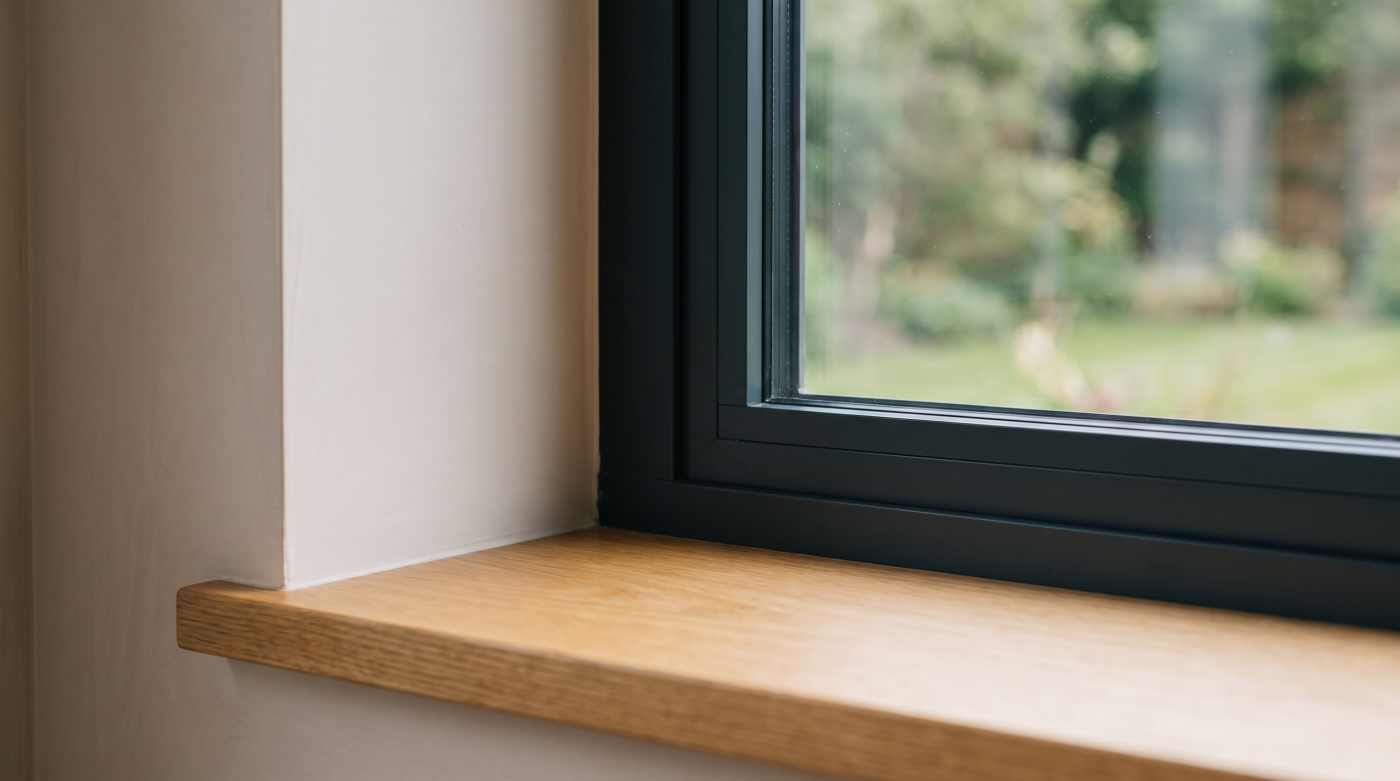
The First Confession: The Window Is Rarely the Whole Problem When a window disappoints, it is natural to assume that the answer begins with the window. Sometimes it does. But after enough projects, a broader pattern becomes difficult to ignore: the glazing is only one part of an architectural relationship. A window sits within an […]
16
Sep
Sep
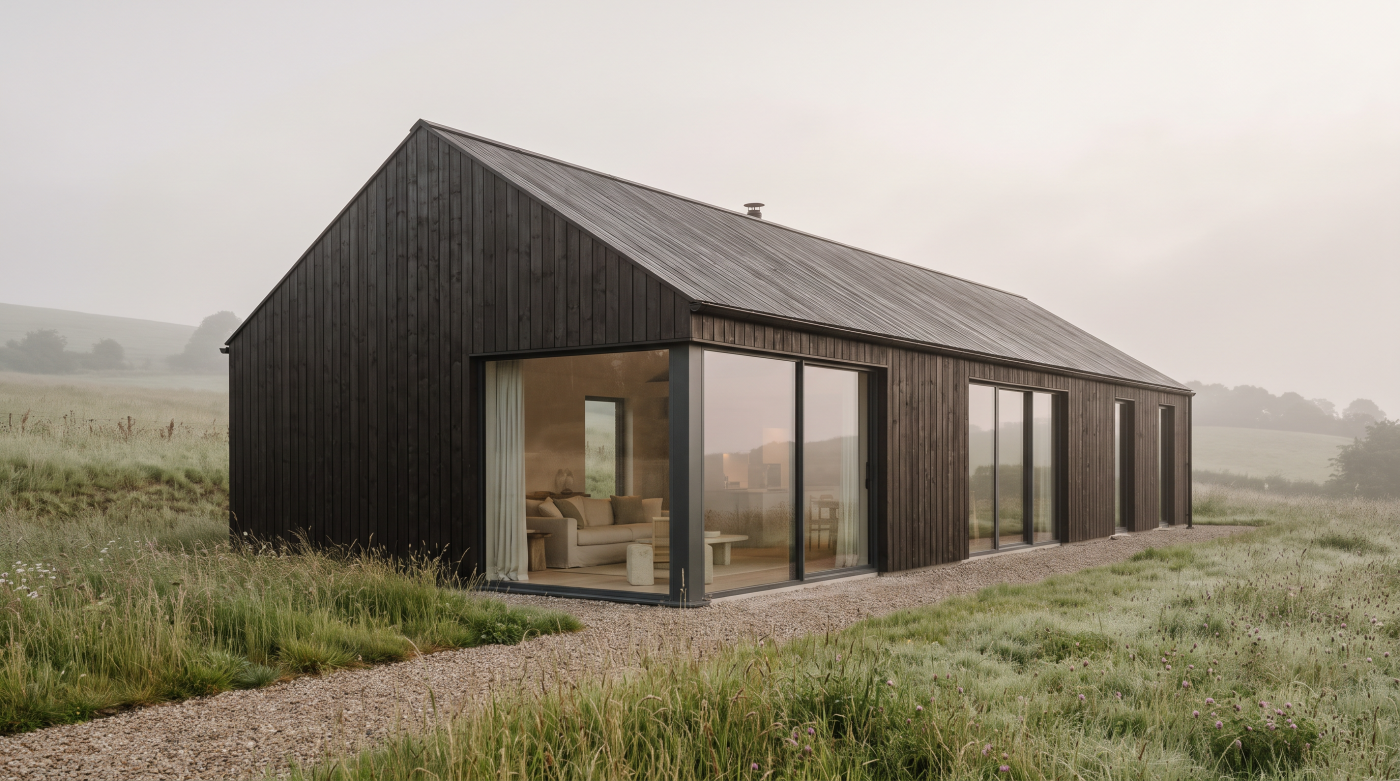
Your Quote Starts With the Information You Give Them Before a supplier can put a price against your windows, they first have to understand what they are being asked to price. Sometimes that information is relatively developed. There may be architectural drawings, dimensions, configurations and a clear sense of what the finished glazing is intended […]
16
Sep
Sep
Your Window Begins as Information, Not Glass Long before a finished window reaches a building, it exists as information. At the design stage, much of that information can still feel abstract. There are dimensions on drawings, conversations about proportions, decisions about how an opening should operate and choices concerning appearance and finish. Individually, these may […]
14
Sep
Sep
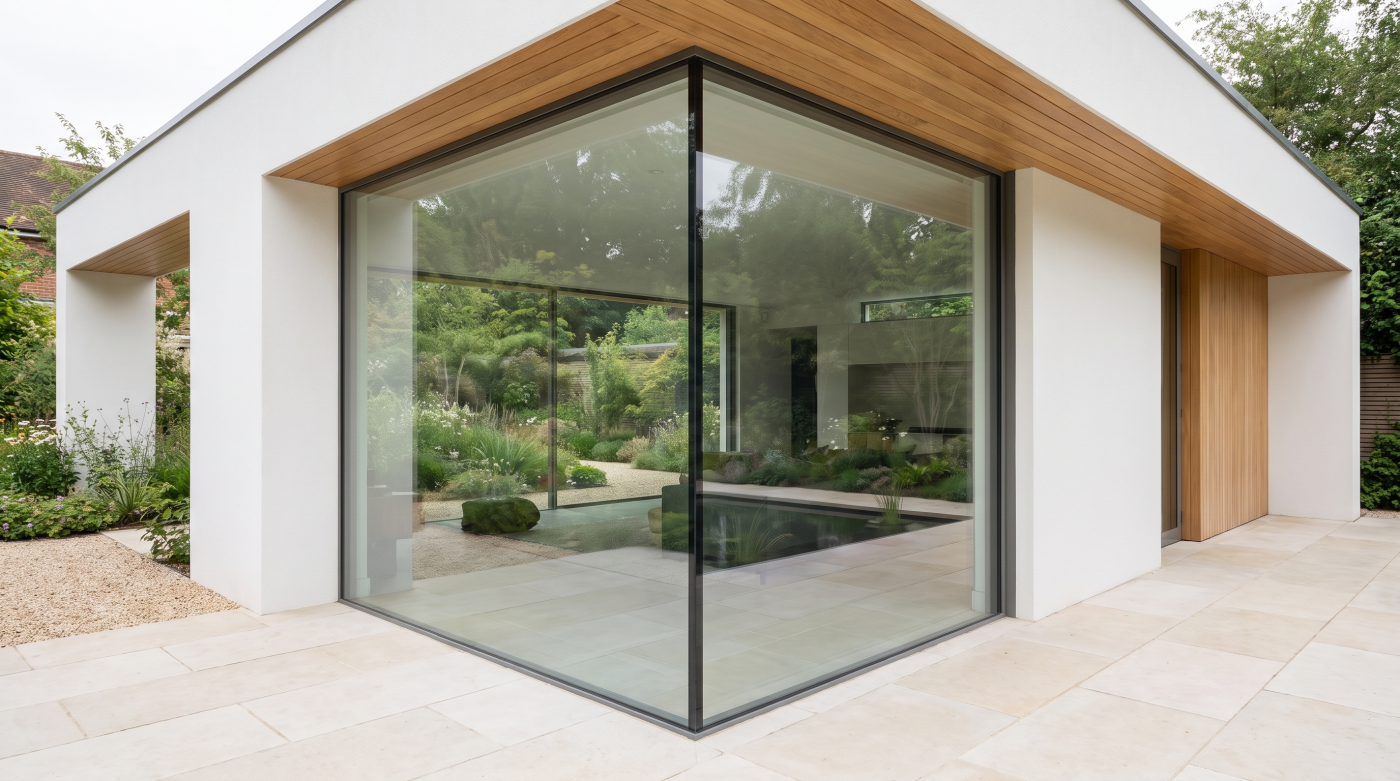
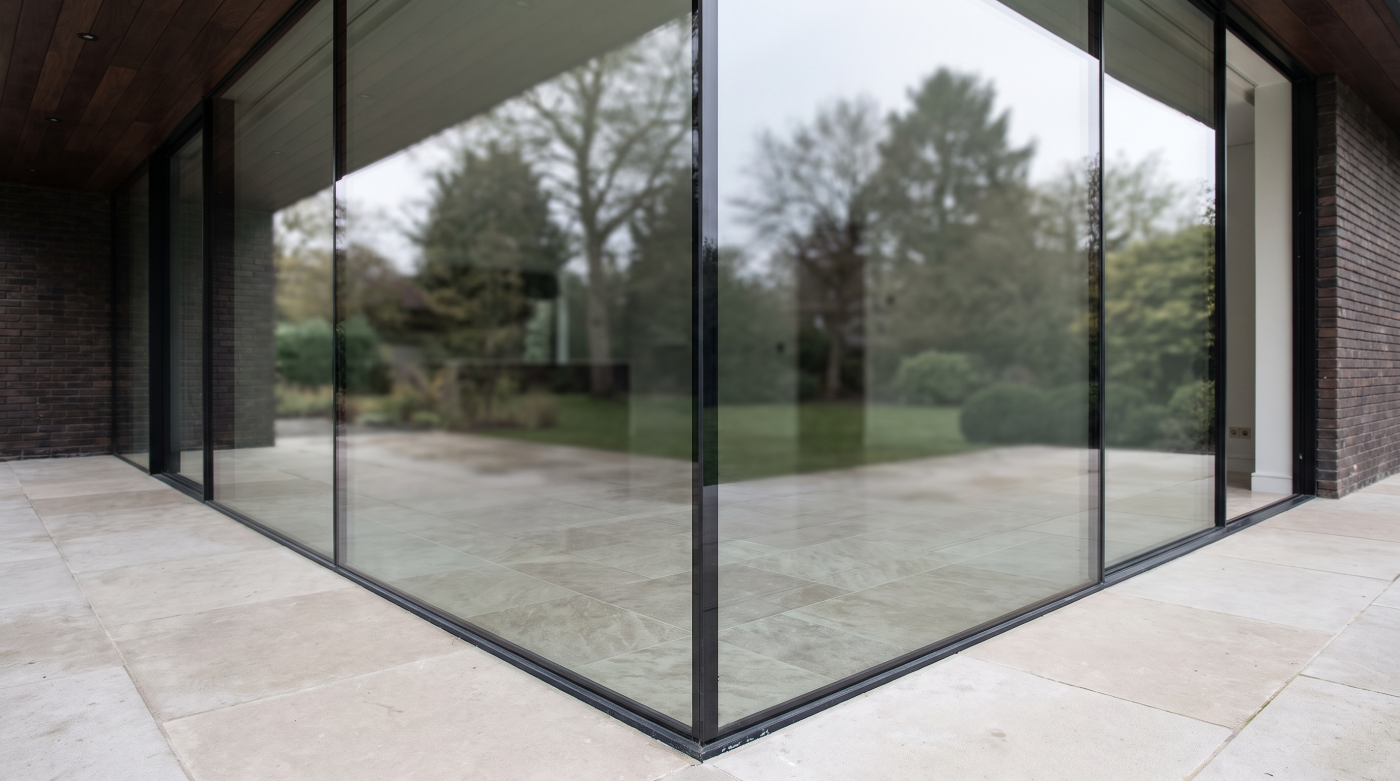
“Frameless” Has Become a Shortcut for Good Architecture There is an image that has become almost synonymous with high-end contemporary architecture: an expansive pane of glass, barely visible framing and a landscape that appears to continue uninterrupted beyond the room. When it is done well, the effect can be exceptional. It is not difficult to […]
14
Sep
Sep
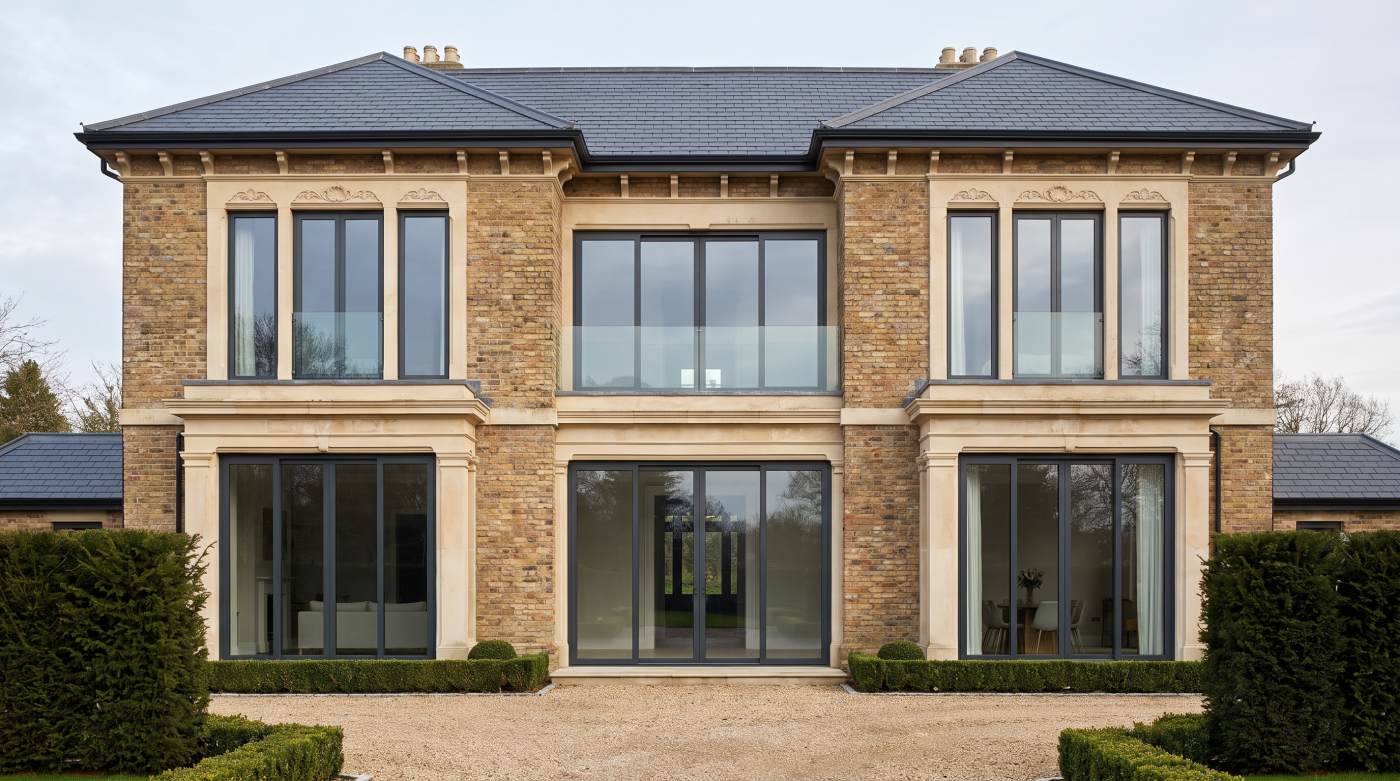
A Bigger Opening Is Not Automatically a Brighter Room When a room feels dark, making the window larger seems like the most logical response. More glass should mean more daylight. In some buildings, that is exactly what happens. But the size of an opening is only one part of the daylight equation, and increasing it […]
11
Sep
Sep
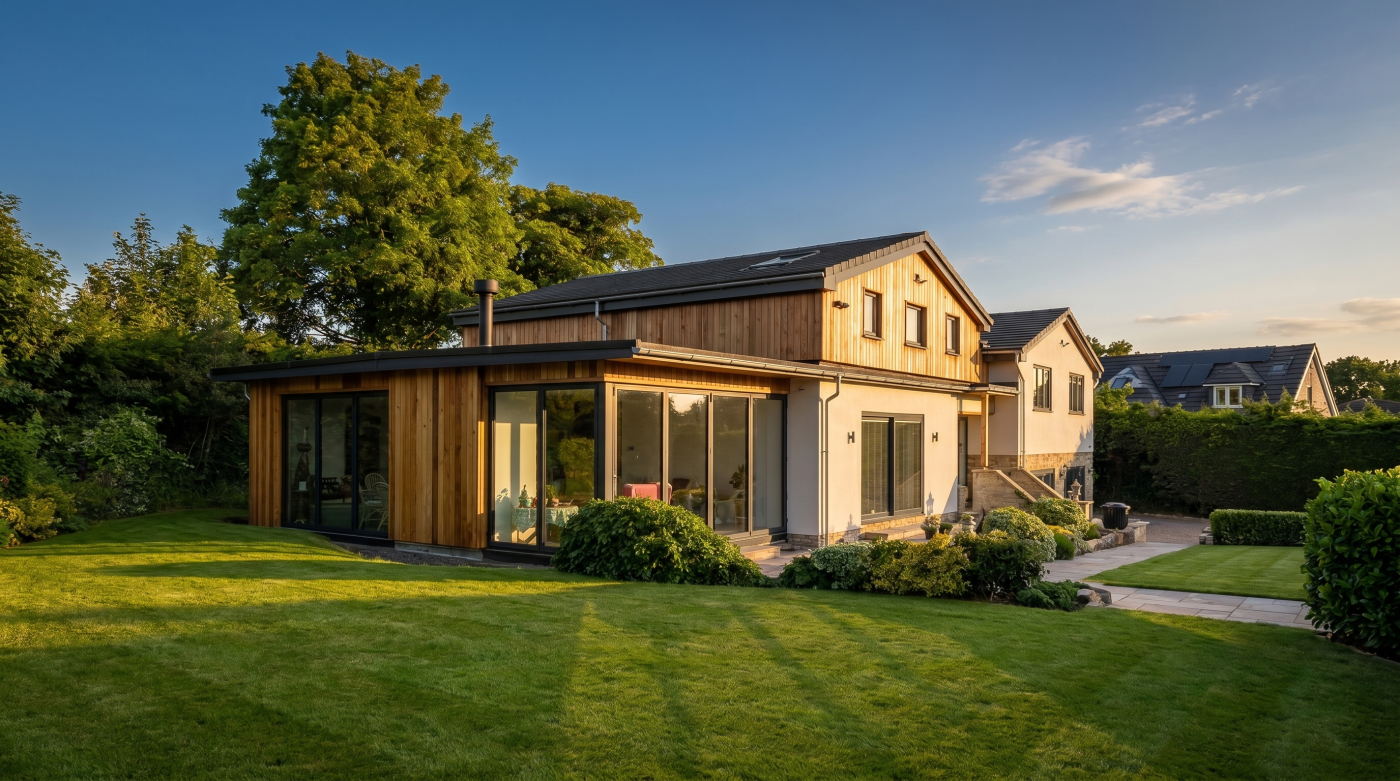
Three Panes Sounds Better Than Two — and Sometimes It Is Triple glazing has an appealing simplicity to it. If two panes of glass provide insulation, three must surely provide more. For homeowners already investing heavily in a renovation or self-build, choosing the apparently higher specification can feel like an obvious decision: improve the glazing […]
11
Sep
Sep
Bifolds Solved a Problem — Then Became the Default There is a reason bifold doors became so closely associated with contemporary extensions. They offered homeowners something immediately compelling: the ability to transform a substantial section of external wall into an opening, folding multiple glazed panels aside and allowing the room to extend towards the garden. […]
10
Sep
Sep
First, Establish Whether Something Has Actually Gone Wrong When newly installed glazing does not look or behave as expected, it is natural to assume that something has gone wrong. Sometimes that conclusion will be justified. In other cases, the work may be incomplete, an adjustment may still be required or surrounding finishes may not yet […]
10
Sep
Sep
The Price That Somehow Gets Lower the Longer You Sit There For anyone who has experienced a traditional double-glazing sales appointment, the sequence can feel strangely familiar. An initial price is presented, often higher than expected. A discount then becomes available. There may be a further reduction for ordering more than one element, followed perhaps […]
09
Sep
Sep
“10 Years” Is Not a Guarantee. It Is a Duration A ten-year guarantee sounds reassuring. It is a simple number, easy to remember and even easier to compare. If one window company offers five years and another offers ten, the longer period can instinctively feel like the stronger promise. But the number tells you only […]
09
Sep
Sep
A Deposit Should Never Be Asked to Replace Clarity Paying a deposit changes the character of a glazing project. Until that point, quotations, configurations and finishes can still feel like part of an exploratory process. Once money changes hands, there is a natural sense that the important decisions have been made. That sense of certainty […]
09
Sep
Sep
A Survey Is Not Just Measuring the Opening A window survey can appear deceptively straightforward. Measure the width, measure the height and establish the dimensions from which the window will eventually be made. For a simple opening in a completed building, much of the process may indeed be relatively uncomplicated. Architectural projects, however, rarely exist […]