
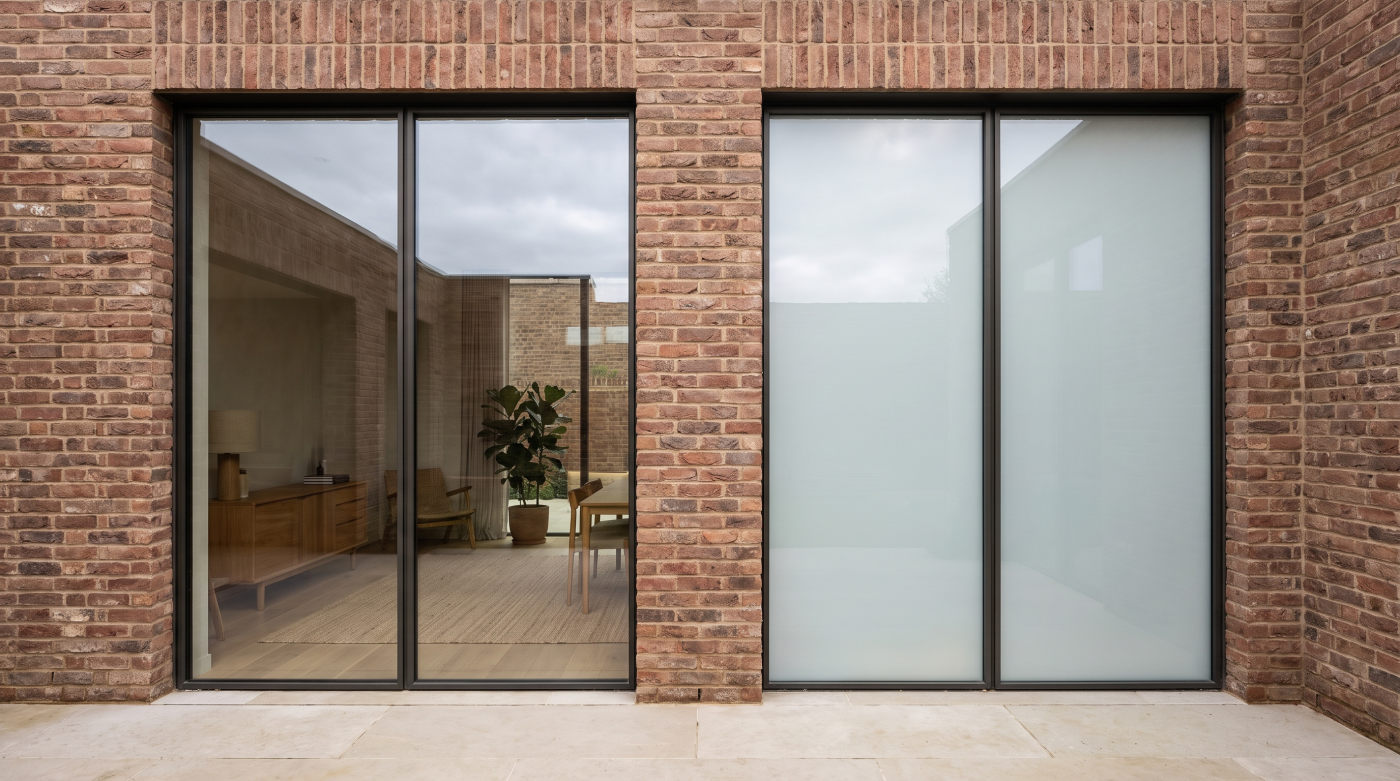
What Do We Actually Mean by Switchable Glass? “Privacy glass” can describe several very different products, so the terminology needs to be understood before deciding whether any of them are appropriate for a home. At its simplest, privacy glass can mean conventional glass that is permanently obscured. Frosted, etched or patterned glass allows light through […]
Tag Archives: self-build glazing
19
Aug
Aug
How Self-Cleaning Glass Actually Works The name “self-cleaning glass” can make the technology sound more dramatic than it really is. The glass does not actively clean itself, and there is no hidden mechanism removing dirt from the surface. Instead, a specialist coating changes the way certain deposits and water behave on the external face of […]
19
Aug
Aug
What Is Ultra-Clear Glass? Ultra-clear glass is designed to provide greater visual clarity and colour neutrality than conventional clear glass. The difference comes primarily from the raw material itself: ultra-clear glass is manufactured with a lower iron content, reducing the characteristic green cast naturally present in standard clear glass. That distinction is important because “clear” […]
18
Aug
Aug
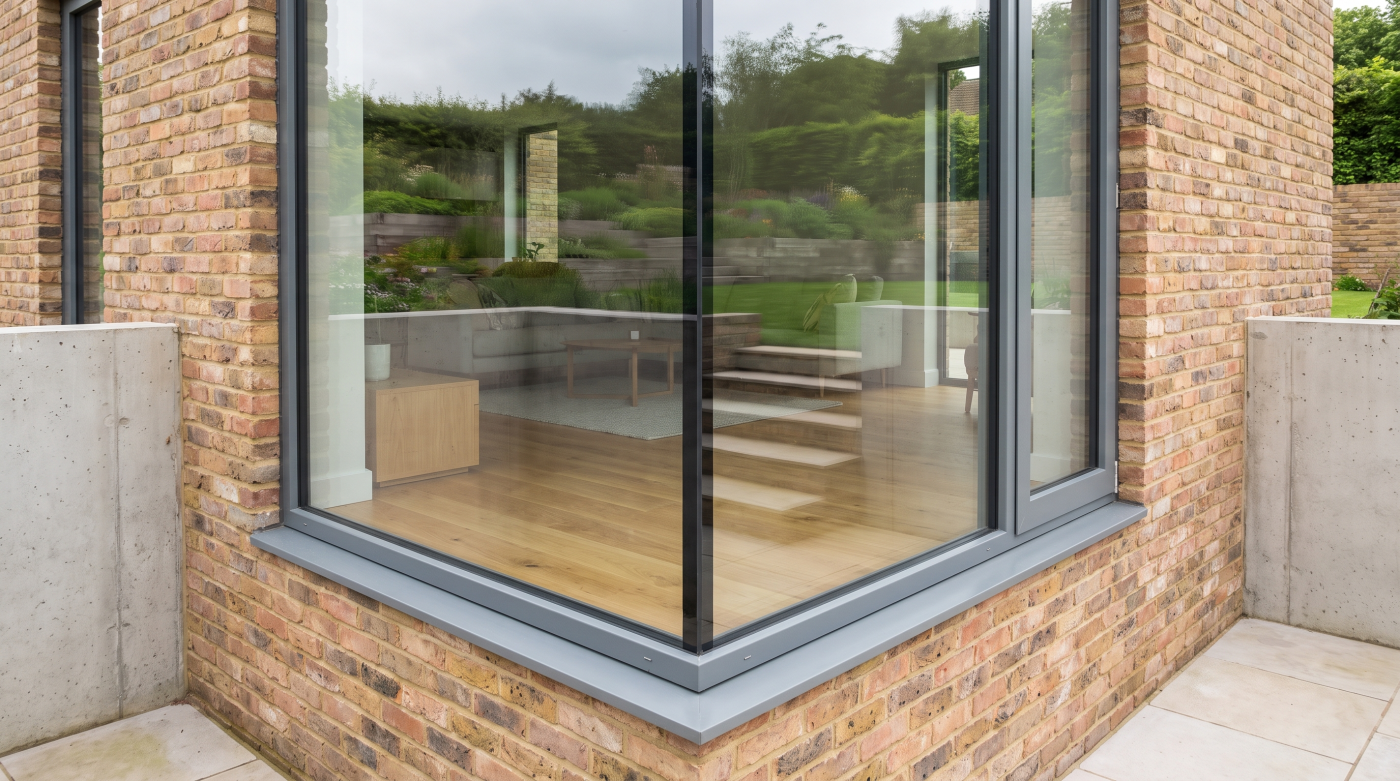
What Solar Control Glass Actually Does Solar control glass is designed to reduce the amount of solar energy passing through the glazing and contributing to heat inside the building. That becomes particularly relevant where architecture uses large areas of glass to bring in daylight, open up views and create a stronger connection with the landscape. […]
18
Aug
Aug
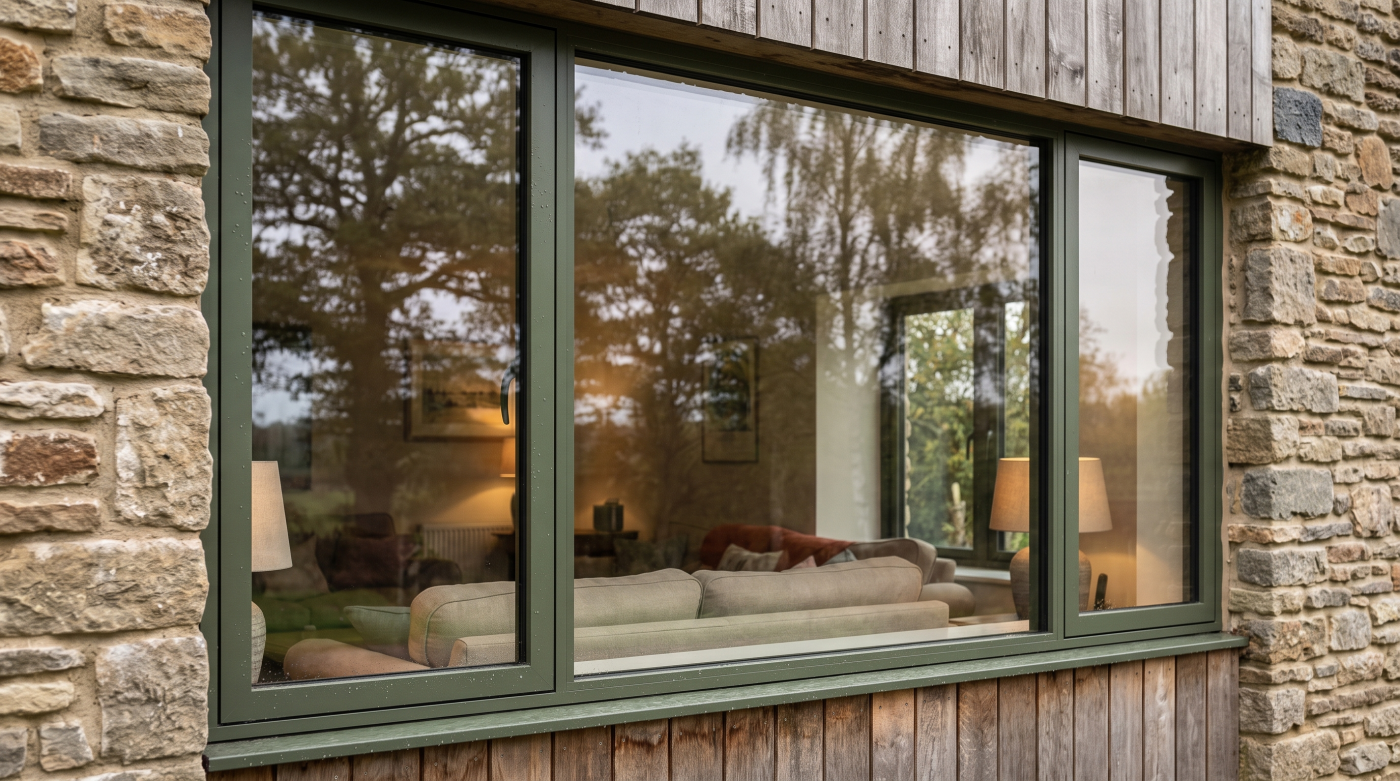
Where the Green Colour in Glass Comes From Glass is transparent, but that does not mean it is completely colourless. Standard clear architectural glass naturally has a subtle green appearance, and the main reason is the small amount of iron present within the raw materials used to manufacture it. For most conventional windows, this colour […]
18
Aug
Aug
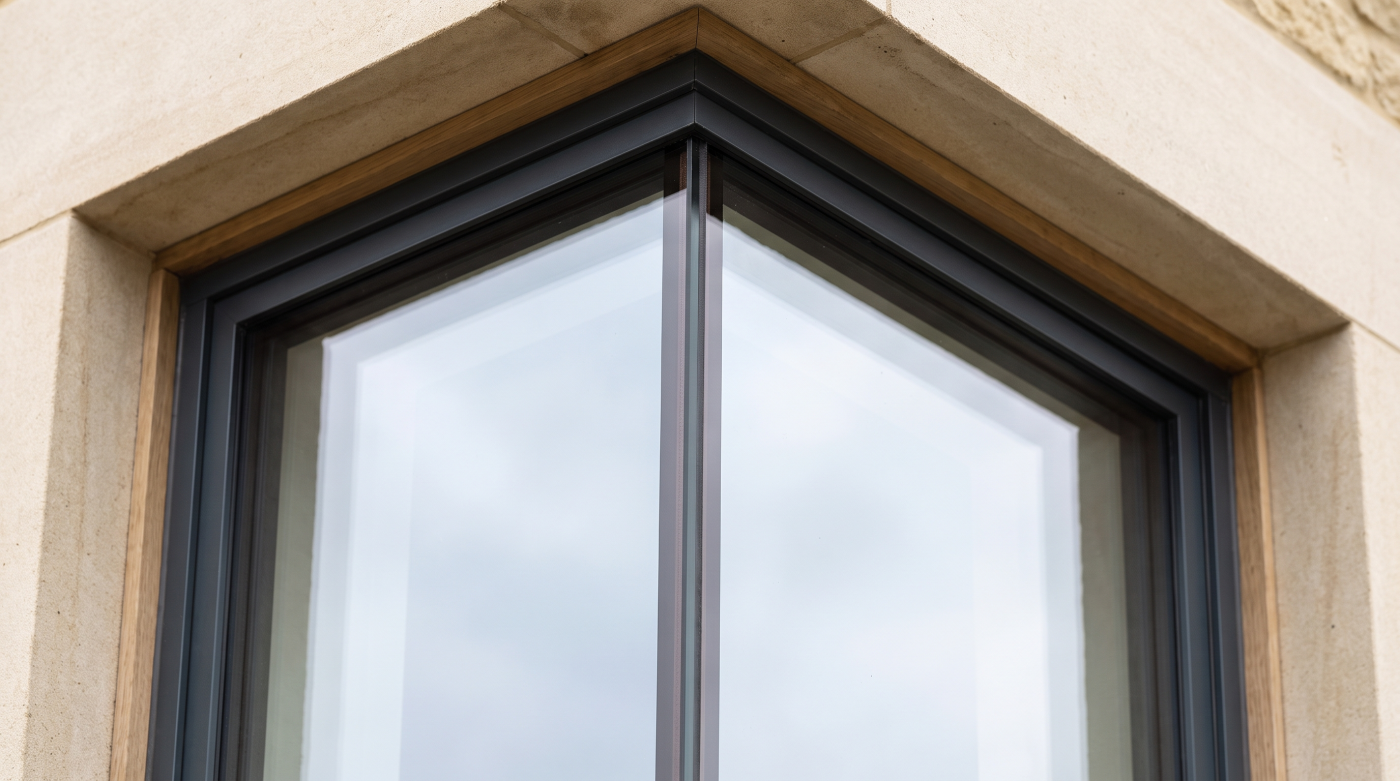
The Fundamental Difference: What Happens When the Glass Breaks? The clearest way to understand the difference between toughened and laminated glass is not simply to ask which one is stronger. It is to ask a more useful question: what happens if the glass actually breaks? Toughened glass has undergone a controlled heat-treatment process that changes […]
18
Aug
Aug
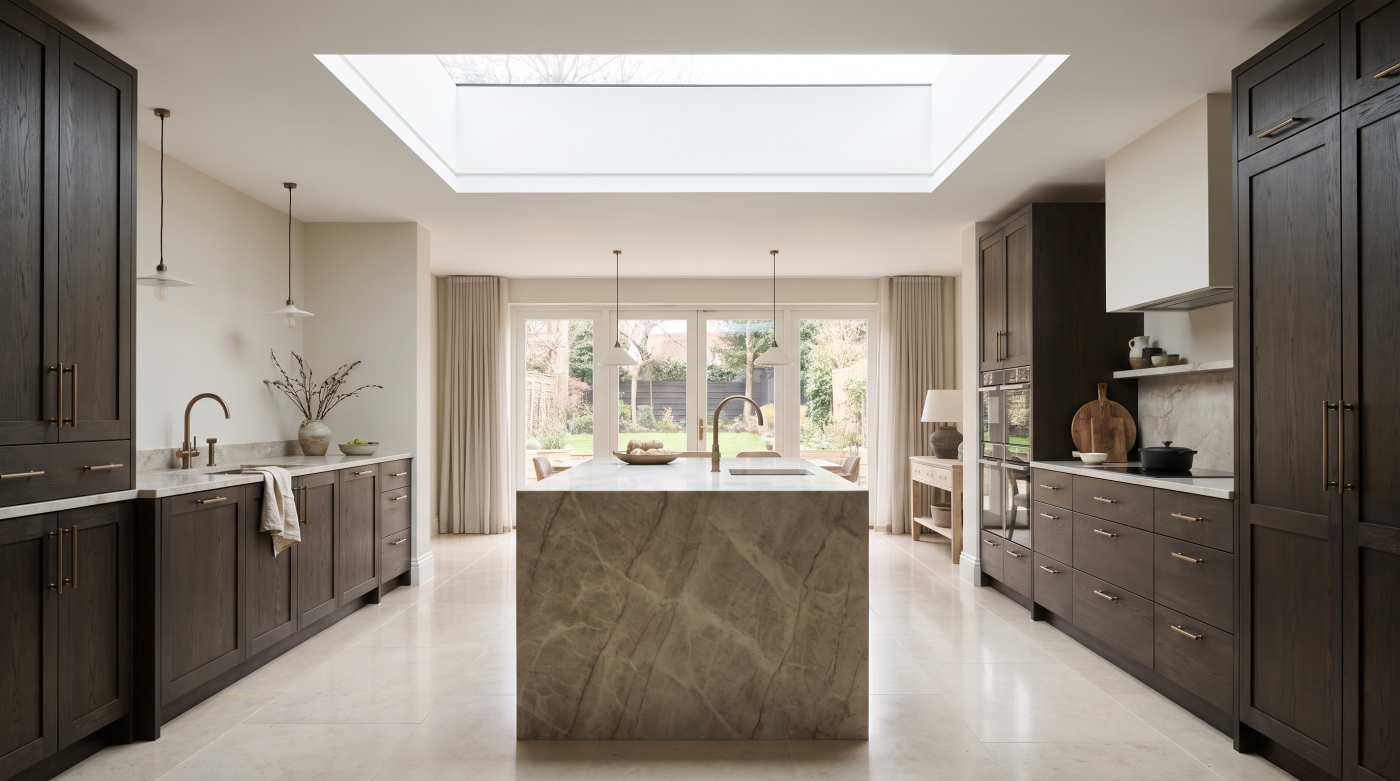
What Is a Low-E Coating? Low-E stands for low emissivity. In practical terms, a low-E coating is an extremely thin engineered layer incorporated into the glazing to help reduce the transfer of radiant heat through the glass. It can have a significant influence on thermal performance while remaining visually subtle within the finished window or […]
13
Aug
Aug
The Problem Usually Starts With a Good Idea Rooflight overheating rarely begins with an obviously unreasonable design decision. More often, it begins with something entirely desirable: a brighter interior, a stronger connection with the sky and more daylight reaching parts of a home that conventional windows cannot easily serve. Consider a typical contemporary extension. Large […]

13
Aug
Aug
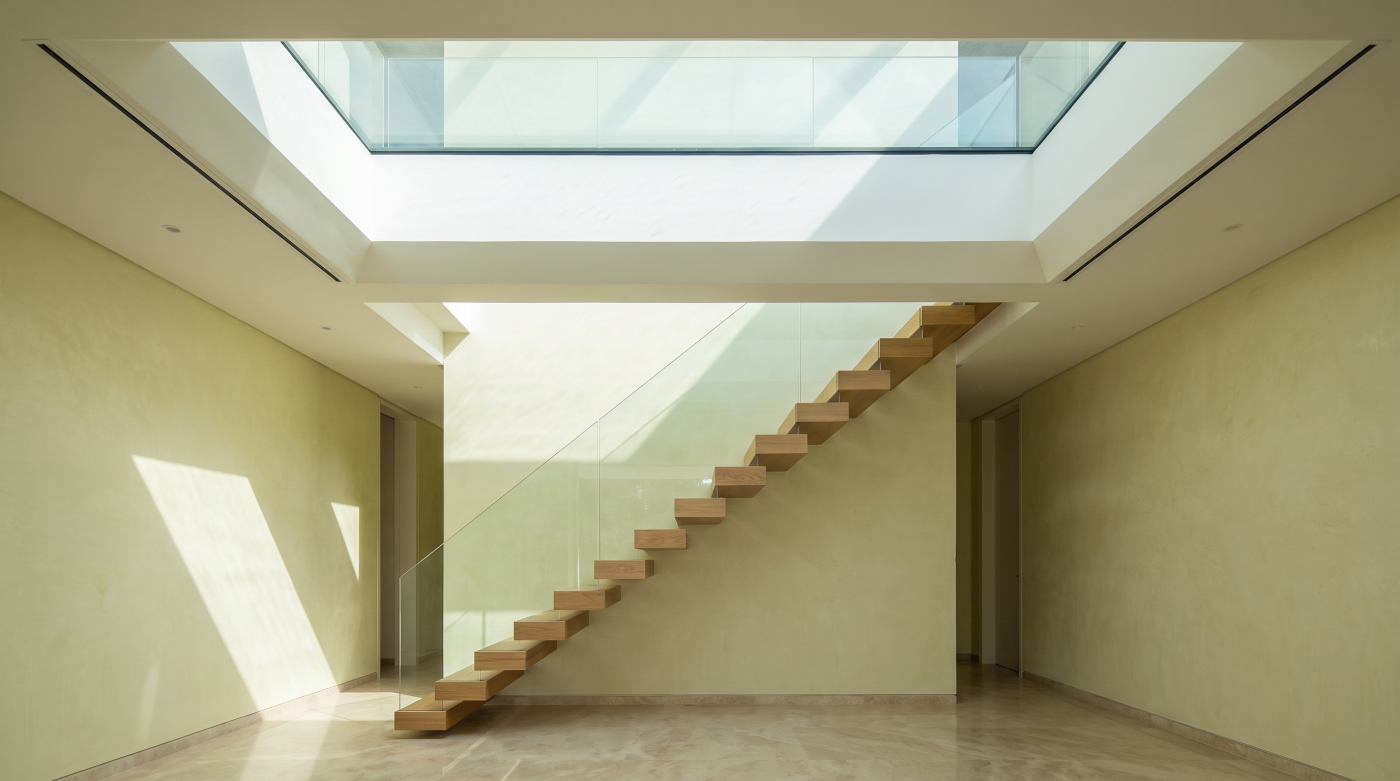
A “Flat” Rooflight Still Has to Manage Water The word flat can create a misleading impression when discussing rooflights. Architecturally, a flat rooflight may appear as a simple sheet of glass sitting almost effortlessly within the roof. Rainwater, however, still needs somewhere to go. The visual simplicity of the finished glazing does not remove the […]
13
Aug
Aug
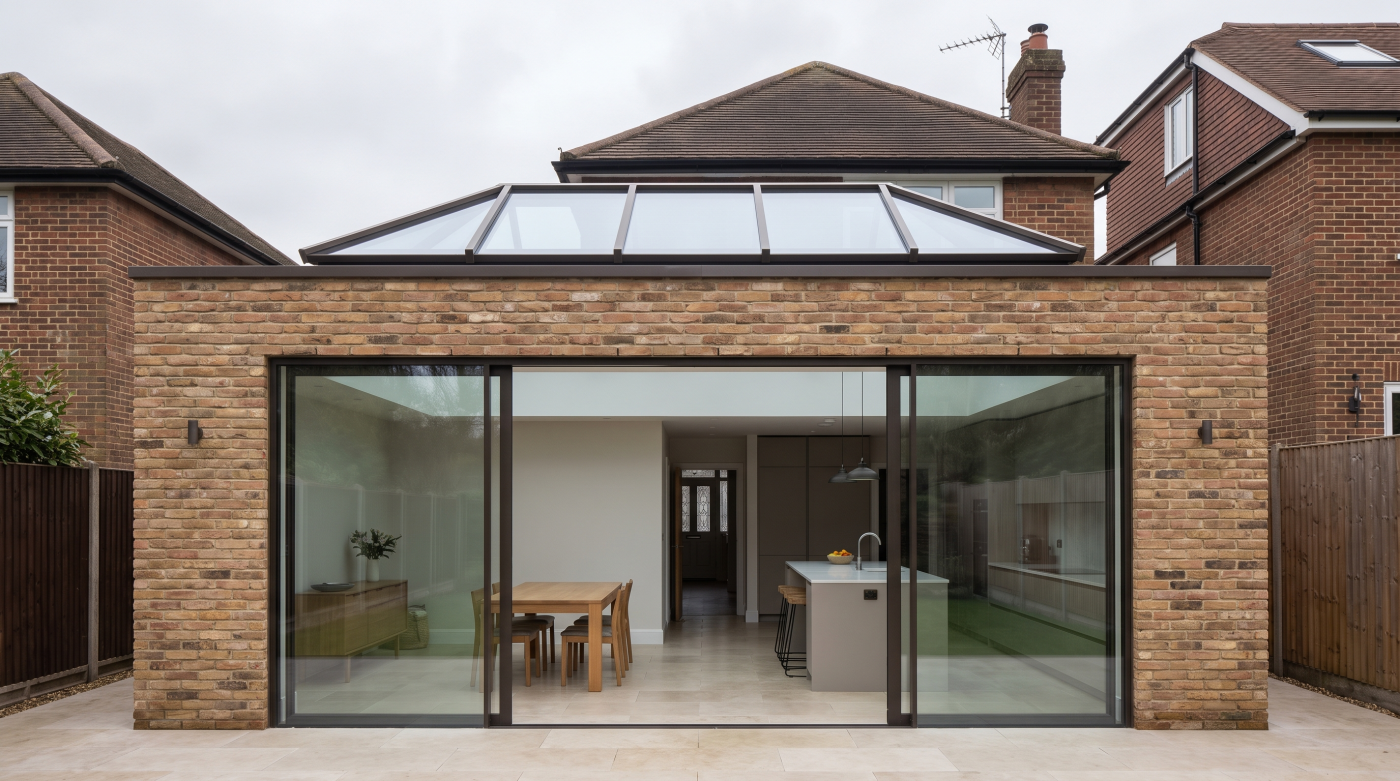
Daylight From Above Behaves Differently Daylight entering through a roof does not behave in quite the same way as daylight entering through a wall. A conventional window creates an outward relationship, connecting the interior with a garden, street or landscape beyond. Its view is predominantly towards the horizon. A rooflight turns that relationship upwards, introducing […]
13
Aug
Aug
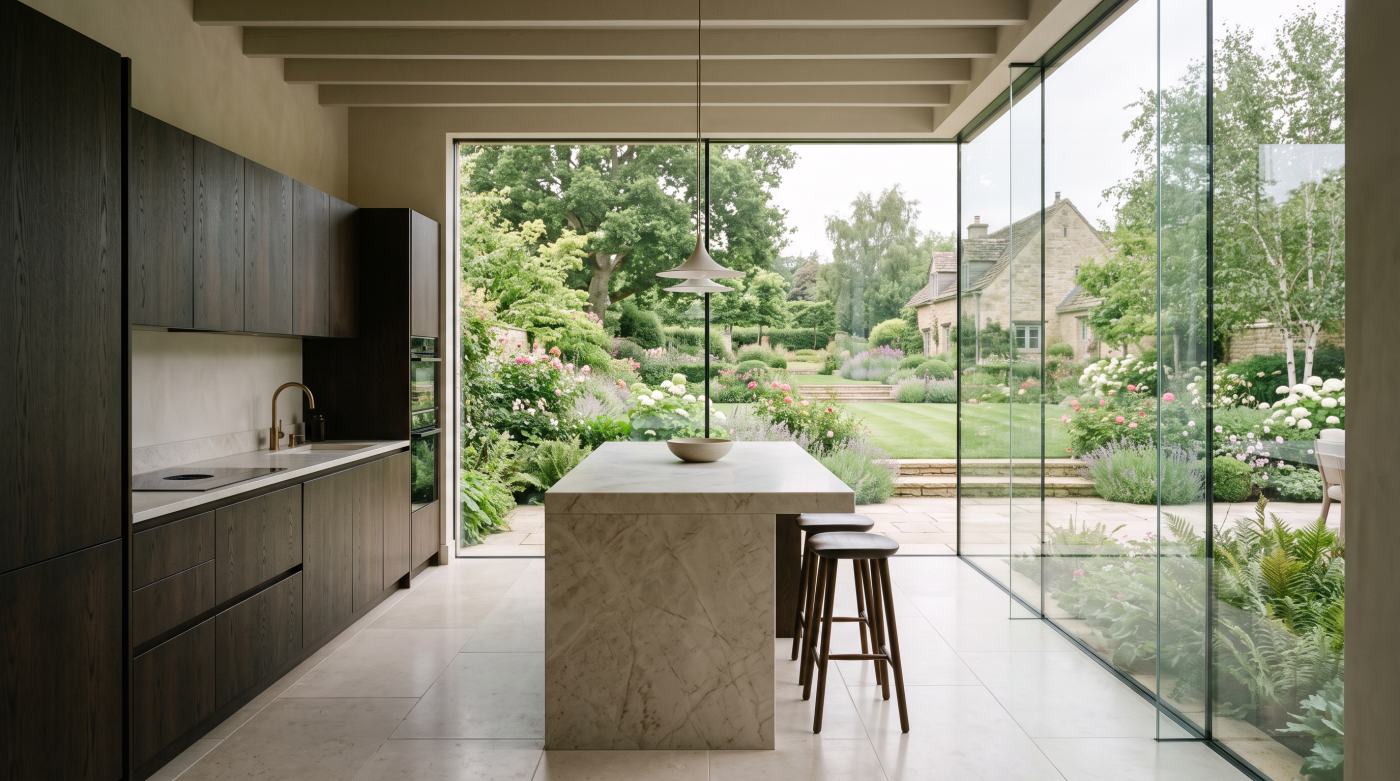
Rooflights and Roof Lanterns Create Different Kinds of Space Rooflights and roof lanterns are often discussed as alternative ways of achieving the same objective: bringing more daylight into a room from above. Yet their architectural effect can be markedly different. The distinction is not simply one of appearance on the roof. Each changes the relationship […]
12
Aug
Aug
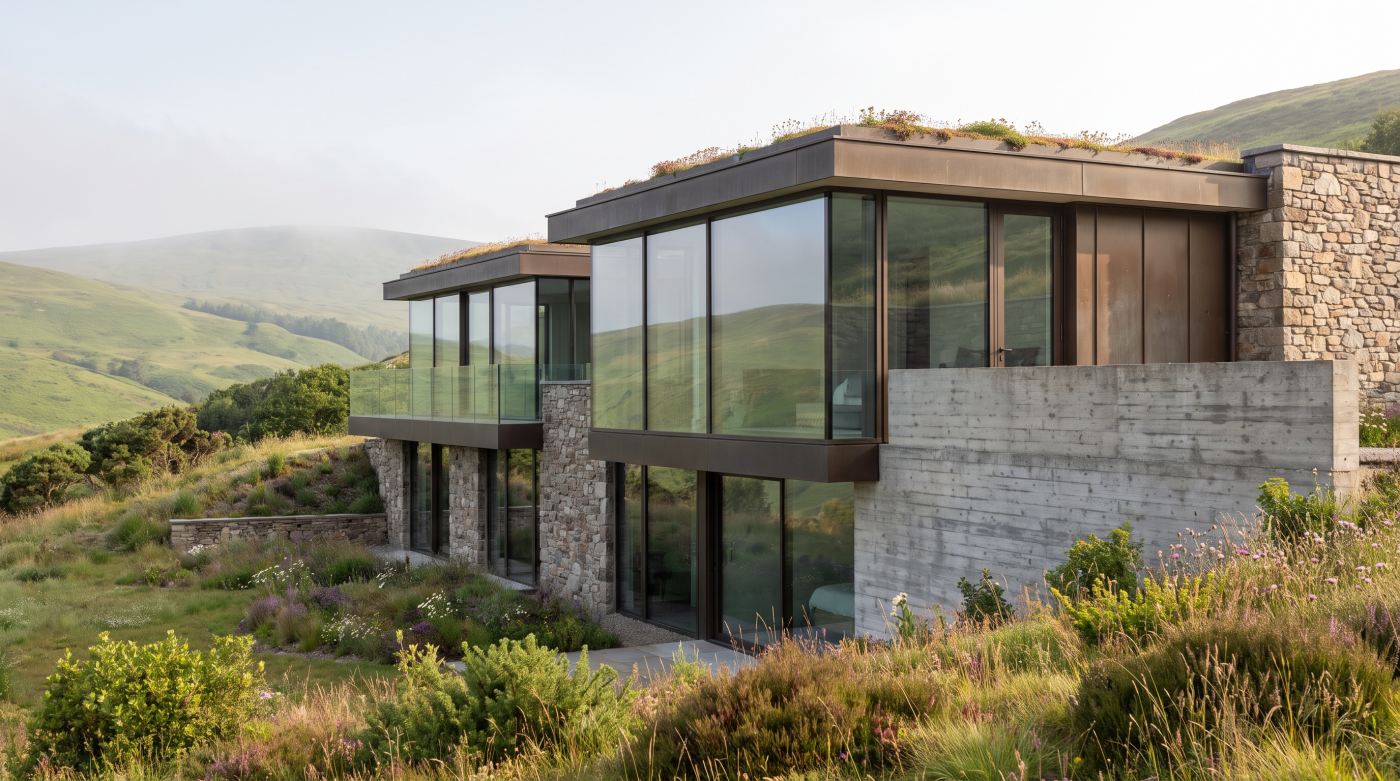
Why There Is No Single Maximum Glass Size The question of how large a single pane of glass can be appears to invite a simple answer: a maximum width, a maximum height, perhaps a maximum overall area. In architectural glazing, however, those dimensions rarely exist as universal limits. The realistic size of a pane emerges […]
11
Aug
Aug
Why Slimmer Does Not Automatically Mean Colder It is easy to assume that making a glazing frame slimmer must come at the expense of thermal performance. The reasoning appears intuitive: if there is less visible frame around the glass, there must surely be less material available to resist heat transfer. In practice, however, sightline and […]
11
Aug
Aug
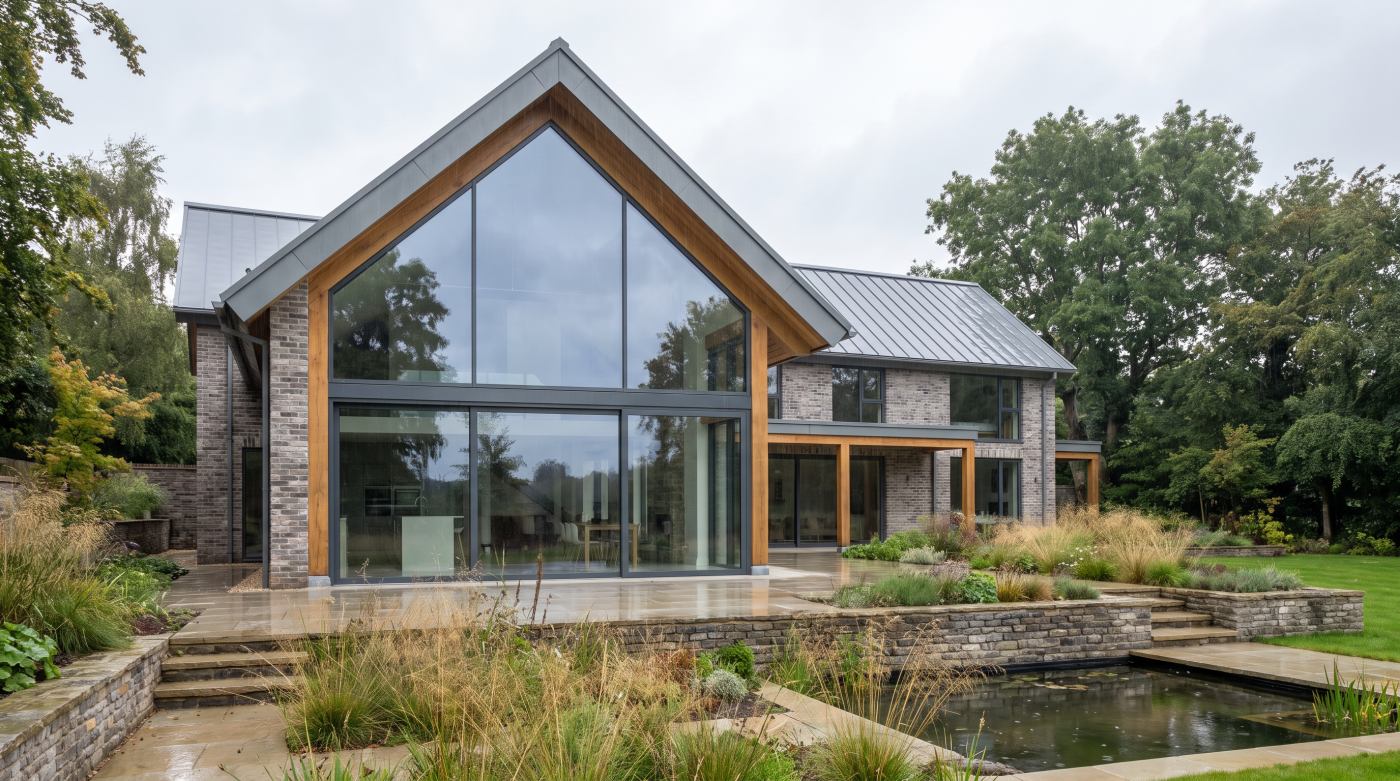
Why Sightline Is an Aesthetic Metric, Not a Performance Rating Sightline dimensions are useful because they describe something immediately visible. When two glazed panels meet, the width of the framing between them contributes directly to the character of the elevation, and it is understandable that architects and homeowners use this measurement when comparing minimal glazing […]
11
Aug
Aug
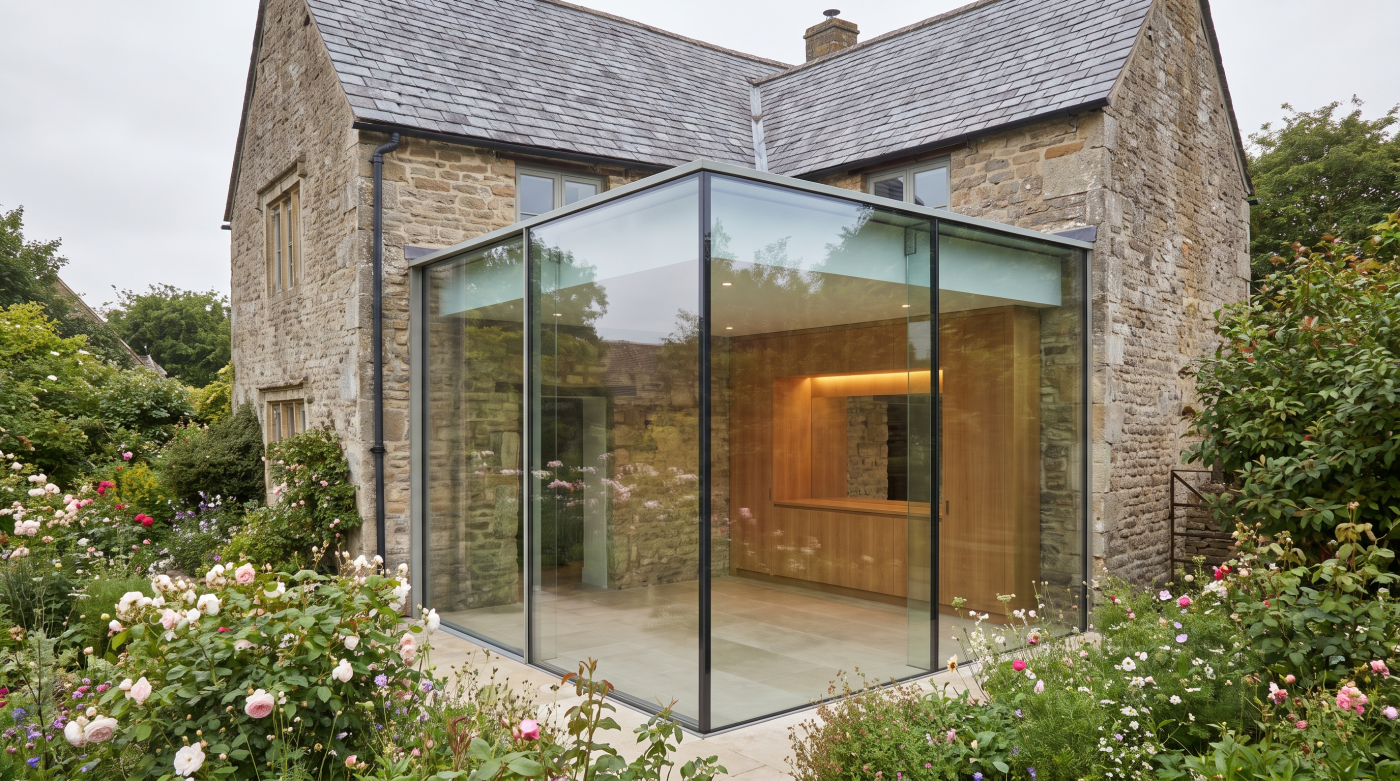
Why There Is No Single Minimum Sightline At first glance, asking how slim a glazing sightline can be seems as though it should have a straightforward numerical answer. Contemporary glazing systems are often discussed in terms of increasingly narrow profiles, making it natural to compare one dimension with another. The difficulty is that a sightline […]
11
Aug
Aug
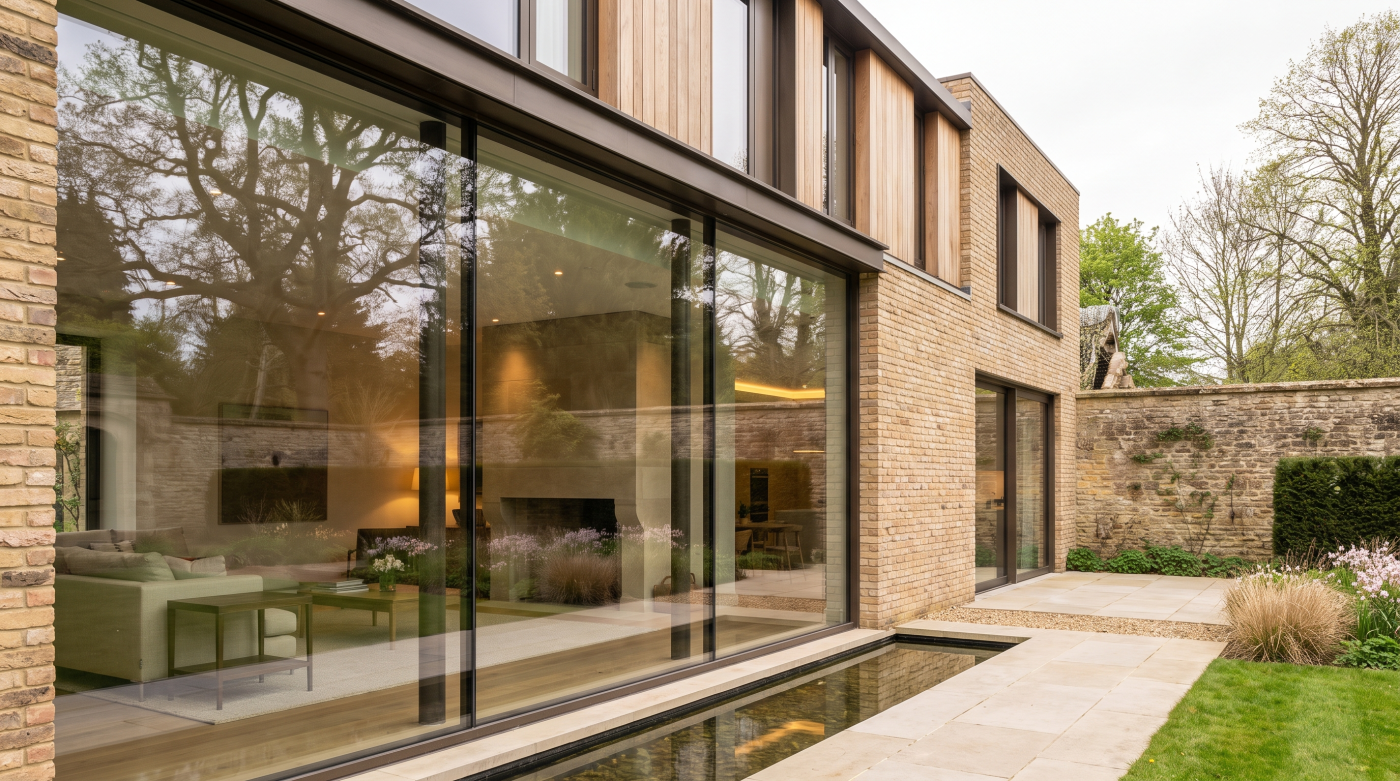
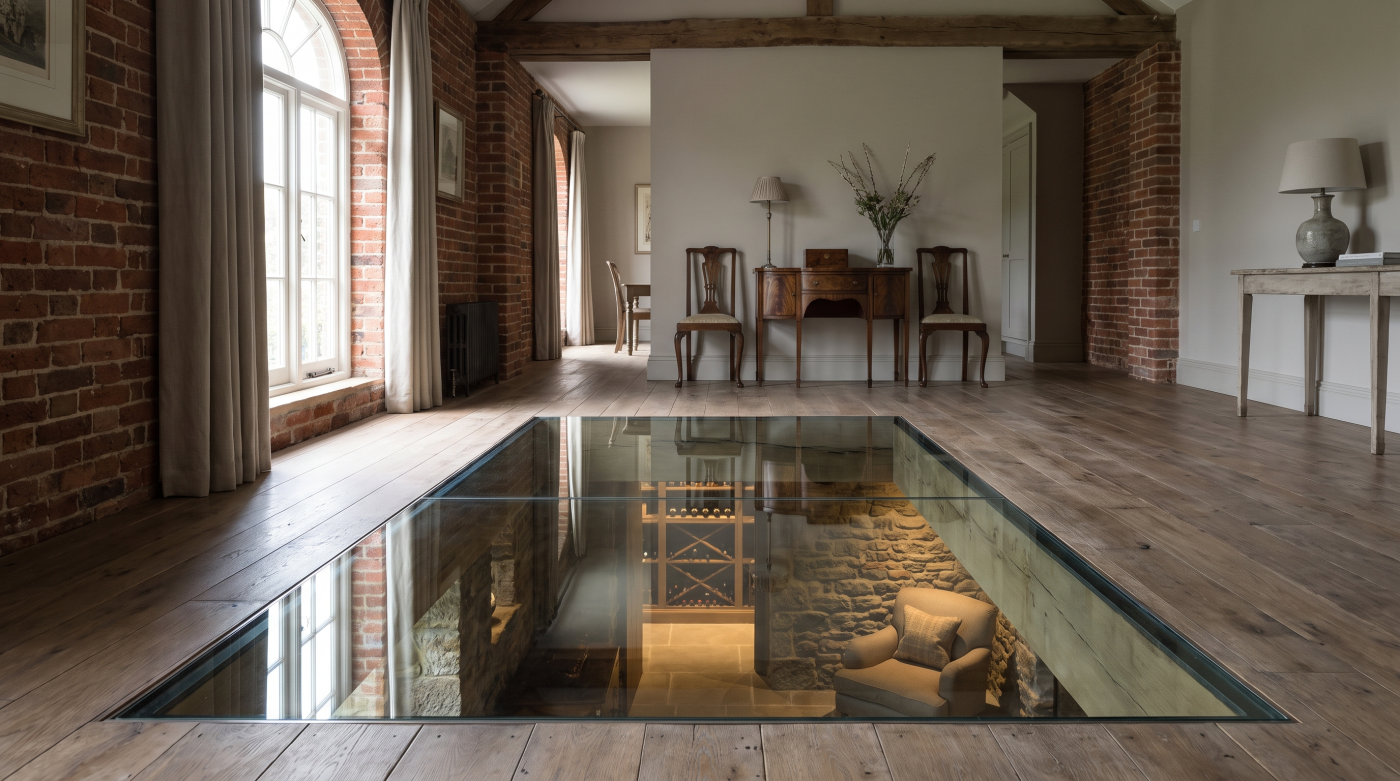
Why Architects Pursue Slimmer Sightlines The appeal of slim sightlines is easy to understand. In contemporary architecture, glazing is often intended to do more than bring daylight into a room; it is used to establish a visual relationship between the interior, the landscape and the wider setting of the building. As glazed openings become larger, […]
10
Aug
Aug
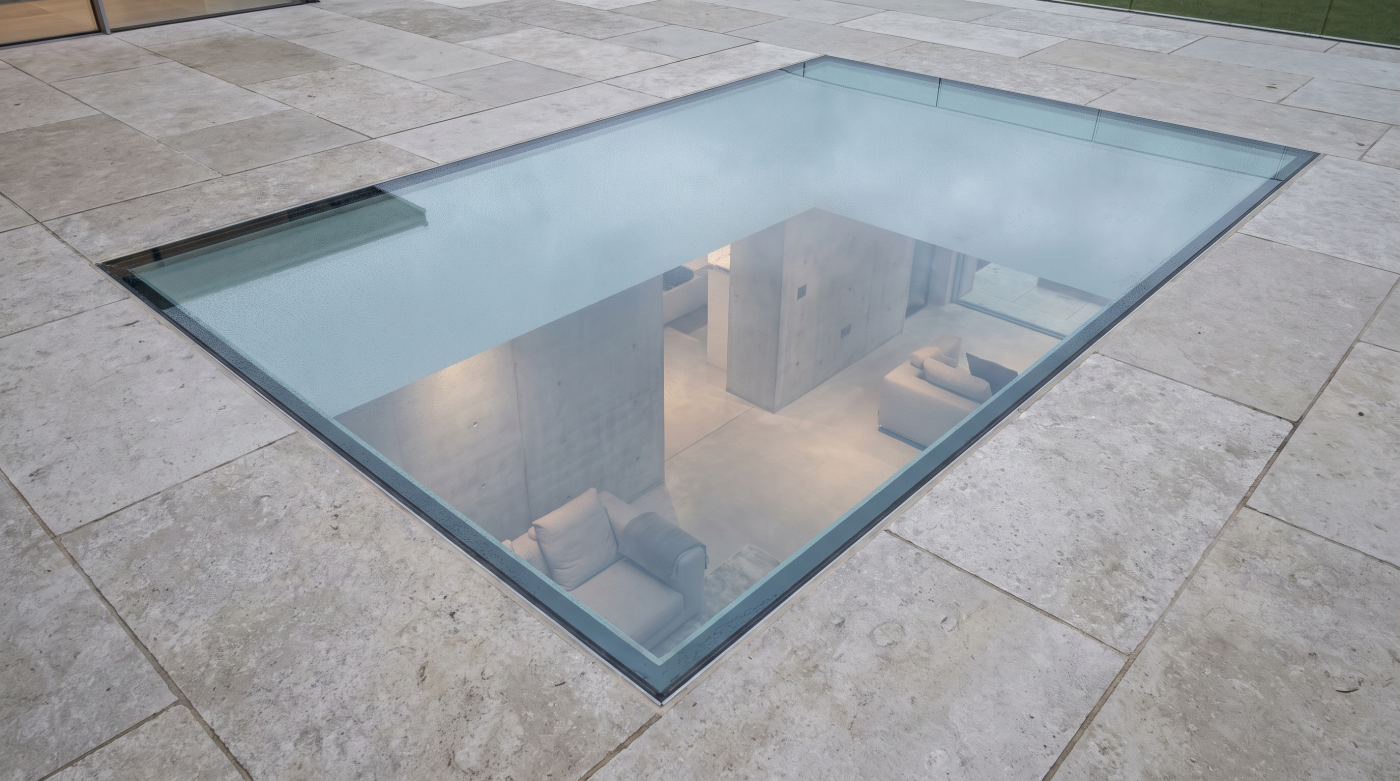
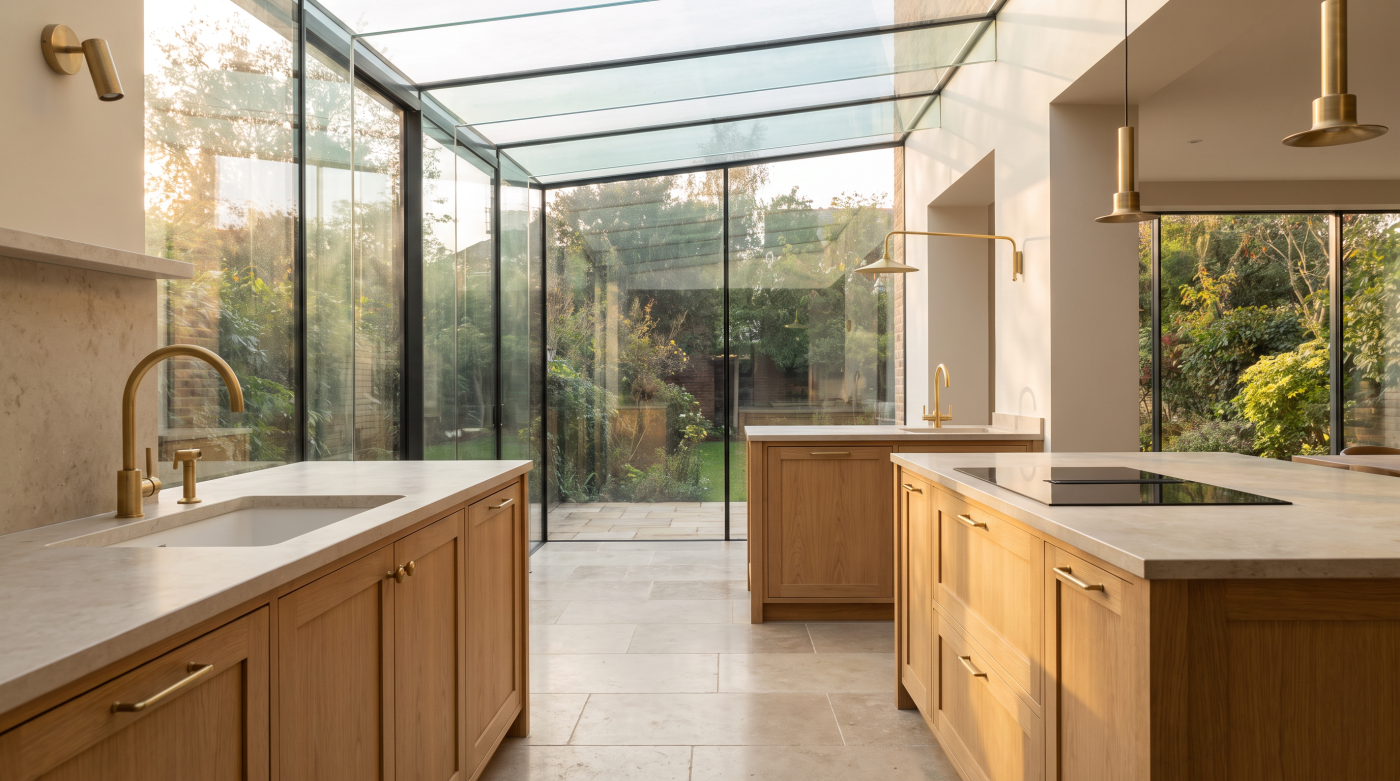
Walk-On Glass Is a Structural Element, Not a Window Underfoot Walk-on glass has an unusual ability to challenge our expectations of a building. Floors are normally understood as solid, substantial surfaces, yet structural glass can replace part of that solidity with transparency, allowing daylight and views to pass between spaces that would otherwise remain visually […]
10
Aug
Aug
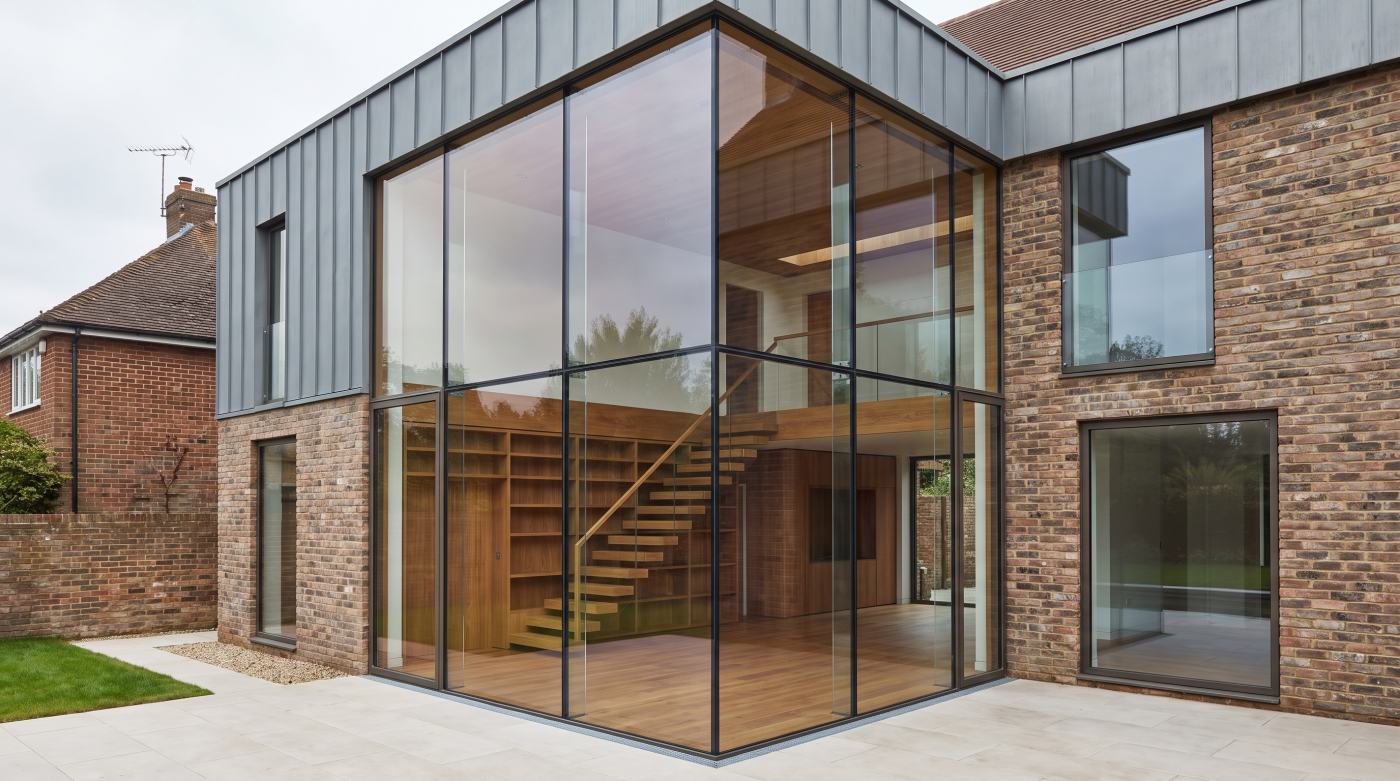
Start With the Architecture, Not the Glass The idea of a glass box extension is immediately appealing. Expansive transparent walls, uninterrupted views and a seamless connection with the garden can transform the character of a home, particularly when a contemporary addition is placed alongside an older or more traditional building. It is therefore understandable that […]

05
Aug
Aug
Architectural Glazing Is About Priorities, Not Unlimited Budgets One of the most persistent misconceptions surrounding architectural glazing is that it belongs exclusively to exceptional homes with exceptional budgets. Contemporary architecture is often presented through dramatic photography featuring vast walls of glass, expansive sliding doors and ambitious structural engineering, creating the impression that architectural glazing is […]
03
Aug
Aug
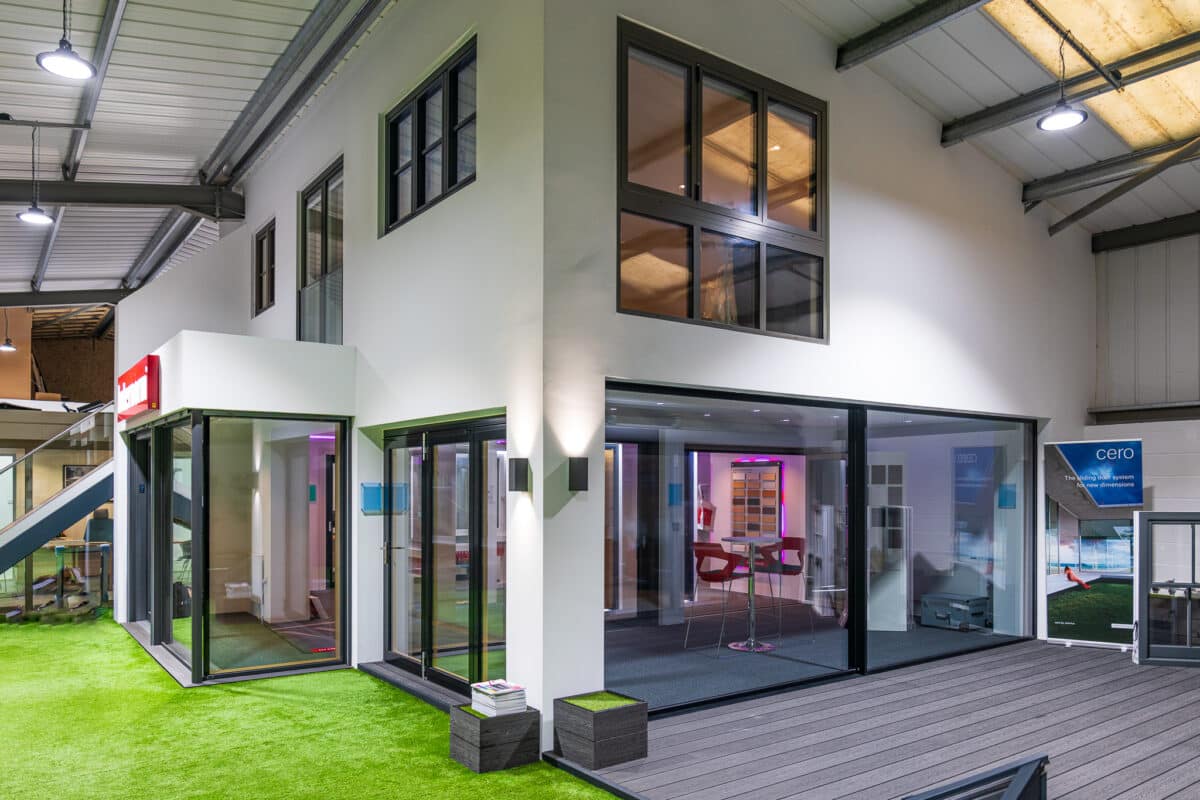
You Experience Products, Not Just Pictures Most homeowners begin their glazing journey online. They browse manufacturer websites, compare brochures, save inspiration from Pinterest and Instagram, and read articles about different window systems before speaking to a supplier. This research is an important first step, but architects understand that it can only take a project so […]
03
Aug
Aug
Start With the Home, Not the Windows One of the most common mistakes homeowners make when approaching a glazing supplier is beginning the conversation with products rather than the project itself. Questions such as “Do you supply slim sliding doors?” or “Which aluminium windows do you recommend?” are understandable, but they encourage discussion about solutions […]
03
Aug
Aug
What Is the Building Trying to Achieve? When homeowners begin choosing new windows and doors, the conversation often starts with products, colours or quotations. Architects approach the process from an entirely different perspective. Before considering frame systems or glazing specifications, they first ask what the building is trying to achieve. Every subsequent decision is then […]
03
Aug
Aug
A Site Survey Is About More Than Measurements Many homeowners assume that a site survey is simply the stage at which someone visits the property to measure window openings before manufacturing begins. While accurate dimensions are certainly an important part of the process, architects and experienced glazing professionals understand that a proper site survey serves […]
31
Jul
Jul
What Does Supply-Only Actually Mean? The term supply only is frequently used within the glazing industry, yet it is often misunderstood by homeowners comparing quotations for windows and doors. While it may appear to describe a simpler or more affordable purchasing option, it actually refers to a distinct procurement route in which the supplier provides […]