
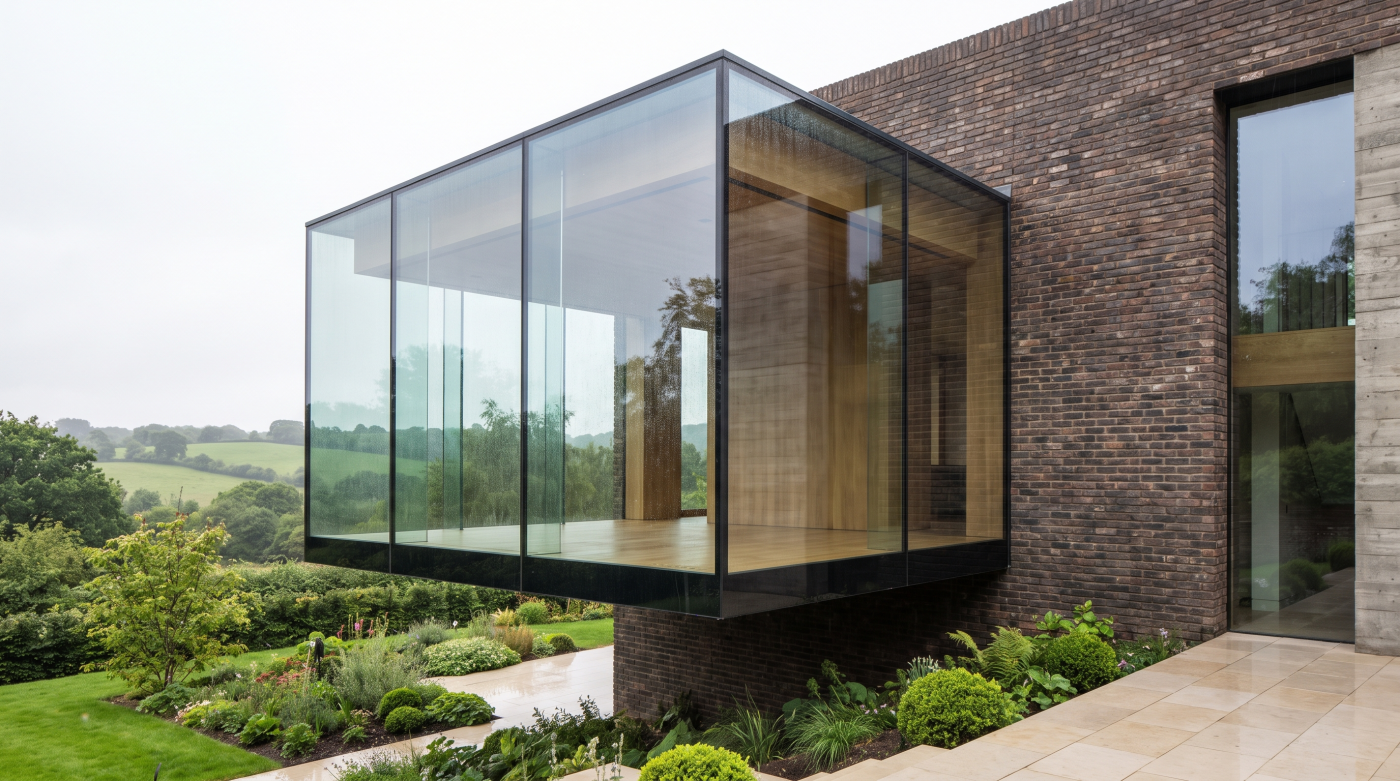
Why Replacing Walls With Glass Changes the Room Completely A glass wall may visually disappear, but environmentally it behaves very differently from the insulated wall it replaces. That distinction becomes increasingly important as the amount of glazing grows. An opaque external wall is primarily designed to separate the internal environment from external conditions. Architectural glazing […]
Tag Archives: glazing specification
14
Aug
Aug
A Structural Opening Is Not Just a Hole for the Glass One of the most common misconceptions with large-format glazing is that the structure can be designed first and the glass simply made to fit the opening afterwards. At a basic level, that sounds reasonable: the engineer establishes a structurally suitable opening, the steelwork is […]
12
Aug
Aug
Why There Is No Single Maximum Glass Size The question of how large a single pane of glass can be appears to invite a simple answer: a maximum width, a maximum height, perhaps a maximum overall area. In architectural glazing, however, those dimensions rarely exist as universal limits. The realistic size of a pane emerges […]

12
Aug
Aug
Minimalism Removes Visual Complexity, Not Technical Complexity The appeal of a minimal sliding system lies partly in how little of the system appears to remain. Large panes of glass replace conventional areas of framing, vertical divisions become increasingly restrained, and tracks or perimeter frames may be integrated into the surrounding architecture. The completed elevation can […]
11
Aug
Aug
Why Slimmer Does Not Automatically Mean Colder It is easy to assume that making a glazing frame slimmer must come at the expense of thermal performance. The reasoning appears intuitive: if there is less visible frame around the glass, there must surely be less material available to resist heat transfer. In practice, however, sightline and […]
11
Aug
Aug
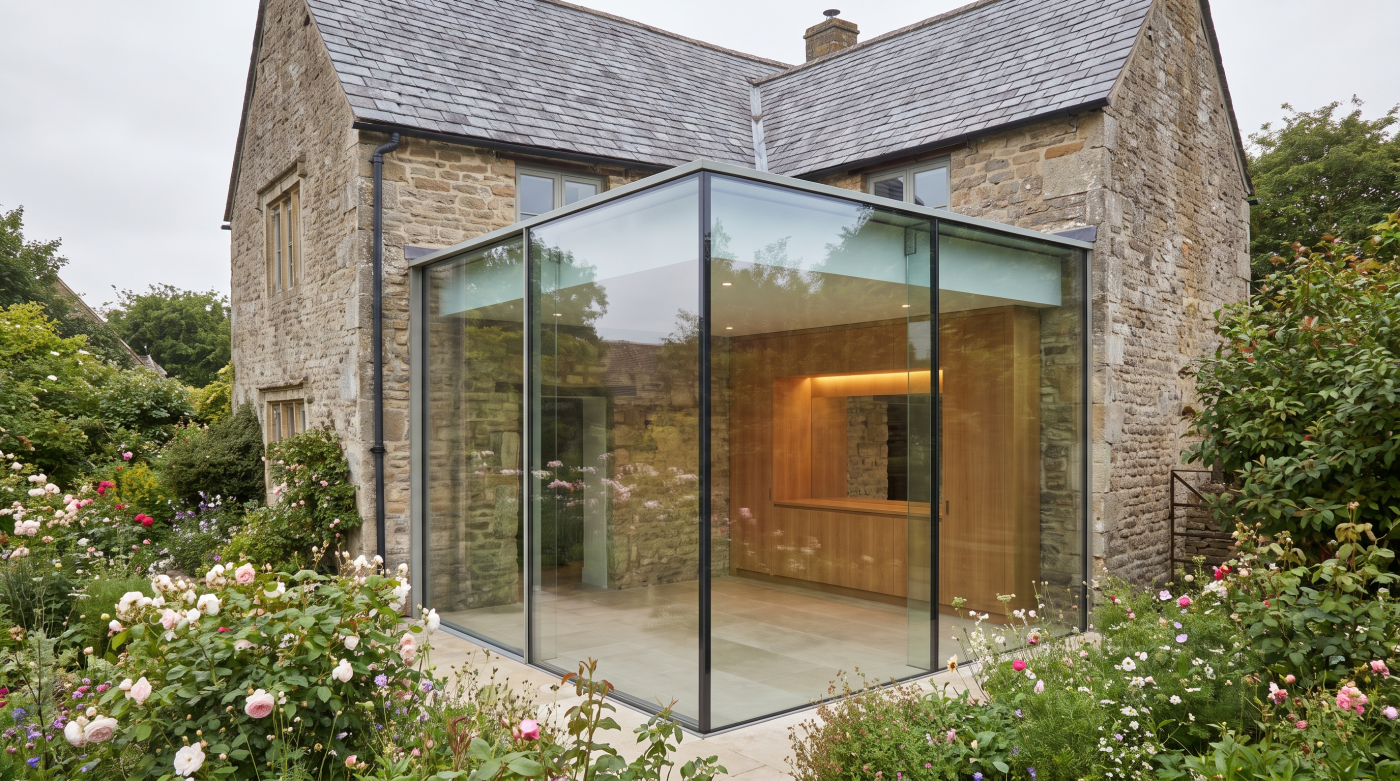
Why There Is No Single Minimum Sightline At first glance, asking how slim a glazing sightline can be seems as though it should have a straightforward numerical answer. Contemporary glazing systems are often discussed in terms of increasingly narrow profiles, making it natural to compare one dimension with another. The difficulty is that a sightline […]
11
Aug
Aug
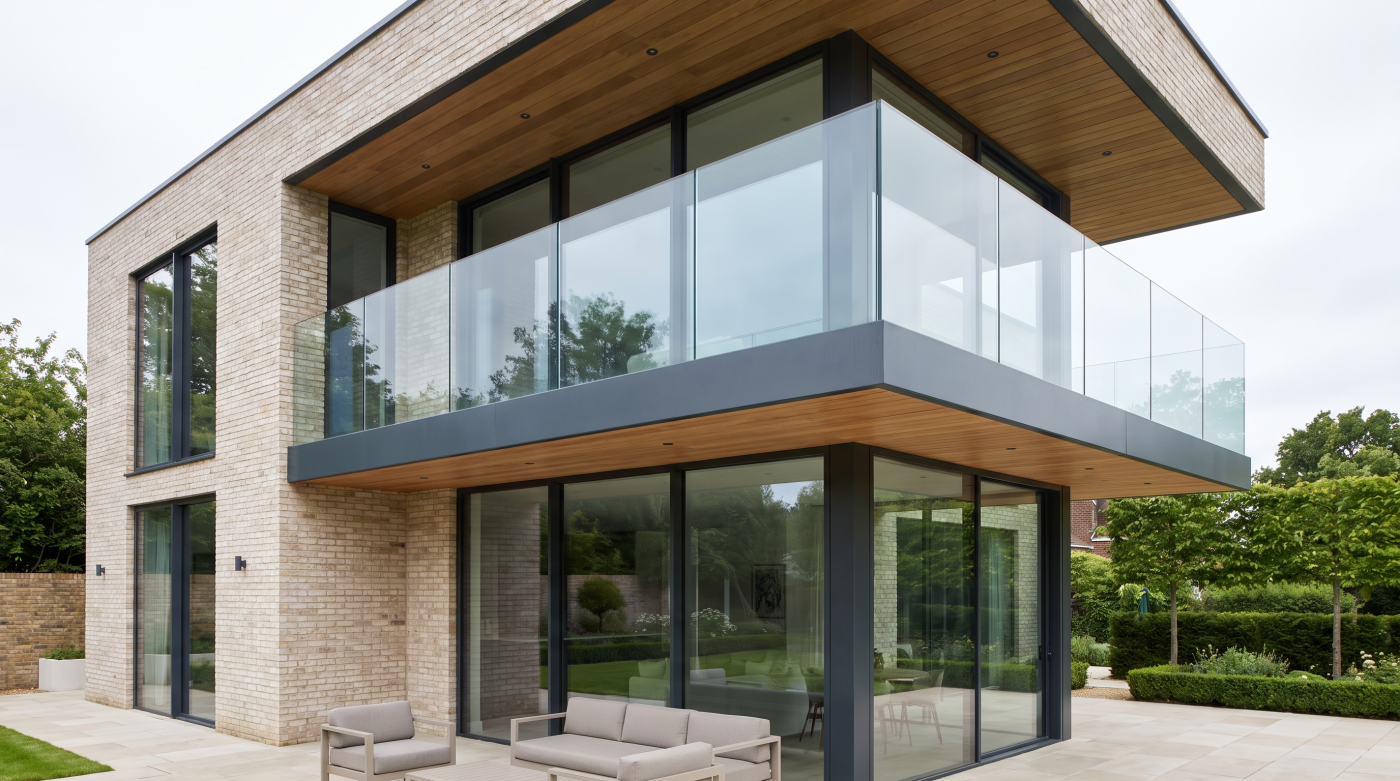
Why Architects Pursue Slimmer Sightlines The appeal of slim sightlines is easy to understand. In contemporary architecture, glazing is often intended to do more than bring daylight into a room; it is used to establish a visual relationship between the interior, the landscape and the wider setting of the building. As glazed openings become larger, […]
07
Aug
Aug
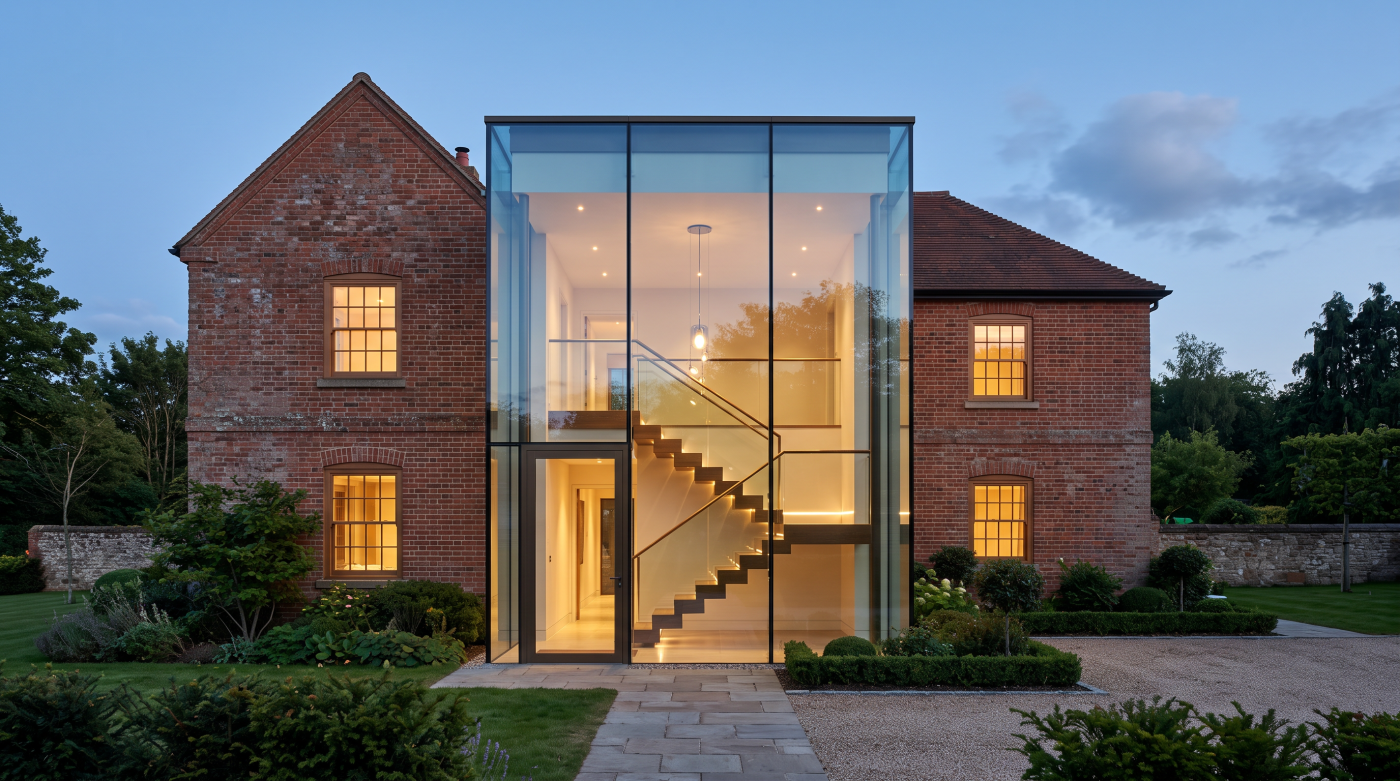
Glass Is Only One Part of the Specification Glass balustrades have become one of the defining features of contemporary residential architecture. Whether surrounding a first-floor balcony, lining an elegant staircase or framing a roof terrace, they create a feeling of openness that traditional railings often cannot achieve. Their clean lines allow views to remain uninterrupted, […]
06
Aug
Aug
Minimal Framing Is About What You Don’t Notice Few terms have become as popular in contemporary residential architecture as minimal framing. It appears throughout architectural magazines, planning applications, design discussions and product literature, often accompanied by images of expansive glass walls and remarkably slender aluminium profiles. Understandably, many homeowners conclude that minimal framing simply refers […]

05
Aug
Aug
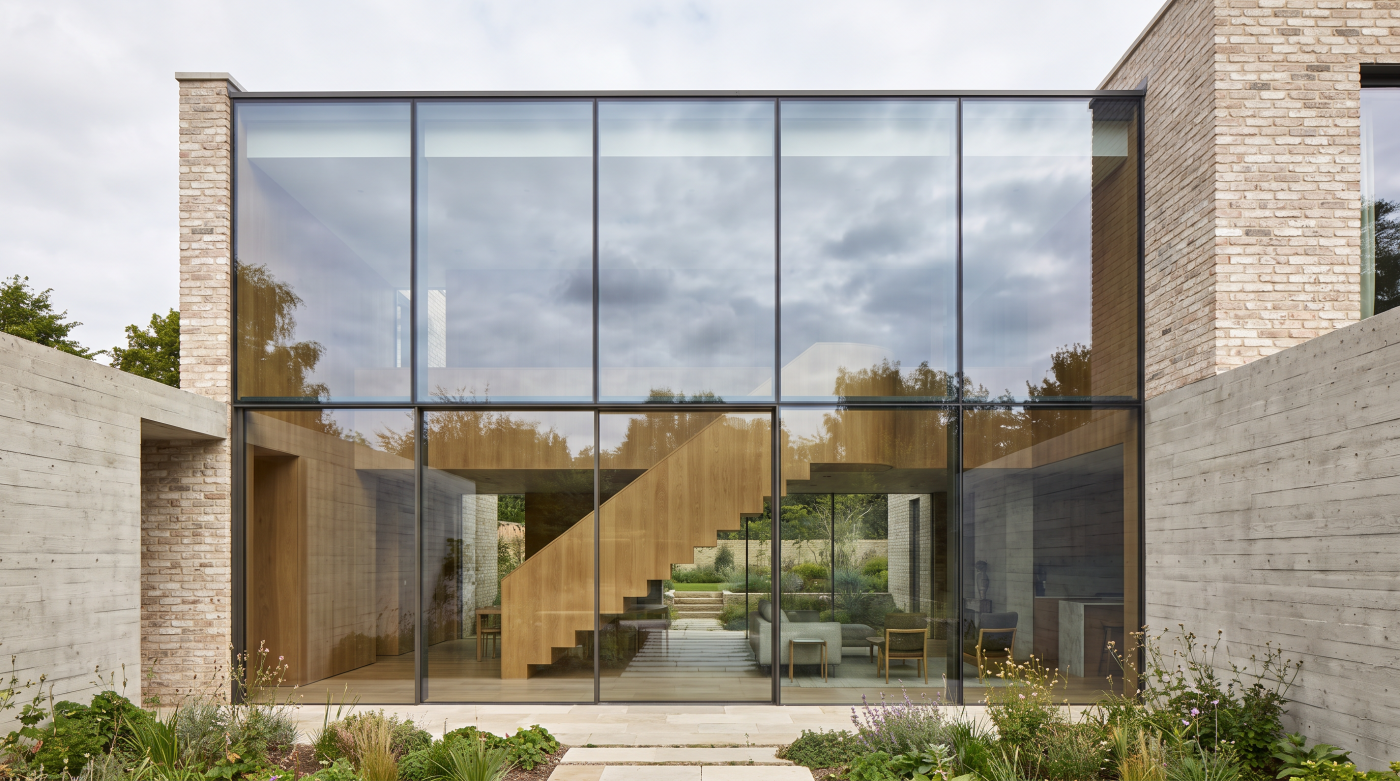
Architectural Glazing Is About Priorities, Not Unlimited Budgets One of the most persistent misconceptions surrounding architectural glazing is that it belongs exclusively to exceptional homes with exceptional budgets. Contemporary architecture is often presented through dramatic photography featuring vast walls of glass, expansive sliding doors and ambitious structural engineering, creating the impression that architectural glazing is […]
05
Aug
Aug
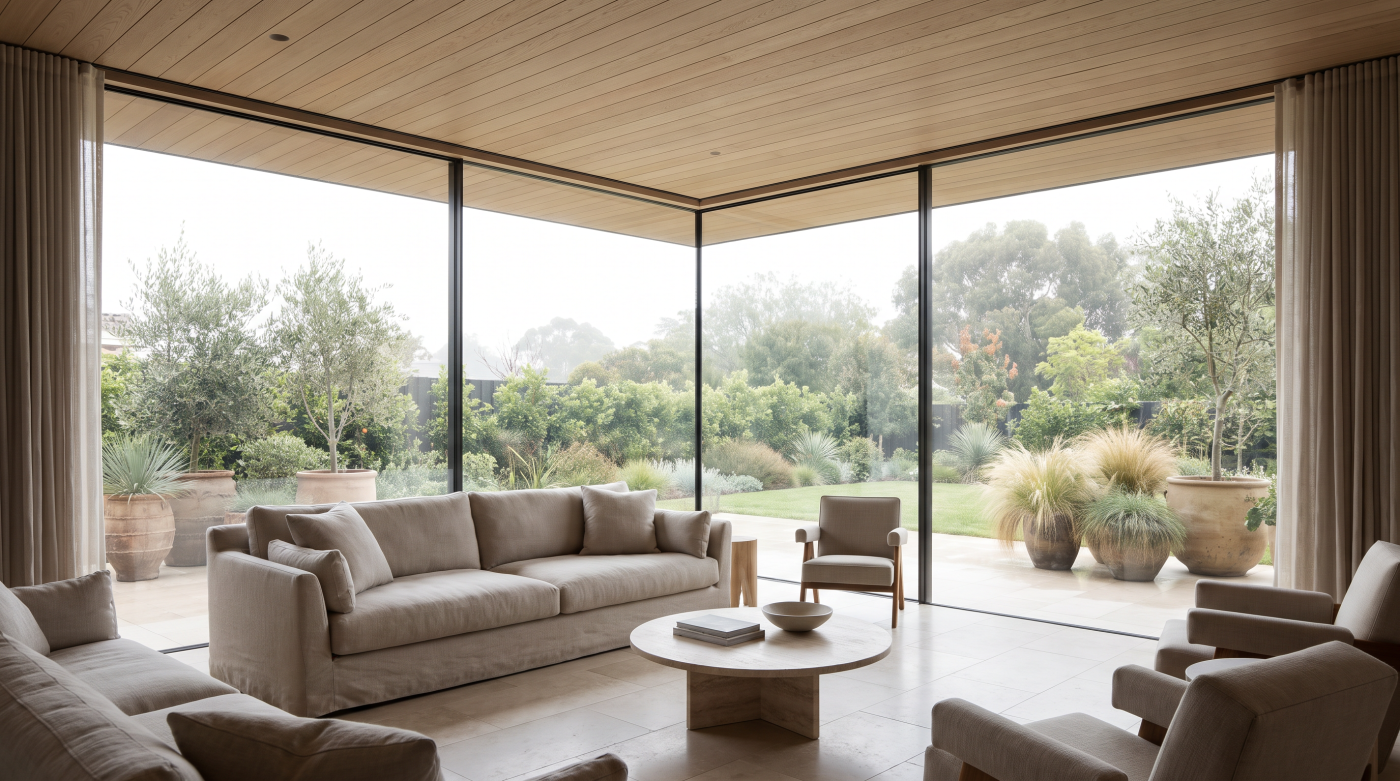
Large Glass Does Not Automatically Create Good Architecture Expansive glazing has become one of the defining visual characteristics of contemporary residential architecture. Magazine features, television programmes and social media are filled with dramatic images of floor-to-ceiling glass overlooking landscaped gardens, rolling countryside or coastal views. It is easy to understand why these projects capture the […]
05
Aug
Aug
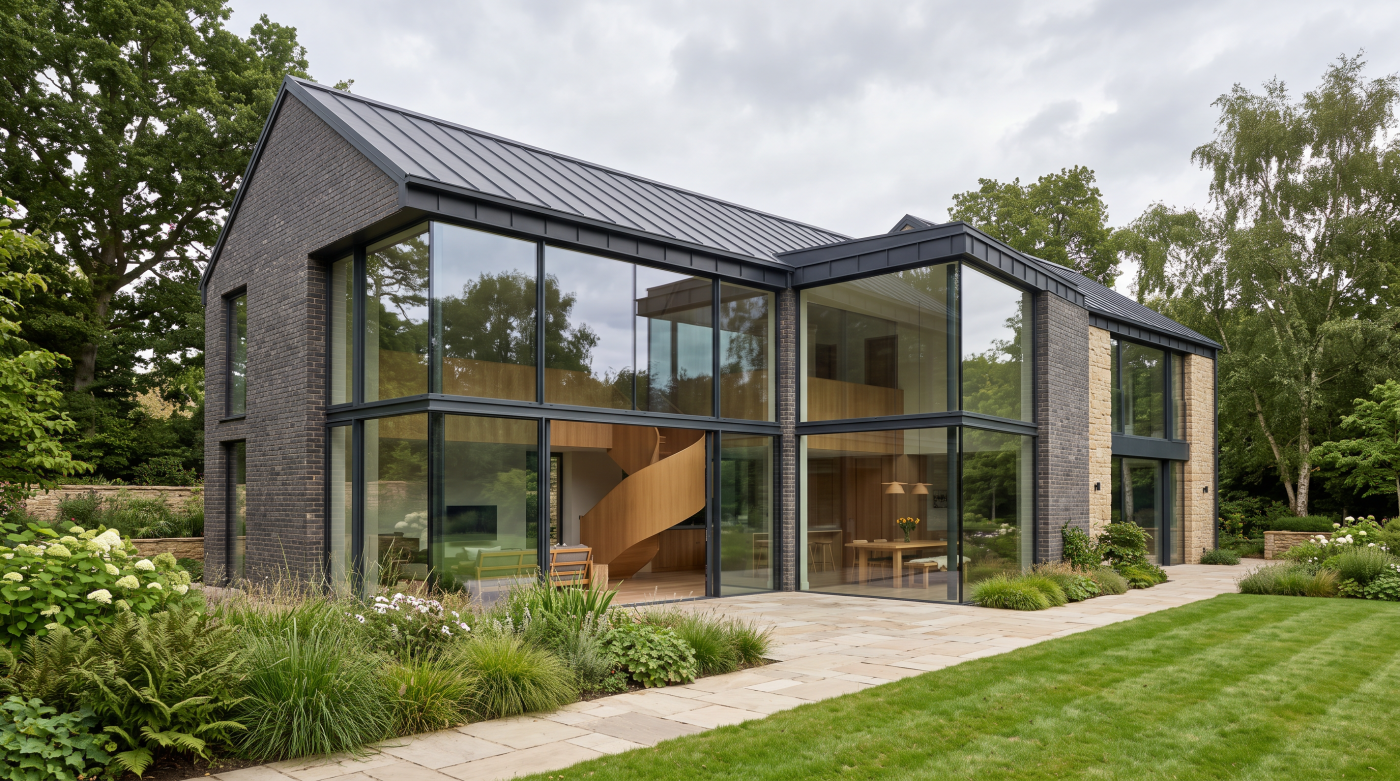
A House Is Designed Around Light, Not Around Windows When people begin planning a new home, extension or major renovation, it is natural to think about windows as individual products that will eventually be selected and installed. Architects tend to approach the process from the opposite direction. Before considering frame materials, glazing systems or opening […]
04
Aug
Aug
Architectural Glazing Is a Design Approach, Not a Product Category The term architectural glazing appears with increasing frequency in conversations about contemporary homes, yet it is also one of the most misunderstood expressions in residential design. For many homeowners, it immediately brings to mind expansive sliding doors, dramatic glazed corners or floor-to-ceiling glass that blurs […]

04
Aug
Aug
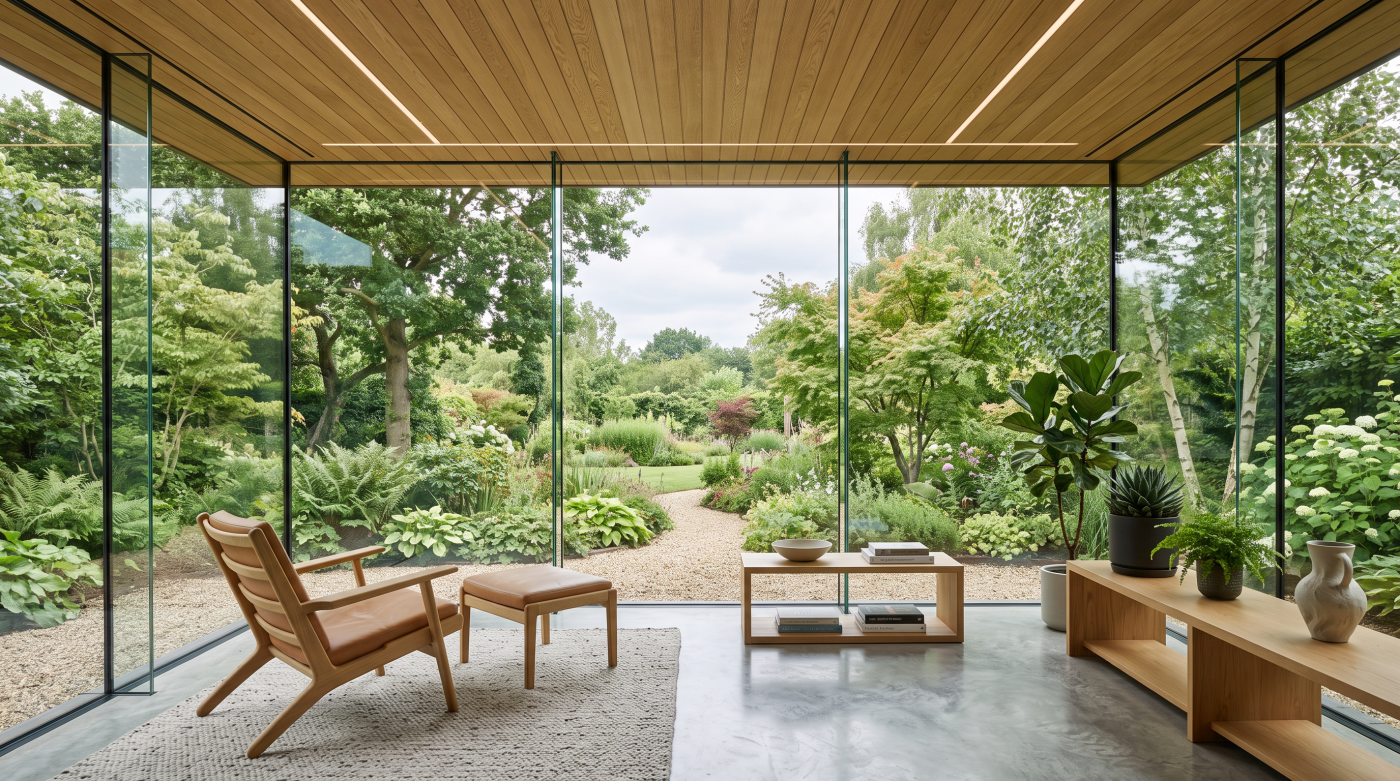
Why Architectural Glazing Has Its Own Vocabulary Anyone embarking on a residential renovation, extension or self-build quickly discovers that architectural glazing comes with its own language. Conversations begin to include terms such as U-value, sightline, thermal break, solar gain and structural glazing, many of which are unfamiliar outside the construction industry. For homeowners, this vocabulary […]
04
Aug
Aug
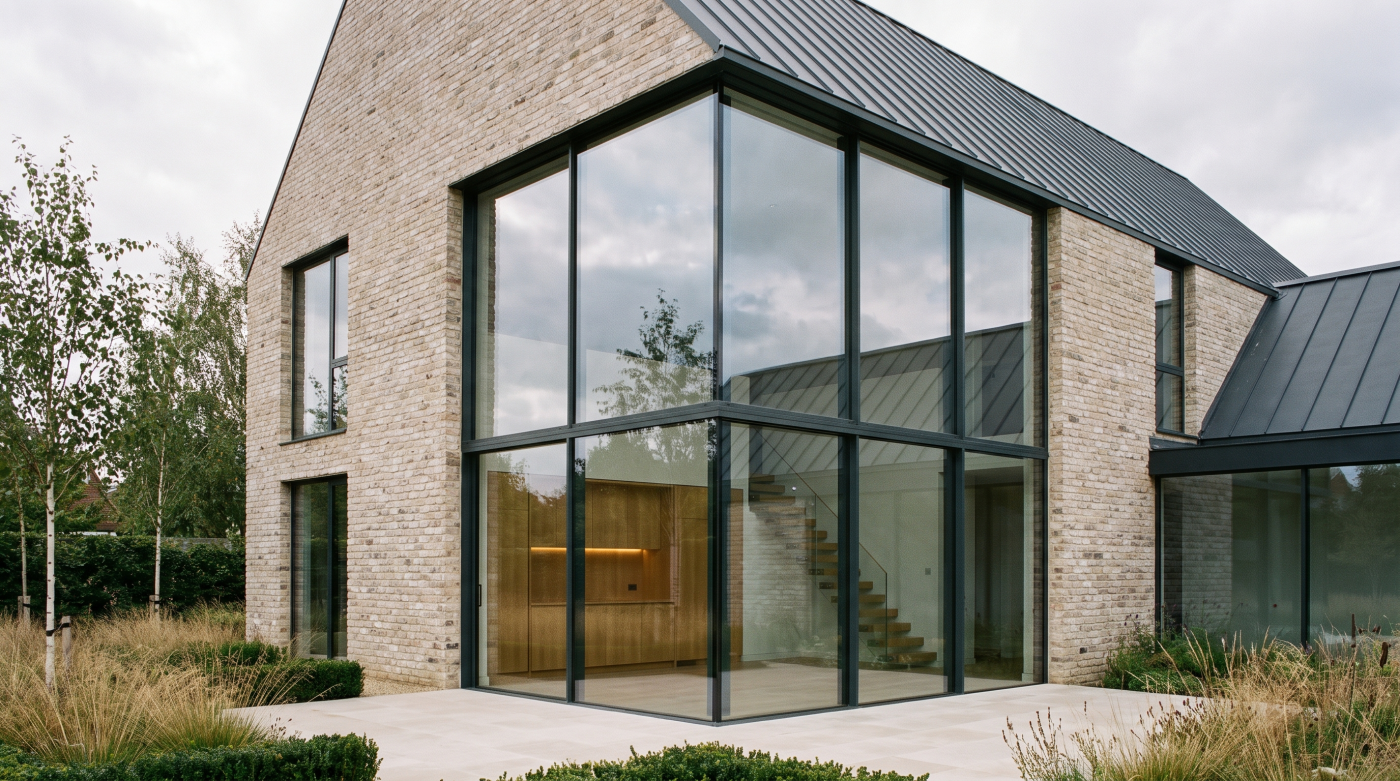
Architectural Glazing Is Not a Requirement for Every Home Architectural glazing is often presented as the natural aspiration for any ambitious residential project. Images of expansive sliding doors, frameless corners and dramatic walls of glass have become closely associated with contemporary architecture, encouraging the impression that larger, more sophisticated glazing systems automatically lead to better […]
04
Aug
Aug
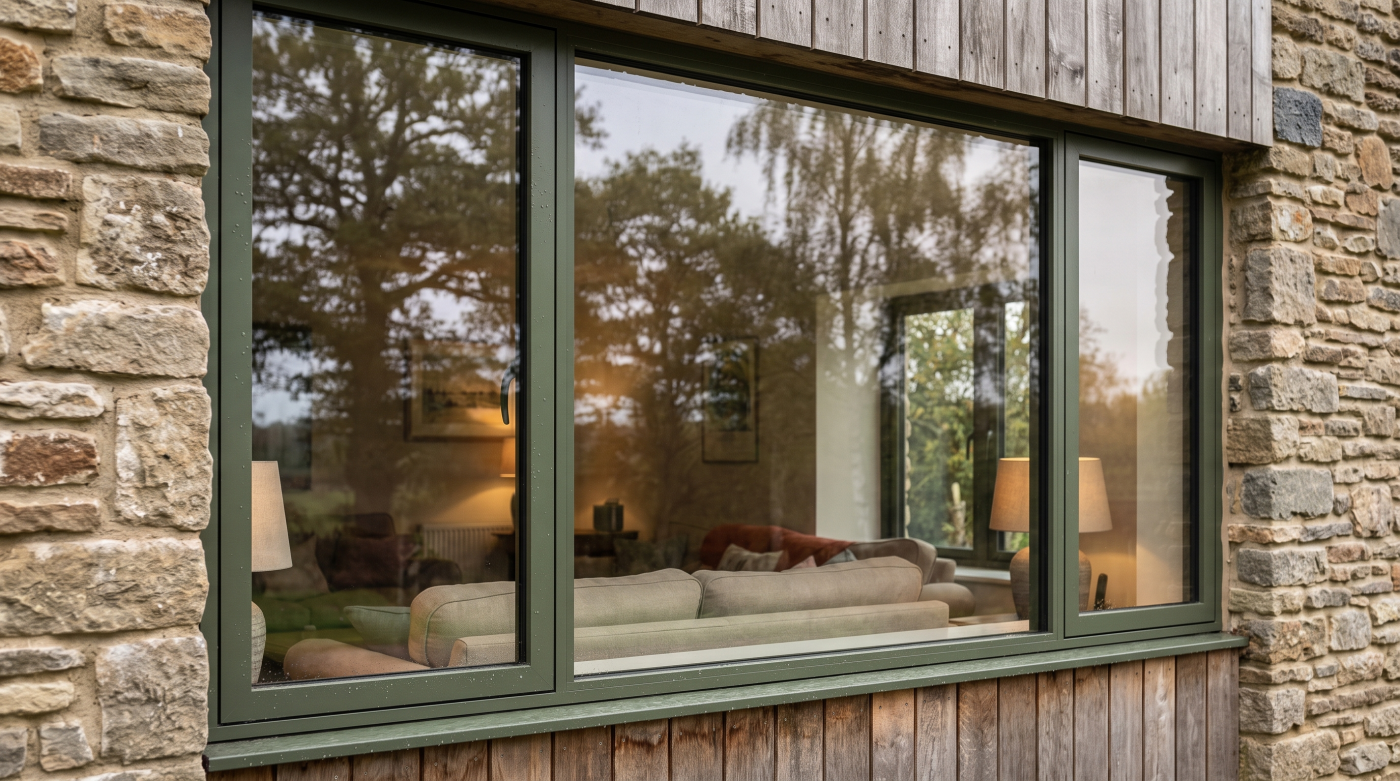
These Two Terms Describe Different Things The comparison between architectural glazing and standard double glazing is a common one, but it begins with a misunderstanding. Although the terms are often used interchangeably, they do not describe equivalent things. One refers to a particular type of insulated glazing unit, while the other describes an approach to […]
03
Aug
Aug
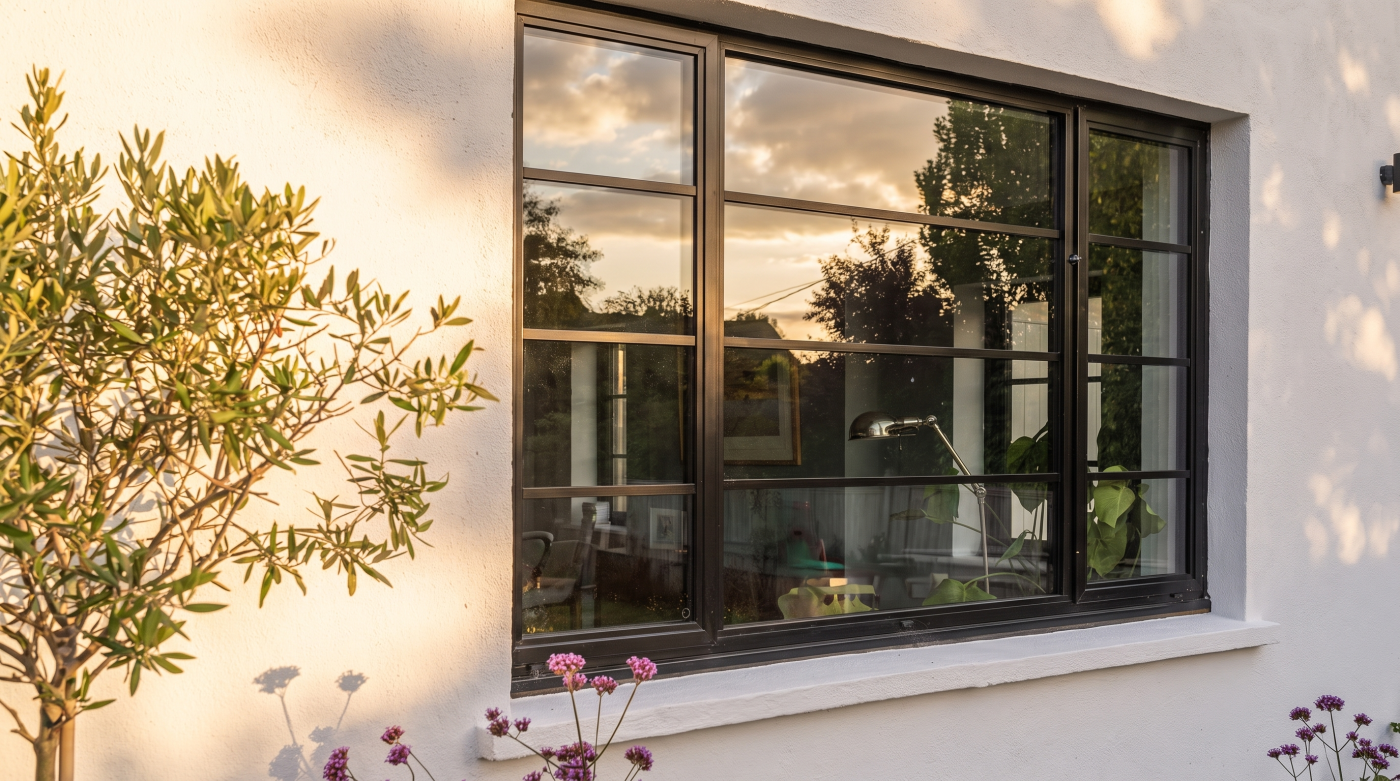
Start With the Home, Not the Windows One of the most common mistakes homeowners make when approaching a glazing supplier is beginning the conversation with products rather than the project itself. Questions such as “Do you supply slim sliding doors?” or “Which aluminium windows do you recommend?” are understandable, but they encourage discussion about solutions […]
03
Aug
Aug
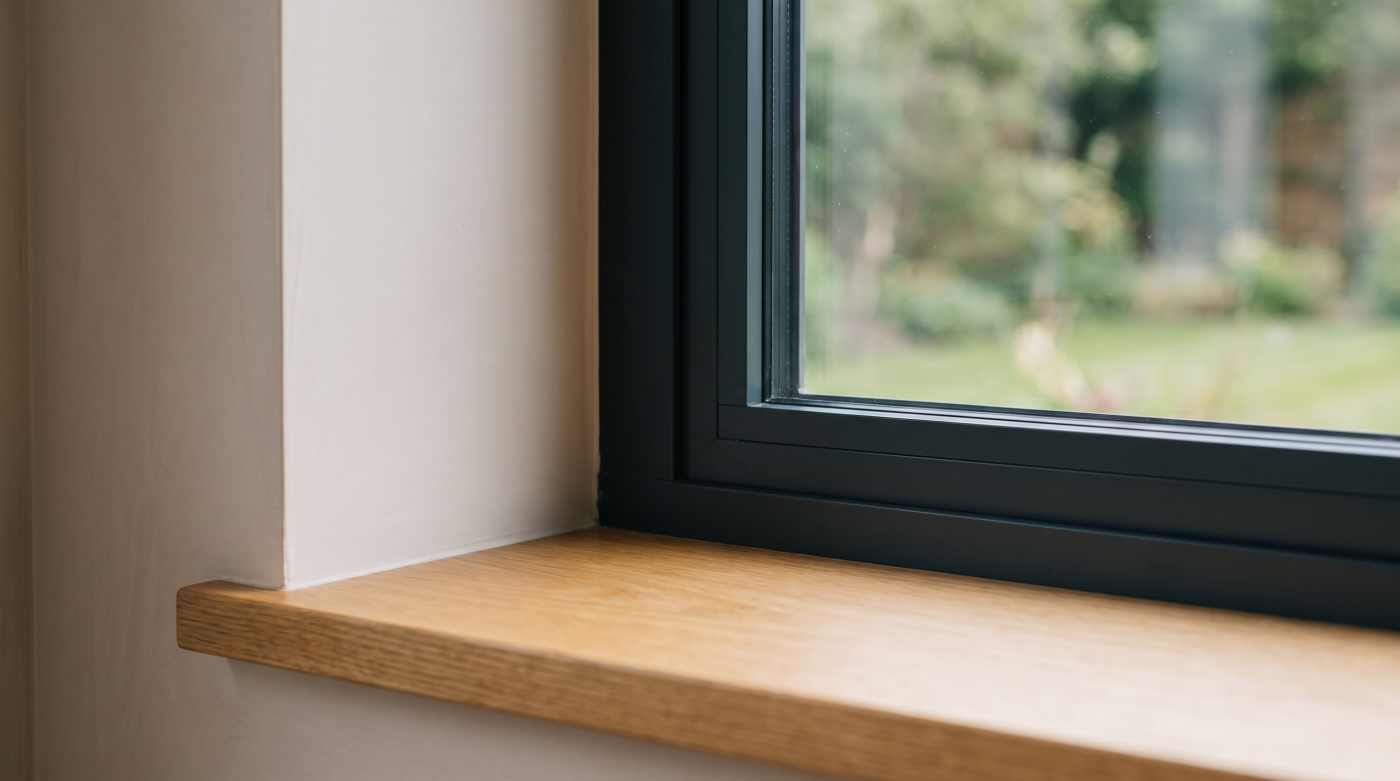
What Is the Building Trying to Achieve? When homeowners begin choosing new windows and doors, the conversation often starts with products, colours or quotations. Architects approach the process from an entirely different perspective. Before considering frame systems or glazing specifications, they first ask what the building is trying to achieve. Every subsequent decision is then […]
03
Aug
Aug
A Site Survey Is About More Than Measurements Many homeowners assume that a site survey is simply the stage at which someone visits the property to measure window openings before manufacturing begins. While accurate dimensions are certainly an important part of the process, architects and experienced glazing professionals understand that a proper site survey serves […]
31
Jul
Jul
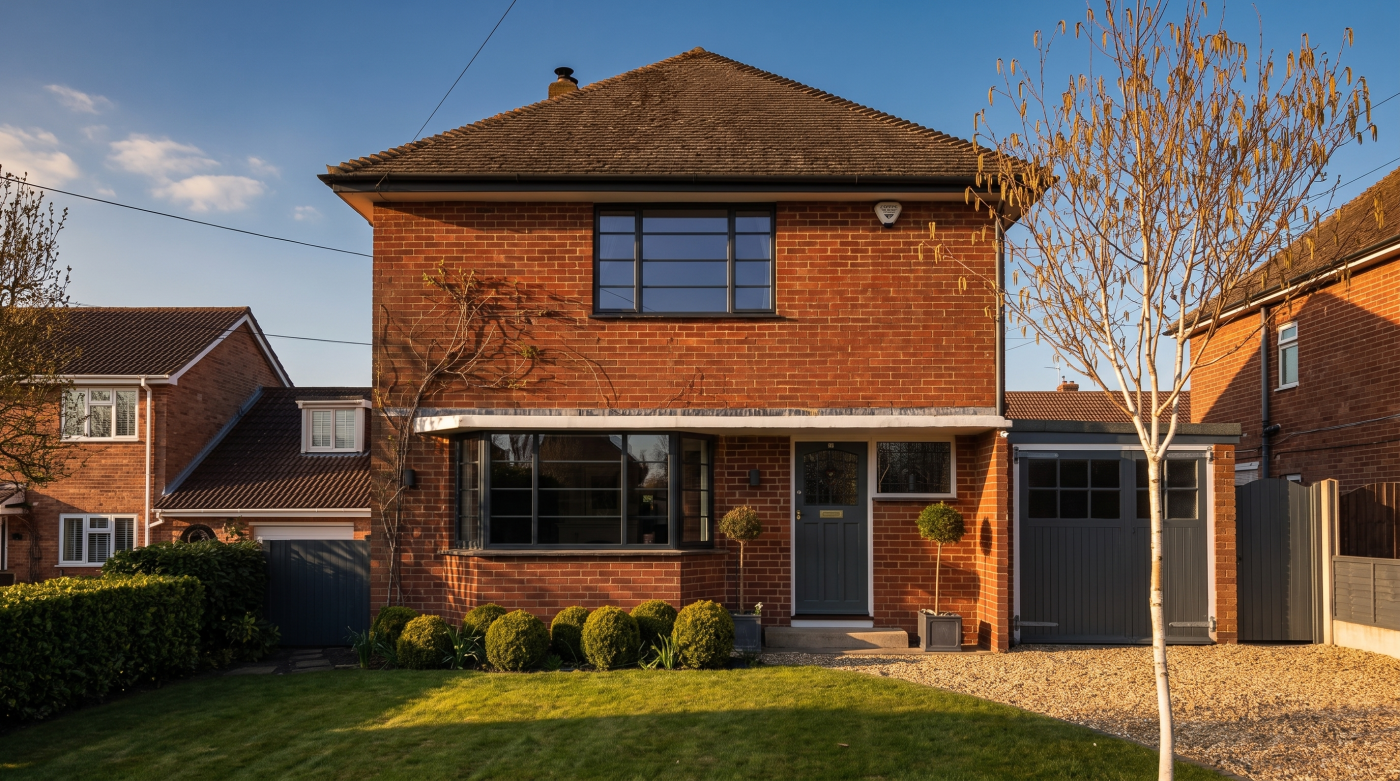
What Does Supply-Only Actually Mean? The term supply only is frequently used within the glazing industry, yet it is often misunderstood by homeowners comparing quotations for windows and doors. While it may appear to describe a simpler or more affordable purchasing option, it actually refers to a distinct procurement route in which the supplier provides […]
31
Jul
Jul
Why Price Is Only One Part of the Decision When homeowners receive several glazing quotations, it is entirely understandable that the first comparison is often the final figure at the bottom of the page. Price provides an immediate and measurable point of reference, particularly when the quotations appear to describe similar products. However, architects rarely […]
30
Jul
Jul
Why Two Quotes Rarely Cover the Same Thing Receiving several quotations for a window project is often recommended as a sensible way to compare options and understand the market. Yet many homeowners quickly discover that the proposals they receive differ considerably, not only in price but also in the products, terminology and levels of detail […]
30
Jul
Jul
Why Every Window Project Costs Something Different One of the most common questions homeowners ask at the beginning of a renovation or self-build project is, “How much will my new windows cost?” It is an entirely reasonable question, yet one that rarely has a simple or meaningful answer. Unlike many household purchases, architectural glazing is […]
29
Jul
Jul
Why Every Building Site Is Different No two building sites are exactly alike, and neither are the environmental conditions that shape the performance of a building over time. While it is easy to think of glazing as a standard element that can be selected from a catalogue, architects approach specification from a very different perspective. […]